地缘政治

Search documents
国泰君安期货所长早读-20260107
Guo Tai Jun An Qi Huo· 2026-01-07 01:30
Report Industry Investment Ratings Not provided in the content. Core Views of the Report - The 2026 China People's Bank Work Conference emphasized promoting high - quality economic development and reasonable price recovery, and planned to use various monetary policy tools such as reserve requirement ratio and interest rate cuts [8][22][28][30]. - Multiple factors drive the copper price to be strong. Supply - side concerns and long - term copper consumption recovery expectations, especially from emerging industries like AI computing centers,新能源 industries, and grid transformation, may lead to a continuous firm or rising copper price [9][10]. - For the Container Freight Index (European Line), the 2602 contract may make up the water price, and the far - month contracts should focus on the water - making up and the fermentation of geopolitical events [11][12][144]. - The silicon iron market is driven by emotions and medium - term expectations, and the price may rise, but the sustainability needs further confirmation [13]. Summary by Related Catalogs Metals Copper - **Supply - side**: Global geopolitical turmoil raises concerns about copper mine supply. The 2026 Chinese imported copper concentrate long - term TC is $0/ton, lower than in 2025. Some copper mines face potential labor disputes and production changes [9][24][26]. - **Demand - side**: Long - term copper consumption recovery expectations are strong. AI computing centers and other emerging industries, as well as the new energy industry and grid transformation, drive copper demand [9][10]. - **Price trend**: Based on the long - term positive fundamentals, the copper price may remain firm or rise [10]. Zinc - **Market performance**: The zinc price is running strongly. The prices of domestic and foreign zinc futures and spot have increased, and the trading volume and open interest have also changed [27]. - **News influence**: Policy changes and geopolitical events may affect the zinc market [28]. Lead - **Market situation**: The LME lead inventory decrease supports the lead price. The prices of domestic and foreign lead futures and spot have changed, and the trading volume and open interest have also shown corresponding trends [31]. - **News background**: Geopolitical events and corporate data influence the lead market [31]. Tin - **Market trend**: The tin price is in a range - bound oscillation. The prices of domestic and foreign tin futures and spot have increased, and the inventory has changed [34]. - **News impact**: Macroeconomic policies and corporate news affect the tin market [35]. Aluminum - **Market performance**: The aluminum price is oscillating strongly. The prices of domestic and foreign aluminum futures and spot, as well as the trading volume, open interest, and inventory, have all changed [37]. - **News influence**: Fed policy differences and geopolitical events affect the aluminum market [38]. Platinum and Palladium - **Market trend**: Platinum shows a recovery in sentiment and runs strongly, and palladium follows platinum. The prices of platinum and palladium futures and spot have increased, and the trading volume, open interest, and inventory have changed [39]. - **News background**: Geopolitical events and corporate news influence the market [42]. Nickel and Stainless Steel - **Market situation**: Nickel is in a wide - range oscillation, and stainless steel is affected by the fundamentals and Indonesian policies. The prices, trading volume, and open interest of nickel - related products have changed, and the Indonesian government has introduced relevant policies [43][44][46]. Carbonate Lithium - **Market performance**: The market sentiment of carbonate lithium is strong. The prices of carbonate lithium futures and spot have increased, and the trading volume and open interest have changed [47]. - **News influence**: The price negotiation of lithium iron phosphate and the release of new battery products affect the market [48][49]. Energy and Chemicals Industrial Silicon and Polysilicon - **Market trend**: Industrial silicon is affected by news and shows a strong performance, and polysilicon needs to pay attention to market news. The prices, trading volume, open interest, and inventory of industrial silicon and polysilicon have changed [50]. - **News background**: The proposed implementation of differential electricity prices in Shaanxi affects the industrial silicon market [51]. Iron Ore - **Market situation**: The iron ore price is fluctuating at a high level. The prices of iron ore futures and spot have changed, and the trading volume, open interest, and inventory have also shown corresponding trends [54][55]. Steel Products (Rebar and Hot - Rolled Coil) - **Market performance**: The prices of rebar and hot - rolled coil are affected by market sentiment and are in a wide - range oscillation. The prices, trading volume, open interest, and inventory of rebar and hot - rolled coil have changed, and relevant policies have been introduced [58][59][60]. Silicon Iron and Manganese Silicon - **Market trend**: The prices of silicon iron and manganese silicon are oscillating upwards. The prices of futures and spot, as well as the trading volume, open interest, and inventory, have changed. The market is affected by potential electricity price increases and other factors [63][64][65]. Coke and Coking Coal - **Market situation**: Coke and coking coal are in a wide - range oscillation with accumulating contradictions. The prices of futures and spot, as well as the trading volume, open interest, and inventory, have changed [67]. Logs - **Market performance**: The log price is oscillating at a low level. The prices, trading volume, open interest, and inventory of log futures and spot have changed [70][71][73]. p - Xylene, PTA, and MEG - **Market trend**: p - Xylene is in a short - term high - level oscillation, PTA is in a high - level oscillation, and MEG has limited upward space and medium - term pressure. The prices, trading volume, open interest, and inventory of relevant products have changed, and market news affects the market [74][75][76]. Rubber - **Market situation**: The rubber price is oscillating strongly. The prices, trading volume, open interest, and inventory of rubber futures and spot have changed, and the rubber cost support is strengthening [79][80][81]. Synthetic Rubber - **Market performance**: The short - term center of synthetic rubber moves upwards. The prices, trading volume, open interest, and inventory of synthetic rubber futures and spot have changed, and it is affected by the cost of butadiene [82][83][84]. LLDPE - **Market trend**: The LLDPE price is firm, and the standard product production decreases. The prices, trading volume, open interest, and inventory of LLDPE futures and spot have changed, and the market is affected by raw material prices and supply - demand relationships [85][86]. PP - **Market situation**: The PP price is weak. The prices, trading volume, open interest, and inventory of PP futures and spot have changed, and it is affected by cost and demand [88][89]. Caustic Soda - **Market performance**: Caustic soda is strong in the short - term and oscillating in the medium - term. The prices, trading volume, open interest, and inventory of caustic soda futures and spot have changed, and it is affected by factors such as delivery and supply - demand [90][91][92]. Pulp - **Market trend**: The pulp price is oscillating strongly. The prices, trading volume, open interest, and inventory of pulp futures and spot have changed, and the market is affected by raw material prices and demand [95][97][98]. Glass - **Market situation**: The glass price is stable. The prices, trading volume, open interest, and inventory of glass futures and spot have changed, and the market is affected by the holiday atmosphere and demand [100][101]. Methanol - **Market performance**: Methanol is strong in the short - term. The prices, trading volume, open interest, and inventory of methanol futures and spot have changed, and it is affected by geopolitical events and supply - demand expectations [103][104][106]. Urea - **Market situation**: The urea price center moves upwards. The prices, trading volume, open interest, and inventory of urea futures and spot have changed, and it is affected by factors such as demand expectations and inventory [108][109][110]. Styrene - **Market trend**: Styrene is in a short - term oscillation. The prices, trading volume, open interest, and inventory of styrene futures and spot have changed, and it is affected by factors such as valuation and supply - demand [113][114][115]. Soda Ash - **Market situation**: The soda ash market changes little. The prices, trading volume, open interest, and inventory of soda ash futures and spot have changed [117][119]. LPG and Propylene - **Market performance**: The LPG import cost is firm, and propylene demand is stable with a slight price increase. The prices, trading volume, open interest, and inventory of LPG and propylene futures and spot have changed, and relevant industry data have also been updated [121]. PVC - **Market trend**: PVC is strong in the short - term but has limited upward space. The prices, trading volume, open interest, and inventory of PVC futures and spot have changed, and it is affected by factors such as cost, supply - demand, and inventory [129][130][131]. Fuel Oil and Low - Sulfur Fuel Oil - **Market situation**: Fuel oil turns strong and is easy to rise and difficult to fall, and low - sulfur fuel oil follows the upward trend. The prices, trading volume, open interest, and inventory of fuel oil and low - sulfur fuel oil futures and spot have changed [134]. Container Freight Index (European Line) - **Market performance**: The 2602 contract may make up the water price, and the far - month contracts should focus on the water - making up and geopolitical events. The prices, trading volume, open interest, and inventory of relevant contracts have changed, and the shipping capacity and freight rates have also been affected [136][142][143]. Agricultural Products Short - Fiber and Bottle Chip - **Market situation**: Short - fiber and bottle chip are in a short - term oscillation. The prices, trading volume, open interest, and inventory of short - fiber and bottle - chip futures and spot have changed [146][147]. Offset Printing Paper - **Market performance**: It is advisable to wait and see for offset printing paper. The prices, trading volume, open interest, and inventory of offset printing paper futures and spot have changed, and the market demand is weak [149][150][152]. Pure Benzene - **Market situation**: Pure benzene is in a short - term oscillation. The prices, trading volume, open interest, and inventory of pure benzene futures and spot have changed, and the port inventory has increased [153][154]. Palm Oil, Soybean Oil, and Rapeseed Oil - **Market performance**: Palm oil is affected by macro - emotions, soybean oil is in a range - bound operation, and rapeseed oil shows corresponding price changes. The prices, trading volume, open interest, and inventory of relevant futures and spot have changed, and relevant industry data have also been updated [157][158][159]. Soybean Meal and Soybeans - **Market situation**: Soybean meal may oscillate, and soybeans are in an oscillation. The prices, trading volume, open interest, and inventory of soybean meal and soybean futures and spot have changed, and the market is affected by factors such as Chinese purchases and USDA reports [162][163][164]. Corn - **Market performance**: Attention should be paid to the corn spot. The prices, trading volume, open interest, and inventory of corn futures and spot have changed, and the market is affected by factors such as spot prices and import information [165][166][167]. Sugar - **Market situation**: Sugar is in a low - level consolidation. The prices, trading volume, open interest, and inventory of sugar futures and spot have changed, and the market is affected by factors such as production and import [169][170][171]. Cotton - **Market performance**: Cotton remains strong. The prices, trading volume, open interest, and inventory of cotton futures and spot have changed, and the market is affected by factors such as spot trading and textile enterprise operations [174][175]. Eggs - **Market situation**: The far - month sentiment of eggs weakens. The prices, trading volume, open interest, and inventory of egg futures and spot have changed, and relevant industry data have also been updated [178]. Hogs - **Market performance**: There is still inventory accumulation for hogs. The prices, trading volume, open interest, and inventory of hog futures and spot have changed, and relevant industry data have also been updated [181][183][184]. Peanuts - **Market situation**: Peanuts are in an oscillating operation. The prices, trading volume, open interest, and inventory of peanut futures and spot have changed, and the spot market price is relatively stable [187][188].
能源化工日报-20260107
Wu Kuang Qi Huo· 2026-01-07 01:28
1. Report Industry Investment Rating There is no information provided regarding the industry investment rating in the documents. 2. Core Views of the Report - For crude oil, the Latin - American geopolitical situation doesn't strongly support overall oil prices, but the valuation of heavy - oil products will rise significantly. The crack spreads of asphalt or fuel oil may have upward momentum [1]. - For methanol, the current valuation is low, and the situation will improve marginally next year. There is limited downward space. Considering the geopolitical instability in Iran, there is a feasibility of buying on dips [1]. - For urea, the import window has opened due to the current internal - external price difference, and with the expected increase in production at the end of January, the fundamental outlook is bearish. It is recommended to take profits on rallies [2]. - For rubber, a neutral stance is adopted for now, with a suggestion to partially close the hedging position of buying RU2605 and selling RU2609 [6]. - For PVC, the overall fundamentals are poor as supply is strong while demand is weak. In the short - term, electricity prices may support PVC at the cost end, but in the medium - term, a strategy of shorting on rallies is recommended before significant production cuts in the industry [8]. - For pure benzene and styrene, the non - integrated profit of styrene is moderately low, with large potential for upward valuation repair. It is advisable to go long on the non - integrated profit of styrene before the first quarter of next year [11]. - For polyethylene, OPEC+ plans to suspend production growth in Q1 2026, and it is recommended to go long on the LL5 - 9 spread on dips [14]. - For polypropylene, although the overall inventory pressure is high under the situation of weak supply and demand, the price may bottom out in Q1 next year when the oversupply pattern changes [17]. - For PX, it is expected to maintain a slight inventory build - up pattern before the maintenance season. There is a medium - term opportunity to go long on dips [19]. - For PTA, it is expected to enter the Spring Festival inventory build - up phase after a short - term inventory draw. There is a medium - term opportunity to go long on dips [22]. - For ethylene glycol, the supply - demand pattern needs significant production cuts to improve. In the medium - term, the valuation may need to be compressed if there are no further production cuts in China [25]. 3. Summaries by Relevant Catalogs 3.1 Crude Oil - **Market Information**: INE's main crude oil futures rose 1.40 yuan/barrel, or 0.33%, to 428.20 yuan/barrel. High - sulfur fuel oil rose 18.00 yuan/ton, or 0.73%, to 2479.00 yuan/ton; low - sulfur fuel oil rose 8.00 yuan/ton, or 0.27%, to 2925.00 yuan/ton. China's weekly crude oil data showed a draw of 2.10 million barrels in crude oil arrival inventory to 205.11 million barrels, a build of 0.58 million barrels in gasoline commercial inventory to 89.62 million barrels, a build of 0.42 million barrels in diesel commercial inventory to 92.56 million barrels, and a build of 1.00 million barrels in total refined oil commercial inventory to 182.18 million barrels [1]. - **Strategy View**: The Latin - American geopolitical situation doesn't strongly support overall oil prices, but the valuation of heavy - oil products will rise significantly. The crack spreads of asphalt or fuel oil may have upward momentum [1]. 3.2 Methanol - **Market Information**: Regional spot prices in different areas had various changes. The main futures contract rose 78 yuan/ton to 2293 yuan/ton, and the MTO profit was - 265 yuan [1]. - **Strategy View**: The current valuation is low, and the situation will improve marginally next year. There is limited downward space. Considering the geopolitical instability in Iran, there is a feasibility of buying on dips [1]. 3.3 Urea - **Market Information**: Regional spot prices in different areas had changes, and the overall basis was - 58 yuan/ton. The main futures contract rose 10 yuan/ton to 1778 yuan/ton [1]. - **Strategy View**: The import window has opened due to the current internal - external price difference, and with the expected increase in production at the end of January, the fundamental outlook is bearish. It is recommended to take profits on rallies [2]. 3.4 Rubber - **Market Information**: The stock market and commodities mostly rose, and rubber prices fluctuated upwards. There were different views from bulls and bears. The total inventory of natural rubber in China increased, and the tire start - up rate showed mixed trends [3][4]. - **Strategy View**: A neutral stance is adopted for now, with a suggestion to partially close the hedging position of buying RU2605 and selling RU2609 [6]. 3.5 PVC - **Market Information**: The PVC05 contract rose 155 yuan to 4919 yuan. The cost of calcium carbide and other raw materials remained stable. The overall start - up rate of PVC was 78.6%, with an increase of 1.4%. The inventory in factories and society increased [7]. - **Strategy View**: The overall fundamentals are poor as supply is strong while demand is weak. In the short - term, electricity prices may support PVC at the cost end, but in the medium - term, a strategy of shorting on rallies is recommended before significant production cuts in the industry [8]. 3.6 Pure Benzene and Styrene - **Market Information**: The spot and futures prices of pure benzene and styrene both declined. The upstream start - up rate increased, and the port inventory of styrene decreased while that of pure benzene increased [10]. - **Strategy View**: The non - integrated profit of styrene is moderately low, with large potential for upward valuation repair. It is advisable to go long on the non - integrated profit of styrene before the first quarter of next year [11]. 3.7 Polyethylene - **Market Information**: The main futures contract of polyethylene rose 130 yuan/ton to 6579 yuan/ton, and the spot price rose 100 yuan/ton. The upstream start - up rate increased, and the inventory decreased. The downstream average start - up rate decreased [13]. - **Strategy View**: OPEC+ plans to suspend production growth in Q1 2026, and it is recommended to go long on the LL5 - 9 spread on dips [14]. 3.8 Polypropylene - **Market Information**: The main futures contract of polypropylene rose 93 yuan/ton to 6423 yuan/ton, and the spot price rose 80 yuan/ton. The upstream start - up rate decreased, and the inventory in production enterprises, traders, and ports decreased. The downstream average start - up rate decreased [15]. - **Strategy View**: Although the overall inventory pressure is high under the situation of weak supply and demand, the price may bottom out in Q1 next year when the oversupply pattern changes [17]. 3.9 PX - **Market Information**: The PX03 contract rose 126 yuan to 7336 yuan. The PX load in China and Asia increased. Some domestic plants restarted and expanded production. The PTA load increased. The import volume from South Korea to China in December increased, and the inventory decreased [18]. - **Strategy View**: It is expected to maintain a slight inventory build - up pattern before the maintenance season. There is a medium - term opportunity to go long on dips [19]. 3.10 PTA - **Market Information**: The PTA05 contract rose 104 yuan to 5150 yuan. The PTA load increased, and some plants restarted and increased production. The downstream load increased, and the inventory decreased [21]. - **Strategy View**: It is expected to enter the Spring Festival inventory build - up phase after a short - term inventory draw. There is a medium - term opportunity to go long on dips [22]. 3.11 Ethylene Glycol - **Market Information**: The EG05 contract rose 106 yuan to 3838 yuan. The supply - side load increased slightly. Some domestic and overseas plants had operation changes. The downstream load increased, and the port inventory decreased [24]. - **Strategy View**: The supply - demand pattern needs significant production cuts to improve. In the medium - term, the valuation may need to be compressed if there are no further production cuts in China [25].
中泰期货晨会纪要-20260107
Zhong Tai Qi Huo· 2026-01-07 01:28
Report Industry Investment Rating No relevant content provided. Core Viewpoints of the Report - The A-share market is strong, with the Shanghai Composite Index hitting a record-long winning streak, and the stock index futures can be considered for trend-following operations [9][13]. - The bond market is under pressure, and the strategy for treasury bond futures is to maintain a flattening yield curve [15]. - Steel is expected to maintain a sideways trend, and iron ore is recommended to be shorted on rallies [17][18]. - The prices of coking coal and coke may rise sideways in the short term, and attention should be paid to the disturbances from coal mine production and safety inspections [19]. - For ferroalloys, it is recommended to short on rallies in the medium term, paying attention to position management [21]. - For soda ash, it is advisable to wait and see; for glass, try to go long after the market sentiment stabilizes [22]. - The short-term price of lithium carbonate will be strong, but beware of significant fluctuations [24]. - For industrial silicon, pay attention to the opportunity to sell out-of-the-money call options on rallies; for polysilicon, hold the previous long positions and continue to look for opportunities to buy on dips [25][26]. - For cotton, operate by buying on dips and rolling; for sugar, trade short-term in the low range [28][30]. - The near-term contracts of eggs are expected to have limited upside space, while the far-term contracts are supported by strong expectations but also have limited upside [32][33]. - The apple futures may be strong, and the corn futures will be sideways to strong in the short term [34]. - The jujube market will maintain a sideways trend, and the short-term spot price of live pigs is likely to decline [36][38]. - The oil price will be sideways without new events, and the prices of fuel oil and plastics will follow the oil price [40][42][43]. - The rubber futures will be sideways, and it is advisable to go long on dips; the synthetic rubber may be strong in the short term, and it is advisable to wait and see if there are no positions [45][46]. - For methanol, consider a slightly long allocation for the far-term contracts; for caustic soda, maintain a long position [47][48]. - The asphalt price is expected to fluctuate more significantly, and pay attention to the price bottom after the winter storage game [49]. - The polyester industry chain prices will follow the cost, and consider the PX and PTA 5 - 9 inter - month positive spreads [51]. - The LPG price has support, but the upside space is limited; the pulp futures are advisable to wait and see; the urea market will be strong in the short term [52][53][55]. Summary by Relevant Catalogs Macro Information - On January 6, the Shanghai Composite Index rose 1.5% to 4083.67 points, achieving a 13 - day winning streak and hitting a new high in over 10 years [9]. - The 2026 International Consumer Electronics Show (CES 2026) kicked off on January 6. NVIDIA announced the full production of the new - generation AI chip platform Vera Rubin, and launched the world's first open - source VLA autonomous driving inference model Alpamayo [9]. - The People's Bank of China deployed key tasks for 2026, including using various monetary policy tools flexibly and efficiently, and strengthening financial market supervision [9]. - China decided to ban the export of all dual - use items to Japanese military users and military purposes [10]. - Four departments jointly issued a document to promote employees' cultural and sports consumption [10]. - Regulatory authorities surveyed some wealth management companies to address the bottlenecks for medium - and long - term funds to enter the market [10]. - As of January 5, over 280 Hong Kong - listed companies released their 2025 fiscal year performance forecasts. The performance of non - ferrous metal and innovative drug companies was generally good, while some traditional industries faced pressure [10]. - The China Securities Index Company announced index adjustments, which will take effect after the market closes on January 9 [11]. - More than a dozen small and medium - sized banks adjusted their deposit interest rates, showing a differentiated pattern [11]. - Boston Dynamics under Hyundai Motor plans to produce 30,000 Atlas humanoid robots annually in the US starting in 2028 [11]. - A US senior official said that Trump's team is discussing various options to acquire Greenland [11]. - A large number of US military planes flew to Europe recently, and Iran's armed forces are on high alert [12]. - The US Secret Service launched a large - scale recruitment campaign to prepare for major events in 2028 [12]. Stock Index Futures - The A - share market continued to rise with enlarged trading volume. The three major PMI indexes all rose to the expansion range, indicating an overall recovery of China's economic prosperity. It is recommended to consider trend - following operations [13][14]. Treasury Bond Futures - The capital market is balanced and slightly loose, and the stock index is strong, putting pressure on the bond market. The strategy is to flatten the yield curve [15]. Black Metals Steel and Iron Ore - Policy has little impact on steel production. The demand for building materials is weak, while the demand for coils is okay. The supply of steel mills is stable, and the inventory is high. The valuation of iron ore is reasonable, and the supply is strong while the demand is stable. Steel is expected to be sideways, and iron ore is recommended to be shorted on rallies [17][18]. Coking Coal and Coke - The prices of coking coal and coke may rise sideways in the short term. The supply of coking coal may shrink, and the potential negative feedback risk restricts the price increase. The inventory of upstream enterprises is increasing, and the downstream replenishment is slow [19][20]. Ferroalloys - The market is affected by emotions, and it is not recommended to chase the rise. It is advisable to short on rallies in the medium term, paying attention to position management [21]. Soda Ash and Glass - For soda ash, wait and see; for glass, try to go long after the market sentiment stabilizes. The supply of soda ash is at a high level, and new capacity may be put into production. The market expects cold - repair of glass production lines, and attention should be paid to the implementation of cold - repair [22]. Non - ferrous Metals and New Materials Lithium Carbonate - The short - term price will be strong, but beware of significant fluctuations. The fundamentals are slightly weak, but the mine disturbances reduce the复产 expectation, and the long - term demand is good [24]. Industrial Silicon and Polysilicon - For industrial silicon, pay attention to the opportunity to sell out - of - the - money call options on rallies. For polysilicon, hold the previous long positions and continue to look for opportunities to buy on dips. The supply and demand of industrial silicon are in a loose balance, and the supply and demand of polysilicon are stable, with the anti -内卷 policy dominating the market [25][26]. Agricultural Products Cotton - The short - term supply is loose, but the long - term supply is expected to shrink. It is advisable to buy on dips and roll. The international cotton price is affected by the planting area and export, and the domestic cotton price is affected by the pre - holiday replenishment and the decline in production before the Spring Festival [28][29]. Sugar - The domestic sugar market is in a season of strong supply and demand. It is recommended to trade short - term in the low range. The global sugar supply is in surplus, but some institutions have lowered the surplus forecast [30][31]. Eggs - The spot price of eggs is rising seasonally before the Spring Festival, but the supply - demand pattern is still loose. The upside space of the near - term contracts is limited, and the far - term contracts are supported by expectations but also have limited upside [32][33]. Apples - The futures price may be strong. The出库 of apples is slightly lower than last year, the sales in the sales area are weak, and attention should be paid to the price changes in the sales area [34]. Corn - The short - term futures price will be sideways to strong. The price is affected by the farmers' selling sentiment and policy - related grain auctions [34][35]. Jujubes - The market will maintain a sideways trend. The prices in the production and sales areas are stable, and attention should be paid to the sales in the peak consumption season [36][37]. Live Pigs - The spot price is expected to decline in the middle of January. The futures main contract is recommended to be shorted on rallies. The second - fattening entry is active, and the supply pressure before the Spring Festival is increasing [38]. Energy and Chemicals Crude Oil - The geopolitical trading is over, and the market focuses on fundamentals. The oil price is facing a serious supply surplus, and it will be sideways without new events. Attention should be paid to the situation in Iran [40]. Fuel Oil - The price follows the oil price. The supply is loose, and the demand is weak. The geopolitical situation in Iran affects the oil price, and the inventory is increasing [42]. Plastics - The supply pressure of polyolefins is large, and the demand is weak. The upstream is in heavy losses, which may support a small rebound. It is advisable to take a sideways view and beware of callback risks [43][44]. Rubber - The price will be sideways, and it is advisable to go long on dips. The raw material price in Thailand is rising, and the fundamentals have no obvious contradictions [45]. Synthetic Rubber - The price may be strong in the short term, and it is advisable to wait and see if there are no positions. The price is driven by cost and market sentiment, and attention should be paid to the downstream procurement sentiment [46]. Methanol - The fundamentals are improving in the medium - long term. The far - term contracts can be considered for a slightly long allocation. The supply may be affected by the situation in Iran, and attention should be paid to the port inventory [47]. Caustic Soda - Maintain a long position. The impact of fundamentals on the futures is weak, and the spot price in Shandong is stable or declining [48]. Asphalt - The price is expected to fluctuate more significantly, and attention should be paid to the price bottom after the winter storage game. The supply of raw materials is uncertain due to geopolitics [49][50]. Polyester Industry Chain - The prices follow the cost. Consider the PX and PTA 5 - 9 inter - month positive spreads. The supply and demand of PX and PTA are expected to weaken, and the market for ethylene glycol and short - fiber will be sideways [51]. Liquefied Petroleum Gas - The price has support, but the upside space is limited. The supply in the Middle East is tight, but the global supply is abundant. The demand in winter is strong, but the chemical end is under pressure [52]. Paper Pulp - It is advisable to wait and see. The spot trading is weak, the port inventory is increasing, and the valuation does not provide a good opportunity [53]. Logs - The fundamentals are slightly weak, and the price will be sideways. The domestic spot market is stable, and the port inventory is increasing [54]. Urea - The spot and futures markets are expected to be strong in the short term. The spot price is rising, and the futures price is also strong [55][56].
中信期货晨报:国内商品期市收盘大面积飘红,碳酸锂涨幅居前-20260107
Zhong Xin Qi Huo· 2026-01-07 01:22
1. Report Industry Investment Rating - Not provided in the given content 2. Core View of the Report - Based on the gradually increasing policy expectations in China, it is recommended to emphasize the offensiveness of portfolio allocation under the "balanced allocation" strategy framework. Long - position overweight is recommended for stock indices and non - ferrous metals (copper, aluminum, tin). Precious metals should be standard - allocated in the short term and overweighted at low levels after volatility stabilizes. For different asset classes, the driving logics in the quarterly dimension vary: the domestic equity market is expected to strengthen driven by policy expectations and the expectation of front - loaded fiscal efforts; treasury bonds can be considered for bull - steepening opportunities under the expectation of easing, but the odds are limited, and a standard allocation is generally recommended; precious metals have high short - term volatility, and investors are advised to build positions at low levels after volatility stabilizes; non - ferrous metals perform relatively better supported by the macro and industry; black commodities return to a weak and oscillatory state after the rebound driven by winter storage; crude oil is generally oscillatory and it is recommended to stay on the sidelines [5]. 3. Summary According to Relevant Catalogs 3.1 Overseas and Domestic Macroeconomic Situation - **Overseas**: Trump may announce the nomination for the new Fed Chair in January. Hassett is the most popular candidate, and the interest - rate cut path may be faster in the next one to two years. The geopolitical event in Venezuela over the weekend has a relatively limited short - term positive effect on crude oil and precious metals. Venezuela has about 17% of the world's oil reserves but its actual daily output is only about 1 million barrels, accounting for 1% of the global supply [5]. - **Domestic**: Policy expectations are rising in the first quarter. The manufacturing PMI rebounded in December, with both supply and demand improving marginally. The 2026 national subsidy policy has been released, with some optimizations compared to 2025. The National Development and Reform Commission has organized and issued the list of "two important" construction projects and the central budget investment plan for 2026, totaling about 295 billion yuan, and approved or approved major infrastructure projects with a total investment of over 400 billion yuan. Coupled with the 500 billion yuan of new policy - based financial instrument funds issued at the end of October, the investment side is expected to gradually stabilize in the first quarter [5]. 3.2 Asset Views - **Stock Indices**: It is recommended to overweight. The domestic equity market is expected to strengthen driven by policy expectations and the expectation of front - loaded fiscal efforts [5]. - **Treasury Bonds**: It is recommended to maintain a standard allocation. There are opportunities for bull - steepening under the expectation of easing, but the odds are limited [5]. - **Precious Metals**: Standard - allocate in the short term due to high volatility, and overweight at low levels after volatility stabilizes. The short - term positive effect of the Venezuela event on precious metals is limited, and they may show a high - opening and falling - back trend if the conflict does not escalate [5]. - **Non - ferrous Metals**: Overweight. They perform relatively better supported by the macro and industry [5]. - **Black Commodities**: After the rebound driven by winter storage, they return to a weak and oscillatory state [5]. - **Crude Oil**: Stay on the sidelines as it is generally oscillatory [5]. 3.3 View Highlights 3.3.1 Financial Sector - **Stock Index Futures**: The market is boosted by dual factors, but continuous upward movement requires waiting. The short - term judgment is oscillatory and rising, and the key point to watch is the situation of incremental funds [6]. - **Stock Index Options**: Use option covered strategies to increase returns. The short - term judgment is oscillatory, and the key point to watch is the liquidity of the option market [6]. - **Treasury Bond Futures**: The sentiment at the long end is still weak. The short - term judgment is oscillatory, and the key point to watch is the implementation of monetary policy [6]. 3.3.2 Precious Metals Sector - **Gold/Silver**: The expectation of loose liquidity is clear, and the structural shortage of silver spot persists. The short - term judgment is oscillatory and rising, and the key points to watch are the US fundamental performance, Fed monetary policy, and the trend of geopolitical conflicts [6]. 3.3.3 Shipping Sector - **Container Shipping to Europe**: The near - term is supported by pre - Spring Festival shipments, and the far - term is concerned about the risk of resumed voyages. The short - term judgment is oscillatory, and the key points to watch are the 2026 shipping company's resumption arrangements, the freight rates of long - term contracts signed at the end of the year, and the support of pre - Spring Festival shippers' shipments to freight rates [6]. 3.3.4 Black Building Materials Sector - **Steel and Iron Ore**: The cost performance is differentiated, and the market is in a weak adjustment. The short - term judgment is oscillatory, and the key points to watch are the progress of special bond issuance, steel export volume, iron - making water production, overseas mine production and shipment, domestic iron - making water production, weather factors, port ore inventory changes, and policy - level dynamics [6]. - **Coke**: Four rounds of price cuts have been implemented, and the bearish sentiment still exists. The short - term judgment is oscillatory, and the key points to watch are steel mill production, coking costs, and macro sentiment [6]. - **Coking Coal**: Coal mines in the production area are gradually resuming production, but downstream procurement is still cautious. The short - term judgment is oscillatory, and the key points to watch are steel mill production, coal mine safety inspections, and macro sentiment [6]. - **Silicon Iron**: The electricity price has slightly loosened, and attention should be paid to production control trends. The short - term judgment is oscillatory, and the key points to watch are raw material costs and steel procurement [6]. - **Manganese Silicon**: The supply pressure is difficult to solve, and the upward movement of the market is blocked. The short - term judgment is oscillatory, and the key points to watch are cost prices and overseas quotes [6]. - **Glass**: The actual demand is weak, and inventory is continuously transferred. The short - term judgment is oscillatory, and the key point to watch is the spot sales and production [6]. - **Soda Ash**: After the end of maintenance, production has recovered, and the upstream inventory has increased significantly. The short - term judgment is oscillatory, and the key point to watch is the soda ash inventory [6]. 3.3.5 Non - ferrous and New Materials Sector - **Copper**: Inventory is continuously accumulating, and copper prices are oscillating at a high level. The short - term judgment is oscillatory and rising, and the key points to watch are supply disruptions, unexpected domestic policies, less - than - expected dovishness of the Fed, less - than - expected recovery of domestic demand, and economic recession [6]. - **Alumina**: The oversupply situation has not improved significantly, and alumina prices continue to be under pressure. The short - term judgment is oscillatory, and the key points to watch are less - than - expected resumption of ore production, more - than - expected resumption of electrolytic aluminum production, and extreme sector trends [6]. - **Aluminum**: The Mozal aluminum plant is facing shutdown, and aluminum prices are oscillating at a high level. The short - term judgment is oscillatory and rising, and the key points to watch are macro risks, supply disruptions, and less - than - expected demand [6]. - **Zinc**: The LME zinc inventory continues to increase, and the rebound space of zinc prices is limited. The short - term judgment is oscillatory, and the key points to watch are macro - turning risks and more - than - expected recovery of zinc ore supply [6]. - **Lead**: The willingness of downstream buyers to take delivery has improved, and lead prices may stop falling and stabilize. The short - term judgment is oscillatory, and the key points to watch are supply - side disruptions and slowdown in battery exports [6]. - **Nickel**: Indonesia plans to significantly reduce the RKAB of nickel mines, and nickel prices are rebounding. The short - term judgment is oscillatory, and the key points to watch are unexpected macro and geopolitical changes, Indonesian policy risks, and less - than - expected supply release [6]. - **Stainless Steel**: The rebound of nickel prices drives the stainless - steel market to rise. The short - term judgment is oscillatory, and the key points to watch are Indonesian policy risks and more - than - expected demand growth [6]. - **Tin**: Downstream rigid demand is resilient, and tin prices are oscillating strongly. The short - term judgment is oscillatory and rising, and the key points to watch are the expectations of resumption of production in Wa State and demand improvement [6]. - **Industrial Silicon**: Market sentiment fluctuates, and silicon prices are rising. The short - term judgment is oscillatory, and the key points to watch are more - than - expected resumption of supply and policy changes [6]. - **Polysilicon**: The expectation of state - reserve purchase is still fermenting, and polysilicon continues to have high volatility. The short - term judgment is oscillatory, and the key points to watch are more - than - expected resumption of supply and domestic photovoltaic policy changes [6]. - **Lithium Carbonate**: Inventory depletion slows down, and lithium prices are under oscillatory pressure. The short - term judgment is oscillatory, and the key points to watch are less - than - expected demand, supply disruptions, and new technological breakthroughs [6]. 3.3.6 Energy and Chemical Sector - **Crude Oil**: Geopolitical factors continue to disrupt, and oil prices continue to oscillate. The short - term judgment is oscillatory, and the key points to watch are OPEC+ production policies and geopolitical situations [8]. - **LPG**: The strong - reality situation is loosening, and attention should be paid to the implementation of downstream production cuts. The short - term judgment is oscillatory, and the key points to watch are the cost progress of crude oil and overseas propane [8]. - **Asphalt**: The political turmoil in Venezuela causes the asphalt futures price to rise. The short - term judgment is oscillatory, and the key point to watch is sanctions and supply disruptions [8]. - **High - Sulfur Fuel Oil**: Support for fuel oil futures prices is gradually accumulating. The short - term judgment is oscillatory, and the key points to watch are geopolitics and crude oil prices [8]. - **Low - Sulfur Fuel Oil**: The low - sulfur fuel oil futures price is oscillating downward. The short - term judgment is oscillatory, and the key point to watch is the crude oil price [8]. - **Methanol**: Overseas disruptions occur frequently, and methanol is oscillating strongly. The short - term judgment is oscillatory and rising, and the key points to watch are macro - energy and actual overseas shutdown dynamics [8]. - **Urea**: After - holiday trading is active, and urea is stable and strong. The short - term judgment is oscillatory, and the key points to watch are the coal market and the progress of commercial storage [8]. - **Ethylene Glycol**: The reduction in polyester production is gradually being realized, and the driving force of ethylene glycol is general. The short - term judgment is oscillatory, and the key points to watch are fluctuations in coal and oil prices and the rhythm of port inventory [8]. - **PX**: There is a repeated game between weak terminal demand and strong expectations, and it is consolidating at a high level. The short - term judgment is oscillatory, and the key points to watch are sharp fluctuations in crude oil, macro - level abnormalities, and disruptions in refining and chemical plants [8]. - **PTA**: The TA processing fee is at the upper end of the range, and the continuous upward space is limited. The short - term judgment is oscillatory, and the key points to watch are sharp fluctuations in crude oil, macro - level abnormalities, and insufficient support from downstream polyester loads [8]. - **Short - Fiber**: Weak terminal demand restricts price elasticity. The short - term judgment is oscillatory, and the key points to watch are the purchasing rhythm of downstream yarn mills and the demand change rhythm around the Spring Festival [8]. - **Bottle - Grade PET**: More device maintenance is scheduled in January, and the basis is firm. The short - term judgment is oscillatory, and the key points to watch are the implementation of bottle - grade PET enterprise production - cut targets and sea freight [8]. - **Propylene**: There is an expectation of reduced PDH operation, and PL is oscillating. The short - term judgment is oscillatory, and the key points to watch are oil prices and the domestic macro - situation [8]. - **PP**: Maintenance increases, and PP is oscillating. The short - term judgment is oscillatory, and the key points to watch are oil prices and domestic and overseas macro - situations [8]. - **Plastic**: The support from maintenance is limited, and plastic is considered oscillatory. The short - term judgment is oscillatory, and the key points to watch are oil prices and domestic and overseas macro - situations [8]. - **Styrene**: Driven by exports and a warm commodity atmosphere, styrene has been oscillating strongly recently. The short - term judgment is oscillatory, and the key points to watch are oil prices, macro - policies, and device dynamics [8]. - **PVC**: Overseas device shutdowns cause PVC to rebound strongly. The short - term judgment is oscillatory, and the key points to watch are expectations, costs, and supply [8]. - **Caustic Soda**: Supply and demand are under pressure, and costs are decreasing. Caustic soda is cautiously weak. The short - term judgment is oscillatory, and the key points to watch are market sentiment, operation, and demand [8]. 3.3.7 Agricultural Sector - **Oils and Fats**: The supply is expected to be loose, and oils and fats are adjusting downward. The short - term judgment is oscillatory, and the key points to watch are South American weather and Malaysian palm oil production and demand data [8]. - **Protein Meal**: The expectation of a bumper harvest in South America is strong, and the two types of meal are oscillating at a low level. The short - term judgment is oscillatory, and the key points to watch are customs policies, South American weather, the macro - situation, and Sino - US and Sino - Canadian trade wars [8]. - **Corn/Starch**: Trading is gradually resuming, and prices are oscillating within a range. The short - term judgment is oscillatory, and the key points to watch are demand, the macro - situation, and weather [8]. - **Hogs**: The sow inventory decreased in December, and the far - month futures market rebounded. The short - term judgment is oscillatory, and the key points to watch are breeding sentiment, epidemics, and policies [8]. - **Natural Rubber**: The bullish sentiment still exists, and rubber prices are oscillating at a high level. The short - term judgment is oscillatory and rising, and the key points to watch are产区 weather, raw material prices, and macro - changes [8]. - **Synthetic Rubber**: The market maintains an oscillatory trend. The short - term judgment is oscillatory and rising, and the key point to watch is sharp fluctuations in crude oil [8]. - **Cotton**: Cotton prices are rising with increasing positions. The short - term judgment is oscillatory and rising, and the key points to watch are production and demand [8]. - **Sugar**: Sugar prices are fluctuating within a narrow range and are still under pressure in the medium term. The short - term judgment is oscillatory and falling, and the key points to watch are imports and northern hemisphere production [8]. - **Pulp**: The market is driven by funds and the macro - situation, and pulp futures are oscillating repeatedly. The short - term judgment is oscillatory and rising, and the key points to watch are macro - economic changes and fluctuations in US - dollar - denominated quotes [8]. - **Offset Printing Paper**: The spot is stable, and the market is strong. The short - term judgment is oscillatory, and the key points to watch are sales and production, education policies, and paper mill operation dynamics [8]. - **Logs**: Supply and demand are both weak, and prices are oscillating within a narrow range. The short - term judgment is oscillatory, and the key points to watch are shipment volume and dispatch volume [8].
能源化策略:沙特连续第三个?下调对亚洲的OSP油价,塑料反弹后基差?弱
Zhong Xin Qi Huo· 2026-01-07 01:22
1. Report Industry Investment Rating No relevant content provided. 2. Core Viewpoints of the Report - Geopolitical risks are disturbing the energy and chemical market, and the chemical industry as a whole will continue its volatile pattern. The prices of various products are affected by factors such as geopolitical situations, supply - demand relationships, and cost support, showing different trends [4]. 3. Summary According to Different Catalogs 3.1 Market Outlook - **Crude Oil**: Geopolitical factors continue to cause disruptions, and oil prices will continue to fluctuate. The actual reduction in Venezuelan crude oil exports is still uncertain, API data shows a decline in US crude oil inventories but an increase in gasoline and diesel inventories. OPEC +'s production expectations for the first quarter are stable, but the geopolitical situations in Iran and Venezuela are the core factors affecting supply expectations [8][9]. - **Asphalt**: As the political situation in Venezuela stabilizes, asphalt futures prices will decline. The supply interruption expectation of asphalt raw materials will be alleviated, asphalt supply and demand are both weak, inventory is accumulating, and its valuation compared to some products is relatively high [10]. - **High - Sulfur Fuel Oil**: Support for fuel oil futures prices is gradually accumulating. However, high - sulfur fuel oil faces medium - to long - term double negatives from high - floating storage in the Asia - Pacific region and the substitution of fuel oil demand by natural gas and photovoltaics [10]. - **Low - Sulfur Fuel Oil**: Low - sulfur fuel oil futures prices will fluctuate. It follows the trend of crude oil, has a certain support, but also faces negative factors such as a decline in shipping demand, green energy substitution, and high - sulfur substitution [12]. - **Methanol**: Due to the turbulent situation in the Middle East, methanol will rise strongly. The market is affected by overseas supply disruptions and high inventory pressure, but the methanol market based on coastal trading logic is still considered strong [27]. - **Urea**: New orders are actively traded. The release of the India tender has boosted market sentiment, and urea prices will be moderately strong. The supply is increasing, demand from some regions is rising, and the market is in a moderately strong state, but the upside space during the off - season is limited [28]. - **Ethylene Glycol**: Geopolitical instability brings uncertainties to the supply side. Cost support is significant, but with the approaching Spring Festival, demand is expected to decline, and the price will be range - bound in the short term [20]. - **PX**: Geopolitical factors boost international oil prices, providing cost support for PX. In the short term, PX supply is expected to return, downstream polyester load is stable, and PX prices are expected to be sorted in a high - level range [13]. - **PTA**: Cost support and a positive chemical market sentiment strengthen the support for PTA prices. After the post - holiday maintenance devices return to production, the supply - demand relationship is marginally weaker, and the processing fee is slightly reduced [14][15]. - **Short - Fiber**: Cost provides some support, but demand is not sustainable, and profits are under pressure. Although the cost of upstream polyester raw materials is rising, the short - fiber's own supply - demand drive is weak, and it is in the off - season [22][23]. - **Bottle - Chip**: More device overhauls are scheduled in January, and the basis is strong. The cost is rising, but downstream buyers are waiting and watching. The increase in overhauls enhances the support for profits [24]. - **Plastic**: The weak basis restricts the upside space of plastics. Although the futures price has rebounded slightly due to macro - expectations and low - valuation varieties, the spot is weak, and demand is in the off - season [31][32]. - **PP**: The increase in overhauls makes PP prices rise cautiously. Affected by oil prices and geopolitical factors, the downstream is in the off - season, and the focus is on PDH in the future [33]. - **PL**: Supported by the expectation of PDH overhauls, PL prices will fluctuate. The spot trading atmosphere has improved, but downstream demand support is limited during the off - season [33]. - **PVC**: Frequent supply disruptions lead to a strong rebound in PVC. Geopolitical factors may boost the sentiment of commodity bulls. There are positive factors such as overseas device outages and expected increases in electricity costs, but the downstream is in the off - season [35]. - **Caustic Soda**: Positive market sentiment drives caustic soda prices. Geopolitical factors may boost the sentiment of commodity bulls. The expected increase in electricity costs for restricted - capacity caustic soda production in Shaanxi has boosted market sentiment, but the market is also facing problems such as high inventory [36]. 3.2 Variety Data Monitoring 3.2.1 Energy and Chemical Daily Indicator Monitoring - **Inter - period Spreads**: Different varieties have different inter - period spread values and changes. For example, Brent's M1 - M2 spread is 0.41 with a change of 0.02, and PX's 1 - 5 month spread is - 26 with a change of - 12 [39]. - **Basis and Warehouse Receipts**: Each variety has corresponding basis and warehouse receipt data. For example, asphalt's basis is - 74 with a change of - 11, and the number of warehouse receipts is 27920 [40]. - **Inter - variety Spreads**: There are also different inter - variety spread values and changes. For example, the 1 - month PP - 3MA spread is - 564 with a change of - 141 [41]. 3.2.2 Chemical Basis and Spread Monitoring - Although specific content for each variety is mentioned, no detailed data or summaries are provided in the given text. 3.3 Commodity Index - **Comprehensive Index**: The comprehensive index, specialty index (including commodity 20 index and industrial product index), and PPI commodity index all show positive growth rates on January 6, 2026 [284]. - **Sector Index**: The energy index on January 6, 2026, has a daily increase of 0.03%, a 5 - day decrease of 0.16%, a 1 - month decrease of 3.54%, and a year - to - date increase of 0.03% [285].
国际金价为何一路狂飙?
Ren Min Ri Bao Hai Wai Ban· 2026-01-07 00:14
受地缘政治紧张局势加剧、市场供需紧张及避险需求推动,国际市场黄金期货和现货价格2025年底均创 历史新高。2025年,国际金价累计涨幅超过70%。金价狂飙的背后,以美元为中心的国际货币体系正在 动摇,美元信用正在削弱,此外还有AI产业推进带来的需求。本报邀请中国现代国际关系研究院研究 员陈凤英和中国国际经济交流中心学术委员会副主任陈文玲进行解读。 让人想起"尼克松冲击" 2025年这一轮国际金价上涨可以说走出了"史诗级行情",从年初的2600美元/盎司到年底的4500美元/盎 司,现货黄金全年50次刷新历史纪录 【观察】 在多重因素推动下,国际金价在2025年屡创新高,尤其年底更是频频刷新纪录,全年累计涨幅约七成, 创下自1979年以来最强的年度表现。 国际黄金的首轮牛市始于美国前总统尼克松放弃金本位制并瓦解布雷顿森林货币体系之时。随着尼克松 政府着手扩大美国联邦赤字,通胀率飙升,再叠加两次石油价格冲击的影响,黄金价格从1971年8月的 每盎司35美元一路冲高,于1980年1月触及每盎司835美元的峰值。 "乱世黄金"再次得到验证 "乱世"不一定是战争,也可以是无序。世界正处于百年未有之大变局,也是大乱局,变 ...
一边是格陵兰岛,一边是委内瑞拉,欧盟为何双标?
Zhong Guo Xin Wen Wang· 2026-01-06 23:55
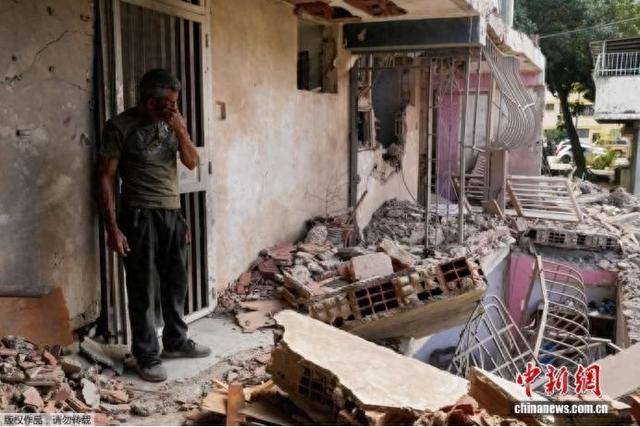
Core Viewpoint - The European Union (EU) exhibits a double standard in its responses to international events, particularly regarding the sovereignty of Greenland and the U.S. military actions in Venezuela, reflecting geopolitical interests and alliances [3][11][12]. Group 1: EU's Response to Greenland and Venezuela - EU spokesperson Anita Heipel emphasized the EU's commitment to uphold national sovereignty and territorial integrity in response to U.S. threats regarding Greenland [1][7]. - In contrast, Heipel's response to the legality of U.S. military actions in Venezuela was vague, stating that it was too early to assess the legal implications due to the ongoing situation [1][12]. Group 2: Geopolitical Implications - The differing responses stem from geopolitical interests, with Greenland's strategic significance and rich mineral resources being crucial for European integration, while Venezuela is viewed as part of the U.S. "backyard" [3][11]. - The EU's ambiguous stance on U.S. actions in Venezuela undermines its efforts to establish a rules-based international order, as it fails to uphold the principles of sovereignty and non-use of force [11][12]. Group 3: Internal EU Dynamics - The EU faces internal divisions regarding its response to U.S. actions, with varying opinions among member states, highlighting the strategic dependency on the U.S. [12][13]. - This dependency complicates the EU's ability to formulate a coherent and independent foreign and security policy, often leading to alignment with U.S. agendas [12][13].

特朗普闯祸,美联储紧急救市,将继续降息?美元创25年新低
Sou Hu Cai Jing· 2026-01-06 23:12
Group 1 - The core event involves the U.S. military's capture of Venezuelan President Maduro, which has significantly impacted global financial markets, causing volatility in U.S. stock futures, a surge in gold and silver prices, and a decline in the U.S. dollar index [1][3][5] - Trump's declaration of intent to "take over Venezuela's key energy assets" indicates a strategic move to leverage geopolitical actions for economic benefits, highlighting the intertwining of military and economic strategies [3][5] - The immediate market reaction saw energy and defense stocks benefiting, with Lockheed Martin and General Dynamics shares rising approximately 3%, while the Dow Jones index increased by 1.23%, reaching a historical high [5][10] Group 2 - The U.S. dollar index had already declined nearly 9.5% in 2025, marking its worst annual performance since 2017, reflecting a loss of market trust in the dollar [7][13] - The Federal Reserve's response to market instability includes a neutral stance on interest rate cuts, with an 18.3% probability of a 25 basis point cut in January, while 81.7% of the market expects rates to remain unchanged [8][10] - Despite the Fed's liquidity management operations, which have become a norm, there is a growing concern about the sustainability of the dollar's value amid rising national debt exceeding $38 trillion [10][13] Group 3 - The dollar's dominance is being challenged as countries increasingly pursue local currency settlements, particularly in the energy sector, undermining the dollar's long-standing monopoly in pricing commodities [15][19] - The International Monetary Fund reported that the dollar's share of global allocated foreign exchange reserves fell to 56.92% in Q3 2025, signaling a potential shift in the global monetary landscape [15][19] - The trend of central banks favoring gold as a reserve asset, with gold prices soaring nearly 68% in 2025, indicates a move towards tangible assets as a hedge against fiat currency risks [15][19] Group 4 - The structural issues facing the dollar are becoming apparent, as political influences on monetary policy raise concerns about the future of the dollar as a global reserve currency [19][20] - The evolving international monetary system is seeing the emergence of multiple anchor currencies, including gold, the yuan, and the euro, suggesting a decline in the dollar's singular dominance [19][20] - The future may not necessitate a single "world currency," but rather a variety of "regional currencies," each operating independently [20]

国际金价为何一路狂飙?(环球热点)
Ren Min Ri Bao Hai Wai Ban· 2026-01-06 22:59
Core Insights - The international gold prices are expected to reach historical highs by the end of 2025, driven by geopolitical tensions, market supply-demand imbalances, and increased safe-haven demand, with a cumulative increase of over 70% throughout the year [1][2]. Market Performance - Gold prices surged from $2,600 per ounce at the beginning of 2025 to $4,500 per ounce by the end of the year, marking a record-breaking 50 instances of new highs [2][3]. - The price fluctuations in 2025 can be categorized into several phases: 1. January to April saw a spike from $2,900 to $3,500 due to tariff fears. 2. April to August experienced a stabilization between $3,200 and $3,500 amid trade negotiations. 3. August to October saw prices exceed $3,800, reaching a peak of $4,200. 4. October to mid-December involved a technical correction due to profit-taking. 5. Mid-December to year-end saw prices surpass $4,500 due to multiple factors [3]. Geopolitical and Economic Factors - The rise in gold prices reflects a "multi-logical resonance," influenced by the long-term upward trend post-Bretton Woods collapse, traditional geopolitical risks, inflation hedging, and the impact of "de-dollarization" [3][8]. - The decline of the dollar's dominance is evident, with its share in global foreign exchange reserves dropping from 57.79% to 56.32% in 2025, marking a 30-year low [6]. Central Bank Actions - Central banks, particularly in emerging markets like China, India, and Russia, are increasing their gold reserves, indicating a shift towards diversification away from the dollar [8][12]. - Gold's share in global reserves reached 20% in 2024, surpassing the euro's 16%, and the total gold reserves held by central banks are nearing post-World War II highs [6]. Future Outlook - Analysts predict that gold prices may continue to rise, potentially reaching $5,000 per ounce by 2026, driven by ongoing geopolitical tensions and central bank demand [9][12]. - The anticipated continuation of low interest rates by the Federal Reserve in 2026 is expected to lower the opportunity cost of holding gold, further supporting its price [12].
金十数据全球财经早餐 | 2026年1月7日
Jin Shi Shu Ju· 2026-01-06 22:59
Group 1: International News - Venezuela and the U.S. are negotiating the issue of oil exports to the U.S. [10] - The U.S. Supreme Court is set to rule on tariff issues on January 9 [10] - Saudi Arabia will open its financial market to all foreign investors [10] Group 2: Market Overview - The U.S. dollar index rebounded, closing up 0.28% at 98.59, the highest in over two weeks [3] - Spot gold rose 1.04% to $4495.09 per ounce, while spot silver increased by 6.06% to $81.25 per ounce, reaching a high not seen since December 29 of the previous year [3][7] - International crude oil prices fell, with WTI crude down 2.22% to $56.86 per barrel and Brent crude down 2.07% to $60.43 per barrel [3][7] Group 3: Stock Market Performance - European major stock indices mostly rose, with the UK FTSE 100 up 1.18% and the German DAX up 0.09% [4] - U.S. stock indices all increased, with the Dow Jones up 0.99% and the S&P 500 up 0.6%, both reaching new highs [4] - The Hong Kong Hang Seng Index rose 1.38%, with significant gains in technology and financial sectors [5] Group 4: A-share Market - The three major A-share indices closed higher, with the Shanghai Composite Index up 1.5%, marking a 13-day winning streak and a ten-year high [6] - The total trading volume in the Shanghai and Shenzhen markets reached 2.81 trillion yuan, an increase of 260.2 billion yuan from the previous trading day [6] - The insurance sector was active, with notable gains in stocks like New China Life Insurance, which rose over 6% [6]