
多元化战略

Search documents
69岁张玉良继续掌舵绿地,“二次创业”之路步履维艰
Xin Lang Cai Jing· 2025-05-28 02:22
Core Viewpoint - Zhang Yuliang has been re-elected as the chairman of Greenland Holdings, reflecting both recognition of his historical contributions and the company's urgent need for stability during its "second entrepreneurship" phase [1][5]. Company Background - Zhang Yuliang founded Greenland Holdings in 1992 with an initial capital of 20 million yuan, leading the company to become a key player in Shanghai's urban redevelopment [3]. - The company went public in 2015 through a reverse merger, achieving a market value exceeding 300 billion yuan and diversifying into various sectors including real estate, infrastructure, and consumer goods [4]. Financial Performance - In 2024, Greenland Holdings reported a revenue of 240.64 billion yuan, a year-on-year decline of 33.2%, with a net loss attributable to shareholders of 5.552 billion yuan, down 62.75% [6]. - The real estate segment generated 106.2 billion yuan in revenue, a decrease of 42.44%, while the infrastructure segment reported 107.15 billion yuan, down 26.45% [7][9]. Business Challenges - The company faced significant challenges due to high leverage, with total liabilities exceeding 1.2 trillion yuan and a net debt ratio of 139% by 2020 [5]. - In 2022, Greenland became the first mixed-ownership real estate company to announce a debt extension, indicating a liquidity crisis [5]. Strategic Initiatives - Greenland is pursuing a "second entrepreneurship" strategy, focusing on expanding into finance, energy, and consumer sectors to drive growth [5][10]. - The company has initiated a large-scale organizational restructuring to adapt to its new strategic direction, merging various regional divisions to optimize resource allocation [13][14]. New Business Ventures - In 2024, Greenland signed contracts for 5.7 million square meters in new construction projects, indicating progress in its light-asset transformation [10]. - The company has also launched a new energy vehicle export business, aiming for a significant export volume within three years [10][11]. Recent Developments - In Q1 2025, Greenland reported a revenue of 35.598 billion yuan, a decrease of 30.97%, with a net loss of 247 million yuan [15][16]. - The company is implementing cost-cutting measures, including salary reductions for mid-level management, to address declining performance [16].


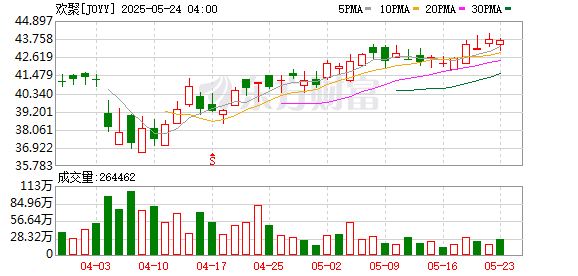
欢聚集团发布2025年第一季度财报 非直播收入同比涨幅25.3%
Xin Hua Cai Jing· 2025-05-27 06:22
Group 1 - The core revenue for the company in Q1 2025 was $49.44 million, with non-live streaming revenue reaching $12.3 million, representing a year-on-year growth of 25.3% [2] - Live streaming revenue amounted to $37.13 million, with BIGO Live contributing $35.16 million. The company has established a diverse product matrix in live streaming, short videos, and instant messaging, creating a globally influential user community [2] - The live streaming segment enhanced regional user engagement through localized operational strategies, leading to increased user stickiness and improved paid conversion rates. Monthly active users for Bigo Live in North America grew over 7% year-on-year, with paid user numbers increasing approximately 4% quarter-on-quarter [2] Group 2 - In the non-live business segment, the BIGO Ads advertising platform experienced rapid growth, driven by AI-powered user insights, smart creativity, and precise targeting capabilities. The advertising business grew approximately 27% year-on-year in Q1 [3] - The company's chairperson and CEO, Li Ting, stated that 2025 marks the 20th anniversary of the company, and the results of its diversified growth strategy are becoming evident. The company plans to further advance its diversification strategy with the steady development of live streaming and the expansion of advertising and other business scales [3]


雅戈尔们,浪子回头
3 6 Ke· 2025-05-27 05:00
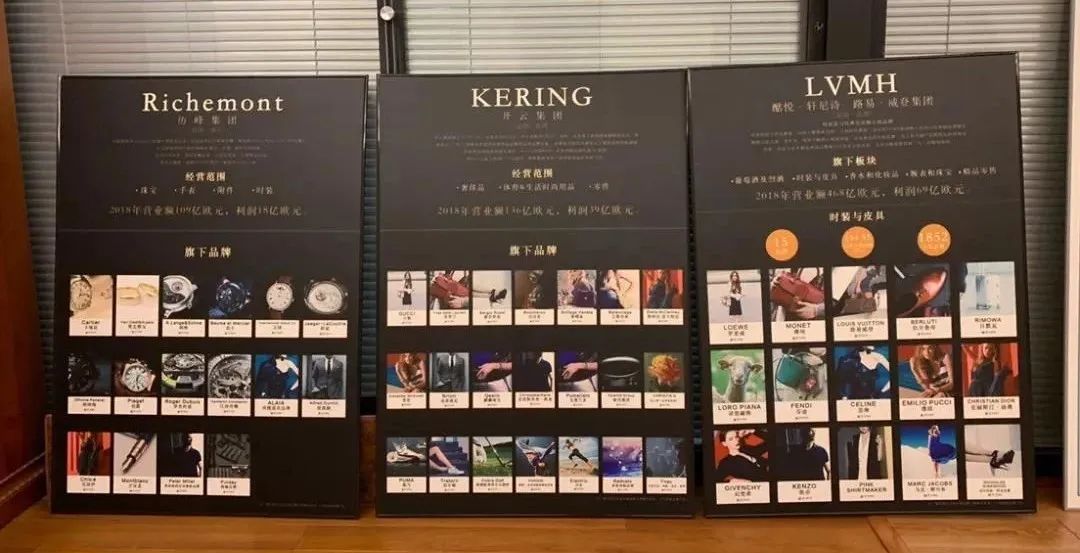
Core Insights - The article discusses the transformation of the Chinese apparel industry, focusing on the diversification strategies of companies like Youngor, which has shifted from a pure clothing business to real estate and investments, earning over 40 billion yuan from investments between 1999 and 2020, accounting for over 70% of its total profits [3][4][12] - It highlights the challenges faced by traditional apparel companies as they attempt to return to their core business after diversifying, often finding that the market has changed significantly [5][24] - The article emphasizes the structural issues within the apparel industry, where companies struggle with low profit margins despite high sales volumes, leading many to seek alternative revenue streams [7][15] Group 1 - Youngor's chairman, Li Rucheng, uses luxury brands like LVMH as benchmarks for success, indicating a desire to emulate their profitability [1][3] - Youngor's diversification into real estate and investments has proven more lucrative than its original clothing business, with real estate becoming a significant revenue source since 2013 [4][12] - Other apparel companies, such as Jiu Mu Wang and Qipilang, have also attempted to return to their core clothing business after diversifying, but many have faced difficulties in adapting to the new market landscape [5][24] Group 2 - The article outlines the historical context of the apparel industry in China, noting that many companies were established during the economic reforms of the 1990s and initially benefited from low labor costs and favorable exchange rates [6][7] - Despite the initial success, the industry has faced a structural dilemma of high sales but low profitability, prompting companies to explore diversification as a means of survival [7][15] - The narrative includes examples of companies that have successfully transitioned into new sectors, such as Shanshan, which shifted focus to lithium battery materials, and Ordos, which moved into energy and power [10][12] Group 3 - The article discusses the pitfalls of diversification, referencing the Ansoff Matrix, which suggests that entering new markets with new products carries significant risks [13][15] - Many companies that attempted to diversify have faced financial difficulties, with some, like Guireniao, experiencing dramatic declines in profitability and ultimately exiting the market [17][21] - The article concludes that while returning to core competencies is essential, the competitive landscape has changed, and companies must adapt to new consumer preferences and market dynamics to succeed [33][34]

技术空心化、场景失灵!九阳的"厨房生态"还剩多少想象力?
Sou Hu Cai Jing· 2025-05-24 03:08
Core Insights - The Chinese small home appliance market is undergoing significant changes driven by consumption upgrades and the wave of smart technology [1][3] - The market size surpassed 450 billion yuan in 2024, but growth has sharply declined from 25% in 2020 to 6.2% [3] - The competitive landscape is shifting, with new entrants like Xiaomi and Roborock challenging established players like Joyoung, Midea, and Supor [1][3] Company Performance - Joyoung's revenue growth has been below 5% for three consecutive years, with a 12% decline in net profit in 2024 [1][3] - Joyoung's market share in its core product, the soybean milk machine, has dropped from 24% to 19%, overtaken by Midea [3][4] - The company announced a strategic shift towards "All in health technology," investing 3 billion yuan in smart kitchen appliance R&D [3][4] Market Dynamics - The concentration of market share among top brands has increased, with Midea, Supor, and Joyoung's combined market share rising from 68% in 2019 to 76% in 2024 [3] - Joyoung's diversification strategy has not yielded significant results, with only the air fryer achieving a 15% market share, while other categories failed to break into the top five [4][5] - The competitive landscape has evolved from a focus on functionality to emotional connections with consumers, with younger generations prioritizing aesthetics and lifestyle over basic functionality [10][11] Strategic Challenges - Joyoung's reliance on a single product category has become a liability, as its market share in soybean milk machines has declined due to stagnant technological innovation [4][5] - The company's R&D spending is low at 3.1%, significantly less than competitors like Bear Electric [9] - Joyoung's marketing strategies have not aligned with current consumer trends, leading to a disconnect with younger consumers who favor innovative and aesthetically pleasing products [10][11] Future Outlook - Joyoung faces a critical juncture, with its traditional business model under threat from emerging competitors that prioritize innovation and consumer engagement [12][13] - The company must adapt to changing market dynamics or risk being left behind as consumer preferences evolve [12][13]


三只松鼠跨界卖卫生巾 创始人透露要做全品类消费品牌
Sou Hu Cai Jing· 2025-05-23 17:21
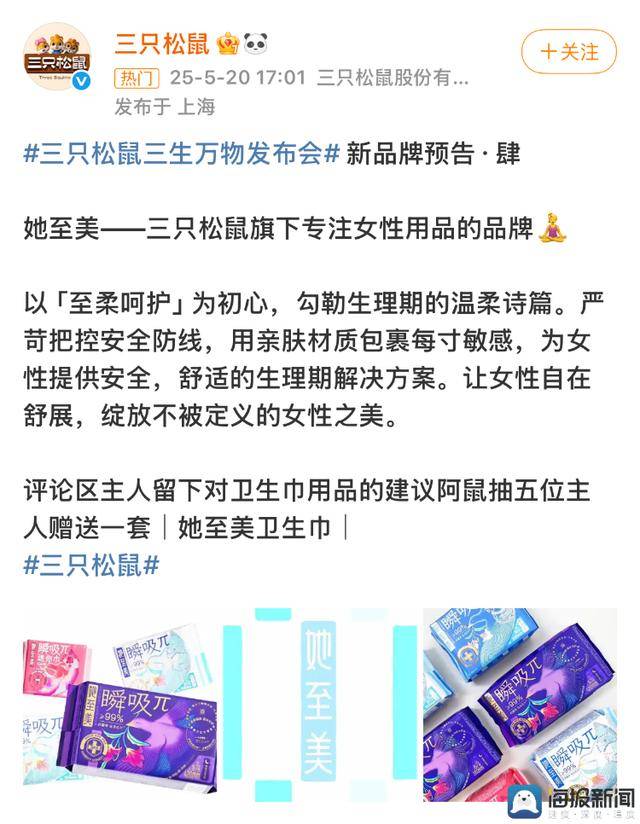
Core Viewpoint - The company, Three Squirrels, is expanding its product line by entering the sanitary napkin market with the launch of its brand "She is Beautiful," marking a strategic shift from a single snack focus to a comprehensive consumer brand aimed at achieving a revenue target of 20 billion yuan by 2025 [3][6]. Group 1: Company Strategy - Three Squirrels announced the launch of its sanitary napkin brand "She is Beautiful" during its "Three Lives, All Things" 2025 ecological conference, indicating a significant transition towards becoming a full-category consumer brand [3][6]. - The new sanitary napkin product emphasizes "disinfection-grade quality," featuring a 99% antibacterial rate and using organic cotton materials free from formaldehyde and questionable fluorescent agents [3][4]. - The company aims to diversify its offerings beyond snacks, with a focus on community living essentials, including daily chemical products like sanitary napkins [6]. Group 2: Financial Performance - In 2024, Three Squirrels reported a revenue of 10.622 billion yuan, a year-on-year increase of 49.3%, and a net profit of 407.7 million yuan, up 85.51%, marking its best performance since going public [6]. - The growth is attributed to the deepening of its "high-end cost-performance" strategy and breakthroughs in its omnichannel layout, with online channels contributing over 70% of revenue [6]. Group 3: Market Positioning and Future Goals - The founder of Three Squirrels, Zhang Liaoyuan, stated the goal of becoming a full-category consumer company, moving beyond nuts to snacks, beverages, and now sanitary products [6][9]. - The company has 33 sub-brands in development, including pet food and pre-packaged meals, with specific sales targets set for various product categories by 2025 [7][9]. - Experts suggest that the strategy of launching multiple sub-brands is a way for the company to seek market expansion and diversify operations, potentially reducing reliance on a single product line [9].

“非洲手机之王”传音控股净利润骤降70%:非洲市场增速落后竞对 新型业态“雷声大雨点小”占比仅为个位数
Xin Lang Zheng Quan· 2025-05-21 09:14
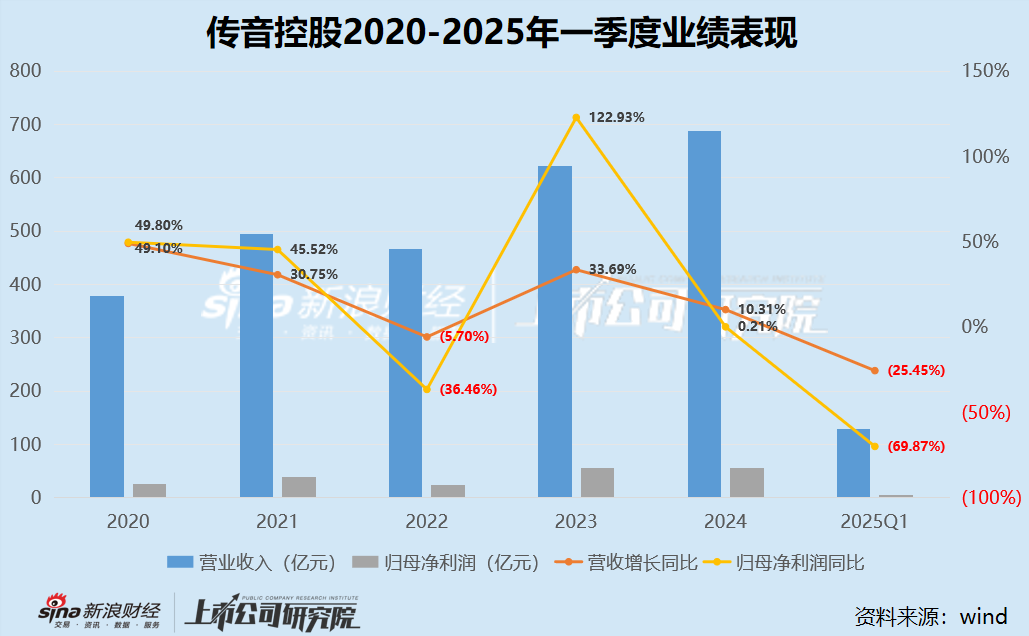
Core Viewpoint - Transsion Holdings, known as the "King of Mobile Phones in Africa," is facing significant challenges in 2024, with a marked slowdown in revenue growth and a dramatic decline in profits, indicating a multi-faceted crisis in the smartphone market [1][2][4]. Financial Performance - In 2024, Transsion Holdings reported a revenue of 68.715 billion yuan, a year-on-year growth of only 10.31%, and a net profit of 5.549 billion yuan, reflecting a minimal increase of 0.21% [1]. - The first quarter of 2025 saw a staggering 25.45% decline in revenue and a nearly 70% drop in net profit, highlighting the severity of the company's financial downturn [1][2]. - The company's gross margin fell from 24.45% in 2024 to 21.28%, and further to 19.27% in Q1 2025, marking a new low in recent years [4]. Cost and Cash Flow Issues - Operating cash flow plummeted to 2.848 billion yuan in 2024, with a net outflow of 741 million yuan in Q1 2025, driven by declining sales and inventory adjustments [5]. - Sales, management, and R&D expenses increased by 11.72%, 14.99%, and 11.55% respectively in 2024, while revenue growth was nearly stagnant, further pressuring profitability [4]. Market Competition - Despite holding a 51% market share in Africa in 2024, Transsion faces fierce competition from brands like Xiaomi and Realme, which have shown significant growth rates of 38% and 89% respectively [7][8]. - The overall smartphone shipment in Africa grew by 9% in 2024, reaching 74.7 million units, indicating a competitive landscape that is becoming increasingly challenging for Transsion [7][8]. Diversification Efforts - Transsion has attempted to diversify its business into smart home products and related industries, but revenue from these new ventures was only 4.259 billion yuan in 2024, accounting for just 6.3% of total revenue [9]. - The diversification strategy has not yet proven to be as successful as the initial mobile market entry, raising questions about its potential to drive future growth [9].

宁德时代再发重磅换电产品!
起点锂电· 2025-05-19 09:44
Core Viewpoint - CATL is positioning itself as a leader in the heavy-duty truck battery swapping market, leveraging its advancements in battery technology and the current favorable market conditions for electric vehicles [4][5]. Group 1: Battery Swapping Initiatives - On May 18, CATL announced the launch of the 75 standardized battery swapping block and a comprehensive battery swapping solution for heavy-duty trucks [1][2]. - The company aims to establish an "eight horizontal and ten vertical" battery swapping green network by 2030, with a target of achieving over 50% electrification penetration in heavy-duty trucks within three years [2]. - The 75 standardized battery block offers three main advantages: lowest lifecycle cost per ton-kilometer, highest safety performance in the industry, and perfect adaptability to battery swapping models [2][4]. Group 2: Market Strategy and Positioning - CATL's entry into the heavy-duty truck battery swapping sector is driven by the current cost advantages of electricity compared to diesel, making it an opportune time to capture market share [4]. - The 75 battery has a capacity of approximately 171 kWh, allowing different sizes of heavy-duty trucks to utilize two or three blocks, thus saving 5-7% of cargo space [4]. - The company plans to build 300 battery swapping stations in key regions such as the Yangtze River Delta and the Greater Bay Area, aiming to cover 80% of trunk transport capacity with a nationwide network in five years [2][4]. Group 3: Diversification and Ecosystem Development - CATL is pursuing a dual strategy in both ultra-fast charging and battery swapping, indicating a comprehensive approach to market opportunities [7][8]. - The company has transitioned from a battery manufacturer to a full-solution provider, aiming to create an ecosystem that integrates ultra-fast charging, battery swapping, and energy storage [8]. - The diversification strategy is seen as essential for overcoming growth bottlenecks, with investments in upstream materials and downstream vehicle manufacturers to build a robust ecosystem [9].


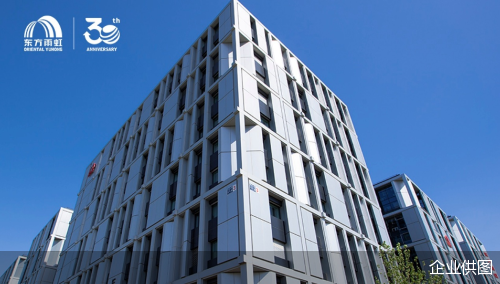
东方雨虹三十载匠心筑基业,解码中国建筑建材领军企业的成长密码
Bei Jing Shang Bao· 2025-05-19 09:23
Core Insights - The article highlights the evolution of Dongfang Yuhong from a regional waterproof materials company to a global benchmark in the construction materials industry over 30 years, emphasizing its resilience and strategic focus on long-term growth [1][3][10] Group 1: Business Strategy - Dongfang Yuhong maintains its waterproof business as a strategic anchor while diversifying into multiple business lines, transitioning from a single supplier to a comprehensive construction materials service provider [3][5] - In 2024, the company shifted its sales model from high-risk direct sales to a retail and engineering channel model, achieving a combined revenue of 235.62 billion yuan, accounting for 83.98% of total revenue, with a year-on-year growth of 8.10% [3][5] - The company has invested significantly in R&D to enhance product performance in the waterproof sector, establishing itself as a technical benchmark in the industry [3][5] Group 2: Service Ecosystem - Dongfang Yuhong has transformed its business model from product-centric to service-oriented, launching the "Yuhong Service" brand in 2025 to cover the entire lifecycle of housing services [6][9] - The service platform integrates offline resources like physical stores and repair stations with online channels, allowing for efficient service delivery and customer engagement [7][9] - The company emphasizes high-quality service standards and rapid response mechanisms to enhance customer satisfaction and loyalty [9] Group 3: Global Expansion - Dongfang Yuhong is actively pursuing an "overseas priority" strategy, with overseas business revenue reaching 8.79 billion yuan in 2024, a year-on-year increase of 24.73% [10][12] - The company has established production bases in Malaysia and is expanding its presence in various countries, including the U.S., Canada, and several Southeast Asian nations, to support local operations [12][13] - The global strategy focuses on "localized operations + technological empowerment," showcasing China's manufacturing capabilities on the international stage [13]


茅台股东大会晚宴改喝蓝莓汁:一场商业仪式的自我革命
Sou Hu Cai Jing· 2025-05-18 23:49
Group 1 - The core event of replacing the high-priced Moutai with blueberry juice at a banquet signifies a shift in traditional business culture within the Chinese liquor industry [2] - The change enhances communication efficiency among shareholders, aligning with the global trend of "sober decision-making" in corporate meetings [3] - The introduction of blueberry juice from the company's ecological agriculture reflects a diversification strategy, aiming to attract younger consumers and adapt to health trends [3][4] Group 2 - The adjustment in beverage choices demonstrates management's wisdom in balancing tradition and modernity, avoiding controversies while maintaining the social significance of Moutai [3] - The timing of this change, occurring before the shareholders' meeting, indicates a strategic move to gain more flexibility in corporate governance [4] - The confidence of top brands like Moutai is shown in their willingness to break traditional rules, which may lead to a silent evolution in Chinese business culture [4]


恒立液压:工程机械企稳回升,线性驱动器项目打开成长空间-20250517
Guoxin Securities· 2025-05-17 00:45
Investment Rating - The investment rating for the company is "Outperform the Market" [5][3]. Core Views - The company is expected to achieve a revenue growth of 4.51% year-on-year in 2024, reaching 9.39 billion yuan, with a net profit growth of 0.40%, totaling 2.51 billion yuan. This growth is attributed to the stabilization of domestic engineering machinery, increased market share of excavator hydraulic pump and valve products, continuous expansion in non-engineering machinery sectors, and ongoing development in overseas markets [1][2]. - The company's gross margin is projected to be 42.83%, with a net margin of 26.72%. The gross margin has improved due to product structure optimization, while the net margin has slightly decreased due to increased expenses [1][2]. - The company has made significant progress in its linear actuator project, with several products developed and entering mass production in 2024 [2]. Summary by Sections Financial Performance - In 2024, the company expects to generate 93.90 billion yuan in revenue, a 4.51% increase from the previous year, and a net profit of 25.09 billion yuan, reflecting a 0.40% increase. The gross margin is 42.83%, and the net margin is 26.72% [1][4]. - For Q1 2025, the company reported revenue of 24.22 billion yuan, a 2.56% increase year-on-year, and a net profit of 6.18 billion yuan, up 2.61% [1]. Product and Market Analysis - The company's domestic and international revenues for 2024 are projected at 72.51 billion yuan and 20.74 billion yuan, respectively, with year-on-year growth rates of 3.61% and 7.61%. The international revenue now accounts for 22.2% of total revenue, an increase of 0.6 percentage points [2]. - The hydraulic cylinder segment is expected to generate 47.61 billion yuan in revenue, a 1.44% increase, while the hydraulic pump and valve segment is projected to reach 35.83 billion yuan, a 9.63% increase [2]. Future Outlook - The company anticipates steady growth in its excavator business as the domestic engineering machinery market recovers. The linear actuator project is also expected to contribute to future growth, with mass production commencing in 2024 [2][3].
