消费升级

Search documents
明月镜片20251027
2025-10-27 15:22
Summary of Mingyue Optical's Conference Call Company Overview - **Company**: Mingyue Optical - **Industry**: Optical Lens Manufacturing Key Financial Performance - **Q3 2025 Revenue**: Reached 227 million yuan, a historical quarterly high, with a year-on-year growth of 14.6% [3] - **Cumulative Revenue (Jan-Sep 2025)**: 626 million yuan, with a cumulative growth rate of 7.4% [3] - **R&D Expenses**: Increased by 60% year-on-year, reaching 13.29 million yuan in Q3 2025 [3] - **Net Profit**: Q3 net profit was 53.59 million yuan, up 11.6% year-on-year [3] Product Highlights - **Core Products**: - PMC Ultra Bright Series: Revenue growth of 53.7% [5] - 1.74 High Refractive Index Series: Sales volume increased by 112.4% year-on-year [5] - Easy Control Youth Myopia Prevention Lenses: Sales reached 132 million yuan in the first three quarters, an 8.5% increase [2] - **AI Glasses Project**: Revenue exceeded 6 million yuan with a gross margin of 78.6%, marking a significant breakthrough in smart wearable technology [2][5] Strategic Collaborations - **Partnership with Xiaomi**: Ongoing discussions for deeper collaboration on the second-generation AI glasses and expansion of offline store presence [2][6] - **Collaboration with Aier Eye Hospital**: Aiming to expand product lines and launch customized series in Q4 2025 [2][14] Market Trends and Future Outlook - **Myopia Control Market**: The company sees rapid growth potential in the myopia control market and is actively launching new products for different demographics [4][16] - **Progress in Progressive Lenses**: Anticipates 2025 to be a year of rapid growth for progressive lenses, driven by demographic changes [20][21] - **Long-term Strategy**: The company is focused on sustainable growth and refuses to engage in price wars, emphasizing customer service and product quality [15][24] Innovations and R&D Focus - **Smart Glasses Development**: Investment in technology for audio, photo, and display functionalities in smart glasses, with a focus on overcoming current technical challenges [11][18] - **New Product Launches**: Plans to introduce new products in the myopia prevention and consolidation markets, with some launching in Q4 2025 [16][17] Consumer Engagement and Market Position - **Consumer Education**: The company is committed to educating consumers about the benefits of its products, particularly in the context of changing demographics [19][20] - **Market Position**: Mingyue Optical positions itself as a leader in the domestic market, focusing on high-end products and avoiding low-end market competition [22] Conclusion Mingyue Optical is experiencing strong growth driven by innovative products and strategic partnerships. The company is well-positioned to capitalize on emerging market trends while maintaining a commitment to quality and customer service.
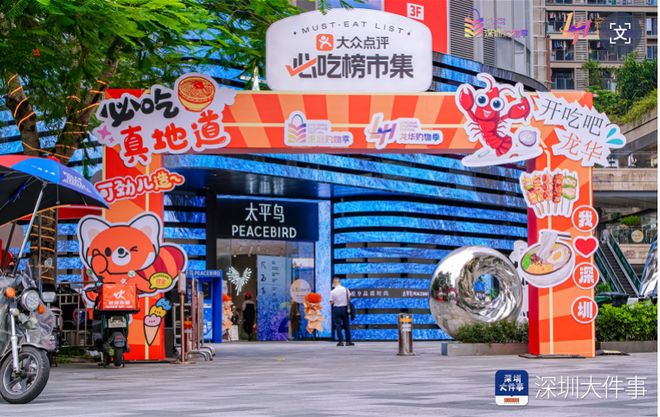
“舌尖狂欢”来了!龙华购物季“必吃榜市集”开启
Nan Fang Du Shi Bao· 2025-10-27 09:08
Group 1 - The core event of the 2025 Longhua Shopping Season, "Must-Eat List Market," kicked off on October 24, featuring over 20 merchants and a variety of cuisines, running until October 26 [2][5] - The event aims to enhance consumer engagement and satisfaction by combining online and offline experiences, allowing citizens to participate in social media tasks for discounts [3][4] - The shopping season is themed "Smart Living, Enjoy Longhua," and includes a comprehensive activity system designed to create a consumer ecosystem that is inclusive and engaging for all ages [4][7] Group 2 - The event features live cooking demonstrations by chefs, offering a unique opportunity for citizens to experience food preparation firsthand, along with 5,000 free customized gifts to enhance participation [5][6] - Since its launch in August, the 2025 Longhua Shopping Season has organized 175 unique activities across six districts, generating significant consumer interest and engagement [7] - The shopping season will continue to roll out a series of themed activities aimed at promoting local culture and lifestyle, contributing to the establishment of Longhua as a core area for international consumer centers [7]

智能马桶行业分析报告 2025年智能马桶行业发展前景及规模分析
Sou Hu Cai Jing· 2025-10-27 08:41
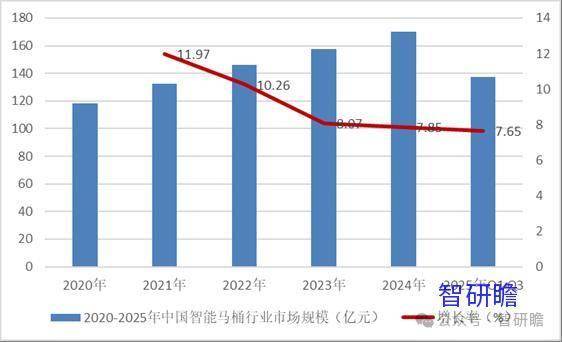
Core Insights - Consumers are increasingly seeking higher quality and healthier living experiences, which is driving demand for smart toilets that offer features like heated seats, warm water cleaning, and automatic deodorization [1] - Technological advancements, particularly in domestic supply chains, have reduced costs for key components, making smart toilets more affordable for a broader consumer base [1] - Policy initiatives aimed at improving public health facilities are creating new opportunities for the smart toilet industry [1] Smart Toilet Definition - Smart toilets come equipped with various features such as bidet functions, heated seats, warm air drying, automatic deodorization, and quiet closing [2] - Initially designed for medical and elderly care, smart toilets help reduce the incidence of anal diseases and bacterial infections, promoting better health [2] - The design often includes antibacterial materials to prevent cross-contamination, and tankless designs ensure clean water supply [2] Competitive Landscape - The market is characterized by intense competition between domestic and international brands, with early leaders like TOTO and Panasonic facing challenges from rapidly advancing local brands such as HeGao, JOMOO, and Arrow [3] - Local brands are gaining market share by better understanding consumer preferences, offering competitive pricing, and providing agile after-sales service [3] - Future competition will focus on technology development, product design aesthetics, and integration with smart home systems [3] Market Size of Smart Toilets in China - The Chinese smart toilet market has seen significant growth, with a market size of 11.813 billion yuan in 2020, projected to reach 16.999 billion yuan by 2024, reflecting a year-on-year growth of 7.85% [4] - The market has transitioned from high-end urban installations to broader penetration in lower-tier cities and ordinary households, aided by the rise of e-commerce [4] Market Development Trends - The smart toilet market is expected to trend towards deeper intelligence, with features like AI voice control and health monitoring sensors becoming standard [5] - There is a growing emphasis on health attributes, with increased consumer focus on hygiene and sanitation in the post-pandemic era [5] - Smart toilets will increasingly integrate into overall bathroom design and smart home ecosystems, providing personalized user experiences [5] - The market is projected to grow at a rate of 7%-9% from 2025 to 2031, reaching a size of 29.363 billion yuan by 2031, with a year-on-year growth of 8.62% [5]
趋势研判!2025年中国洗护用品行业发展历程、产业链、市场规模、竞争格局及未来趋势:个性化需求日益凸显,推动洗护用品市场规模达3429亿元[图]
Chan Ye Xin Xi Wang· 2025-10-27 01:17
Core Insights - The Chinese personal care industry is experiencing rapid growth driven by the "beauty economy" and "Healthy China" initiatives, with a market size projected to increase from 189.2 billion yuan in 2017 to 342.9 billion yuan in 2024, reflecting a compound annual growth rate (CAGR) of 8.9% [1][12] - Key growth drivers include rising household income, the emergence of younger consumers prioritizing personalized experiences, and the expansion of social media and e-commerce platforms [1][11] - Consumer demand has shifted from basic cleaning functions to a comprehensive pursuit of ingredient safety, precise efficacy, and emotional experience, leading to rapid growth in niche markets such as anti-hair loss and scalp care [1][11] Industry Overview - The personal care industry encompasses various products for cleaning, maintenance, and personal hygiene, including hair care, skin care, oral care, and household cleaning products [4] - The industry has evolved from basic cleaning products in the initial stages to a comprehensive range of products that meet diverse consumer needs [6][8] Market Dynamics - The market is characterized by intense competition between international brands like Procter & Gamble and Unilever and local brands that are gaining market share by understanding local consumer needs [12] - Local brands such as Natural Hall, Baique Ling, and Adolph have successfully captured consumer interest by offering products tailored to local preferences [12] Consumer Trends - Rising disposable income in China, from 26,000 yuan in 2017 to 41,300 yuan in 2024, has led to increased consumer spending on personal care products, with a CAGR of 6.83% [8] - The demand for high-quality, effective, and experiential products is driving consumers to pay premiums for specialized hair care solutions and natural ingredients [8] Supply Chain Insights - The supply chain for personal care products includes raw materials such as surfactants, moisturizers, and emulsifiers, with the production and manufacturing processes occurring in the midstream [8][9] - The surfactant industry, a key raw material for personal care products, is projected to grow from 2.148 million tons in 2015 to 5.0764 million tons in 2024, with a CAGR of 10.03% [10] Future Trends - The industry is expected to see advancements in smart technology, allowing for personalized care solutions based on real-time data analysis [17] - Personalization will become a core focus, enabling consumers to receive tailored products that meet their specific needs [17] - Sustainability will be a key development principle, with an emphasis on natural ingredients, sustainable packaging, and corporate social responsibility [18]

从标准跃升看中国奶业突围(微观)
Ren Min Ri Bao· 2025-10-26 21:59
Core Viewpoint - A recent update to the national food safety standard for sterilized milk in China is significantly reshaping the consumer dairy market by mandating that only fresh milk from cows or sheep can be used as the sole ingredient for sterilized milk, eliminating the use of reconstituted milk [1] Group 1: Industry Impact - The new standard is expected to increase the demand for high-quality domestic fresh milk, stabilize milk prices, and ensure farmers' income, while promoting closer ties between companies and dairy farmers [1][2] - The adjustment in sterilized milk production processes marks a significant shift in the dairy industry, moving from a period of milk source shortages to a more balanced supply-demand dynamic [2] - The average purchase price of fresh milk in China has become comparable to the landed and taxed price of imported powdered milk, indicating minimal impact on supply from the new standards [2] Group 2: Technological Advancements - Technological innovations, such as the cultivation of high-quality forage and the use of smart farming practices, are driving improvements in the dairy industry, enhancing both quality and efficiency [2] - The proportion of large-scale dairy farms with over 100 cows has reached 78%, showcasing the industry's shift towards modernization and efficiency [2] Group 3: Consumer Trends and Market Potential - There is significant potential for growth in China's dairy market, as per capita milk consumption remains low, and there are structural issues such as an oversupply of liquid milk and insufficient development of dairy products like cheese and butter [3] - The consumption of cheese has increased by 120% over the past five years, highlighting the potential for diversification in dairy product offerings [3] - The industry is encouraged to shift consumer habits from solely drinking milk to incorporating dairy products, which is essential for addressing seasonal fluctuations in raw milk supply and enhancing value-added products [3] Group 4: Quality and Standards - The adjustment of milk production standards reflects the government's commitment to food quality, consumer rights protection, and public welfare, emphasizing the importance of maintaining high quality throughout the dairy supply chain [3]
外滩年会聚焦需求不足难题,CF40支招消费投资提振路径
Di Yi Cai Jing· 2025-10-26 12:04
Core Insights - The article discusses the dynamic balance between intended savings and planned investments in industrialized countries since the mid-1980s, highlighting how these economies maintain high consumption rates despite declining labor income shares [1][3]. Group 1: Key Factors Influencing Savings and Investments - The report identifies four key forces that enable the dynamic balance between savings and investments: household wealth, new investment opportunities, interest rates, and counter-cyclical policies [3][5]. - Household financial wealth has grown significantly, supporting consumption levels despite increasing income inequality. For instance, the average financial asset per household in the U.S. is approximately $370,000, compared to $100,000 in Europe and $120,000 in Japan [4][5]. - New investment opportunities, particularly in knowledge and technology-intensive sectors, have sustained investment demand, with fixed asset investment rates remaining stable despite high per capita income levels [4][5]. Group 2: Policy Recommendations for Consumption Growth - To boost consumption in the short term, the report suggests implementing aggressive fiscal policies and lowering policy interest rates to stimulate nominal GDP growth [6][7]. - Long-term strategies should focus on improving social security systems and enhancing service sector offerings, particularly in healthcare and education, which are areas where consumers are willing to spend more [7][8]. - Public investment should prioritize urban renewal and infrastructure projects to address existing gaps, especially in light of underutilized labor and production capacity [8][9]. Group 3: Future Economic Outlook - The article emphasizes the need for increased fiscal spending and potential adjustments in policy interest rates to lower overall financing costs, which could further stimulate economic activity [9]. - It highlights that for nominal GDP to grow by 5% to 7%, fiscal spending growth should not fall below the target GDP growth rate, indicating a need for careful fiscal management [9].

九号公司(689009):电动两轮车延续增长势头,割草机器人预期乐观
Xinda Securities· 2025-10-26 07:02
Investment Rating - The investment rating for the company is "Buy" [1] Core Views - The company has shown strong growth in its electric two-wheeler segment, with revenue increasing by 68.6% year-on-year to reach 18.39 billion yuan in the first three quarters of 2025. The net profit attributable to the parent company also rose by 84.3% to 1.787 billion yuan [1][4] - The company is expected to continue its growth trajectory in the electric two-wheeler market, with a focus on expanding its product matrix and enhancing brand presence through new store openings [2] - The performance of the company's robotic lawn mower business is optimistic, with expectations for strong sales growth in 2025 and 2026 as the company enhances its product offerings and marketing efforts [3] Summary by Sections Financial Performance - In Q3 2025, the company achieved revenue of 6.648 billion yuan, a year-on-year increase of 56.8%, and a net profit of 546 million yuan, up 45.9% year-on-year. The gross margin for the first three quarters of 2025 was 29.9%, reflecting a slight increase from the previous year [1][4] - The company’s revenue is projected to grow significantly, with estimates of 20.727 billion yuan in 2025, 26.495 billion yuan in 2026, and 32.547 billion yuan in 2027, representing year-on-year growth rates of 46.0%, 27.8%, and 22.8% respectively [6] Product Segmentation - In Q3 2025, the revenue breakdown by product shows that electric two-wheelers generated 4.454 billion yuan, accounting for 67.0% of total revenue, with sales volume reaching 1.487 million units, a year-on-year increase of 58.8% [2] - The company is also expanding its new brand Segway electric motorcycles, which is expected to contribute positively to revenue growth in the coming years [2] Profitability and Efficiency - The company’s operating efficiency is improving, with inventory turnover days decreasing to approximately 36.7 days in the first three quarters of 2025. The net cash flow from operating activities was 4.840 billion yuan [4] - Profit forecasts indicate that the net profit attributable to the parent company is expected to reach 2.008 billion yuan in 2025, 2.589 billion yuan in 2026, and 3.210 billion yuan in 2027, with corresponding P/E ratios of 23.4X, 18.1X, and 14.6X [4][6]
未来十年,谁在撑起中国消费的天花板
Sou Hu Cai Jing· 2025-10-25 11:09
Core Insights - The article discusses the significant rise of the middle class in China, projecting an increase of 400 million middle-class individuals over the next decade, bringing the total to over 800 million, which is likened to "recreating a Europe" [3] - The "14th Five-Year Plan" outlines a goal for China to achieve basic socialist modernization by 2035, with per capita GDP expected to exceed $23,000 [3] - The focus is on not just economic growth but also on strengthening the economy through consumption upgrades, industrial advancements, and green transformations [3] Economic Projections - By 2025, the total retail sales of consumer goods in China are expected to surpass 50 trillion yuan [3] - Key industries such as smart home appliances, cultural tourism, and new energy vehicles are anticipated to enter a rapid growth phase [3] Government Initiatives - The government is enhancing resident confidence through income distribution reforms, social security improvements, and more effective public investment [3] - New productive forces such as "artificial intelligence," "low-altitude economy," and "brain-computer interfaces" are expected to accelerate in the coming decade [3] Strategic Economic Shift - The focus of the Chinese economy is shifting from GDP to GNI, emphasizing both national accounts and individual wealth [3] - This transition aims to synchronize wealth creation with the sharing of economic benefits among the population [3] Role of the Middle Class - The 800 million middle-class individuals are positioned not only as consumers but also as the main force driving China's modernization [3]

我国有14亿人,为何消费力远不及美国3亿人?今年全露馅了?
Sou Hu Cai Jing· 2025-10-25 09:15
Core Insights - The article discusses the significant disparity in consumer spending power between China and the United States, highlighting that despite China's larger population, its overall consumption capacity is far lower than that of the U.S. [4][6][14] Economic Comparison - As of 2025, the average annual consumption in the U.S. is approximately $17.8 trillion, while China's retail sales total around 50 trillion RMB, indicating a nearly sixfold difference in per capita consumption levels [4][6]. - In 2024, household consumption accounted for only 39.9% of China's GDP, compared to 67.9% in the U.S., underscoring the weaker role of consumption as an economic driver in China [6]. Income Disparity - The nominal disposable income per capita in China is about 32,509 RMB, while in the U.S. it is approximately 4.42 million RMB, showing a tenfold difference. However, when adjusted for purchasing power parity (PPP), the actual income gap narrows to about four times [6][7]. Savings Behavior - China's household savings rate is significantly higher, ranging from 36% to 45%, with a projected rate of 43.4% in 2024, compared to the U.S. savings rate of around 17.8% [7][8]. - Young adults in China aged 25-35 save an average of 28% of their income, contrasting sharply with their American counterparts who save only 8% [7]. Cost of Living Pressures - High housing prices in China, with a price-to-income ratio of 15-20 times in first-tier cities, create substantial financial burdens that limit disposable income for consumption [8][9]. - Healthcare costs in China require individuals to cover about 30% of their medical expenses out-of-pocket, compared to only 11% in the U.S., further straining household budgets [9]. Education Expenses - Chinese families allocate about 25% of their total expenditure on education, significantly higher than the 6% spent by American families, indicating a heavy financial commitment to children's education [9][10]. Income Structure - In China, wage income constitutes 57.8% of disposable income, while in the U.S., financial income sources contribute over 20%, allowing Americans more flexibility in spending [10]. Consumption Attitudes - Traditional Chinese values emphasize frugality and saving, with over 65% of younger generations viewing "premature consumption" as irrational [11][12]. - In contrast, American culture promotes living in the moment, with a strong emphasis on consumer experiences and a well-developed credit system that encourages spending [12]. Service Sector Development - The service sector in the U.S. accounts for about 78% of GDP, compared to 56% in China, indicating a more developed consumer service environment that enhances spending opportunities [12][13]. Demographic Factors - China's aging population, with 14.9% over 65 years old, tends to consume less, focusing more on healthcare and savings [13]. - Urban-rural income disparities are significant, with urban residents earning an average of 42,991 RMB compared to 17,686 RMB for rural residents, affecting overall consumption capacity [13]. Emerging Trends - By 2025, service consumption in China has surpassed 40%, indicating a shift towards service-oriented spending [15]. - The younger generation (under 35) is driving a consumption growth rate 1.5 times higher than the overall market, with a focus on quality and experience [16]. - New consumption channels, such as live-streaming and social e-commerce, are rapidly growing, with sales increasing over 30% year-on-year [17]. - Consumer finance is becoming more prevalent, with a 22.3% increase in consumer credit balances, indicating a growing acceptance of credit among younger consumers [18]. - Rural consumption is on the rise, with a 6.0% increase in income, leading to a shift in spending patterns towards durable goods and quality products [19].

帮主郑重:A股下周还能涨吗?20年老兵只说实在的
Sou Hu Cai Jing· 2025-10-25 04:31
Group 1 - The core viewpoint emphasizes the importance of focusing on long-term investment strategies rather than short-term market fluctuations, especially in the context of recent market movements following the Fourth Plenary Session [1][3][4] - The article highlights three key signals to monitor for market direction: policy support, capital flow, and sector performance, indicating that these factors will influence market stability and growth [3][4] - The discussion includes the significance of the recent policy direction towards new productive forces, particularly in AI, semiconductors, and commercial aerospace, which historically supports market stability after major policy announcements [3][4] Group 2 - The article notes that while the Shanghai Composite Index reached new highs, the accompanying trading volume must remain robust (above 800 billion) to sustain upward momentum, indicating a cautious approach to market trends [3] - It is mentioned that the current market environment shows a rotation between technology growth and cyclical stocks, suggesting that the performance of key sectors like AI and computing power will be critical for overall market health [3][4] - The piece concludes that long-term investors should remain focused on companies aligned with technological self-sufficiency and consumer upgrades, as these factors are essential for profitability despite short-term market volatility [4]