
地缘政治

Search documents
地缘溢价持续回吐,油价震荡下跌 | 投研报告
Sou Hu Cai Jing· 2025-12-22 02:14
来源:中国能源网 【美国原油供给】截至2025年12月12日当周,美国原油产量为1384.3万桶/天,较上周减少1.0万桶/天。 截至2025年12月19日当周,美国活跃钻机数量为406台,较上周减少8台。截至2025年12月19日当周,美 国压裂车队数量为160部,较上周减少8部。 【美国原油需求】截至2025年12月12日当周,美国炼厂原油加工量为1698.8万桶/天,较上周增加12.8万 桶/天,美国炼厂开工率为94.80%,较上周上升0.3pct。 【美国原油库存】截至2025年12月12日当周,美国原油总库存为8.37亿桶,较上周减少102.5万桶 (-0.12%);战略原油库存为4.12亿桶,较上周增加24.9万桶(+0.06%);商业原油库存为4.24亿桶, 较上周减少127.4万桶(-0.30%);库欣地区原油库存为2086.2万桶,较上周减少74.2万桶(-3.43%)。 【美国成品油库存】截至2025年12月12日当周,美国汽油总体、车用汽油、柴油、航空煤油库存分别为 22562.7、1426.3、11850.0、4357.6万桶,较上周分别+480.8(+2.18%)、-192.1(-1 ...






美联储换届将至,关注黄金基金ETF(518800)、黄金股票ETF(517400)
Sou Hu Cai Jing· 2025-12-22 01:08
地缘政治方面,中东、俄乌等地区局势难以缓和,美委局势又逐渐升温,市场避险情绪高企,为金价带 来一定支撑。中东方向,虽巴以在特朗普的调停下初步停火,但仍然十分脆弱。而俄乌战场方面,虽美 俄之前重启外交接触,俄乌冲突有望进入谈判的新阶段,但近期出现一定反复。此外,美委局势也出现 动荡,美军开火的诸多谣言甚嚣尘上。地缘政治局势的紧张下,市场避险情绪导致黄金价格易涨难跌。 后续关注新任美联储主席人选,若新任主席为鸽派,美联储降息节奏或更为激进,利好黄金表现。中长 期看,"美联储降息大周期+海外宏观政策不确定性加剧+全球去美元化趋势"对于金价依然构成支撑, 或可考虑逢低分批布局黄金基金ETF(518800)。此外,黄金股票ETF(517400)也有望受益于黄金价 格上涨,可保持关注。 风险提示: 投资人应当充分了解基金定期定额投资和零存整取等储蓄方式的区别。定期定额投资是引导投资人进行 长期投资、平均投资成本的一种简单易行的投资方式。但是定期定额投资并不能规避基金投资所固有的 风险,不能保证投资人获得收益,也不是替代储蓄的等效理财方式。 无论是股票ETF/LOF基金,都是属于较高预期风险和预期收益的证券投资基金品种,其 ...
黄金、铜这一轮行情之后,接下来怎么看?
雪球· 2025-12-21 11:25
Core Viewpoint - 2025 is expected to be a significant year for gold and copper, driven by both structural and cyclical factors, with gold prices reaching new highs due to investment demand and geopolitical influences [1] Group 1: Factors Driving Gold and Copper - Both gold and copper are influenced by cyclical factors, such as economic conditions, and structural factors, which are independent of these cycles [2][3] - For copper, a structural supply shortage is anticipated due to geopolitical issues and resource nationalism, alongside increased demand driven by tariffs and AI expectations [3] - Gold is expected to benefit from a cyclical tailwind due to declining economic growth and interest rates in the U.S., as well as structural support from new tariff policies starting in April 2025 [3][4] Group 2: Supply and Demand Dynamics - The investment framework remains focused on fundamental supply and demand relationships, with AI enhancing research and trading efficiency [5][6] - Central bank gold purchases have significantly altered the supply-demand balance, driven by concerns over U.S. Treasury yields and geopolitical risks [8][9] - In copper, a notable increase in U.S. copper inventories and potential tariffs on imports are expected to shift supply dynamics [9] Group 3: Geopolitical Considerations - The changing geopolitical landscape is reshaping global production and consumption patterns, with both the U.S. and China adjusting their strategies [10][12] - A new model called "3+ factors" has been developed to analyze the impact of monetary factors, inflation, and geopolitical risks on gold prices [13] Group 4: Long-term Investment Value of Gold - Investors are advised to balance growth and safety in their portfolios, recognizing that gold represents a safe asset while also considering inflation risks [15][16] - The structural and cyclical benefits for gold in 2025 may not persist into 2026, necessitating a cautious approach to future investments [17][18]


原油周报:地缘溢价持续回吐,油价震荡下跌-20251221
Xinda Securities· 2025-12-21 08:34
Investment Rating - The report maintains a "Positive" investment rating for the oil processing industry, consistent with the previous rating [1]. Core Insights - International oil prices experienced fluctuations, with Brent and WTI prices recorded at $60.05 and $56.52 per barrel respectively as of December 19, 2025, reflecting a decrease of 1.75% and 1.60% from the previous week [2][9]. - The geopolitical situation, particularly discussions around the Russia-Ukraine peace agreement and U.S. sanctions on Venezuela, has influenced market dynamics, leading to a mixed impact on oil prices [2][9]. - The oil and petrochemical sector showed resilience, with a 1.60% increase in the sector's performance compared to a 0.28% decline in the broader market (CSI 300) [10]. Summary by Sections Oil Price Review - As of December 19, 2025, Brent crude futures settled at $60.05 per barrel, down $1.07 (-1.75%), while WTI crude futures settled at $56.52 per barrel, down $0.92 (-1.60%) [2][17]. - The Urals crude price remained stable at $65.49 per barrel, while ESPO crude fell to $47.86 per barrel, down $1.77 (-3.57%) [2][17]. Offshore Drilling Services - The number of global offshore self-elevating drilling rigs increased to 375, with a net addition of 7 rigs, while floating drilling rigs rose to 131, with a net addition of 2 rigs [27]. U.S. Oil Supply - U.S. crude oil production was reported at 13.843 million barrels per day, a decrease of 10,000 barrels from the previous week [44]. - The active rig count in the U.S. decreased to 406, down by 8 rigs [44]. U.S. Oil Demand - U.S. refinery crude processing increased to 16.988 million barrels per day, with a utilization rate of 94.80%, up 0.3 percentage points from the previous week [55]. U.S. Oil Inventory - Total U.S. crude oil inventory stood at 837 million barrels, a decrease of 1.025 million barrels (-0.12%) from the previous week [62]. - Strategic oil reserves increased slightly to 412 million barrels, while commercial inventories decreased to 424 million barrels [62]. Related Companies - Key companies in the sector include China National Offshore Oil Corporation (CNOOC), China Petroleum & Chemical Corporation (Sinopec), and PetroChina, among others [3].
欧盟推迟签署贸易协定,卢拉敲打:拖了26年,如果领导人缺乏勇气就别想谈成
Xin Lang Cai Jing· 2025-12-21 06:20
Core Viewpoint - The European Union (EU) is increasingly focused on establishing a free trade agreement with the Southern Common Market (Mercosur) after facing challenges from U.S. tariff policies, but internal divisions within the EU have delayed this effort [1][2][3]. Group 1: Trade Agreement Status - The EU Commission President Ursula von der Leyen was scheduled to sign the trade agreement with Mercosur on December 20, but opposition from countries like Italy has postponed the process [3][5]. - The EU and Mercosur have been negotiating this trade agreement for over 25 years, causing frustration among South American nations, with Brazilian President Lula stating that a deal must be reached now or it will never happen [3][5]. - If the agreement is finalized, it could create a market of 780 million consumers and gradually eliminate tariffs on various goods, benefiting both regions economically [5][6]. Group 2: Economic Implications - Bloomberg Economics estimates that if the agreement is reached, it could contribute 0.7% economic growth for Mercosur and 0.1% for Europe by 2040 [5]. - The EU aims to establish economic ties outside of the U.S. and China, seeking geopolitical advantages through this transatlantic agreement [5][7]. Group 3: Internal EU Challenges - The EU has struggled to secure the necessary majority support for the agreement, with countries like France and Poland opposing it due to concerns over the impact on European farmers [8][9]. - Protests from thousands of farmers in Brussels highlight the internal resistance to the agreement, with significant pressure on EU leaders to reconsider [8][9]. - The fate of the agreement may hinge on Italy's position, as Prime Minister Giorgia Meloni has indicated the need for more time to gain domestic approval [9][10]. Group 4: Competitor Dynamics - As the EU struggles to finalize the agreement, competitors like Japan and the UK are eyeing the South American market and its resources, indicating a potential shift in trade alliances [12][13]. - Mercosur is also pursuing trade agreements with other partners, including the EFTA and countries like the UAE and Canada, which could further complicate the EU's position [12].
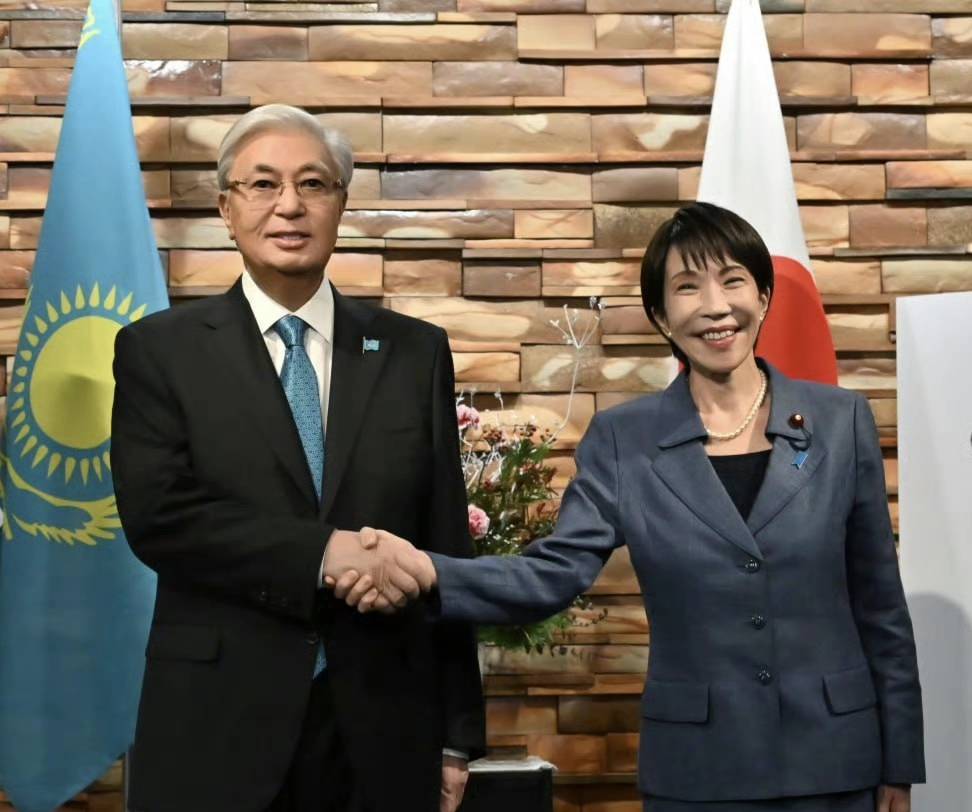
日本砸3万亿投资关键矿产,高市在中亚5国峰会上图谋什么?
Sou Hu Cai Jing· 2025-12-21 04:32
近期,美国、日本的地缘政治在中国管控稀土产品的影响下,纷纷把目光锁定在哈萨克斯坦、乌兹别克斯坦等中亚5国关键矿产的开发合作上。 在白宫,特朗普与中亚5国总统的亲切会面,以及中亚5国总统怀着无比激动的心情把特朗普当成他们国家财富与经济增长的救星,尽管在中俄方面看来,有 点令人作呕,中亚5国的背叛、特朗普的挖墙脚与背后拆台等情绪化的发泄,也都可能在中俄民粹主义以及民族主义的舆论场中炸锅,但毕竟这是人家的独 立自主与多元外交,情绪可以发泄,但却阻止不了人家。 所以,对这次高市与中亚5国的首脑会议,也要以这种平和、理性的态度进行分析,不宜做情绪化的发泄,这样只会迷失自己的理智和眼睛。 按照上面的分析框架,日本在与中亚5国的峰会上,高市牵头,准备在未来5年砸3万亿日元投资开发中亚5国的稀土、铀、石油等关键矿产,从地缘政治的角 度上看,又在图谋什么呢? 首先是为了减少对中国稀土等关键矿产的高度依赖,构建多元、安全的关键矿产供应链,保障日本的经济与国家安全。日本是一个资源极为贫乏的岛国,其 关键矿产几乎全部依赖国外进口。日本的经济以科技支撑起来的,但本国资源贫乏,长期依赖国外进口,也是经济与国家安全上的致命短板,抑或很容易 ...
中美两头吃得好好的,突然背刺中国,老墨咋想的?
Xin Lang Cai Jing· 2025-12-20 12:57
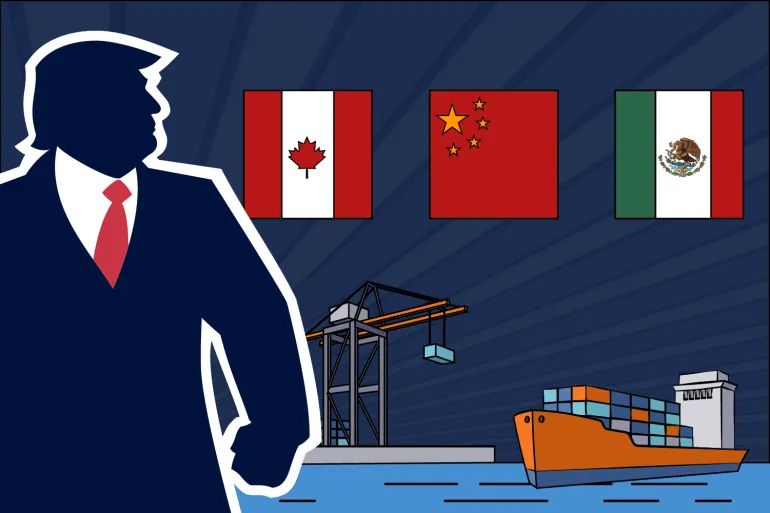
Core Viewpoint - Mexico is strategically positioning itself to benefit from the ongoing U.S.-China trade tensions by implementing a tariff proposal targeting Chinese goods, effectively aligning itself with U.S. interests while leveraging its manufacturing capabilities to attract Chinese companies to set up production facilities in Mexico [2][5][29]. Group 1: Tariff Proposal and Economic Impact - Mexico's recent tariff proposal includes additional tariffs on 1,463 items, with rates ranging from 5% to 50%, particularly affecting key industries such as automotive, textiles, and steel [2][8]. - The proposal is seen as a direct response to the U.S.-China trade war, with the majority of tariffs set below 35%, but critical sectors facing the highest rates [2][8]. - The U.S.-Mexico-Canada Agreement (USMCA) allows Mexican-produced goods to enter the U.S. tariff-free, creating an incentive for Chinese companies to manufacture in Mexico to bypass U.S. tariffs [10][17]. Group 2: Mexico's Role in Global Supply Chains - Mexico has emerged as a significant intermediary in the global supply chain, benefiting from Chinese manufacturing overflow while maintaining a favorable trade relationship with the U.S. [17][25]. - The value added by Chinese components in Mexican automotive production is approximately 5%, which is crucial for maintaining production efficiency [20]. - Mexican exports to the U.S. are projected to exceed $506 billion in 2024, highlighting the country's reliance on the U.S. market [20]. Group 3: Domestic Economic Effects - The minimum wage in Mexico has increased significantly, from 88 pesos per day in 2018 to 278.80 pesos by 2025, largely due to the high-wage requirements in the automotive sector under the USMCA [15][37]. - The trade dynamics have led to a substantial increase in the U.S. trade deficit with Mexico, rising from $112.7 billion to $171.5 billion, a 52% increase since the USMCA's implementation [17][20]. - Mexican political stability has been bolstered by the economic benefits derived from the trade tensions, with President Sheinbaum's approval rating reaching 85% [37][42]. Group 4: Challenges and Future Considerations - Mexico faces pressure to demonstrate loyalty to the U.S. amid potential reviews of the USMCA, with the next review scheduled for July 2026 [28][30]. - The Mexican government has shown hesitance in fully committing to the tariff proposal, indicating a desire to maintain a balanced relationship with China while appeasing U.S. demands [32][35]. - Domestic opposition to the tariff increases is growing, with concerns that higher production costs will ultimately harm Mexican consumers and businesses reliant on Chinese imports [47][49].
上海经济学会邓志超:中美利差倒挂对中国离岸金融呈推动作用
Xin Lang Cai Jing· 2025-12-20 04:54
Core Viewpoint - The 22nd China International Financial Forum highlighted the development of offshore finance in China, emphasizing the impact of geopolitical factors, interest rate differentials, and the internationalization of the RMB on the future of offshore finance [1][5]. Group 1: Geopolitical Influence - Geopolitical factors are influencing the demand for China's offshore finance, with China's global economic and political status being a key driver [3][7]. - The current geopolitical climate may reduce the willingness of the US and its allies to invest in China, which is a negative aspect, while it could also encourage the use of RMB over USD by countries closely engaged with China, presenting a historical opportunity for offshore RMB [3][7]. Group 2: Interest Rate Differentials - The current interest rate differential between China and the US stands at 2.2%, which is expected to persist for 2-3 years even if the Federal Reserve lowers rates [4][8]. - The ongoing interest rate differential is likely to accelerate China's outbound investment as capital shifts from the USD system to the RMB system [4][8]. Group 3: RMB Internationalization - The internationalization of the RMB is transitioning from a trade settlement currency to an investment currency, with offshore markets playing a significant role in areas like the Belt and Road Initiative and commodity trade [4][8]. - There is an expectation that the proportion of cross-border RMB transactions will increase, providing new development opportunities for Shanghai's free trade offshore bonds [4][8]. Group 4: Policy Recommendations - The Chinese government is focused on enhancing the Shanghai International Financial Center and reinforcing Hong Kong's status as a global financial hub, which will provide a foundational framework for offshore finance development [9]. - Key policy suggestions include promoting institutional innovation, deepening RMB internationalization, enhancing international cooperation, leveraging technology for efficiency and security, establishing a multi-layered risk prevention system, and fostering collaboration between offshore and onshore markets for optimal resource allocation [9].

欧盟向乌克兰输送百亿援助 地缘政治立场却显露动摇
Xin Lang Cai Jing· 2025-12-19 15:52
欧盟在最后一刻敲定了一项对乌援助折中方案,但这一结果也引发外界对欧盟决策力的质疑。 2025 年 5 月,在库皮扬 斯克附近,一名乌克兰士兵操作迫击炮,隐蔽在无人机的侦察视野之外。欧盟计划向乌克兰提供总计 900 亿欧元的贷款援助。 本文作者 | 詹娜・斯米亚莱克 周五凌晨将近 3 点,一则消息开始在布鲁塞尔市中心宏伟的欧盟总部内悄然传开。经过超过 16 个小时 的谈判,欧盟 27 国领导人终于达成一项协议,计划在 2027 年前为处境危急的乌克兰提供资金支持。 但这并非官员们数周来一直热议的方案。最初的方案原本打算动用欧盟冻结的俄罗斯资产,为对乌贷款 提供担保。各国领导人此前也多次表态,称这是最佳选择 —— 既是一项果断的举措,也能彰显欧盟的 实力。 最终出台的却是一项棘手的折中方案。 在密集的谈判和频繁的私下磋商中,这项 "冻结资产担保" 方案在最后时刻宣告流产。据欧盟外交官及 官员透露,方案搁浅的原因一方面是比利时长期以来的反对,另一方面则是卢森堡、意大利和法国的疑 虑。 比利时境内存放着欧盟冻结的大部分俄罗斯资产,卢森堡也持有一小部分。两国均担心,一旦俄罗斯采 取报复措施并胜诉,本国可能会面临巨额赔偿 ...

12月19日金市晚评:三大央行政策角力 黄金短期震荡后择向
Jin Tou Wang· 2025-12-19 09:30
Core Viewpoint - The article discusses the recent fluctuations in gold prices and the potential impact of the Bank of Japan's monetary policy decisions on the gold market, highlighting the interplay between currency movements and gold as a safe-haven asset. Group 1: Gold Price Movements - As of December 19, the spot gold price is trading at $4326.22 per ounce, with a slight decline of 0.11% from the previous day, reaching a high of $4336.33 and a low of $4308.59 [1][2] - The market is closely watching the Bank of Japan's interest rate decision, which could signal the start of a rate hike cycle, potentially leading to increased volatility in the gold market [1][3] Group 2: Economic Indicators - The U.S. Consumer Price Index (CPI) for November has decreased to 2.7%, which is below the market expectation of 3.1% [2] - President Trump has indicated that the next Federal Reserve chair will be someone who supports significant rate cuts, which may influence market expectations regarding future monetary policy [2] Group 3: Market Sentiment and Predictions - Analysts suggest that if negotiations between the U.S. and Russia regarding the Ukraine conflict progress, gold prices may experience a significant drop next week [3] - The potential for a rate hike by the Bank of Japan could lead to a withdrawal of funds from various asset classes, putting additional pressure on gold prices [3] Group 4: Long-term Outlook - In the medium term, the normalization of Japan's monetary policy is expected to strengthen the yen, which may weaken the dollar and benefit gold as a dollar-denominated asset [4] - The long-term trajectory of gold prices will continue to be influenced by the Federal Reserve's monetary policy cycle, central bank reserve demands, and geopolitical uncertainties [4] Group 5: Technical Analysis - The daily chart indicates a positive outlook for precious metals, with prices forming higher highs and lows while remaining above the key 100-period moving average [5] - The first resistance level for gold is at $4353, and a decisive breakout above this level could lead to a rise towards historical highs of $4381 and a psychological target of $4400 [6] - Conversely, if bearish signals emerge and prices fall below $4300, sellers may gain momentum, potentially driving gold towards lower support levels [6]