
贸易战

Search documents
瑞达期货集运指数(欧线)期货日报-20250624
Rui Da Qi Huo· 2025-06-24 11:00
| | 集运指数(欧线)期货日报 | | 2025/6/24 | | --- | --- | --- | --- | | 项目类别 | 数据指标 最新 环比 数据指标 | 最新 | 环比 | | EC主力收盘价 | 1772.000 -133.3↓ EC次主力收盘价 | 1304.6 | -76.30↓ | | 期货盘面 | EC2508-EC2510价差 467.40 -37.60↓ EC2508-EC2512价差 | 314.50 | -30.40↓ | | EC合约基差 | 165.14 +103.00↑ | | | | 期货持仓头寸(手) EC主力持仓量 | 44791 -2262↓ | | | | SCFIS(欧线)(周) | 1937.14 239.51↑ SCFIS(美西线)(周) | 2,083.46 | -825.22↓ | | | SCFI(综合指数)(周) 1869.59 -218.65↓ 集装箱船运力(万标准箱) | 1,227.97 | 0.08↑ | | 现货价格 | CCFI(综合指数)(周) 1342.46 99.41↑ CCFI(欧线)(周) | 1,578.60 | 89. ...

特朗普出手了,50%关税生效!伊朗也出手了,挑战全球能源命脉
Sou Hu Cai Jing· 2025-06-24 09:48
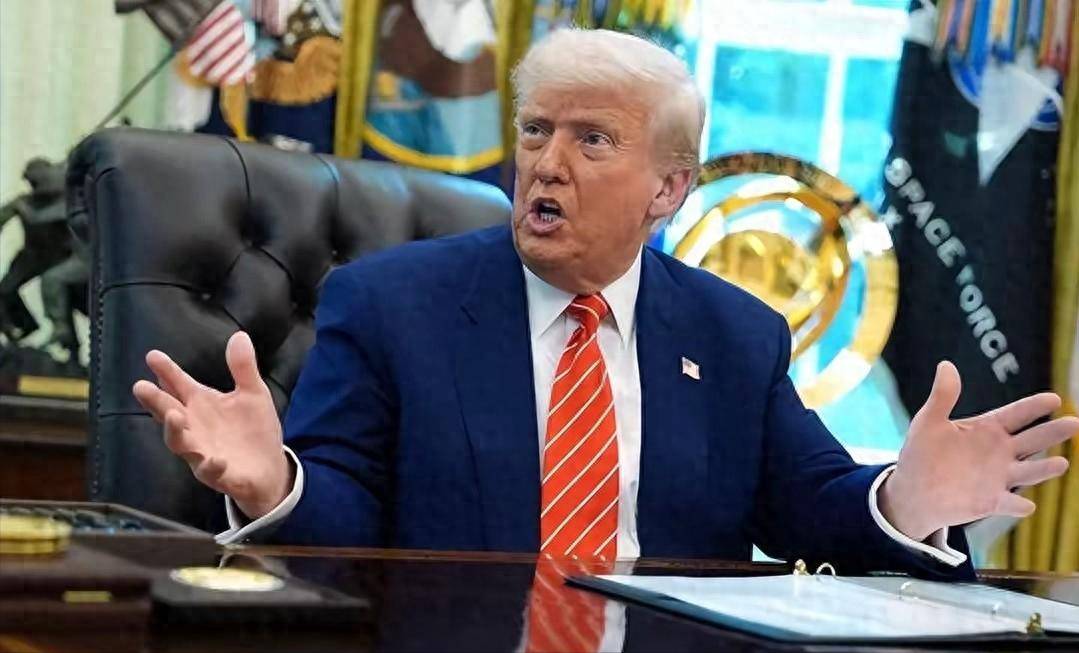
Group 1: Tariff Policy - The U.S. Department of Commerce announced a 50% tariff on certain steel products, effective June 23, 2025, expanding the scope to include everyday consumer goods like dishwashers and refrigerators [3][5] - This tariff increase follows a previous adjustment in March, where steel and aluminum tariffs were raised to 25% and then to 50% in June [5][16] - The policy aims to protect domestic industries, but it has sparked controversy as it may lead to increased appliance prices by 5%-10% due to higher import costs [7][5] Group 2: Impact on Global Oil Supply - Iran's parliament suggested closing the Strait of Hormuz, a critical passage for global oil, through which one-third of the world's oil supply is transported daily [9][11] - If closed, global oil supply could drop by 20%, potentially causing oil prices to surge from $75 per barrel to between $100 and $120 [11][30] - The rising oil prices could exacerbate inflation in the U.S., with the Federal Reserve raising inflation expectations to 3.5% for 2025, and the risk of inflation exceeding 4% if oil prices remain uncontrolled [20][22][44] Group 3: Economic Repercussions - The dual challenges of tariffs and rising oil prices place significant pressure on the U.S. economy, with potential impacts on consumer prices and manufacturing costs [20][22] - The situation could lead to a "stagflation" crisis, affecting not only the U.S. but also economies reliant on exports to the U.S., such as the EU and Asian countries [24][30] - Experts suggest that Trump's aggressive tariff strategy may be part of a larger plan to eventually lower tariffs while still generating significant revenue, potentially around $400 billion annually [26][41] Group 4: Domestic Steel Industry - The U.S. steel industry is currently underutilized, with a capacity utilization rate of only 78% as of Q1 2025, indicating that high tariffs have not significantly boosted domestic production [34] - The ongoing trade tensions and tariff policies may not effectively revitalize the U.S. steel sector as intended, raising questions about the long-term viability of such measures [34][47]

关税子弹击中美国本土食品制造商!钢铁铝关税翻倍或掀起“包装革命”
智通财经网· 2025-06-24 09:07
Core Viewpoint - The doubling of tariffs on steel and aluminum to 50% by the Trump administration is significantly impacting U.S. food manufacturers, leading them to reconsider their packaging strategies and shift towards alternatives like sterile cartons, glass, and plastic [1][2][3]. Group 1: Impact on Food Manufacturers - Pacific Coast Producers, a major canned food supplier, is facing a 6% increase in special steel costs due to the new tariffs, which could lead to annual losses of up to $40 million and a planned 24% price increase for customers [1][3]. - The influx of imported canned goods from China and Southeast Asia has been driving down prices for domestic products since 2017, exacerbating the impact of the new tariffs [1][3]. - Companies are exploring alternative packaging solutions, such as sterile cartons from Tetra Pak and SIG Group, to mitigate rising costs [2][3]. Group 2: Industry Response and Trends - The beverage industry is also affected, with Coca-Cola indicating a potential shift towards plastic packaging if aluminum costs rise significantly [2][5]. - The American Glass Packaging Association is seeing opportunities to capture market share from aluminum cans due to the tariffs [3][4]. - Analysts suggest that if tariffs persist, companies will need to rethink their packaging strategies to maintain profitability [3][4]. Group 3: Challenges in Transitioning Packaging - Transitioning to alternatives like glass or sterile cartons presents logistical and cost challenges, as glass is generally more expensive due to its heavier weight [4][5]. - The majority of aluminum used in beverage cans is recycled, which may shield some manufacturers from tariff impacts [4][5]. - Companies that have diversified their packaging options, like Coca-Cola, may adapt more easily to tariff changes compared to those focused solely on canned products [5][6].

凯基:美股今年出现熊市几率不高 建议投资防御性和优质股
Zhi Tong Cai Jing· 2025-06-24 05:59
Group 1 - The core viewpoint is that the global economy is expected to enter a slowdown phase in the second half of 2025, with the most significant deceleration occurring in the United States [2] - The Federal Reserve is anticipated to lower interest rates by 25 basis points in Q4 of this year and continue with reductions of 50 to 75 basis points in 2026 [1] - The U.S. stock market is not expected to enter a bear market this year, but a decline is likely in Q3, with annual earnings forecasts revised down from 14.1% to below 9% [1] Group 2 - The U.S. economic growth rate is projected to drop below 1% in the second half of 2025, with an annual growth estimate of approximately 1.35% [2] - The impact of trade wars has led to a temporary boost in U.S. economic performance in the first half of the year, but this is expected to fade, resulting in weaker economic data [2] - Investment strategies recommended include focusing on defensive and high-quality stocks, as well as high-quality investment-grade corporate bonds, while waiting for economic stabilization before shifting to non-investment-grade bonds [1][2]
因势利导,进退有度
Dong Zheng Qi Huo· 2025-06-24 04:16
Report Industry Investment Rating - The short - term (1 - 3 months), medium - term (3 - 6 months), and long - term (6 - 12 months) trend ratings for treasury bonds are all "oscillating" [5] Core Viewpoints of the Report - The fundamental situation is favorable for treasury bonds, with the bullish sentiment more obvious in the first half of the second half of the year, but the potential for further bullishness is limited. The market is expected to experience fluctuations, and investors are advised to adopt appropriate trading strategies [1][3][64] - Monetary policy is moderately loose, but the central bank may warn about interest - rate risks. Market sentiment is more cautious, and there are differences in institutional behavior and bond valuations compared to previous years, which limit the upward space of the bond market [2][65][88] - The bond market trend in the second half of the year is divided into three stages. Investment strategies include unilateral band operations, cross - variety strategies, and positive - arbitrage strategies for short - term varieties [3][92][96] Summary by Directory 1. 2025Q1 Treasury Bond Trend Review - In the first half of 2025, treasury bond futures went from weak to strong and then to narrow - range oscillation, experiencing three stages: decline from the beginning of the year to mid - March, rise from late March to early April, and narrow - range oscillation from mid - April to mid - June [15] - The yield curve first flattened and then oscillated. The basis of medium - and short - term varieties gradually returned to normal from a low level, while the basis of TL did not deviate significantly from the seasonal level [18] - The bond market showed new features this year, such as being insensitive to domestic economic fundamentals but sensitive to trade frictions, with the central bank having stronger regulatory ability, persistent negative carry for short - term varieties, and institutional behavior causing occasional disturbances [21] 2. Fiscal and Fundamental Aspects: The Trade War is Complex, and Domestic Low - Volatility Will Continue - **Trade War is Long - Term, Complex, and Has a "Stagflation" Effect**: The trade war is a long - term measure for the US to address its credit crisis. It is complex in its progress, and high tariffs will lead the US into a stagflation environment [24][27][31] - **Export Decline Pressure Becomes Apparent, and Domestic Demand Weakening Pressure Increases**: Trade frictions lead to a decline in overseas demand, which in turn reduces China's export growth. Domestic demand also faces challenges, especially in the real estate market, and consumption and private investment are also under pressure. Fiscal support is crucial for stabilizing demand [33][42][54] - **Fiscal Policy Supports the Economy, and Domestic Macroeconomy Runs with Low Volatility**: The proportion of functional finance is increasing. Fiscal policy should be moderately proactive, with a higher probability of quasi - fiscal policies. Fiscal policy will support economic growth, but the supply - demand imbalance will persist, and inflation will remain low [55][58][63] 3. Monetary Policy and Bond Market Valuation: Similar Policy Rhythms, Different Mindsets and Valuations - **Exchange - Rate Depreciation Pressure Eases, and Monetary Policy is Moderately Loose**: The RMB exchange - rate depreciation pressure has significantly eased. Monetary policy is moderately loose, with a high probability of a 10BP interest - rate cut in August - September. The central bank may warn about long - term interest - rate risks [65][66][73] - **Market Mindset, Institutional Behavior, and Bond Valuations Differ from Previous Years**: The market mindset is more cautious. Institutional behavior is affected by "liability shortage," and bond valuations are high, which limit the upward space of the bond market [78][81][87] 4. Market Outlook and Strategy: Actively Explore Futures Strategies - **Market Rhythm: Gradually Accelerate, Then Decline**: The bond market in the second half of the year is expected to go through three stages: strengthening from July - August, a high probability of decline from September - October, and slow strengthening from November - December [92][93] - **Strategy Analysis: Band - Operation Thinking, Explore Futures Strategies**: Unilateral strategies suggest that allocation portfolios should buy mid - term long positions on dips, and trading portfolios should conduct band operations. Cross - variety strategies recommend paying attention to the strategy of going long on 2TS and short on T. Positive - arbitrage strategies suggest seizing the tail - end opportunities of short - term varieties. Hedging strategies recommend paying attention to short - hedging strategies from September - October [96][98][103]
五矿期货农产品早报-20250624
Wu Kuang Qi Huo· 2025-06-24 03:34
农产品早报 2025-06-24 五矿期货农产品早报 五矿期货农产品团队 从业资格号:F0273729 交易咨询号:Z0002942 邮箱:wangja@wkqh.cn 从业资格号:F03116327 交易咨询号:Z0019233 邮箱:yangzeyuan@wkqh.cn 从业资格号:F03114441 交易咨询号:Z0022498 电话:010-60167188 邮箱:sxwei@wkqh.cn 王俊 组长、生鲜研究员 【重要资讯】 周一美豆小幅回落,交易天气较好及贸易战担忧,不过市场预期全球大豆新作产量可能有下降趋势,叠 加美豆估值略低,美豆整体偏震荡。国内豆粕期货回落,现货压榨量本周或创新高,累库压力增大,周 一国内豆粕现货下跌 50 元/吨,华东报 2850 元/吨。据 MYSTEEL 统计上周港口大豆库存 783 万吨,油厂 豆粕库存 51 万吨。周一国内豆粕成交一般,提货仍较好。 杨泽元 白糖、棉花研究员 美豆产区未来两周降雨偏好,覆盖大部分产区,前期偏干区域迎来降雨。前期我们预判美豆年度级别进 入了震荡磨底过程,不过走出底部区间仍然需要产量、生物柴油需求、全球宏观、贸易战的进一步驱动。 当前美 ...
大越期货沪铜早报-20250624
Da Yue Qi Huo· 2025-06-24 01:30
交易咨询业务资格:证监许可【2012】1091号 沪铜早报- 大越期货投资咨询部 : 祝森林 从业资格证号:F3023048 投资咨询证号: Z0013626 联系方式:0575-85226759 重要提示:本报告非期货交易咨询业务项下服务,其中的观点和信息仅作参考之用,不构成对任何人的投资建议。 我司不会因为关注、收到或阅读本报告内容而视相关人员为客户;市场有风险,投资需谨慎。 每日观点 铜: 1、基本面:冶炼企业有减产动作,废铜政策有所放开,5月份,制造业采购经理指数为49.5%,比上月 上升0.5个百分点,制造业继续保持恢复发展态势;中性。 2、基差:现货78340,基差50,升水期货;中性。 3、库存:6月23日铜库存减3325至95875吨,上期所铜库存较上周减1129吨至100814吨;中性。 4、盘面:收盘价收于20均线下,20均线向上运行;中性。 5、主力持仓:主力净持仓空,空减;偏空。 6、预期:美联储降息放缓,库存高位去库,美国贸易关税不确定性增强,地缘扰动仍存,铜价震荡运 行为主. 逻辑: 国内政策宽松 和 贸易战升级 风险: 自然灾害 近期利多利空分析 利多: 利空: 1、俄乌,伊以地 ...
深夜,全线拉升!美联储,突传重磅!
券商中国· 2025-06-23 15:39
美联储官员的最新表态释放重磅信号。 美联储理事鲍曼在最新的讲话中表示,如果美国通胀继续保持温和,将支持美联储最早在7月降息。与此同 时,美国白宫国家经济委员会主任哈塞特也表示,美联储没有理由不降息。 受此影响,美股三大指数全线拉升,截至北京时间23:30,道指涨0.26%,纳指涨0.63%,标普500指数涨 0.51%。其中,特斯拉暴涨超10%,其在得州推出了市场期待已久的无人驾驶出租车Robotaxi服务。 从市场表现来看,投资者似乎对中东紧张局势进一步升级的担忧正在缓解。摩根士丹利首席策略师迈克尔·威 尔逊表示,由地缘政治事件引发的市场抛售通常持续时间较短。美股上市公司盈利增长加快将继续支撑美股价 格。 "支持美联储在7月降息" 美东时间6月23日,美联储理事鲍曼表示,现在是考虑调整政策利率的时候了。如果美国通胀继续保持温和, 将支持美联储最早在7月降息。如果通胀继续下降,或者就业市场走弱,美联储就可以降息。 鲍曼说道:"数据显示,关税和其他政策尚未对经济造成明显影响。我认为关税对通胀的影响可能会出现更大 的延迟,程度也比最初预期更小,尤其是因为许多企业已提前储备库存。贸易和关税谈判的持续进展令经济环 境 ...


中东冲突只是“障眼法”!美元正迎来最后狂欢?
Jin Shi Shu Ju· 2025-06-23 13:55
在美国对伊朗进行军事打击后,受益于传统的避险地位,美元在周一早盘交易中飙升,但分析师们警告 称,这种涨势可能只是昙花一现。 丹斯克银行固定收益与外汇研究部的Kirstine Kundby-Nielsen表示:"在美国上周末袭击伊朗后,中东危 机的升级预计将导致市场出现一些传统的避险效应,例如油价上涨、股价下跌和美元走强。" 尽管出现了初步反弹,但华尔街中日益形成的共识表明,美元的强势可能只是暂时的。 一些分析师表示,中东冲突只是掩盖了对美国财政政策、贸易战以及国际对美国资产需求减弱的担忧, 一旦由危机驱动的即时需求消退,这些问题可能会重新成为焦点。反映长期担忧的是,美元指数今年已 下跌超过8%。 他在周一早间的报告中说,"这是一个大胆的判断,但我怀疑霍尔木兹海峡会被封锁,不过我们将能避 免卖方吹捧的每桶100-130美元的油价,美国也可能已将能源基础设施作为其支持以色列的红线。" 然而,一个关键的避险需求指标——美国国债市场似乎通过其异常平淡的反应,讲述了一个完全不同的 故事。 美元的短期强势与市场对伊朗可能如何报复的恐惧有关,其中对重要石油运输通道霍尔木兹海峡被关闭 的担忧首当其冲。 然而,加拿大皇家银行资 ...
瑞达期货集运指数(欧线)期货日报-20250623
Rui Da Qi Huo· 2025-06-23 11:26
Report Industry Investment Rating - No relevant content provided Core View of the Report - On Monday, the futures prices of the Container Shipping Index (European Line) declined collectively. The main contract EC2508 closed down 4.67%, and the far - month contracts fell between 1 - 2%. The negative impacts of intensified geopolitical conflicts and tariffs remain unimproved, weakening the support for futures prices. Although the spot - end price indicators have rebounded rapidly, which may drive the futures prices to rise in the short term, the long - term improvement of the trade war still needs to be observed. Investors are advised to be cautious and pay attention to operation rhythm and risk control, and track geopolitical, shipping capacity, and cargo volume data in a timely manner [1] Summary by Relevant Catalogs Futures Market Data - EC main contract closing price: 1875.000, down 91.9; EC second - main contract closing price: 1370, down 13.60. EC2508 - EC2510 spread: 505.00, down 25.00; EC2508 - EC2512 spread: 344.90, down 5.10. EC contract basis: 62.14, up 254.51. EC main contract open interest: 47053, up 1085 [1] Spot Market Data - SCFIS (European Line) (weekly): 1937.14, up 239.51, a 14.1% week - on - week increase; SCFIS (US West Coast Line) (weekly): 2083.46, down 825.22. SCFI (composite index) (weekly): 1869.59, down 218.65. Container ship capacity (in ten thousand TEUs): 1227.97, up 0.01. CCFI (composite index) (weekly): 1342.46, up 99.41; CCFI (European Line) (weekly): 1578.60, up 89.73. Baltic Dry Index (daily): 1689.00, up 62.00; Panama Freight Index (daily): 1350.00, up 3.00. Average charter price (Panamax ship): 11242.00, down 65.00; Average charter price (Capesize ship): 19423.00, down 768.00 [1] Industry News - The Chinese Ministry of Foreign Affairs strongly condemned the US attack on Iranian nuclear facilities, calling it a violation of the UN Charter and international law, and called for a cease - fire and dialogue. US President Trump claimed that Iranian key nuclear facilities were "completely destroyed", while Iran said the Fordow nuclear facility was not severely damaged. The Iranian parliament considered closing the Strait of Hormuz, but the final decision lies with the Supreme National Security Council. The Director - General of the International Atomic Energy Agency reported that the Isfahan nuclear facility suffered extensive damage, the Fordow nuclear facility was directly affected, and the Natanz nuclear facility was attacked again [1] Macroeconomic News - The US raised the tariffs on imported steel, aluminum, and their derivatives from 25% to 50% starting from June 4, 2025. The Fed is expected to keep interest rates unchanged in June, with a slightly slower pace of interest rate cuts. Chairman Powell said there will be "relatively high inflation" in the coming months, and the US economic activity has declined slightly, with businesses and consumers facing increased policy uncertainty and price pressures [1] Key Data to Watch - Germany's June IFO Business Climate Index at 16:00 on June 24; US April FHFA House Price Index MoM and April S&P/CS20 - City Unadjusted House Price Index YoY at 21:00 on June 24; US June Conference Board Consumer Confidence Index at 22:00 on June 24 [1]