
资产配置

Search documents
美联储降息重启窗口临近,大类资产配置应该怎么做?
Sou Hu Cai Jing· 2025-09-16 10:03
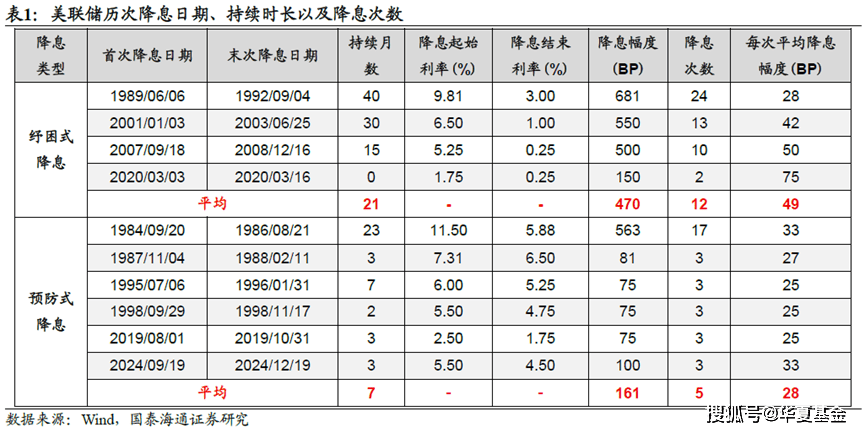
Group 1 - The global financial market is entering a delicate waiting period, with attention focused on the Federal Reserve's interest rate decision on September 18 [1][2] - The CME FedWatch tool indicates that the market expects a 90% probability of a rate cut in September, with potential for three rate cuts this year [3][4] - This marks the first rate cut since 2025 and signifies a critical turning point in the current monetary easing cycle that began in September 2024 [3] Group 2 - The current rate cut is characterized as a non-typical preventive measure, differing from past easing cycles which were primarily reactive to economic downturns [5][6] - Historical context shows that rate cuts can be categorized into two types: crisis-driven and preventive, with the current situation resembling a preventive approach due to a "stagflation-like" economic backdrop [7] - The combination of economic slowdown and persistent inflation pressures necessitates a careful balance between stimulating the economy and controlling inflation [7] Group 3 - Major asset classes need to adjust their strategies in response to the unique characteristics of the current rate cut cycle, respecting historical patterns while considering current variables [10] - U.S. Treasuries are expected to benefit directly from rate cuts, but caution is advised regarding potential fluctuations in long-term yields due to economic recovery expectations [11] - U.S. equities typically perform well during rate cut cycles, with the S&P 500 averaging a 22.5% increase in the 12 months following a cut, although exceptions exist during recessionary periods [13] Group 4 - The A-share market's performance is primarily influenced by domestic conditions and policy directions, rather than U.S. monetary policy [16][18] - Historical trends indicate that growth and small-cap stocks tend to outperform during U.S. rate cut cycles, with technology sectors leading the way [17] - The Hong Kong stock market is expected to show high elasticity due to its sensitivity to both domestic fundamentals and overseas liquidity, with an average increase of 35.4% in the 12 months following a rate cut [19][21] Group 5 - The Chinese bond market is currently facing headwinds, but the resumption of U.S. rate cuts is expected to create a more favorable external environment, potentially easing domestic monetary policy constraints [24] - Gold is positioned as a crucial asset in the context of "de-dollarization," with its price typically rising in anticipation of rate cuts, although post-cut performance may vary [25][26] - The current market dynamics suggest that a diversified asset allocation strategy is essential to navigate uncertainties and optimize long-term returns [28][29]

投资干货铺 | 美联储降息,会有哪些影响?
Sou Hu Cai Jing· 2025-09-16 09:42
Group 1 - The Federal Reserve is expected to lower interest rates by 25 basis points in its upcoming meeting, marking the first rate cut since December 2024 and signaling the start of a new easing cycle [1] - Short-term liquidity boost may lead to a shift of funds from the bond market to the stock market, potentially driving stock prices up in the short term [1] - In the early stages of rate cuts, technology stocks may benefit from liquidity easing, while small-cap stocks, being more sensitive to financing costs, may also perform relatively well during the easing cycle [1] Group 2 - Rate cuts typically have a positive impact on gold prices due to lower opportunity costs for holding gold, as well as a weakened dollar which increases demand from non-dollar investors [2] - Increased risk aversion during economic slowdowns or recession expectations enhances gold's appeal as a safe-haven asset, leading to more capital inflow into the gold market [2] - Long-term performance of gold during easing cycles is generally strong, but short-term volatility should be monitored following policy implementation [3] Group 3 - The Fed's rate cut may lead to a global reallocation of funds, with potential inflows into A-shares, particularly benefiting leading companies in sectors like new energy, food and beverage, home appliances, and automotive [3] - The easing of U.S. monetary policy may alleviate external constraints on China's monetary policy, potentially leading to stronger A-share market performance if domestic growth-stimulating policies are timely introduced [3] - Investor risk appetite may increase due to rate cut expectations, which could drive A-shares up in the short term, but market performance will still be influenced by domestic fundamentals, policy strength, and international conditions [3]
手里有500w,现在应该怎么投?
雪球· 2025-09-16 08:28
Core Viewpoint - The article discusses investment strategies for a personal investor with 5 million yuan in idle funds, emphasizing the importance of safety and realistic return expectations in the current market environment [2][4]. Investment Strategy - The investor has a time horizon of at least 3-5 years and seeks to maintain capital safety while accepting a 10-15% volatility with an expected annual return of 5-6% [6][10]. - Achieving a 5-6% annual return while ensuring capital safety is possible but not guaranteed, as it may involve accepting potential capital losses [6][7]. Asset Allocation Recommendations - Certain products should be avoided, such as insurance products due to their complex terms and low returns, and short-term debt or cash products which do not meet the return expectations [12][13]. - Recommended investment options include: - Bank wealth management products, particularly those with multi-asset strategies, which can provide better risk-return profiles [13]. - Securities firm asset management products that offer fixed income plus strategies, requiring careful selection and professional advice [13]. - Public and private equity products, as well as broad-based indices, which can be suitable for long-term investment but require professional guidance for selection [14]. Specific Investment Suggestions - The investor is advised to allocate funds into a diversified portfolio, with a suggested allocation of 25% in global assets, 25% in quantitative strategies, and 50% in fixed income [19][20]. - The investment should be executed in phases, with an initial investment of 30-50% of the total amount, followed by gradual investments based on market conditions and advice from the investment manager [23][24]. Conclusion - The article emphasizes the importance of understanding the risks involved in investment and the need for a well-thought-out strategy that aligns with the investor's financial goals and risk tolerance [9][22].

近5日"吸金"超8亿,30年国债ETF(511090)调整蓄势,收盘成交破110亿!
Sou Hu Cai Jing· 2025-09-16 07:31
Group 1 - The 30-year Treasury ETF (511090) has adjusted its price to 119.06 yuan as of September 16, 2025, with a trading volume of 110.76 billion yuan and a turnover rate of 35.12%, indicating active market trading [1] - The latest scale of the 30-year Treasury ETF is reported at 31.534 billion yuan, with a net outflow of 67.9166 million yuan recently; however, there has been a net inflow of 840 million yuan over the last five trading days [1] - The People's Bank of China conducted a 2.8 billion yuan reverse repurchase operation on September 15, with a net injection of 88.5 billion yuan for the day, reflecting a supportive monetary policy [1] Group 2 - Overall, the bond market is experiencing adjustments, but the central bank is expected to maintain support, which may lead to a resumption of government bond trading [2] - The 30-year Treasury ETF closely tracks the China Bond 30-Year Treasury Index, which consists of publicly issued 30-year government bonds, serving as a benchmark for investment performance [2]

就业数据造假91万?美国经济其实在硬撑 普通人如何避免被割韭菜?
Sou Hu Cai Jing· 2025-09-16 07:18
Economic Signals - The U.S. labor department revealed that non-farm employment data was overestimated by 910,000 jobs over the past year, averaging an overreport of 76,000 jobs per month [1] - August saw only 22,000 new jobs added, with the unemployment rate exceeding 4%, reminiscent of the data revisions before the 2008 crisis [2] - GDP growth of 3.3% in Q2 was driven by a drop in imports and consumption funded by savings, while business investment and exports declined [2] Market Reactions - Gold prices have reached a historical high when adjusted for inflation, surpassing the 1980 peak, with central banks purchasing 1,045 tons in 2024, indicating heightened risk aversion [4] - A significant number of executives are selling stocks, with 198 out of the top 200 transactions being sales, suggesting potential risks as insiders exit [4] - Money market fund balances have reached $7.4 trillion, nearly one-third of U.S. GDP, as investors prefer to earn 5% interest rather than invest in the stock market or real economy [4] Economic Conditions - One-third of U.S. states are experiencing economic decline, particularly energy and industrial states, while southern and larger states are propping up the economy [4] - Current economic indicators show signs of potential stagflation, with GDP growth near zero when adjusted for inflation, core inflation at 3% above target, rising unemployment, and declining real wages [7] Historical Context - The 1970s stagflation saw inflation peak at 13.5%, mortgage rates at 20%, and unemployment at 10.8%, with the stock market stagnating for 14 years [5] - Supply chain disruptions, similar to those during the oil crisis, are currently exacerbated by the pandemic, chip shortages, and geopolitical conflicts [5][6] Federal Reserve Dilemma - Market predictions suggest the Federal Reserve may lower interest rates by 25-50 basis points, but historical lessons indicate that premature rate cuts can lead to a cycle of inflation resurgence [8] - The Federal Reserve faces a dilemma between not lowering rates to avoid burdening households and the risk of reigniting inflation if rates are cut [8] Investment Strategies - Investors are advised to focus on low-interest-rate benefiting assets, such as AI technology stocks and real estate, which may see reduced borrowing costs [10] - Allocating 5%-10% of funds into physical gold or quality gold mining stocks is recommended as a hedge against risks during stagflation [10] - Maintaining 20%-30% cash reserves allows for opportunistic buying during market downturns, while diversifying investments across stocks, bonds, and gold can mitigate risks [10]

上海豪宅逆势狂飙!每平达19万,这场“结构性繁荣”藏着什么秘密
Sou Hu Cai Jing· 2025-09-16 04:43
Group 1: Overall Market Trends - The national real estate market is experiencing a significant downturn, with real estate development investment from January to August amounting to approximately 6.03 trillion yuan, a year-on-year decrease of 12.9% [3] - New residential sales area decreased by 4.7% year-on-year to 573 million square meters, with sales revenue dropping by 7.3% to 5.5 trillion yuan [3] - In August, the sales prices of residential properties in 70 major cities continued to decline, indicating an ongoing adjustment phase in the real estate market [3] Group 2: Shanghai Luxury Market Performance - Despite the overall market downturn, Shanghai's luxury real estate market is thriving, with the average price of the Shanghai Yihua Courtyard reaching 198,000 yuan per square meter during its fifth batch of sales [5] - A luxury property in Shanghai sold for over 73 million yuan, with all units being sold out within an hour of opening [5] - The average price of a luxury property in the second phase increased from 189,000 yuan to 205,000 yuan per square meter, reflecting an increase of over 8% [6] Group 3: Structural Factors Influencing Market Divergence - The rapid urbanization process is attracting high-net-worth individuals to core cities, creating strong demand for luxury properties [11] - Income disparity in China has led to a group of affluent buyers who view luxury homes as a preferred asset allocation, especially in the context of "asset scarcity" [13] - The divergence in the market reflects economic structural adjustments and is changing perceptions of wealth and investment [13] Group 4: Future Outlook for the Real Estate Market - Although the national real estate market remains sluggish, there are signs of improvement, such as a continuous decrease in unsold housing inventory over the past six months [15] - The traditional peak sales season of "Golden September and Silver October" is expected to be crucial for stabilizing the market [16] - Major cities like Beijing, Shanghai, and Shenzhen are adjusting housing policies to stimulate demand, which could revitalize the market [18]

中金:股市配置的空间
中金点睛· 2025-09-15 23:31
Core Viewpoint - Financial cycle adjustments lead to significant changes in asset allocation, with a systematic increase in the proportion of safe assets and a decrease in real estate allocation, while stock assets may see a systematic increase [2][3][4]. Group 1: Financial Cycle Adjustments - Financial cycle adjustments indicate a shift in economic growth models, emphasizing efficiency improvements from technological innovation and population quality [3][4]. - The analysis shows that after a peak in real estate prices, the proportion of safe assets increases by over 5 percentage points in the fifth year, while real estate allocation decreases by about 8 percentage points, and stock allocation increases by approximately 3 percentage points [2][3]. - In the sixth to tenth years post-peak, safe asset allocation rises by around 5 percentage points, real estate allocation declines by about 10 percentage points, and stock allocation increases by approximately 5 percentage points [2][3]. Group 2: Asset Allocation Changes - The adjustment in the financial cycle leads to a significant change in investor risk preferences, with a tendency for safe assets to increase in allocation [5][6]. - International experiences show that after a financial cycle peak, the proportion of real estate in household asset allocation decreases systematically, while stock-related assets increase [7][10]. - For example, in the U.S., even after real estate prices recovered to previous highs, the allocation to real estate decreased from 45.0% to 36.0%, while stock-related assets increased from 36.9% to 44.4% [8][10]. Group 3: Impact on Chinese Market - In China, the proportion of safe assets in urban households is estimated to rise from about 16% in 2021 to approximately 27% by Q3 2025, while real estate allocation is expected to decrease from 74% to 58%, and stock-related assets to increase from 9% to 15% [16][17]. - The shift in monetary policy, particularly the increase in fiscal contributions to money supply, is expected to support the rise of stock allocations while reducing the appeal of real estate investments [17][20]. - The analysis indicates that the stock market's elasticity to monetary supply has increased, while the elasticity of the real estate market has decreased, suggesting a shift in investor focus towards equities [22][24]. Group 4: Sector Performance and Valuation - The differentiation in return on equity (ROE) and return on assets (ROA) between traditional and new economy sectors has become more pronounced, with new economy sectors showing improvement while traditional sectors lag [51][52]. - The valuation of new economy sectors has increased significantly, while traditional sectors have seen little change, indicating a potential need for traditional sectors to improve their valuations to sustain market growth [56][57]. - The analysis of A-share market performance shows that the new economy sectors have outperformed traditional sectors, aligning with the broader trend of efficiency-driven growth [59].

大类资产周报:资产配置与金融工程美元弱势,降息在即,全球风险资产上行-20250915
Guoyuan Securities· 2025-09-15 15:17
Group 1 - The macro growth factor continues to rise, while inflation indicators show a weakening rebound, with domestic CPI turning negative at -0.4% and PPI's decline narrowing to -2.9%, indicating persistent internal demand issues [4] - The Federal Reserve's interest rate cut expectations are driving upward global liquidity expectations, benefiting Asian equity markets, with the Korean Composite Index rising by 5.94% and the Hang Seng Tech Index by 5.31% [4][9] - The A-share market shows a preference for growth styles, with the Sci-Tech 50 Index increasing by 5.48%, while small-cap indices outperform large-cap blue chips [4] Group 2 - Recommendations for asset allocation include favoring high-grade credit bonds in the bond market, adjusting duration flexibly, and focusing on bank and insurance sector movements [5] - In the overseas equity market, the report suggests monitoring interest rate-sensitive sectors due to limited short-term rebound potential for the dollar and significantly raised interest rate cut expectations [5] - For gold, it is recommended to increase allocations to gold and silver as they are core assets during the interest rate cut cycle, with expectations for Shanghai gold to break previous highs [5] Group 3 - The report indicates that the overall liquidity environment remains supportive for market valuation recovery and structural trends, with a significant decrease in average daily trading volume in the A-share market [56] - The A-share valuation levels have increased, with the price-to-earnings ratio rising to 50.38 times and the price-to-book ratio reaching 5.60 times, suggesting that market expectations for future corporate earnings may be overly optimistic [60] - The report highlights that the earnings expectations for A-shares are weaker than historical averages, with a projected rolling one-year earnings growth rate of 10.3% and revenue growth rate of 5.9% [61]
My dad, 75, only has $31K saved to retire and he’s freaking out — how do I help him save his retirement?
Yahoo Finance· 2025-09-15 11:43
Core Insights - The article discusses the financial considerations for individuals aged 75 and over, particularly focusing on retirement savings, Social Security benefits, and investment strategies to ensure financial stability in retirement [1][2][3][4][6][10]. Retirement Savings and Income - As of 2022, the typical American aged 75 and over had $130,000 in retirement savings, while those aged 65 to 74 had a median balance of $200,000 [6]. - The average retired worker collects about $1,980 per month, totaling approximately $23,760 annually in Social Security benefits [3]. - A scenario is presented where a father earning $70,000 annually and receiving $2,600 monthly from Social Security may still face a shortfall in covering annual expenses of $33,600 [14][15]. Employment and Financial Strategies - Nearly 19% of Americans aged 65 and over were still working as of 2024, which can help mitigate the impact of insufficient savings [3]. - The article suggests that individuals can enhance their savings by working longer and considering strategic financial moves, such as rolling over traditional IRAs into Roth IRAs to avoid required minimum distributions [6][15]. Investment Options - Investing in market-resistant assets like gold is recommended for those nearing retirement to protect against market volatility [7]. - The article highlights the option of opening a gold IRA account, which allows for penalty-free rollovers from existing retirement accounts [8]. Financial Planning and Advisory Services - Consulting a financial advisor is emphasized as a crucial step for individuals to develop a clear retirement plan and improve their financial situation [15][16][17]. - Advisor.com is mentioned as a resource for finding vetted financial advisors who are legally required to act in the best interest of clients [16][17].
Gold price today, Monday, September 15: Gold opens above $3,600 ahead of expected rate cut this week
Yahoo Finance· 2025-09-15 11:30
Gold (GC=F) futures opened at $3,680.20 per ounce on Monday, up 0.8% from Friday’s close of $3,649.40. Gold has opened above $3,600 daily since September 9. Investors are awaiting the Fed’s next interest rate decision on September 17. A 25-basis-point cut is widely expected, though President Trump told reporters Sunday that he expected “a big cut.” The Fed will also release its dot plot this week, a chart outlining how each Fed committee member predicts interest rates will evolve over the next few years. ...