制造业回流

Search documents
美银证券报告:制造业“回流美国”雷声大,与实际产能落地之间仍存很大差距
Huan Qiu Shi Bao· 2025-06-10 22:47
Core Insights - The U.S. government's "manufacturing reshoring" policy is primarily driven by tariffs to encourage companies to relocate production back to the U.S. [1] - A report from Bank of America indicates that multinational companies are now prioritizing the avoidance of geopolitical risks over minimizing costs when restructuring global supply chains [1][2] - Despite legislative efforts to promote manufacturing return, only 20% of analysts predict a "large-scale reshoring" of U.S. manufacturing, with 40% advocating for a faster return of capital-intensive industries [1] Group 1: Manufacturing Trends - Companies are increasingly inclined to shift production to friendly countries or nearby markets, with Vietnam, India, Thailand, and Mexico being the main beneficiaries due to their geographical and political advantages [1][2] - Nearly half of the analysts believe that high tariff policies will not significantly impact corporate decision-making, as companies prioritize supply chain flexibility and risk diversification [2] - The 2025 reshoring index has dropped by 311 basis points compared to the previous year, indicating a decline in the manufacturing reshoring trend [2] Group 2: Employment and Economic Impact - The U.S. manufacturing employment index has been declining, currently accounting for only 8% of total employment, which reflects the challenges of high labor costs and a shortage of qualified workers [1] - Despite significant capital investment in the U.S., the manufacturing output growth over the past year was only 1%, highlighting a gap between announced reshoring plans and actual production capacity [2]
美国,恨铁不成钢
Sou Hu Cai Jing· 2025-06-10 02:10
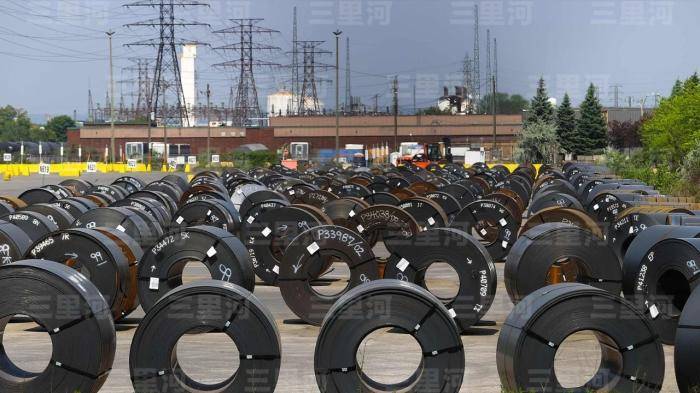
Core Viewpoint - The U.S. has doubled the tariffs on steel and aluminum imports from 25% to 50%, facing strong opposition from multiple countries, including Canada and Mexico, who have threatened retaliatory measures [1][3][4]. Group 1: Tariff Increase and Reactions - The U.S. government has raised tariffs on steel and aluminum imports from all trade partners except the UK, leading to immediate backlash from Canada, which labeled the move as "illegal and unreasonable" [1][3]. - Mexico's president criticized the tariffs as "unfair" and warned of potential measures if no agreement is reached with the U.S. [3][4]. - The European Commission is also prepared to respond if necessary [3]. Group 2: Motivations Behind the Tariff Increase - The tariff increase is part of the Trump administration's ongoing strategy to bring manufacturing back to the U.S. and protect domestic steel industries [4][5]. - The administration aims to reduce reliance on foreign steel and aluminum, which are crucial for military and technology manufacturing [5][6]. - The tariffs are seen as a political move to secure votes in the "Rust Belt" during the upcoming elections, appealing to constituents concerned about manufacturing jobs [4][6]. Group 3: Economic Implications - The U.S. manufacturing sector is showing signs of contraction, with the PMI at 48.5%, indicating a third consecutive month of decline, attributed to uncertainties from tariff policies [8]. - The tariffs are expected to raise costs for American consumers, particularly affecting industries reliant on imported raw materials, such as can manufacturers [8][9]. - Economic reports highlight a general pessimism regarding the impact of tariffs on the U.S. economy, with concerns about price increases affecting various goods [8][9].

关税休战后,特朗普调转“枪口”,全面暂停12国公民进入美国
Sou Hu Cai Jing· 2025-06-06 09:18
目的就是为了增加自己的谈判筹码,好让中国放开管制的稀土,奈何中国始终不松口。 没成想,特朗普政府不想着如何和中国改善关系,反而在6月4日全面暂停12国公民进入美国,变相将盟 友推开。 前言 关税休战至今,特朗普政府依旧小动作不断,前一秒还在指责中国违反协议内容,下一秒自己却宣布拒 绝对华出口乙烷。 为何特朗普在关键时刻不去寻找盟友,反而将他们一脚踢开?美国对中国的管制真就一点办法没有吗? 中美关税 大多数人聊贸易,会想到钢铁、汽车、芯片,可很少有人意识到,美国真正的痛点之一,便是深埋在土 壤里的稀土。 这东西不起眼,却是现代工业和国防的骨架。2025年5月出炉的一份国防报告,估计让华盛顿不少人倒 吸一口凉气。报告说得清楚,美国七成多军用设备,从战舰到最牛的F-35,关键材料都得指望某个特定 国家的稀土供应。 这不是可有可无的小零件,隐形战机得靠它做涂层,雷达离不开它,就连飞机引擎里抵抗高温的隔热 层,也是它的功劳。卡住这口稀土供应,等于是用一把手术刀,直接捅到了美国军工产业的心脏。它不 像炸弹那样引人注目,却能带来缓慢而致命的损害。 更让人捏把汗的是,全球重稀土市场,几乎全被那个国家攥在手里,份额高达99%。 ...
美国商务部长:制药、飞机零部件和汽车制造业需要回流。
news flash· 2025-06-05 16:27
Group 1 - The U.S. Secretary of Commerce emphasizes the need for the pharmaceutical, aircraft parts, and automotive manufacturing industries to reshore their operations [1]
中方一句话,打了美国脸,中国稀土管制,让特朗普的关税战成笑话
Sou Hu Cai Jing· 2025-06-05 10:28
近段时间,白宫经常传出希望中美高层将要举行通话的消息,足以看出美国已迫不及待想和中国谈判。 可面对白宫方面声称中美高层或在本周通话的言论,中方的一句话,狠狠打了美国的脸。 中国手中的"稀土牌",成为了我们与美国的"关税战"中最好的反制手段。这从特朗普政府频频暴怒跳脚,出台一系列对华限制措施的表现可以看出来。 美国一边不断发起对华制裁,一边又企求对华通话,葫芦里卖的什么药呢?其实原因很简单,那就是美国迫切希望中国能放松稀土出口管制,被"卡脖子"的 美国,有些喘不过来气了。 6月2日,白宫新闻秘书莱维特言之凿凿,称特朗普在本周可能与中方领导人通话。而在此前,美财政部长贝森特等多名美国官员都表示中美两国元首将举行 通话。 咱们也不知道美国人是从哪得来的消息,把没影儿的事说得跟真的似的。6月3日,中国外交部例行记者会上,针对记者提问此事,外交部发言人林剑用简短 的一句话做出回应。 "我没有可以提供的消息。"短短几个字,已把中国的态度表达的十分清楚。美国所期待的中美高层通话,想和我们谈贸易问题,在我们没有看到美国做出实 质性让步,是绝无可能的。 美国"政客新闻网"做出分析称,特朗普政府之所以大肆散布中美将通话的消息,一 ...

应对稀土卡脖子,美国厂商想回中国,美国发动贸易战,已求锤得锤
Sou Hu Cai Jing· 2025-06-05 02:31
持正常的生产。美国汽车零部件厂商的动作,已经让美国共和党政府非常的尴尬,因为美国发动的贸易 战,正在推动美国厂商回到中国,而不是回流到美国。美国"华尔街日报"就有报道,美国已经有多家汽 车部件厂商在考虑未来的产业布局,包括将部分关键零部件在中国生产。 让制造业回流到美国,是美国发动对于中国贸易战的目标之一,然而如今看来,美国发动的贸易战,已 经是求锤得锤。美国在2018年就已经发动了针对中国的贸易战,当时的美国共和党政府也是通过关税的 方式,试图削弱中国产品的竞争力,同时还对中国进行了高科技领域的制裁,从而试图维持对于中国的 优势地位。美国在2018年提出了制造业回流美国的战略,贸易战以及关税战是在为美国的战略服务,进 入2025年以来,随着美国共和党再次执政,美国的关税战已经处于了歇斯底里的状态。 对于美国在多个领域围堵和遏制中国,中国开始了反制,包括对于稀土的出口管制,从而直接卡住了美 国的脖子。稀土对于现代工业的作用非常明显,小小的电磁铁都需要稀土材料,尤其是在新能源汽车大 规模发展的时候,稀土就成为了必要的材料。美国原本有着发达的汽车产业,如今美国的汽车产业不得 不面对中国卡住美国脖子的现状,为此就有 ...

美国人认为制造业重要却不肯去打螺丝,美国企业主:中国制造业仍是世界的黄金标准
Sou Hu Cai Jing· 2025-06-04 01:49
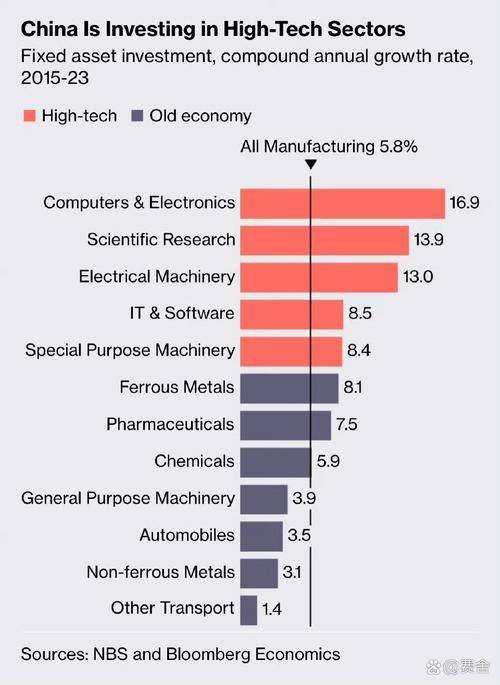
Core Insights - The article highlights the significant role of China's manufacturing industry, which accounts for over 30% of global manufacturing value, compared to the United States' approximately 16% [3][6] - A U.S. manufacturing business owner acknowledges that China's manufacturing remains the global gold standard, emphasizing the efficiency and completeness of China's industrial system [1][10] Group 1: Manufacturing Statistics - China's manufacturing value added exceeds 30% of the global total, meaning that for every three industrial products produced worldwide, more than one is made in China [3] - The U.S. has lost 6.6 million manufacturing jobs over the past 40 years, with employment dropping from 19.4 million in 1979 to 12.8 million currently [3][6] Group 2: Manufacturing Ecosystem - China possesses the most complete industrial system globally, with all industrial categories represented, a feat not achieved by the U.S. [3][6] - The rapid response capability of Chinese manufacturing was demonstrated during the pandemic, where mask production capacity surged from 20 million to 500 million per day within months [7] Group 3: Education and Workforce - China produces over 3 million engineering graduates annually, significantly outpacing the U.S. in engineering talent [6][7] - The integration of vocational education with industry development in China is improving the training of skilled workers, addressing workforce gaps [7][10] Group 4: Global Manufacturing Trends - China's manufacturing is evolving from being merely a "factory" to becoming a "manufacturing powerhouse," with significant shares in sectors like electric vehicles (60%), solar energy (80%), and 5G infrastructure (70%) [6][7] - The article argues that the competitive advantage of Chinese manufacturing is not solely based on low costs but also on high efficiency and robust supply chain capabilities [6][10]
特朗普劝大学生进厂拧螺丝?美国制造业这盘棋太难下了!
Sou Hu Cai Jing· 2025-05-31 04:44
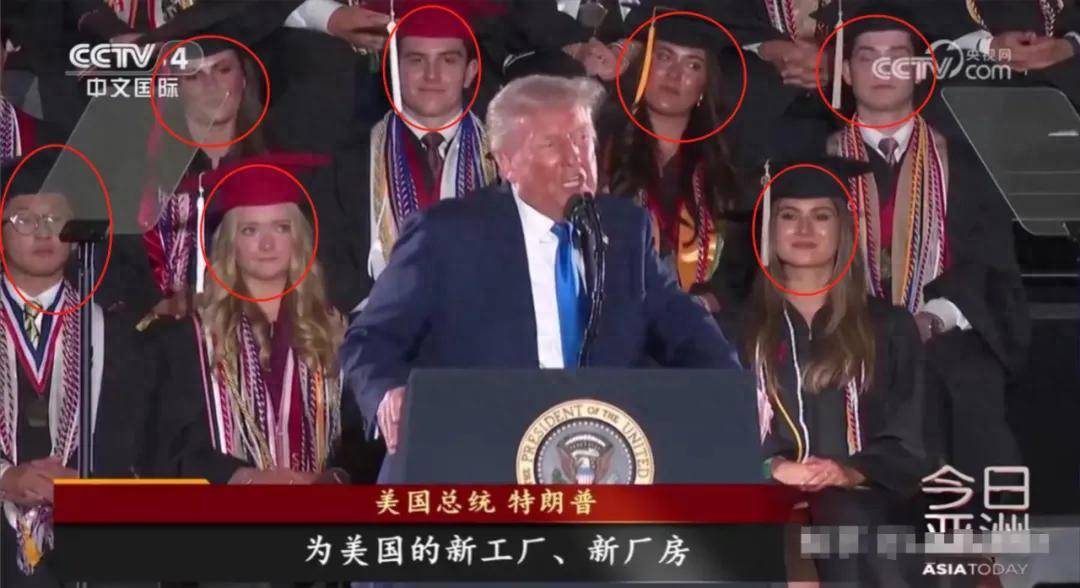
Core Viewpoint - The relationship between the real economy and the virtual economy is a central issue in global economic development, particularly in the context of the U.S. economy's structural changes amid the rapid expansion of the virtual economy and financial sector [1][3]. Group 1: Economic Context - Trump's call for business students to move away from financial investment and engage in the real economy highlights the need for a solid foundation in the real economy amidst globalization and financialization [5][7]. - The U.S. economy is facing severe imbalances, particularly between the expansion of the financial sector and the decline of the real economy, which has exposed various crises [5][7]. - The financial sector's rapid growth has led to the hollowing out of manufacturing, resulting in significant job losses and a fractured supply chain, which undermines U.S. competitiveness in the global economy [7]. Group 2: Implications for Business Students - Business students are seen as a potential force for reform, as their innovative thinking and professional knowledge could revitalize the manufacturing sector and support the recovery of the real economy [7][8]. - Gaining practical experience in manufacturing can enhance business students' market sensitivity and inform their future business decisions, despite the challenging work environment compared to finance [8]. Group 3: Challenges and Barriers - Convincing business students to abandon the lucrative financial sector for manufacturing is difficult due to societal values that favor finance as a prestigious field and the significant salary disparities between the two sectors [9][11]. - There is a gap between business education and the practical needs of the manufacturing sector, as business education often emphasizes theory over practical skills, making it hard for students to adapt quickly to manufacturing roles [11]. Group 4: Role of Government and Industry - The government plays a crucial role in promoting manufacturing development by encouraging companies to provide more internships and job opportunities for business students, improving working conditions, and increasing investment in the sector [13]. - Collaboration between businesses and educational institutions is essential to design curricula that meet industry needs and provide students with training and advancement opportunities, thereby enhancing the attractiveness of manufacturing careers [13][14]. Group 5: Future Considerations - The balance between the real economy and the virtual economy is vital for stable economic development, and Trump's suggestions prompt a reevaluation of career choices, economic structure, and educational development [14].
关税产生影响,印度输美的iPhone已是中国三倍多
Sou Hu Cai Jing· 2025-05-29 12:41
市调机构Canalys公布的数据指,4月份印度发往美国的iPhone数量同比增长76%至300万部,中国输美的 iPhone则是暴跌四分之三至90万部,印度输美的iPhone已是中国的三倍多,显示出关税的影响非常明 显。 由于特朗普政府推出的关税政策影响,从中国运送到美国的iPhone要缴纳更多的关税,而从印度运送到 美国收取的关税要少得多,由此苹果正迅速减少从中国运到美国的iPhone数量,借此降低关税成本。 这种变化,其实从特朗普批准新的关税政策之后就已发生,由此导致3月份印度输美的iPhone数量就已 超过中国了,可以看出苹果应对关税的影响而采取措施是非常迅速的,毕竟两地输美iPhone的关税差距 实在太大了。 不过分析机构同时指出,这些从印度运到美国的iPhone之中,有大量配件是从中国运送到印度的,印度 本身缺乏iPhone的诸多配件,印度的手机产业链尚未形成配套,这给苹果造成了一定的困扰,毕竟远距 离运输配件导致运输成本上涨,印度制造iPhone的成本并不比中国制造低多少。 特朗普采取新关税政策的目的是希望制造业回流美国,但是从苹果的做法可以看出苹果目前无意在美国 制造iPhone,多年前苹果曾尝 ...


特朗普放出“好消息”?中越服装制造商:这回我们不信了
Guan Cha Zhe Wang· 2025-05-27 12:56
Group 1 - Trump's statement about not planning to produce sneakers and T-shirts has provided temporary relief to Vietnamese and Chinese garment manufacturers, particularly benefiting Vietnam's large textile industry [1][3] - Despite the temporary relief, industry players remain skeptical and are not planning to change their strategies, focusing instead on expanding markets outside the U.S. due to the uncertainty surrounding Trump's trade policies [1][4] - In 2022, nearly 17% of China's textile and apparel exports went to the U.S., while Vietnam's share was significantly higher at 38% [1] Group 2 - The American Apparel and Footwear Association has expressed that tariffs negatively impact the industry, as 97% of apparel and footwear products rely on imports, and higher tariffs would increase costs for manufacturers and consumers [3] - The U.S. Treasury Secretary has indicated that the textile industry is becoming obsolete, which has drawn criticism from industry representatives who highlight the sector's contributions to the military and employment [3][4] - Vietnamese textile exporters are experiencing significant upheaval, with many companies actively diversifying and reducing reliance on the U.S. market in response to the unpredictable trade policies [3][5] Group 3 - Foreign direct investment in Vietnam has surged by 40% compared to the same period in 2024, with over $1.5 billion of new capital coming from China, indicating a shift in investment patterns [7] - Vietnamese officials are eager to negotiate with Trump to lower tariffs before the end of the 90-day tariff suspension period, but a trade agreement remains elusive [8] - The U.S. government's pressure on Vietnam to sever supply chains with China poses significant challenges for countries reliant on Chinese production, with analysts suggesting that reconfiguring supply chains could take decades [8]