
特别国债

Search documents
财政部:今年专门发行5000亿元特别国债 为大型商业银行注入资本金 预计可撬动信贷投放约6万亿元
Di Yi Cai Jing· 2025-09-12 07:47
Core Viewpoint - The Chinese Ministry of Finance is enhancing the coordination between fiscal and monetary policies to create a synergistic effect, with a focus on high-quality completion of the 14th Five-Year Plan [1] Group 1: Fiscal Policy - A special issuance of 500 billion yuan in government bonds has been announced to inject capital into large commercial banks [1] - This capital injection is expected to leverage approximately 6 trillion yuan in credit issuance [1]
2025年1-7月财政数据点评:公共财政收支增速差收窄
BOHAI SECURITIES· 2025-08-20 11:00
Revenue Insights - From January to July 2025, the national general public budget revenue reached CNY 135,839 billion, with a year-on-year growth of 0.1%[2] - The national general public budget expenditure was CNY 160,737 billion, showing a year-on-year increase of 3.4%[2] - Individual income tax revenue growth expanded to 8.8%, significantly higher than the overall tax revenue growth rate[2] Fund Budget Analysis - Government fund budget revenue decreased by 0.7% year-on-year, while expenditure surged by 31.7%[4] - The increase in fund expenditure is primarily due to the accelerated implementation of special national bonds and local special bonds[4] - The overall fiscal expenditure (public finance + government fund expenditure) grew by 9.3% year-on-year, reflecting a 0.4 percentage point increase from the previous month[4] Expenditure Trends - Public finance expenditure growth remained stable, with a focus on social welfare, which saw a 6.8% increase, particularly in social security and employment sectors, which grew by 9.8%[3] - Infrastructure spending continued to show negative growth, with specific sectors like urban community and transportation also experiencing declines[3] - Debt interest payments increased by 6.4%, indicating a rising trend in this area[3] Fiscal Performance Metrics - By the end of July 2025, the completion rate of the national general public budget revenue was 61.8%, below the five-year average of 63.5%[2] - The completion rate for public finance expenditure was 54.1%, also lower than the five-year average of 54.7%[3]
前7个月财政收入由负转正,卖地收入降幅收窄
Sou Hu Cai Jing· 2025-08-19 08:49
Group 1 - The core viewpoint of the article highlights the mixed performance of China's public budget revenue and expenditure in the first seven months of the year, with a slight increase in local revenue but a decline in central revenue [1][2] - National general public budget revenue reached 135839 billion yuan, a year-on-year increase of 0.1%, while the central budget revenue was 58538 billion yuan, down 2% [1] - Tax revenue for the same period was 110933 billion yuan, a decrease of 0.3%, while non-tax revenue was 24906 billion yuan, an increase of 2% [2] Group 2 - Total public budget expenditure was 160737 billion yuan, reflecting a year-on-year growth of 3.4%, with central expenditure at 23327 billion yuan, up 8.8% [2] - Specific areas of expenditure such as social security and employment, education, and health saw significant increases of 9.8%, 5.7%, and 5.3% respectively [3] - Government fund budget revenue was 23124 billion yuan, down 0.7%, with local government fund revenue declining by 1.8% [5] Group 3 - Analysts suggest that fiscal policy is expected to strengthen in the second half of the year, emphasizing the need for timely implementation of existing policies and the introduction of new measures [5] - Recommendations include accelerating local debt issuance, considering the issuance of special government bonds, and enhancing investment in human capital to boost consumption [5][6] - The focus areas for fiscal support include increasing transfer income for residents, promoting consumption through trade-in programs, and accelerating public spending in technology and infrastructure [6]

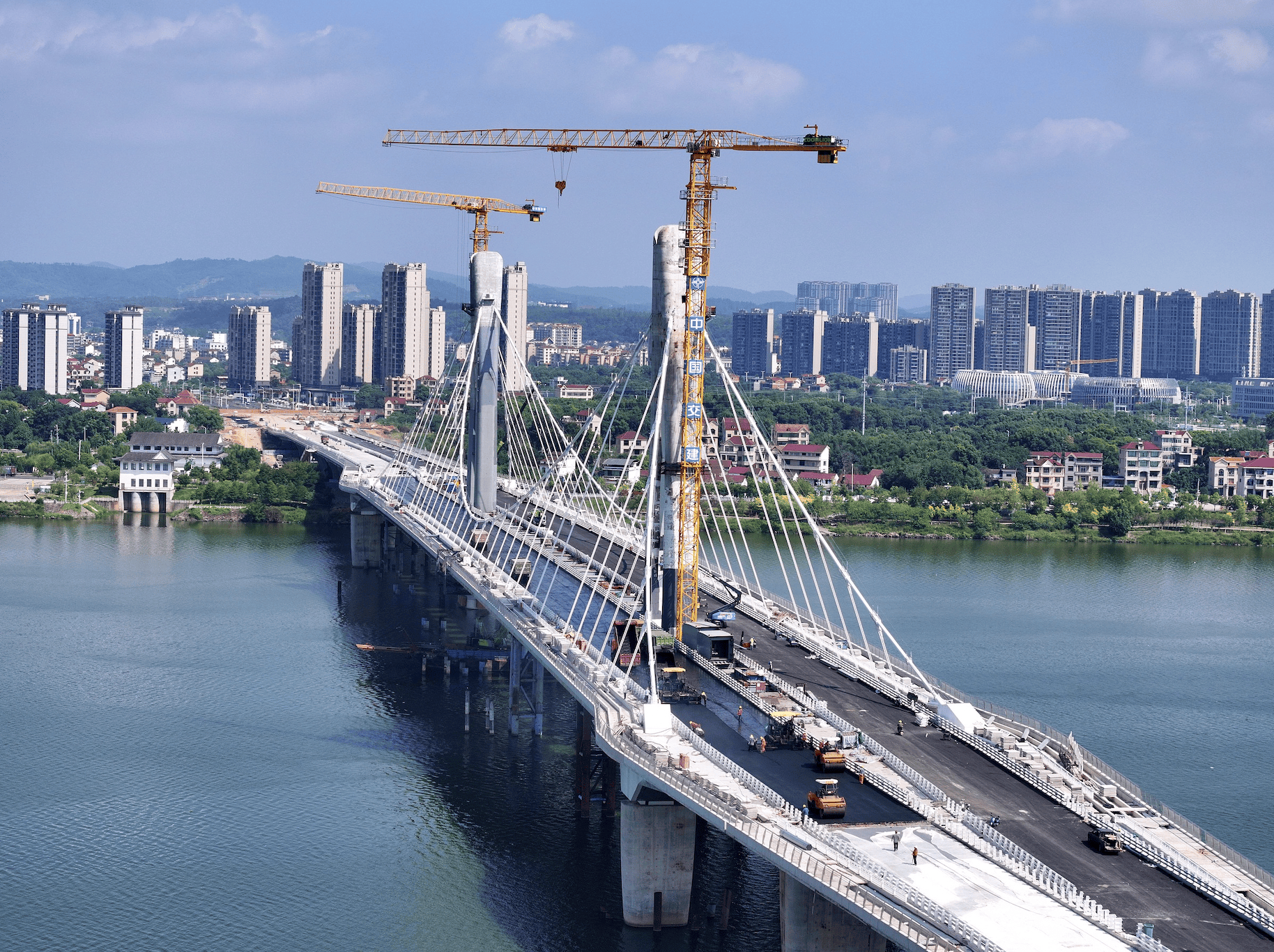
叮,设备更新到账1880亿元!你家买仪器了没?
仪器信息网· 2025-08-15 03:58
Core Viewpoint - The National Development and Reform Commission (NDRC) has allocated 188 billion yuan in investment subsidies to support approximately 8,400 projects across various sectors, driving total investment exceeding 1 trillion yuan [1][2]. Summary by Relevant Sections Investment Allocation - The 188 billion yuan investment subsidies are aimed at supporting projects in industrial equipment, energy, transportation, environmental infrastructure, education, cultural tourism, healthcare, electronic information, facility agriculture, grain and oil processing, and safety production [2][3]. Supported Sectors - The investment supports sixteen key areas, including: 1. Industrial Equipment: Encouraging the elimination of outdated equipment and the adoption of advanced technologies [3]. 2. Energy Equipment: Focused on high-energy-consuming devices, promoting energy-saving and carbon reduction modifications [3]. 3. Transportation Equipment: Upgrading old vehicles and supporting new energy buses [3]. 4. Logistics Equipment: Enhancing efficiency in warehousing and cold chain logistics [4]. 5. Environmental Infrastructure: Upgrading waste treatment and monitoring equipment [5]. 6. Education Equipment: Supporting updates in educational institutions, prioritizing significant demand projects [6]. 7. Cultural Tourism: Upgrading facilities across various cultural sectors [7]. 8. Healthcare Equipment: Updating medical devices across various healthcare institutions [8]. 9. Residential Elevators: Supporting the replacement of old elevators with smart, energy-efficient models [9]. 10. Electronic Equipment: Promoting the intelligent upgrade of electronic industry devices [10]. 11. Facility Agriculture: Expanding subsidies for agricultural machinery updates [11]. 12. Grain and Oil Processing: Focusing on large enterprises for equipment upgrades [12]. 13. Customs Inspection Equipment: Upgrading smart detection and imaging systems [13]. 14. Recycling and Circular Economy: Supporting network construction and technology development for remanufacturing [14]. Project Management and Funding - The NDRC will continue to enhance coordination and management of projects to ensure effective use of central funds and maximize the impact of the "Two New" policy [2][15]. - The average subsidy for the first batch of projects was approximately 23.07 million yuan, while the second batch saw a reduction to about 16.67 million yuan, reflecting a 27.7% decrease, indicating a tailored approach to project needs across different sectors [16].

债市早报:7月金融数据发布;资金面维持平稳态势,债市偏暖震荡
Sou Hu Cai Jing· 2025-08-14 01:52
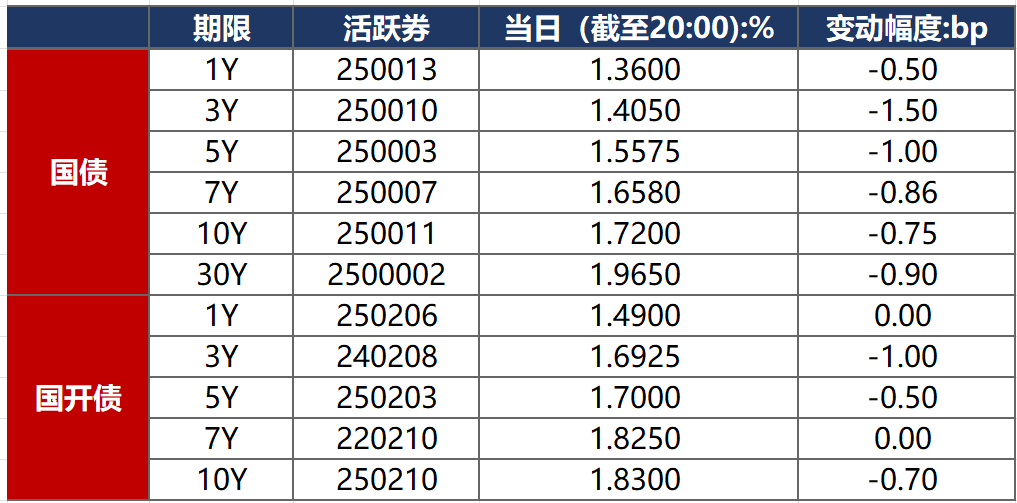
Group 1: Domestic Financial Indicators - The social financing scale increased by 23.99 trillion yuan in the first seven months, with M2 balance growing by 8.8% year-on-year as of the end of July [2] - The People's Bank of China reported that the M2 balance reached 329.94 trillion yuan, reflecting a stable monetary policy aimed at supporting the real economy [2] - The central bank is guiding financial institutions to increase credit support for the service consumption sector through loan interest subsidy policies [2] Group 2: Government Bonds and Debt Market - The National Development and Reform Commission announced the allocation of 188 billion yuan in special long-term bonds to support equipment renewal investments across various sectors, impacting over 8,400 projects and driving total investment exceeding 1 trillion yuan [3] - The bond market showed a warming trend, with the yield on 10-year government bonds decreasing by 0.75 basis points to 1.7200% as of 20:00 on August 13 [8][9] - The bond auction results indicated a lack of demand for Japanese government bonds, with the 5-year bond auction showing the lowest demand since 2020, leading to a rise in yields [4] Group 3: Commodity Market Movements - International crude oil futures prices continued to decline, with WTI and Brent crude oil prices falling to $62.65 and $65.63 per barrel, respectively [5] - COMEX gold futures increased by 0.24% to $3,407.10 per ounce, while NYMEX natural gas prices rose by 1.33% to $2.819 per million British thermal units [5] Group 4: Convertible Bonds Market - The convertible bond market saw a collective rise, with major indices increasing by 0.68% to 0.69% on August 13, alongside a trading volume surpassing 100 billion yuan [19] - A total of 456 convertible bonds were traded, with 348 experiencing price increases, including a notable 20% rise in Duyuan Convertible Bond [19][20]
纾解压力唤财政新招 专家建言增发特别国债
Xin Hua Wang· 2025-08-12 06:27
Group 1 - The consensus among experts is to consider the introduction of incremental policy tools, such as special government bonds, to strengthen infrastructure, combat the pandemic, support enterprises, ensure livelihoods, and restore consumption in response to increasing economic downward pressure [1] - There is a pressing need for enhanced fiscal policy, as the balance between revenue reduction and expenditure increase is becoming more challenging, necessitating the use of incremental tools to maintain fiscal balance [2] - The first quarter saw a significant decline in government fund budget revenue, down 25.6% year-on-year, indicating a substantial gap compared to the annual growth target of 0.6% [2] Group 2 - Experts suggest that in addition to utilizing state-owned enterprise profits and surplus funds, the issuance of special government bonds and increasing budget deficits could be viable methods to expand fiscal capacity [3] - Approximately 9.5 billion yuan of special government bonds are set to mature this year, and the necessity for issuing new special bonds has increased due to rising pandemic-related expenditures and declining land fiscal revenues [3] - It is estimated that the issuance of special government bonds could reach a scale of 1 trillion yuan, with a recommendation to issue 2 trillion yuan to support infrastructure investment and maintain economic stability [3][4] Group 3 - The potential use of newly issued special government bonds is primarily aimed at boosting infrastructure investment, as well as supporting pandemic relief and ensuring livelihoods [4] - The expected additional fiscal expenditure for infrastructure, pandemic relief, and livelihood support could reach 3.7 trillion yuan, with 1.36 trillion yuan specifically allocated for pandemic and livelihood-related expenses [4] - The issuance of special government bonds may involve a combination of targeted and public offerings, with a focus on maintaining liquidity through monetary policy support [5]
2025年6月财政数据点评:6月财政两本账表现分化,下半年财政政策仍将积极发力
Dong Fang Jin Cheng· 2025-08-04 02:55
Revenue Performance - In June 2025, the national general public budget revenue decreased by 0.3% year-on-year, a decline from May's 0.1%[1] - Tax revenue increased by 1.0% year-on-year, up from 0.6% in May, while non-tax revenue fell by 3.7%, a larger decline than the previous month's 2.2%[5] - For the first half of 2025, general public budget revenue cumulatively decreased by 0.3%, matching the performance from January to May[7] Expenditure Trends - In June 2025, general public budget expenditure grew by 0.4% year-on-year, down from 2.6% in May[1] - Cumulatively, general public budget expenditure increased by 3.4% in the first half of 2025, a slowdown from 4.2% in the previous period[9] - By June, general public budget expenditure completed 47.6% of the annual budget, slightly below the five-year average of 48.1%[9] Government Fund Insights - In June, government fund revenue surged by 20.8% year-on-year, a significant recovery from the previous month's decline of 8.1%[10] - Cumulatively, government fund revenue decreased by 2.4% in the first half of 2025, with land transfer revenue down by 6.5%[10] - Government fund expenditure in June increased by 79.2% year-on-year, driven by accelerated issuance of special bonds[10] Future Fiscal Policy Outlook - The Central Political Bureau meeting indicated that macro policies will continue to be proactive in the second half of 2025, emphasizing the need for increased government bond issuance and improved fund utilization[12] - Potential measures may include raising the fiscal deficit ratio and increasing the issuance of special bonds to stimulate domestic demand and counteract external economic slowdowns[12]
“国补”再注资690亿!10月第四批以旧换新资金即将下达,引爆下半年消费热潮
Sou Hu Cai Jing· 2025-08-02 07:00
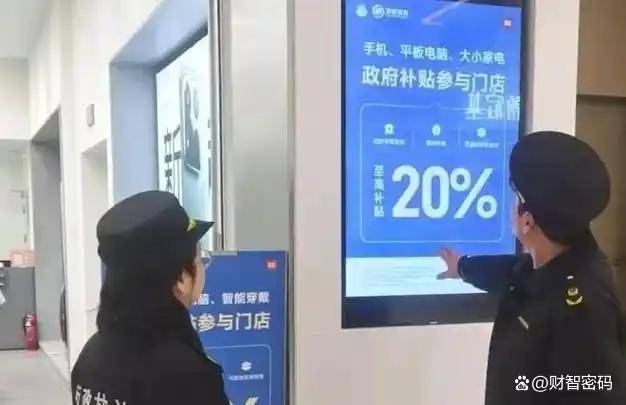
Core Viewpoint - The "consumption upgrade battle" is entering its final sprint phase, with the full allocation of 300 billion yuan in special government bonds aimed at stimulating consumption, providing strong momentum for the market in the second half of the year [1][14]. Group 1: Economic Stimulus Plan - The unprecedented economic stimulus plan began in early 2025, with funds allocated in four batches, totaling 300 billion yuan, specifically targeting consumption enhancement [3]. - The first two batches of 162 billion yuan were completed in January and April, while the third batch of 69 billion yuan was fully allocated by the end of July [3]. - This phased funding approach helps avoid market volatility and resource waste, ensuring precise economic support [3]. Group 2: Consumption Data and Trends - As of July 16, the policy has significantly boosted sales in various sectors, with household appliance sales showing notable growth [5]. - Specific growth rates include a 24.1% increase in communication equipment, 25.4% in cultural and office supplies, and 22.9% in furniture, contributing to a 5% year-on-year increase in total retail sales of consumer goods [5]. - Approximately 30 yuan of every 100 yuan spent on household appliances is attributed to policy stimulation [5]. Group 3: Regional Implementation and Consumer Engagement - The implementation of the policy varies by region, with local authorities encouraged to optimize subsidy distribution and ensure equitable use of funds [5]. - Consumers are advised to stay informed about local announcements to take full advantage of policy benefits [5]. Group 4: Market Outlook and Consumer Behavior - The upcoming traditional promotional periods, such as "Golden September and Silver October," are expected to align with policy benefits, further driving consumption growth [5][12]. - There is a significant potential for demand in the home appliance sector, particularly for replacement purchases, as current sales volumes remain low compared to existing appliance stock [10]. - Companies in the home appliance sector are accelerating innovation and enhancing product features to meet rising consumer demand [8].
【广发宏观吴棋滢】6月财政数据简评
郭磊宏观茶座· 2025-07-26 11:34
Core Viewpoint - The overall performance of public finance in the first half of 2025 is stable, with a slight decline in revenue growth, indicating the need for continued improvement in tax and government fund income through PPI and land market enhancements [5][23]. Group 1: Public Finance Revenue - In the first half of 2025, public finance revenue showed a cumulative year-on-year decline of 0.3%, slightly lower than the previous year's growth of 1.3% [1][6]. - Tax revenue decreased by 1.2% year-on-year, an improvement compared to last year's decline of 3.4%, while non-tax revenue growth significantly slowed from 25.4% last year to 3.7% this year [1][8]. - The decline in non-tax revenue is attributed to a high base last year and a reduced reliance on non-tax income by the government [1][6]. Group 2: Monthly Performance - In June, tax revenue increased by 1.0% year-on-year, slightly higher than the previous value, while non-tax revenue fell by 3.7%, indicating an expanded decline [2][9]. - Domestic value-added tax and corporate income tax recorded year-on-year increases of 5.0% and 2.7%, respectively, contributing positively to June's fiscal revenue growth [2][11]. - The equipment manufacturing industry, modern services, and cultural sports entertainment sectors showed strong tax performance, reflecting the economic recovery in these areas [2][11]. Group 3: Fiscal Expenditure - Narrow fiscal expenditure in June saw a year-on-year decline of 0.4%, down from 2.6% previously, influenced by a decrease in non-tax revenue and a lull in infrastructure funding [3][12]. - Technology spending led the expenditure categories with an 18.1% year-on-year increase, while infrastructure-related expenditures showed weak performance, particularly in transportation and agriculture [3][14]. - The overall expenditure progress for the first half of the year was at 47.6%, indicating a slower pace compared to previous years, with expectations for acceleration in the second half [3][13]. Group 4: Government Fund Income - Government fund income in the first half of 2025 decreased by 2.4% year-on-year, primarily due to continued weakness in the land market, with land transfer income down 6.5% [4][19]. - In June, government fund budget revenue surged by 20.8%, marking a significant increase, although July data showed a notable decline, raising questions about the sustainability of this recovery [4][19]. - Government fund budget expenditure rose sharply by 79.2% year-on-year, largely driven by the issuance of special bonds, indicating a significant increase in overall fiscal spending [4][20].

财政部李大伟:上半年全国发行新增地方政府债券2.6万亿元
news flash· 2025-07-25 07:24
Group 1 - The Ministry of Finance reported that in the first half of the year, a total of 2.6 trillion yuan of new local government general and special bonds were issued to support major project construction in key areas [1] - An additional budget of 658.3 billion yuan for long-term special government bonds was allocated to support "two重" projects and "two新" initiatives [1]