美债风险

Search documents
作茧自缚是破茧而出前,必备一步
Ge Long Hui· 2025-06-02 01:26
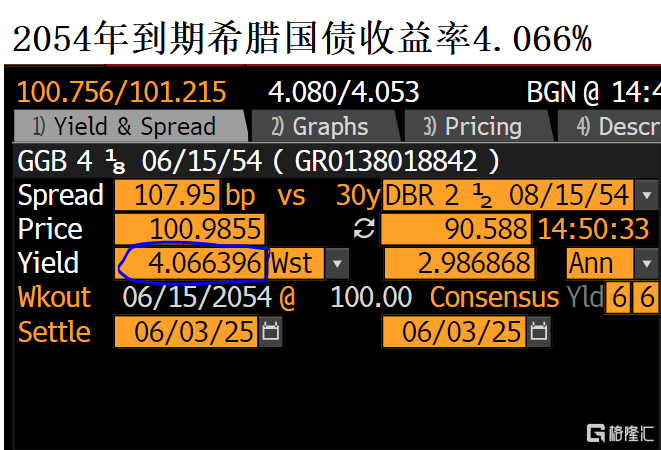
Group 1 - The recent performance of Hong Kong and A-shares has been lackluster, with market movements heavily influenced by U.S. events, particularly Trump's tariff actions [1] - Trump's recent threats to impose tariffs on the EU and increase steel tariffs to 50% have created volatility in the markets, reflecting the uncertainty surrounding U.S. fiscal policy [1][2] - The 30-year U.S. Treasury yield remains above 5%, raising concerns about the stability of U.S. debt and its implications for the broader financial market [1][2] Group 2 - The new consumption sector in Hong Kong is gaining attention, characterized by a diverse range of companies from bubble tea to beauty products, indicating a broad interpretation of consumer spending [5][6] - Major internet companies in China, such as Meituan and Xiaomi, reported strong earnings, with Meituan exceeding revenue and profit expectations despite ongoing competition with JD.com [6] - PDD's financial performance has been mixed, with revenue growth but a significant drop in net profit, attributed to government subsidies and market conditions, leading to volatility in its stock price [6] Group 3 - The IPO market in Hong Kong has shown a positive trend, with a low first-day loss rate of 28.6% for new listings, the lowest since 2017 [7] - New stock performance varies significantly, with some companies like Ningde Times and Guanshi Shuduan showing substantial first-day gains, while others like Paige Biopharma experienced significant losses [8] - The strategy for participating in new stock offerings emphasizes quick exits within three days, suggesting a focus on short-term gains rather than long-term holdings [8][9]







(财经天下)国际金融机构警示美债风险,到期压力有多大?
Zhong Guo Xin Wen Wang· 2025-06-01 11:46
Group 1 - Moody's has downgraded the U.S. sovereign credit rating from Aaa to Aa1, marking the loss of the last "AAA" rating among major international rating agencies, primarily due to the increasing scale of U.S. government debt and its interest payment ratio [1] - Ray Dalio, founder of Bridgewater Associates, predicts that U.S. debt could reach $50 trillion by 2035, suggesting that Moody's has underestimated the risks associated with U.S. Treasury bonds [1] - Goldman Sachs' president John Waldron indicates that the focus in the bond market is shifting from tariff disputes to the rising U.S. government debt, which is pushing up long-term interest rates, particularly the 30-year Treasury yield, to its highest level in nearly two decades [1] Group 2 - Concerns among foreign investors regarding U.S. Treasury bonds are rising due to high inflation and a weakening dollar, which could diminish the actual value of their holdings [2] - The Federal Reserve's FOMC meeting minutes highlighted that the volatility in the U.S. bond market poses risks to financial stability, with potential long-term impacts on the U.S. economy if the dollar's safe-haven status changes [2] - The U.S. national debt has surpassed $34 trillion, with the government caught in a vicious cycle of fiscal deficits, borrowing, and high-interest repayments [2] Group 3 - The pressure from maturing U.S. debt is described as "rolling," with a significant increase in the monthly maturity scale since the Fed's interest rate hikes began in 2022 [3] - The U.S. national debt reached its statutory limit at the beginning of the year, restricting new debt issuance, which could lead to increased maturity pressure if Congress does not raise or suspend the debt ceiling before August [3] - The U.S. debt crisis reflects broader concerns about government credit and is fundamentally a monetary crisis, emphasizing the need for balance in domestic inflation control and external dollar confidence [3]
年亏损4200亿?美债崩盘在即,日本兜不住了,人民币或大幅升值?
Sou Hu Cai Jing· 2025-06-01 02:25
Group 1 - The core argument highlights the significant risks associated with U.S. Treasury bonds as the 30-year yield surpasses 5%, leading to a decline in confidence in U.S. debt securities [2][5] - Major Japanese insurance companies reported a total floating loss of approximately $60 billion in domestic bond holdings due to rising interest rates, indicating the financial strain on institutions heavily invested in U.S. Treasuries [2][5] - The report suggests that the U.S. debt market is approaching a critical point, with a potential collapse predicted for 2025, supported by alarming statistics such as a debt-to-GDP ratio of 123% and a single-day stock market loss of 5% [5] Group 2 - International investment firms are actively seeking safe-haven assets to mitigate losses from U.S. dollar and Treasury volatility, with Goldman Sachs identifying China as a secure refuge [7] - The recent threat of tariffs by Trump has led to a significant drop in the U.S. dollar index, reflecting a broader capital flight from U.S. debt markets [10] - There has been a dramatic increase in gold deliveries on the New York exchange, with May 2023 showing a staggering 700% rise compared to the same month in the previous year, indicating a shift towards gold as a protective asset [10][11] Group 3 - China's central bank is strategically increasing its gold reserves to create a buffer against U.S. debt challenges, holding 73.77 million ounces of gold [12] - The Chinese government aims to maintain a stable yuan exchange rate to support its manufacturing sector, recognizing the importance of currency stability for economic health [14][16] - International investment firms have set a target exchange rate of around 7 for the yuan, reflecting a cautious yet optimistic outlook on China's economic prospects [16]

21评论丨美债风险仍存,解药在美联储吗?
Sou Hu Cai Jing· 2025-05-30 17:10
Group 1 - The meeting between President Trump and Federal Reserve Chairman Jerome Powell marks Trump's first face-to-face discussion with Powell since returning to the White House, where Trump urged for interest rate cuts [1] - The U.S. Treasury market showed slight improvement following Trump's comments, with 10-year and 30-year Treasury yields decreasing by 15 and 16 basis points respectively from their recent highs [1] - Concerns about U.S. debt remain, with the projected fiscal deficit for 2024 reaching $1,832.38 billion, the highest in three years, and nearly double the 2019 deficit [2] Group 2 - The "Beautiful America Act," a significant fiscal spending bill, has raised market concerns regarding U.S. fiscal issues, particularly after the departure of Elon Musk from the government efficiency department [3] - The Act is expected to increase the fiscal deficit by $3.06 trillion over the next decade while also raising the debt ceiling by $4 trillion [3] - The auction of long-term U.S. Treasuries remains weak, with the recent 20-year Treasury auction showing lower demand compared to historical averages [4] Group 3 - Treasury Secretary Yellen's recent measures to relax bank regulations may conflict with current investor preferences for long-term Treasuries, as banks are encouraged to increase their holdings [5] - The potential reduction of the Supplementary Leverage Ratio (SLR) could enhance banks' credit capacity and lower long-term financing costs, but investor sentiment may still favor short-duration Treasuries due to recent market conditions [6]
美股前瞻 | 三大股指期货齐跌 美国4月PCE公布在即
智通财经网· 2025-05-30 11:58
Market Overview - US stock index futures are all down ahead of the market opening, with Dow futures down 0.05%, S&P 500 futures down 0.11%, and Nasdaq futures down 0.13% [1] - European indices show positive performance, with Germany's DAX up 0.57%, UK's FTSE 100 up 0.59%, France's CAC40 up 0.26%, and the Euro Stoxx 50 up 0.42% [2][3] - WTI crude oil increased by 1.08% to $61.60 per barrel, while Brent crude rose by 0.96% to $63.96 per barrel [3][4] Economic and Policy Insights - Analysts warn that June may be challenging for the stock market, as historical data shows a weak performance in June, with an average increase of only 0.2% over the past 30 years. This is compounded by trade war risks and uncertainties surrounding Federal Reserve policies [4] - Goldman Sachs' president highlights that the focus is shifting from tariff disputes to the rising US government debt, which is pushing up long-term interest rates and increasing the risk of a larger fiscal deficit [6] - Federal Reserve officials emphasize the need for patience in policy decisions due to economic uncertainties, particularly regarding the impact of tariff policies on inflation and overall economic growth [7] Company-Specific Developments - Dell Technologies reported a 5% year-over-year increase in overall sales to $23.4 billion, driven by a significant rise in AI server orders [10] - Costco's Q3 revenue reached $63.2 billion, a year-over-year increase of 8%, with net profit rising to $1.9 billion [11] - Tiger Brokers reported a 55% year-over-year increase in Q1 revenue to $123 million, with net profit up 145% [12] - Gap Inc. warned that tariffs could erode $300 million in annual operating profit, despite reporting Q1 revenue of $3.46 billion, exceeding analyst expectations [13] - Sanofi and Regeneron Pharmaceuticals experienced stock declines following mixed results from trials of a new drug for chronic obstructive pulmonary disease [14]

美债症结:“强卖”之下如何“强买”?
对冲研投· 2025-05-26 12:48
Core Viewpoint - The article highlights the significant challenges facing the global bond market, particularly focusing on the issues surrounding U.S. Treasury bonds and Japanese government bonds, amidst a backdrop of changing geopolitical and economic dynamics [1][4]. Group 1: Global Debt Market Dynamics - The recent "disastrous" auctions of 20-year Japanese and U.S. bonds signal a shift in the global bond market, emphasizing a supply-demand mismatch exacerbated by geopolitical tensions and fiscal policies [1][4]. - The U.S. tax cuts and spending bill passed by the House of Representatives poses a direct challenge to the rebalancing of global debt supply, suggesting a systemic increase in government debt [4][5]. Group 2: U.S. Fiscal Policy Implications - The tax cut and spending bill is projected to increase the deficit by $3.1 trillion over the next decade, which does not account for potential tariff revenues [5]. - The U.S. government shows no intention of reducing its deficit or debt levels, with an expected annual budget deficit of around $2 trillion in the coming years [5][11]. Group 3: Japanese Bond Market Insights - Japan's bond market is experiencing a shift, with traditional domestic buyers reducing their duration, while overseas funds are becoming significant net buyers [8]. - The low interest rates since 2021 have led to a substantial increase in yen-denominated cross-border financing, which could have a profound impact on global liquidity [5][8]. Group 4: Supply-Demand Mismatch in U.S. Treasuries - The U.S. Treasury market faces a supply-demand mismatch, with an anticipated annual issuance of approximately $2 trillion in government bonds [11]. - The main holders of U.S. Treasuries include the Federal Reserve, U.S. commercial banks, U.S. residents, and foreign investors, with foreign investors being crucial for market stability [11][16]. Group 5: Scenarios for Tax Cuts and Tariffs - Four potential scenarios are outlined regarding the impact of tax cuts and tariff negotiations on the U.S. Treasury market, with the most likely scenario indicating significant downward pressure on bond prices if tax cuts proceed without resolution in tariff discussions [19][20].

日度策略参考-20250526
Guo Mao Qi Huo· 2025-05-26 07:48
Report Industry Investment Ratings - **Bullish**: None - **Bearish**: Copper, Polycrystalline Silicon, Pure Lithium, Jiao Coal, Coke, BR Rubber, Pure Benzene, LPG - **Neutral (Oscillating)**: Stock Index, Treasury Bonds, Gold, Japanese Yen, Aluminum, Alumina, Nickel, Stainless Steel, Tin, Industrial Silicon, Rebar, Hot Rolled Coil, Iron Ore, Manganese Silicon, Ferrosilicon, Glass, Soda Ash, Palm Oil, Soybean Oil, Rapeseed Oil, Cotton, Sugar, Corn, Soybeans, Pulp, Logs, Crude Oil, Fuel Oil, Asphalt, Shanghai Rubber, PTA, Ethylene Glycol, Short Fiber, Urea, Methanol, PE, PP, PVC, Caustic Soda [1] Core Viewpoints - The market's reaction to tariff impacts and policy support is waning, and in the absence of new catalysts, there are short - term risks of market fluctuations and adjustments [1]. - Asset shortages and a weak economy are favorable for bond futures, but the central bank's warning on interest rate risks restricts upward movement [1]. - The risk of US Treasury bonds has eased, and gold prices may enter a period of oscillation, but the long - term upward trend remains [1]. - Various factors such as weak macro data, changes in supply and demand, and policy uncertainties are affecting the prices of different commodities, with most commodities expected to oscillate in the short - term [1]. Summary by Category Macro - financial - **Stock Index**: With the fading impact of tariffs and policy support, and the current rebound reaching the upper limit of the range, there is a short - term risk of oscillating adjustment in the absence of new catalysts [1]. - **Treasury Bonds**: Asset shortages and a weak economy are favorable, but the central bank's warning on interest rate risks restricts upward movement [1]. - **Gold**: The risk of US Treasury bonds has eased, and gold prices may enter a period of oscillation, but the long - term upward trend remains [1]. - **Japanese Yen**: It will oscillate in the short - term high - level range, but the medium - term upward space is limited [1]. Non - ferrous Metals - **Copper**: Weak macro data and reduced downstream demand limit the upward space of copper prices, with a short - term risk of decline [1]. - **Aluminum and Alumina**: Low aluminum inventories support prices, but the upward space is limited as prices rise. For alumina, although the price is rising due to mine disturbances, the improvement in production profits may lead to复产, restricting the upward space [1]. - **Nickel and Stainless Steel**: Global trade frictions and policy uncertainties cause prices to oscillate in the short - term. Long - term, the supply of primary nickel is excessive, and stainless steel has supply pressure [1]. - **Tin**: Before the resumption of production at low - grade mines, the fundamentals of tin prices are strongly supported [1]. - **Industrial Silicon**: Supply remains high, it has entered a low - valuation range, and demand remains low [1]. - **Polycrystalline Silicon**: Downstream production schedules are rapidly decreasing, futures premiums over spot prices, and warehouse receipts are increasing [1]. - **Pure Lithium**: Mine prices are continuously falling without signs of production cuts, and downstream buyers are not active [1]. Ferrous Metals - **Rebar and Hot Rolled Coil**: The market is in a transition period from peak to off - peak season, with loose cost and supply - demand patterns, and no clear upward price drivers [1]. - **Iron Ore**: There is an expectation that iron - water production has reached its peak, but there are no new supply - side developments, and attention should be paid to steel pressure [1]. - **Manganese Silicon and Ferrosilicon**: Manganese silicon has short - term supply - demand balance with high warehouse - receipt pressure; ferrosilicon's cost is affected by thermal coal, but production cuts in the production area have tightened supply - demand [1]. Building Materials - **Glass and Soda Ash**: Glass has a pattern of weak supply and demand, and with the arrival of the rainy season, there are concerns about declining demand. Soda ash has good immediate demand due to many maintenance activities in May, but faces medium - term supply overcapacity and price pressure [1]. Agricultural Products - **Palm Oil, Soybean Oil, and Rapeseed Oil**: Palm oil is affected by factors such as Indonesian weather and US biodiesel proposals; soybean oil is affected by Argentine weather with limited impact; rapeseed oil is affected by potential tariff increases, but the impact has been mostly priced in [1]. - **Cotton**: There are short - term disturbances such as trade negotiations and weather premiums, and long - term macro uncertainties. The domestic cotton - spinning industry is in the off - season, and cotton prices are expected to oscillate weakly [1]. - **Sugar**: Brazil's sugar production is expected to increase in the 2025/26 season, and if crude oil prices continue to be weak, it may affect the sugar - cane ratio and sugar production [1]. - **Corn and Soybeans**: Corn is expected to have a tight supply - demand situation in the medium - term, with short - term factors limiting the upward space of the futures price. Soybeans face pressure from concentrated arrivals and fast sowing progress, and low - valuation buying is recommended [1]. - **Pulp and Logs**: Pulp port inventories are rising, with some improvement in white - cardboard demand. Logs have a pattern of loose supply and weak demand, and both are expected to oscillate [1]. - **Hogs**: With the continuous restoration of hog inventories and increasing slaughter weights, the futures market has a clear expectation of sufficient supply, and the futures price is expected to remain stable [1]. Energy and Chemicals - **Crude Oil, Fuel Oil, and Asphalt**: Crude oil and fuel oil are affected by factors such as the US - Iran nuclear agreement negotiation and OPEC+ production - increase news. Asphalt is affected by cost drag, inventory changes, and slow demand recovery [1]. - **Shanghai Rubber and BR Rubber**: Shanghai rubber is affected by factors such as rainfall and storage - purchase rumors. BR rubber's short - term upward sentiment has slowed, and there is a risk of long - term decline [1]. - **PTA, Ethylene Glycol, and Short Fiber**: PTA's supply - demand situation has improved, ethylene glycol is in a de - stocking phase, and short - fiber costs are closely related to PTA [1]. - **Pure Benzene and Styrene**: The speculative demand for pure benzene has weakened, and styrene plants have increased production and are actively selling [1]. - **Urea and Methanol**: Urea demand is weak, and methanol is expected to oscillate at a low level, with attention to factors such as plant maintenance and imports [1]. - **PE, PP, and PVC**: PE's seasonal demand is weakening, PP's production has recovered, and PVC has a weak fundamental situation but is supported by macro factors [1]. - **Caustic Soda and LPG**: Caustic soda is affected by the alumina market, and LPG is expected to decline due to factors such as tariff relaxation and the off - season [1]. Others - The market has a situation of strong expectations and weak reality. For futures, it is recommended to try long - positions in the peak - season contracts with light positions and pay attention to arbitrage opportunities [1]
全球市场波动或将加剧,中国资产有望成为避风港
AVIC Securities· 2025-05-26 02:05
Market Overview - Following the implementation of the "reciprocal tariff" policy on April 2, 2025, global stock market volatility increased significantly, with a rapid decline followed by a quick recovery approximately one week later[7] - As of May 22, 2025, most major markets have returned to and exceeded their levels from April 2, 2025, likely due to short-term economic support from global export surges during the 90-day exemption period[8] Economic Concerns - The increase in global tariff levels and the intensification of de-globalization are expected to hinder global demand in the medium term, despite the recent market performance suggesting otherwise[8] - The uncertainty surrounding President Trump's administration and unresolved risks related to U.S. debt have resurfaced as market focal points, potentially ending the low volatility phase observed since May[8] U.S. Tariff Policy - On May 23, 2025, President Trump proposed a 50% tariff on EU products starting June 1, 2025, raising concerns about a potential escalation in the U.S. tariff war, which led to a collective decline in European and American stock markets[10] - Moody's downgraded the U.S. sovereign credit rating on May 16, 2025, marking the first downgrade in over a decade, which may amplify market negative sentiment in the short term[10] Debt Market Reactions - Following the downgrade, U.S. Treasury yields across all maturities rose, indicating investor concerns about government debt and interest burdens, although market risk appetite remained relatively stable[11] - The downgrade has resulted in a loss of the highest Aaa rating from all three major international credit rating agencies for the U.S., reflecting deteriorating fiscal conditions compared to similarly rated countries[12] Investment Recommendations - The overall A-share market's price-to-earnings ratio stands at 18.96, a decrease of 0.47% from the previous week, indicating a potential shift in valuation trends[6] - The report suggests that Chinese assets may become a safe haven amid increasing global market volatility, positioning them favorably for investors seeking stability[1]
百利好晚盘分析:OPEC或继续增产 油价走势岌岌可危
Xin Lang Cai Jing· 2025-05-23 09:48
美债市场的风险正在加剧,30年期美债收益率为5.1610%,接近2023年10月的最高点,而目前的利率却 比那时低了100个基点。除此之外,亚洲和欧洲的债券也同样遭到抛售,投资者对高债务的担忧加剧。 在美国财政前景不断恶化和政策不确定性的情况下,美国债券市场的波动加剧。 黄金方面: 据数据显示,美国联邦的债务已经超过36万亿美元,近期通过的税收和支出法案可能新增3.8万亿美元 的债务。另外,穆迪上周下调了美国主权信用评级,结束了美国长达108年的最高信用评级。 百利好特约智昇研究国际金融分析师欧文认为,近期美债的关注度非常高,一方面特朗普政府通过的法 案将增加财政赤字,另一方面美债到期的担忧持续发酵。 技术面:原油4月初跌破了过去两年多的震荡区域,虽然未出现连续下跌,但走弱的迹象非常明显。上 周三(5月14日)以来,油价维持高位震荡,64美元未能突破,或将继续保持55-64美元区间宽幅震荡。 小时图来看,油价从周三(5月21日)的高点持续震荡下行,日内上方关注61.50美元的阻力,下方若跌 破60.30美元则看向58.50美元一线。 日经225方面: 日经225在38750一线遇阻回落,小时图震荡下行,昨日触 ...

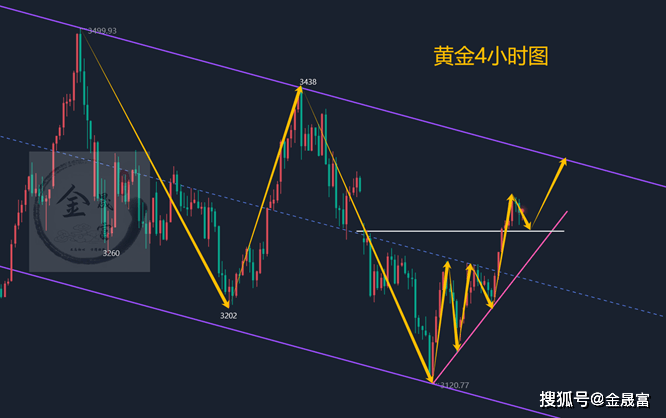
金晟富:5.22黄金多头卷土重来!晚间黄金行情分析参考
Sou Hu Cai Jing· 2025-05-22 08:16
目前欧盘时段当前金价最低回踩到3322附近起涨,我们给出的3320-22附近多单目前已经小幅反弹,没 单回落可继续多,这种行情回落就是进多机会,但是进多不要太着急,如果进场点位不是很好一定要注 意缩小这样才能避免刚好下探扫损再上来,并且把风险控制的相对合理。欧美盘重点就是这一波反弹力 度,如果这一波能反弹上到3340上方,重点关注3350-52压制情况,未能直接上破考虑在3348-50短空一 次,下方回落3328-30可继续多。 若直接突破3350-52可能继续拉升冲击3370,跟此前3252破位多是一个 道理。 反之,若意外跌破3315,那么这一波强势格局可能暂时结束,下方考虑在3300-02接回多单。综 合来看,今日黄金短线操作思路上金晟富建议回调做多为主,反弹做空为辅,上方短期重点关注3350- 3360一线阻力,下方短期重点关注3310-3320一线支撑,各位朋友一定要跟上节奏。要控制好仓位及止 损问题、严格设止损,切勿抗单操作。具体点位以盘中实时为主,欢迎前来体验,交流实时行情,进群 关注实时单。 5.22黄金操作策略参考: 换资前言: 黄金市场涨跌转换频繁,走势非常极端、市场出现剧烈洗盘走法。导致 ...