高端化

Search documents
研判2025!中国合成云母行业政策、产业链全景、发展现状、需求市场及未来发展趋势分析:从绝缘材料到战略新材料,合成云母开启高附加值征程[图]
Chan Ye Xin Xi Wang· 2025-11-30 01:09
Core Insights - Synthetic mica is emerging as a key alternative to natural mica due to its high purity, excellent thermal resistance (over 1200℃), and strong electrical insulation properties, making it a critical non-metallic insulation material in modern industry [1][5][6] - The demand for synthetic mica is significantly increasing, particularly in the rapidly growing electric vehicle market, with projections indicating substantial market growth in the global new energy sector by 2027 [1][7] - The Chinese synthetic mica industry is expected to develop steadily towards high-end, green, and centralized high-quality growth, driven by technological innovation and application expansion [1][16] Overview of Synthetic Mica Industry - Synthetic mica, also known as artificial fluorophlogopite, is produced through high-temperature melting and crystallization processes, offering advantages such as high purity (over 99.95%), superior thermal resistance, and excellent chemical stability [2][5] - It can be categorized based on performance characteristics (e.g., golden mica, lithium mica) and product forms (e.g., single crystal sheets, powders, ceramics) [3][4] Industry Policies in China - The Chinese government has introduced multiple policies to support the synthetic mica industry, including guidelines for new material applications and plans for the development of the raw materials industry, which collectively enhance the industry's research and application capabilities [6][7] Global Development of Synthetic Mica - The global market for synthetic mica in the new energy sector reached 4.66 billion yuan in 2024, with expectations to grow to 12.37 billion yuan by 2027, reflecting a compound annual growth rate of 38.46% [7][8] - The industry is experiencing dual opportunities for technological upgrades and market expansion, particularly in high-end applications such as aerospace and electronics [7][10] Industry Chain of Synthetic Mica in China - The synthetic mica industry chain in China is characterized by clear upstream, midstream, and downstream divisions, with upstream relying on chemical raw materials and midstream focusing on the production of synthetic mica products [8][9] Demand and Application Trends - The demand for synthetic mica is rapidly increasing in the new energy sector, particularly for applications in power battery insulation and heat management, with significant adoption by leading companies like Tesla and CATL [12][13] - The pearl pigment industry, which utilizes synthetic mica as a core material, is also experiencing rapid growth, providing substantial market opportunities [14] Competitive Landscape of Synthetic Mica Industry - The Chinese synthetic mica industry features a tiered competitive structure, with leading companies dominating high-end markets while smaller firms focus on mid- to low-end segments [15][16] - Major players like Ping An Electric and Zhejiang Rongtai leverage their technological capabilities and customer relationships to secure positions in high-end applications [15] Future Development Trends - The synthetic mica industry is expected to focus on technological innovation, expanding applications in high-value sectors, and optimizing industry structure towards higher concentration and sustainability [16][17][18] - Key trends include the drive for product upgrades through technological breakthroughs, deeper penetration into high-value applications, and a shift towards green production practices [16][17][18]


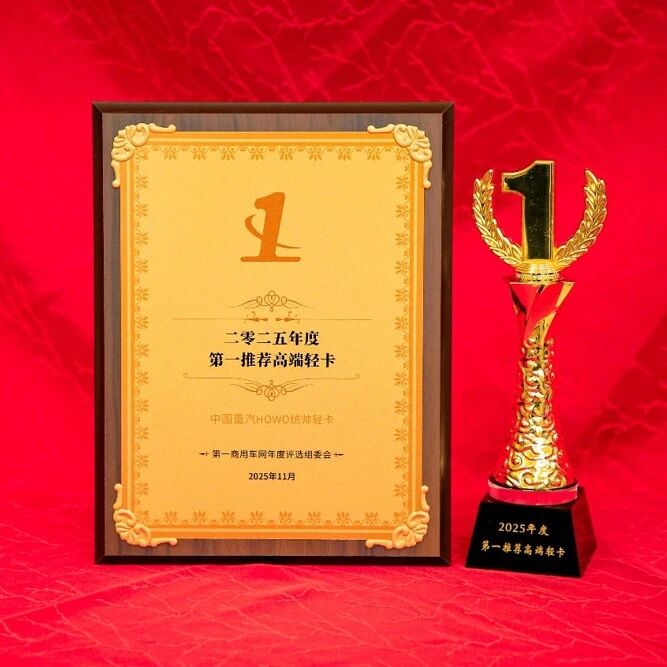
最大180马力!重汽HOWO统帅拿下“年度第一推荐高端轻卡”大奖
第一商用车网· 2025-11-29 11:08
Core Viewpoint - The "2025 Annual Selection of Commercial Vehicles" event successfully concluded, aiming to discover outstanding brands in the commercial vehicle sector and promote healthy industry development [1]. Group 1: Event Overview - The event was co-hosted by the First Commercial Vehicle Network, Truck Space Station, and Pickup Space Station, emphasizing the theme of supporting Chinese manufacturing [1]. - The awards aimed to establish authoritative industry standards and benchmarks for excellent brands in the commercial vehicle field [1]. Group 2: Award Highlights - China National Heavy Duty Truck HOWO Commander Light Truck won the "2025 Annual Recommended High-end Light Truck" award due to its high-end configuration, leading technology, and excellent market performance [3]. - The HOWO Commander integrates power technology, safety assurance, and comfort experience, setting a new benchmark in the high-end light truck market [3]. Group 3: Product Development and Market Strategy - Since its launch in 2012, the HOWO light truck has gained widespread market recognition by focusing on user needs and providing advanced logistics equipment and comprehensive service support [5]. - The brand adheres to a "large market, large marketing" philosophy, establishing a nationwide service and parts network with over a thousand outlets, ensuring an efficient marketing service system [5]. Group 4: Technical Features - The HOWO Commander was developed by a Sino-German team, incorporating intelligent connectivity technology and leveraging data from millions of users [7]. - The vehicle complies with new blue card regulations, equipped with a Weichai WP2.5N engine, offering power ranging from 140 to 180 horsepower, and features the industry's first 12-speed transmission for efficient power conversion [7]. - The truck uses a special axle from Heavy Truck, ensuring lifelong maintenance-free operation with a B10 lifespan exceeding 1 million kilometers, significantly enhancing vehicle reliability and availability [7]. Group 5: Industry Impact - The success of the HOWO Commander reflects the high-quality improvement in Chinese commercial vehicle manufacturing and demonstrates the confidence and strength of Chinese brands moving towards high-end and international markets [9]. - The award confirms the product's strong recognition in the high-end light truck market by the industry [9].
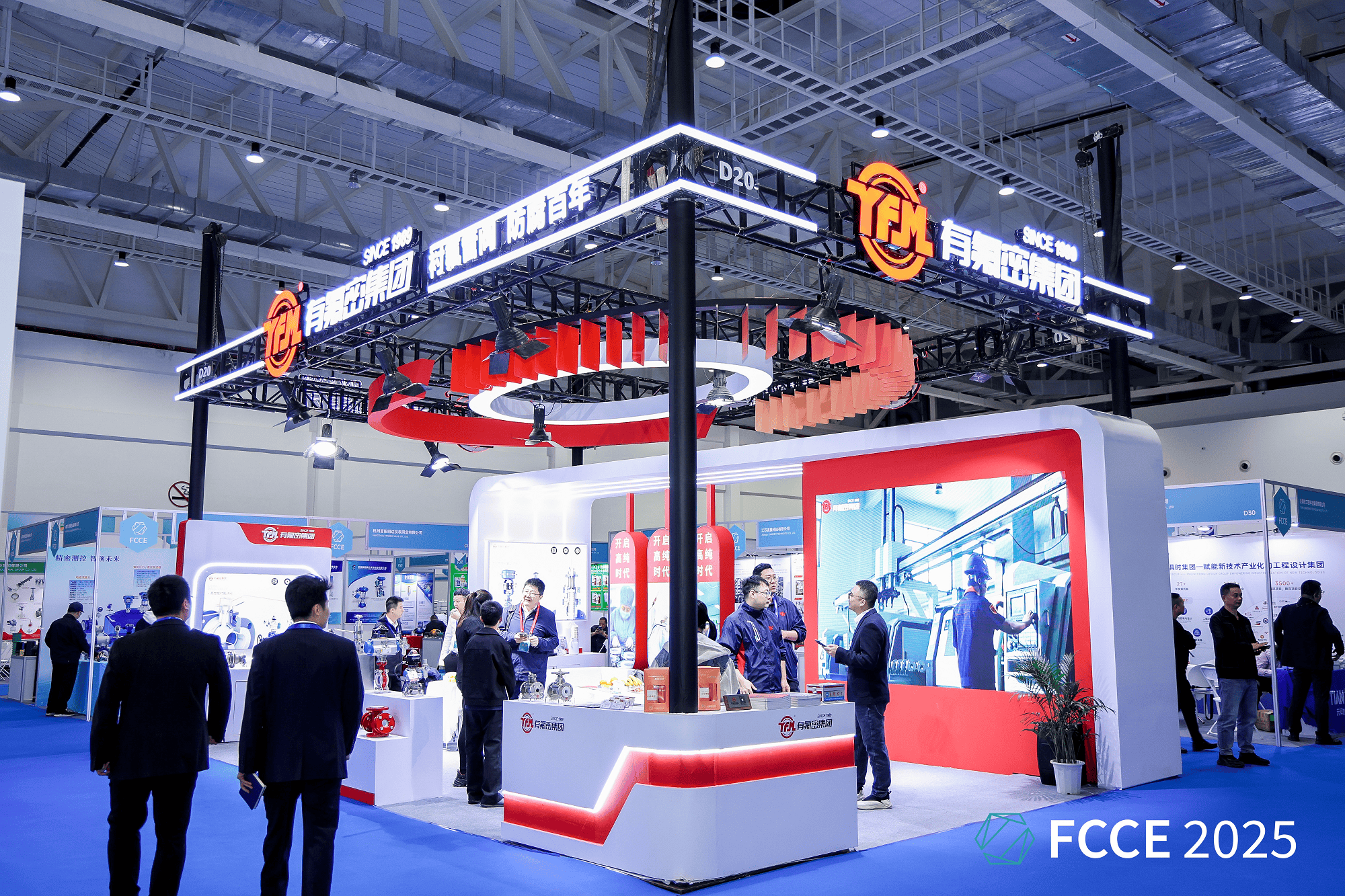
共赴绿色智造之约丨有氟密集团亮相2025厦门国际精细化工产业盛会
Sou Hu Cai Jing· 2025-11-29 09:13
Group 1 - The 2025 Xiamen International Fine Chemical Industry Conference and Exhibition (FCCE 2025) will be held from November 27 to 29, 2025, focusing on the entire fine chemical industry chain with the theme "Green Intelligent Manufacturing, Driving the Future" [1] - The event will feature over 120 exhibitors, including leading companies like Sinochem Quanzhou Petrochemical and Huawei, showcasing innovations in fine chemicals, green chemical technologies, and intelligent manufacturing equipment [3] - More than 60 high-quality thematic activities will serve as the "intelligent engine" of the exhibition, providing authoritative guidance for enterprises through reports and discussions on topics such as digital transformation and green fluorochemical technology [5] Group 2 - Youfu Group, a national high-tech enterprise, will leverage its industry advantages to share technical insights and engage in direct dialogues with upstream and downstream companies during the exhibition [7] - The fine chemical industry is currently undergoing a critical transformation towards high-end, green, and intelligent development, with FCCE 2025 injecting strong momentum into this evolution [7] - Youfu Group aims to continue focusing on technological innovation and deepen industry collaboration to provide high-quality corrosion-resistant solutions, contributing to the high-quality development of the fine chemical industry [7]
陕西军工小巨人闯关A股,国资入场
21世纪经济报道· 2025-11-29 08:54
Core Viewpoint - Xi Gong Titanium Technology Co., Ltd. has completed its IPO counseling filing, marking its entry into the capital market preparation phase, with a focus on high-end titanium alloy production and strategic transformation towards high-temperature alloys [1][5]. Group 1: Company Overview - Xi Gong Titanium has a registered capital of over 500 million yuan and is recognized as a national-level specialized and innovative "little giant" [1]. - The company has established an annual production capacity of 5,000 tons of large-diameter, high-performance titanium alloy bars and rings, covering over 50 product models with a market share exceeding 30% [5][9]. Group 2: Market Position and Strategy - The company is strategically positioned in the high-end titanium alloy market, particularly in aerospace applications, which have historically relied on imports [5]. - Xi Gong Titanium's entry into the large-diameter bar production sector is supported by patented technology from the Chinese Academy of Sciences, enhancing its competitive edge [3][5]. Group 3: Investment and Growth Potential - The IPO is expected to primarily serve as a means to expand production capacity in response to growing market demand, particularly from the domestic aircraft manufacturing sector [7]. - The titanium industry is anticipated to enter a new growth cycle, driven by increasing demand from aerospace, military, and consumer electronics sectors, with a projected compound annual growth rate of 68.5% for titanium used in civil aviation from 2024 to 2027 [7][8]. Group 4: Competitive Landscape - Xi Gong Titanium faces competition from established players like BaoTi and West Materials, but its differentiation in large-diameter bars provides a solid foundation for its IPO valuation [9]. - The company must navigate challenges such as market concentration in the aerospace sector, competition pressures, and fluctuations in raw material prices [9].

汽车行业2026年年度策略报告:高端化+出口驱动总量,智驾+机器人带动产业升级-20251129
CAITONG SECURITIES· 2025-11-29 08:02
Group 1 - The overall demand for passenger vehicles is expected to remain stable, with incremental growth driven by high-end market expansion and exports [3][6][35] - The penetration rate of new energy vehicles (NEVs) is stabilizing, with domestic market competition gradually reaching a steady state [23][35] - The average price of passenger vehicles is anticipated to increase, particularly in the mid-to-high-end market, as domestic brands continue to replace foreign brands [6][35] Group 2 - The heavy truck market faces pressure domestically, but exports are expected to recover as the pressure on sales to Russia eases [46][50] - The export of medium and large buses is projected to maintain rapid growth, with profitability largely dependent on the European market [55] - The rapid growth of AI data centers is expected to create additional demand in the diesel engine sector [3][46] Group 3 - The smart driving sector is entering a new phase of resonance between China and the US, with advancements in L2 and L3 driving standards expected [58][63] - The Robotaxi market in the US is anticipated to experience explosive growth, driven by companies like Tesla and Waymo [72][75] - The integration of robotics into the automotive supply chain is becoming increasingly significant, with automotive suppliers likely to extend their capabilities into the robotics sector [87][90] Group 4 - Recommended stocks in the passenger vehicle sector include Jianghuai Automobile, BYD, and BAIC Blue Valley, with a focus on high-end vehicles and exports [4][94] - In the robotics sector, recommended stocks include Top Group, Yinlun, and BlueDye Technology, with a focus on companies capable of transitioning into robotics [4][94] - For smart driving, recommended stocks include Bertel, Horizon, and Pony.ai, focusing on the growth of L2 driving technology and Robotaxi commercialization [4][94]




济钢年产15万吨高端锻件生产线项目冲刺年底投产 锻造大国重器底座
He Nan Ri Bao· 2025-11-28 23:25
Core Insights - The project for the production line of high-end forgings with an annual capacity of 150,000 tons is in its final stages, with the first batch of 2,000 tons expected to be produced by the end of December [1][3] - The total investment for the project is 310 million yuan, aimed at supporting China's high-end equipment manufacturing in sectors like marine engineering and aerospace [1][3] Project Development - The project has been under rapid development since its initiation in November last year, with strong government support facilitating smooth administrative processes [3] - A leadership team has been established to ensure quality and progress are maintained simultaneously, with daily monitoring of the project [3] Market Demand and Response - There is a strong market demand for high-end forgings, with over 200 distributors and more than 2,000 direct supply companies already in contact with the company [4] - The company is committed to early production to meet the urgent needs of clients [4] Competitive Advantages - The company boasts high-performance materials, including large round billets and electric slag steel, which provide superior strength, temperature resistance, and fatigue resistance [4] - The project achieves a 95% self-sufficiency rate in energy through the use of recycled water, solar power, and surplus gas, leading to an estimated annual cost saving of 5 million yuan and significant carbon emission reductions [4] Industry Positioning - The company is positioned as a leader in the special steel market, ranking among the top five in total output nationwide and holding over 70% market share in the province [5] - The company is focused on high-end, intelligent, and green transformation, fostering an industrial ecosystem centered around itself [5]

千年文脉织锦绣──绍兴上市公司引领新质生产力发展一线观察
Shang Hai Zheng Quan Bao· 2025-11-28 18:47
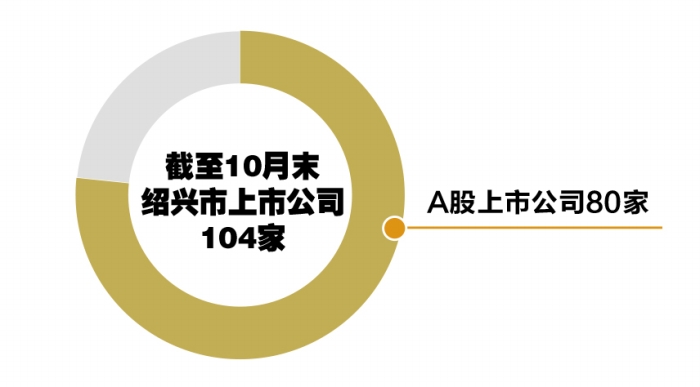
Core Insights - Shaoxing's economy is experiencing robust growth, with GDP surpassing 800 billion yuan during the 14th Five-Year Plan period, maintaining a top-three economic growth rate in the province for four consecutive years [15][16] - The capital market in Shaoxing has seen significant development, with the market capitalization of listed companies exceeding 1 trillion yuan, contributing 53.6% of revenue, 68.54% of profits, and 43.93% of R&D investment from the city's industrial enterprises in the first half of the year [20][21] - The city is focusing on building a modern industrial system, emphasizing the integration of traditional industries with emerging sectors, and promoting high-quality development through innovation and technology [24][25] Company Highlights Guyue Longshan - Guyue Longshan is revitalizing the yellow wine industry by focusing on high-end, youth-oriented, global, and digital strategies, achieving a 22.64% increase in new business sales and a 15.31% increase in online sales in the first half of the year [25][30] - The company is investing 2.2 billion yuan in a new industrial park, which will feature smart brewing technology and is expected to be operational by the end of 2024 [27][28] - Guyue Longshan is expanding its market presence beyond Jiangsu, Zhejiang, and Shanghai, with revenue from these regions accounting for over 40% of total sales [32] Huawai Technology - Huawai Technology has transformed from a regional manufacturer to a leading player in the spring industry, with a focus on precision manufacturing and expanding into non-automotive sectors such as robotics and aerospace [33][34] - The company has secured a 27% market share in the domestic automotive suspension spring market, driven by innovation and a commitment to quality [35][36] - Huawai is also pursuing global expansion by establishing localized supply chains in overseas markets, enhancing responsiveness to customer needs [38][39] Chip Union Integration - Chip Union Integration has emerged as a key player in the semiconductor industry, becoming the largest domestic manufacturer of automotive-grade IGBT chips and ranking among the top ten global wafer foundries [41][42] - The company is targeting a revenue milestone of over 10 billion yuan by 2026 and aims to become the largest research and production base for power and analog chips in China by 2029 [48] - Chip Union is focusing on long-term strategies, investing approximately 30% of its revenue in R&D to accelerate technological advancements and maintain competitive advantages [44][45]

上市辅导企业受资本青睐,成功融资
Sou Hu Cai Jing· 2025-11-28 08:51
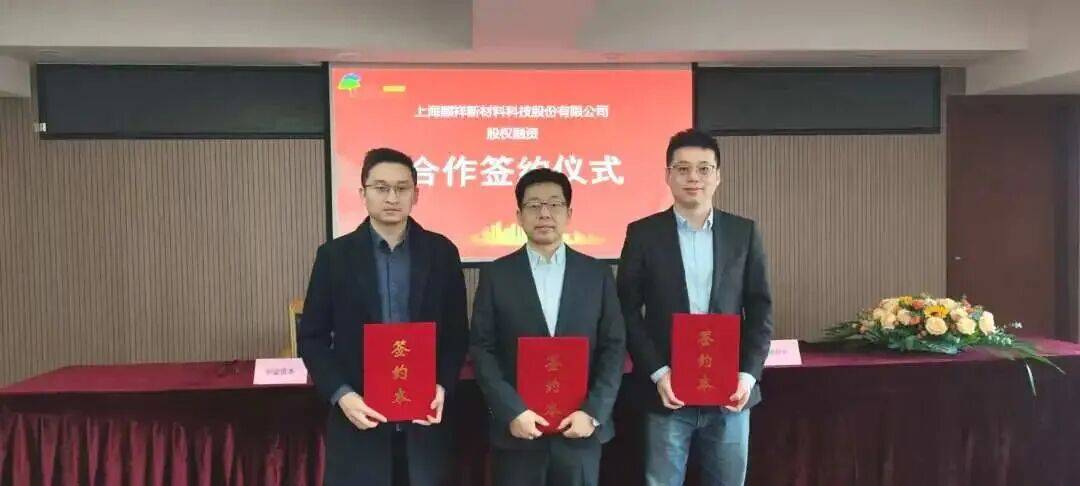
Core Viewpoint - The successful signing ceremony for equity financing cooperation of Shanghai Qixiang New Materials Technology Co., Ltd. marks a significant milestone in the company's development and reflects strong confidence from shareholders in its long-term potential and broad prospects [1][3]. Group 1: Company Developments - Qixiang New Materials completed its shareholding system reform on July 2, establishing a new governance structure [3]. - On September 22, the company signed a contract with Guotou Securities for listing guidance, indicating its intention to go public [3]. - The completion of the financing signifies an increase in the overall value of Qixiang New Materials and a notable optimization of its capital structure, providing strong momentum for future high-quality development [3]. Group 2: Future Plans - The company plans to accelerate technological breakthroughs and industrialization, aiming to upgrade its industrial chain towards high-end, intelligent, and green directions [3]. - Qixiang New Materials is committed to injecting new energy into the high-quality development of the rubber new materials industry and providing higher quality and more reliable innovative solutions for customers [3].
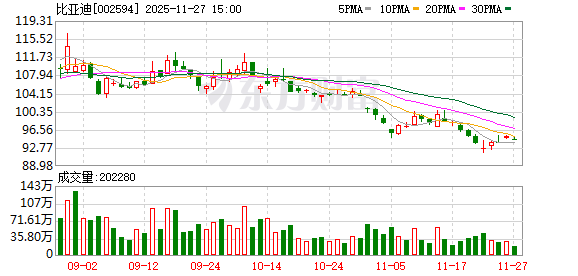
比亚迪锚定高端化 包馆展示多项核心技术
2 1 Shi Ji Jing Ji Bao Dao· 2025-11-27 14:32
Group 1 - BYD showcased its main models priced at 200,000 yuan and above at the 2025 Guangzhou Auto Show, including the Han L and Tang L with new colors and OTA upgrades, as well as the U9 Xtreme supercar and U8L SUV from the Yangwang brand [2] - The Han L EV and Tang L EV feature the Super e-platform with a capability of charging 400 kilometers of range in just 5 minutes, while the Han L DM and Tang L DM have fuel consumption rates of 3.9L and 4.9L per 100 kilometers respectively [2] - The U9 Xtreme set a new record for production electric vehicles at the Nürburgring with a time of 6 minutes and 59 seconds, surpassing the previous record held by the Xiaomi SU7 Ultra [2] Group 2 - BYD's "Megawatt Flash Charge" high-voltage platform aims to achieve the same 5-minute charging capability for 400 kilometers of range, while the "Tian Shen Zhi Yan" intelligent driving system has been installed in over 2 million vehicles, generating over 130 million kilometers of driving data daily [3] - In October, BYD's monthly sales reached 441,700 units, with cumulative sales from January to October totaling 3.7019 million units, and total sales of new energy vehicles exceeding 14.2 million units [3] - The high-end brands Tengshi, Fangchengbao, and Yangwang are also performing well, with Fangchengbao delivering 31,000 new vehicles in October, Tengshi exceeding 10,000 units, and Yangwang delivering 654 new vehicles [4]
广联航空(300900) - 300900广联航空投资者关系管理信息20251127
2025-11-27 13:06
债券代码:123182 债券简称:广联转债 证券代码:300900 证券简称:广联航空 广联航空工业股份有限公司 投资者关系活动记录表 编号:2025-012 6、请问贵司未来的研发投入重点将集中在哪些领域? 答:公司研发投入将聚焦"高端化、智能化、绿色化"三 大方向,聚焦航空航天复合材料的性能升级,重点突破轻量化、 高耐蚀、抗极端环境的材料工艺瓶颈;加大跨领域技术迁移研 发,深化航空技术在商业航天、海洋装备、低空经济等领域的 应用转化;推动智能制造技术迭代,推进数字孪生、智能检测 等技术在生产中的落地应用。 投资者关系 活动类别 特定对象调研 分析师会议 媒体采访 业绩说明会 新闻发布会 路演活动 现场参观 其他(电话会议) 参与单位名称及 人员姓名 1、天风证券:王泽宇、赵博轩 2、建信养老:臧嬴舜 3、建信基金:张正一 4、嘉实基金:王文勃 5、东方基金:龚洲加 6、中信建投基金:张婧怡 7、新华基金:王永明 8、汇泉基金:周晓东 9、长信基金:李博华 10、金鹏期货:张立莉、张珺奕 11、融通基金:钱佳兴 12、新华基金:王建辉 13、太平洋证券:汪奇立 14、财通基金:吴帆 时间 2025 年 11 ...