去美元化

Search documents
特朗普签令25天后俄大使暴走!石油制裁令古巴断电4.3倍,这招“能源锁喉”疯在哪?
Sou Hu Cai Jing· 2026-02-17 15:24
Core Viewpoint - The recent executive order by the Trump administration imposing tariffs on goods from countries supplying oil to Cuba has sparked significant international backlash and highlights the complexities of U.S. sanctions policy [1][3]. Group 1: Economic Impact - The U.S. has maintained an economic blockade against Cuba for 65 years, leading to over 12,000 industrial shutdowns due to energy shortages since 1962 [1]. - In 2025, Cuba's oil imports decreased by 37%, primarily relying on supplies from Russia and Venezuela [1]. - The sanctions are projected to cost U.S. businesses an opportunity cost of $1.2 billion annually due to restrictions on trade with Cuba [5]. Group 2: Legal and Diplomatic Challenges - The executive order is criticized for violating the United Nations Convention on the Law of the Sea, particularly regarding the freedom of landlocked countries to access the ocean [3]. - Historical precedents show that similar U.S. sanctions have faced high failure rates in the World Trade Organization (WTO) dispute resolution mechanisms [3]. Group 3: Humanitarian Concerns - Cuba's electricity generation relies on fossil fuels, with 70% of its power coming from this source. The interruption of Venezuelan oil supplies in 2025 led to a 4.3-fold increase in power outages [4]. - A United Nations report indicates that 12% of Cuba's medical equipment is non-operational due to power shortages caused by the sanctions [4]. Group 4: Geopolitical Repercussions - Despite a reduction in military presence, Russia maintains four electronic listening stations in Cuba, indicating ongoing strategic interests in the region [5]. - The sanctions may encourage Cuba to join a "de-dollarization" alliance, with nine countries already signing currency swap agreements with Cuba [5]. - The U.S. continues to apply a Monroe Doctrine mindset, but the political landscape in Latin America is shifting, with leftist governments now controlling 68% of the region's GDP [5][6].


帮主快评:大年初一,黄金白银给投资者发了张“绿色账单”
Sou Hu Cai Jing· 2026-02-17 15:00
大年初一,饺子刚下锅,海外市场就给投资者上了一道"凉菜"。 现货黄金失守4950美元,白银暴跌超4%。节前追高的人,红包还没捂热,先收到一张"绿色账单"。 谁干的?两股力量。 二是流动性。中国市场春节休市,美国总统日放假,交易员们都在吃团圆饭,盘面一碰就倒。在稀薄的 流动性面前,几笔卖单就能砸出深坑。 所以问题来了:这一跌,是上车机会,还是逃跑信号? 一是美联储。1月非农超预期,降息预期从6月推到7月。利率不降,不生息的黄金自然承压。 我的判断:别拿节日行情当趋势。流动性枯竭放大的波动,往往来得快去得也快。真正决定黄金方向 的,还是那句老话——全球央行还在买,地缘风险还在,去美元化还在。这些底层逻辑,一根日线改变 不了。 给三个操作建议: 第一,不接飞刀。等波动率回落、成交量恢复正常。 第二,分清交易和配置。短线客已出局,长线客反而该看看自己信仰够不够。 第三,盯住4900关口。如果能站稳,避险属性就没丢。 你觉得,这轮调整到位了吗?评论区聊聊 ...

普京突然转向,俄罗斯或重回美元怀抱,对人民币的伤害有多大?
Sou Hu Cai Jing· 2026-02-17 12:21
Core Viewpoint - Russia is signaling a willingness to return to the US dollar settlement system under the condition of lifting sanctions, marking a significant shift from its previous stance of de-dollarization and heavy investment in gold and the yuan [1][5]. Economic Conditions - Russia's economy has been under severe pressure since being excluded from the SWIFT system and facing asset freezes, leading to stagnation with GDP growth dropping below 1% [1][2]. - Inflation remains a persistent issue, with the central bank lowering the key interest rate from 16% to 15.5% but still projecting annual inflation between 4.5% and 5.5% [1][2]. Currency and Trade Dynamics - The official exchange rate of the ruble appears stable, but the black market rate has exceeded 88 rubles per dollar, indicating high costs for currency exchange and restricted cross-border trade [2]. - Russia's energy exports have faced challenges as countries like India and the EU reduce purchases, leading to a significant fiscal deficit and the need for new economic strategies [2][5]. Strategic Adjustments - Returning to the dollar settlement system could drastically reduce the cost of ruble conversion and potentially lead to a sharp appreciation of the ruble, which could negatively impact export revenues [5][7]. - Russia is offering favorable conditions to attract US capital, including opening up key resource projects, indicating a strategic pivot rather than a complete abandonment of previous policies [5][15]. Implications for China-Russia Relations - The shift towards the dollar may temporarily disrupt the yuan's internationalization process, but it is unlikely to lead to a complete breakdown in China-Russia cooperation, which has deepened beyond energy trade into technology and infrastructure [7][17]. - China may gain leverage in negotiations for energy prices as Russia seeks to alleviate economic pressures while navigating Western sanctions [9][15]. Global Financial Landscape - The situation illustrates that de-dollarization is not a binary choice; countries will maintain ties to the dollar for its liquidity while pursuing a multi-currency framework [19][21]. - The evolving dynamics highlight the importance of strategic cooperation and the need for China to optimize its partnership with Russia amidst these changes [21].

美债真的暴雷了?中国持仓跌破6800亿,美元霸权要变天了!
Sou Hu Cai Jing· 2026-02-17 11:41
Group 1 - China has significantly reduced its holdings of US Treasury bonds, dropping from a peak of $1.3 trillion to below $700 billion, while simultaneously increasing its gold reserves for 15 consecutive months [1][3] - The US is facing a severe debt crisis, with federal government debt exceeding $38 trillion, accounting for at least 35% of global government debt, and a per capita debt of $110,000 [1][2] - The rising interest rates on US Treasury bonds, with the 10-year yield surpassing 4.2%, indicate a lack of stability in the market, leading to a situation where the US must borrow to meet basic expenditures [2][3] Group 2 - The shift in China's strategy reflects a move away from reliance on the US dollar and Treasury bonds towards diversifying investments and reducing risk, with gold being positioned as a stable asset [3] - Other countries, including European nations, India, and some Middle Eastern countries, are also reducing their US Treasury holdings, contributing to a broader trend of "de-dollarization" [3] - The perception of US dollar assets as safe has diminished, prompting a reconfiguration of the global monetary system with an emphasis on risk diversification and the internationalization of the Chinese yuan [3]

首次使用人民币结算!澳企对华出口铁矿石,联手展开去美元化
Sou Hu Cai Jing· 2026-02-17 10:34
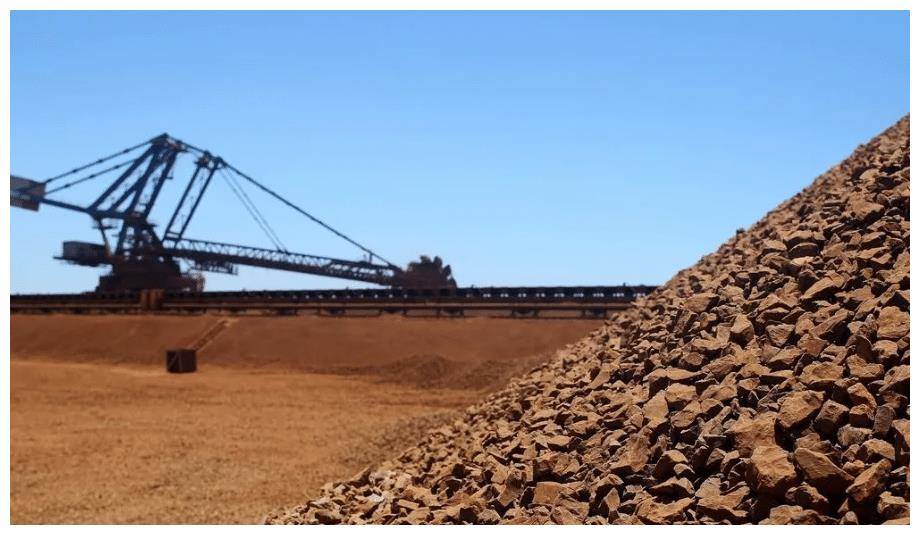
Core Viewpoint - The recent transaction of iron ore from BHP to China, settled in RMB, marks a significant shift in trade dynamics and highlights BHP's commitment to expanding its influence in the Chinese market [1][3]. Group 1: Company Developments - BHP's iron ore shipment to China has successfully arrived at Shandong Rizhao Port, marking the first transaction settled in RMB [1]. - The establishment of BHP's subsidiary in Shanghai, registered with a capital of 129 million RMB, is aimed at strengthening its market presence in China [1]. - BHP has a long history of engagement with the Chinese market, dating back to its first lead ore export in 1891, and has maintained a high export volume of iron ore to China [3]. Group 2: Market Dynamics - In 2022, China imported 694 million tons of iron ore from Australia, accounting for 67% of its total imports, indicating a strong demand for Australian iron ore [3]. - Despite efforts to reduce dependency on Australian iron ore, its unique qualities make it irreplaceable for Chinese steel manufacturers in the short term [5]. - The steel industry remains a pillar of the Chinese economy, ensuring sustained high demand for iron ore [5]. Group 3: Currency Settlement Implications - The use of RMB for this transaction is seen as a strategic move to mitigate risks associated with USD settlements, particularly in light of geopolitical tensions [6][8]. - The shift towards RMB settlements reflects a broader trend of de-dollarization, as countries seek to reduce reliance on the USD due to its political risks and volatility [8]. - RMB settlements can lower transaction costs and streamline processes by eliminating the need to convert currencies, thus enhancing trade efficiency [8].

俄拟重返美元结算 背后藏能源博弈 中俄合作迎新局?
Sou Hu Cai Jing· 2026-02-17 10:02
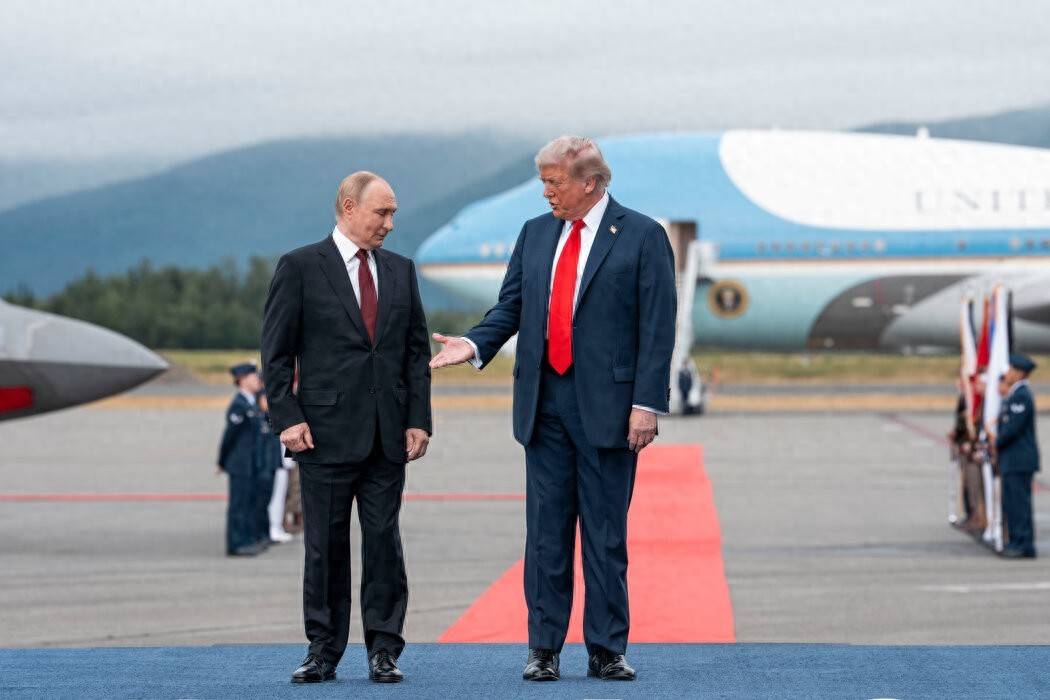
Group 1 - Russia is seeking to re-enter the dollar settlement system after the Ukraine crisis, indicating a pragmatic shift due to economic pressures despite its previous stance on de-dollarization [1][3] - The expected decline in Russia's oil production to 530 million tons by 2025, exacerbated by reduced imports from India, highlights the economic challenges faced by the country [3] - The sale of gold reserves by the Russian central bank suggests severe fiscal challenges, making the return to the dollar settlement a practical choice to alleviate the current crisis [3] Group 2 - The Trump administration's focus on revitalizing the traditional energy sector and controlling global oil supply has strategic implications for both Russia and the U.S. [5] - The cost structure of U.S. shale oil production, which ranges from $60 to $70 per barrel, necessitates reliance on lower-cost oil resources, influencing geopolitical strategies [7] - Russia's potential return to the dollar settlement could reinforce U.S. oil hegemony while providing a tactical advantage in negotiations with Russia [7] Group 3 - The evolving dynamics of China-Russia cooperation amidst U.S.-Russia communications indicate a resilient partnership based on shared strategic interests rather than short-term exchanges [9] - The shift in cooperation models from simple energy trade to deeper integration across supply chains and technology reflects a move towards decentralization and risk mitigation [9] - Even with Russia's return to dollar settlements, the deep cooperation in the energy sector between China and Russia is expected to continue, potentially leading to more diverse settlement methods [9] Group 4 - The triangular geopolitical game involving the U.S., Russia, and China is characterized by the need for each party to address its fundamental interests, with Russia's pragmatic shift being a response to economic pressures [11] - Future cooperation between China and Russia is anticipated to stabilize the triangular dynamics, enhancing their influence in high-end manufacturing, aerospace technology, and digital economy sectors [11] - Russia's re-engagement with the dollar settlement system serves as a warning for the global de-dollarization process, emphasizing the need for a mature alternative financial system to reduce dependency on the dollar [11]
特朗普灵感乍现,想让美债瞬间清零!美国若胡来,我们怎么办
Sou Hu Cai Jing· 2026-02-17 04:22
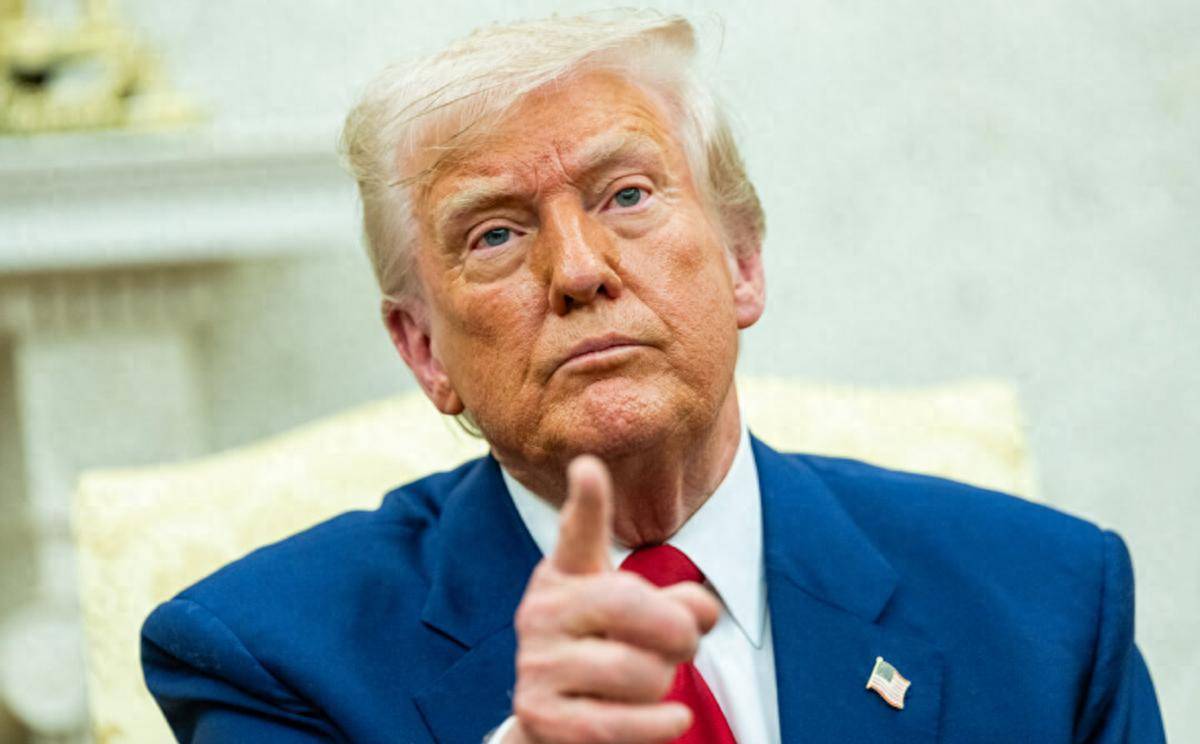
面对这个问题,特朗普试图通过战争手段,为美元寻找一个新的支撑点。还记得上世纪,美元如何将自己锚定为国际货币的吗?那时,美国把原油作为美元 的支撑点,并借着全球工业化的浪潮,成功打开了几乎所有国家的大门。而特朗普的做法则更为简单粗暴——他直接把目光锁定在全球最大的工业品出口国 ——中国。特朗普的算盘很清晰:新能源行业正在迅猛发展,原油终究是昨日黄花。既然如此,为什么不把目光转向全球最大的工业制造国——中国呢?他 希望,即使美元贬值,依靠中国制造的力量,美元仍能在全球继续保持主导地位。特朗普与中国的关税战并非目标,真正的目的,是逼迫中国签订所谓的海 湖庄园协议,让美国全面接管中国的产业。最终,大家都知道,中国反击得迅速且强硬,特朗普的算盘彻底落空了。特朗普的计划失败了,于是他又回到了 旧路上,开始向石油大国——伊朗和委内瑞拉施压,企图通过石油美元体系补上漏洞。此时,一切也都能解释得通了。 但接下来,新的问题随之而来:面对特朗普这些胡作非为、完全无视经济规律的做法,坚信自己能成功实现既要美元贬值,又要保持美元全球货币地位和购 买力的春秋大梦,甚至一厢情愿地觉得能够奏效,我们应该怎么办?面对这种局面,有两个应对策略。 ...
外媒:美元时代正以一种悲剧性的方式结束,人民币为啥还不出手?
Sou Hu Cai Jing· 2026-02-17 04:01
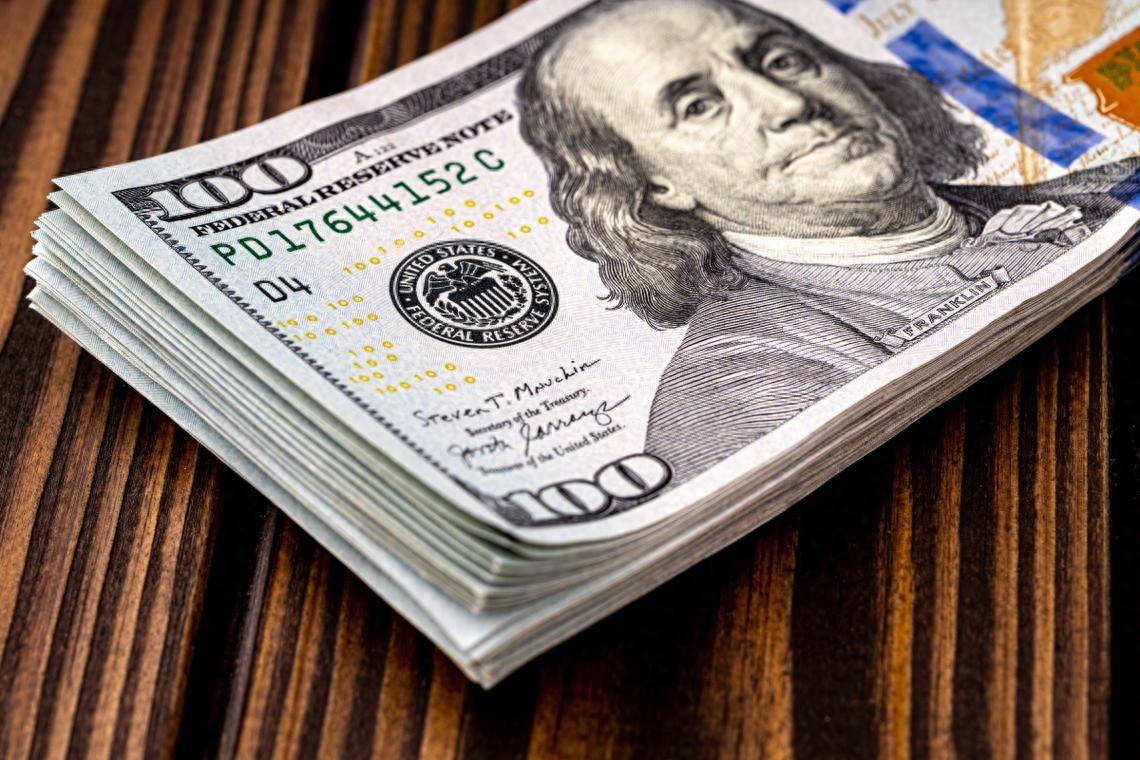
Group 1 - The dominance of the US dollar as the global reserve currency is facing unprecedented challenges, with its global share declining from 59% to 56% [1][5] - The US national debt has surpassed $38 trillion and continues to grow at a rate of $64 billion per day, raising concerns about the sustainability of the dollar [1][3] - Gold prices have surged, with projections indicating a rise from over $2000 in early 2025 to potentially $5000, prompting central banks, especially in Asia, to increase their gold reserves significantly [3][5] Group 2 - China is not in a rush to replace the dollar but is focusing on the internationalization of the renminbi (RMB) as a protective measure, with its share in global payment systems increasing by 20% in 2025 [7][11] - The promotion of the CIPS system, independent of SWIFT, allows China to use RMB for purchasing energy and resources in extreme situations, ensuring financial security [9] - China's strategy emphasizes maintaining a robust industrial base while avoiding the pitfalls of currency overreach that led to the US's economic challenges [5][9] Group 3 - The development of China's digital currency, eYuan, and collaboration with BRICS nations on blockchain payment systems indicate a strategic move towards reducing reliance on the dollar [11] - The global financial landscape is shifting towards a more decentralized system, moving away from dependence on a single dominant currency, which could lead to increased volatility [11] - The end of dollar hegemony is viewed as a significant and tragic shift in the global financial system, highlighting the need for a more balanced approach [11]
普京突然转向!卢布重回美元结算,对我们的影响远比你想的更直接
Sou Hu Cai Jing· 2026-02-17 03:52
这一消息一经传出,立刻引发了广泛关注。大家纷纷问:俄罗斯这一举动究竟对人民币、对中国意味着什么?是一次沉重的打击,还是仅仅一时的波动? 今天我们就来仔细分析一下其中的底层逻辑,揭示最真实的现实。曾几何时,俄罗斯是全球去美元化的坚定支持者。在遭遇西方全面制裁、海外数千亿欧 元资产被冻结、被踢出国际主流结算系统的背景下,俄罗斯几乎被逼入了绝境:疯狂增持黄金、大幅提升人民币在外汇储备中的比重,拉拢金砖国家推进 贸易本币结算,这一系列举措曾让全球看到了美元霸权动摇的希望。 然而,许多人因此认为,俄罗斯会坚定不移地走去美元化道路,彻底与美元决裂。然而,现实总是远比理想要骨感得多。俄罗斯的经济长期高度依赖能源 出口,而当前又面临战争消耗、财政赤字、通货膨胀的巨大压力,经济增长乏力,国内企业融资困难、外贸结算成本居高不下。印度方面积累的近百亿美 元卢比也因无法流通变现而成为沉重负担,传统的军贸订单也被欧美国家抢走,外部环境日益恶化。在这种困境中,所谓的去美元化其实并不是俄罗斯的 理想目标,而仅仅是被逼无奈时的求生之策。如今美国释放出缓和信号,俄罗斯第一时间做出转向选择,毫不让人意外。这不仅仅是一次简单的战略调 整,也不是背 ...
黄金白银上演心跳游戏,普通人还能不能淘金了?
Sou Hu Cai Jing· 2026-02-16 22:14
Core Viewpoint - The precious metals market experienced extreme volatility at the beginning of 2026, with gold prices initially soaring above $5600 per ounce before plummeting below $4500, while silver saw daily declines exceeding 15% [1][3]. Group 1: Market Dynamics - The immediate trigger for the volatility was the nomination of Kevin Warsh as the next Federal Reserve Chairman, which reversed market expectations for interest rate cuts and strengthened the dollar, putting pressure on gold and silver prices [3]. - The U.S. Labor Department reported that the core Producer Price Index (PPI) for December 2025 exceeded economists' expectations, indicating that inflation is becoming more embedded in the economy, which may prolong the Fed's neutral monetary policy [3]. - The Chicago Mercantile Exchange (CME) raised margin requirements for gold and silver, exacerbating the volatility as high-leverage positions were forced to liquidate, leading to a liquidity crunch [3][5]. Group 2: Institutional Responses - Major financial institutions, including banks, have implemented measures to mitigate risks associated with the market's volatility, such as increasing minimum investment amounts for gold accumulation products and adjusting margin requirements for silver contracts [7][15]. - The Shanghai Gold Exchange and Shanghai Futures Exchange have also taken steps to manage risk by adjusting margin and trading limits for silver futures [5]. Group 3: Long-term Outlook - Despite the short-term volatility, many fund managers believe that the long-term bullish trend for gold remains intact, supported by structural factors such as ongoing central bank purchases and a weakening dollar credit system [7][9]. - UBS Wealth Management has raised its gold price target for the first three quarters of 2026 to $6200 per ounce, reflecting strong demand from central banks [9]. Group 4: Investment Strategies - Experts recommend that ordinary investors adopt differentiated strategies, such as using dollar-cost averaging to mitigate the impact of market volatility on investment returns [11][12]. - Investment in gold ETFs and bank accumulation products is advised over direct futures trading, with a suggested allocation of 5% to 15% of household financial assets to precious metals [12][14]. - Specific trading strategies include positioning in gold and silver ETFs when prices fall within certain ranges, while maintaining strict risk management practices [14].