中美贸易摩擦

Search documents
申万宏源交运一周天地汇:中方港口费反制航运造船再迎历史机会,滞港效率损失油散运费受益,关注中国制造船舶是否豁免
Shenwan Hongyuan Securities· 2025-10-12 06:12
Investment Rating - The report maintains a positive outlook on the shipping and shipbuilding industry, highlighting historical opportunities due to China's countermeasures against the U.S. [3] Core Insights - The report emphasizes that U.S. shipping companies have a minimal global market share, but U.S.-listed companies and those with over 25% U.S. ownership are significantly impacted. The report suggests that if U.S. investments in Chinese shipbuilding are exempted, there could be a surge in orders for Chinese vessels [3]. - Short-term disruptions are expected to lead to non-linear increases in shipping rates, with a decrease in available vessels and efficiency, benefiting oil and bulk shipping rates [3]. - The report recommends specific companies in the shipping sector, such as China Merchants Energy Shipping and China Shipbuilding Industry Corporation, while also highlighting the potential for increased demand in the shipbuilding sector [3]. Summary by Sections Shipping Market Performance - The transportation index increased by 1.09%, outperforming the Shanghai and Shenzhen 300 index by 1.60 percentage points. The road freight sector saw the highest increase at 3.04% [4]. - The report notes that the VLCC (Very Large Crude Carrier) rates increased by 31% week-on-week, reaching $83,684 per day, driven by seasonal demand and market disruptions [3]. Oil and Bulk Shipping - The VLCC rates experienced a significant rise, with a daily increase of over 40% due to market disturbances and seasonal demand [3]. - The report indicates that the BDI (Baltic Dry Index) rose by 1.8% week-on-week, reflecting strong performance in the bulk shipping sector [3]. Air Transportation - The report suggests that the airline industry is at a turning point, with expectations for significant improvements in airline profitability, recommending several airlines for investment [3]. Express Delivery - The express delivery sector is entering a new phase of competition, with three potential scenarios outlined for the industry's future performance [3]. Rail and Road Transportation - Rail freight volume and highway truck traffic are showing resilience, with rail freight increasing by 0.95% week-on-week [3]. High Dividend Stocks in Transportation - The report lists high dividend stocks in the transportation sector, highlighting companies with strong dividend yields and expected profit growth [19].
海外市场点评:外部变数下的市场悬念
Minsheng Securities· 2025-10-12 05:42
海外市场点评 外部变数下的市场悬念 2025 年 10 月 12 日 分析师:陶川 分析师:邵翔 研究助理:武朔 执业证号:S0100524060005 执业证号:S0100524080007 执业证号:S0100125070003 邮箱:taochuan@glms.com.cn 邮箱:shaoxiang@glms.com.cn 邮箱:wushuo@glms.com.cn ➢ 随着特朗普关税突临变数,本周末海外风险资产再起波澜,时隔 6 个月,这 一次是更像 4 月,还是更像 5 月?投资者应如何研判潜在关税冲击下的地缘动 向,对国内政策以及资本市场的叙事又将产生怎样的影响? ➢ 4 月的剧本是关税不停地加码,最终在市场不堪重负下,美国选择让步;5 月则是首次谈判后,出口管制政策的"针尖对麦芒",最终以元首会晤为破局。这 一次形式上更像 4 月,但其实更像是 5 月的"增强版本"。 ➢ 本次关税的升级,之前已有苗头。9 月元首通话、就 Tiktok 达成初步协议之 后,美国依旧"小动作不断"。尤其是 9 月 29 日美国商务部出台史上最严股权 50%穿透管制规则,进一步强化技术封锁。随后中国全面升级了稀土及关 ...
“中国还有牌没打,美国压根无能为力”
Guan Cha Zhe Wang· 2025-10-12 05:36
Core Points - China has implemented extensive export control measures on rare earth elements, which could significantly impact global manufacturing and supply chains, showcasing its strategic power in the trade arena [2][5][11] - The recent actions by China are perceived as a response to U.S. pressures and a demonstration of its confidence and strength in the face of American trade policies [6][9][12] - The U.S. stock market reacted negatively to these developments, with the S&P 500 index experiencing its largest single-day drop since April, indicating market concerns over the escalating trade tensions [2][11] Group 1: China's Export Control Measures - China's new export regulations cover not only rare earth raw materials but also any devices containing rare earth elements, granting China potential veto power over a wide range of global manufacturing sectors [2][5] - The measures are seen as a strategic display of power, contrasting with the more reactive approach of the Trump administration [2][5][11] - China's actions are intended to signal to other nations not to sacrifice their interests for the sake of appeasing the U.S. [9][12] Group 2: U.S. Response and Market Impact - The U.S. government, particularly under Trump, has reacted with threats of increased tariffs, reflecting a sense of urgency and emotional response to China's assertiveness [2][11] - The S&P 500 index fell over 2%, marking a significant decline, which highlights the market's apprehension regarding the potential economic fallout from the trade conflict [2][11] - Analysts suggest that the U.S. is heavily reliant on foreign resources, particularly from China, complicating its ability to respond effectively to these trade challenges [5][6] Group 3: Broader Implications and Strategic Considerations - The trade tensions reveal fundamental differences in how the U.S. and China perceive competition, with China viewing trade and technology issues as interconnected parts of a broader strategy to counter U.S. containment efforts [7][8] - Experts indicate that China's measures could lead to severe consequences for the U.S. economy if similar actions are taken in other critical sectors like pharmaceuticals and biotechnology [6][9] - There is a belief that these developments may ultimately push the U.S. back to the negotiation table, as China is seen as unwilling to compromise under pressure [11][12]

新一轮关税,新一轮TACO
HUAXI Securities· 2025-10-12 05:03
Tariff Implications - The U.S. plans to impose a 100% tariff on Chinese goods starting November 1, which has led to a significant market reaction, with the S&P 500 dropping 2.7%[1] - Historical data shows that high tariffs previously led to a temporary decoupling of U.S.-China trade, with U.S. imports from China dropping over 40% in May 2025[1] - The likelihood of the 100% tariff being implemented is low, with market predictions indicating only a 23% chance of it occurring[2] Market Reactions - The recent tariff threats have caused a "risk-off" sentiment in overseas markets, with significant declines in commodity prices, including a drop of over 4% in international copper and oil prices[1] - The Nasdaq index fell by 3.56% on October 10, which is less severe than the declines seen in April 2025 during previous tariff escalations[4] Negotiation Dynamics - The timing of the tariff announcement coincides with the APEC summit, suggesting it may be a strategic move to gain leverage in upcoming negotiations[3] - Potential outcomes of the negotiations include a reduction in tariffs by 5-10% or a delay in discussions for three months[3] Stock Market Analysis - The current market's sensitivity to U.S.-China tensions has decreased compared to earlier in the year, indicating a shift in investor sentiment[4] - The proportion of stocks exceeding the 95% historical percentile reached 18% on October 10, suggesting a high market valuation[5] Debt Market Insights - The bond market has reacted to tariff announcements with a significant drop in yields, with 10-year and 30-year government bond yields falling below 1.75% and 2.10%, respectively[8] - The trading volume for key bonds has remained robust, indicating active market participation despite the uncertainty[8] Risk Considerations - The potential for short-term trading risks has increased due to high market valuations and the sensitivity of leveraged funds to market fluctuations[5] - The bond market may face pressure from institutions looking to realize gains before year-end, which could limit further declines in yields[9]
不必自己吓自己!明天A股的应对思路就在这里
Mei Ri Jing Ji Xin Wen· 2025-10-12 04:34
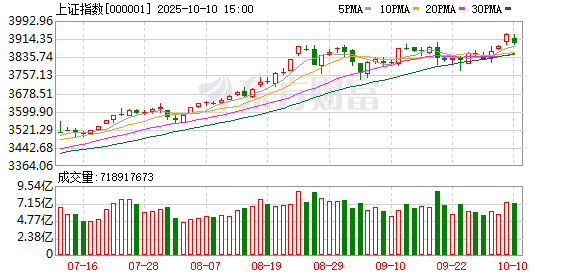
Core Viewpoint - The recent market fluctuations are described as a "predictable black swan," suggesting that while volatility is concerning, it is also an opportunity for investors to refine their strategies and approach the market with a clearer perspective [2]. Market Performance Analysis - The A-share market has shown significant divergence in performance, with some indices like the Shanghai Composite and CSI 1000 recently breaking through resistance levels, while others are facing critical support tests [2]. - The overall market sentiment is mixed, with the average stock price in the A-share market positioned between a slight decline and a stable trend [5][6]. Impact of External Factors - The recent downturn in global risk assets has led to a notable decrease in risk appetite, but the current A-share index level is higher compared to previous downturns, indicating a different market resilience [15]. - Analysts suggest that the impact of U.S.-China trade tensions is less severe now than in April, as the market has adapted and learned from past experiences [15][17]. Investment Strategy Recommendations - Investors are advised to remain cautious and consider waiting for a more favorable entry point, especially in high-quality sectors, rather than reacting impulsively to market fluctuations [23]. - The banking and power sectors are highlighted as potential stabilizers for the index, while technology stocks are expected to maintain their volatility and growth potential despite short-term adjustments [24][26]. Future Outlook - The upcoming APEC meeting and the evolving trade landscape may influence market sentiment, with expectations of a more stable environment post-adjustment [17][20]. - The technology sector is anticipated to receive further policy support, which could drive future market interest and investment opportunities [27].
海外热点冷思考系列一:100%关税:短期TACO重演,长期配置黄金
Changjiang Securities· 2025-10-12 04:15
Group 1: Economic Impact of Tariffs - Trump's proposal to impose a 100% tariff on Chinese imports is expected to heighten market risk aversion, leading to a potential short-term correction in A-shares and a slight decline in bond yields[2] - Historical evidence from the 1930 Smoot-Hawley Tariff Act indicates that high tariffs do not effectively increase revenue and can hinder economic growth, exacerbate deflation, and increase unemployment[2][9] - The current tariff threat is more severe than past instances, with a larger trade deficit and deeper globalization ties, suggesting that reliance on tariffs for fiscal revenue is likely counterproductive[2][9] Group 2: Market Reactions and Asset Allocation - Following the tariff announcement, U.S. stock indices and the FTSE A50 futures declined, while U.S. Treasury yields fell and gold prices rose, indicating a flight to safety[9] - The market's reaction to Trump's tariff threats may be less intense than previous instances due to prior exposure to similar announcements, suggesting a degree of market immunity[9] - The long-term outlook for the U.S. dollar remains weak, reinforcing the value of gold as a strategic asset allocation amidst ongoing economic pressures and rising geopolitical risks[2][9]
贸易摩擦升级,再看稀土产业逻辑
Hu Xiu· 2025-10-12 00:25
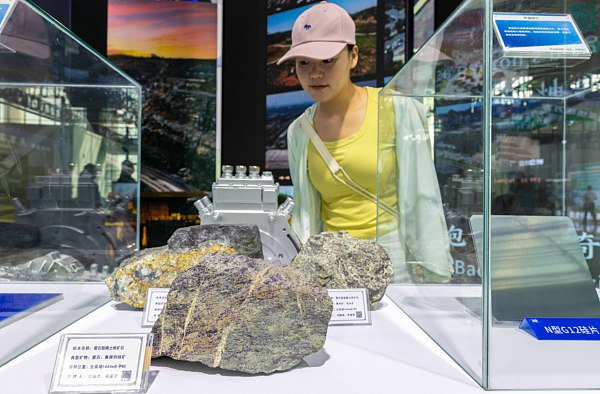
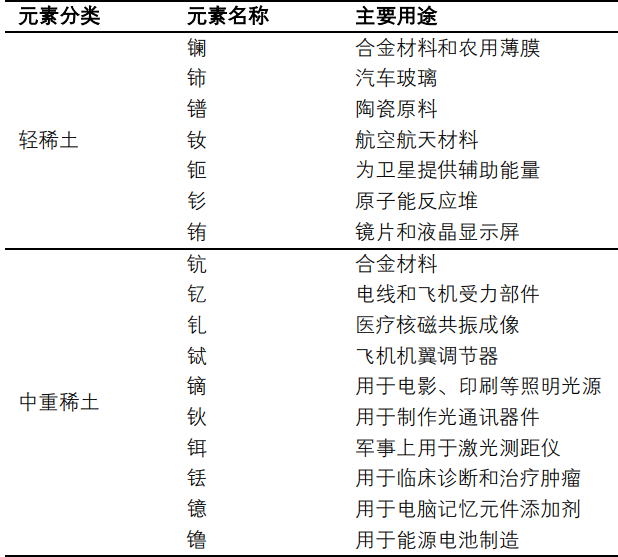
Core Insights - Rare earth elements are essential in high-end manufacturing and defense technology, often referred to as "industrial vitamins" [1][9] - The demand for rare earth permanent magnets is expected to surge, particularly due to applications in humanoid robots [2][25] - China holds a critical position in the global supply chain of rare earths, leveraging its vast reserves and production capabilities amid escalating US-China trade tensions [3][4] Supply and Demand Dynamics - The recent export control policy implemented on October 9, 2025, is a significant catalyst for the rare earth sector, reshaping the global supply order [5] - China's strategic reserve of rare earths is set to increase by 25%, enhancing supply rigidity and control [6] - The combination of strong supply contraction and expanding high-end demand is projected to drive industry prosperity and elevate price levels [7] Industry Structure - The rare earth industry is characterized by a "North-South duopoly" structure, with major production concentrated in Baotou for light rare earths and Ganzhou for heavy rare earths [32][45] - China has completed the integration of its rare earth industry, with two major groups controlling 98% of the mining quotas, enhancing policy transmission efficiency and market regulation [47][57] Global Resource Distribution - As of 2024, global rare earth reserves are estimated at 90.88 million tons, with China accounting for 44 million tons, or 48.4% of the total [29][39] - The concentration of rare earth resources is primarily in China, Southeast Asia, Australia, Southern Africa, and the Americas [27] Technological and Competitive Advantages - China possesses a complete rare earth industry chain, from mining to refining to application, giving it unparalleled control in the global market [36][42] - Advanced separation and purification technologies, such as the low-temperature concentrated sulfuric acid roasting process, provide significant competitive advantages [43][44] Policy and Regulatory Environment - The new export control policy expands the range of controlled items and introduces "long-arm jurisdiction" principles, affecting global supply chains [65][70] - The policy aims to reshape the global rare earth supply chain and reinforce China's strategic dominance and pricing power in the sector [73][74] Key Companies in the Rare Earth Industry - **China Rare Earth**: Leading in heavy rare earths, with strategic advantages in resource security and industry pricing [76] - **Northern Rare Earth**: The largest supplier of light rare earths globally, with a complete industry chain and significant cost advantages [76] - **MP Materials**: The core of the US rare earth industry, moving towards vertical integration in magnet manufacturing [78] - **Lynas Rare Earths**: The largest rare earth separation producer outside China, crucial for Western efforts to establish an independent supply chain [78]


特朗普算盘落空,中方反制一波接一波,按下“加价键”,将对美国船舶按吨收费!
Sou Hu Cai Jing· 2025-10-11 15:18
那么,中美接下来的博弈将走向何处呢?随着APEC峰会的临近,双方或许仍有谈判的空间。然而,特朗普是否能在国内 外的压力下调整策略,重新回到谈判桌前,依旧是个未知数。特朗普政府在这个节点上是否能挽回局面,不仅关乎美国自 身的经济与社会稳定,也将影响到未来的国际贸易格局。 中国的这一举动是对美国单边加税政策的直接回击。自特朗普政府开始加征关税以来,中美之间的贸易摩擦愈演愈烈,许 多专家认为,这实际是一场新冷战的前奏。特朗普政府曾试图通过提高关税来削弱中国的制造业,但事实证明,这样的策 略只会进一步损害美国自己的利益。中方的港务费反制措施,实际上是在告诉美国:你想打压我,我也可以让你感受到痛 苦。 这一系列反制措施还体现了中国在全球供应链中的重要地位。中国在全球商船制造领域占据了90%的市场份额,其港口处 理的海运量也占到全球总量的30%。美国虽然在科技和金融领域具有优势,但在制造业与航运领域,却对中国有着不可避 免的依赖。因此,中方的反制不仅是对美国强硬的回应,更是对自身在全球经济链条中地位的重新审视与巩固。这样的反 击不仅是为了保护自己的利益,更是为了给全球市场传递出一个明确信息:在这场贸易战争中,中国将不再是 ...
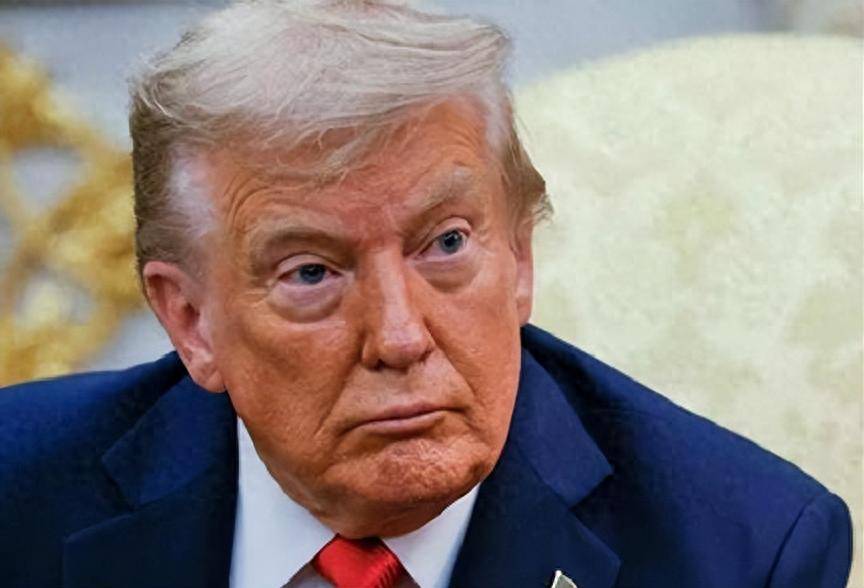
特朗普对华威胁关税点评:如何理解中美摩擦升级?
CMS· 2025-10-11 10:51
Group 1: U.S.-China Trade Tensions - Trump announced a 100% tariff on Chinese goods starting November 1, 2025, in response to China's rare earth export controls[1] - The U.S. Customs and Border Protection will impose port fees on Chinese-owned vessels starting October 14, 2025[1] - The U.S. Department of Commerce added several Chinese entities to the export control list on October 8, 2025[1] Group 2: Strategic Implications - The tariff threat is seen as a bargaining chip rather than a definitive action, with a low probability of the 100% tariff being implemented[2] - Both countries are likely to extend export controls to more sectors, with the U.S. potentially adding more Chinese companies to the control list[2] - Trump's immediate goal is to secure more direct investments and benefits for U.S. farmers, particularly in agricultural exports to China[2] Group 3: Economic Impact - If the 100% tariff is fully implemented, it could reduce China's exports by approximately 11.3 percentage points and increase U.S. inflation by about 3.2 percentage points[3] - The report suggests that the actual impact may be less severe due to factors like re-exports and delays in tariff transmission[3] Group 4: Market Reactions - Increased tariff risks may lead to heightened volatility in equity markets, with potential adjustments of 10-20% expected[2] - Despite short-term risks, the long-term outlook for equity assets remains cautiously optimistic as Trump may seek to stabilize the situation[2]
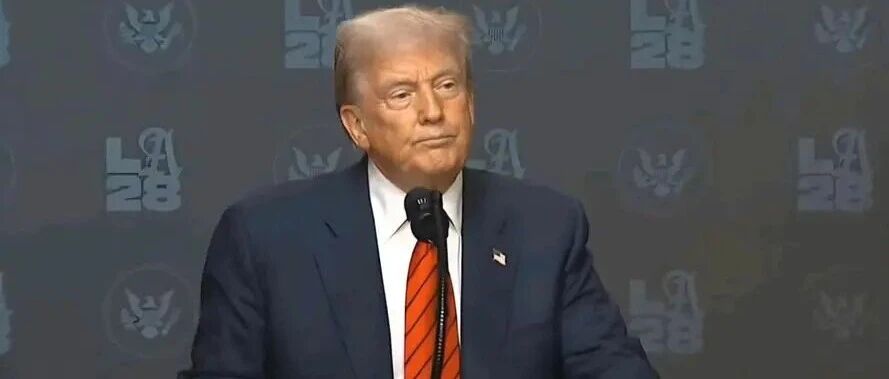
刚刚!特朗普对华加征100%关税!美股暴跌!
国芯网· 2025-10-11 07:27
国芯网[原:中国半导体论坛] 振兴国产半导体产业! 半导体论坛百万微信群 不拘中国、 放眼世界 ! 关注 世界半导体论坛 ↓ ↓ ↓ 10月11日消息,美国总统特朗普在其社交平台发文称,美国将于11月1日起,对中国进口商品加征100%的新关 税,此税率为在现有已支付关税基础上额外增加的部分。同时,特朗普还宣布,美国也会在同日对"所有关键软 件"实施出口管制。 特朗普在贴文中提到:"刚刚得知,中国声称自2025年11月1日起,将对几乎所有他们生产的产品,甚至包括一些 非中国制造的产品,实施大规模出口管制。"他还表示:"同样在11月1日,我们将对所有关键软件实施出口管 制。" 特朗普此番言论,或与近期中美贸易摩擦及中国相关出口管制政策调整有关,其后续影响及双方回应,值得 持续关注。 特朗普称,若中国提前采取进一步行动,美国相关措施可能提前生效。 受相关消息影响,美国股市应声下跌。道琼斯工业平均指数比前一交易日下跌878.82点,收于45479.60点,跌幅为1.90%;标 准普尔500指数下跌182.60点,收于6552.51点, 跌幅为2.71% ;纳斯达克综合指数下跌820.20点,收于22204.43点, ...