即时零售

Search documents
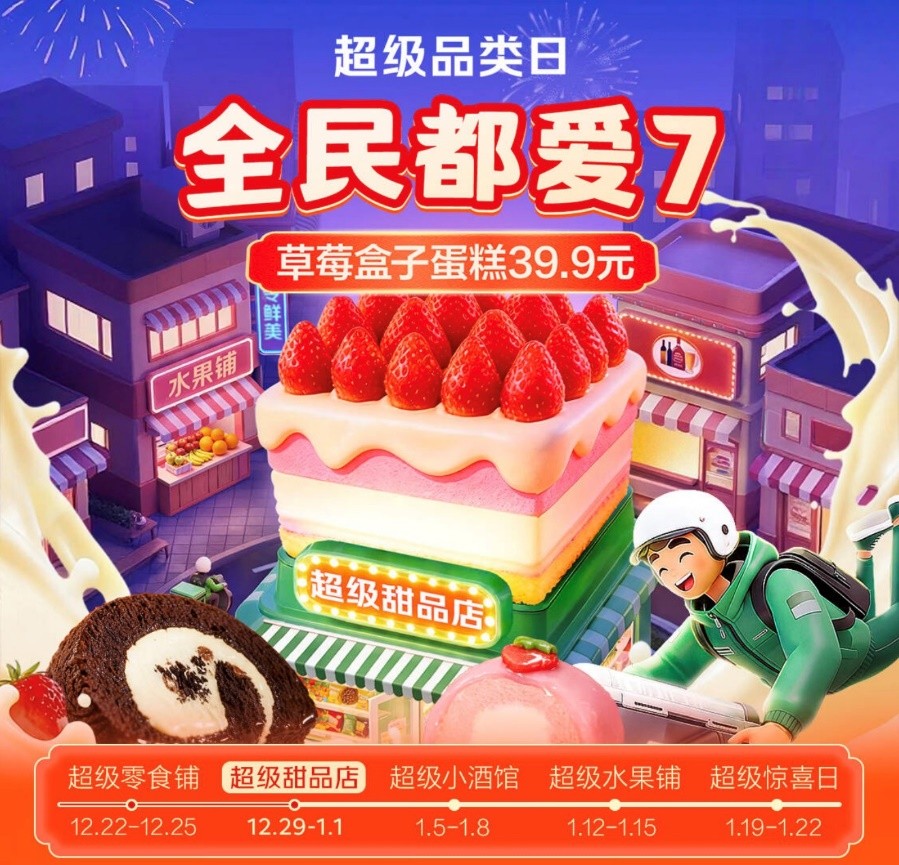
39.9元拿下草莓盒子蛋糕!京东七鲜烘焙品类日更有“满39减6”
Sou Hu Wang· 2025-12-30 03:04
Core Viewpoint - The retail market is heating up for the New Year, with a focus on creating a festive atmosphere and emphasizing health-oriented products to meet consumer demands for quality and emotional experiences [1][11]. Group 1: Promotions and Product Offerings - JD Seven Fresh Supermarket is launching a "Baking Super Category Day" from December 29 to January 1, offering discounts such as "spend 39 get 6 off" on baking products [3][11]. - Popular items like the "Strawberry Box Cake" are being sold at a reduced price of 39.9 yuan per box, featuring a health-conscious design with over 25% less sugar and a unique three-layer structure [3][5]. - New baking products include the "Oreo Swiss Roll" and "Blueberry Chocolate Crisp Crepe," which offer diverse flavors and textures, enhancing the festive dining experience [5][7]. Group 2: Thematic Decorations and Consumer Trends - A range of New Year-themed decorations has been introduced, such as decorative flowers and festive hangings, which symbolize consumers' aspirations for a better life [7][9]. - Analysts note that the introduction of festive items in instant retail channels aligns with modern home decoration trends, emphasizing convenience and the ability to create a celebratory atmosphere quickly [9][11]. Group 3: Health and Quality Focus - The "Baking Super Category Day" reflects JD Seven Fresh's understanding of consumer health needs, as there is a growing demand for baked goods that prioritize quality ingredients and health attributes [11][13]. - The company aims to reduce price premiums by sourcing directly from global quality suppliers, promoting healthier and tastier baking options while shifting the industry focus from homogenization to quality and health value [11].

财报盘点| 宁愿透支当下的利润,阿里巴巴也要为AI和即时零售撕开一道口子
Sou Hu Cai Jing· 2025-12-30 02:52
对于2025年的阿里巴巴来说,在外卖市场和AI赛道风云变幻的局势下,阿里巴巴的战略重心也在无形 之中发生了调整。 这种变化,尤其是在阿里巴巴在2026财年第二季度(对应自然年2025年7月-9月)能找到答案。为了抓 住AI和即时零售这两个未来的机会,阿里正在进行一场豪赌式的巨额投入,这直接导致了利润的大幅 下滑。 利润"腰斩" 这一季度,阿里的营收虽然实现了增长,但赚钱的能力却因为战略投入而被大幅稀释。 从总营收来看,阿里巴巴在这一财季实现了2478亿元的营收,同比增长5%。如果剔除已出售的高鑫零 售和银泰业务,同口径下的收入增速高达15%,说明核心业务其实恢复得不错。 不过阿里巴巴的净利润206.1 亿元,同比大幅下滑53%,经营利润更是下滑到了53.7亿元,同比暴跌 85%。 真正让投资者出现担忧的还不是净利润,比起净利润,自由现金流才是衡量一家公司生存能力的终极指 标。本季度阿里巴巴自由现金流为-218.4亿元,这是阿里自由现金流首次大额净流出,去年同期还是净 流入137.35亿元。 这意味着什么? 阿里巴巴不仅把这季度赚的钱全花出去了,还倒贴了近200亿的家底。这种"入不敷出"的状态,如果持 续超过一 ...


当“减糖蛋糕”遇上“新年挂饰” 京东七鲜超市打造元旦家庭仪式感
Sou Hu Cai Jing· 2025-12-30 02:17
Core Viewpoint - The retail market is experiencing a surge in festive consumption as the New Year approaches, with retailers focusing on creating a festive atmosphere and emphasizing health-oriented product offerings to meet consumer demands for quality and emotional experiences [1][11]. Group 1: Promotional Activities - JD Seven Fresh Supermarket is launching a "Baking Super Category Day" from December 29 to January 1, offering discounts such as "spend 39 get 6 off" on baking products [3][11]. - Popular items like the "Strawberry Box Cake" are being sold at a reduced price of 39.9 yuan per box, featuring a health-conscious recipe with over 25% sugar reduction and a unique three-layer structure to enhance the eating experience [3][5]. Group 2: New Product Offerings - Several new baking products are being introduced, including the "Oreo Swiss Roll" and "Blueberry Chocolate Crisp Crepe," which combine rich flavors and textures to enhance festive dining experiences [5][12]. - The new offerings aim to provide consumers with healthier and more enjoyable dessert options, aligning with the growing trend towards health-conscious eating [12]. Group 3: Home Decoration and Consumer Trends - The introduction of festive home decor items, such as decorative flowers and wall hangings, reflects a shift towards enhancing the home environment for celebrations, moving beyond mere functionality to symbolize consumers' aspirations for a better life [7][9]. - Analysts note that the rise of instant retail channels offering festive decor captures the modern household's preference for "light renovation, heavy decoration," providing convenient and meaningful decoration solutions [9]. Group 4: Consumer Insights and Market Strategy - The ongoing "Baking Super Category Day" is part of a broader strategy by JD Seven Fresh to address consumer health needs, recognizing that modern consumers prioritize quality ingredients and health attributes in their food choices [11][12]. - The company is leveraging direct sourcing from global quality suppliers to reduce costs and enhance product quality, thereby shifting the baking industry focus from homogenized competition to a deeper emphasis on quality and health value [12].
2026即时零售冲刺万亿规模:下沉市场提速 AI与运力协同成关键
Sou Hu Cai Jing· 2025-12-29 16:22
Core Insights - The instant retail industry in China is entering a critical phase of dual growth in scale and quality, with the market expected to exceed 1 trillion yuan by 2026, marking a significant increase from 2025 [1] - Key development themes include the expansion into lower-tier markets, the empowerment of AI technology, and deepening ecological collaboration, with logistics service providers like Jiefeng Kuaisong playing a crucial role in enhancing delivery efficiency [1] Market Dynamics - The instant retail sector has transitioned from "scale expansion" to "quality cultivation" by 2025, with major platforms frequently integrating services: JD has merged its "Jingdong Hourly Delivery" and "Jingdong Daojia" into "Jingdong Miaosong," achieving delivery in as fast as 9 minutes in core business districts [1] - Alibaba upgraded Ele.me to "Taobao Flash Purchase," resulting in a surge of daily orders to 80 million within three months, while Meituan Flash Purchase aims to expand its lightning warehouse plan to 100,000 locations by 2027 [1] - Brands like Three Squirrels are rapidly opening new stores in Anhui, adopting a "store-warehouse integration" model to establish a 5-kilometer instant delivery network, with plans to accelerate the opening of 20 new stores by 2026 [1] Growth in Lower-Tier Markets - Lower-tier markets are projected to be the core growth engine for the industry in 2026, with Meituan Flash Purchase currently covering 2,800 counties and cities, showing higher user and order growth rates than high-tier cities [2] - The instant retail market in county areas is expected to exceed 300 billion yuan, accounting for over 30% of the overall market share, driven by enhanced consumption capacity and an expanding rural internet user base [2] - Jiefeng Kuaisong is optimizing local logistics configurations to meet the complex delivery needs of non-standard products in lower-tier markets, recently reporting a 230% month-on-month increase in retail order volume [2] AI Technology Integration - AI technology is set to transition from auxiliary applications to core drivers by 2026, reshaping supply, fulfillment, and service aspects of instant retail [4] - AI selection systems will enable precise inventory management based on regional consumption characteristics, while dynamic routing optimization algorithms will reduce last-mile costs [4] - Jiefeng Kuaisong is collaborating with partners to enhance order fulfillment stability through intelligent scheduling systems, providing customized delivery services across all product categories [4] Regulatory Environment - The Ministry of Commerce and the Ministry of Finance have initiated pilot programs in 50 cities to stimulate the vitality of instant retail, with expectations for the introduction of industry service standards focusing on food safety, product quality, and rider rights protection by 2026 [4] - Leading platforms are proactively building service systems centered on "trust," enhancing industry credibility through merchant entry audits and product traceability mechanisms [4] Competitive Landscape - Analysts indicate that instant retail has evolved from a "digital life supplement" to a "digital life infrastructure," with competition in 2026 focusing on supply chain, logistics, technology, and scene adaptation capabilities [5] - Jiefeng Kuaisong's model of "aggregation empowerment + penetration into lower-tier markets" aligns well with industry trends, positioning it for continued differentiation in a competitive landscape [5] - With technological innovation and ecosystem enhancement, instant retail is expected to further activate local consumption potential, becoming a key pathway for the digital transformation of the实体经济 [5]
复盘2025外卖“三国杀”,烧钱千亿后的市场何去何从
3 6 Ke· 2025-12-29 13:11
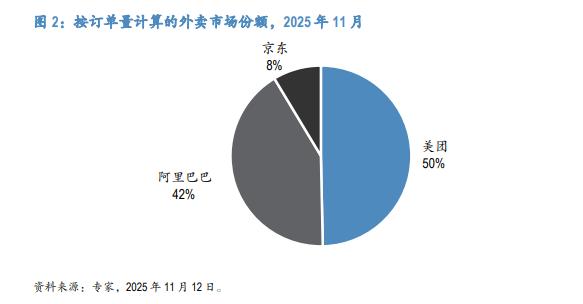
Core Insights - The food delivery industry has been significantly reshaped by a fierce competition initiated by JD.com, leading to a substantial financial outlay of nearly 100 billion yuan and a reconfiguration of market dynamics [1][2] - The future of the food delivery sector hinges on long-term ecological restructuring rather than short-term traffic battles, with each platform focusing on redefining relationships among platforms, merchants, delivery personnel, and consumers [1] Group 1: Differentiated Strategies - JD.com adopted a high-profile entry strategy into the food delivery market, leveraging a "0 commission" model to attract over 2 million merchants and implementing a 10 billion yuan subsidy plan [3] - Alibaba transitioned from a passive response to an active restructuring, rebranding Ele.me to Taobao Flash Purchase and integrating its logistics and supply chain to enhance its competitive edge [4][5] - Meituan, as the industry leader, focused on defensive strategies, increasing marketing expenditures by 90.9% to retain core users while enhancing its delivery network efficiency [6] Group 2: Gains and Losses - JD.com achieved rapid growth in food delivery orders, reaching 25 million daily orders within 90 days, but faced significant losses, with new business losses expanding to 15.736 billion yuan in Q3 [8][9] - Alibaba's integration of instant retail and e-commerce led to a 60% year-on-year revenue increase in instant retail, but it also incurred substantial marketing costs, resulting in an 85% drop in operating profit [9][10] - Meituan maintained its market leadership with a 50% market share and high customer retention rates, but reported a record net loss of 16 billion yuan in Q3 due to increased marketing expenses [11] Group 3: 2026 Outlook - The intense competition is expected to cool down, with platforms likely to shift from aggressive subsidy strategies to value-based competition, focusing on user experience and operational efficiency [12][13] - The instant retail market is projected to exceed 1 trillion yuan in 2026, indicating that competition will persist as platforms seek to secure their positions [12] - Analysts predict that Meituan may achieve breakeven by mid-2026, while Alibaba's food delivery business may continue to face challenges until late 2026 [13]


《2025超市现场制售食品发展现状与发展路径研究报告》发布
Zheng Quan Ri Bao Wang· 2025-12-29 10:40
Core Insights - The report by the China Chain Store & Franchise Association (CCFA) indicates that the market size for on-site food production in supermarkets has surpassed 100 billion yuan, with top supermarket companies achieving sales proportions of 10% to 20%, making it a core growth driver after fresh produce [1][2] - The industry faces multiple challenges, including chaotic classification standards, high cost pressures, and a shortage of professional talent, necessitating a shift from "traffic generation thinking" to "systematic operation" for sustainable competition [1] Market Dynamics - The report reveals three market segmentation patterns for on-site food production, with cities like Beijing, Shanghai, Guangzhou, and Shenzhen having an instant retail penetration rate exceeding 50%, focusing on high-margin products like roasted chicken, baked goods, and sushi [2] - In key cities such as Zhengzhou and Xi'an, on-site food production has become a "main battlefield," utilizing sensory marketing to enhance the shopping experience and linking fresh produce and private label sales [2] - In lower-tier markets, instant retail accounts for less than 10%, with supermarkets primarily focusing on basic fresh produce, while on-site food production serves as a supplementary role for family meals, characterized by simplified categories and practical functions [2] Recommendations - To address the challenges facing the industry, CCFA recommends accelerating the establishment of an industry standard system and formulating guidelines for the classification and statistics of supermarket on-site food production [2]
政策加码生活服务 抖送同城配送激活消费潜能
Sou Hu Cai Jing· 2025-12-29 10:12
中央经济工作会议明确将"坚持内需主导,建设强大国内市场"作为明年经济工作首要任务,生活服务消费成为激活内需的重要抓手。在此背景下,商务部等 多部门密集出台政策,支持即时配送行业发展,推动线上线下融合创新。抖送同城配送紧跟政策导向,以数字化转型为核心,优化服务供给,激活生活服务 消费潜能,助力构建强大国内市场。 政策响应:落实行业导向 推动线上线下融合 今年11月,商务部等5部门发布《城市商业提质行动方案》,明确提出发展"门店下单+即时配送""平台下单+门店配送"等模式,推动线上线下融合发展。抖 送同城配送积极落实政策要求,与本地实体门店深度合作,构建"店仓一体"的配送网络,让实体门店的服务半径从周边几百米延伸至数公里。 针对社区便利店、生鲜超市等高频消费场景,抖送协助商家完成数字化改造,搭建线上接单平台,实现订单实时同步、库存精准管理。消费者通过抖送APP 下单后,平台就近匹配门店发货,最快15分钟即可送达,既提升了消费者的购物体验,又为实体门店带来新增量。数据显示,合作门店接入抖送后,线上订 单占比平均提升25%,营业额显著增长。 在政策支持下,抖送还推动"即时零售+冷链配送"模式创新,与生鲜商家、农产品产 ...
销售点到体验点:小罐茶千家门店借“双店模式”实现价值跃迁
Huan Qiu Wang· 2025-12-29 04:54
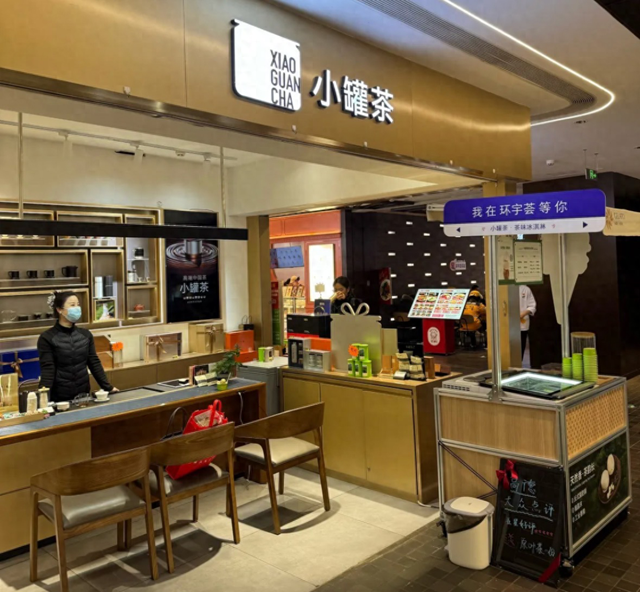
Core Insights - The core viewpoint of the article highlights the significant success of the modern tea company, Xiaoguan Tea, through its "dual-store operation" model, which has led to remarkable growth in digital sales and orders, alongside various platform recognitions [1][5]. Group 1: Company Performance - As of the end of September, Xiaoguan Tea's digital store sales increased by 139% year-on-year, with order numbers rising by 486% and exposure growing by 670% [1]. - Xiaoguan Tea has transformed over half of its specialty stores into digital service nodes, establishing an instant fulfillment network covering 31 provinces and 228 cities across China [1][2]. - The company has received multiple accolades, including being the first officially certified brand in the tea industry by Meituan Flash Purchase and ranking among the top 5 brands in the Meituan tea shop sector [1][5]. Group 2: Industry Trends - The article discusses the broader context of the retail industry's digital transformation, predicting that China's instant retail market will exceed 1 trillion yuan by 2025, continuing to grow at double-digit rates [1][2]. - The integration of online and offline retail is evolving from a competitive relationship to a collaborative one, leveraging data, traffic, and technology for mutual growth [1][2]. Group 3: Strategic Initiatives - Xiaoguan Tea's success is attributed to its strategic collaboration with various platforms such as Meituan and Douyin, which has enhanced its operational capabilities and market presence [1][5]. - The company has developed a diverse store matrix with green, black, and gold label stores to provide differentiated experiences for various consumer demographics, enhancing customer engagement and brand loyalty [6][8]. - The "dual-store operation" model effectively connects offline experiences with online efficiency, creating a closed loop that enhances consumer trust and operational effectiveness [5][8].
云南“十五五”规划建议:打造“旅居云南”大IP、大生态、大产业
Cai Jing Wang· 2025-12-29 03:09
Group 1 - The core viewpoint of the article emphasizes the need to enhance cultural tourism consumption and develop various initiatives such as "Travel in Yunnan," "Colorful Clouds" series, and "Yunnan Night" to stimulate economic growth [1][3] Group 2 - The proposal aims to consolidate and elevate the特色优势产业 (characteristic advantageous industries) by focusing on highland特色农业 (highland characteristic agriculture) and promoting deep processing of agricultural products [2] - The plan includes the development of a world-class fresh-cut flower industry and the modernization and international branding of the coffee industry [2] - It seeks to strengthen the entire industry chain of traditional Chinese medicine and establish a "second tobacco industry" while enhancing the natural rubber industry [2] - The initiative promotes the deep integration of culture and tourism, aiming to enhance the appeal of Yunnan as a travel destination and build a trustworthy tourism service brand [2] Group 3 - The proposal outlines actions to unleash consumer potential by optimizing consumption structure and promoting the construction of a strong commercial province [3] - It emphasizes the importance of utilizing consumption promotion policies to release potential in sectors such as home appliances, travel, and housing [3] - The plan includes expanding cultural tourism consumption and developing new consumption growth points, such as emotional economy and new retail models [3] - Support for the integration of online and offline shopping, as well as the development of new business models like "smart retail" and social e-commerce, is also highlighted [3]
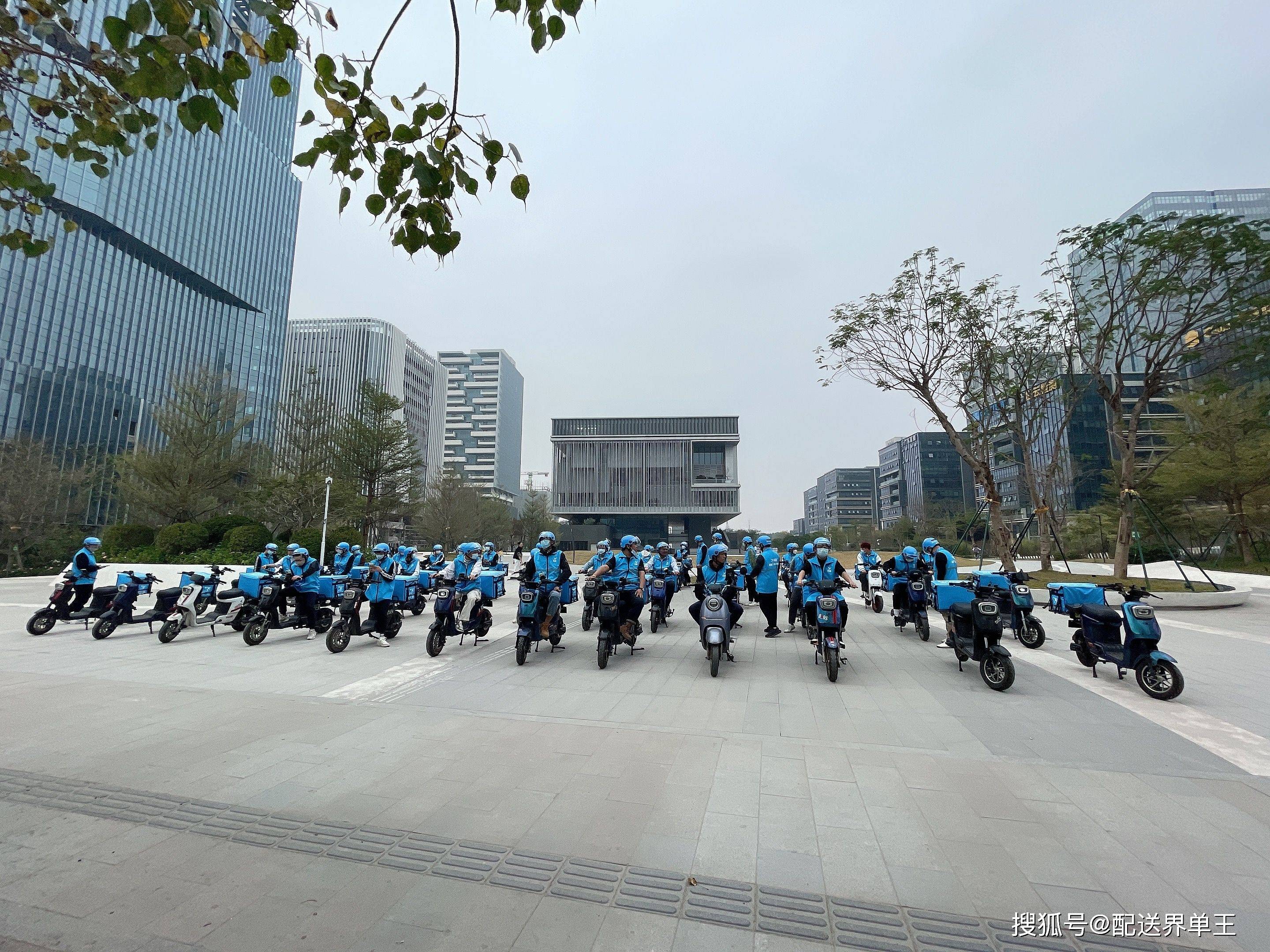
3000元挖一个骑手,红黄橙血拼背后,是即时零售的万亿赌局
3 6 Ke· 2025-12-29 00:25
Core Insights - The competition among major players in the instant retail market is intensifying, with companies like Meituan and JD.com offering substantial incentives to attract experienced delivery riders, indicating a strategic focus on securing mature logistics capabilities for long-term growth in the instant retail sector [1][2][3] Group 1: Market Dynamics - The recruitment drive is not merely a seasonal response but a strategic move to build a robust logistics network essential for the anticipated growth of the instant retail market, projected to reach 7.81 trillion yuan in 2024, with a year-on-year growth of 20.15% [2] - Instant retail is expected to surpass 10 trillion yuan by 2026 and potentially reach 20 trillion yuan by 2030, significantly outpacing traditional retail growth rates [2] Group 2: Differences Between Instant Retail and Traditional Delivery - Instant retail differs fundamentally from traditional food delivery, focusing on a broader range of products and complex delivery scenarios, which require enhanced logistical capabilities from riders [5][6] - The supply scope of instant retail includes various categories beyond food, such as fresh produce, daily necessities, and pharmaceuticals, thus expanding the delivery landscape [5][6] Group 3: Value Proposition for Stakeholders - Instant retail enhances the operational radius for merchants, allowing them to reach customers beyond their immediate vicinity, which can lead to a 40% increase in average order volume for participating convenience stores [8] - Consumers benefit from faster delivery times, with services promising delivery within hours or even 30 minutes, addressing urgent needs and enhancing overall shopping convenience [8] - Delivery riders experience increased order volume and income stability, with reports indicating a 40% rise in average earnings compared to traditional food delivery roles [9] Group 4: Challenges and Risks - Despite the growth potential, the instant retail sector faces significant challenges, including quality control issues and rising consumer complaints, with a 62% increase in complaints reported in 2024 [11] - The competitive landscape has led to unsustainable practices, such as high short-term subsidies that may inflate operational costs and ultimately burden merchants and consumers [12] - The lack of standardized practices across platforms creates confusion and inefficiencies, hindering the industry's collaborative development [13]