
定价权

Search documents
外卖大战背面故事:举步维艰的火锅店与倔强反抗的川菜馆
Di Yi Cai Jing· 2025-07-25 13:31
Core Viewpoint - The ongoing food delivery subsidy war is significantly impacting the pricing power of restaurant businesses, leading to a struggle for survival in a highly competitive environment [1][4]. Group 1: Impact on Traditional Dining - Restaurant owners are facing challenges as low-priced delivery options are eroding the customer base for dine-in services, with some customers opting for cheaper delivery meals even when dining nearby [3]. - High average order values in certain food categories, like hot pot, make it difficult for these businesses to compete with lower-priced items offered through delivery platforms [3][4]. - The pressure to participate in delivery platform promotions creates a vicious cycle where restaurants must sacrifice profitability to gain visibility [3]. Group 2: Profitability Concerns - The profit margins for restaurants are declining due to heavy subsidies, with some businesses reporting that they receive as little as 1.69 yuan from a 19 yuan drink after accounting for various costs [4]. - Some restaurant owners are resorting to using cheaper ingredients to maintain profitability, which raises concerns about food quality [4]. - Despite the challenges, some businesses see potential benefits in consumer education and increased brand visibility through delivery platforms [4]. Group 3: Alternative Strategies - Some restaurant owners are opting out of the delivery platform wars and instead focusing on direct customer relationships through private channels like WeChat [6][8]. - By reducing reliance on third-party platforms, businesses can regain pricing power and control over customer interactions, leading to a more sustainable business model [8][12]. - The shift towards direct sales and building a private customer base is seen as a viable path for restaurants to navigate the current market challenges [8][13]. Group 4: Industry Dynamics - The competition among delivery platforms is reshaping consumer behavior and may lead to a long-term shift in shopping habits from physical stores to online platforms [11]. - The ongoing subsidy wars are prompting calls from industry associations for more sustainable practices and a reduction in aggressive competition among delivery platforms [12]. - The balance between leveraging platform benefits and maintaining independent operations is a critical challenge for many small and medium-sized enterprises in the industry [13].


7月黑天鹅即将来袭,我却看到机构底牌
Sou Hu Cai Jing· 2025-07-23 11:52
Group 1 - Deutsche Bank's report highlights four major risk factors: tariff impacts, employment data, U.S. Treasury yields, and multiple events overlapping [2] - The report's warnings are seen as repetitive and not new, as similar concerns were raised last year [2] - The concept of "black swan" events is questioned, suggesting that market movements are often predictable based on institutional behavior rather than expert predictions [11] Group 2 - Data analysis reveals that institutional funds had already reduced their participation in the liquor sector prior to the market downturn, indicating a lack of confidence [5][7] - The essence of the stock market is viewed as a struggle for pricing power, with institutional actions leaving clear data traces [8] - Observing institutional trading behavior is emphasized as a more reliable strategy than following expert opinions [10] Group 3 - The report suggests that rather than fearing "black swan" events, investors should focus on monitoring institutional fund movements for true market signals [11] - The importance of data tools that penetrate market noise and provide clear insights is highlighted, contrasting with the often fluctuating views of experts [12] - The market is always changing, but human behavior and institutional logic remain constant, suggesting that finding suitable observation tools can provide an advantage in the pricing power game [13]


携程“调价”被点名,京东们“低佣”搅局
3 6 Ke· 2025-07-15 07:59
Core Viewpoint - The news highlights the challenges faced by the hotel industry, particularly in Zhengzhou, where a five-star hotel resorted to street vending due to declining business. Meanwhile, Ctrip, a leading OTA, is facing allegations from hotel merchants regarding its pricing practices, indicating a broader issue of profitability and competition in the OTA sector [2][15]. Group 1: Ctrip's Performance - Ctrip Group is projected to achieve a net profit of 17.2 billion yuan in 2024, a significant increase of 72% year-on-year, marking its best performance in five years [3]. - In Q1 2025, Ctrip's net profit was 4.314 billion yuan, maintaining a net profit margin of 34% [3]. - All four major business segments of Ctrip saw revenue growth in Q1 2025: accommodation bookings increased by 23% to 5.5 billion yuan, transportation ticketing rose by 8% to 5.4 billion yuan, vacation services grew by 7% to 947 million yuan, and business travel management climbed by 12% to 573 million yuan [3]. Group 2: Industry Context - The overall OTA industry shows high net profit margins, with Tongcheng Travel reporting a net profit of 679 million yuan in Q1 2025, a year-on-year increase of 69.52% and a net margin of 18% [4]. - Ctrip holds a market share of 56% in GMV, significantly outperforming competitors like Meituan and Tongcheng, despite facing strong competition from them [5][8]. Group 3: Competitive Advantages - Ctrip's early entry into the market allowed it to capture high-end users, establishing a strong brand association with OTA services [8][9]. - The company has exclusive agreements with mid-to-high-end hotels, ensuring a stable supply of hotel rooms and enhancing its bargaining power [11]. - Ctrip's operational model includes a large workforce dedicated to customer service, which adds to its competitive edge in the OTA space [12]. Group 4: Market Dynamics and Challenges - Recent complaints from hotel merchants about Ctrip's pricing practices indicate potential instability in the OTA ecosystem, where one party's excessive profits could lead to unsustainable business practices [15][16]. - The entry of competitors like JD.com into the OTA market may disrupt the current dynamics, prompting existing players to reconsider their pricing and profit-sharing strategies [19][20]. - The need for a balanced ecosystem where all parties benefit is emphasized, suggesting that Ctrip may need to adjust its profit margins to maintain long-term sustainability [17][20].


券商研报刷屏:“反内卷”!
中国基金报· 2025-07-08 14:36
Group 1 - The article highlights the recent focus on "anti-involution" policies, which have become a trading hotspot in stock and commodity markets, with at least 23 brokerages publishing 36 research reports on the topic since July 1 [1][2] - The central government's emphasis on promoting a unified national market and addressing low-price disorderly competition is expected to improve supply-demand dynamics in various industries [2] - The current "anti-involution" initiative is seen as a key policy focus for 2024, with the concept of "pricing power" being crucial for manufacturing companies to combat "involution" [2] Group 2 - The "anti-involution" market trend is expected to be short-term, with limited space and duration, as it is catalyzed by the central government's focus on addressing low-price competition [4][5] - Analysts suggest that the "anti-involution" trend may develop in three phases: initial policy-driven expectations, followed by price increases in resource products, and finally, sustained high prices [4] - For the financial market, short-term self-discipline in production can help narrow supply-demand gaps, but long-term sustainability requires reversing oversupply and improving prices and profitability [5] Group 3 - Industries likely to benefit from the "anti-involution" policies include the photovoltaic industry chain, traditional industries facing overcapacity, and emerging non-manufacturing sectors like e-commerce [7] - Specific sectors identified as potential beneficiaries include coal mining, coke, common steel, energy metals, glass fiber, steelmaking raw materials, precious metals, and the hospitality industry [7]
美元也要0利率,A股会成为最后的避风港吗?
Sou Hu Cai Jing· 2025-07-08 11:49
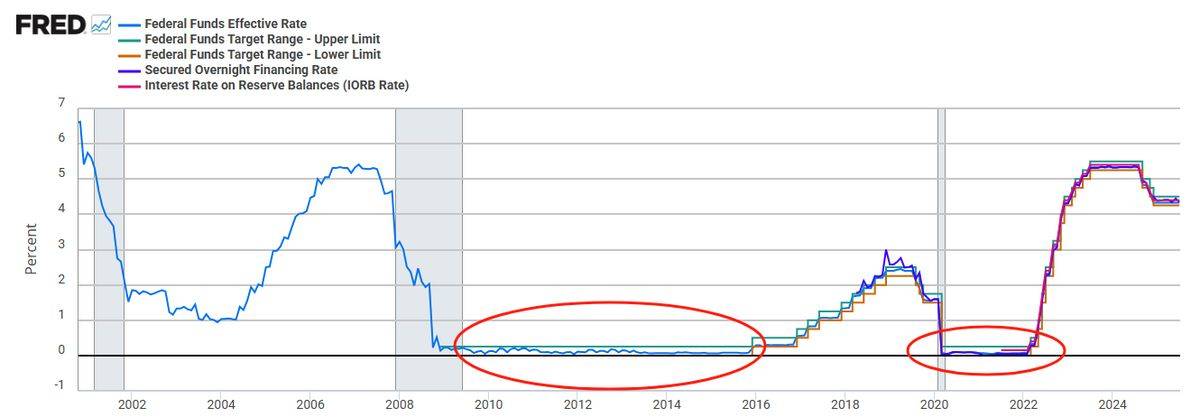
Core Viewpoint - The article discusses the unreliability of expert predictions in the financial market, emphasizing the importance of data analysis over expert opinions [1][3][10]. Group 1: Expert Opinions - Experts often provide ambiguous analyses that can be interpreted in multiple ways, leading to confusion among retail investors [3]. - The article criticizes the tendency of experts to take credit for correct predictions while deflecting blame for incorrect ones through complex jargon [3]. Group 2: Market Dynamics - The essence of the stock market is the competition for pricing power, which is predominantly held by institutional investors, leaving retail investors as passive participants [4]. - Institutional investors often act contrary to their public statements, as illustrated by their secretive investments in restructuring stocks while claiming to avoid speculative plays [4]. Group 3: Data Analysis - Data is presented as a more reliable indicator of institutional behavior than expert opinions, with examples showing how institutions were quietly accumulating shares of "Rongke Technology" during a market downturn [6]. - The case of "Wenyi Technology" demonstrates that analyzing trading behavior data is crucial for understanding market movements beyond just price charts [8]. Group 4: Federal Reserve Report - The 9% probability of zero interest rates, while seemingly low, is significant in the context of the global economic landscape, warranting careful preparation [10]. - The article concludes that rather than relying on expert forecasts, investors should focus on studying trading data and developing their analytical tools [10].
平台应慎用定价干预权
Jing Ji Guan Cha Bao· 2025-06-28 06:32
Core Viewpoint - The article discusses the controversy surrounding Ctrip's unilateral price adjustments for hotel rooms without merchant consent, highlighting the broader issue of pricing power in the digital economy [2][4]. Group 1: Pricing Power and Market Dynamics - Ctrip utilizes an internal program called "Price Adjustment Assistant" to automatically lower hotel prices if they are found to be higher than competitors, which merchants argue disrupts their business operations [2]. - The issue of pricing power raises questions about whether it belongs to the merchants, platforms, or the market itself, with merchants asserting that they should control pricing as the providers of products and services [2][3]. - The relationship between platforms and merchants is complex, as platforms act as market organizers and control access to consumers, which can indirectly affect merchants' pricing capabilities [2][3]. Group 2: Platform Pricing Strategies - Platforms exhibit diverse pricing control strategies, including direct pricing for self-operated businesses, reference pricing that merchants feel pressured to follow, and minimum price requirements that can create unfair competition [3]. - In the case of Ctrip, the price adjustments made to avoid customer loss fall between reference pricing and minimum pricing, where merchants can refuse but often feel compelled to comply to maintain visibility [3]. Group 3: Impact on Quality and Market Competition - Merchants facing excessive price pressure may resort to cost-cutting measures, leading to a decline in product quality, which poses risks to consumers and distorts the market [4]. - Over-intervention by platforms in pricing can stifle innovation and competition, potentially leading to algorithmic collusion and implicit monopolies [4]. Group 4: Recommendations for Fair Practices - It is essential to delineate between reasonable price interventions and overreach by platforms, emphasizing the need for transparency in pricing mechanisms and compliance review processes [5]. - The ongoing struggle between platforms and merchants raises critical questions about fairness in the digital economy, necessitating careful consideration of pricing authority and boundaries [5].

东吴证券晨会纪要-20250616
Soochow Securities· 2025-06-16 02:31
Macro Strategy - The report discusses the shift in policy focus from "controlling high prices" to "controlling low prices" to boost core CPI, suggesting that service price subsidies could increase core CPI by approximately 0.3 percentage points, offsetting declines in housing service prices [1][10][11] - Core CPI has shown a significant rebound since September of the previous year, despite four months of negative growth driven mainly by food and energy prices [10][11] - The report emphasizes the limited upward potential for core goods and housing service prices, indicating that future policy should focus on enhancing prices of other services [10][11] Industry Insights - The report highlights the new phase of controllable nuclear fusion as a potential ultimate energy solution, driven by policy and capital support, with multiple devices under construction [5][16][17] - It identifies key suppliers in the nuclear fusion sector, including West Superconducting, Lianchuang Optoelectronics, and Aikesaibo, suggesting that the industry is moving from experimental to industrial stages with significant future potential [5][16][17] - The report also discusses the trend towards lightweight robots, emphasizing the increasing application of magnesium alloys and PEEK materials, which are expected to enhance performance and reduce weight in humanoid robots [18]

星巴克降价的试探
Jing Ji Guan Cha Wang· 2025-06-14 15:20
Core Insights - Starbucks China has announced a price reduction for its main products for the first time in 25 years, with an average decrease of 5 yuan per cup for 10 products starting June 10 [2] - The new CEO, Brian Niccol, emphasized the need to return to the essence of coffee shops and rethink pricing strategies [2] - The decision to lower prices comes after nearly a year of contemplation and is seen as a response to the competitive non-coffee market in China [2][3] Pricing Strategy - The price reduction aims to test the conversion rate of price-sensitive consumers, particularly during afternoon tea hours and in key urban clusters [3] - Feedback from core customers, especially members who contribute 74% of sales, is crucial to understanding the impact of price changes on customer retention [3] - The sustainability of repurchase rates post-price reduction will be a key indicator of Starbucks' pricing power and brand value [3] Market Context - Starbucks has faced stagnant revenue growth in China, with a 1.4% decline in fiscal year 2024 and a 23.8% drop in net profit [3] - The company has struggled against local coffee and tea brands in a highly competitive low-price market, indicating that relying solely on brand premium is no longer effective [3][6] - The timing of the price reduction may also relate to previous rumors about potential equity sales or seeking local buyers for its Chinese operations [4] Business Expansion Plans - As of March 2025, Starbucks operates 7,758 stores in China, with plans to expand from 8,000 to 20,000 stores [5][4] - The company is exploring minority stake sales to potential investors, indicating a strategic shift in its approach to the Chinese market [4] Strategic Challenges - Starbucks faces operational bottlenecks and a changing consumer landscape, with local brands gaining traction and foreign brands losing appeal [6] - The company must address fundamental questions about maintaining market leadership amid rising local competition and evolving consumer preferences [6]


是谁在保卫3400点?
Datayes· 2025-06-12 11:17
Core Viewpoint - The article discusses the recent performance of the A-share market, highlighting the role of banks and insurance companies in maintaining the Shanghai Composite Index above 3400 points, and the implications of the AH share premium index reaching a five-year low [1][5]. Group 1: A-Share Market Performance - The Shanghai Composite Index managed to stay above 3400 points, supported by banks and insurance companies [1]. - The AH share premium index fell to 127.84 points, indicating a narrowing discount of H-shares compared to A-shares, primarily due to better performance of H-shares [1]. - Since April 2024, the Hang Seng Index has experienced four rounds of technical bull markets, with the bottom central point continuously rising [1]. Group 2: IP Economy and Consumer Trends - The IP economy saw significant growth, driven by high demand for collectible items like LABUBU, which sold for 1.08 million yuan [5]. - Bubble Mart is expanding production to meet demand, indicating a strong market for collectible toys [5]. - The average annual return for LABUBU hidden items is over 300%, with some collaborative items seeing a resale premium of 30 times [5]. Group 3: Z Generation Consumption Behavior - The Z generation (ages 16-30) is becoming a key driver of new consumption trends, with a strong willingness to spend [9]. - Their consumption motivations include emotional value (40.1%), quality (37.1%), minimalism (36.9%), and cost-effectiveness (30.2%) [9]. Group 4: Low-Tier City Consumption Potential - The impact of real estate on low-tier cities is diminishing, leading to a release of consumption potential [10]. - The housing price-to-income ratio in mid-tier cities has decreased from 8.5 years in 2020 to 5.7 years in 2024, indicating improved affordability [10]. - Residents in lower-tier cities show less concern about future financial situations, suggesting potential for consumption upgrades [10]. Group 5: Market Trends and Sector Performance - The A-share market showed mixed performance with the Shanghai Composite Index up 0.01%, while the Shenzhen Component Index fell by 0.11% [13]. - The total market turnover reached 13,037 billion yuan, with over 2300 stocks rising [13]. - Key sectors like rare earths, quantum technology, and the IP economy saw significant activity, while food and beverage stocks faced net outflows [14][15].

如何“反内卷”?:关键在于定价权
Soochow Securities· 2025-06-12 09:42
Group 1: Macro Policy Insights - "反内卷" (anti-involution) has become a key focus of domestic policy since 2024, aiming to prevent vicious competition and improve industry self-regulation[6] - The implementation of the new "Regulations on Payment for Small and Medium Enterprises" on June 1, 2025, mandates large enterprises to pay SMEs within 60 days of delivery[16] - Short-term measures to clear government debts may improve cash flow for construction, environmental, and IT sectors, but could limit local government bond capacity[17] Group 2: Pricing Power Analysis - Pricing power is defined as the inverse of the standard deviation of gross profit margins over the past five years, indicating a company's ability to pass on cost increases to consumers[18] - Companies with a gross profit margin standard deviation inverse below 25% saw 59.85% of them experience negative stock price changes from 2020 to 2024[20] - In contrast, companies with a standard deviation inverse above 100% had a significantly lower percentage of 41.69% experiencing negative stock price changes, indicating a clear correlation between pricing power and stock performance[21]