新旧动能转换

Search documents
奋勇争先,决战决胜“十四五”|走出一条中国特色城市现代化新路子
Ren Min Ri Bao· 2025-10-17 04:02
Core Points - The construction of modern urban areas is emphasized as a key aspect of modernization and improving people's quality of life, with a focus on innovation, livability, beauty, resilience, civilization, and intelligence [1] - The transformation of old industrial parks into entrepreneurial communities reflects the essence of modern urban development, highlighting the importance of green and low-carbon initiatives [2] - The establishment of a comprehensive housing security system in China has significantly improved living conditions for over 170 million people, with extensive community service facilities being added [3] - Urban development is characterized by the cultivation of new growth drivers and the enhancement of historical and cultural preservation, with cities showcasing diverse strengths [4] - Coordinated urban planning and governance have led to substantial investments and infrastructure improvements, particularly in major urban centers [5] - The integration of community participation in urban governance is crucial for addressing urban challenges and promoting high-quality urban development [7] Summary by Sections Urban Modernization Goals - The central government has set clear goals for modern urban development, focusing on a unique Chinese path to urban modernization [1] Transformation of Industrial Areas - The rejuvenation of the high-tech park in Hangzhou illustrates the shift towards innovative industries and sustainable practices [2] Housing and Community Services - China has built the world's largest urban housing security system, benefiting millions and enhancing community facilities [3] New Growth Drivers and Cultural Preservation - Cities are leveraging their unique resources for innovation and cultural heritage, contributing to overall urban strength [4] Urban Planning and Investment - Significant investments in urban infrastructure are evident, particularly in Beijing and Xiong'an New Area, showcasing effective urban governance [5] Community Engagement in Urban Governance - The use of community feedback mechanisms is essential for effective urban management and development [7]
戈壁油城转型路怎么走 ——新疆克拉玛依构建现代化产业体系调查
Jing Ji Ri Bao· 2025-10-14 22:16
Core Viewpoint - Karamay, a resource-based city in Xinjiang, is transitioning from a traditional oil economy to a diversified modern industrial system, focusing on green energy and technology to achieve sustainable development [1][2]. Group 1: Transition to Green Energy - Karamay is shifting from black oil to green computing, aiming to develop a modern industrial system that includes oil and gas, green computing, new energy, and cultural tourism [1][2]. - The city produced 14.86 million tons of crude oil and 4.51 billion cubic meters of natural gas last year, with a target to exceed 20 million tons of oil equivalent this year [2]. - Karamay has established six large data centers, positioning itself as a leader in computing power in the northwest region of China [2]. Group 2: Artificial Intelligence and Innovation - The first AI application competition in Karamay led to the signing of six key projects across various sectors, marking significant progress in the development of the green computing industry [3][4]. - Karamay is focusing on integrating AI with various industries to create demonstration application scenarios, enhancing the local innovation environment [4]. Group 3: Renewable Energy Development - Karamay has seen a 1.6 times increase in new energy installed capacity and a threefold increase in renewable energy generation [6]. - The city is developing a comprehensive hydrogen energy industry chain, focusing on green hydrogen applications in various sectors [7]. - Karamay aims to build a million-kilowatt-level renewable energy base, leveraging its abundant wind and solar resources [8]. Group 4: Equipment Manufacturing and Industrial Upgrading - Karamay is enhancing its oil equipment manufacturing capabilities, transitioning from simple manufacturing to a complete equipment production base [9]. - The city has registered 97 equipment manufacturing enterprises, focusing on oil extraction and related technologies [9]. - The seventh China (Karamay) International Oil and Gas Technology Equipment Exhibition showcased 416 companies, highlighting the integration of traditional energy and emerging sectors [10]. Group 5: Cultural and Tourism Development - Karamay is promoting tourism through cultural events, with visitor numbers increasing from 11.2 million in 2021 to 23.25 million in 2024, averaging a 22% annual growth [12]. - The city is developing unique tourism experiences, including themed events and educational tourism, to attract visitors and enhance cultural engagement [13][15]. - Karamay is leveraging its oil heritage to create tourism products that reflect its industrial history, enhancing its appeal as a tourist destination [14].
黄益平、杜浩锋、徐诗语、伍晓鹰、余昌华:结构性视角下的“稳增长”政策框架
Sou Hu Cai Jing· 2025-10-14 12:35
Core Viewpoint - The article emphasizes the need for a combination of macroeconomic and structural policies to stabilize China's economy and promote high-quality development in the face of insufficient effective demand and structural changes in key industries [3][6][12]. Economic Growth and Structural Characteristics - China's economic cycles are characterized by structural features, where macroeconomic fluctuations are primarily driven by a few key industries, reflecting the evolution of the industrial structure [4]. - The real estate sector has historically played a significant role in driving economic growth, but its contribution may have peaked, necessitating a focus on emerging industries for future growth [5][6]. Policy Recommendations - A dual approach is recommended: macro policies should focus on overall economic stability, while industry-specific policies should address structural challenges [6][10]. - Structural monetary policy should be employed to alleviate credit constraints in key sectors like real estate, while also guiding credit towards emerging sectors such as advanced manufacturing and digital economy [8][9]. - Fiscal policy should aim to stabilize traditional industries while supporting the development of new industries, with a focus on optimizing existing assets and enhancing public services [9][10]. Risk Management and Monitoring - It is crucial to identify key traditional industries and establish a monitoring mechanism to manage risks effectively, ensuring that macro policies are complemented by targeted industry policies [7][10]. - Macro-prudential policies should be adapted to address unique risks in both traditional and emerging industries, ensuring financial stability during economic fluctuations [10]. Expectations Management - Different industries respond differently to macro policies, necessitating tailored communication strategies to manage expectations effectively [11]. - For industries facing risks, timely communication about risk mitigation efforts is essential to prevent negative sentiment, while clear long-term goals should be articulated for emerging sectors to foster confidence [11]. Long-term Perspective - The article concludes that while the current policy framework is necessary for short-term stability, long-term economic vitality will depend on deeper reforms to address structural and systemic barriers [12].

甘肃金昌:用好资源优势培育新产业集群
Xin Hua She· 2025-10-14 03:34
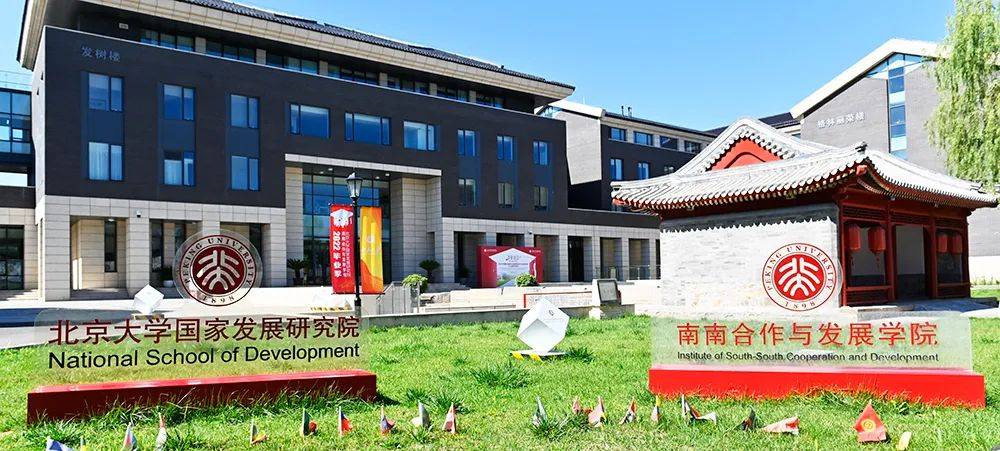
Group 1 - The core viewpoint of the articles highlights the transformation of Gansu's Jinchang City into a hub for high-value-added products through advanced processing of mineral resources and the recycling of hazardous waste, fostering new industrial clusters and strengthening the industrial economy [1][2][3] - Jinchang City has 164 industrial enterprises above designated size as of July this year, showcasing its industrial vitality and the emergence of high-value products with green circular production characteristics [1] - The production of high-purity cathode copper, which is crucial for electric wires, cables, and new energy batteries, is emphasized, with an annual output value exceeding 25 billion yuan [1] Group 2 - The introduction of downstream enterprises in the Yongchang Industrial Park has enabled the conversion of sulfuric acid, a byproduct of copper smelting, into production materials, forming a circular chemical industry and resource utilization cluster [2] - Jinchang City has developed over 60 types of chemical products, with an annual production capacity of 12 million tons, and 77% of the raw materials needed for new energy batteries can be produced locally [2] - Gansu Yelin Environmental Protection Technology Co., Ltd. is projected to achieve an output value of 3 billion yuan this year by recycling solid waste and producing various products for metallurgy, electronics, and new energy sectors [3]

最后一搏
Guotou Securities· 2025-10-12 13:32
Group 1 - The report indicates that the current market is experiencing a "strong fluctuation" state, with the A-share index having reached a psychological expectation of a liquidity bull market since late August [1] - The report emphasizes the need for a transition from a liquidity-driven bull market to a fundamental-driven bull market, suggesting that the market will gradually validate this process [1][4] - It highlights the potential for significant style shifts in Q4, advising investors to prepare for these changes based on historical trends [1] Group 2 - The report notes that the recent escalation in US-China trade tensions, particularly the announcement of a 100% tariff increase on Chinese goods, has led to market volatility, reminiscent of previous market downturns [2][28] - It observes that the current asset declines are less severe than those seen in April, indicating a desensitization to Trump's tariff policies and a greater market expectation for TACO trades [2][29] - The report suggests that the A-share and US stock markets are currently at relatively high valuation levels compared to April, which may limit upward movement despite the potential for a rebound [3][39] Group 3 - The report predicts that the ongoing US-China tariff conflict may represent a "final struggle" before reaching a phase of negotiation, with a high probability of both sides moving towards a compromise by year-end [4] - It identifies three key signals to monitor: the outcome of the APEC meeting, the US's potential interest rate cuts, and China's economic policies under the 14th Five-Year Plan [4] Group 4 - The report highlights that sectors such as semiconductors, rare earths, and military technology are expected to benefit from the current geopolitical tensions and price increase expectations [5] - It notes a shift in market dynamics, suggesting that low-positioned cyclical stocks and overseas expansion may become the focus for Q4, requiring ongoing assessment [5] Group 5 - The report discusses the inflow of southbound funds into the Hong Kong stock market, indicating a strong interest in technology and internet sectors, with significant net inflows observed [21][27] - It emphasizes that the current valuation levels of the Hang Seng Technology Index are lower compared to the A-share market, suggesting potential for relative outperformance [46][51] Group 6 - The report indicates that the earnings forecasts for the Hang Seng Technology Index and the Hang Seng Index have been revised upward, reflecting a positive outlook driven by several factors, including increased capital expenditure in technology firms [53][55] - It highlights that the overall improvement in profitability in the Hong Kong market is supported by strong demand in AI, semiconductor, and new consumption sectors [55][56]
今日视点:从资金持续流入A股看全球经济动能转换
Zheng Quan Ri Bao· 2025-10-10 22:35
■ 张 敏 数据显示,截至10月10日,沪深两市成交额连续第16个交易日突破2万亿元。截至10月10日,今年4月份 以来上证指数累计上涨超28%,吸引着全球资本的目光。 中国正加速成为全球创新高地。日前,世界知识产权组织(WIPO)发布的《2025年全球创新指数报 告》显示,中国创新指数排名跃升至全球第十位,首次跻身全球前十。自2013年以来,中国在该榜单上 的排名累计上升25位。中国在创新投入、产出方面的表现尤为突出:创新投入排名全球第十九位,较 2024年上升四位;创新产出2025年排名第五位,较2024年上升两位。两项指标"双提升",反映出我国创 新转化效率持续提高,创新生态系统日益完善。 A股市场的价值评判体系正在经历根本性转变——从过去偏重资产规模与当期盈利的传统标准,转向更 加注重研发投入、专利储备、技术壁垒的"新估值体系"。 数据显示,截至10月10日,A股电子板块上市公司总市值合计超过13万亿元,超越此前占据首位的银行 业。截至10月10日,A股市场超400家上市公司年内股价涨幅超过100%,主要集中在电子、生物医药等 领域,显示出资本市场对科技创新企业的高度青睐。 笔者认为,创新已成为驱动经 ...
从资金持续流入A股看全球经济动能转换
Zheng Quan Ri Bao· 2025-10-10 16:22
Group 1 - The Chinese stock market has seen significant foreign capital inflow, with $4.6 billion entering in September, marking the highest monthly inflow since November 2024 [1] - Year-to-date, passive foreign funds have cumulatively flowed into the Chinese stock market amounting to $18 billion, surpassing last year's total of $7 billion [1] - The Shanghai Composite Index has risen over 28% since April, attracting global investor attention [1] Group 2 - Continuous capital inflow into the Chinese market indicates a shift in global economic momentum, with technological innovation and industrial upgrading becoming core drivers of future development [2] - Strategic emerging industries such as artificial intelligence, biomedicine, and semiconductors are becoming new engines for economic growth, reshaping the competitive landscape [2] - Over ten A-share listed companies have projected net profit growth exceeding 100% for Q3 2025, benefiting from increased orders or product upgrades and overseas market expansion [2] Group 3 - China has accelerated its position as a global innovation hub, ranking 10th in the Global Innovation Index for 2025, a rise of 25 places since 2013 [3] - The country ranks 19th in innovation input and 5th in innovation output, reflecting improved innovation conversion efficiency and a more robust innovation ecosystem [3] - The A-share market is undergoing a fundamental shift in valuation criteria, moving from traditional metrics to a focus on R&D investment, patent reserves, and technological barriers [3] - The total market capitalization of A-share electronic sector companies has exceeded 13 trillion yuan, surpassing the banking sector [3] - Over 400 A-share companies have seen their stock prices rise over 100% this year, primarily in the electronic and biomedicine sectors, indicating strong market preference for tech innovation firms [3]
德州化工产业:老树发新枝,迈向“千亿集群”
Qi Lu Wan Bao Wang· 2025-10-10 14:08
Core Insights - The chemical industry in Dezhou is experiencing significant growth, with projected revenue of 84.548 billion yuan and profit of 6.962 billion yuan in 2024, accounting for a quarter of the city's manufacturing revenue and a third of its profits [1] - The industry is transitioning from scale expansion to quality enhancement, focusing on high-end, intelligent, green, and cluster development to achieve a "trillion cluster" goal [1][8] Industry Foundation - Dezhou's chemical industry consists of 183 large-scale enterprises, with nearly a thousand chemical products covering four major fields: petroleum, coal, salt, and fine chemicals [2] - The city has established five provincial chemical parks, covering an area of 31.5 square kilometers, with four parks recognized as pilot units for smart chemical parks [2] Innovation and Technology - Dezhou Shihua Chemical Co., Ltd. has achieved high-quality, large-scale production of food-grade liquid caustic soda, meeting stringent purity and impurity requirements [4] - Shandong Hualu Hengsheng Chemical Co., Ltd. has developed new processes for producing glycol and dicarboxylic acid, with a market share of 70% for dicarboxylic acid in China [5] - Hengyuan Carbon Materials Co., Ltd. produces needle coke, a key material for lithium-ion battery anodes, using patented technology to meet high-quality standards [6] Policy Support - Dezhou is implementing measures to support high-quality development in the chemical industry, including the construction of chemical parks and the cultivation of specialized enterprises [7] - The city has introduced 13 new chemical projects this year, with a total investment of 3.95 billion yuan, and has established an industrial innovation research institute in collaboration with universities [7] Transformation and Future Outlook - The transformation of Dezhou's chemical industry exemplifies the shift from scale advantages to value advantages, emphasizing innovation-driven growth and sustainable development [8]

全国60强城市GDP洗牌:成都逼近苏州,南京升至第10,烟台增速7.77%!
Sou Hu Cai Jing· 2025-10-08 19:57
Core Insights - In the first half of 2025, China's economy is demonstrating robust growth, with the GDP of the top 60 cities reaching 48 trillion yuan, reflecting a year-on-year growth rate of 5.8% [1][2] - Chengdu is rapidly closing the economic gap with Suzhou, with a current economic output of 12,108.21 billion yuan, just 894 billion yuan behind Suzhou's 13,002.35 billion yuan [1][3] - Nanjing has risen to the tenth position nationally, surpassing the 9,179 billion yuan mark, driven by strong technological innovation [1][14] Economic Trends - The "head tier" cities like Shanghai, Beijing, and Shenzhen remain stable, but emerging cities like Chengdu and Hangzhou are growing faster, indicating potential shifts in future rankings [2][17] - There is a notable "growth divergence" among cities, with 24 cities exceeding the national average growth rate, particularly Xi'an (11.21%), Wenzhou (12.42%), and Shenyang (10.76%) [2][16] - The competition among cities is intensifying, especially within the 5th to 15th ranks, where economic output differences are less than 100 billion yuan, making small changes in industrial layout impactful [2][17] Chengdu's Growth - Chengdu's economic growth is attributed to diversified industrial development and strong innovation, with the high-tech industry seeing a 15% increase in added value [3][5] - The opening of the Chengdu-Chongqing high-speed railway has significantly reduced commuting time, enhancing economic interactions between the two cities [5][16] - The electronic information industry in Chengdu has surpassed one trillion yuan, while the aerospace sector is also expanding rapidly [3][5] Nanjing's Advancement - Nanjing's rise is fueled by its strong technological capabilities, with TSMC's wafer factory producing 500 12-inch wafers per minute and significant advancements in biomedicine [14][16] - The city's transportation infrastructure is improving, with container throughput at Nanjing Port exceeding 3 million TEUs, enhancing its regional influence [14][16] Yantai's Transformation - Yantai leads Shandong with a 7.77% growth rate, driven by the "new and old kinetic energy conversion" strategy, particularly in the chemical and equipment manufacturing sectors [16][17] - The city's marine economy is also thriving, with significant advancements in deep-sea drilling and high-end seafood processing [16][17] Other Notable Cities - Cities like Xi'an, Wenzhou, and Shenyang are showcasing strong growth through their unique industrial strengths, emphasizing the importance of aligning with suitable development paths [16][17]
上海杨浦加快新旧动能转换 这里的数字经济企业为何链式集聚
Sou Hu Cai Jing· 2025-10-07 06:08
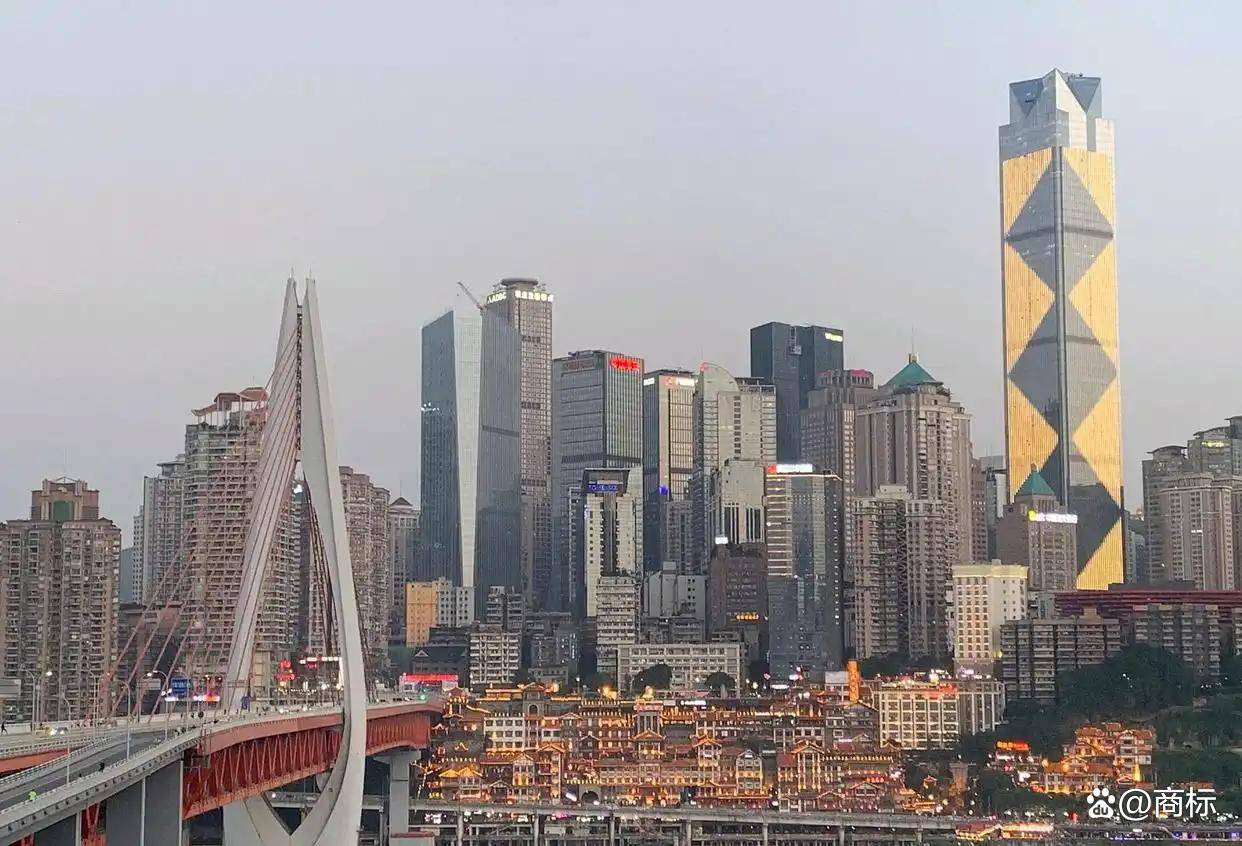
Group 1 - The "Shanghai Nine Measures" was introduced to support high-quality internet content creation, focusing on funding incentives, talent policies, and scene construction, with a goal to establish influential content creation hubs in Huangpu and Yangpu districts [2] - The "V Gathering Place" in Yangpu district, which began operations shortly after the "Shanghai Nine Measures," has attracted 13 major content studios and 8 MCN organizations, with over 300 interested companies expressing intent to join [2] - Yangpu district has seen a transformation from industrial to innovative development, with software and information services projected to generate over 320 billion yuan in revenue by 2024, accounting for one-fifth of the city's total [3] Group 2 - The operational strategy of "V Gathering Place" aims to attract digital-related enterprises to foster development and innovation in high-quality content creation, integrating resources from policies, universities, and large companies [4] - Content creators at "V Gathering Place" benefit from various supports, including rent reductions, shared spaces, and professional facilities, enhancing collaboration and creativity among local influencers [4] - Yangpu district has established a modern industrial system centered on digital economy, with significant growth in online new economy, intelligent manufacturing, and creative design sectors, supported by a favorable business environment [6]