贸易保护主义

Search documents
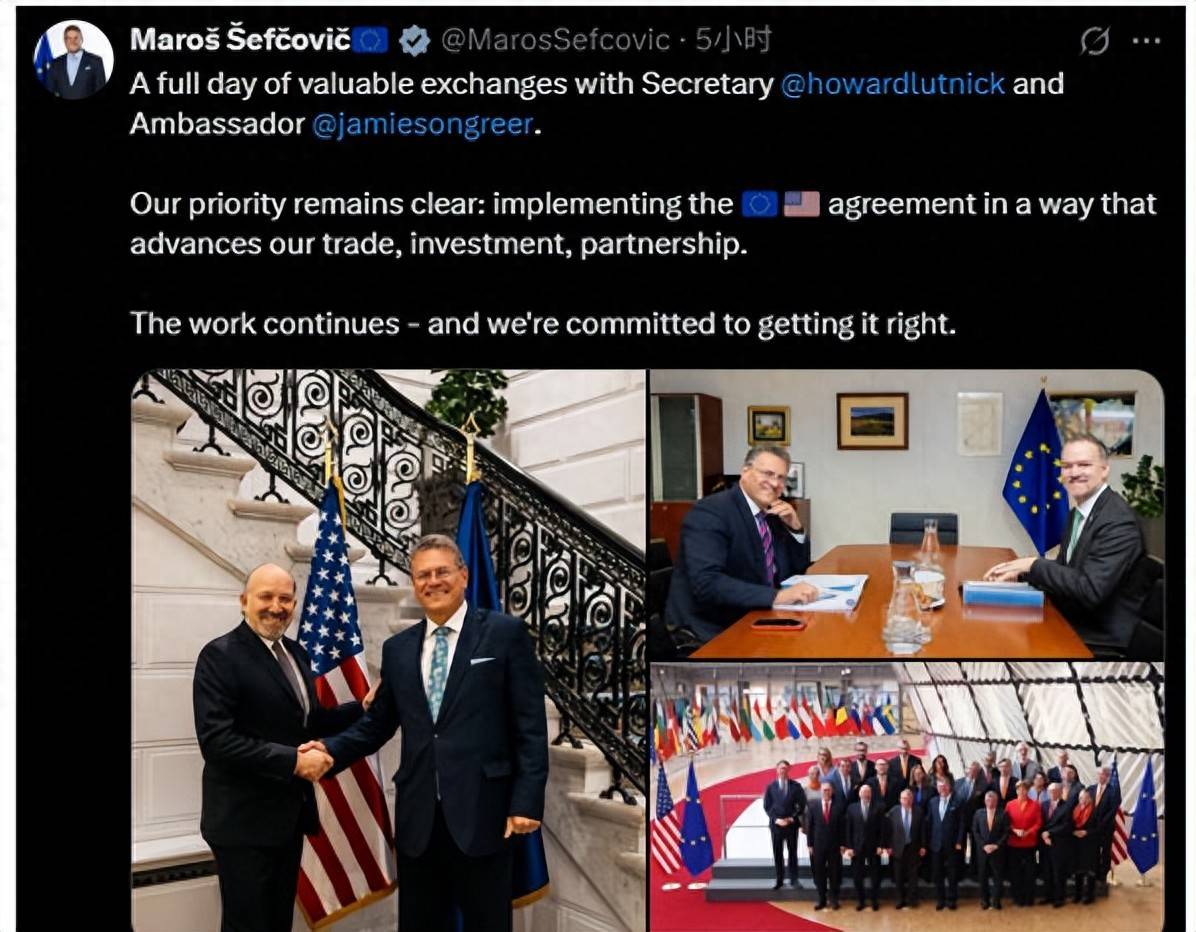
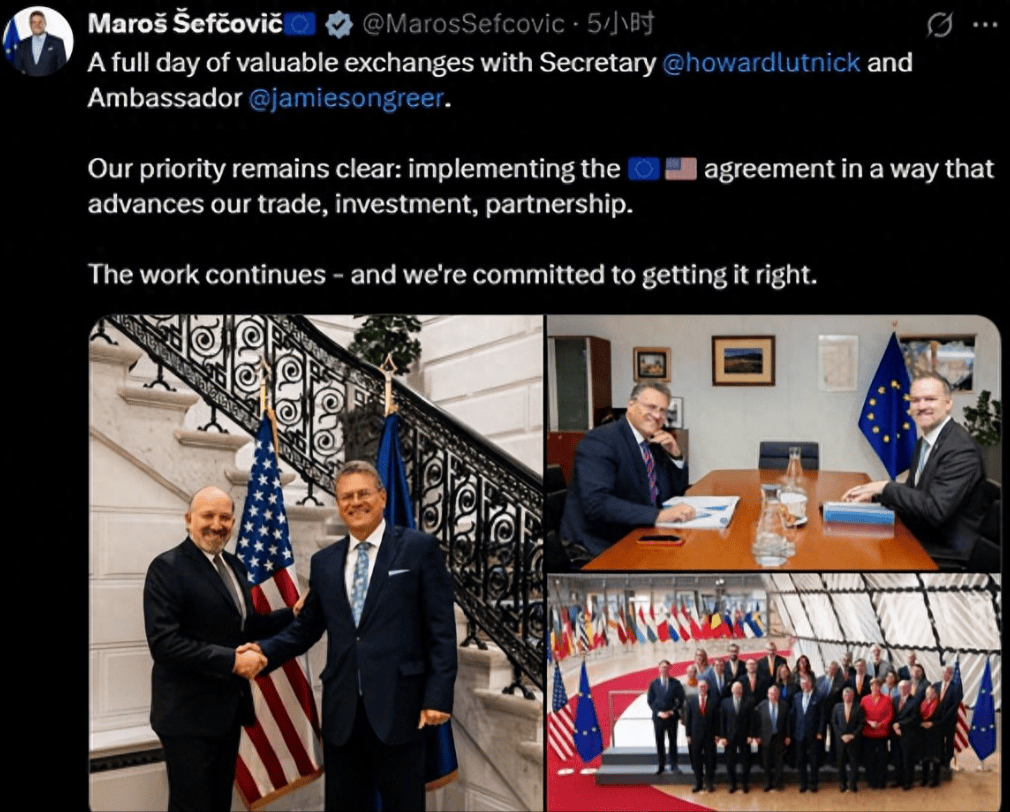
为让美国放一马,欧盟提议联合抗中,遭美拒绝:联合可以,税照加
Sou Hu Cai Jing· 2025-11-27 09:40
Core Points - The EU is seeking to negotiate with the US to lift the 50% tariffs on steel products in exchange for a united front against China, but the US has firmly rejected this proposal [1][4][5] - The EU's steel industry is significantly impacted by these tariffs, as countries like Germany, France, and Italy rely heavily on steel exports to the US [1][4] - The US is leveraging the steel tariffs to pressure the EU into making concessions in other areas, such as digital tax regulations, which the EU has implemented to protect its own market from US tech giants [4][5] Summary by Sections EU's Position - The EU believes that aligning with the US on China-related issues could improve relations and create conditions for tariff reductions [4] - The EU's proposal for a united front against China was met with a refusal from the US, which indicated that no concessions would be made regarding steel and aluminum tariffs [4][5] US's Strategy - The US is using the steel tariffs as a tool to compel the EU to compromise on digital tax and other trade issues, highlighting an imbalance in the US-EU relationship [5][7] - The US's insistence on maintaining tariffs while seeking cooperation on China reflects a strategy to protect its own economic interests and maintain global dominance [5][7] Implications for Global Trade - The ongoing trade tensions and the US's protectionist measures pose significant risks to global supply chains and economic stability [7] - The situation illustrates the complexities of international relations, where alliances may be tested by competing national interests, as seen in the EU's struggle to gain concessions from the US [7]

稀土还未解决,另一条命脉也被中方掐住,为摆脱对华制药原材料依赖,美国要拉上印度
Sou Hu Cai Jing· 2025-11-27 03:49
Core Insights - The trade war between the US and China has extended into a "shadow war" over pharmaceutical supply chains, which are crucial for national health and strategic leverage [1] - China holds a 45% market share in drug component registrations, significantly surpassing India's 19%, indicating a shift from "follow-on innovation" to "original innovation" in its pharmaceutical industry [1][3] - The US is heavily reliant on China for nearly 700 key drug components, with China being the sole supplier for many, raising concerns about healthcare security in the US [3] Industry Dynamics - The US faces a dilemma as its dependence on Chinese pharmaceuticals increases, with political figures warning that medical safety has become a component of national security [3] - Historical tariffs imposed by the US, such as a 145% tariff on Chinese medical devices, have raised healthcare costs domestically, complicating the narrative of bringing production back to the US [3] - The ongoing trade conflict has led to a precarious situation for the US, as it struggles to regain dominance in the pharmaceutical sector [3][6] Supply Chain Challenges - The potential for China to impose restrictions on rare earth exports could severely impact US manufacturing, highlighting the interconnectedness of the two nations' supply chains [6] - The idea of decoupling from China is viewed as unrealistic, as alternative solutions, such as partnerships with India, do not fundamentally resolve the reliance on Chinese resources [6] - China's approach to pharmaceuticals reflects a sense of responsibility, emphasizing that health should not be a geopolitical tool, and it has shown a commitment to maintaining supply chain stability [6] Future Outlook - The global pharmaceutical landscape is expected to undergo unprecedented changes, with the pain of transition likely to be felt over an extended period [8] - The competition between the US and China in the pharmaceutical supply chain is not merely an economic battle but encompasses technological innovation, national strategy, and human welfare [9] - The ongoing struggle for healthcare security will intensify, with the ultimate beneficiaries likely to be those nations prioritizing the health and well-being of their populations [9]
为了让美国放过自己,欧盟提议联合抗中,遭美方拒绝:联合可以,税坚决不能减
Sou Hu Cai Jing· 2025-11-26 17:42
Core Viewpoint - The recent US-EU trade negotiations highlight the complexities and strategic maneuvering in international trade, particularly in the context of US-China relations, with the EU attempting to leverage cooperation against China to negotiate tariff reductions on steel products, but facing firm resistance from the US [1][4]. Group 1: Trade Negotiations - The EU's trade commissioner proposed a joint approach to counter China in exchange for the US lifting high tariffs on 50% of EU steel products, but the US firmly rejected this offer [1]. - The US has expanded its list of steel products subject to high tariffs, citing the need to curb Chinese steel transshipment, despite the fact that only 3.2% of EU steel exports to the US are involved in such trade [4]. - The US's steel imports from Mexico surged by 27% during the same period, indicating a potential circumvention of tariffs through third countries [4]. Group 2: EU's Position and Strategy - The EU's attempt to use the "China card" to gain concessions from the US is seen as a significant miscalculation, as the US instead pushed for the EU to relax its digital tax regulations [4][6]. - The EU's low-profile approach in negotiations, hoping to gain favor with the US, has resulted in a lack of tangible benefits, raising questions about its diplomatic strategy [6][8]. - French President Macron's call for Europe to take on more responsibility, such as military support for Ukraine, was met with a lackluster response from the US, highlighting the EU's diminished influence in international affairs [6]. Group 3: Future Considerations - The EU needs to reassess its foreign policy, particularly towards the US, to protect its fundamental interests and establish a firmer stance in international trade [9]. - Strengthening cooperation with other countries is essential for the EU to enhance its bargaining power on the global stage [9]. - A clear strategic vision and unwavering execution will be crucial for the EU to regain its standing in international relations [9].
我国军事家曾预言,如果特朗普能任2届,美国就会从老大变成老二
Sou Hu Cai Jing· 2025-11-26 12:34
Group 1 - The prediction made by Zhang Zhaojun in 2016 about Trump potentially being the first president to lower the US economy from the top position is being validated by recent statements from former officials [1][3] - Trump's policies, particularly the "reciprocal tariff" policy, have led to increased costs for American consumers and businesses, affecting the overall economy [6][10] - The depreciation of the US dollar by over 11% since Trump's presidency has diminished its status as a safe-haven currency, impacting economic stability [8] Group 2 - The US economy's issues were already present before Trump, but his administration acted as an accelerator for these problems, with national debt surpassing $38 trillion by 2025 [16][18] - The trend of "deindustrialization" in the US has been ongoing for decades, with significant shifts in manufacturing jobs and economic structure [19][23] - Trump's trade protectionism has become a systemic risk, adversely affecting domestic consumption and production, contributing to economic decline [25] Group 3 - China's economic rise is characterized by sustained growth in manufacturing, with the country holding the top position globally for 15 consecutive years [27] - Significant investments in research and development have allowed China to break through technological barriers in critical sectors [29] - China's comprehensive industrial chain and infrastructure development have enhanced its economic efficiency and resilience against external pressures [31][33] Group 4 - China's approach to open cooperation and resource integration contrasts with the protectionist policies of other nations, showcasing a forward-looking strategy [35] - The economic surpassing of China over the US is seen as an inevitable outcome of current global trends towards multipolarity [37]
访华前夕,德国副总理口出狂言:不要中国垃圾,谁给他的底气
Sou Hu Cai Jing· 2025-11-26 04:39
Group 1 - The German Vice Chancellor's statement about not wanting "Chinese garbage" reflects a significant shift in Germany's policy towards China, indicating a move towards protectionism and a focus on reducing dependency on Chinese goods [1][9][14] - The EU's decision to impose taxes on small packages, particularly those valued under 150 euros, is aimed at curbing the competitive advantage of Chinese e-commerce platforms like Temu, Shein, and AliExpress, which have benefited from previous tax exemptions [3][5][6] - The timing of the policy change, pushed forward to early 2025, suggests a coordinated effort by Germany and France to address domestic economic pressures by targeting Chinese imports [6][14] Group 2 - The new tax policy is expected to disrupt the existing trade chain, with estimates indicating billions of small packages shipped from China to Europe annually, potentially leading to increased prices for European consumers [6][11] - While local European businesses may initially benefit from reduced competition, the long-term effects could hinder innovation and quality improvements, as reliance on protectionist measures may lead to complacency [11][14] - Chinese e-commerce companies are adapting by expanding into new markets beyond Europe, enhancing their global presence and product quality, which may mitigate the impact of the EU's protectionist measures [13][14] Group 3 - The EU's approach contradicts its self-proclaimed stance as a proponent of free trade, raising questions about its credibility in international trade discussions [13][14] - The political rhetoric surrounding the new policies serves as a distraction from Germany's internal economic challenges, including inflation and manufacturing struggles, as politicians seek scapegoats for domestic issues [8][14] - The overall shift in Germany's approach to China represents a broader trend of viewing China as a competitor rather than a partner, which could have lasting implications for bilateral relations and global trade dynamics [9][14]
特朗普发现世纪漏洞,只要不招惹中国,其他国家都不是美国的对手
Sou Hu Cai Jing· 2025-11-25 06:14
Group 1 - The core strategy of the Trump administration shifted from targeting China with tariffs to focusing on allies and other economies after realizing the ineffectiveness of pressure tactics against China [1][2] - The U.S. imposed tariffs on allies like Japan, South Korea, and the EU, leading to significant concessions, including Japan's agreement to invest $550 billion in U.S. infrastructure and accept a 15% tariff rate [4][5] - The response from countries like Vietnam and Cambodia highlighted their economic dependence on the U.S. market, leading them to agree to trade concessions to avoid punitive tariffs [3][7] Group 2 - The success of the U.S. strategy in extracting investments and orders from allies raised concerns about the trust crisis in U.S. alliances, as allies felt vulnerable to U.S. economic coercion [9][10] - The approach accelerated the process of de-dollarization globally, as countries began to recognize the risks of over-reliance on the U.S. dollar system [12] - The unpredictable trade policies of the Trump administration risked destabilizing global supply chains, prompting multinational companies to develop contingency plans to mitigate political risks [14]
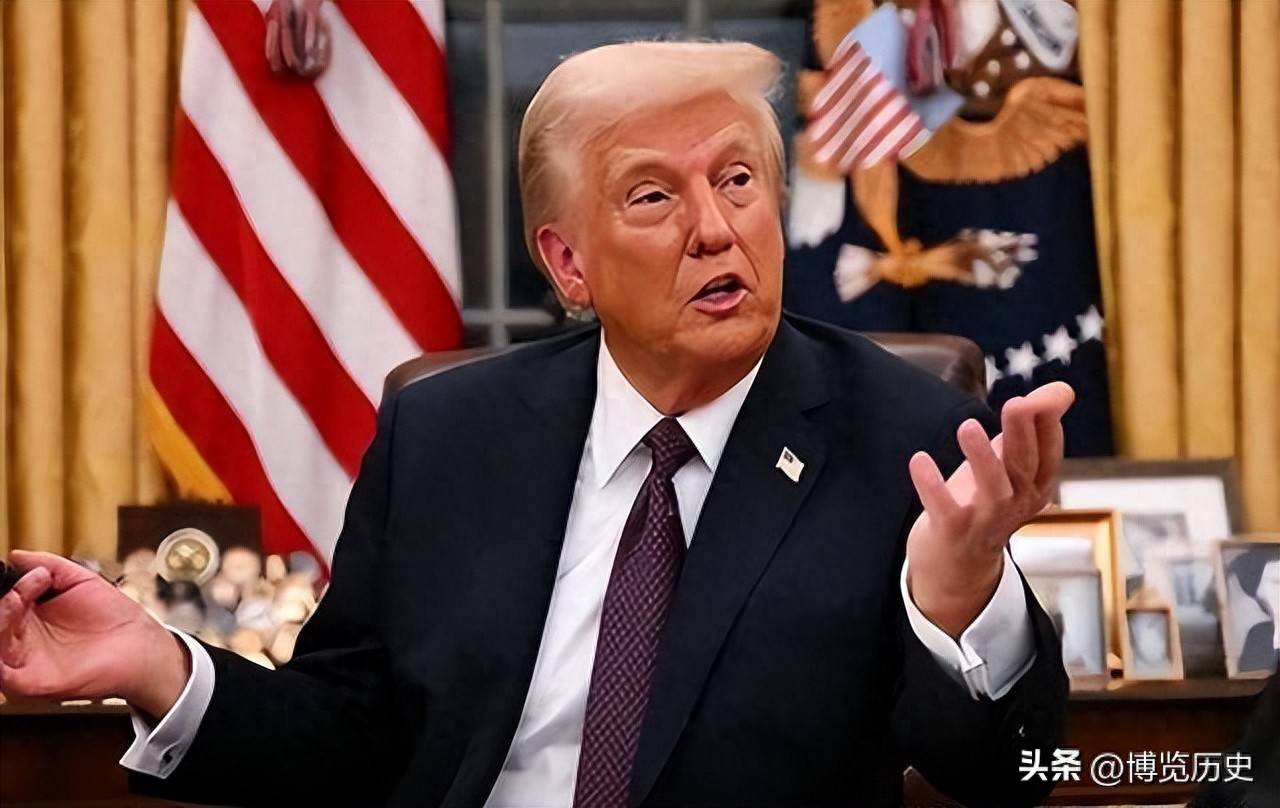
国内巨胎行业龙头,“紫金矿业”小伙伴今日上市
2 1 Shi Ji Jing Ji Bao Dao· 2025-11-24 23:09
Core Viewpoint - Haian Group (001233.SZ) has successfully listed on the Shenzhen Main Board, focusing on the research, production, and sales of giant all-steel engineering radial tires and mining tire operation management, positioning itself as a key player in the domestic and global tire manufacturing industry [1][5]. Company Overview - Haian Group is recognized as a national high-tech enterprise and has received accolades such as the "National Specialized and Innovative 'Little Giant' Enterprise" in 2021 and "Service-oriented Manufacturing Demonstration Enterprise" in 2018 [1]. - The company specializes in giant engineering tires, which are defined as tires with a rim diameter of 49 inches or more, primarily used in large mining dump trucks and loaders [5]. Market Position - Haian Group ranks first in domestic production and fourth globally in the giant tire market, benefiting from a significant market share despite the dominance of international brands [6]. - The global market for all-steel giant tires has seen growth from 167,000 units in 2017 to 215,000 units in 2022, with a compound annual growth rate of 5.18% [5]. Financial Metrics - The IPO price was set at 48.00 CNY per share, with an institutional offering price of 48.93 CNY, and a price-to-earnings ratio of 13.94 compared to the industry average of 26.38 [2]. - The company reported a performance increase of 400% [2]. Production and Expansion Plans - The company has outlined several key projects, including: - Expansion of all-steel giant engineering radial tire production with an investment of 19.45 million CNY (65.90% of total investment) - Automation upgrades for production lines at 3.71 million CNY (12.56%) - Construction of a research and development center at 2.86 million CNY (9.69%) - Supplementing working capital at 3.50 million CNY (11.86%) [4]. Global Sales and Clientele - Haian Group has established a strong global presence, with over 75% of its revenue coming from international sales, including significant sales in the Russian market following the exit of major competitors [6]. - The company serves notable clients such as Zijin Mining, XCMG, and Ural Mining and Metallurgical Company [6]. Industry Challenges - The company faces potential risks from international trade tensions and geopolitical conflicts, which could significantly impact its profit margins [7].

释放关系回暖信号,印加重启关键贸易协定谈判
Huan Qiu Shi Bao· 2025-11-24 22:57
Core Points - India and Canada have agreed to resume trade agreement negotiations, marking a thaw in bilateral relations after a diplomatic dispute [1][2] - The goal is to double bilateral trade to $50 billion by 2030, with both leaders emphasizing the potential economic opportunities [1][2] - The negotiations will cover various sectors including goods, services, investment, agriculture, digital trade, labor mobility, and sustainable development [2][3] Group 1: Trade Agreement Resumption - The trade agreement negotiations had been stalled for nearly 15 years due to a diplomatic crisis following the assassination of a Sikh leader [1][2] - Canadian Prime Minister Carney highlighted that India is a reliable trade partner, despite some existing friction points [1][2] - The resumption of talks is seen as a way to rebuild trust and inject confidence into investors and businesses from both countries [2][3] Group 2: Economic Context - The bilateral trade volume is projected to reach approximately CAD 31 billion in 2024, with India currently being Canada's seventh-largest trading partner [3] - The Canadian government is actively seeking to diversify its trade relationships in response to U.S. protectionist policies [4][5] - The shift in Canada’s trade strategy is partly influenced by the trade war initiated by former U.S. President Trump, prompting Canada to strengthen ties with countries like India [4][5]
新能源汽车周度报告:乘联会预期11月乘用车零售下降8.7% 新能源渗透率60%
Xin Lang Cai Jing· 2025-11-24 08:23
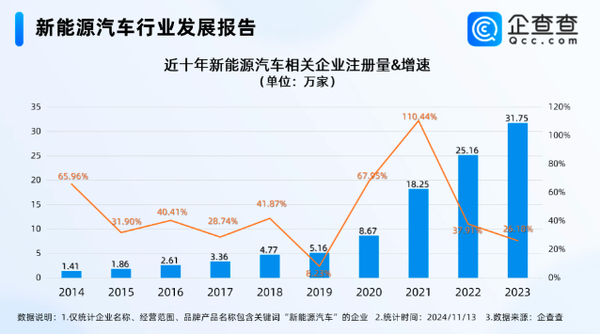
Group 1: Domestic Market Insights - In the first half of November (1-16), retail sales of passenger cars in China decreased by 14% year-on-year, while retail sales of new energy vehicles (NEVs) increased by 2% year-on-year, with a penetration rate of 62.5% [1] - For the year-to-date, cumulative retail sales of passenger cars and NEVs increased by 7% and 21% year-on-year, respectively [1] - The China Passenger Car Association (CPCA) forecasts that November's narrow passenger car retail sales will reach 2.25 million units, reflecting a decline of 8.7%, while NEV sales are expected to be 1.35 million units, with a growth rate of 6.5% and a penetration rate of approximately 60% [1] Group 2: Overseas Market Trends - In October, U.S. NEV sales totaled 94,000 units, marking a year-on-year decline of 32.4% and a month-on-month decline of 50.9%, with cumulative sales from January to October reaching 1.425 million units, up 9.1% year-on-year [1] - The penetration rate of NEVs in the U.S. dropped sharply from 15% in September to 7% in October, influenced by the expiration of the federal electric vehicle tax credit on September 30 [1] - The market is expected to continue experiencing a decline in cumulative growth rates, approaching 0%, due to strong performance in the fourth quarter of the previous year impacting this year's growth [1] Group 3: Malaysia's Electric Vehicle Initiatives - Malaysia plans to introduce a mandatory list and localization incentives to promote the electric vehicle industry, including revisions to the existing import tax exemption policy for complete built-up (CBU) electric vehicles, which is expected to increase prices by 30-100% [2] - Tax incentives for locally assembled (CKD) electric vehicles will be extended until 2027, encouraging local assembly and parts production [2] - Most local brands, including Proton and Perodua, have achieved localized production, while foreign manufacturers like BYD and Xpeng plan to start local assembly in the second half of 2026 [2] Group 4: Investment Recommendations - The penetration rate of new energy vehicles in China is expected to exceed 30% in 2023 and 50% for the first time in 2024, entering a highly competitive phase with new products continuously being launched [4] - The overseas market faces risks from severe trade protectionism in Europe and the U.S., prompting a focus on new growth points in Belt and Road countries and the Middle East [4] - The competitive landscape shows that domestic brands are expanding their market share, with a focus on companies that have strong product capabilities, successful international expansion, and stable supply chains [4]
罕见改口?特朗普终于承认,美国人正在为关税而付出代价
Sou Hu Cai Jing· 2025-11-23 08:27
不过,特朗普依然坚持认为这项政策对美国有利,甚至声称通过关税避免了多场战争。与此同时,许多 民主党控制的州以及私营企业已经提起诉讼,反对特朗普的关税政策。最高法院预计将在年底做出裁 决,能否推翻关税政策将取决于特朗普任命的几位保守派法官的立场。 11月6日,美国最高法院举行了一场特别的听证会,重点讨论特朗普政府的全面关税政策。无论是保守 派还是自由派的法官,都毫不留情地对关税的合法性提出了严厉质疑。值得注意的是,欧盟本应因关税 取消而感到高兴,但他们却没有表现出任何欣喜,反而一副愁容满面。 特朗普的关税征收依据是1977年出台的《国际紧急经济权力法》。这部法律最初是为了应对进口问题, 但并没有提及可以用来征收关税。首席大法官约翰·罗伯茨直接提出了关键问题:关税本质上是税收, 而税收一直是国会的专属权力,特朗普怎么能通过外交权力绕过国会进行征税呢? 特朗普一度坚称,关税实际上是外国给美国政府交的钱,本想用这个说法来为自己辩护,然而却发现经 济学家们并不买账。美国消费者在实际生活中感受到了物价上涨,这些额外的成本正是关税的转嫁。最 终,特朗普在11月7日的椭圆形办公室中承认,民众确实为此付出了代价。 这一逻辑其实 ...