
产能过剩

Search documents
打击0公里二手车,曝工信部拟推行“新车登记后6个月内禁止转二手”
猿大侠· 2025-07-21 05:05
Core Viewpoint - The emergence of "zero-kilometer used cars" has raised significant concerns in the automotive industry, highlighting issues of regulatory loopholes and potential risks for consumers [1][2]. Group 1: Industry Insights - The term "zero-kilometer used cars" has been criticized by industry leaders, with the chairman of Great Wall Motors labeling it a "cancer" in the industry [1]. - Data from the China Automobile Circulation Association indicates that in 2024, vehicles with a registration date of less than or equal to 3 months and mileage of less than or equal to 50 kilometers account for 12.7% of the used car market, with over 60% being new energy vehicles [1]. - Some car dealers exploit regulatory ambiguities by exporting newly registered cars as used cars, circumventing import/export controls and high tariffs [1]. Group 2: Consumer Risks - Consumers may perceive "zero-kilometer used cars" as a bargain, but these vehicles often lack comprehensive warranties for critical components, leading to potential high repair costs if issues arise [2][3]. - Regulatory bodies are responding to the proliferation of "zero-kilometer used cars" by implementing measures such as enhancing oversight, establishing credit evaluation systems, and proposing policies to prevent the transfer of new cars to used car status within six months of registration [3].

工银新材料新能源股票:2025年第二季度利润1449.33万元 净值增长率1.35%
Sou Hu Cai Jing· 2025-07-21 04:33
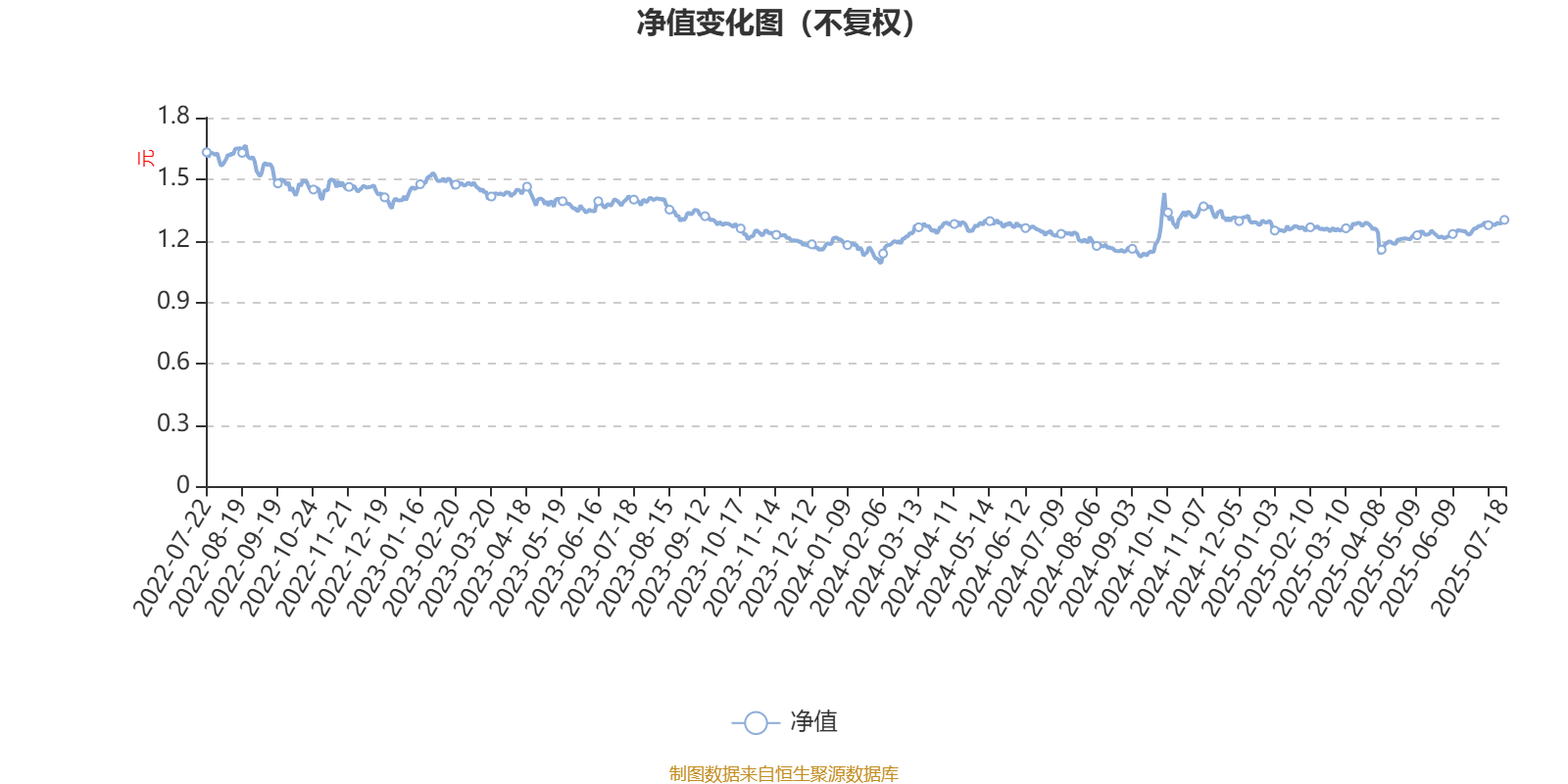
Core Viewpoint - The AI Fund ICBC New Materials New Energy Stock (001158) reported a profit of 14.49 million yuan for Q2 2025, with a weighted average profit per fund share of 0.0152 yuan, and a net asset value growth rate of 1.35% during the reporting period [3]. Fund Performance - As of July 18, the fund's unit net value was 1.301 yuan, with a fund size of 1.186 billion yuan [3][14]. - The fund's performance over various time frames includes a 9.79% growth rate over the last three months, 3.17% over the last six months, 4.92% over the last year, and a -22.24% decline over the last three years [4]. - The fund's Sharpe ratio over the last three years is -0.1904, ranking 51 out of 60 comparable funds [8]. - The maximum drawdown over the last three years is 34.85%, with the largest single-quarter drawdown occurring in Q1 2021 at 25.09% [10]. Investment Strategy - The fund has maintained an average stock position of 87.02% over the last three years, compared to a peer average of 88.8% [13]. - The fund's top ten holdings as of Q2 2025 include Zijin Mining, CATL, Guodian NARI, New Hope Liuhe, New Chemical Materials, Jerry Holdings, Oriental Cable, China Petroleum, New Harmony, and Huatong Cable, indicating a high concentration in specific stocks [18]. Economic Context - The fund management noted that the domestic economy remains resilient and relatively stable, although the chemical industry is still sluggish due to overcapacity affecting the pricing of black commodities [3].
【真灼财经】特朗普准备未来两周推进新一轮行业关税;美通胀预期显著回落
Sou Hu Cai Jing· 2025-07-21 04:12
– 欧盟各国代表最快本周开会,制定在贸易谈判失败的情况下对美反制方案。美国据悉要求对几乎所有欧盟商品征收10%以上的统一关税,仅对航空等少数 产品给予豁免。 国际新闻 – 特朗普政府据悉将在未来两周推进特定行业关税计划,准备依次宣布对铜、木材、芯片、关键矿产和药品的关税安排。 | 12 7 0 | 4 1.28096 | 0.28078 4 | 0 11 6 | | | | | | | | | | | | | | | --- | --- | --- | --- | --- | --- | --- | --- | --- | --- | --- | --- | --- | --- | --- | --- | --- | | 0 | . | | | | | | | | | | | | | | | | | HOSE | Profit | Commissions Page | BARROO DESECRETE | SHAR | Tomore There | 80 | -56.70 | | | | | | | | | | | DOW | -567.0 | -0.51 | 0.00 | 274,06 | 0 | 309. ...
财说丨上市以来半年报首亏,晨光新材的“硅烷寒冬”有多冷?
Xin Lang Cai Jing· 2025-07-20 23:10
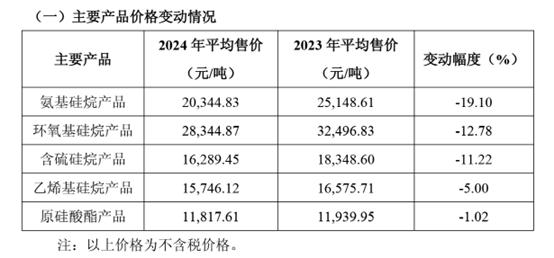
Core Viewpoint - Morning Light New Materials (605399.SH) has issued a profit warning, predicting a net loss of 3.5 to 5.1 million yuan for the first half of 2025, marking a year-on-year decline of 108.35% to 112.16% [1][2]. Group 1: Financial Performance - The company's non-recurring net profit is expected to decline sharply by 228.87% to 273.31%, with losses projected between 29 to 39 million yuan, reaching a new low since its listing [1][2]. - Morning Light's stock price peaked at 18.44 yuan per share on the announcement day, following three consecutive days of trading at the upper limit [2]. - The gross profit margin has plummeted from a high of 42.56% in 2021 to 14.84% in 2024, with a net profit margin turning negative at -2.04% in the first quarter of 2025 [10][15]. Group 2: Industry Context - The functional silane industry is facing an oversupply crisis, with production capacity expected to reach 70.25 million tons in 2024, while demand is only projected at 27.25 million tons, indicating a significant supply-demand imbalance [3][4]. - The average selling prices of key products are declining, with amino silane prices dropping by 19.1% from 25,148.61 yuan/ton in 2023 to 20,344.83 yuan/ton in 2024 [6][7]. - The overall market size for the functional silane industry is only 5.773 billion yuan, slightly above Morning Light's market capitalization [5]. Group 3: Operational Challenges - The company is experiencing increased construction costs and a decline in product prices due to oversupply, which has led to a significant drop in profitability [2][13]. - Morning Light's debt levels have surged, with the debt-to-asset ratio rising from 10.36% in 2022 to 33.75% in the first quarter of 2025 [15]. - Cash flow from operating activities has drastically decreased, with a projected cash flow of 40.36 million yuan in 2024, down 80% year-on-year, and a net outflow of 16.36 million yuan in the first quarter of 2025 [18]. Group 4: Future Outlook - Despite the challenging market conditions, the company is continuing to expand its production capacity, which may further strain its financial resources [14][19]. - The risk of inventory devaluation is significant, with a reported inventory balance of 210 million yuan as of the end of 2024, representing 13% of current assets [18]. - Analysts suggest that the ongoing price wars and increased competition from larger firms may further exacerbate the company's financial difficulties [9][19].

斗不赢特朗普,加拿大调转枪口,逼中国付出代价,中方没有退路
Sou Hu Cai Jing· 2025-07-19 03:37
Core Viewpoint - The article discusses the impact of the Trump administration's tariff policies on Canada and its subsequent shift in focus towards China, highlighting the complexities and contradictions in Canada's trade policies and its reliance on the U.S. market [1][5][7]. Group 1: Tariff Policies and Economic Impact - The Trump administration imposed a 50% tariff on steel and aluminum imports, significantly affecting Canada as the largest importer of these materials from the U.S. [1] - In 2022, nearly half of Canada's steel imports came from the U.S., while 91% of its steel exports were sent to the U.S., indicating a high dependency on the American market [1][3]. - Canada is preparing to impose a 35% tariff on U.S. imports after August 1, reflecting its struggle to negotiate the removal of tariffs with the U.S. [1][3]. Group 2: Canada's Response to China - The Canadian government, led by Carney, plans to impose a 50% tariff on steel exports from countries without a free trade agreement with Canada, including China, if their export levels exceed 2024 figures [3]. - Additionally, a 25% tariff will be applied to all steel products from countries outside the U.S., including China, due to concerns over potential surges in cheap steel imports [3]. - Carney's rationale for these tariffs is based on fears of Chinese steel flooding the Canadian market due to U.S. tariffs, although this reasoning has been criticized as a misrepresentation of the "overcapacity" narrative [3][5]. Group 3: Contradictions in Trade Policy - Canada's trade policy appears contradictory, as it criticizes "Chinese manufacturing" while benefiting from trade with China, such as in the case of a British Columbia ferry company purchasing vessels from Chinese manufacturers [5][7]. - The Canadian government faces internal conflicts regarding support for domestic industries versus engaging in trade with China, highlighting the complexities of its trade relationships [5][7]. - The article emphasizes that Canada should reconsider its reliance on the U.S. and seek diversified partnerships rather than escalating tensions with China [5][8].
不出意外!2025年下半年,房子、车子、票子或将迎来这些重大改变
Sou Hu Cai Jing· 2025-07-19 00:40
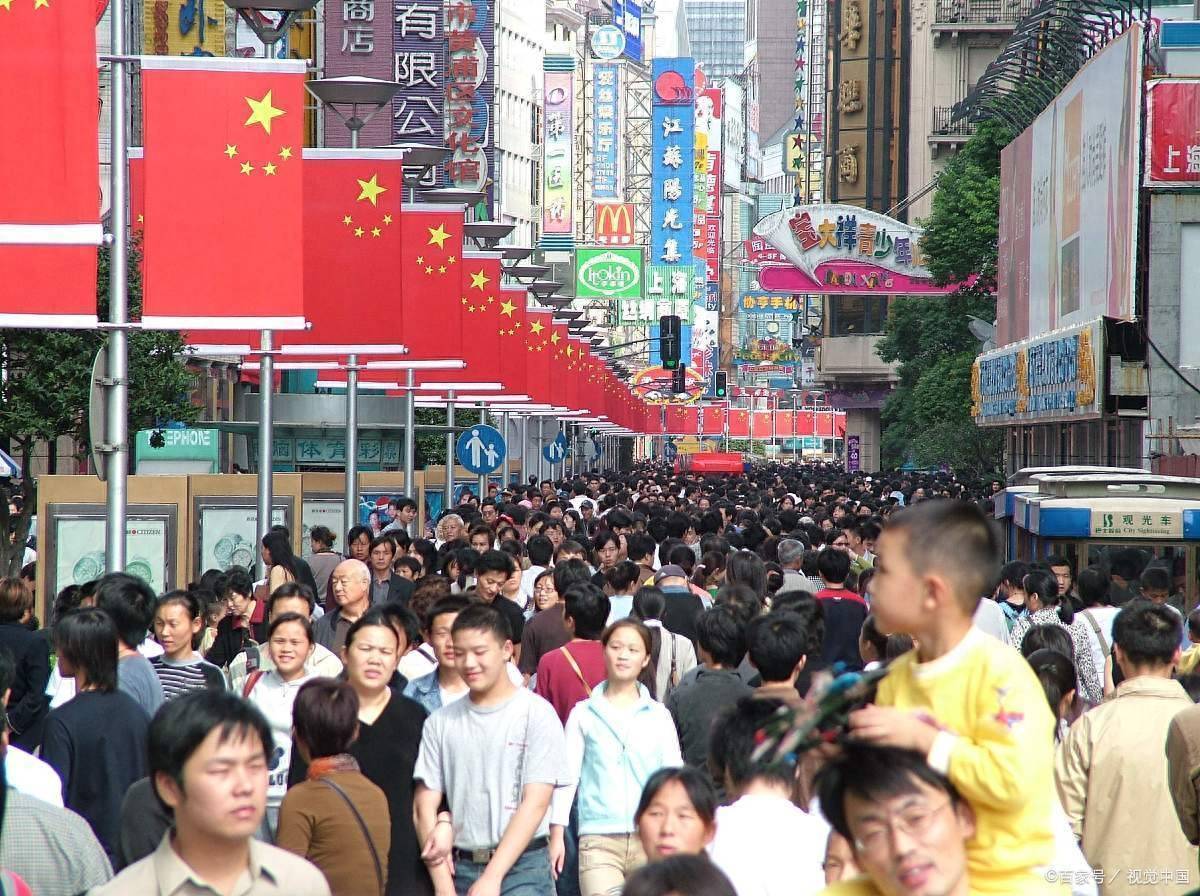
Economic Overview - In the first half of 2025, China's GDP grew by 5.3% year-on-year, surpassing major global economies [1] - The average wage income for residents reached 12,628 yuan, an increase of 5.7% [1] - The Consumer Price Index (CPI) showed a slight decline of 0.1%, indicating stable price levels [1] Real Estate Market - The real estate market continues to experience a downward trend, with average second-hand housing prices in 100 cities dropping by 3.60% [5] - Major cities, including first-tier cities like Shanghai and Shenzhen, are also seeing significant price declines [5] - There is a growing demand for the cancellation of pre-sale housing, with a shift towards selling completed properties expected in the second half of 2025 [5][7] Automotive Industry - A price war has emerged in the automotive sector, with brands like Honda and Chevrolet reducing prices by over 60,000 yuan on certain models [9] - Domestic brands such as Geely and BYD are also participating in price reductions, with some models seeing price drops from 220,000 yuan to 180,000 yuan [9] - Factors contributing to the price decline include market oversupply due to the influx of electric vehicles and increased competition from tech companies entering the automotive market [9] Consumer Behavior and Economic Conditions - The overall trend indicates a stable yet declining price environment, suggesting that money is becoming more valuable [10] - However, this also points to a deflationary cycle, leading to decreased consumer demand and challenges for businesses in terms of cash flow and hiring [10]
TCL中环上半年预亏40-45亿元 需求降温、产能供需失衡致产品价格下跌及存货减值
Xin Lang Zheng Quan· 2025-07-18 07:27
Core Viewpoint - The photovoltaic industry is still facing challenges, with TCL Zhonghuan, once a global leader in silicon wafers, experiencing significant losses, projecting a loss of 4 to 4.5 billion yuan in the first half of 2025, which is over a 30% increase compared to the same period last year [1] Group 1: Strategic Imbalance - TCL Zhonghuan's aggressive high operating rate strategy contrasts with the industry's trend of capacity reduction, leading to persistent inventory issues as silicon wafer prices have halved [2] - The company's core silicon wafer business, which has historically contributed over 60% of revenue, is now a liability as profits have turned negative, while its attempts to expand into the component business are hindered by technological delays [2] Group 2: Internal and External Challenges - The company is lagging in product upgrades, particularly in the transition to N-type technology, resulting in a gap in conversion efficiency compared to leading competitors [3] - The acquisition of Singapore-based Maxeon to expand into international markets has not yielded profits and has led to nearly 1 billion yuan in goodwill impairment, highlighting deficiencies in international management and technology integration [3] - Continuous losses are straining cash flow, with short-term debt rising, forcing the company to rely on external financing to cover operational gaps [3] Group 3: Path to Recovery - The losses faced by TCL Zhonghuan are attributed to a combination of industry cycles and strategic misalignment, necessitating a transformation in its operational approach [4] - The industry is showing signs of recovery, with policy-driven capacity reductions and price stabilization, as well as indications of narrowing losses from competitors like Longi and JA Solar [4] - For TCL Zhonghuan to navigate its challenges, it must focus on balancing production and sales, accelerating technological advancements, and divesting inefficient assets to ensure cash flow safety [4]

2025年H1隔膜市场盘点——国内隔膜产量139.4亿平米,同比增长53.2%
鑫椤锂电· 2025-07-18 02:08
Core Viewpoint - The article discusses the current state and future outlook of the Chinese separator industry, highlighting production growth, market dynamics, pricing trends, and the need for cost reduction amidst increasing competition [1][3][4]. Production and Market Dynamics - In the first half of 2025, China's separator production reached 13.94 billion square meters, marking a year-on-year increase of 53.2%. Wet separators accounted for 11.42 billion square meters, while dry separators contributed 2.52 billion square meters [1]. - The market is dominated by leading companies, with Enjie holding over 30% market share and the top four companies controlling 72.6% of the market. The share of dry separators has decreased to around 18% due to the transition from dry to wet methods and significant price drops in wet separators [1][3]. Capacity and Utilization - Domestic capacity expansion is slowing down, with ongoing projects from major players like Xingyuan Materials and Enjie. The overall capacity utilization rate in the separator industry is 65%, with wet separators exceeding 70% and dry separators below 50% [3]. - The industry is currently facing a price decline cycle, leading to widespread losses among companies, with less than 20% of firms remaining profitable [3]. Pricing Trends - There is a stark contrast in pricing between dry and wet separators. Despite low utilization rates, dry separator prices have increased due to high concentration in the industry, while wet separator prices continue to decline due to market fragmentation [4]. - In the first half of 2025, the price of 7 µm wet separators fell by 19.4%, and 7+2+1 µm wet separators decreased by 15.7%, while 16 µm dry separators saw a price increase of 6% [4]. Industry Trends - Cost reduction is a continuous demand from downstream sectors, with a focus on increasing the use of domestic raw materials and enhancing single-line capacity to lower manufacturing costs [7]. - The demand for dry coated separators is rising, particularly for high-performance products in mid-to-high-end power batteries, although supply remains tight due to limited coating capacity among manufacturers [7]. - The application of 5 µm ultra-thin wet separators is expanding, with leading companies accounting for about 30% of usage, but supply is still concentrated among a few manufacturers, indicating potential technological bottlenecks [7]. Market Outlook - Given the ongoing overcapacity in the separator market, there is a possibility of further price declines, with the industry nearing a bottom [9]. - The continuous price drop is making survival increasingly difficult for companies, potentially leading to a wave of industry consolidation [10]. - The current domestic expansion phase is concluding, with future capacity growth expected to shift towards overseas markets, particularly in Southeast Asia [11].

甲醇聚烯烃早报-20250717
Yong An Qi Huo· 2025-07-17 13:42
甲醇聚烯烃早报 研究中心能化团队 2025/07/17 | | | 江苏现货 华南现货 | 鲁南折盘 | 西南折盘面 | 河北折盘 | 西北折盘 | CFR中国 | CFR东南 | | 进口利润 主力基差 | 盘面MTO | | --- | --- | --- | --- | --- | --- | --- | --- | --- | --- | --- | --- | | 货 | | | 面 | | 面 | 面 | | 亚 | | | 利润 | | 801 | 2380 | 2430 | 2458 | 2540 | 2435 | 2573 | 277 | 335 | 6 | -5 | -1182 | | 801 | 2373 | 2403 | 2450 | 2540 | 2435 | 2590 | 273 | 333 | 21 | -10 | -1141 | | 801 | 2385 | 2405 | 2460 | 2530 | 2435 | 2575 | 275 | 333 | 6 | -15 | -1221 | 4 2025/07/1 5 801 2390 2395 2455 2475 2435 257 ...
嘉澳环保巨亏3.67亿背后:信披黑洞与95亿在建工程危局
Xin Lang Zheng Quan· 2025-07-17 09:06
Group 1 - The company, Jiaao Environmental Protection, has reported cumulative losses exceeding 440 million yuan over the past three years, with a debt ratio soaring to 80.45% [1] - In 2024, the company's revenue plummeted by 52.23% year-on-year to 1.274 billion yuan, and net profit losses expanded to 367 million yuan, with a gross margin dropping to -0.23% [2] - The company faces a liquidity crisis with short-term borrowings of 1.405 billion yuan and debts due within one year amounting to 313 million yuan, while cash on hand is only 230 million yuan, resulting in a current ratio of 0.62 [2] Group 2 - The company has been under scrutiny from regulators regarding the authenticity of its financial statements, with the Zhejiang Securities Regulatory Bureau issuing a warning in August 2024 about accounting errors in its 2022-2023 reports [2] - Jiaao Environmental Protection has a history of financial misconduct, having inflated revenue by over 500 million yuan between 2019-2020, leading to penalties and a systemic failure in internal controls [2] - Despite the financial turmoil, the company is aggressively investing in construction projects totaling 9.558 billion yuan, including a 500,000-ton bio-jet fuel project costing over 5 billion yuan [3] Group 3 - The actual controller, Shen Jian, has initiated a private placement to raise 367 million yuan, ostensibly to supplement liquidity, while simultaneously having a high stock pledge ratio of 29.03% [3] - The aggressive investment in the SAF project contrasts sharply with the company's deteriorating cash flow and the industry's overcapacity rate of 30% [3] - The SAF business is unlikely to resolve the company's issues in the short term, as the first quarter of 2025 saw significant depreciation and a 31% increase in R&D expenses, resulting in a quarterly loss of 47 million yuan [3]
