
通胀

Search documents
美联储哈玛克:美联储今年无迫切降息必要
Jin Rong Jie· 2026-02-10 17:53
克利夫兰联储主席哈玛克周二表示,在对经济活动持"谨慎乐观"看法的背景下,美联储今年没有迫切需 要调整利率政策立场。鉴于可能的前景,"在利率目标区间的设定上,我们可能会维持不变相当一段时 间"。她表示,"我认为我们处于一个良好的位置,可以将联邦基金利率维持在当前水平,观察形势如何 发展",货币政策最有可能接近既不抑制也不刺激经济活动的立场。"与其试图对利率进行精细调整,我 更倾向于在评估近期降息影响、并观察经济表现的过程中保持耐心。"哈马克指出经济前景依然向好, 但同时强调通胀仍然"过高",并表示在今年通胀可能停留在3%左右的风险下,价格压力回落至关重 要。在招聘方面,相关信息显示当前状况相对稳定。 ...
金融行业的鄙视链
集思录· 2026-02-10 14:52
Core Viewpoint - The article critiques the insurance industry, suggesting that traditional insurance products often yield low returns compared to other investment options, and highlights the importance of alternative financial strategies such as investing and preventive health measures [1][4][7]. Group 1: Insurance Products - Many individuals perceive insurance products, particularly life and health insurance, as inadequate due to their low returns and high costs, with some arguing that the real inflation rate in China is around 10% to 12%, making 3% returns from insurance unappealing [2][3]. - The article emphasizes that critical illness and medical insurance often do not provide sufficient coverage, suggesting that individuals could spend less on specialized health check-ups instead of high insurance premiums [3][6]. - It is noted that accident insurance typically only covers the out-of-pocket expenses not reimbursed by health insurance, which may not justify the cost of the policy [3]. Group 2: Investment Alternatives - The article advocates for investing money rather than purchasing insurance, arguing that funds allocated to insurance could yield better returns if invested in other financial instruments [4][5]. - The discussion includes personal anecdotes about the effectiveness of low-cost health insurance options, such as the "惠民保" (Huimin Bao), which provided significant coverage for medical expenses, demonstrating that affordable insurance can be beneficial [5]. Group 3: Financial Industry Perceptions - There is a prevailing sentiment in the financial industry that insurance is viewed as a "negative expected return" product, with estimates suggesting a negative return of up to 50% in the domestic market [7]. - The article highlights a "financial hierarchy" where different sectors within finance look down on each other, illustrating a culture of elitism and competition among financial professionals [8][10].


高盛首席执行官:贸易、通胀和地缘政治方面存在不确定性。
Xin Lang Cai Jing· 2026-02-10 13:20
来源:滚动播报 高盛首席执行官:贸易、通胀和地缘政治方面存在不确定性。 ...

太平洋证券投资策略:风险与回报
Tai Ping Yang Zheng Quan· 2026-02-10 12:32
策 略 研 究 太 平 洋 证 券 2026 年 02 月 10 日 投资策略 风险与回报 证券分析师:张冬冬 E-MAIL:zhangdd@tpyzq.com 分析师登记编号:S1190522040001 E-MAIL:xuzm@tpyzq.com 分析师登记编号:S1190525050001 核心观点:当风险难以掌控,控制仓位或是春节前的最优解。 股 证券分析师:徐梓铭 交易上重视胜率与赔率,将风险回报比控制在最大是长期交易取得成 功的关键。展望春节假期,不确定性依旧较高,叠加春节长假较长的时间 风险暴露,可能带来潜在的大幅回撤,此时若过于激进,便是将自己陷于 "败兵先战而后求胜"的危险境地。以下几个风险因素可能推动春节期间 的调整: (一)市场对 AI 大规模资本开支态度的转变 份 有 限 公 司 证 券 研 市场对 AI 大幅资本开支的态度正从乐见转向厌恶。美股科技巨头巨 大的资本开支是美股过去几年在高利率下一路高歌猛进的重要支撑,而此 前甲骨文的资本开支问题已经引发市场的关注,这一次蔓延至了谷歌和亚 马逊。在谷歌和亚马逊披露了未来巨额的资本开支后,5 年期 CDS 跳升, 股价大幅下行,显示了市场在 ...
美联储的“沃什时代”:资本市场会迎来什么变化?
李迅雷金融与投资· 2026-02-10 09:24
Core Viewpoint - The appointment of Kevin Warsh as the next Federal Reserve Chairman marks a significant shift in market expectations, moving away from an overly accommodative monetary policy to a more disciplined approach focused on the long-term consequences of financial conditions and the costs of balance sheet expansion [2][3]. Group 1: Warsh's Policy Preferences - Warsh is characterized as a "disciplinarian," emphasizing the importance of the central bank's boundaries and the long-term effects of financial conditions, showing a natural aversion to the normalization of unconventional tools like quantitative easing (QE) [3][5]. - He opposes QE not because he is against easing per se, but because he believes it distorts asset prices and exacerbates wealth inequality. He views the use of QE as a crisis response tool rather than a regular option [5][6]. - Warsh acknowledges the necessity of interest rate cuts but emphasizes that lowering rates does not equate to flooding the market with liquidity. He believes current rates may be 50-100 basis points above neutral rates, which he estimates to be around 3% [5][6]. Group 2: Structural Changes in Monetary Policy - Warsh advocates for a reduction in the Federal Reserve's power boundaries, questioning whether the Fed has taken on too many responsibilities that should not fall under its purview. This suggests a higher threshold for intervention during market turmoil [6][7]. - He criticizes the current "ample reserves" framework of the Fed, proposing a return to pre-crisis methods of controlling the federal funds rate through open market operations rather than maintaining excessive reserves [10][11]. - The market anticipates that Warsh's focus on liquidity could lead to increased volatility in the money market, as interbank liquidity would no longer be unlimited, requiring financial institutions to manage liquidity more actively [11][12]. Group 3: Warsh's Background and Political Context - Warsh's career trajectory—from Wall Street to the White House and then to the Federal Reserve—has shaped his critical perspective on monetary policy and institutional costs associated with unconventional tools [13][16]. - His appointment is seen as a strategic choice by Trump, balancing the need for loyalty and the ability to maintain the Fed's independence while addressing market concerns about inflation and monetary discipline [18][19]. - The upcoming midterm elections in 2026 create additional pressure for Warsh to align with the White House's political objectives, particularly in managing interest rates to avoid exacerbating living costs for voters [20][21]. Group 4: Market Implications - The midterm elections in November 2026 will likely serve as a pivotal point for Warsh's policy implementation, with a focus on gradual reforms rather than aggressive tightening measures [27][28]. - The communication strategy of the Fed under Warsh may shift to reduce the frequency of forward guidance and limit public statements from officials, leading to increased market uncertainty and volatility [27][29]. - Overall, the market is expected to experience heightened volatility as Warsh's cautious approach to interest rate cuts and potential balance sheet reductions unfolds, particularly affecting high-valuation and leveraged assets [29][30].
瑞达期货贵金属期货日报-20260210
Rui Da Qi Huo· 2026-02-10 09:08
贵金属期货日报 2026/2/10 免责声明 本报告中的信息均来源于公开可获得资料,瑞达期货股份有限公司力求准确可靠,但对这些信息的准确性及完整性不做任何保证,据此投资,责 任自负。本报告不构成个人投资建议,客户应考虑本报告中的任何意见或建议是否符合其特定状况。本报告版权仅为我公司所有,未经书面许可,任 何机构和个人不得以任何形式翻版、复制和发布。如引用、刊发,需注明出处为瑞达期货股份有限公司研究院,且不得对本报告进行有悖原意的引用 、删节和修改。 | 项目类别 | 数据指标 | 最新 | 环比 数据指标 | 最新 | 环比 | | --- | --- | --- | --- | --- | --- | | 期货市场 | 沪金主力合约收盘价(日,元/克) | 1121.220 | -4.7↓ 沪银主力合约收盘价(日,元/千克) | 20284 | -589.00↓ | | | 主力合约持仓量:沪金(日,手) | 156,910.00 | -1849.00↓ 主力合约持仓量:沪银(日,手) | 8,976.00 | -234.00↓ | | | 主力合约成交量:沪金 | 218,097.00 | -113210 ...

高市大规模举债复辟“军国主义”,日本在急什么?
Sou Hu Cai Jing· 2026-02-10 08:50
Core Viewpoint - Japan is entering a "gambling" era under Prime Minister Kishi, with significant changes in economic and defense policies anticipated, including a proposed suspension of the 8% food consumption tax to alleviate inflation pressures on households [2][3]. Economic Policy - Kishi's administration is expected to implement aggressive fiscal policies, potentially leading to increased national debt and a depreciation of the yen, raising concerns about Japan's economic strength [5][7]. - The International Monetary Fund indicates Japan has the highest debt levels globally, with projections showing the debt-to-GDP ratio nearing 230% by 2025, alongside a core CPI increase of 3.1% [7]. - Analysts express skepticism regarding Kishi's consumption tax cuts, citing significant doubts about funding sources and fiscal balance, which could exacerbate concerns over government bond issuance [7][8]. Market Reactions - The Japanese stock market has seen a surge, attributed to the influx of funds driven by Kishi's fiscal policies, but there are warnings that a disconnect between stock market performance and real economic growth could lead to a market correction [5][10]. - Concerns are raised about the potential for a "triple decline" in the yen, bond prices, and stock markets if Kishi's expansionary fiscal policies are not managed carefully [8]. Investor Sentiment - There is a notable lack of confidence among domestic investors regarding a significant return of capital from overseas, despite traditional expectations that rising interest rates would attract funds back to Japan [10]. - Foreign investors have become a crucial source of demand for Japanese bonds, particularly in the ultra-long segment, indicating a complex relationship between domestic fiscal policy and international investment dynamics [10].

特朗普:上次选鲍威尔做美联储主席,我犯了大错
Sou Hu Cai Jing· 2026-02-10 07:28
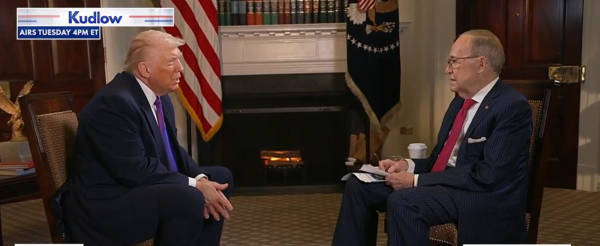
节目中,福克斯主持人库德洛问到,特朗普何时在心中确定凯文·沃什为下一任美联储主席人选。库德 洛曾在特朗普首届政府担任白宫国家经济委员会主任。 据彭博社报道,特朗普回答说,沃什其实是他在上一轮遴选时的"第二人选",而最终选择鲍威尔的决定 是一个"错误"。 【文/观察者网 阮佳琪】 当地时间9日播出的福克斯商业频道节目片段显示,美国总统特朗普在专访中称,其首个总统任期内对 美联储主席人选的决策犯了错。 "我当时犯了个错误,因为我身边有人,就是我那位财政部长,非常想让另一个人上任,"特朗普 说,"你知道,我对那个人其实并不满意。但有时候你会听别人的意见,结果就出了错,真是个大错。" 节目截图 2017年1月,特朗普提名鲍威尔接替耶伦出任美联储主席,其于2018年2月就职,并于2022年在民主党拜 登政府任内获得连任,任期至2026年5月。 特朗普最初称赞鲍威尔"能力强、坚定且聪明",视其为兼顾政策延续与放松金融监管的稳妥选择,期望 他维持低利率以支撑经济增长。但2018年美联储为抑制通胀四次加息,打破特朗普的降息预期,双方关 系迅速恶化。 特朗普也打破数十年总统不公开批评美联储的惯例,开始公开频繁抨击鲍威尔"行动迟 ...
【UNFX财经事件】创高之后谨慎升温 华尔街等待非农与通胀验证
Sou Hu Cai Jing· 2026-02-10 03:44
UNFX 2月10日讯 随着美联储官员公开讨论特朗普关税政策,华尔街主要股指在达到近期高点后转入整 理阶段。投资者关注焦点集中在关税对消费和通胀的实际影响,以及劳动力市场放缓是否反映经济降 温,这些因素将与即将公布的美国非农就业与CPI数据共同决定政策预期调整方向。 在政策争议和通胀不确定性交织下,美股整体走势趋于温和。周一常规交易中,道指小幅上涨并刷新收 盘纪录,标普500与纳指在科技股推动下延续升势。盘后交易阶段,美国股指期货整体小幅回落,标普 500、纳指100及道指期货均下跌约0.1%。除科技板块外,交投清淡,显示投资者在关键宏观数据公布 前谨慎调整仓位。 白宫国家经济委员会主任凯文·哈塞特提前对市场预期进行引导,指出未来几个月新增就业人数下降主 要反映人口增速放缓的结构性因素,而非经济动能减弱。市场预计1月美国非农新增就业约6.9万人,失 业率维持4.4%。哈塞特表示,生产率提升使维持失业率稳定所需的"盈亏平衡就业增速"下降,就业数据 解读标准发生调整。 从市场定价角度看,关税是否继续对通胀形成上行压力,以及就业数据是否支持宽松货币政策,都需要 即将公布的非农和CPI数据验证。结果将直接影响市场对2 ...
【UNforex财经事件】美股创新高后趋稳 关税与数据成再定价焦点
Sou Hu Cai Jing· 2026-02-10 03:44
UNforex 2月10日讯 随着美联储官员就特朗普政府关税政策公开表态,华尔街主要股指在刷新阶段性高 点后进入整理状态。关税对通胀和消费端的实际影响、劳动力市场放缓是否意味着经济动能降温,正与 即将公布的美国非农就业和CPI数据一道,成为市场重新评估政策预期的核心变量。 在政策分歧与通胀讨论交织的背景下,美股表现趋于克制。周一美股常规交易时段,道琼斯工业平均指 数小幅上涨并刷新收盘纪录,标普500指数与纳斯达克指数在科技股反弹带动下延续升势。进入盘后交 易后,美国股指期货整体小幅回落,标普500、纳斯达克100及道指期货均回调约0.1%。除科技板块 外,其余板块交投偏淡,反映出投资者在关键宏观数据公布前不愿显著增加风险敞口。 在周三非农就业报告公布前,白宫国家经济委员会主任凯文·哈塞特提前对市场预期进行引导。他表 示,未来几个月新增就业人数的下降,主要反映人口增长放缓背景下的结构性变化,而非经济动能减 弱。根据市场一致预期,1月美国非农新增就业人数约为6.9万人,失业率预计维持在4.4%。哈塞特指 出,在生产率提升加快的情况下,维持失业率稳定所需的"盈亏平衡就业增速"已明显下降,就业数据的 解读框架正在发生 ...