
品牌力

Search documents
昔日微商名片,如今销量狂降!玛莎拉蒂为何沦落到被7次贱卖?
电动车公社· 2025-07-10 15:59
Core Viewpoint - Maserati, once a prestigious Italian sports car brand, is now facing significant challenges and potential sale due to declining sales and brand identity issues [4][51][90]. Group 1: Historical Context - Maserati was founded in 1914 by the Maserati brothers and gained fame through racing successes, particularly with the Tipo 26 model [14][18]. - The brand has undergone multiple ownership changes, including acquisitions by Orsi family, Citroën, and Fiat, each time facing financial difficulties [20][28][36]. - In the 1990s, Maserati was revitalized under Fiat and Ferrari's guidance, leading to the successful launch of models like the 3200 GT and the fifth-generation Quattroporte [41][45]. Group 2: Current Market Position - Maserati entered the Chinese market in 2004, initially achieving decent sales with the Quattroporte, but struggled to maintain momentum [52][56]. - The brand peaked in China in 2017 with sales of 14,498 units, accounting for about 30% of global sales, but has since seen a dramatic decline [67][77]. - In 2024, Maserati's sales in China plummeted to 1,228 units, a 71% drop year-on-year, highlighting its deteriorating brand presence [78][90]. Group 3: Challenges and Future Outlook - Maserati's brand image has been compromised due to marketing missteps and the rise of micro-businesses, leading to a perception of the brand as less exclusive [71][73]. - The company is currently in a loss-making position, with Stellantis considering the sale of Maserati as a strategic option [90][94]. - The future of Maserati may hinge on a significant brand overhaul or potential acquisition by a Chinese company, but the brand's identity and market relevance remain in question [95][96][98].


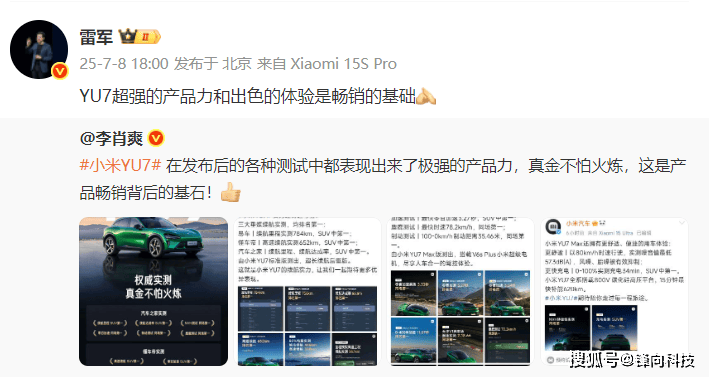
小米YU7畅销靠什么?雷军给出了两个理由
Sou Hu Cai Jing· 2025-07-09 00:10
Core Viewpoint - The success of Xiaomi's SU7 and YU7 models is attributed to strong product capabilities and user experience rather than solely marketing efforts [1][3][5]. Group 1: Product Strength and User Experience - Xiaomi YU7 has achieved 13 first-place rankings in various categories among its peers, showcasing its superior product strength in areas like range, driving experience, and quietness [3]. - The success of Xiaomi vehicles is rooted in a deep understanding of user needs, addressing pain points in user experience, which is crucial for long-term consumer satisfaction [5]. Group 2: Brand Influence - Xiaomi's brand influence, built over 15 years, plays a significant role in its market success, indicating that marketing alone is not the foundation of its achievements [7]. - The selection process for models like the Xiaomi SU7 involved input from a million users, highlighting the importance of consumer feedback in product development [7].

波司登(03998):暖冬下FY25稳健增长,利润增速优于收入
ZHONGTAI SECURITIES· 2025-07-01 12:53
Investment Rating - The investment rating for the company is "Buy" (maintained) with an expected relative performance increase of over 15% in the next 6 to 12 months compared to the benchmark index [9]. Core Views - The company demonstrated resilience amid external disturbances, presenting opportunities for seasonal layout [3]. - The brand's down jackets showed strong performance, with stable profit levels [3]. - The expansion of product categories is leading growth, and the long-term development of the company is viewed positively [3]. Financial Performance Summary - For the fiscal year 2024/25, the company achieved a revenue of 25,902 million yuan, representing a year-on-year growth of 11.6% [4]. - The net profit attributable to shareholders was 3,514 million yuan, with a year-on-year increase of 14.3% [4]. - The overall gross margin was 57.3%, a decrease of 2.3 percentage points year-on-year, while the net profit margin reached 13.6%, an increase of 0.4 percentage points year-on-year [4]. Revenue Breakdown - The main brand's down jacket business generated revenue of 21,668 million yuan, growing by 11.0% and accounting for 83.7% of total revenue [5]. - The brand "Bosideng" saw revenue increase by 10.1% to 18,481 million yuan, with a gross margin of 69.0% [5]. - The "Xuezhongfei" brand achieved revenue of 2,206 million yuan, up 9.2%, while the "Bingjie" brand's revenue decreased by 12.9% to 127 million yuan [5]. Channel and Operational Efficiency - The company is optimizing its channel structure with a net increase of 253 retail outlets, totaling 3,470, including 1,236 self-operated and 2,234 franchised stores [5]. - Online sales reached 7,575 million yuan, growing by 9.3%, with the online revenue of the down jacket business accounting for 34.5% of its segment revenue [5]. - The OEM business grew significantly, with revenue of 3,373 million yuan, up 26.4%, while the women's wear segment faced challenges with a revenue decline of 20.6% [5]. Profitability and Cash Flow - The overall gross margin decreased to 57.3%, primarily due to the faster growth of lower-margin OEM business compared to the brand business [5]. - The net profit margin improved to 13.6%, supported by a decrease in the sales expense ratio by 1.8 percentage points to 32.9% [5]. - The company maintained healthy inventory turnover with a total inventory of 3,951 million yuan and a turnover period of 118 days [5]. Future Earnings Forecast - The company forecasts net profits of 3,911 million yuan for FY2026, 4,345 million yuan for FY2027, and 4,784 million yuan for FY2028, with growth rates of 11%, 11%, and 10% respectively [6].
新消费:当情绪价值成为“刚需”
淡水泉投资· 2025-06-12 00:16
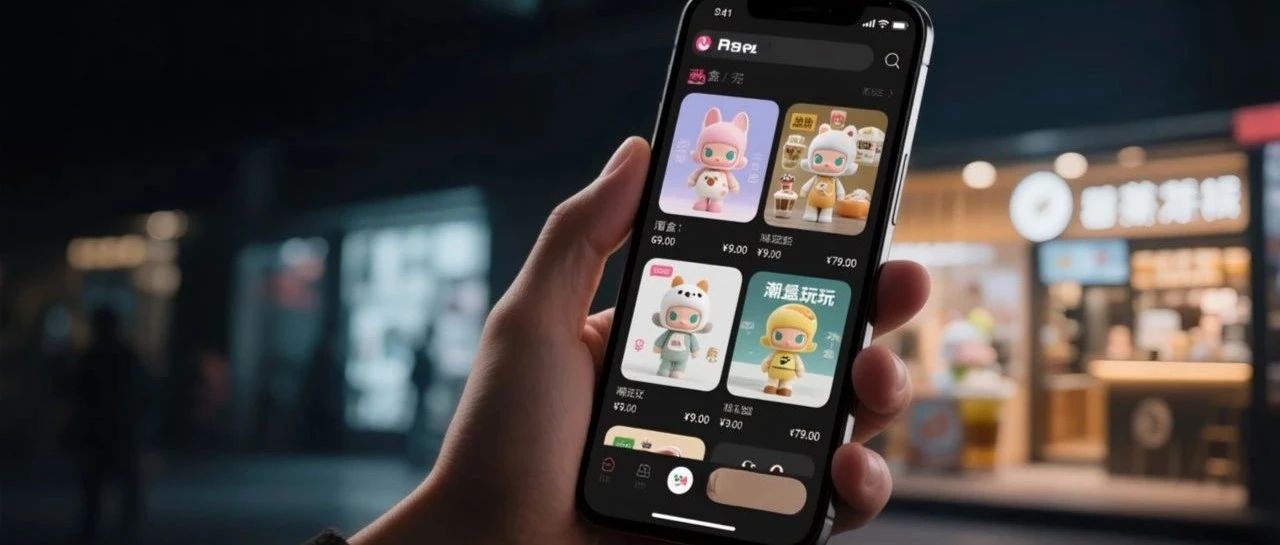
Core Viewpoint - The article discusses the evolution of consumer behavior in China, emphasizing the shift from basic survival needs to emotional and experiential consumption, driven by economic development and demographic changes [4][5][15]. Group 1: New Consumption Trends - The concept of "new consumption" has gained traction, with examples like a rising cosmetics brand achieving a valuation exceeding $10 billion within four years of its establishment [3]. - Consumers are increasingly focused on emotional satisfaction and self-fulfillment, moving beyond mere product functionality [4]. - The 95 post-90s generation has become a significant consumer force, with annual spending reaching approximately 8-9 trillion yuan, accounting for nearly 50% of sales during major shopping events [5]. Group 2: Emotional Consumption Drivers - The transition to an "atomized" social structure has led to the rise of emotional consumption and the single economy, as traditional social ties weaken [5]. - The COVID-19 pandemic and geopolitical uncertainties have heightened the demand for emotional consumption, with the market for concerts expected to grow from 12 billion yuan in 2019 to 45 billion yuan by 2024 [15]. - Emotional consumption has shifted from being optional to essential, as consumers seek to maintain psychological well-being in uncertain times [15]. Group 3: Brand Power and Market Dynamics - The success of a consumption model relies on the ability of companies to manage brand power, which is increasingly influenced by product quality and distribution channels [10]. - The shift from traffic dividends to content dividends means that strong product quality is essential for gaining market share in a fragmented channel environment [12]. - The capital market views assets that can be priced based on emotional value as scarce growth opportunities, less affected by economic cycles and geopolitical risks [18]. Group 4: Challenges and Future Outlook - The core driver of new consumption is consumer passion, which translates into strong purchasing intent and high repurchase rates [19]. - However, sustaining this passion is challenging; only brands that can elevate their products to art and cultivate a loyal customer base will thrive in the long term [19].
新消费:当情绪价值成为“刚需”
淡水泉投资· 2025-06-11 12:57
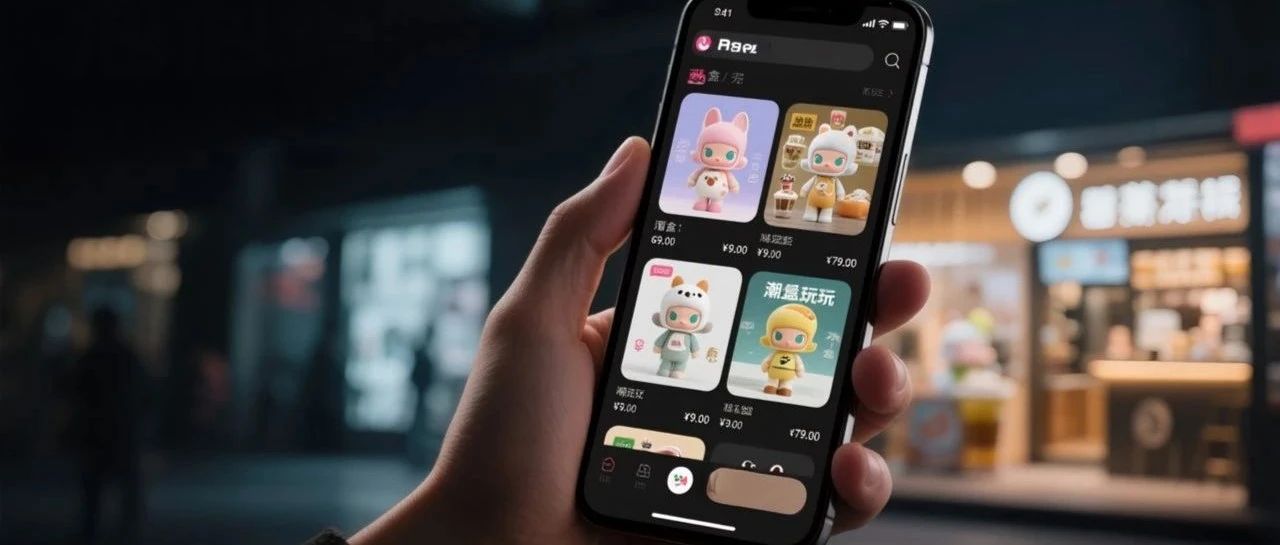
Core Viewpoint - The article discusses the evolution of consumer behavior in China, highlighting the shift from basic survival needs to emotional and experiential consumption, driven by economic development and demographic changes [4][5][15]. Group 1: New Consumption Trends - The concept of "new consumption" has gained traction, with examples like a rising cosmetics brand achieving a valuation exceeding $10 billion within four years of its establishment [3]. - Consumers are increasingly focused on emotional satisfaction and self-fulfillment, moving beyond mere product functionality [4]. - The 95 post-90s generation has become a significant consumer force, with annual spending reaching approximately 8-9 trillion yuan, influencing family purchasing decisions [5]. Group 2: Emotional Consumption Dynamics - Emotional consumption has transitioned from being optional to essential, particularly in the context of the VUCA (Volatility, Uncertainty, Complexity, Ambiguity) era, where consumers seek to regain a sense of control [15]. - The market for emotional consumption, such as concerts, has seen substantial growth, with the gross merchandise value (GMV) of domestic concerts increasing from 12 billion yuan in 2019 to nearly 45 billion yuan by 2024 [15]. Group 3: Brand Power and Market Dynamics - The success of a consumption model is increasingly dependent on brand power, which encompasses product strength and channel effectiveness [10]. - The shift from traffic dividends to content dividends emphasizes the importance of product quality in gaining market share, as good products can achieve organic growth through word-of-mouth [12]. - The rise of domestic brands reflects a growing confidence in local products, as consumers become more discerning and less willing to pay unreasonable premiums [12]. Group 4: Investment Opportunities - New consumption characteristics suggest a naturally "small circle" market, where structural growth can lead to nonlinear expansion if brands successfully break out of their niche [16]. - Assets that can be priced based on emotional value are seen as scarce growth opportunities in uncertain environments, providing a hedge against economic cycles [18]. - The long-term sustainability of brands hinges on their ability to cultivate deep consumer loyalty and transform products into cultural symbols [19].
基金经理投资笔记 | 潮玩爆火背后:新消费投资,懂产品,更要懂人心
Sou Hu Cai Jing· 2025-06-11 11:40
Core Insights - The article discusses the transformation in the consumer industry, highlighting the shift from "channel-driven" to "emotion-driven" purchasing behavior, particularly in the context of new consumption trends [1][6][10] Group 1: New vs. Old Consumption - New consumption relies more on product strength, while old consumption is heavily dependent on channel strength [5][11] - New consumption encompasses categories like beauty care, trendy toys, and bulk snacks, along with certain companies from traditional and internet sectors [5][11] - The emergence of new consumption is a result of both changing consumer demands and rapid evolution in communication and sales channels [6][10] Group 2: Investment Framework - The core of consumer goods investment lies in brand power, which is defined as the combination of product and channel strength [2][5] - Companies with strong brand power typically exhibit higher net profit margins and faster turnover rates, contributing to high return on equity (ROE) [2] - Investment should focus on smaller companies that are in the process of building brand power, as this phase often correlates with the highest growth potential [2] Group 3: Changes in Consumer Behavior - The evolution of communication media has shifted consumer roles from passive recipients to active seekers of products that suit their preferences [8][9] - The rise of e-commerce has transformed sales channels, allowing consumers to directly access desired products without relying on local retailers [9][10] - New consumption products are characterized by distinct heterogeneity, appealing to specific audiences who appreciate their uniqueness [9][11] Group 4: Future Trends - The investment in new consumption is fundamentally a contest of aesthetic appreciation and understanding of lifestyle [11] - The beauty care industry is seen as a leading indicator for new consumption investment, with its marketing strategies and product approaches likely influencing other sectors in the future [11]
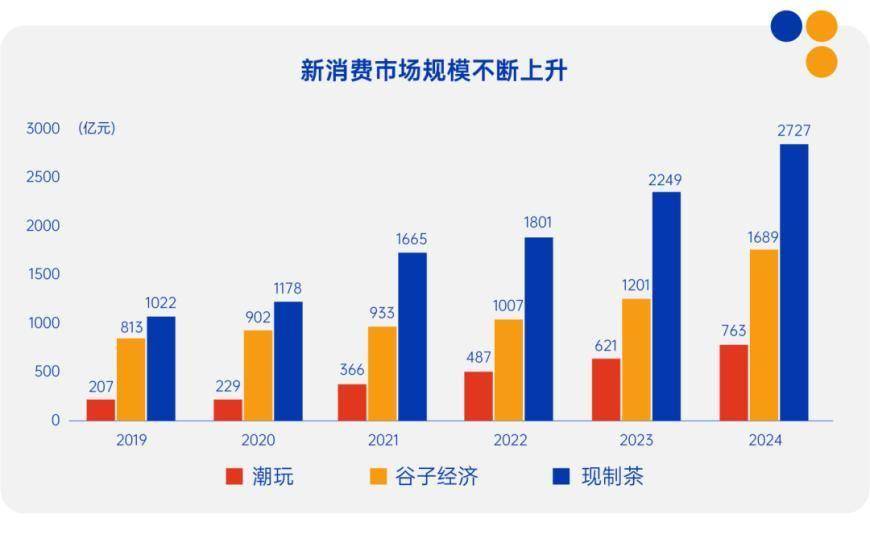
蔚来和理想
数说新能源· 2025-06-06 09:47
Group 1 - The core viewpoint of the article discusses the contrasting sales performance of Li Auto's Mega Home and NIO's vehicles, highlighting the reasons behind the success of Mega Home despite the initial struggles of the Mega model [1][2]. - Li Auto's Mega Home has seen over 10,000 orders and is experiencing growth, while the first generation Mega had monthly sales of less than 1,000, with many vehicles being internally consumed [1][2]. - The article suggests that the unique design and features of Mega Home, such as the rotating seats, appeal to affluent consumers, driving its sales despite the lack of industry-leading updates [1][2]. Group 2 - Li Auto has established significant brand power in many regions, countering the narrative that it has never won in online sales [2][3]. - Following the initial struggles of the Mega model, Li Auto responded with large-scale layoffs, early launches of the L6 model, supplier changes, and price reductions [2][3]. - NIO is facing a "death spiral" with negative cash flow and limited cash reserves, compounded by rapidly declining used car prices [2][3]. Group 3 - Consumer hesitation towards purchasing NIO vehicles is increasing due to concerns about the company's future operations [3][4]. - NIO's brand strength has not translated into sales, with the L6 model serving as a successful example of brand power converting to sales, while other models have not regained previous high sales levels [3][5]. - NIO's high marketing management expenses are noted as a concern, especially in the absence of corresponding sales growth [5].

江南布衣(3306.HK):业绩稳健增长 持续分红回馈股东
Ge Long Hui· 2025-06-05 01:02
Core Viewpoint - The company reported stable growth in FY2025 H1, with a mid-term dividend of 0.45 HKD per share, and is expected to maintain its leading designer brand advantage in FY2025 H2, resulting in steady performance [1][2]. Financial Performance - In FY2025 H1, the company achieved revenue of 3.156 billion RMB, a year-on-year increase of 5.0%, and a net profit of 604 million RMB, up 5.5% year-on-year, meeting expectations [1]. - The company's gross margin remained stable during this period [1]. Brand Performance - The mature brand JNBY generated revenue of 1.76 billion RMB in H1, growing by 3.6% year-on-year, while emerging brands saw significant growth with a total revenue of 190 million RMB, up 147% year-on-year [2]. - The growth rates for other brands were as follows: Su Xie at 390 million RMB (-6.0%), jnby by JNBY at 480 million RMB (-0.6%), and LESS at 340 million RMB (+0.8%) [2]. Channel Performance - Revenue from self-operated, distribution, and online channels in H1 was 1.12 billion RMB (-7.7%), 1.44 billion RMB (+14.2%), and 600 million RMB (+11.9%) respectively [2]. - The company has a total of 491 self-operated stores and 1614 distribution stores in China, with a net decrease of 24 self-operated stores and a net increase of 126 distribution stores in H1 [2]. Membership and Consumer Engagement - Membership sales accounted for over 80% of total sales, with active members spending over 5000 RMB increasing to 330,000, contributing to a sales increase of 8% to 4.68 billion RMB [2]. - The company is focusing on enhancing brand strength and refining membership management for steady growth in FY2025 [2]. Dividend and Shareholder Returns - The company announced a mid-term dividend of 0.45 HKD per share, with an expected annual dividend yield of approximately 8% [2].
瑞幸突然降到6块9!价格战打到这份上,背后藏着啥算盘?
Sou Hu Cai Jing· 2025-05-30 05:52
Core Viewpoint - Luckin Coffee has initiated a significant price reduction on several beverages, dropping prices to 6.9 yuan, previously 9.9 yuan, in response to competitive pressure from Kudi, which has been aggressively pricing its products at 3.9 to 4.9 yuan [1][3]. Group 1: Price Reduction Strategy - The price cut by Luckin Coffee is primarily targeted at the takeaway market, where Kudi has seen a nearly tenfold increase in order volume, positioning itself as a leader in the coffee category [3]. - This price reduction is not merely a discount but a strategic "defensive battle" to retain customers who might switch to Kudi for lower prices [3]. - Luckin Coffee's supply chain has improved, allowing it to manage costs better, and the price cuts are focused on high-margin products like fruit teas and light milk teas, which can drive sales of other high-margin items [3][4]. Group 2: Industry Dynamics - The coffee and tea market is highly competitive, with Kudi expanding rapidly through a franchise model and low pricing, while other brands like Heytea and Nayuki are also entering the coffee space [4]. - The ongoing price war emphasizes the importance of cash flow and supply chain efficiency in the short term, while brand strength and product repeat purchase rates will be crucial in the long term [4]. - Investors should monitor key financial metrics post-price reduction, such as the increase in takeaway order volume, the sales proportion of high-margin products, and the potential impact on net profit margins [4][5]. Group 3: Long-term Considerations - The current market dynamics resemble a roller coaster, with frequent promotions and new product launches, but long-term investment should focus on the company's competitive advantages, such as store density and supply chain efficiency [5]. - As long as these foundational elements remain intact, the price war may only result in minor setbacks for Luckin Coffee [5].

酒鬼酒(000799) - 000799酒鬼酒投资者关系管理信息20250528
2025-05-28 09:06
Production Capacity and Inventory - The company's current production capacity is 15,000 tons, with an additional 7,800 tons expected after the completion of the Phase II project [2] - As of the end of 2024, the company's base liquor inventory stands at 46,769 tons [2] Strategic Focus and Market Positioning - The company is implementing a differentiation and focus strategy to navigate the dual adjustment period in the industry and internally [3] - The company aims to enhance its competitive edge through unique products, regional characteristics, and cultural aspects [3] - The company is focusing on the Hunan market and model markets, emphasizing core products [3] Financial Performance and Sales Strategy - In 2024, the company achieved revenue exceeding 1 billion yuan, with efforts to enhance sales quality and brand strength [3] - The company has seen a significant increase in terminal sales and consumer engagement, with distribution and sales rates exceeding 100% in 2024 [4] - The company plans to maintain a focus on high-quality sales and improve brand, product, channel, and system capabilities [4] Product Line and Market Adaptation - The company has reduced its SKU by 50% to eliminate low-efficiency products and is developing new products based on market demand [5] - The company is actively working to stabilize product prices through dynamic inventory management and targeted promotions [5] Distributor Management and Market Expansion - In 2024, the company reduced its number of distributors by over 400, focusing on improving distributor quality [5] - The company is expanding its presence in the small liquor market to cater to diverse consumer needs [6] Industry Challenges and Future Outlook - The company acknowledges the challenges posed by the current industry adjustment, which has intensified competition [6] - The company is committed to leveraging its unique advantages to establish itself as a differentiated premium liquor brand [6]
