贸易战

Search documents
Trump: Without tariffs 'we would have NO DEFENSE' against China
Youtube· 2025-10-16 19:00
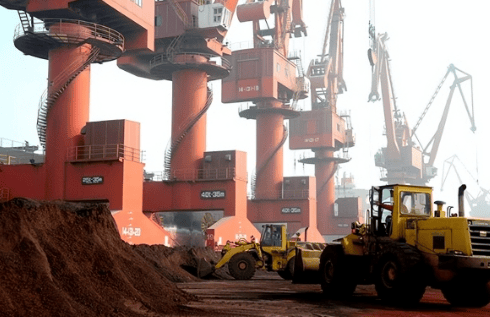
Core Points - The article discusses the ongoing trade tensions between the United States and China, highlighting the aggressive stance of both sides and the implications for global supply chains and industries reliant on critical minerals [1][4][5]. Trade Relations - The U.S. is currently engaged in a trade war with China, characterized by high tariffs and accusations of China being a trade aggressor [1][4]. - China's recent threats to impose export controls on critical minerals, essential for U.S. industries, have escalated tensions [3][17]. Supply Chain Concerns - The U.S. is heavily dependent on China for rare earth minerals and pharmaceutical inputs, which poses a significant risk to its economy [8][9]. - There is a call for the U.S. to develop its own capabilities in refining rare earths and to diversify supply chains away from China [20][19]. International Response - A coalition of allied nations, including European countries, Australia, and Canada, is emerging to respond to China's aggressive trade practices [17][18]. - The G7 countries are considering a united front against China's export controls, indicating a shift in international dynamics [17][23]. Strategic Outlook - The article suggests that the U.S. must confront China directly and take proactive measures to reduce dependency on Chinese supply chains [10][12]. - There is a recognition that past environmental policies have contributed to the current reliance on China for critical minerals, and a shift in strategy is necessary [14][15].


中国稀土重拳出击?特朗普又急了?贝森特坦言,将尽快和中国谈判
Sou Hu Cai Jing· 2025-10-16 15:55
Core Viewpoint - The escalating tensions between the U.S. and China are highlighted, particularly in the context of China's rare earth export controls and the U.S. imposing tariffs, indicating a potential trade war [2][3][4]. Group 1: U.S. Actions and Statements - U.S. Treasury Secretary Besant's remarks at the IMF and World Bank annual meeting reflect a strong stance against China's influence on global supply chains, accusing Chinese officials of being difficult to negotiate with [2]. - Trump has announced a 100% tariff on Chinese goods starting November 1, indicating a significant escalation in trade hostilities [3][4]. - Besant suggested that if China does not enforce strict rare earth export controls, the U.S. may consider delaying the tariffs, linking this to a potential 90-day "truce" in negotiations [6]. Group 2: China's Response and Position - China's Ministry of Commerce refuted U.S. claims, asserting that Chinese officials were invited to the U.S. for discussions, emphasizing a commitment to dialogue despite U.S. threats [3][9]. - The Chinese government perceives U.S. tactics as attempts to intimidate rather than engage in constructive negotiations, indicating a firm stance against U.S. pressure [9][10]. Group 3: Global Reactions and Future Implications - The G7 countries are reportedly anxious about China's rare earth export controls and are seeking alternative solutions to mitigate dependency on Chinese supplies [12]. - Despite the tough rhetoric from U.S. officials, there are indications that both sides recognize the necessity of negotiations, as evidenced by Trump's willingness to meet with China at the upcoming APEC summit [13][15]. - The potential for a trade war could have significant repercussions for both economies, as evidenced by the impact of previous trade tensions on U.S. markets and agriculture [15][16].

美财长威胁加码,对华征税500%!美国就差临门一脚,发现中国还把着一个命门
Sou Hu Cai Jing· 2025-10-16 13:26
近日,美国参议院85名议员达成一致,筹划对中国征收高达500%的关税。他们声称这是回应中国购买俄罗斯石油的"惩罚措施"。这种极端的做法不仅让人 瞠目结舌,更显露出美国在国际经济博弈中的不安与焦虑。当权者似乎已经意识到,在全球经济的棋局中,自己所掌握的筹码并未如想象中那么丰富。 就在这个关键时刻,中国突然宣布对稀土出口实施管制,这让美国更加火急火燎。在特朗普眼中,展现强硬立场是至关重要的,因此他立刻反击,决定从11 月开始对中国商品加征100%的关税。没想到的是,这一系列举措却揭示出了美国自身在高度依赖中国供应链的尴尬处境。 根据《纽约时报》的报道,美国市场中近700种获批药品的生产都依赖中国的化学原料,尤其是在抗生素领域,甚至高达62.6%的原材料来自中国。这一切 都让美国的医药行业深陷危机之中。如果说征收500%关税的目的在于制裁中国,那么最终遭殃的将是美国民众的健康和安全。 俄罗斯外长近期的表态更是给美国的战略构想以重创,他保证俄罗斯绝不会背叛中国,表明两国之间的关系已被写入宪法。这一声明不仅是对中俄关系的坚 定支持,也是一种对美方霸权行为的公然反击。 而美国试图通过与印度的合作来削弱中国影响力的做法,亦 ...

Zervos: The market has been extremely resilient despite rising trade tension
Youtube· 2025-10-16 12:07
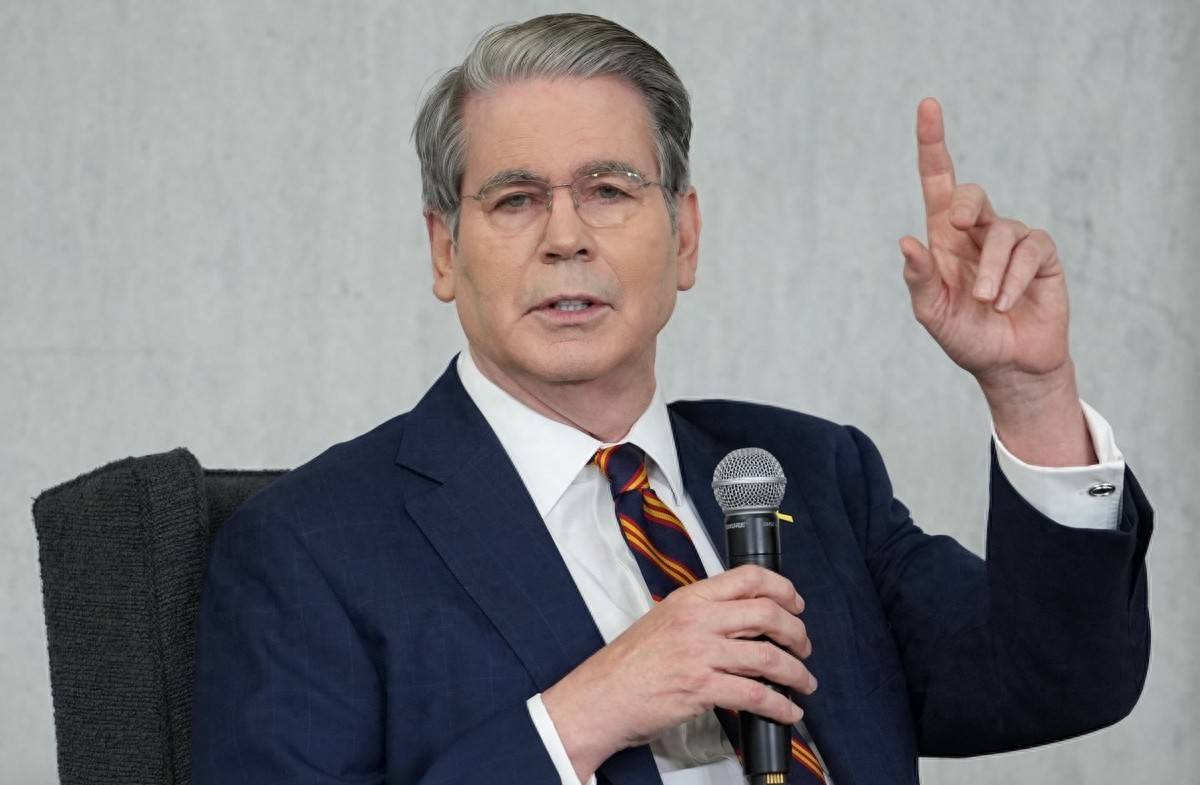
Market Sentiment and Trade War - The equity market has shown resilience despite significant escalation in trade war rhetoric between the US and China [2][3] - Investors appear to be fatigued by ongoing discussions about the trade war, indicating a shift in sentiment [4][5] Economic Indicators and Consumer Impact - The Fed Beige Book noted that tariffs are raising prices, particularly affecting lower and middle-income consumers [6] - Concerns arise regarding the potential impact of tariffs on earnings, revenue, and consumer spending [7] Interest Rates and Monetary Policy - Expectations for interest rates have decreased, with the 10-year yield dropping below 4%, reflecting a positive tailwind for the market [9] - There is speculation that rates could further decline to around 2.25%, similar to levels seen in 2019 [10] Corporate Sector Insights - Discussions with CEOs indicate that while the lower end of the market is struggling, the upper end remains stable across various sectors [11] - Notable investment activity includes JP Morgan's commitment of $1.5 trillion in the US, suggesting confidence in certain market segments [14] Credit Market Concerns - BlackRock and Fidelity are shorting corporate bonds, indicating concerns about tight spreads and potential distress in the corporate bond market [13] - The current tight credit spreads raise questions about the market's vulnerability to a risk-off scenario [15]

山金期货贵金属策略报告-20251016
Shan Jin Qi Huo· 2025-10-16 11:28
Report Industry Investment Rating No relevant content provided. Core Viewpoints of the Report - Today, precious metals continued their upward trend, with the main Shanghai gold contract closing up 1.84% and the main Shanghai silver contract closing up 2.93%. The short - term core logic includes increased short - term hedging demand due to trade wars and the US government shutdown, rising stagflation risks in the US economy, weakening employment, and moderate inflation, leading to the beginning of the realization of the Fed's interest - rate cut expectations. It is expected that precious metals will be volatile and bullish in the short term and rise step - by - step in the long term [1]. - Gold price trends serve as an anchor for silver prices. In terms of capital, CFTC silver net long positions and iShare silver ETFs have slightly increased their positions. In terms of inventory, the recent visible inventory of silver has slightly decreased [4]. Summary by Relevant Catalogs Gold - **Price and Market Performance**: International gold prices such as Comex gold and London gold, and domestic gold prices like Shanghai gold and gold T + D all showed increases. For example, the Comex gold主力合约收盘价 increased by 1.57% compared to the previous day and 4.05% compared to the previous week [2]. - **Core Logic**: In the short - term, factors such as trade wars, the US government shutdown, stagflation risks in the US economy, and Fed's interest - rate cut expectations have affected the gold market. The Fed's monetary policy signals, employment data, and market expectations of interest - rate cuts also play important roles [1]. - **Strategy**: Conservative investors are advised to wait and see, while aggressive investors can buy low and sell high. Good position management and strict stop - loss and take - profit are recommended [2]. Silver - **Price and Market Performance**: International silver prices (Comex silver and London silver) and domestic silver prices (Shanghai silver and silver T + D) all rose. For instance, the Comex silver主力合约收盘价 increased by 4.33% compared to the previous day and 8.43% compared to the previous week [5]. - **Core Logic**: Gold price trends are the anchor for silver prices. There are slight increases in capital positions and a slight decrease in visible inventory [4]. - **Strategy**: Similar to gold, conservative investors should wait and see, and aggressive investors can adopt a high - selling and low - buying strategy with proper position management and strict stop - loss and take - profit [5]. Fundamental Key Data - **Fed - Related Data**: The upper limit of the federal funds target rate, the discount rate, and the reserve balance interest rate all decreased by 0.25%. The Fed's total assets were 66416.68 billion US dollars, with a slight increase of 0.00% [8]. - **Macroeconomic Indicators**: The ten - year US Treasury real yield, the US dollar index, and various interest rate spreads showed different degrees of change. Economic indicators such as CPI, PCE, GDP, and employment also had corresponding fluctuations [8][9]. - **Other Indicators**: Geopolitical risk index, VIX index, CRB commodity index, and offshore RMB exchange rate also had their respective changes [9]. Fed's Latest Interest - Rate Expectations The probabilities of different interest - rate ranges at each Fed meeting from October 2025 to September 2027 are provided, showing market expectations for the Fed's future interest - rate decisions [11].
从大豆到食用油,怎么回事
Sou Hu Cai Jing· 2025-10-16 07:50
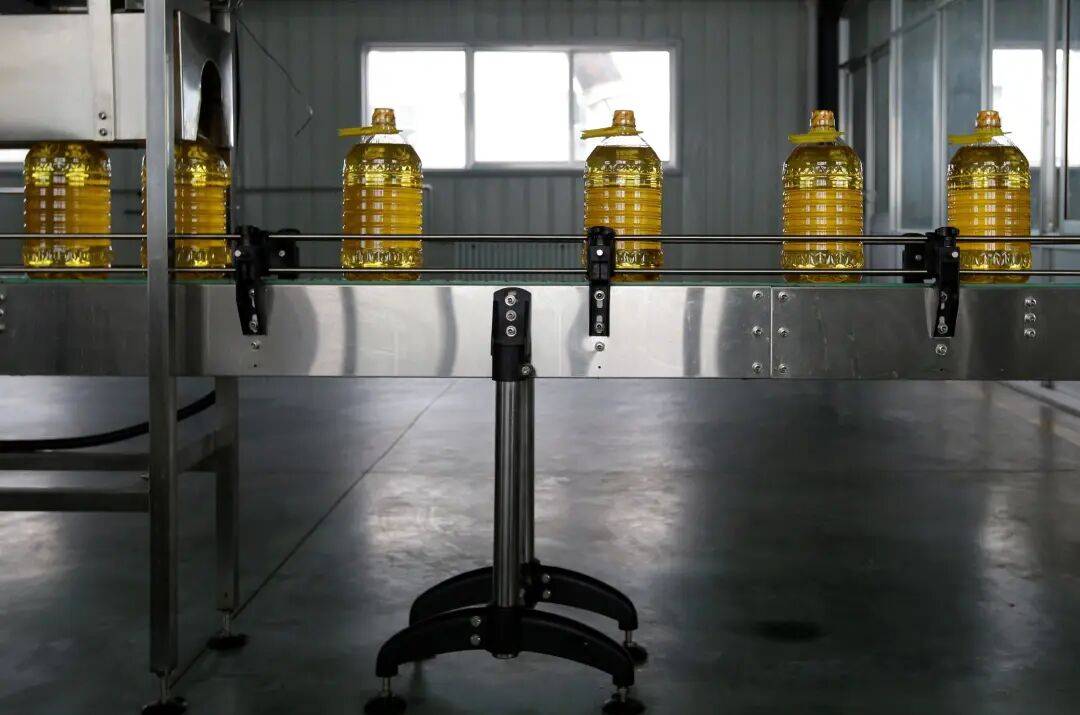
Core Viewpoint - The U.S. is considering stopping imports of edible oil from China as a retaliatory measure against China's reduced purchases of U.S. soybeans, which could lead to a loss of 16 million tons of soybean orders for the U.S. [1] Group 1: U.S.-China Trade Dynamics - The U.S. claims that China's refusal to buy American soybeans is causing difficulties for U.S. soybean farmers, prompting the consideration of halting edible oil imports from China [1] - China is the world's largest consumer of edible oil, making the U.S. strategy of stopping imports a complex issue [1] - In 2024, China's exports of edible oil to the U.S. are projected to be around 4,000 tons, valued at approximately $1 million, indicating limited impact on China's edible oil industry if the U.S. halts imports [4] Group 2: Nature of U.S. Imports from China - The U.S. primarily imports waste cooking oil from China, which is processed for use as biodiesel and other renewable energy sources, rather than traditional edible oils [5][6] - In 2024, China is expected to export over 1 million tons of waste cooking oil to the U.S., valued at over $1 billion, highlighting the significance of this trade [6] Group 3: Impact on U.S. Soybean Farmers - The U.S. soybean export structure is heavily reliant on whole soybeans, with 78% of exports being whole beans, while soybean meal and oil account for only 21% and 1%, respectively [13] - The reduction in Chinese purchases could create a significant gap in the U.S. soybean market, as China is the primary buyer of U.S. whole soybeans [13][15] - U.S. farmers are facing challenges in finding alternative markets for their soybeans, leading to price declines and a difficult situation for the agricultural sector [18]
国泰君安期货商品研究晨报-20251016
Guo Tai Jun An Qi Huo· 2025-10-16 05:43
Report Industry Investment Ratings No industry investment ratings are provided in the given content. Core Views of the Report - Gold is expected to continue hitting new highs; silver is likely to experience a pull - back after a rally as spot contradictions ease [2][5]. - Copper prices are under pressure due to increasing domestic inventories [2][9]. - Zinc is in a weak and volatile state [2][12]. - Lead price rebounds are restricted by increasing inventories [2][15]. - The price trend of tin is subject to macro - economic influences [2][17]. - Aluminum is in a consolidation phase; alumina's profit margins are being compressed; cast aluminum alloy follows the trend of electrolytic aluminum [2][21]. - Nickel prices are oscillating at a low level as macro - sentiment turns bearish; stainless steel prices are pressured by both macro and real - world factors, with cost at the bottom limiting downward flexibility [2][24]. - Lithium carbonate is expected to continue its short - term range - bound movement with a firm spot performance [2][27]. - Industrial silicon is in a weak and volatile trend; polysilicon's futures are showing strength and investors should focus on the content of today's meeting [2][31][32]. - Iron ore is in a wide - range oscillation [2][36]. - Rebar and hot - rolled coil prices may experience a slight correction due to weak current situations and weakening expectations [2][39]. - Ferrosilicon and silicomanganese are in wide - range oscillations with cost providing bottom support [2][44]. - Coke and coking coal are in wide - range oscillations with expectations fluctuating [2][47][48]. - Log prices are oscillating repeatedly [2][50]. Summaries by Related Catalogs Gold and Silver - **Price and Trading Data**: For gold, the closing price of SHFE gold 2512 was 960.34 with a daily increase of 2.27%, and the night - session closing price was 962.08 with a night - session increase of 1.39%. For silver, the closing price of SHFE silver 2512 was 11966 with a daily increase of 3.76%, and the night - session closing price was 12138.00 with a night - session increase of 3.97% [5]. - **Inventory Changes**: Gold ETF holdings increased by 1 to 1,022.60, while silver ETF holdings decreased by 310 to 15,422.61. SHFE gold inventory increased by 2,916 to 75,099 kilograms, and Comex gold inventory decreased by 64,360 to 39,660,680 troy ounces. SHFE silver inventory decreased by 32,643 to 1,030,429 kilograms, and Comex silver inventory decreased by 4,559,793 to 515,632,550 troy ounces [5]. - **Macro and Industry News**: China's new social financing in September was 3.53 trillion yuan, new RMB loans were 1.29 trillion yuan, and the M2 - M1 gap reached a new low for the year. China's September CPI year - on - year decline narrowed to 0.3%, core CPI returned to 1% for the first time in 19 months, and PPI year - on - year decline narrowed to 2.3% [5][8]. Copper - **Price and Trading Data**: The closing price of SHFE copper's main contract was 85,800 with a daily increase of 1.65%, and the night - session closing price was 85260 with a night - session decrease of 0.69%. The closing price of LME copper 3M was 10,576 with a daily decrease of 0.08% [9]. - **Inventory Changes**: SHFE copper inventory increased by 8,236 to 44,531 tons, while LME copper inventory decreased by 450 to 138,350 tons [9]. - **Macro and Industry News**: Similar to gold and silver, China's macro - economic data showed positive trends. In the industry, the investigation of the accident at Chile's El Teniente copper mine will take months, and Codelco's copper production in August decreased by 25% year - on - year. China's copper ore imports in September were 258.7 million tons, and imports of unwrought copper and copper products were 48.5 million tons [9][11]. Zinc - **Price and Trading Data**: The closing price of SHFE zinc's main contract was 22015, down 0.92%; the closing price of LME zinc 3M was 2949, down 2.09% [12]. - **Inventory Changes**: SHFE zinc inventory increased by 7172 to 65666 tons, while LME zinc inventory decreased by 250 to 38350 tons [12]. - **News**: The US Treasury Secretary signaled a relaxation, and both sides' working levels maintained communication. China restated its stance on the tariff war [12]. Lead - **Price and Trading Data**: The closing price of SHFE lead's main contract was 17110, up 0.35%; the closing price of LME lead 3M was 1977, down 0.83% [15]. - **Inventory Changes**: SHFE lead inventory increased by 1302 to 32007 tons, and LME lead inventory increased by 8225 to 254775 tons [15]. - **Macro and Industry News**: Similar to other metals, China's macro - economic data and the US economic situation from the Fed's Beige Book were reported [15]. Tin - **Price and Trading Data**: The closing price of SHFE tin's main contract was 281,710, up 0.46%; the closing price of LME tin 3M was 35,380, up 0.31% [17]. - **Inventory Changes**: SHFE tin inventory increased by 50 to 5,677 tons, and LME tin inventory increased by 190 to 2,575 tons [17]. - **Macro and Industry News**: The same set of macro - economic news about China and the US was reported [17][18]. Aluminum, Alumina, and Cast Aluminum Alloy - **Price and Trading Data**: The closing price of SHFE aluminum's main contract was 20910, and the closing price of LME aluminum 3M was 2745. The closing price of SHFE alumina's main contract was 2797, and the closing price of the aluminum alloy's main contract was 20410 [21]. - **Inventory Changes**: Domestic aluminum ingot social inventory remained at 64.20 million tons, and LME aluminum ingot inventory decreased by 0.50 million tons to 49.90 million tons [21]. - **Macro and Industry News**: China's CPI and PPI data showed positive trends, and new social financing and loan data were also released [22]. Nickel and Stainless Steel - **Price and Trading Data**: The closing price of SHFE nickel's main contract was 121,180, and the closing price of stainless steel's main contract was 12,560 [24]. - **Industry News**: An Indonesian nickel mining company's over 148 - hectare mining area was taken over; China suspended an unofficial subsidy for imported copper and nickel from Russia; some Indonesian mining companies were sanctioned; new regulations on mining plans were issued; and Trump threatened to impose additional tariffs on China [24][25][26]. Lithium Carbonate - **Price and Trading Data**: The closing price of the 2511 contract was 72,720, and the closing price of the 2601 contract was 72,940 [28]. - **Macro and Industry News**: The SMM's battery - grade lithium carbonate index price increased slightly. The government issued an action plan for the "three - year doubling" of electric vehicle charging facilities, and China's power battery production, sales, and exports showed growth [29][30]. Industrial Silicon and Polysilicon - **Price and Trading Data**: The closing price of Si2511 was 8,570, and the closing price of PS2511 was 50,865 [32]. - **Inventory Changes**: Industrial silicon's social inventory was 54.5 million tons, and polysilicon's factory inventory was 24.0 million tons [32]. - **Macro and Industry News**: The results of Xinjiang's 2025 incremental new - energy project mechanism electricity price bidding were announced [32]. Iron Ore - **Price and Trading Data**: The closing price of the 2601 contract was 776.5 with a daily decrease of 0.70% [36]. - **Macro and Industry News**: China's industrial producer price index in September showed a narrowing year - on - year decline [37]. Rebar and Hot - Rolled Coil - **Price and Trading Data**: The closing price of RB2601 was 3,034 with a daily decrease of 0.85%, and the closing price of HC2601 was 3,212 with a daily decrease of 0.86% [39]. - **Industry News**: In early October, key steel enterprises' production and inventory data showed mixed trends, and steel export and import data in August were also reported [39][41]. Ferrosilicon and Silicomanganese - **Price and Trading Data**: The closing price of ferrosilicon 2511 was 5376, and the closing price of silicomanganese 2601 was 5746 [44]. - **Industry News**: Market quotes for ferrosilicon and silicomanganese were released, and a large steel mill's tender inquiries for ferrosilicon and silicomanganese were reported [44]. Coke and Coking Coal - **Price and Trading Data**: The closing price of JM2601 was 1151 with a daily decrease of 0.2%, and the closing price of J2601 was 1642 with a daily decrease of 0.8% [48]. - **Macro and Industry News**: China's industrial producer price index in September showed a narrowing year - on - year decline [49]. Log - The price of logs is oscillating repeatedly, but no detailed price or trading data are provided [2][50].
稀土只是开胃菜,中国真正的“王炸”还没有出
Sou Hu Cai Jing· 2025-10-16 04:08
Group 1 - The core issue of the trade conflict between the US and China revolves around the uncertainty of policy direction, which creates anxiety among businesses and investors [1][4] - The US heavily relies on China for essential resources in the pharmaceutical and chemical industries, which could have widespread implications if supply chains are disrupted [1][2] - The stability of global supply chains is critical, as demonstrated during the pandemic when China maintained the flow of essential medical supplies [2][8] Group 2 - Trump's proposal to impose a 100% tariff on Chinese goods reflects a strategy that has been overused, leading to diminishing returns and increased market anxiety [4][6] - Key industries in the US, such as pharmaceuticals, agriculture, and manufacturing, have significant lobbying power, which could be adversely affected by aggressive tariffs [6] - The trade war is not just a bilateral issue but a global competition for the stability and resilience of supply chains, with China's advancements in high-end manufacturing and essential chemicals playing a crucial role [8]
原油日报:特朗普威胁禁止进口中国UCO-20251016
Hua Tai Qi Huo· 2025-10-16 03:24
Report Industry Investment Rating - Oil prices are expected to fluctuate weakly, with a medium - term short - position allocation [3] Core Viewpoints - Trump's threat to ban imports of Chinese UCO is unlikely to have a significant impact on US biodiesel production. The adjustment of the tax credit policy in 2025 has significantly reduced the import volume of Chinese UCO. From January to July this year, US imports of Chinese UCO decreased by 43% year - on - year. Due to the US bonded area policy, some imports of Chinese UCO will continue. The reduction in US biomass diesel production will increase US petroleum diesel demand by 130,000 barrels per day in 2025 and about 80,000 barrels per day in 2026 [2] Market News and Important Data - The price of light crude oil futures for November delivery on the New York Mercantile Exchange fell 43 cents to $58.27 per barrel, a decline of 0.73%. The price of Brent crude oil futures for December delivery in London fell 48 cents to $61.91 per barrel, a decline of 0.77%. The SC crude oil main contract closed down 0.70% at 440 yuan per barrel [1] - As of the week ending October 13, the total refined oil inventory at the Fujairah Port in the UAE was 17.812 million barrels, an increase of 1.478 million barrels from the previous week. Light distillate inventories increased by 623,000 barrels to 8.73 million barrels, medium distillate inventories increased by 640,000 barrels to 2.947 million barrels, and heavy residual fuel oil inventories increased by 215,000 barrels to 6.135 million barrels [1] - Russian Deputy Prime Minister Alexander Novak said that global energy demand is growing, Russia has the potential to further increase oil production, but currently has no plan to submit an oil production compensation plan to OPEC. Geopolitical tensions, sanctions, and trade wars pose risks to energy supply [1] - UK Chancellor of the Exchequer Reeves will impose targeted sanctions on two Russian oil companies, Lukoil and Rosneft [1] - Russian Deputy Prime Minister Novak told the Saudi energy minister that joint actions within the framework of OPEC+ are in the long - term national interests of both countries and will strongly promote the economic development of both countries [1] Investment Logic - Trump's threat to ban imports of Chinese UCO is unlikely to have a major impact on US biodiesel production. The 2025 tax credit policy adjustment has reduced Chinese UCO imports. From January to July, US imports of Chinese UCO decreased by 43% year - on - year. Some imports will continue due to the bonded area policy. US petroleum diesel demand will increase by 130,000 barrels per day in 2025 and about 80,000 barrels per day in 2026 [2] Strategy - Oil prices are expected to fluctuate weakly, with a medium - term short - position allocation [3] Risks - Downside risks: The US relaxes sanctions on Russian oil, and there are macro black - swan events [3] - Upside risks: The US tightens sanctions on Russian oil, and large - scale supply disruptions occur due to conflicts in the Middle East [3]
一觉醒来,特朗普收到了北京的答复,中方不按美国剧本走,商务部给出一句话,让他死心了
Sou Hu Cai Jing· 2025-10-16 02:26
Core Points - The U.S. is facing significant market turmoil following China's announcement to tighten rare earth controls, leading to a 3.5% drop in the Nasdaq index and a loss of approximately $770 billion in market value for U.S. tech companies [1] - Trump's threats of imposing a 100% tariff on Chinese goods and other aggressive measures have been met with a firm response from China, indicating a shift in strategy from passive to active engagement [3][5] - China's reliance on rare earths is critical for U.S. military and high-tech industries, with 87% of U.S. weapon system components and 95% of superhard materials depending on Chinese supplies [3] Group 1 - The U.S. administration's response to China's rare earth export controls has been characterized by confusion and inconsistency, with Trump initially threatening tariffs but later expressing a desire to maintain dialogue [1][3] - China's strategy includes a comprehensive approach to counter U.S. pressure, utilizing rare earth resources as leverage while maintaining open channels for negotiation [5][7] - The U.S. is struggling to find alternative sources for rare earths, with efforts to stockpile and develop domestic production facing significant challenges and delays [7][9] Group 2 - The political landscape in the U.S. is complicated by the upcoming 2026 midterm elections, with Trump seeking to demonstrate a tough stance on China to gain voter support [5] - China's response to U.S. tactics reflects a well-prepared strategy, indicating that the U.S. has limited options to counteract China's leverage in the rare earth market [9] - The ongoing trade tensions have shifted the focus from tariff scales to the control of key resources and technology standards, with China implementing measures to trace the end-users of rare earth exports [5][7]