
情绪价值

Search documents
新消费:当情绪价值成为“刚需”
淡水泉投资· 2025-06-11 12:57
Core Viewpoint - The article discusses the evolution of consumer behavior in China, highlighting the shift from basic survival needs to emotional and experiential consumption, driven by economic development and demographic changes [4][5][15]. Group 1: New Consumption Trends - The concept of "new consumption" has gained traction, with examples like a rising cosmetics brand achieving a valuation exceeding $10 billion within four years of its establishment [3]. - Consumers are increasingly focused on emotional satisfaction and self-fulfillment, moving beyond mere product functionality [4]. - The 95 post-90s generation has become a significant consumer force, with annual spending reaching approximately 8-9 trillion yuan, influencing family purchasing decisions [5]. Group 2: Emotional Consumption Dynamics - Emotional consumption has transitioned from being optional to essential, particularly in the context of the VUCA (Volatility, Uncertainty, Complexity, Ambiguity) era, where consumers seek to regain a sense of control [15]. - The market for emotional consumption, such as concerts, has seen substantial growth, with the gross merchandise value (GMV) of domestic concerts increasing from 12 billion yuan in 2019 to nearly 45 billion yuan by 2024 [15]. Group 3: Brand Power and Market Dynamics - The success of a consumption model is increasingly dependent on brand power, which encompasses product strength and channel effectiveness [10]. - The shift from traffic dividends to content dividends emphasizes the importance of product quality in gaining market share, as good products can achieve organic growth through word-of-mouth [12]. - The rise of domestic brands reflects a growing confidence in local products, as consumers become more discerning and less willing to pay unreasonable premiums [12]. Group 4: Investment Opportunities - New consumption characteristics suggest a naturally "small circle" market, where structural growth can lead to nonlinear expansion if brands successfully break out of their niche [16]. - Assets that can be priced based on emotional value are seen as scarce growth opportunities in uncertain environments, providing a hedge against economic cycles [18]. - The long-term sustainability of brands hinges on their ability to cultivate deep consumer loyalty and transform products into cultural symbols [19].

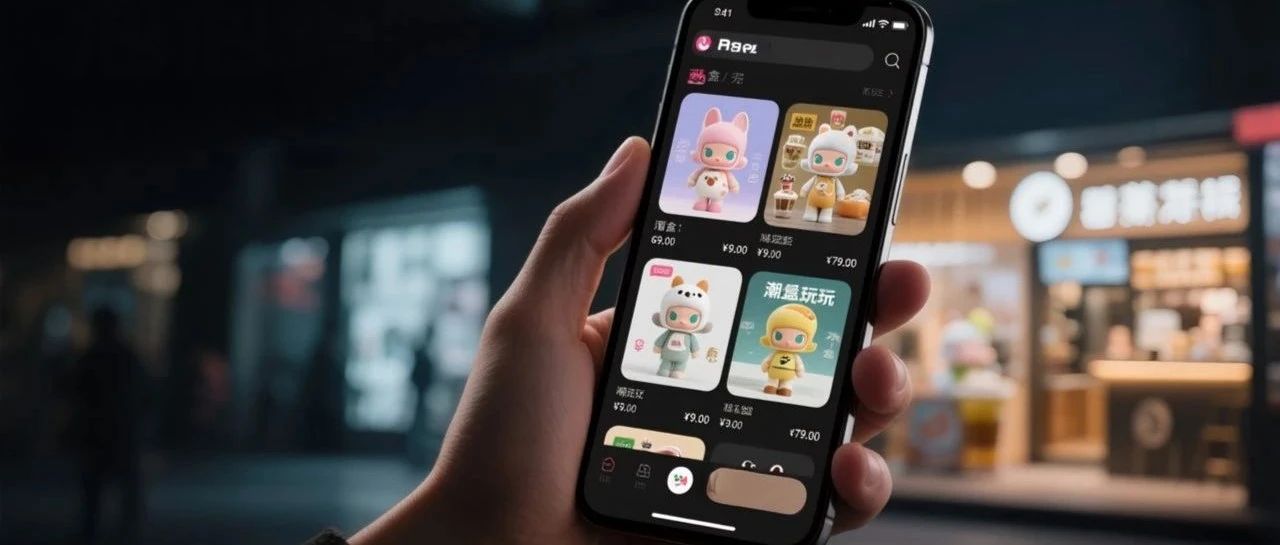
马上评丨从玲娜贝儿到拉布布,年轻人究竟需要什么情绪价值
Xin Lang Cai Jing· 2025-06-11 08:22
Core Insights - Labubu, referred to as "plastic Moutai," has gained immense popularity among young consumers, particularly during the recent Dragon Boat Festival, where long queues were observed at stores selling these collectibles [2] - The success of Labubu is attributed to its ability to resonate with the emotional needs of the younger generation, who seek "healing" through trendy toys, reflecting a shift in aesthetic preferences towards individuality and uniqueness [3][4] - Unlike the previous trendsetter, Lingna Belle, which embodies a "cute" aesthetic, Labubu's design is more unconventional, appealing to a desire for diverse and non-standardized cultural expressions among youth [3][4] Market Dynamics - Labubu's rise parallels the characteristics of postmodern culture, where consumers reject standardized cultural products in favor of those that allow for personal interpretation and identity expression [3] - The emotional value derived from Labubu extends beyond mere "healing" to include a sense of "dialogue" and "understanding," where consumers feel their tastes and aesthetics are validated [4] - Labubu's design incorporates local elements, facilitating cultural exchange and establishing trust with overseas consumers, which is crucial for its global expansion strategy initiated in 2018 [5] Cultural Significance - The phenomenon of Labubu reflects the broader trend of how Chinese cultural products can successfully penetrate global markets, showcasing the inclusivity of traditional Chinese culture as a foundation for globalization [5] - Understanding Labubu's popularity provides insights into the emotional expression needs of Generation Z and highlights the potential of the Chinese cultural and creative industry on the world stage [5]
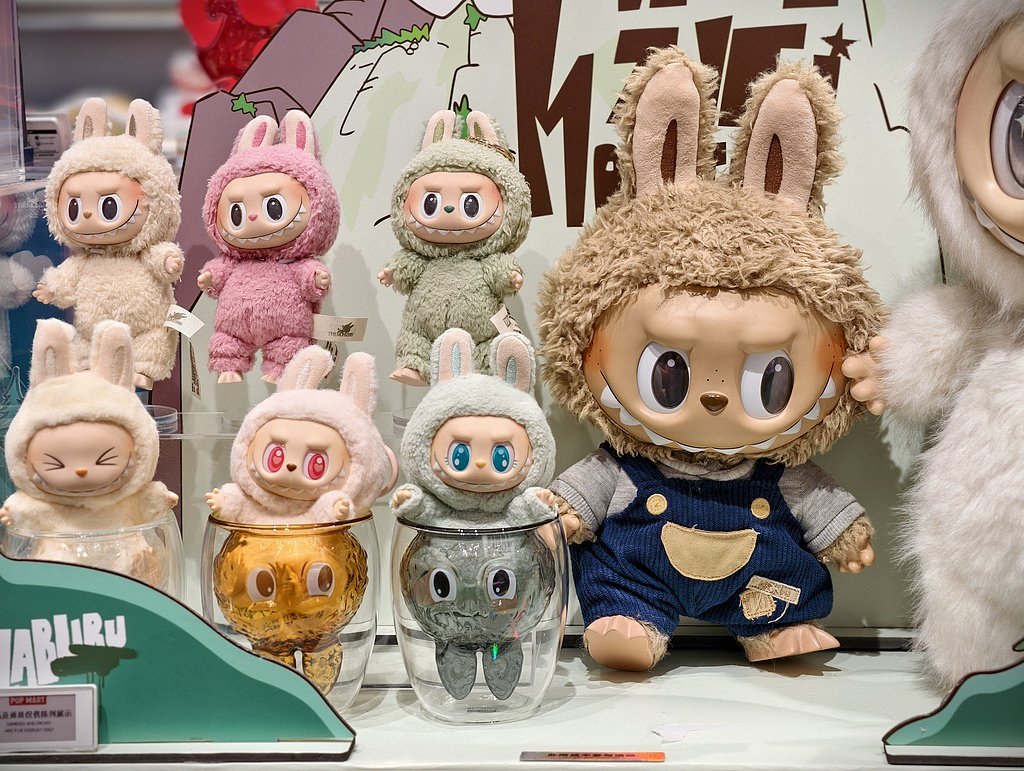
泡泡玛特证明了,情绪价值到底多值钱
经济观察报· 2025-06-11 05:38
Core Viewpoint - The emotional value is becoming a core aspect of consumer spending, with Pop Mart's success rooted in its deep exploration of IP value and emotional connection [1][5]. Group 1: Company Performance - Wang Ning, the founder of Pop Mart, has seen his wealth rise to $20.8 billion, ranking him 10th in China and 101st globally, with Pop Mart's stock price increasing by 174% this year and over 11 times since the beginning of 2024 [3]. - Pop Mart's LABUBU toy has become a global sensation, achieving sales of $6-7 million in the U.S. in April and topping the shopping charts on the Apple Store [4]. Group 2: Consumer Trends - The younger generation, particularly Gen Z, is shifting from functional needs to a focus on brand significance, aesthetic experience, and self-identity, indicating a saturation of material needs [5]. - Pop Mart capitalizes on this trend by creating a strong emotional connection through its products, utilizing blind box mechanisms to generate anticipation and scarcity to enhance desirability [5][6]. Group 3: Business Model and Strategy - Pop Mart is not merely selling products but is building a comprehensive emotional economy around its IP, expanding from blind boxes to various product categories, including toys, apparel, and even cultural content like films and theme parks [6]. - The company is likened to an "Eastern Disney," emphasizing that emotional value is now a core competitive advantage in a market characterized by information overload and excessive choices [6]. Group 4: Market Challenges - Despite its success, Pop Mart faces criticism for potentially exploiting young consumers' emotional spending and concerns about the sustainability of its business model, given the finite lifecycle of IPs [7]. - The transformation of trendy toys from niche interests to mainstream consumption reflects a pivotal moment in the new consumer era, highlighting the importance of understanding the needs of the younger generation for future business viability [8][9].


泡泡玛特证明了,情绪价值到底多值钱丨小白商业观
Jing Ji Guan Cha Wang· 2025-06-11 04:08
Core Insights - Wang Ning and his company Pop Mart (09992.HK) have achieved remarkable success, with his wealth reaching $20.8 billion, ranking him 10th in China and 101st globally as of June 9 [2] - Pop Mart's stock price has surged 174% this year, and over 11 times since the beginning of 2024 [2] - The LABUBU toy has become a cultural phenomenon among young consumers, indicating the significant impact of trend culture [2][3] Market Performance - Pop Mart's sales in the U.S. reached $6-7 million in April, making it the top-selling brand in that region [3] - The company's app topped the shopping charts in the U.S. Apple Store, demonstrating strong consumer engagement [3] Consumer Behavior - Young consumers are increasingly valuing emotional connections and brand significance over mere functionality in products [3][4] - The blind box mechanism creates anticipation and excitement, while limited editions enhance desirability [4] Business Model - Pop Mart's competitive advantage lies in its deep exploration of IP value and emotional attachment, transforming toys into symbols of identity [4] - The company is expanding its product range beyond toys to include various categories like apparel and cultural content, aiming to create a comprehensive emotional economy [4] Industry Trends - The rise of Pop Mart reflects a shift towards a new consumption era, where understanding the needs of the younger generation is crucial for business sustainability [5]

票根经济外延 从拉着箱子看剧到观演住宿一条龙
Bei Jing Shang Bao· 2025-06-10 15:02
Core Insights - The trend of young consumers traveling to cities for events like concerts and esports is becoming a new norm, with over 90% of Gen Z willing to travel for a ticket [1][3] - Emotional value is identified as the primary driver for this behavior, with 85% of respondents highlighting it as a key motivation [8][12] - The combination of ticket purchases and travel expenses can lead to significant economic impact, with a single ticket potentially generating 7-8 times its value in local spending [11][17] Consumer Behavior - Young consumers are increasingly planning trips around events, as illustrated by individuals like Xu Lei and Wang Jiayuan, who adjusted their travel plans based on ticket availability [3][4] - Emotional experiences derived from events contribute to a sense of fulfillment, prompting consumers to explore new cities while attending performances [10][12] - The trend reflects a shift in travel meaning, where interests and emotional connections redefine travel motivations [1][8] Economic Impact - The "tourism + ticket" model is emerging as a new economic engine for cities, with cultural events driving significant increases in local tourism [1][10] - Data indicates that events can lead to substantial spikes in tourism activity, such as a 266% increase in interest for cities hosting major events [17] - Consumers report high additional spending related to travel, with examples showing that a ticket purchase can lead to thousands in supplementary expenses [11][18] Industry Response - The tourism industry is encouraged to adapt by offering more scene-based services to capture the emotional connections of young consumers [1][12] - Various promotional activities and packages are being developed to leverage the popularity of events, such as discounts tied to ticket purchases [13][14] - The integration of ticketing with travel services is seen as a significant opportunity for growth, breaking down barriers between different sectors [14][16] Challenges - The industry faces challenges related to supply irregularities and the need for differentiated offerings to avoid homogenization [15][16] - The current market for "hotel + ticket" combinations is often standardized, leading to intense competition based on price rather than unique experiences [16][18] - There is a growing need for tourism businesses to focus on emotional value and quality experiences to attract consumers in a competitive landscape [12][18]
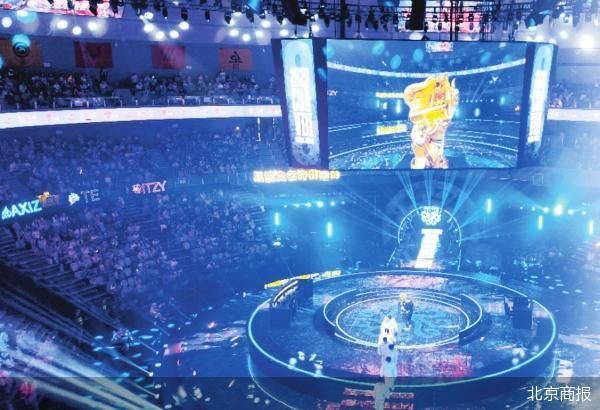
情绪价值拉满的萤火虫,能否照亮蔚来的盈利之路?
2 1 Shi Ji Jing Ji Bao Dao· 2025-06-09 13:03
Core Insights - NIO's new brand "Firefly" has achieved a sales volume of 3,680 units in its first complete month of delivery, surpassing the combined sales of Mini and Smart electric vehicles in April [1][15] - The company aims to reach a monthly sales target of 50,000 units by Q4 2025, with Firefly expected to contribute 3,000 to 5,000 units [1][16] - The Firefly brand targets middle-class families and young consumers who prioritize emotional value and design over cost [2][4] Sales Performance - Firefly's sales in May exceeded those of Mini and Smart combined, indicating strong market acceptance [1][15] - The A0 segment, which includes Firefly, saw a significant year-on-year growth of 94% in wholesale sales in April 2025 [14] Market Positioning - Firefly is positioned as a premium small car, competing against models like BMW Mini, Mercedes Smart, and Volkswagen ID.3 [4][8] - The brand's unique design has garnered attention, transforming it into a "social media star" at events like the Shanghai Auto Show [1][2] User Demographics - Firefly's customers are primarily existing car owners looking for a second vehicle or young professionals seeking their first car [2][4] - The emotional value and distinctive design of Firefly appeal to consumers who are willing to pay a premium for these attributes [2][4] Product Features - Firefly features a user-friendly interface and advanced driving assistance systems, including a high-performance hardware setup [9] - The vehicle offers ample storage space, with a total capacity of 1,253 liters in the trunk and 92 liters in the front [9] Challenges and Concerns - Despite initial success, Firefly faces challenges in sales training and customer service, with reports of sales staff lacking product knowledge [12] - The vehicle's battery and lack of certain features, such as a heat pump air conditioning system, have raised concerns among potential buyers [13] Strategic Direction - NIO is integrating Firefly into its main operations to streamline resources and enhance profitability ahead of the Q4 2025 targets [16] - The brand's focus on emotional value may clash with the need for profitability, highlighting a tension between market positioning and financial sustainability [16]


健康养生+情绪价值+中华文化,茶饮品牌走出消费“双循环”之路-仲量联行
Sou Hu Cai Jing· 2025-06-09 03:47
Core Insights - The rise of Chinese tea brands is driven by health, emotional value, and cultural empowerment, establishing a unique "dual circulation" consumption path that enables local to global expansion [1] Group 1: Emotional Value Driving Consumption Upgrade - Tea brands connect with consumers through three emotional value links: self-emotion focusing on health, community emotion through cross-industry collaborations, and social emotion leveraging Chinese culture [2][15] - Health-oriented products like low-sugar and fresh fruit teas are gaining popularity, aligning with consumer health trends [2] - Collaborations with entertainment IPs, such as the partnership between "Nezha 2" and Ba Wang Tea, enhance user engagement and brand loyalty [2][19] - Cultural collaborations with institutions like the Palace Museum promote traditional culture globally, creating emotional resonance with consumers [2] Group 2: Market Competition Landscape and Operational Strategy Adjustments - The tea market is experiencing a price drop and profit restructuring, with average customer prices falling from over 30 yuan to the 15-20 yuan range, a decrease of 30-50% [3][23] - Key brands like Mixue Ice City and Gu Ming are seeing a slowdown in single-store GMV growth, shifting focus to refined operations [3] - The franchise model is expanding, with brands like Mixue Ice City and Gu Ming having over 99% of their stores as franchises, leveraging supply chain control for scale [4][28] - Brands are also exploring high-margin peripheral retail products, similar to Starbucks, to diversify revenue streams [5][29] Group 3: Spatial Layout from Downstream Markets to Global Expansion - Tea brands are adopting a three-dimensional layout strategy: urban densification, penetration into lower-tier markets, and overseas expansion [6][7] - In high-tier cities, tea brands occupy 1.5%-2.5% of premium shopping centers, enhancing brand image through flagship and concept stores [6] - Lower-tier brands are focusing on third and fourth-tier cities, with significant increases in store numbers, utilizing core business districts and delivery channels [7] - Overseas, Mixue Ice City has over 4,800 stores, with brands like Ba Wang Tea and Nayuki entering Southeast Asia and key markets in Europe and America, showing a 46.9% growth in overseas same-store GMV [7][44] Group 4: Future Trends from Product Competition to Ecosystem Building - The tea industry is transitioning from broad competition to meticulous operations, with supply chain efficiency and industry integration becoming core barriers [8] - Brands need to balance health attributes, cultural narratives, and global layouts, using a combination of emotional value, full-chain operations, and spatial penetration to elevate Chinese tea from a local symbol to a global cultural phenomenon [8][49]

【豫财经】“港股三姐妹”爆火,两位是河南老乡
Xin Hua Cai Jing· 2025-06-06 13:31
Core Viewpoint - The Hong Kong stock market is experiencing a strong performance in 2025, particularly in the consumer sector, with companies like Mixue Group, Pop Mart, and Laopuhuangjin being highlighted as the "new consumption trio" of Hong Kong, all achieving over 100% stock price growth and market capitalizations exceeding HKD 100 billion [2][3]. Group 1: Company Performance - Mixue Group and Pop Mart, both originating from Henan, have seen significant stock price increases, with Mixue Group reaching a peak of HKD 618 per share and a market cap exceeding HKD 230 billion [8]. - Pop Mart's market capitalization has surged over HKD 1 trillion in recent months, with a remarkable 20-fold increase in stock price since its low in Q4 2022, reflecting a 2300% increase [6]. - Laopuhuangjin, known as the "Hermès of gold," has also performed well, with its stock price reaching HKD 903 per share and a market cap of HKD 155.9 billion, marking a 240% increase within the year [8]. Group 2: Market Trends - The consumer sector in Hong Kong is witnessing a wave of IPO applications, with over 20 consumer companies seeking to list, indicating a vibrant market environment [26]. - As of June 5, 2025, there are 166 companies in the IPO queue for Hong Kong, with a significant portion being consumer-related [26]. - The influx of capital into the Hong Kong market, with net inflows reaching HKD 638.36 billion in 2025, has contributed to the strong performance of consumer stocks [26]. Group 3: Consumer Behavior and Marketing Strategies - New consumer companies are particularly favored by the "Z generation," focusing on emotional value and experiential marketing, which has led to their rapid rise in the market [10]. - Mixue Group's competitive edge lies in its strong supply chain and affordable pricing, with products typically priced between HKD 2 and HKD 8, appealing to cost-conscious consumers [12]. - Pop Mart has successfully tapped into the emotional consumption needs of younger consumers by creating a sense of surprise and rarity with its blind box toys, driving repeat purchases [14]. Group 4: Regional Influence - The emergence of Mixue Group and Pop Mart as significant players in the consumer market is rooted in their origins in Henan, showcasing the province's potential for nurturing innovative business models [16]. - The success of these companies reflects a broader trend in Henan, where a new consumer landscape is being established, characterized by strong market demand and innovative business practices [24].
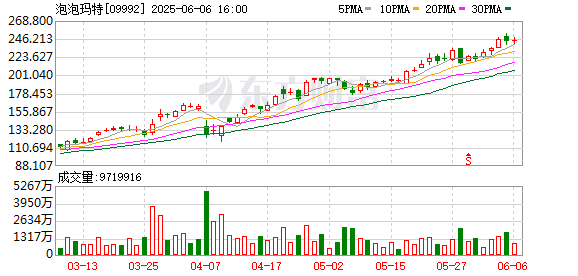
什么是“新消费”?年轻人想要的“情绪价值”到底是什么?
Guan Cha Zhe Wang· 2025-06-06 09:46
Core Viewpoint - The concept of "new consumption" is not merely defined by rapid growth but involves deeper underlying logic, including industry penetration rates and brand influence [1][3][4] Group 1: Indicators of New Consumption - New consumption has three objective indicators: industry penetration rate, Baidu search index, and a growth rate of at least 25% [3] - Subjective factors include tradability, which refers to the ability of stocks to be traded or second-hand products to be exchanged, and the ease of creating memes that facilitate brand spread [3][10] Group 2: Causes of New Consumption - The formation of new consumption habits and the breaking of new brands are the main causes of new consumption [4] - Examples of new consumption habits include collectible toys, pet food, and new tea drinks, while brands like Pop Mart and Xiaomi exemplify the breaking of new brands [4] Group 3: Characteristics of New Consumption - A key characteristic of new consumption is "word of mouth," where users become brand advocates rather than relying on traditional advertising [6][9] - The pet industry serves as a prime example of new consumption, showcasing strong user-driven brand recommendations [8] Group 4: Brand Development Stages - Brand development consists of four stages: initial recognition, preference, category association, and identity representation [15] - The emergence of a secondary market for products indicates a brand's ability to maintain or increase value over time, signifying strong market presence [17]

再见孟羽童,董明珠突然和蔼了
Tai Mei Ti A P P· 2025-06-05 11:26
Group 1 - The article discusses the generational shift in workplace expectations, highlighting that younger employees prioritize emotional value and self-actualization over traditional job security and financial compensation [6][8][10] - It contrasts the management styles of older leaders like Dong Mingzhu with the needs of younger workers, suggesting that older management often fails to recognize the importance of emotional support and respect in the workplace [4][8][10] - The article emphasizes that companies must adapt to the changing values of younger generations to retain talent, as many young workers are willing to leave jobs that do not meet their emotional and self-fulfillment needs [6][7][10] Group 2 - Dong Mingzhu's leadership style is criticized for being outdated, as she focuses on basic needs rather than the higher-level needs of respect and self-actualization that younger employees seek [8][10] - The article suggests that companies like Gree need to establish a compelling vision and demonstrate the ability to solve product issues to engage younger employees effectively [10] - It points out that the lack of innovation and excitement in the home appliance industry may hinder companies like Gree from attracting and retaining young talent [10]