
能源转型

Search documents
算力芯片“吃尽”铜坨铝锭,有色金属行情走到哪一步了?
第一财经· 2026-01-18 13:38
Core Viewpoint - The cyclical commodities industry is at a turning point, with significant price increases expected in 2026 due to supply constraints and global demand recovery after a three-year inventory destocking phase [3]. Group 1: Market Trends - The global metal futures market has seen a strong start in 2026, with LME copper prices reaching historical highs and LME tin hitting $54,760 per ton, reflecting an over 18% increase year-to-date [3][5]. - The supply-side dynamics for copper, aluminum, and lithium are entering a "tight supply" phase, with projected supply-demand gaps for 2026 of 670,000 tons for copper, 990,000 tons for aluminum, and 120,000 tons for lithium [5][6]. Group 2: Demand Drivers - AI is expected to significantly increase copper demand through upgrades in old power grids and new data centers, with estimates suggesting a compound annual growth rate of 0.7% for AI-related copper demand from 2026 to 2030, resulting in a cumulative increase of 3.8% [7]. - Traditional infrastructure, new energy vehicles, photovoltaics, and data center construction are also contributing to increased demand for copper and aluminum [8]. Group 3: Supply Constraints - The aluminum market is expected to shift from surplus to a 34% shortage by 2025, influenced by production constraints in domestic and international markets [6]. - The lithium market is anticipated to face a sharp reduction in new production capacity starting in 2026, leading to increased scarcity post-2028 [6]. Group 4: Investment Outlook - The resource allocation logic is being rewritten, with expectations of a prolonged boom cycle for resource commodities due to structural demand increases and supply constraints [6][8]. - Despite the positive outlook, there are warnings about potential short-term volatility in industrial metals, with forecasts suggesting that copper prices above $13,000 per ton may not be sustainable in the long term [8].


阳光电源中东首座10GWh工厂落地
起点锂电· 2026-01-18 11:25
Core Viewpoint - The signing of an $18 billion agreement marks the launch of one of the world's largest integrated clean energy projects in Egypt, involving a 1.7GW solar power plant and a 4GWh energy storage system [2][3]. Group 1: Project Overview - The Energy Valley project in Egypt's Minya province will feature a solar power plant and energy storage system, making it the first solar + storage project in the region capable of providing stable power around the clock [3]. - Scatec, a Norwegian renewable energy developer, is responsible for the project's development, while Sungrow will supply the energy storage systems [3]. - The project will include new substations and dedicated transmission lines to ensure a stable supply of clean electricity to the Wadi El-Sereiriya industrial area [3]. Group 2: Manufacturing and Local Impact - Sungrow plans to build a 50,000 square meter battery storage system manufacturing facility in the Suez Canal Economic Zone, which will serve as a manufacturing base for the Middle East and Africa [4]. - The factory is expected to create approximately 150 direct jobs and aims to start production by April 2027, with an annual capacity of 10GWh [4]. - The Egyptian Prime Minister emphasized that localizing renewable energy manufacturing will enhance energy security and support the green transition in Egypt [4]. Group 3: Financing and Economic Implications - The project has received strong support from multilateral development financial institutions, with preliminary financing agreements signed with the European Investment Bank, the European Bank for Reconstruction and Development, and the African Development Bank [5]. - The establishment of the factory in Egypt represents a strategic foothold for Chinese companies in the Middle East and Africa, allowing for localized production and reduced transportation costs [5]. Group 4: Strategic Importance for Egypt - The project is expected to significantly increase Egypt's clean energy share and enhance energy security while attracting more companies in the renewable energy supply chain [6]. - The Egyptian government views these initiatives as critical steps in the country's energy transition, anticipating an influx of international capital and technology into the renewable energy sector [7].


最后一步熄火了,美国油企拒绝去委内瑞拉,特朗普大失所望
Sou Hu Cai Jing· 2026-01-18 09:55
Group 1 - The U.S. government's plan to control Venezuela's oil resources has faced significant setbacks, with military actions failing to secure the necessary corporate investment [1][3] - Major oil companies, including ExxonMobil and Chevron, have expressed reluctance to invest in Venezuela due to concerns over the legal and business environment, despite the U.S. government's assurances [3][5] - Venezuela's oil production has drastically declined from a peak of 3.5 million barrels per day to under 1 million, representing only 1% of global oil supply, complicating the feasibility of the proposed $100 billion investment [5][7] Group 2 - The U.S. strategy aims to weaken OPEC+ influence and consolidate the dominance of the petrodollar, but it conflates geopolitical force with commercial viability, neglecting corporate investment return and risk concerns [7][9] - The U.S. Energy Secretary acknowledged that restoring Venezuela's oil production to 3 million barrels per day could take 8 to 12 years, contrasting sharply with the administration's optimistic projections [9][11] - The approach of bypassing the Venezuelan government for direct dealings with U.S. authorities has drawn criticism and highlighted the high uncertainty of the investment environment [9][11]

信达证券:涨价或是重要的景气主线
Xin Lang Cai Jing· 2026-01-18 07:29
Core Conclusion - The market's upward momentum has slowed down this week, with active trading funds causing turnover rates to spike, surpassing the high point of August 2025. The spring market is still in progress, and a period of sideways consolidation after excessive short-term trading is normal. Although there are indications of a short-term cooling in policy, the overall stance remains accommodative [1][5]. Market Trends - The market style is shifting, with thematic sentiment cooling and strong sectors returning to the prosperity line. In the liquidity bull market phase, the profit effect is spreading, and price increases are considered a key prosperity line. The current narrative around commodities is driven by de-globalization and supply chain restructuring, leading to a re-pricing of key resource products [1][5]. Commodity Price Dynamics - Long-term, commodity prices tend to move in tandem, even during periods of economic downturn, as seen from 1970 to 1980 when prices continued to rise until 1980. There is optimism for a new super cycle in commodity prices. In the short to medium term, the focus should be on supply constraints, with potential expansion from emerging industry demand to the recovery of traditional demand. Beneficiaries on both supply and demand sides include non-ferrous metals (precious metals, copper, aluminum, strategic metals, rare earths), new energy (new energy materials, power batteries), chemical products (phosphate chemicals, fluorine chemicals), and storage chips [1][3][6]. Supply and Demand Factors - The current commodity price cycle is primarily driven by supply chain security. On the supply side, the control of strategic resources is intensifying amid great power competition, leading to increased scarcity in key mineral sectors. On the demand side, real needs driven by the AI technology revolution, energy transition, and military spending are boosting demand for strategic metals like copper, aluminum, lithium, and rare earths. A weak dollar cycle may support the elevation of commodity price levels [2][6]. Price Movement Patterns - Historically, during a commodity price increase, there are price rotations among commodities due to their interdependencies and relationships within the supply chain. For instance, during the demand expansion-driven price increase from 2009 to 2011, copper led the rise, followed by crude oil and soybeans. In the supply constraint-driven price increase from 2016 to 2018, oil and black commodities rose first, with chemical products showing sustained price increases [2][6]. Future Outlook - There is a strong belief in the potential for a new super cycle in commodity prices. The focus for the current price increase should be on supply constraint elasticity, with expansion likely moving from emerging industry demand to the recovery of traditional demand. Key supply constraints include production capacity limits for critical resources like copper and rare earths, capacity restrictions driven by "anti-involution" policies, and supply shortages driven by high AI demand. Demand opportunities are expected to arise from the transition between new and old driving forces in sectors like new energy vehicles, photovoltaics, and AIDC [3][7].

理查德·布莱克:中国引领全球清洁能源革命
Ren Min Ri Bao· 2026-01-18 05:53
Core Insights - China is reshaping its energy future and the global energy landscape, leading the clean energy revolution by reducing the costs of core clean energy equipment, creating more opportunities for energy transition in other countries, especially in the Global South [1] - The application of the "Lerner's Law" is evident in the significant cost reductions of wind turbines (approximately 60% over the past decade) and solar photovoltaic systems (about 90%), which have led to exponential growth in their adoption [1] Group 1 - In 2024, 81% of China's new electricity demand will be met by clean power, significantly higher than the 52% average from the previous five years [2] - Seven provinces in China have over 25% of their electricity sourced from wind and solar energy [2] - Clean energy investment in China reached $625 billion in 2024, accounting for about one-third of global investment [2] Group 2 - By the first half of 2025, clean energy is expected to meet all of China's new electricity demand, with renewable energy installations growing by 47.7% year-on-year [2] - China currently supplies over 80% of the world's photovoltaic components and 70% of wind power equipment [2] - The export volume of China's photovoltaic components increased from 66.6 GW in 2019 to nearly 240 GW in 2024 [2] Group 3 - In 2023, over 60% of emerging economies in Asia, Africa, and Latin America had solar power contributing more than the total electricity consumption compared to the U.S. [3] - The experience of China demonstrates that a highly industrialized nation can achieve energy transition, provided that the government implements coherent and consistent policies [3] - Countries are urged to seize the current momentum of energy transition and leverage declining clean energy prices to build a cleaner and more resilient future [3]
美国“电荒”,中国“电卷”
创业邦· 2026-01-18 03:48
Core Viewpoint - The article contrasts the electricity pricing dynamics in the United States and China, highlighting the stark differences in how each country manages electricity supply and demand, leading to divergent pricing trends. Group 1: U.S. Electricity Market Dynamics - In the U.S., electricity shortages manifest through immediate price increases, reflecting a brutal pricing mechanism that signals supply constraints to consumers [10][12]. - The average electricity price in the U.S. has been rising over the past two years, driven by necessary infrastructure upgrades and capital expenditures [11]. - The pricing mechanism in the U.S. is designed to encourage investment in power generation and to prompt consumers to reduce usage during shortages [10][12]. Group 2: Chinese Electricity Market Dynamics - In contrast, China's electricity prices are experiencing a downward trend, with a reported 10% year-on-year decrease in purchasing prices as of early 2025 [6]. - The Chinese electricity market is characterized by a "passive clearing" process, where supply outpaces demand, leading to lower prices despite increasing electricity consumption from data centers and manufacturing [15][18]. - The integration of renewable energy sources in China has not raised costs as seen in Europe; instead, it has driven prices down due to near-zero marginal costs [16]. Group 3: Implications of Pricing Mechanisms - The U.S. model places the burden of rising costs on end-users, resulting in visible public discontent and protests against high electricity bills [20]. - Conversely, in China, the costs are absorbed by the supply side, with power generation companies and equipment manufacturers facing pressure to maintain low prices, leading to reduced profitability [21][22]. - The article suggests that the different approaches to electricity pricing reflect broader economic strategies, with the U.S. focusing on market-driven solutions and China prioritizing stability and accessibility [22].
10.4万亿千瓦时!中国1年用电量是美国的2倍多,比欧盟+俄罗斯+印度+日本总和还高?
Sou Hu Cai Jing· 2026-01-17 19:37
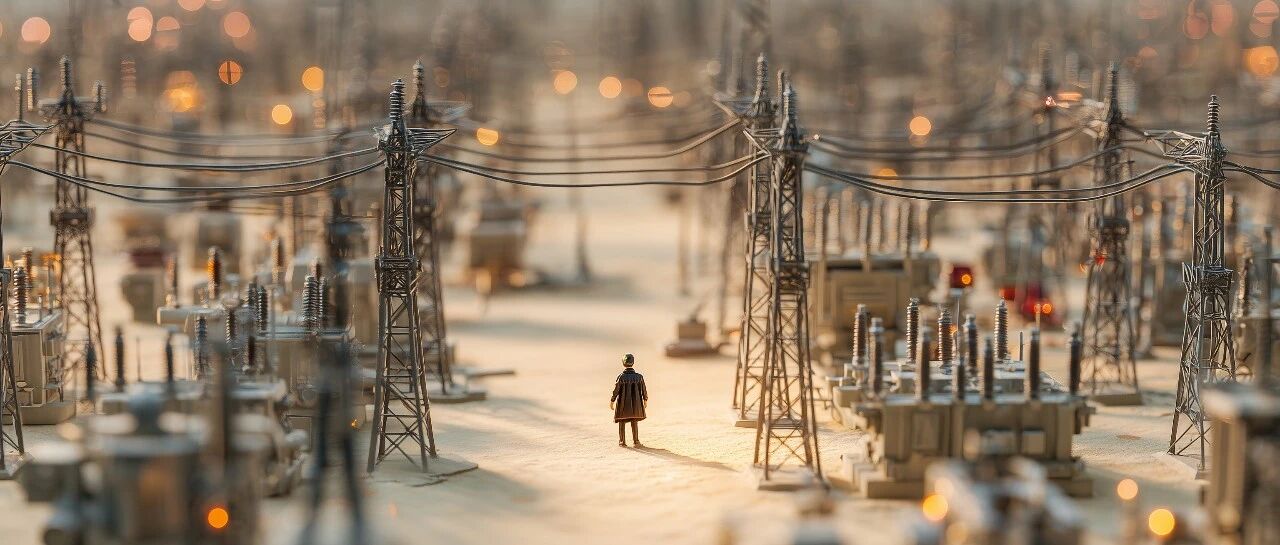
Core Insights - China's total electricity consumption has reached a historic milestone of 10.4 trillion kilowatt-hours in 2025, marking a 5% year-on-year increase, which is more than double the annual electricity consumption of the United States and exceeds the combined total of the EU, Russia, India, and Japan [1][3]. Group 1: Understanding the Scale of Electricity Consumption - The figure of 10.4 trillion kilowatt-hours translates to nearly 7,500 kilowatt-hours per person annually for China's 1.4 billion population, sufficient for an average household to use continuously for over 60 years [3]. - This consumption level is double that of China's total electricity usage in 2015, indicating a significant growth over the past decade [3]. Group 2: Drivers of Electricity Consumption Growth - The surge in electricity consumption is primarily driven by three key factors: the strong performance of emerging industries, increased residential consumption, and robust green electricity supply [5]. - Emerging industries, particularly high-tech and equipment manufacturing, have seen substantial electricity consumption growth, with electric vehicle manufacturing exceeding 20% and wind energy equipment manufacturing surpassing 30% [6]. - Residential electricity consumption has increased by 6.3% due to the rise of smart appliances and electric vehicles, while the recovery in the service sector, including tourism and dining, has contributed to an 8.2% increase in electricity usage [7]. - The share of green electricity is also rising, with wind and solar power installations expected to reach approximately 370 million kilowatts, accounting for 22% of total electricity generation [8]. Group 3: Implications for Global Energy Landscape - China's record electricity consumption not only signifies a numerical achievement but also reshapes multiple energy dynamics, showcasing the strength of its power system with a total installed capacity of 3.8 billion kilowatts and a reliability rate of 99.924% [9]. - From a global perspective, China is becoming the core engine of electricity demand growth, contributing significantly to the expected 4% annual increase in global electricity demand over the next three years, with emerging economies accounting for 85% of this growth [9]. - The increase in green electricity supply offers a "Chinese solution" for global energy transition, exemplified by the cross-regional transmission of green electricity from Inner Mongolia to Hainan [9].
媒体报道︱感知中国能源转型的澎湃动能
国家能源局· 2026-01-17 10:33
Core Viewpoint - The energy sector has demonstrated resilience and adaptability in the face of global energy restructuring, extreme weather challenges, and industrial transformation pressures, achieving significant progress in energy supply security and transitioning towards a greener, more innovative, and efficient energy system [13][14][17]. Group 1: Energy Supply Security - Energy security is a strategic issue that impacts national economic and social development, with a focus on ensuring stable energy supply as a priority for energy work [14]. - In 2025, the maximum electricity load reached 1.465 billion kilowatts, an increase of nearly 150 million kilowatts compared to the same period in 2024, with total electricity consumption exceeding 1 trillion kilowatt-hours for the first time globally [14][15]. - Coal production was maintained at over 4.8 billion tons, with imports around 470 million tons, ensuring a reasonable supply level and enhancing supply elasticity [15][16]. Group 2: Transition to Renewable Energy - The construction of a clean, low-carbon, safe, and efficient new energy system is accelerating, with significant investments in solar and wind energy, resulting in an additional 370 million kilowatts of installed capacity [17][18]. - Renewable energy sources accounted for approximately 22% of total electricity consumption, highlighting the rapid increase in their share within the energy mix [17][19]. - Policies promoting the integration and development of renewable energy have been implemented, leading to higher quality and more efficient energy production [17][19]. Group 3: Market Reforms and Innovations - The establishment of a unified national electricity market has been a key development, with market transactions reaching 6.6 trillion kilowatt-hours, accounting for 64% of total electricity consumption [24][25]. - The energy sector is undergoing a transformation from rigid supply to flexible demand response, with innovative mechanisms in place to manage peak electricity loads effectively [16][24]. - The introduction of new technologies and business models, such as virtual power plants and intelligent microgrids, is enhancing the adaptability of the electricity system to high proportions of renewable energy [17][21]. Group 4: Economic and Environmental Impact - The new energy system is expected to become a driving force for high-quality economic development, providing cheaper electricity and enhancing competitiveness in the face of international trade barriers [20][22]. - The focus on green development is not only improving air quality and energy management for consumers but also creating visible benefits from the transition to renewable energy [20][22]. - The integration of artificial intelligence in the energy sector is set to enhance operational efficiency and support the transition to a modern energy system [21][23].
感知中国能源转型的澎湃动能
Jing Ji Ri Bao· 2026-01-17 01:37
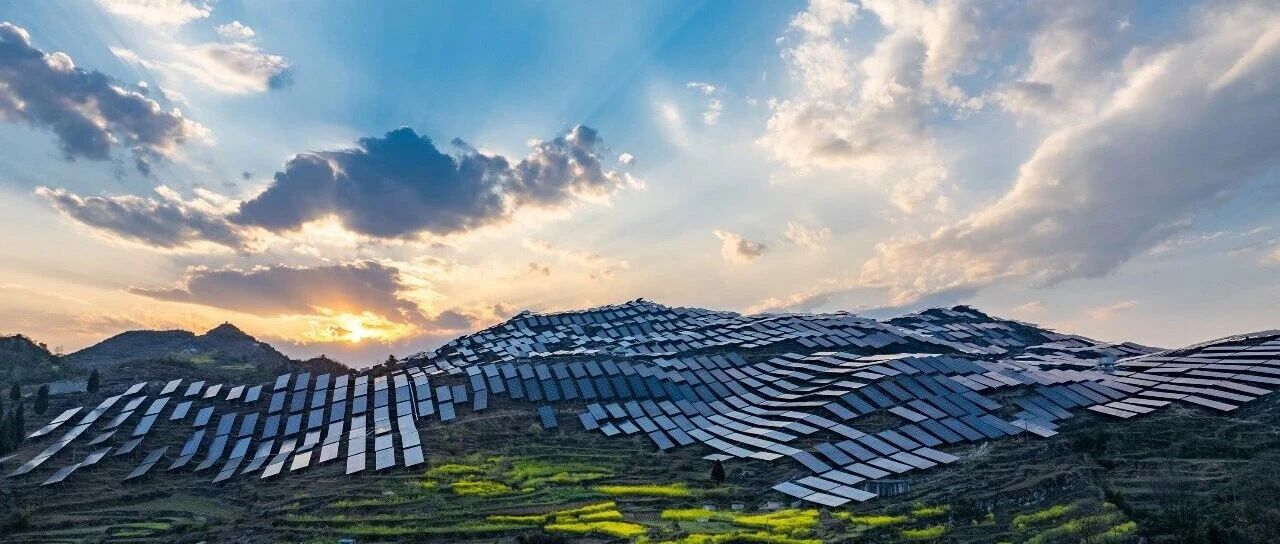
Core Viewpoint - The energy sector has demonstrated resilience and adaptability in ensuring supply security, transitioning towards a green and innovative future, and supporting high-quality economic development by 2025 [1][2]. Group 1: Energy Supply Security - Energy security is a strategic issue for national economic and social development, with a focus on ensuring supply as a top priority [2]. - In 2025, the maximum national power load reached 1.465 billion kilowatts, an increase of nearly 150 million kilowatts compared to the same period in 2024, supporting high-quality economic development [2]. - Coal production remained stable, with over 4.8 billion tons produced and approximately 470 million tons imported, maintaining a reasonable supply level [3]. - The national electricity transmission capacity reached 340 million kilowatts, facilitating resource distribution across regions [3]. Group 2: Energy Transition and Innovation - The energy sector is accelerating its transition to a clean, low-carbon, safe, and efficient system, with significant advancements in renewable energy [5][6]. - In 2025, new wind and solar installations reached approximately 370 million kilowatts, accounting for 22% of total electricity consumption [6]. - The coal industry is transitioning towards greener practices, with over 6 billion cubic meters of coal mine gas utilized [7]. - The wind power sector is experiencing a positive trend, with companies shifting from price competition to value competition, leading to increased profitability [7][8]. Group 3: Technological Advancements - The energy sector is embracing new technologies such as artificial intelligence and advanced storage solutions, enhancing operational efficiency and safety [9][11]. - New energy storage installations surpassed 100 million kilowatts, accounting for over 40% of the global total, indicating a shift from luxury to necessity [10]. - The implementation of the Energy Law in 2025 aims to promote high-quality development of new energy storage [10]. Group 4: Market Reforms and Opportunities - The establishment of a unified national electricity market has improved resource allocation and addressed challenges in energy transition [12][13]. - In 2025, market-based electricity transactions reached 6.6 trillion kilowatt-hours, accounting for 64% of total electricity consumption [12]. - The government has introduced measures to support private enterprises in the energy sector, enhancing market participation and investment opportunities [14].
越南召开落实COP26承诺指委会第六次会议
Shang Wu Bu Wang Zhan· 2026-01-16 16:10
Group 1 - Vietnam's Prime Minister emphasized the urgent need to accelerate the implementation of COP26 commitments for rapid and sustainable development [1] - Vietnam, being one of the countries most affected by climate change, must adopt stronger and more effective measures to respond and adapt [1] - In 2025, Vietnam faced 21 typhoons and tropical depressions, resulting in 420 deaths, 730 injuries, and economic losses of approximately 100 trillion VND (about 3.846 billion USD) [1] Group 2 - The COP26 implementation committee has deployed several key tasks and made positive progress in improving the climate change response mechanism and policy system [2] - Vietnam is actively participating in international forums on climate change, expanding strategic partnerships, and attracting more resources for domestic green and digital transformation [2] - There are still challenges such as insufficient resource mobilization and lack of coordination among various levels and departments [2] Group 3 - To enhance the coordination capability of implementing COP26 commitments, the Prime Minister proposed several requirements, including centering climate change response around people and enterprises [2] - Continuous improvement of the climate change response system and the establishment of mechanisms for mobilizing funds are necessary [2] - Accelerating greenhouse gas emissions reduction and preparing for the operation of the domestic carbon market are critical steps [2]