美元霸权

Search documents
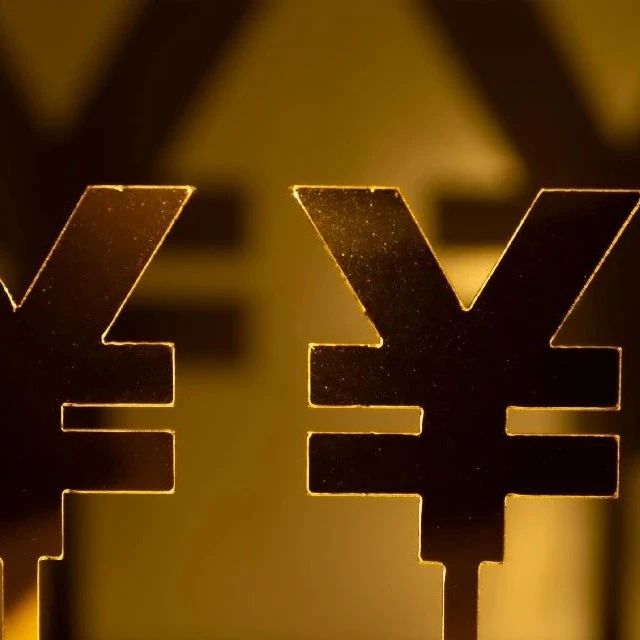
50年来最惨上半年!美元噩梦未醒,更大抛售恐将至?
Jin Shi Shu Ju· 2025-07-08 04:43
Group 1 - The dollar has experienced its worst first half since the Nixon era, with a 10.7% decline against global peers as of June [1] - Factors contributing to the dollar's decline include policy unpredictability, rising debt and deficits, and potential interest rate cuts by the Federal Reserve [1][3] - The dollar's downward trend began in mid-January and has shown limited signs of recovery since then [1] Group 2 - A weaker dollar can benefit the stock market, particularly for companies in the S&P 500 that derive over 40% of their revenue from international sales [2] - Concerns are growing about the potential end of "American exceptionalism" and "dollar hegemony," with U.S. public debt nearing $30 trillion and projected deficits approaching $2 trillion by 2025 [2] - Central banks are increasing gold purchases as a hedge against inflation and economic uncertainty, with global purchases reaching 24 tons per month [2] Group 3 - The Federal Reserve's anticipated interest rate cuts could exert further downward pressure on the dollar, although the effects of such policy changes may be unpredictable [3] - Some analysts believe the dollar's decline may not be permanent, citing recent stock market rebounds as a sign of renewed confidence in U.S. assets [4][5] - Concerns regarding the dollar's role in global trade and finance may be overstated, as it remains a cornerstone of the global financial system [5]
关键时刻,印度投下了赞成票!特朗普摊牌,要全球孤立金砖11国
Sou Hu Cai Jing· 2025-07-07 14:05
Group 1 - The rise of the BRICS mechanism highlights the declining global influence of Western countries, with Global South nations moving from the periphery to the core of global governance [1] - Trump's recent threat to impose an additional 10% tariff on countries aligning with "anti-American policies" signals a direct confrontation with the BRICS mechanism [1][3] - The definition of "anti-American policies" is subjective and can be manipulated by the U.S. to suppress dissenting nations, as seen in the criticism of U.S. tariffs by BRICS nations [3] Group 2 - Trump's tariff strategy aims to isolate BRICS countries and deter other nations from joining this cooperative framework, despite the recent successful BRICS summit in Brazil [5] - India's unexpected support for the joint statement at the BRICS summit indicates a strategic shift towards collaboration within the BRICS framework to counter U.S. pressure [5] - The U.S. tariff threats are part of a broader defense of dollar hegemony, while BRICS initiatives like local currency settlements challenge the dominance of the dollar [7] Group 3 - The successful BRICS summit and India's changing stance signal a united response from the Global South against unilateralism, potentially leading to a new international balance [7]

2025下半年,钱往哪里投?
Sou Hu Cai Jing· 2025-07-07 14:05
Group 1 - The article discusses the historical turning point of globalization, highlighted by the U.S. proposal for "reciprocal tariffs," which reflects a significant trade deficit and domestic demand issues in the U.S. and a mirrored situation in China with excess production capacity and insufficient domestic demand [2][8][67] - The U.S. has proposed a 10% tariff on all countries, with an additional 34% tariff specifically on China, indicating a strategic move to address trade imbalances [4][68] - The rapid escalation of tariffs between the U.S. and China, reaching as high as 125%, signifies a volatile trade relationship that has substantial implications for global economic dynamics [6][11] Group 2 - The article emphasizes the need for a macroeconomic perspective to understand the complexities of trade relations, arguing that microeconomic experiences cannot adequately inform macroeconomic policies [10][12][20] - It highlights the importance of recognizing the interconnectedness of economic variables, where government spending can influence overall economic health and consumer behavior [52][56] - The analysis points out that the U.S. trade deficit is fundamentally linked to its domestic demand exceeding production capacity, necessitating imports to meet consumption needs [74][90][93] Group 3 - The article outlines the implications of the U.S. dollar's status as the world's primary reserve currency, which allows the U.S. to maintain high levels of trade deficits without immediate repercussions [106][110] - It discusses the potential consequences of the U.S. pursuing a policy of reciprocal tariffs, which may lead to reduced dollar outflows and impact the country's ability to sustain its debt levels [153][159] - The article suggests that the U.S. may face significant challenges in maintaining its economic model if it continues down the path of protectionism, potentially leading to a debt crisis [161][162] Group 4 - The article posits that China's economic strategy must adapt in response to the U.S. shift towards protectionism, emphasizing the need to boost domestic demand to mitigate reliance on exports [139][141] - It argues that if China can effectively stimulate internal consumption and investment, it could enhance its position in the global economy amidst changing trade dynamics [142][146] - The analysis concludes that the future of globalization will depend significantly on China's policy choices and its ability to navigate the challenges posed by U.S. trade policies [165][168]

人民币国际化的新机遇
经济观察报· 2025-07-07 12:11
Core Viewpoint - The article discusses the potential for the Renminbi (RMB) to challenge the dominance of the US dollar in the context of a changing global trade and financial environment, particularly in the emerging G2 world [2][9]. Historical Context - Previous currencies like the Japanese Yen and Euro had opportunities to challenge the dollar but ultimately failed due to various economic and political factors [3][5][6]. - The Yen appreciated significantly from 1985 to 1989, but this did not lead to its status as a global reserve currency, highlighting that currency strength does not guarantee international acceptance [4][5]. - The Euro faced challenges from its inception, including the Eurozone debt crisis, which undermined its credibility as a reserve currency [6][10]. Characteristics of Global Reserve Currencies - A global reserve currency typically requires military power to ensure its dominance, as seen historically with currencies from Spain, the Netherlands, and the UK [7]. - The US dollar's status is supported by a favorable external environment post-World War II, characterized by globalization and reduced geopolitical conflicts [8]. - The concept of "seigniorage" allows the issuer of a reserve currency to benefit from printing money, but this is not an unlimited power, as evidenced by the US's current debt situation [8][11]. Current Situation of the Renminbi - The global interest in the RMB is increasing, driven by concerns over the US's weaponization of the dollar and the need for alternative financial systems [10][13]. - The RMB's role as a transaction currency is growing, but it still lacks the characteristics necessary for it to be a long-term reserve currency, such as liquidity and full convertibility [10][14]. - The RMB's internationalization is influenced by the relative decline of trust in the US and the rise of China's economic influence [13][14]. Future Outlook - The potential for the RMB to challenge the dollar's dominance is contingent on several factors, including the establishment of a robust RMB settlement network and the resolution of existing economic and policy risks [10][14]. - The transition to a multi-currency world may take time, as the dollar's dominance is deeply entrenched [14].
美元仍无可替代?高盛:资产分散压力或引发价格风暴
Hua Er Jie Jian Wen· 2025-07-07 07:18
Core Viewpoint - Global investors are questioning the dominance of the US dollar, but alternatives are limited, which may lead to significant market volatility and revaluation of nominal asset prices [1][2]. Group 1: Limited Alternatives to the Dollar - Goldman Sachs analysts highlight that despite rising demand for diversification away from dollar assets, credible alternative assets are scarce, with only Swiss francs, precious metals, and Bitcoin being viable options [2]. - The market capacity of these alternatives is significantly lower than that of the dollar, which could result in "non-linear" price volatility if large-scale investments flow into them [2]. - The case of the Swiss franc illustrates this issue, as its strength has prompted the Swiss National Bank to revert to a zero interest rate policy, indicating the limits of even high-quality alternative currencies [2]. Group 2: Impact of Currency Fluctuations on Asset Allocation - Large-scale diversification away from dollar assets could not only affect the foreign exchange market but also lead to a revaluation of global equity markets and other nominal assets [3]. - Despite a weak performance of the dollar in the first half of the year, demand for dollar assets remains strong, particularly in the tech and AI sectors, driven by institutional investments [3]. - Goldman Sachs anticipates that the Federal Reserve will cut interest rates three times in the next six months and two more times in the first half of 2026, which may lead to further adjustments in the dollar's exchange rate [3].

黄金一天蒸发30美金!400元时代还能等来吗?3个硬条件说了算
Sou Hu Cai Jing· 2025-07-07 06:17
黄金的"千元时代"已逝?别做梦了! 朋友圈里哀嚎遍野,国际金价一日暴跌30美元(约合人民币194元),国内首饰金价纷纷跌破千元大关。不少人惊呼:"400元/克的黄金时代是不是要来 了?" 醒醒吧,朋友!这种想法过于天真,至少三个关键因素将黄金价格牢牢锁定在目前水平,让400元/克的黄金梦成为泡影。 一、美联储加息的"大锤"挥不动了 3. 市场情绪成熟理性: 黄金ETF近三周净流入23亿美元,机构投资者将金价下跌视为抄底良机。某黄金交易APP甚至在凌晨三点仍有交易记录,市场参与者 早已洞悉"割肉"的风险。期货市场看涨期权持仓量也创下三个月新高。 美元指数近期徘徊在105点左右,与当年压制黄金价格的110点高位相比,差距甚远。反观欧元区,德国PMI连续13个月萎缩;日本日元更是贬值严重。全球 资本除了美元,还能选择什么避险资产呢?美元越强势,黄金就越显得黯然失色,如同无人问津的废铁。 三、地缘政治风险与市场情绪交织 全球局势动荡不安,以色列与伊朗刚刚签署停火协议,却又传出核设施受威胁的消息;普京宣布增兵北约边境,特朗普又重提关税问题……甚至巴菲特都在 股东大会上表达了对美元信用的担忧。 在这种动荡的国际环境下,谁 ...

特朗普还没到北京,先白送中国一个战略机遇,美国盟友要遭罪了
Sou Hu Cai Jing· 2025-07-07 05:05
特朗普在输掉这场战斗之后,才逐渐意识到,和我国对抗无论如何都会使美国陷入困境。于是,他开始调整态度,逐步软 化对华政策。如今,他甚至计划访华,寻求通过合作实现双赢。但令人意外的是,在计划访问北京之前,特朗普却先给我 国送上了一个极具战略价值的机遇:美国的盟友们正面临新的困境。 虽然我国尚未正式发出邀请,但特朗普这几天已经将访华计划提上了日程。据说,他甚至已经组建了一支高规格的访问团 队。为了进一步彰显其访华的决心和分量,特朗普有可能会带上包括黄仁勋等在内的商界大佬,像几个月前访问沙特时那 样,力图在科技和经贸领域与我国展开深入的合作交流。双方若达成共识,可能会在访华期间立即签署合作协议。这意味 着,特朗普已经迫不及待地希望访问我国,只待我国的邀请。 特朗普自重新当选美国总统以来,始终与我国保持对抗,尽管他屡次试图换新招,但最后还是回到了老套路:通过加征关 税与我国对抗。特别是在今年4月,他发起了近年来中美之间最为激烈的一场关税战。面对我国的强力反击,特朗普的计划 最终宣告失败。 就在此时,特朗普突然对美国的一大亚洲盟友——日本,展开了猛烈的攻击。根据最新报道,特朗普再次强调要对日本加 征25%的汽车关税,并表 ...
美债炸弹引爆倒计时!中日英三国狂抛万亿,白宫急召中国救场
Sou Hu Cai Jing· 2025-07-07 00:39
Group 1 - The core issue is a global sell-off of U.S. Treasury bonds, with China liquidating $80 billion and Japan's central bank selling $20.6 billion, indicating a significant loss of confidence in U.S. debt [1][6] - The U.S. national debt has reached $36 trillion, with daily increases of $5.5 billion, yet U.S. Treasury Secretary Janet Yellen downplays the situation, suggesting it is not a major problem [1][6] - The dominance of the U.S. dollar is highlighted, with 59% of global foreign exchange reserves and 40% of international trade conducted in dollars, allowing the U.S. to maintain its financial position despite high debt levels [3][5] Group 2 - The U.S. Treasury market sees daily trading volumes exceeding $600 billion, making it a safe haven during crises, despite significant sell-offs by countries like China and Japan [3][6] - The manipulation of interest rates, transitioning from LIBOR to SOFR, has placed global borrowing costs under U.S. control, further entrenching the dollar's dominance [3][5] - The U.S. is facing a looming fiscal crisis, with interest payments on national debt projected to reach $881 billion in 2024, surpassing military spending, and expected to rise to $1.8 trillion by 2035 [6][7] Group 3 - The depreciation of the dollar is seen as a strategy for the U.S. to manage its debt, with projections indicating a drop in the dollar index from 105 to 85 between 2023 and 2025, leading to significant losses for countries holding U.S. debt [5][6] - The shift towards de-dollarization is accelerating, with BRICS nations increasingly using local currencies for trade, and significant gold purchases by central banks indicating a move away from dollar reliance [7]
复旦大学杨长江:对稳定币的认识,风物长宜放眼量
Guan Cha Zhe Wang· 2025-07-06 13:42
Core Insights - The rapid emergence of stablecoins is influenced by both opportunistic factors, such as U.S. President Trump's policy preferences, and the inevitable trends of globalization and financialization in the digital economy [1][2] - The U.S. places significant emphasis on stablecoins to maintain the dominance of the U.S. dollar in the global financial system [1][2] Group 1: Characteristics of Stablecoins - Stablecoins represent a stage in the evolution of currency forms in the tokenized era, demonstrating initial monetary attributes despite existing challenges [1] - They achieve three balances: the combination of public and private rights, the integration of centralization and decentralization, and the collaboration between on-chain and off-chain systems [1] Group 2: Criticism and Future Outlook - The Bank for International Settlements has criticized stablecoins for failing to meet basic monetary functions, yet a more open and inclusive perspective is encouraged towards this emerging phenomenon [1] - The future landscape will see competition and cooperation between technology companies and financial institutions as commercial banks gradually participate in stablecoin issuance, further advancing the digital financial ecosystem [1] Group 3: Globalization and Strategic Considerations - The U.S. aims to create a tokenized global financial system based on the dollar, leveraging stablecoins to generate operational demand for U.S. Treasury bonds [2] - For the internationalization of the Renminbi, a "dual-track parallel" strategy is recommended, focusing on accelerating the development of central bank digital currency while exploring Renminbi-pegged stablecoins [2]
华盛顿急推关税遭孤立?中国表态,美媒:中国3个月没买美国油
Sou Hu Cai Jing· 2025-07-06 02:37
Group 1: Dollar System and Oil Trade - The acceptance of RMB for oil transactions by Saudi Arabia marks a significant challenge to the petrodollar system, with 28% of Middle Eastern oil trade with China using RMB by 2025 [3] - The integration of the Saudi central bank into China's cross-border payment system has reduced transaction costs by 50% and transaction time from 3 days to 10 seconds [3] - The sale of $634 billion in U.S. Treasury bonds by Saudi Arabia has further destabilized the petrodollar system [3] Group 2: Rare Earths and U.S. Manufacturing Challenges - China implemented export controls on seven types of heavy rare earths, directly impacting the U.S. military industry, as key components for F-35 jets and Tomahawk missiles rely on these materials [5] - The U.S. lacks sufficient domestic refining capacity for heavy rare earths, with only one company, MPMaterials, producing at industrial-grade purity [5] - The Pentagon has warned that the F-35 production line could halt within six months due to supply chain disruptions [6] Group 3: Energy Crisis and China's Strategic Position - The U.S. saw zero oil imports from March to May 2025, the longest interruption since 2018, leading to a drop in U.S. oil exports to a two-year low [8] - Texas oil fields faced a backlog of over 43 million barrels, with WTI prices falling below $70 per barrel, while shale oil production costs remained high [8] - China's diversified energy network has allowed it to increase oil imports from Iran and Canada significantly, while reducing reliance on U.S. oil [9] Group 4: U.S. Policy Adjustments and Global Reactions - In response to the energy crisis and rare earth supply issues, the Trump administration made several concessions, including lifting restrictions on chip design software for China and approving GE's engine supply for China's C919 aircraft [12] - The U.S. faced backlash from allies regarding tariffs, with the EU and Japan resisting U.S. agricultural tariffs, leading to a breakdown in negotiations [12] Group 5: U.S.-China Relations and Strategic Shifts - Chinese officials emphasized a desire for peace while asserting core interests, particularly regarding Taiwan, which led to a halt in U.S. military actions in the Taiwan Strait [13] - China's economic strategies, including supply chain adjustments and technology controls, have forced the U.S. to reassess its strategic approach [13] Group 6: Rise of New Energy and China's Global Leadership - China dominates the global renewable energy market, producing 73% of solar components and 68% of power batteries [15] - The digital RMB cross-border payment system supports 38% of global trade, facilitating China's energy trade with various countries [15] - As the world shifts towards renewable energy, China's leadership in this sector signifies a pivotal change in the global economic landscape [15] Group 7: Conclusion and Future Outlook - The ongoing competition between the U.S. and China reflects a silent struggle for dominance in the energy sector, with China emerging as a leader in renewables while the U.S. grapples with its energy challenges [17] - This transition marks a significant milestone in China's rise within the global economic framework [17]