
资产配置

Search documents
黄金又跌价了,25年12月27日金条降价,国内黄金、金条新价格
Sou Hu Cai Jing· 2025-12-28 18:35
Group 1 - The international gold price has retreated to $4508.4 per ounce, with domestic gold jewelry prices varying significantly, reflecting differences in craftsmanship and operational costs [1] - The latest market performance shows that the international precious metals sector remains strong, with gold prices staying above $4500 per ounce, silver prices rising by 4% to $74.67 per ounce, and platinum and palladium experiencing notable increases of over 8% and 5% respectively [2][3] - The current rally in precious metals is not isolated to a single commodity but reflects a broader trend, with both gold and silver attracting sustained investor interest beyond mere safe-haven logic [3] Group 2 - The trading attributes of gold have enhanced, with its price movements showing a correlation with risk assets, while its intrinsic value remains unchanged [4] - The recovery market indicates a stable reference price for high-purity gold at 996 yuan per gram, with minimal brand premium in the recovery phase, emphasizing gold's metal properties [4] - The pricing logic of bank gold bars versus branded gold bars highlights a cost advantage for bank offerings, while branded bars cater more to collectors and gift-giving [5] Group 3 - The overall performance of precious metals indicates a synchronized rise in gold, silver, platinum, and palladium, suggesting systematic capital inflow into this sector [7] - Investors are advised to differentiate between short-term trading opportunities and long-term value in precious metals, especially during high volatility phases [7]

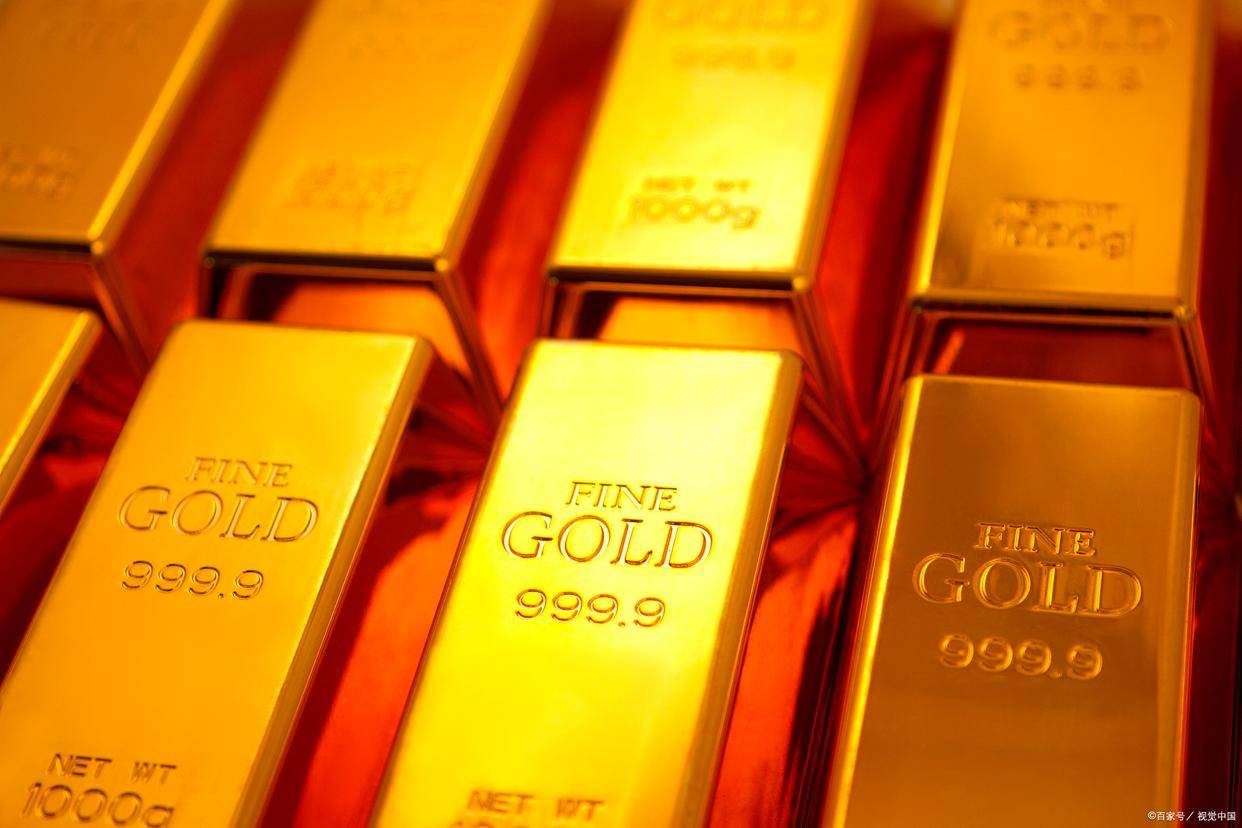
金价银价飙升,国内金饰卖出1413元,买入也超千元,投资者该怎么选?
Sou Hu Cai Jing· 2025-12-28 18:11
Core Viewpoint - The recent surge in gold and silver prices has created a tense atmosphere in the market, with gold surpassing $4,526 per ounce and silver reaching $75 per ounce, leading to rapid re-evaluation of positions by traders [1][3]. Market Dynamics - The price increase is driven by multiple factors including geopolitical uncertainties, a temporary weakening of the dollar, and expectations of declining real interest rates, which have disrupted traditional asset allocation models [5]. - The demand for silver from industrial sectors such as photovoltaics and electronics is increasing, raising concerns about supply chain bottlenecks and inventory adjustments [5][9]. Regulatory Environment - Exchanges and public funds are facing dual constraints: physical limits on positions imposed by exchanges and prohibitions on high leverage by public funds, creating a complex situation where relaxing purchase limits could lead to default risks [3][5]. - Notifications from exchanges urging members to strengthen risk management highlight the regulatory focus on position limits and compliance issues [3]. Investor Behavior - Ordinary investors exhibit polarized views, with some seeing gold as a safe haven while others fear a potential bubble, reflecting broader anxieties about household finances [5][9]. - Experts advise investors to focus on asset allocation and risk management, emphasizing the importance of understanding personal investment experience and financial needs [7]. Supply Chain Implications - Businesses are considering delaying inventory replenishment or switching to alternative materials due to compressed profit margins, which could amplify changes in the entire supply chain and impact gold and silver prices [7][9]. - The logistics capabilities of major banks are being expanded to capture profit opportunities from liquidity and settlement capabilities, indicating a shift in market participant risk preferences [7].
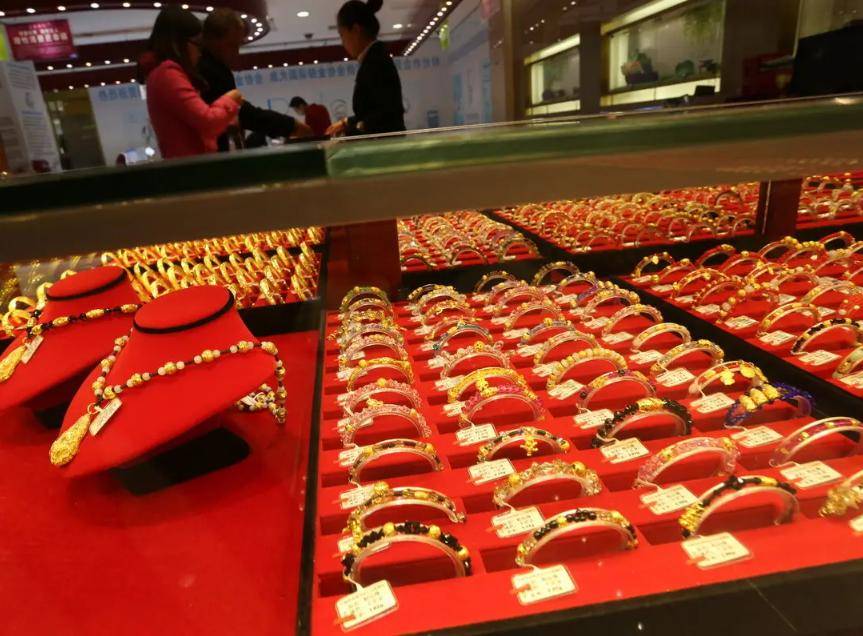
追光与避险:六位资管大咖纵论财富守护之道
Zheng Quan Ri Bao· 2025-12-28 16:14
Core Insights - The forum discussed the theme "Wealth Protection Strategies for Asset Management Institutions" with industry experts sharing insights on investment opportunities and risk management in the current financial landscape [1] Group 1: Investment Opportunities - The equity market has shown significant recovery this year, prompting market participants to evaluate future investment opportunities [2] - "Certainty" is a key focus for institutional investors like insurance and banks, with an emphasis on prioritizing winning probabilities before seeking higher returns [2] - The growth sector may become a "deciding factor" for profitability in the equity market next year, supported by economic recovery and corporate profit restoration [2] - Market opportunities in 2026 are expected to arise more from structural insights rather than directional predictions, with a focus on "new productive forces" and multi-asset portfolio stability [2] - Investment opportunities are identified in AI-related technology, overseas industries, turnaround sectors, and dividend assets [2][3] Group 2: Asset Management Challenges - The asset management industry faces challenges, including the need for public funds to embrace active management despite the rise of index investing [4] - There is a persistent issue of aligning investor expectations with actual returns, which complicates wealth management [4] - The industry must address the cyclical nature of investor behavior, which often leads to a focus on short-term performance rather than long-term stability [4] - The insurance asset management sector must balance safety, liquidity, and profitability, with a proposed separation of assessments for different insurance products and investment strategies [5] Group 3: Risk Factors - Key risk points in the industry include low-interest rate environments leading to spread risks, cross-regional and cross-sector investment risks, and complexities in alternative asset management compliance [5]
2026年宏观经济及资产配置展望:宏图新启,升维致远
Donghai Securities· 2025-12-28 13:31
Economic Overview - As of November 2025, China's fixed asset investment has decreased by 2.6% year-on-year, with manufacturing, infrastructure, and real estate investments all showing negative growth[27] - The cumulative trade surplus from January to November 2025 reached $1.08 trillion, indicating strong export resilience despite trade tensions[7] Consumer Trends - Retail sales in the service sector grew by 5.4% year-on-year from January to November 2025, outpacing overall retail sales growth by 1.4 percentage points[12] - The "old-for-new" consumption policy has driven sales exceeding 2.5 trillion yuan, benefiting approximately 360 million people, with an average spending of 6,944 yuan per person[12] Investment Insights - Manufacturing investment growth was recorded at 1.9% year-on-year for the first eleven months of 2025, down from 9.2% in 2024[41] - The construction industry is expected to see a rebound in investment growth to over 5% in 2026, supported by policy-driven financial tools[36] Real Estate Market - Real estate investment and sales have both declined, with November 2025 showing a year-on-year decrease of 30% in investment and 17% in new home sales[50] - The average rental yield remains low compared to the weighted average mortgage rate of 3.1% as of November 2025[58] Policy Measures - A series of consumer promotion policies have been implemented since early 2025, aiming to enhance consumption across various sectors, including digital and service industries[16] - The government plans to establish three trillion-yuan-level and ten hundred-billion-yuan-level consumption fields by 2027, indicating a strategic focus on consumption growth[24]
建信理财齐建功:行业机遇大于挑战,要从“卖产品”转向做服务
2 1 Shi Ji Jing Ji Bao Dao· 2025-12-28 09:38
Core Insights - The wealth management industry is expected to exceed 33 trillion yuan, highlighting the challenge of balancing low interest rates with high client expectations and the opportunity presented by the historical transfer of household wealth [1] Group 1: Industry Challenges - Wealth management companies face a dilemma as clients, primarily individual investors with low to moderate risk tolerance, have high expectations for product safety, liquidity, and returns [1] - The low interest rate environment and "asset scarcity" make it challenging to continuously offer attractive products, necessitating improvements in investment research capabilities in equity and commodity sectors [1] Group 2: Opportunities in the Industry - Three major opportunities are emerging: the "golden window" for the transfer of household deposits and corporate funds to the wealth management market, the trend of social financing structure shifting towards direct financing, and the broad business scope and diverse investment types available to wealth management companies [3] - Technological and digital advancements are expected to further expand the industry ecosystem and inject new momentum into capital allocation [3] Group 3: Strategic Directions for Wealth Management Companies - Companies should focus on customer-centric approaches, enhancing service levels by shifting from a "what we have, we sell" model to a "what customers need, we create" model [3] - Wealth management firms are encouraged to diversify their product offerings, particularly by increasing the supply of medium to long-term products, including those targeting retirement planning, and optimizing the risk profile across various product categories [3][4] Group 4: Enhancing Research and Asset Allocation - Improving investment research capabilities is essential, including enhancing macroeconomic and market analysis, strengthening sector and regional research coverage, and integrating research efforts into a unified platform [4] - Companies should expand multi-asset strategies and enhance asset allocation capabilities, leveraging a diverse range of investment tools to achieve long-term stable returns for clients [4] Group 5: Embracing Technology - There is a strong emphasis on leveraging technology to create intelligent asset management systems, incorporating AI and big data into customer service, investment decision-making, product operations, and risk management [5]
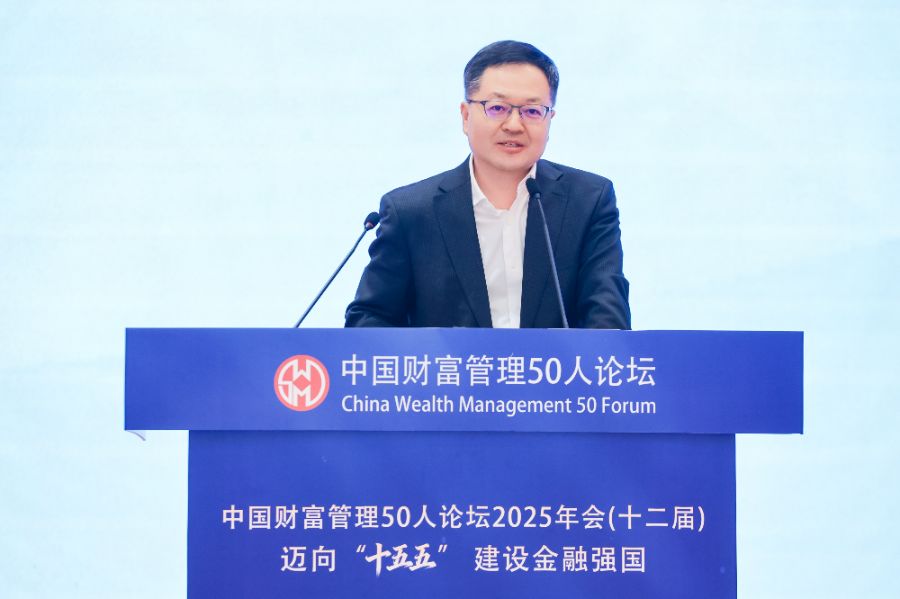
钱存进去就取不出来的「个人养老金」,到底好在哪?
雪球· 2025-12-28 05:25
Group 1 - The core concept of the article is the importance of personal pensions as a proactive savings tool for retirement, emphasizing its benefits and how to maximize its use [7][9]. - Personal pensions were introduced in China in 2022 and are a crucial asset class that individuals should pay attention to [8]. - The article outlines three direct benefits of personal pensions: tax advantages, enforced savings, and long-term investment opportunities [15][26][31]. Group 2 - The first benefit is tax savings, where contributions of up to 12,000 yuan per year are exempt from taxes at the time of deposit, leading to significant savings over time [15][21]. - The second benefit is that personal pensions act as a forced savings mechanism, helping individuals resist the temptation to spend and ensuring consistent contributions [26][27]. - The third benefit is the ability to invest in various financial products, allowing for potential growth that can outpace inflation, with a focus on stable investment options [31][35]. Group 3 - The article discusses three types of pension funds available for investment: target date funds, target risk funds, and index funds, each catering to different investor needs and risk tolerances [37][39][45]. - Target date funds automatically adjust their asset allocation based on the investor's retirement date, making them suitable for those who prefer a hands-off approach [39][42]. - Index funds are highlighted as a new category that offers low fees and simplicity, making them ideal for novice investors looking to benefit from market growth without extensive research [48][50]. Group 4 - The article recommends a systematic investment approach, suggesting that individuals should not invest the entire 12,000 yuan at once but rather set up regular contributions to average out costs [54][56]. - It emphasizes the urgency of acting before the end of the year to secure the maximum contribution for personal pensions, encouraging readers to take immediate action [58].

白银涨到可怕 有人一觉醒来赚18万,忽略了黄金,白银又错过了,现在金银真的是硬通货!
Sou Hu Cai Jing· 2025-12-27 14:42
Core Viewpoint - The precious metals market, particularly silver, is experiencing unprecedented growth, with silver prices surging over 120% and reaching historical highs, indicating that gold and silver have become essential hard currencies amid increasing global economic uncertainty [1][3][8]. Group 1: Silver Market Dynamics - Silver prices have skyrocketed from $30.1 per ounce at the beginning of the year to over $71.87 per ounce by year-end, significantly outpacing gold's 64% increase [3]. - The global silver market is facing a structural supply-demand gap, projected to reach 95 million ounces by 2025, with a continuous increase expected over the next three years [3]. - Industrial demand for silver has surged, particularly in the photovoltaic sector, where silver usage has doubled compared to 2022, contributing to silver's price dynamics [3][5]. Group 2: Financial Attributes and Market Behavior - The Federal Reserve's interest rate cuts have enhanced silver's appeal as a non-yielding asset, with a notable inverse relationship between the dollar's value and silver prices [5]. - Increased investment in silver futures has been observed, driven by a flight to safety amid stock market adjustments and rising credit risks, leading to heightened price volatility [5][8]. - The current market enthusiasm for gold and silver is not merely speculative but reflects a rational choice in response to the reshaping of the global economic landscape [8]. Group 3: Investment Strategy and Market Risks - Investors are advised to recognize the distinct yet complementary roles of gold and silver, with gold serving as a traditional safe haven and silver benefiting from both industrial and financial demand [6][9]. - The silver market's smaller scale and liquidity can be significantly impacted by large capital movements, prompting regulatory adjustments to trading margins and limits [8]. - While the long-term outlook for gold remains positive, short-term factors such as Federal Reserve policies and geopolitical tensions should be closely monitored [9].

金价新高,想买又不敢配买?到底要怎么买才好!
雪球· 2025-12-27 13:01
Core Viewpoint - Recently, gold has regained significant attention in the market, with domestic gold prices surpassing 1400 RMB per gram and spot gold exceeding 1000 RMB per gram, while New York spot gold prices have reached 4400 USD per ounce, continuously breaking historical records. This situation has led to a divide in investor sentiment, oscillating between the anxiety of missing out and the caution of high-level risks. The central question remains: how should gold be allocated in investment portfolios? [4] Group 1: Pricing of Gold - Gold is fundamentally a wealth storage tool rather than a traditional income-generating asset, relying on repricing processes under different macroeconomic conditions [6] - The long-term pricing of gold is influenced by three main factors: 1. Changes in the monetary system and credit environment, where doubts about fiat currency stability can lead to a reevaluation of gold [7] 2. Changes in real interest rates, as gold does not yield interest, making it less attractive in high real interest environments [8] 3. Changes in overall risk appetite, where geopolitical conflicts and economic uncertainties can increase demand for gold as a safe haven [9][10] Group 2: Volatility and Holding Experience of Gold - Many investors perceive gold as stable and resilient, but historical data shows that gold's price volatility is significant, often characterized by concentrated price increases followed by prolonged periods of stagnation or decline [12] - For instance, from 2011 to 2015, gold prices fell from nearly 1900 USD per ounce to around 1050 USD per ounce, marking a maximum decline of nearly 45% over several years [12] - Gold does not generate cash flow, making it challenging for investors to receive positive feedback during price stagnation or decline, which can lead to a depletion of patience and confidence [12][13] Group 3: Positioning and Strategy for Gold Allocation - In investment portfolios, gold should be viewed as a stabilizing asset rather than a high-return investment, serving to hedge against extreme macroeconomic risks [16] - A crucial operational principle is to maintain psychological emphasis while exercising restraint in execution, as over-allocation can lead to increased volatility [16] - For most investors, a gold allocation of 5% to 10% of total assets is recommended to effectively diversify risk, with the World Gold Council suggesting starting with a minimal allocation of 2% to 3% [18] - Gold funds provide a standardized and liquid way to incorporate gold into portfolios, facilitating easier management and rebalancing with other assets [19]

国盛证券研究所分析师集体出走
21世纪经济报道· 2025-12-27 11:14
Group 1 - The core viewpoint of the article highlights the significant personnel changes at Guosheng Securities, with key analysts leaving for other firms, raising concerns about talent retention and the impact on research capabilities [1][3][5] - Liu Gaochang, a prominent analyst who specialized in the computer industry, has officially joined Guojin Securities as the chief analyst and deputy director of the research institute, indicating a shift in talent within the industry [1][3] - The article notes that Guosheng Securities has seen a decline in its commission income from research, with a reported 28.35% decrease in the first half of 2025 compared to the previous year, ranking 21st in the industry [1][8] Group 2 - The article discusses the broader trend of analyst turnover in the securities industry, with at least five analysts from Guosheng Securities having their professional records removed from the Securities Association as of December [5][10] - It mentions that Guosheng Securities has been actively recruiting new research teams to fill the talent gap created by the departures, indicating a proactive approach to maintaining research output [1][5] - The research business is undergoing a transformation, shifting from traditional sell-side operations to a focus on industry research and asset allocation, as firms adapt to declining commission revenues [10][11]

2026年钱往哪放?2025年银行理财市场真相→
Jin Rong Shi Bao· 2025-12-27 05:06
Core Insights - The bank wealth management market in 2025 has shown continuous growth in both scale and product quantity, with the total scale reaching 33.8 trillion yuan by the end of November 2025, an increase of approximately 300 billion yuan from the previous quarter [1] - The growth is attributed to a combination of declining deposit rates prompting investors to seek alternatives, financial institutions lowering investment thresholds through digital empowerment, and policy guidance steering wealth management back to its asset management roots [1] - The "fixed income plus" products have emerged as a significant highlight, reflecting a shift in investor preferences towards seeking moderate returns through diversified strategies while maintaining a conservative risk profile [3][4] Market Trends - As of December 22, 2025, the number of bank wealth management products increased by approximately 6,000 in the fourth quarter, with funds primarily flowing into "fixed income plus" products that utilize bonds as a base and incorporate equity assets to enhance returns [2] - The "fixed income plus" products added a scale of 3.08 trillion yuan in the first eleven months of 2025, indicating strong demand for these offerings [4] - The mixed and equity bank wealth management products reached a total scale of 685.56 billion yuan by December 22, 2025, growing over 40% compared to the end of 2024, although they still represent less than 2% of the total market [5] Future Outlook - The bank wealth management market is expected to maintain steady growth in 2026, with asset allocation strategies evolving towards a more balanced and diversified approach [6] - In the ongoing low-interest-rate environment, the substantial demand for wealth management from residents will continue to support market expansion, with a focus on increasing allocations to equity assets and exploring diverse strategies such as public REITs and cross-border assets [6] - Experts recommend that investors adopt a "core-satellite" approach to wealth management product allocation, diversifying across fixed income, equity, and alternative assets while maintaining a long-term investment perspective [6][7]