
贸易战

Search documents
急疯了!特朗普玩脱了,全美50万豆农陷入绝望,美国认清现实
Sou Hu Cai Jing· 2025-09-13 15:48
Core Insights - U.S. soybean farmers are experiencing "order anxiety" as they face a significant drop in orders from China, which traditionally accounts for a substantial portion of U.S. soybean exports [1][3] - The U.S. agricultural sector, contributing $9.5 trillion to the economy and employing millions, is facing challenges as Chinese buyers turn to cheaper South American soybeans, leading to a record import volume from Brazil [3][4] - The U.S. soybean prices have plummeted by 40%, while production costs continue to rise, resulting in financial losses for farmers [3][5] Industry Summary - The U.S. soybean industry is under pressure due to a lack of Chinese orders, which previously accounted for 8-9% of orders during this period [1][3] - South American soybeans are favored due to lower prices and no tariffs, with U.S. tariffs reaching 34%, making American soybeans less competitive [3][4] - The U.S. government's attempts to negotiate new agreements and provide tariff protections have not been effective, as China has built up strategic reserves of 45 million tons of soybeans, sufficient for two years [3][5] Strategic Implications - The trade conflict between the U.S. and China is reshaping global supply chains, with countries diversifying their sources to mitigate risks [4][5] - If the U.S. continues its "threat diplomacy" approach without engaging in equal dialogue, the agricultural sector may face further decline [5] - The situation highlights the importance of cooperation over unilateral actions, as reliance on tariffs may ultimately harm U.S. agricultural interests [5]


欧洲现在为何彻底成了砧板上的肉了?
Sou Hu Cai Jing· 2025-09-13 15:26
Group 1 - The article discusses the deteriorating relationship between China and Europe, highlighting that Europe has lost significant opportunities in the current geopolitical landscape [1][12] - It mentions the visit of French President Macron to China in April 2023, where he aimed to strengthen ties but faced challenges in leading Europe independently from the US [3][4] - The article points out that Germany, Italy, and the Netherlands have been pressured by the US, while France is positioned as a potential leader in Europe [6] Group 2 - Chinese automotive companies, particularly BYD, are experiencing significant growth, with sales expected to double in 2024, while Tesla is exporting vehicles to Europe, impacting traditional European brands like BMW and Mercedes [7][9] - BYD is also establishing a factory in Hungary, indicating a strategic move to penetrate the European market further [9] - The article highlights the ongoing trade tensions, with Europe investigating Chinese electric vehicles for anti-subsidy practices, while China retaliates with tariffs on European products [10][11] Group 3 - The article emphasizes China's dominance in rare earth materials, controlling over 60% of global mining and 87% of processing, making it difficult for Europe to reduce dependency [11] - It discusses the high energy costs in Europe, particularly in Germany, which are significantly higher than in China, contributing to the decline of European industries [12] - The overall sentiment is that Europe is in a precarious position, facing economic challenges and losing competitiveness against China in key sectors like automotive and manufacturing [12]
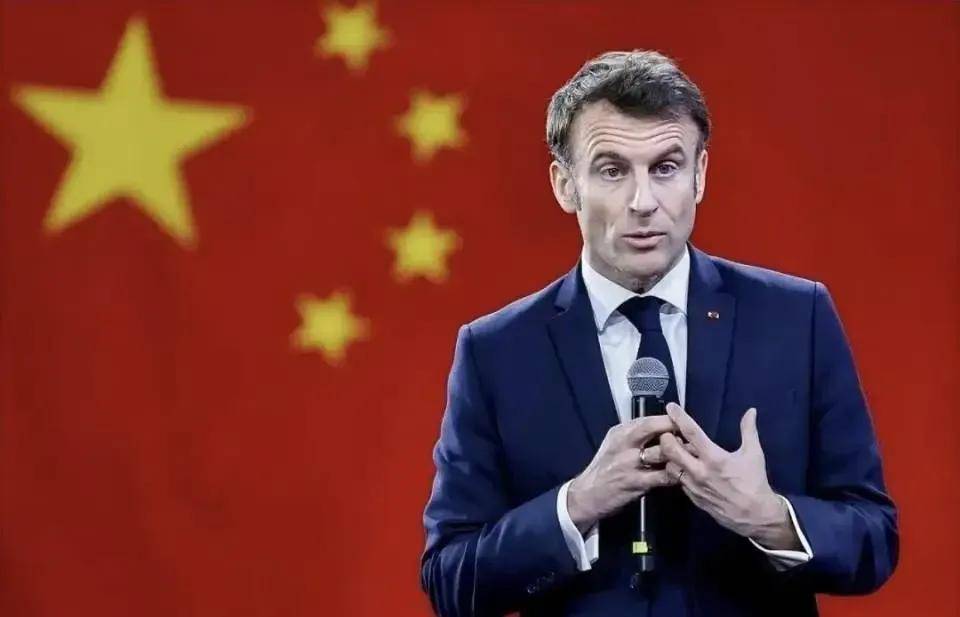
收获季来了,美国农民绝望哭诉:中国不买了,我只能全部销毁!“中国仍未下一单”,美大豆协会急了,催特朗普达成协议
Mei Ri Jing Ji Xin Wen· 2025-09-13 13:35
Group 1 - The core issue is that U.S. soybean farmers are facing a severe crisis as China, their largest buyer, has not placed any orders during the harvest season, potentially leading to a loss of 14 to 16 million tons of soybean orders [1][2] - The American Soybean Association has warned that the financial pressure on farmers is immense, with falling soybean prices and rising production costs exacerbating the situation [1][2] - The trade war initiated by Trump has resulted in significant losses for U.S. agricultural exports, with soybeans accounting for approximately 71% of the total losses, which amounts to over $27 billion [2] Group 2 - China has significantly reduced its imports of U.S. soybeans, opting instead to source from Brazil, which has become a major supplier [3][4] - In 2024, China's soybean consumption is projected to be around 117 million tons, with over 85% of this demand met through imports, highlighting the ongoing dependency on foreign sources [4] - The market share of U.S. soybeans in China's imports has declined from 34% in 2017 to 22% in 2024, while Brazil's share has increased to 69.16% [4][5]

特朗普已下定决心,让27国对华“下战书”,把印度也划到中方阵营
Sou Hu Cai Jing· 2025-09-13 07:48
Core Viewpoint - The Trump administration is considering a significant shift in trade policy, aiming to establish a new trade partnership with the EU to jointly impose secondary tariffs of up to 100% on Chinese goods, which has garnered widespread international attention [1] Group 1: Historical Context - The trade war initiated by Trump in 2018 involved punitive tariffs on thousands of Chinese products, totaling over $550 billion, but resulted in a record trade deficit in 2021 [3] - Domestic opposition to these tariffs has grown, with business groups criticizing the policies for increasing costs for companies and consumers [3] Group 2: Legal Challenges - Trump's tariff policies faced legal setbacks, with a ruling from the U.S. International Trade Court in early 2023 declaring some tariffs unlawful, currently under appeal [5] Group 3: EU's Response - The EU has shown cautious interest in the proposal, particularly due to the impact of Chinese anti-dumping measures on EU pork exports, which fell by 23% in 2022, resulting in over €1.2 billion in economic losses [6] - The EU insists that the U.S. must commit to implementing similar tariffs to avoid a repeat of past unilateral actions that strained trade relations [7] Group 4: Strategic Considerations - Trump's strategy aims to create a broader international coalition to pressure China, prepare for potential unfavorable Supreme Court rulings, and demonstrate a strong stance on China ahead of the 2024 elections [11] - However, mutual trust between the U.S. and EU remains fragile, with significant internal divisions within the EU regarding alignment with U.S. policies [11] Group 5: Global Economic Implications - The potential for a comprehensive trade war among the U.S., EU, and China could lead to a global GDP loss of up to $1.5 trillion, exacerbating supply chain disruptions and inflation [12] - China's proactive trade initiatives, such as the Belt and Road Initiative and RCEP, may strengthen its economic ties with other nations, countering U.S. and EU pressures [12] Group 6: Overall Assessment - Trump's proposed trade policy adjustment carries significant risks, potentially undermining global trade stability and failing to achieve its intended effects [14]

没得商量,中企直接弃用美港口,罚单已发往美国,最高加税78%
Sou Hu Cai Jing· 2025-09-13 05:56
Group 1 - The ongoing US-China trade war has extended into the shipping trade sector, with the US government attempting to impose high toll fees on Chinese shipping companies, while China has responded with punitive tariffs of up to 78% on certain US products [1][10] - Starting from October 14, 2024, all vessels registered in mainland China, Hong Kong, and Macau must pay a fee of $50 per net ton when docking at US ports, which will increase annually to a maximum of $140 per net ton [3][4] - The new US port fee policy is expected to impact 98% of global merchant ships due to their connections with Chinese shipbuilding or shipping companies [4] Group 2 - The US policy aims to weaken the market share of Chinese shipping companies on US routes and revive the declining US shipbuilding industry, which has faced challenges such as skilled labor shortages and supply chain disruptions [5] - Major Chinese shipping companies have already begun to adjust their route allocations, with at least six regular weekly routes to the US being suspended, while other routes have seen increased business [7][8] - China's strategic response includes redirecting shipping capacity from US routes to other regions, effectively avoiding US fees and improving operational efficiency on alternative routes [8] Group 3 - The US's unilateral policy changes have caused significant disruptions in the global shipping industry, with warnings from various US industries about potential chaos in international shipping due to the reliance on vessels associated with China [8] - China's implementation of anti-circumvention measures against US fiber optic products, resulting in additional tariffs, highlights the vulnerabilities in the US supply chain and technology sectors [10] - The outcome of this trade conflict will depend on the resilience of industries, technological innovation, and cost control, emphasizing the need for a balance between protecting domestic industries and maintaining international trade order [11]
黄金价格大涨带来什么影响?
Sou Hu Cai Jing· 2025-09-12 17:26
Group 1 - International gold prices are currently challenging the $3700 per ounce mark after a period of consolidation around $3400, driven by weak U.S. employment indicators and increased likelihood of interest rate cuts by the Federal Reserve [1] - The significant rise in gold prices in 2025, with an increase of approximately 30% in less than nine months, is attributed to geopolitical tensions in Eastern Europe and the Middle East, as well as concerns over the future of the U.S. dollar due to trade wars and Federal Reserve policies [2] - The rise in gold prices is expected to have a limited impact on industrial production but may suppress jewelry consumption, particularly affecting businesses that produce and sell gold jewelry [2] Group 2 - Mining companies with substantial gold reserves and favorable production conditions are likely to benefit from rising gold prices, which also positively influences silver and other precious metals [3] - The ongoing increase in gold prices is shifting investor behavior, with a notable rise in sales of physical gold products like gold bars, while jewelry consumption declines, indicating a preference for gold as a safe-haven investment [3] - The limited capacity of domestic gold investment avenues, such as the 20 available gold ETFs with a total net value of around 155 billion yuan, suggests that there is potential for growth in gold investment options, which could influence market dynamics [4]
自特朗普发动关税战以来,美国哪些行业失业最严重?
财富FORTUNE· 2025-09-11 13:10
Core Insights - The trade war initiated by Donald Trump has led to significant job losses in industries affected by tariffs, with a net reduction of 90,100 jobs since February [2][4] - The overall employment growth in the U.S. has been positive, with an increase of 385,000 jobs during the same period, driven mainly by sectors less impacted by tariffs, such as healthcare and hospitality [4] - The unemployment rate has slightly increased to 4.3%, marking a four-year high [2] Industry Impact - Industries directly affected by tariffs include manufacturing, mining and logging, construction, wholesale trade, retail trade, transportation, and warehousing [3] - Manufacturing has seen a loss of 41,000 jobs, while wholesale trade has lost 34,000 jobs [4] - In contrast, retail trade has added 19,000 jobs, and construction employment has remained stable [4] Economic Outlook - Despite job losses in tariff-impacted sectors, there are layoffs in other industries due to overall economic uncertainty stemming from the trade war [5] - Moody's Analytics warns that the current trend of more layoffs than new jobs typically occurs during economic recessions [5] - The Trump administration claims that tax cuts and deregulation will stimulate economic growth and ultimately create more jobs [5]
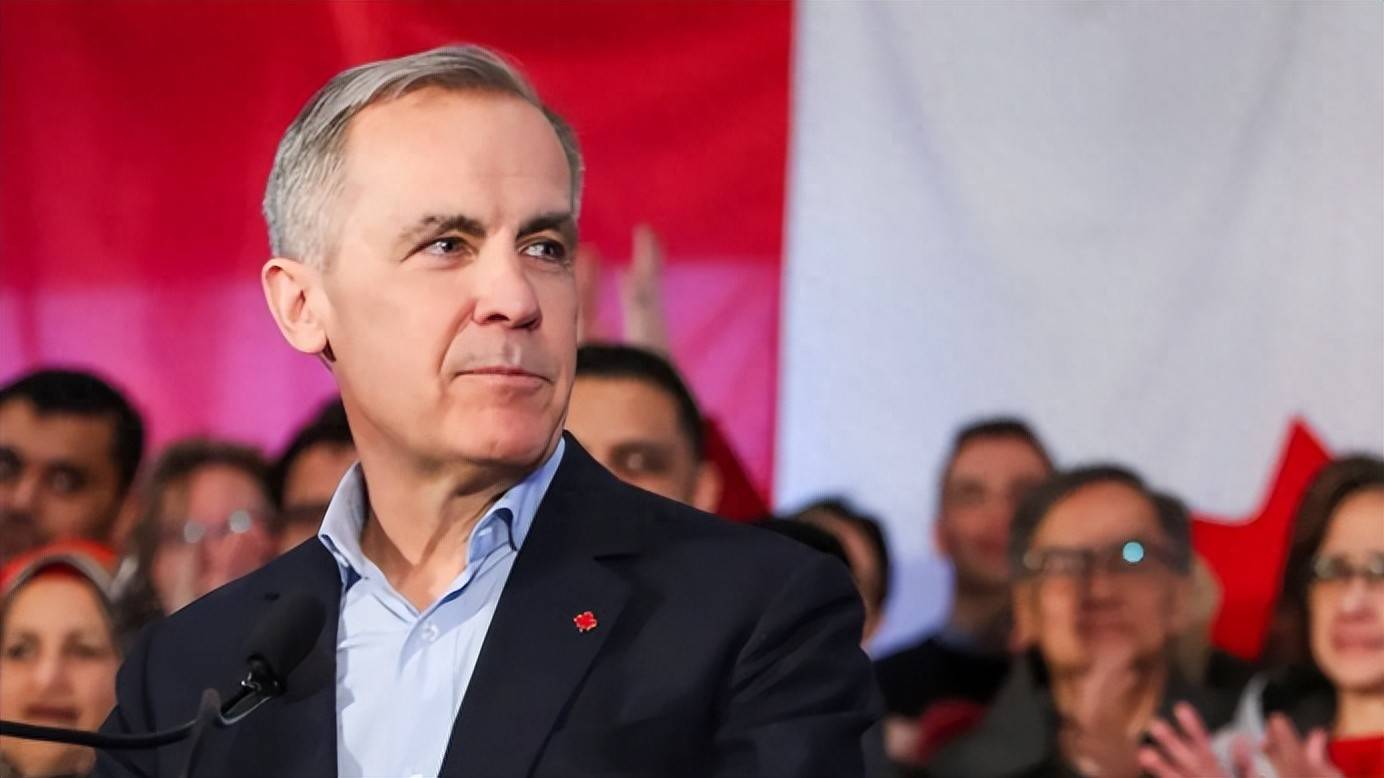
加拿大开始求饶,准备取消对华电动车关税,但需要中方答应一个请求
Sou Hu Cai Jing· 2025-09-11 10:41
Core Viewpoint - The Canadian government is facing significant pressure due to its trade policies, particularly regarding high tariffs on Chinese electric vehicles, which have led to retaliatory measures from China that threaten the Canadian canola industry [1][3]. Group 1: Trade Policies and Economic Impact - The Canadian government initially imposed high tariffs on Chinese electric vehicles as a symbolic gesture to align with North American allies, but this decision has backfired, leading to severe economic repercussions [1]. - China's response included targeted actions against Canadian canola, including anti-dumping investigations and deposit measures, which directly impact the livelihoods of thousands of farmers and the overall economic structure of Canada [1][3]. - In 2024, Canadian canola exports to China are projected to be nearly CAD 5 billion, supporting approximately 200,000 jobs, highlighting the critical nature of this trade relationship [3]. Group 2: Government Response and Industry Reaction - The Canadian government has recognized the severity of the situation and is considering adjustments to its trade policies, including potential tariff cancellations, while also providing financial subsidies to the canola industry [3][5]. - Industry leaders, such as Chris Davidson, have expressed dissatisfaction with government subsidies, emphasizing the need for market access rather than financial compensation [3][5]. - Politicians from key provinces are pressuring the government to reassess its trade policies with China, with some openly supporting the removal of tariffs on electric vehicles to restore canola market access [3][5]. Group 3: Diplomatic Challenges and Future Outlook - The Canadian government is navigating a complex situation where any policy changes must not adversely affect other industries or the interests of the United States, its crucial trading partner [5]. - The ongoing trade tensions illustrate China's adaptive strategies in international trade, opting for precise retaliatory measures rather than direct confrontation [5][7]. - The future of this trade dispute will test Canada's diplomatic acumen, as it seeks to balance domestic industry needs with international relations, particularly with the U.S. [7].
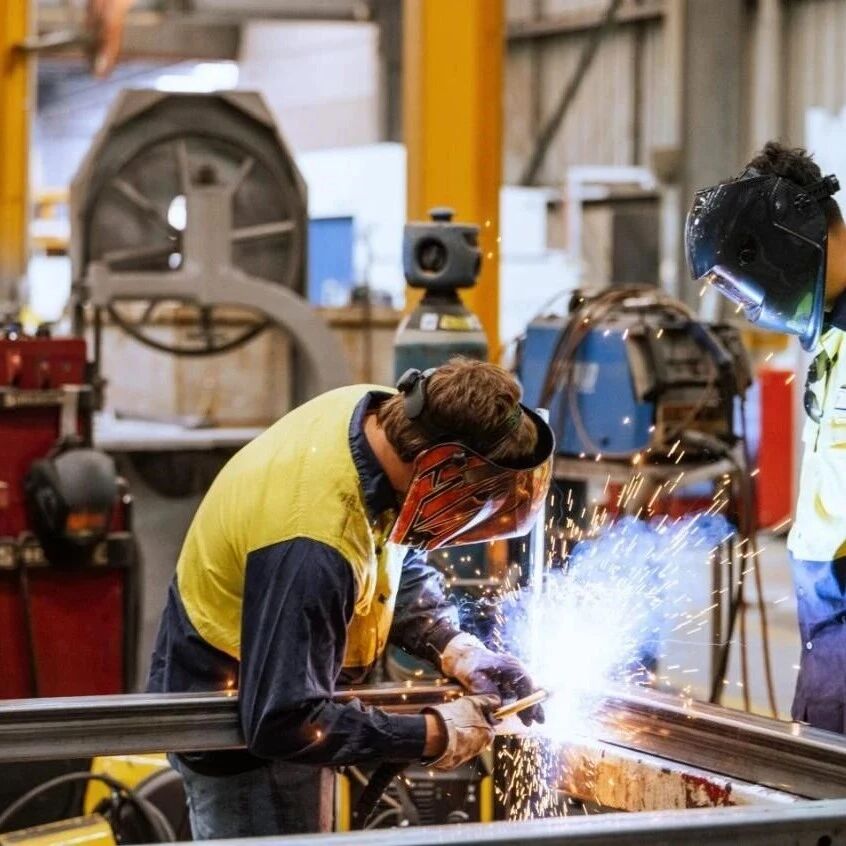
How You Should Invest in a Tariff-Filled World
The Smart Investor· 2025-09-11 03:30
Group 1: Tariff Announcements and Responses - President Trump announced tariffs targeting over 180 countries, later suspending reciprocal tariffs for 90 days and reducing most rates to 10%, except for China, which retained a 145% tariff [1] - China retaliated with a 125% tariff on US goods, escalating fears of a trade war between the two largest economies [2] Group 2: Market Impact and Business Sentiment - The tariffs have led to increased operational costs for businesses, causing many to delay expansion plans, cut back on investments, and freeze hiring [4] - Companies may pass higher costs onto consumers, leading to price hikes that could dampen consumer sentiment and spending [5] Group 3: Stock Recommendations - Companies selling consumer staples, such as Kimberly-Clark, Procter & Gamble, and Colgate-Palmolive, are well-positioned due to their strong market presence and pricing power [7][8][9] - Cybersecurity firms like Crowdstrike, Palo Alto Networks, and Zscaler are expected to benefit from ongoing demand for security solutions despite potential tariff impacts [10][11] - Companies generating most of their revenue from Asia, such as Sheng Siong and ComfortDelGro Corporation, are insulated from US tariffs [13][15] - Singapore Exchange Limited (SGX) is likely to thrive amid market volatility, with increased trading activity expected due to its range of hedging products [16][17][18] Group 4: Portfolio Strategy - Investors are advised to reassess their portfolios in light of the tariffs, focusing on defensive positions to remain resilient amid ongoing volatility [19][20]

上海美国商会报告:贸易战并未触发大量美企回流美国
Di Yi Cai Jing· 2025-09-11 00:40
Group 1 - The report indicates that 71% of surveyed companies expect to achieve profitability in 2024, an increase from 66% in 2023, with significant differences across industries: 80% in manufacturing, 69% in retail, and 55% in services [1][2] - 48% of surveyed companies perceive the regulatory environment in China as transparent, a notable increase of 13 percentage points from the previous year [2] - 39% of surveyed U.S. companies believe they have benefited from government measures to promote consumption in China, while 37% see positive effects from market opening initiatives [2] Group 2 - Nearly half (48%) of surveyed companies call for the U.S. government to eliminate all tariffs on Chinese goods, with 64% expecting revenue declines due to the tariff war [4][5] - 69% of surveyed companies anticipate negative impacts on their operations if the U.S. were to revoke China's permanent normal trade relations status, with manufacturing being the most affected sector at 78% [5] - The report highlights that only 18% of companies considered relocating investments to the U.S., indicating that the trade war has not significantly triggered a return of U.S. companies [5]