AI赋能

Search documents
研报金选丨寒冬or机遇?健身场馆缩水13%VS出口狂飙至458亿,龙头公司开始通过AI破局了
第一财经· 2025-07-04 01:30
Group 1: Sports Industry - The fitness venue market has contracted by 13%, indicating a challenging environment, while exports have surged to 45.8 billion, suggesting potential opportunities [1][2] - The shift in downstream business models is catalyzing industry reshuffling, with the trend towards smart technology expected to enhance the competitive advantage of leading brands [1][4] - Companies with strong branding, distribution channels, and manufacturing capabilities are likely to benefit from the rising concentration in the industry driven by smart technology [1] Group 2: Robotics Industry - The lightweight revolution in robotics is gaining momentum, with material reduction and lightweight core components significantly enhancing robot performance and application boundaries [5][6] - Lightweight materials such as PEEK, carbon fiber, aluminum-magnesium alloys, and nylon are emerging as key choices for innovation in the robotics sector [7] - Significant progress has been made in lightweight solutions for critical components, including motors, reducers, lead screws, joint modules, and structural parts [8]

小商品城(600415):新市场招租超预期,25H1净利稳步增长
HUAXI Securities· 2025-07-01 12:19
Investment Rating - The investment rating for the company is "Accumulate" [1] Core Views - The company is expected to achieve a net profit of 1.63-1.70 billion yuan for the first half of 2025, representing a year-on-year growth of 12.57%-17.40% [2] - The company has seen a significant increase in cross-border payment volumes, with the payment platform "Yipay" exceeding 2.5 billion USD, a year-on-year increase of over 47% [4] - The company is expanding its rental business with new market openings and rental increases, projecting a stable growth trajectory [6] Summary by Sections Company Overview - The company has a total market capitalization of 113.4 billion yuan and a free float market capitalization of 113.39 billion yuan [1] Financial Performance - The company forecasts a revenue of 20.28 billion yuan for 2025, with a year-on-year growth of 28.9% [9] - The expected net profit for 2025 is 4.34 billion yuan, reflecting a year-on-year increase of 41.1% [9] - The earnings per share (EPS) is projected to be 0.79 yuan for 2025 [9] Market Dynamics - The city of Yiwu has shown strong import and export growth, with a total import and export value of 327.13 billion yuan in the first five months of 2025, a year-on-year increase of 23.7% [3] - The average daily market opening rate remains above 97%, with daily foot traffic exceeding 230,000 [3] Management Changes - The chairman of the board, Wang Dong, has resigned due to organizational work arrangements, and a new candidate has been confirmed [5] Future Outlook - The company plans to increase rental prices by no less than 5% annually from 2024 to 2026, alongside the introduction of new business lines such as Chinagoods and Yiwupay [6]

中国成人娃娃,抢占欧美消费者床榻
36氪· 2025-06-30 08:40
Core Viewpoint - The article discusses the emergence and growth of AI-powered sex dolls, particularly focusing on the Chinese company WMdoll, which has become a significant player in the global market for these products, driven by technological advancements and changing consumer preferences [4][5][8]. Group 1: Market Dynamics - The global market for sex dolls is estimated to be nearly $60 billion, with a significant portion of this demand being met by Chinese manufacturers [7][8]. - WMdoll, located in Guangdong, produces 90% of its orders for international markets, including the US, Germany, and Japan, and has seen a 30% increase in expected shipments after integrating AI technology [8][15]. - The adult toy market is projected to reach $80.7 billion by 2030, with emerging markets showing potential for significant growth as cultural barriers are overcome [13][14]. Group 2: Product Innovation - AI integration has enhanced the functionality of sex dolls, allowing for more natural interactions and customization options, such as personality and appearance adjustments via an app [11][27]. - The materials used in production have evolved from latex and rubber to TPE and silicone, improving the tactile experience and reducing costs significantly compared to traditional high-end brands [25][26]. - The introduction of AI capabilities allows these dolls to engage in conversations and respond to user preferences, addressing both physical and emotional needs [17][27]. Group 3: Consumer Trends - The rise of single-person households, which account for approximately 38% of global families, is driving demand for companionship products like AI sex dolls [17][33]. - Acceptance of AI companions is growing, with surveys indicating that a significant percentage of both men and women are open to the idea of robotic partners [19]. - The MetaBox series from WMdoll has seen high demand, with initial product launches quickly selling out in key markets [28]. Group 4: Competitive Advantage - WMdoll's pricing strategy allows it to sell dolls at a lower price point compared to local competitors in overseas markets, maintaining a competitive edge despite shipping costs [15][16]. - The company is leveraging its manufacturing capabilities to produce high-quality products at lower costs, which has led to the decline of traditional Japanese manufacturers in the high-end market [26][30]. - Future plans include enhancing the dolls' emotional intelligence and reducing production times through automation and AI modeling technologies [32].

创业板医药ETF(159377)涨超1.2%,GLP-1与器械创新推动行业估值修复
Mei Ri Jing Ji Xin Wen· 2025-06-30 06:06
Group 1 - The core viewpoint is that by 2025, domestic PFA brands are expected to enter a rapid commercialization phase, gradually replacing traditional radiofrequency and cryoablation technologies due to their non-thermal ablation characteristics, shorter operation times, lower complication risks, and better long-term efficacy [1] - Six domestic brands have already been approved, indicating a growing market presence [1] - The National Medical Products Administration has approved measures to optimize the lifecycle regulation to support the innovation and development of high-end medical devices, which includes ten initiatives aimed at promoting the development of medical robots, high-end medical imaging equipment, AI medical devices, and new biological materials [1] Group 2 - The medical device sector is currently valued at historical lows, with policy benefits expected to materialize starting from Q2 2025, particularly in the AI + imaging/surgery direction [1] - The innovative drug sector is experiencing short-term fluctuations but is viewed positively in the long term, driven by accelerated overseas expansion and changes in payment systems [1] - The traditional Chinese medicine sector is seeing reduced impacts from centralized procurement, with improved gross margins for OTC products; the blood products industry is experiencing increased concentration and favorable demand for immunoglobulin [1] Group 3 - The retail pharmacy industry is undergoing accelerated clearing, with AI empowerment enhancing operational efficiency and outpatient coordination creating incremental opportunities [1] - The CXO sector is gradually stabilizing in performance, with a recovery in overseas investment and financing driving industry growth [1] Group 4 - The ChiNext Medical ETF tracks the ChiNext Medical Index, which is compiled by China Securities Index Co., Ltd., selecting listed companies in the medical and health industry from the ChiNext market to reflect the overall performance of the medical and biological sector [2] - This index focuses on high-growth and innovative sub-sectors such as biomedicine, medical devices, and medical services, effectively showcasing the investment value and development potential of the ChiNext medical industry [2]

智者不解难题 “资产荒”中亦有“黄金”
Zhong Guo Zheng Quan Bao· 2025-06-29 20:59
Core Insights - The current market dynamics and investment strategies are influenced by macroeconomic factors, with a focus on minimizing errors and respecting market trends [1][2][4] - The investment philosophy emphasizes making sound purchasing decisions rather than merely acquiring "good assets" [3] - The integration of AI technology is enhancing research efficiency and decision-making processes within the investment framework [8][9] Group 1: Investment Philosophy - The importance of macro analysis is highlighted, as any investment behavior detached from the macro context poses significant risks [2] - The investment approach is centered around a framework that combines various asset classes, aiming for a dynamic balance to optimize returns [4][5] - The philosophy of "less error" in investment decisions is compared to sports, where maintaining a high success rate in critical moments is essential [1][3] Group 2: Market Dynamics - The current market is characterized by a profound restructuring of supply and demand, leading to a shift in investment strategies [3] - The concept of "asset scarcity" is discussed, indicating that the demand side has more choices rather than a complete disappearance of assets [3] - The bond market is expected to exhibit a different pattern in 2025 compared to the previous year, with increased volatility [3] Group 3: AI Integration - AI is viewed as a tool to enhance cognitive efficiency rather than a replacement for human analysts, allowing researchers to focus on value-creating tasks [8][9] - The use of AI in generating high-accuracy meeting records and developing complex risk evaluation models is noted as a significant advancement [8] - AI's role in credit research is emphasized, with the ability to analyze vast amounts of data and produce comprehensive reports [9]
港股Labubu效应来袭,A股哪些新消费公司受机构青睐?
2 1 Shi Ji Jing Ji Bao Dao· 2025-06-27 12:09
Core Viewpoint - The new consumption sector in the Hong Kong stock market is performing well, with "Pop Mart, Lao Pu Gold, and Mixue Group" being viewed as the three giants. Meanwhile, the A-share market is also seeing significant interest in new consumption leaders, with many companies experiencing stock price increases of over 30% since Q2 of this year [1]. Group 1: A-Share Market Performance - Several A-share new consumption companies, such as Mankalon (300945.SZ) and Zhou Dazheng (002867.SZ), have attracted over 10 institutional research visits since May, indicating strong institutional interest [1]. - Mankalon's stock price has increased nearly 50% in the last two months, reflecting the growing attention from institutions [2]. - In Q1, Mankalon reported revenue of 714 million yuan, a year-on-year increase of 42.87%, and a net profit of 43.01 million yuan, up 33.52% year-on-year [2]. Group 2: Institutional Research Focus - Institutions are particularly interested in sectors such as gold and jewelry, food and beverage, apparel, and pet products, with topics like gold prices, trendy IPs, and young consumer preferences being key areas of focus [2]. - Mankalon has been researched 16 times by 77 institutions, while Zhou Dazheng has been visited 14 times by 144 institutions, ranking among the top in the A-share market [2]. Group 3: Impact of Rising Gold Prices - The surge in gold prices has negatively impacted consumer willingness to purchase, particularly affecting mid-to-high weight gold jewelry [3]. - Zhou Dazheng's management acknowledged the significant disruption caused by rising gold prices and emphasized the need to adapt to changing consumer preferences [3]. - Companies like Mankalon and Zhou Dazheng are focusing on brand positioning and product innovation to capture market share amidst these challenges [3][4]. Group 4: Targeting Young Consumers - The focus on young consumer demographics is a common strategy among consumption companies, with Mankalon aiming to align product design with young consumers' cultural aesthetics [5]. - Zhou Dazheng is launching a new brand "Zhuan Zhu Ge" targeting young consumers with a focus on cultural and trendy products [6]. - Companies are also enhancing their presence in high-end shopping centers to attract younger customers [6]. Group 5: AI Empowerment Strategies - Institutions are increasingly interested in how companies are leveraging AI technology, with Zhou Dazheng establishing an AI project team to enhance operational efficiency [7]. - Mankalon plans to integrate AI into its design and customer service processes to better understand consumer needs [7]. - Other companies, such as Chuangyuan Co., are also adopting AI-driven strategies to improve customer insights and product development cycles [7]. Group 6: Market Resilience and Innovation - The consumer market is showing resilience, with a gradual recovery expected, prompting companies to innovate continuously to meet diverse consumer demands [8]. - Companies are encouraged to shift from traditional sales models to innovative product offerings and new distribution channels to thrive in a competitive environment [8].
阿里巴巴范敏:国内有很多优质的好商品,并不比海外的大牌产品差
Xin Lang Ke Ji· 2025-06-27 03:58
Core Viewpoint - The first "Beautiful Life Expo" was held in Beijing, aiming to showcase high-quality domestic products and promote them as alternatives to foreign brands [1][2]. Group 1: Event Overview - The expo was organized by Sina Finance, with Alibaba, JD.com, Pinduoduo, and Douyin E-commerce as co-hosts, and Weibo and Meituan as strategic partners [1]. - The theme of the Alibaba booth was "Life's Companion," focusing on helping consumers discover quality products in various life scenarios [2]. Group 2: Product Strategy - Alibaba's 1688 platform showcased popular and trend-setting products sourced directly from manufacturers, emphasizing quality and affordability [3]. - The platform aims to help domestic manufacturers transition from OEM to branded products, enhancing their market presence [3][4]. Group 3: Market Data - As of the first half of the year, 1688 has over 100 million buyers and more than 1 million suppliers, with over half being manufacturing enterprises [5][7]. - The platform has experienced rapid growth due to its focus on B2B digital supply chains and the increasing demand for quality products from younger consumers [7]. Group 4: Brand Development - Alibaba is committed to empowering quality domestic brands through initiatives like "Youyou Resonance," which aims to present good products and companies to buyers [9]. - The introduction of the "Strict Selection" channel is designed to help consumers find quality products directly, moving away from a low-price competition model [10][11]. Group 5: Supply Chain and Globalization - Alibaba is enhancing its supply chain services to support manufacturers in optimizing their operations and focusing on production [12]. - The company is also building infrastructure for cross-border supply chains, aiming to facilitate the export of Chinese products to international markets [13].

储能竞赛下半场:向场景驱动和光储融合要发展
3 6 Ke· 2025-06-26 02:40
Core Viewpoint - The competition in the energy storage sector is shifting towards scenario-based applications, emphasizing the need for companies to develop solutions that are tailored to specific industry needs to achieve profitability [1][2]. Group 1: Market Trends and Strategies - Companies like Haibo Sichuang are actively expanding their market boundaries by focusing on a "Storage + X" integration model, showcasing various energy storage solutions tailored for different applications such as charging stations, oil fields, and data centers [2][3]. - The energy storage industry is transitioning from scale expansion to value cultivation, with a focus on economic models that highlight the actual value of energy storage systems in grid regulation and arbitrage [3][7]. - The emphasis on scenario-based innovation is becoming a focal point for companies, with a shift from hardware manufacturing to system solutions that meet diverse application needs [7][6]. Group 2: Collaborations and Innovations - Haibo Sichuang has signed cooperation agreements with major players like Huawei and CATL to deepen collaboration in areas such as intelligent photovoltaic and energy storage integration [2][5]. - The industry is witnessing a trend towards collaborative development and deep integration of solutions, with companies like Trina Solar aiming to increase the proportion of their business from solutions to over 50% in the next few years [6][7]. - The integration of AI technology with energy storage is seen as a key to unlocking new opportunities in the smart energy sector, with various companies showcasing AI-enabled solutions at the SNEC exhibition [7][6]. Group 3: Product Developments - Major companies are launching innovative products, such as the world's first 400kW+ string inverter and modular inverter solutions, to address the needs of large-scale photovoltaic plants and energy storage stations [3][4]. - Haibo Sichuang's focus on scenario-based solutions is evident in their comprehensive offerings that cater to various applications, demonstrating their commitment to meeting the specific demands of different industries [2][4]. - The introduction of advanced energy storage technologies, such as the PowerTitan3.0 platform, highlights the industry's push towards more efficient and reliable energy storage solutions [4][5].

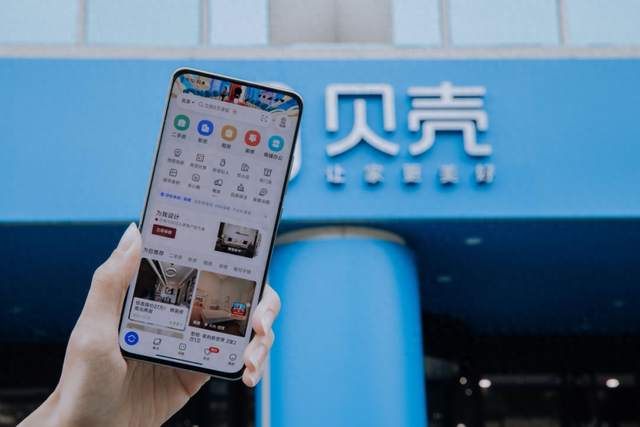
AI赋能经纪人,贝壳让服务更有温度
Zhong Guo Jing Ying Bao· 2025-06-25 09:52
Core Insights - The article highlights the transformative impact of Beike's AI assistant "Laike" on real estate agents, enabling them to efficiently meet fragmented customer demands and improve transaction success rates in a challenging market environment [1][11]. Group 1: Market Context - The real estate market is experiencing high inventory and slow turnover, necessitating faster and more effective matching of properties with new owners [1][3]. - Since the fourth quarter of the previous year, the market has shown signs of recovery due to policy support, but challenges remain [1][3]. Group 2: Technology Empowerment - Beike's "Laike" system, launched in June 2024, is designed to empower agents by integrating deeply into the WeChat ecosystem, thus enhancing communication and trust with clients [3][4]. - The system addresses the issue of fragmented customer needs by utilizing AI to streamline the service chain and improve the efficiency of property matching [5][13]. Group 3: User Experience and Trust - The "Laike" system simplifies the process of connecting clients with certified agents, significantly reducing the steps required and enhancing trust through official verification [4][10]. - The introduction of a "Five Good Service Provider" evaluation mechanism encourages agents to improve service quality and build deeper emotional connections with clients [8][10]. Group 4: Performance Metrics - As of March 2025, the "Laike" system has supported over 259 million client interactions across more than 60 cities, demonstrating its effectiveness in enhancing agents' transaction rates [11][13]. - The AI-powered "Property Maintenance Assistant" complements the "Laike" system by improving the quality and exposure of property listings, benefiting over 400,000 homeowners [11][14]. Group 5: Future Directions - Beike continues to explore AI applications in the real estate sector, with products like "Pudding AI" aimed at providing intelligent solutions for diverse user needs [13][14]. - The integration of AI in key transaction processes, such as contract signing and post-sale services, has saved agents over 30,000 hours of work, showcasing the efficiency gains from human-AI collaboration [14].

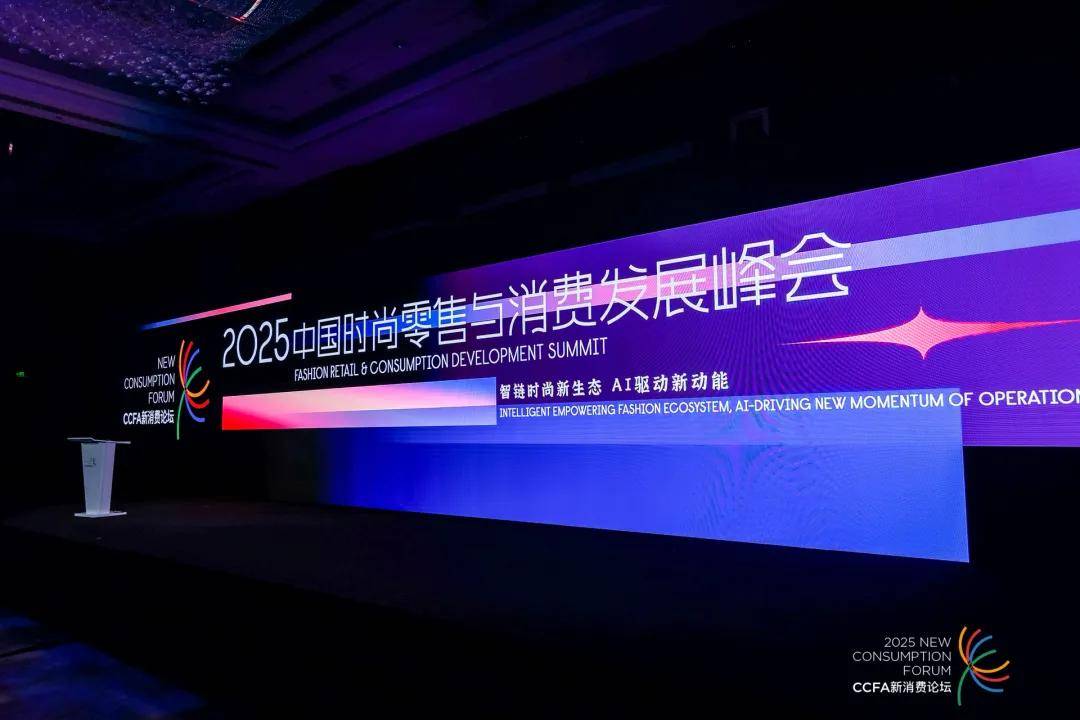
智链时尚 AI赋能|毕马威受邀出席2025中国时尚零售与消费发展峰会
Sou Hu Cai Jing· 2025-06-25 08:52
Core Insights - The 2025 China Fashion Retail and Consumption Development Summit was held in Nanjing, focusing on "Intelligent Chain Fashion New Ecology, AI Driven New Momentum" [1] - Keynote speaker Zhou Qian from KPMG shared insights on new consumption trends, policy benefits, and capital empowerment in the retail sector [1] Group 1: Macro Overview and Sub-industry Trends - In 2025, China's economy is showing a stable start, with policies promoting a continuous recovery in consumption, characterized by timely, pragmatic, and flexible measures [3] - Zhou Qian analyzed trends in sub-industries such as luxury and fashion, health and beauty, and food and beverages [3] Group 2: Yangtze River Delta Consumption Promotion Policies - The consumption policies in the Yangtze River Delta are transitioning from short-term stimulus to institutional innovation, creating a multi-layered and differentiated policy matrix [4] - The region combines central policy guidance with local innovative practices for a comprehensive implementation approach [4] Group 3: Insights on Chinese Enterprises Going Global Amid Global Tariff Storm - Zhou Qian provided insights on the impact of international conditions on Chinese enterprises going global, noting that labor-intensive products are the most affected [5] - Strategies for short-term and medium-term responses, as well as trends in overseas mergers and acquisitions, were discussed to provide new ideas for industry representatives [5] Group 4: Capital Market Overview - In Q1 2025, the global IPO market cautiously started amid pressures from trade tariffs, interest rate uncertainties, and geopolitical conflicts [6] - The Hong Kong market benefited from optimized listing approval processes and increased mainland enterprises listing, with consumer goods leading in both the number of listings and fundraising amounts [6] - KPMG continues to focus on retail and consumer goods industry trends, aiming to explore new opportunities and promote high-quality development in the sector [6]