
货币宽松

Search documents
越南楼市失控了
首席商业评论· 2025-12-30 04:57
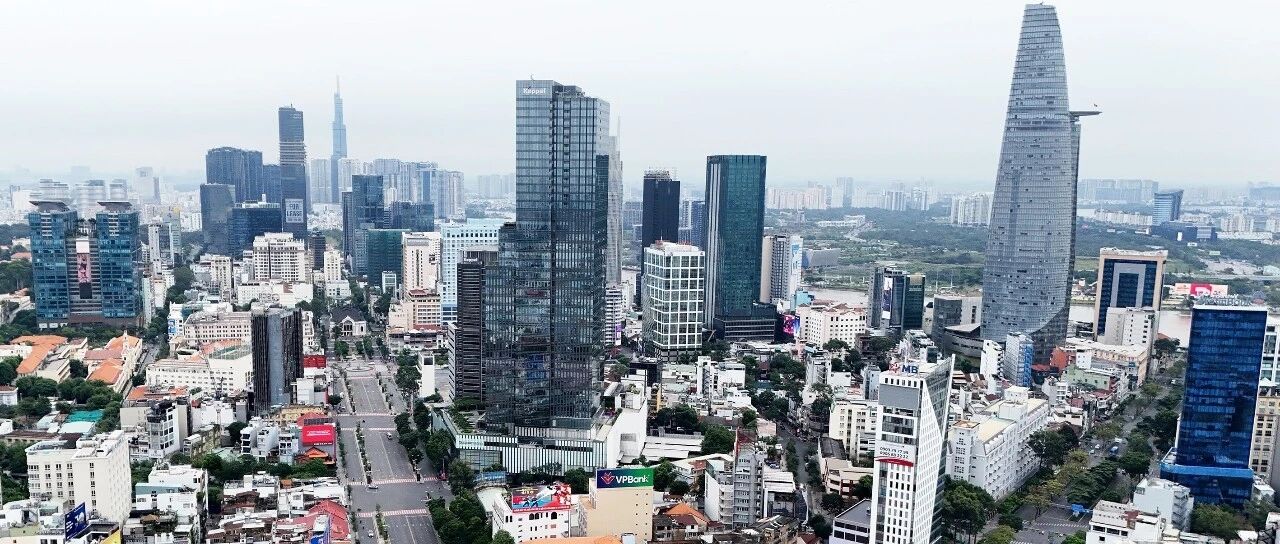
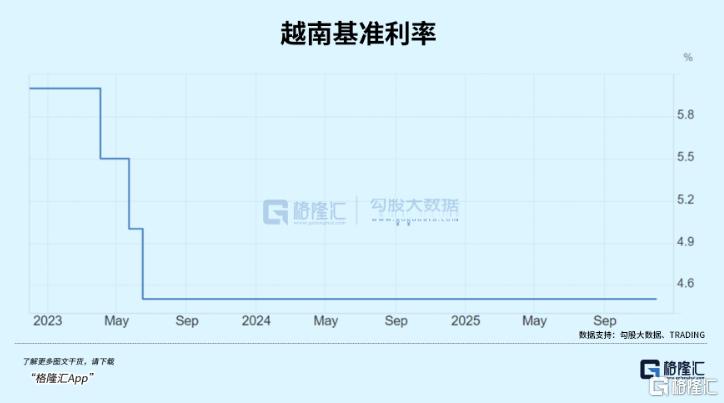
Core Viewpoint - Vietnam's real estate market is experiencing a significant price surge, driven by excessive liquidity and restrictive land policies, leading to a disconnect between housing prices and the average income of its citizens [5][13][20]. Group 1: Economic Context - The State Bank of Vietnam (SBV) has drastically reduced the benchmark interest rate from 15% in 2008 to 4.5% by 2025, aiming to stimulate economic growth through monetary easing [5][7]. - Despite global liquidity tightening, Vietnam's credit growth target remains at 15%-16%, with M2 growth at 13.5%, significantly outpacing the actual GDP growth of 5.5% [7][10]. - The low-interest environment has distorted market funding flows, with excess liquidity flooding into the asset market instead of the manufacturing sector [7][10]. Group 2: Land Policy and Market Dynamics - The new Land Law effective in 2024 aims to marketize land pricing but has led to a tripling of land acquisition costs for developers, causing a speculative rush in land purchases [10][19]. - The government’s previous land pricing strategy resulted in a loss of revenue, with land-related income constituting only 12% of the fiscal budget in 2023, compared to the Southeast Asian average of 25% [10][20]. - The supply of new housing is critically low, with only 3.9 million apartments available in Hanoi for a population of 231 people per unit, and even more severe shortages in Ho Chi Minh City [10][11]. Group 3: Social Implications - The soaring property prices have exacerbated wealth inequality, with the top 10% of households owning 78% of real estate assets, while the bottom 50% hold only 2% [20][21]. - The price-to-income ratio for the 25-35 age group in Hanoi stands at 28:1, indicating a severe affordability crisis [20]. - The housing crisis has led to social unrest, with protests emerging in 2025, prompting the government to implement temporary purchase restrictions [23][24]. Group 4: Market Segmentation - The real estate market is increasingly catering to foreign professionals and high-income earners, with a dual market structure emerging where high-end properties dominate new developments [15][16]. - The demand for housing is driven by an influx of foreign engineers and local workers, creating a segmented market where luxury apartments are prioritized over affordable housing [15][19]. - The average rental yield for high-end apartments in Hanoi is supported by a significant proportion of foreign tenants, further inflating property prices [16][18].

货币宽松预期下,有色板块出现β行情 | 投研报告
Zhong Guo Neng Yuan Wang· 2025-12-29 03:02
Group 1 - Precious metals have seen a rapid increase this week, driven by a better-than-expected decline in the US CPI, opening up room for interest rate cuts in 2026, and improving the probability of a soft landing [1][2] - Domestic funds have gained pricing power in the absence of overseas markets, leading to historic price movements for silver, platinum, and palladium, while gold has underperformed in this period [1][2] - Short-term outlook remains positive for precious metals due to inflows from ETF allocations amid interest rate cut trades, with a long-term view favoring continued holding despite volatility [2] Group 2 - Copper prices are expected to rise again, with Shanghai copper increasing by 5.95% this week, surpassing the 100,000 yuan mark, influenced by improved market sentiment following the US CPI decline [2] - The anticipated supply-demand tightness in copper for 2026 is supported by downward adjustments in production forecasts from Freeport and Teck Resources, alongside expectations of increased fiscal spending from the US government [2] Group 3 - Aluminum prices increased by 0.99% this week, following copper price trends, with low inventory levels reported at 617,000 tons, indicating a slight increase from earlier in the week [3] - Despite being in a traditional off-season, demand from automotive, power, and electronics sectors remains resilient, suggesting a stable outlook for aluminum prices [3] Group 4 - Nickel prices have surged due to a shift in market expectations, with Indonesia planning to reduce nickel production quotas for 2026 by approximately 34% compared to 2025 levels [4] - The actual production in Indonesia is expected to be significantly lower than the approved quotas, which may lead to upward pressure on nickel prices in the long term [4] Group 5 - Tungsten prices have experienced fluctuations, remaining above 450,000 yuan per ton, but have recently declined due to profit-taking by suppliers and concerns over mining quotas at the beginning of the year [5] - The supply of tungsten is expected to continue declining in 2026, with limited large-scale substitution from high-speed steel products, indicating that tungsten prices may remain high [5] Group 6 - Investment recommendations include companies such as Shengda Resources, Xingye Silver Tin, Chifeng Gold, Shenhuo Co., and Zijin Mining [6]
贵金属狂飙,需系好安全带
Tong Guan Jin Yuan Qi Huo· 2025-12-29 02:10
贵金属周报 2025 年 12 月 29 日 贵金属狂飙,需系好安全带 从业资格号:F03112296 投资咨询号:Z0021040 从业资格号:F0297587 投资咨询号:Z0011509 黄蕾 从业资格号:F0307990 投资咨询号:Z0011692 高慧 从业资格号:F03099478 投资咨询号:Z0017785 王工建 从业资格号:F3084165 投资咨询号:Z0016301 赵凯熙 核心观点及策略 投资咨询业务资格 沪证监许可【2015】84 号 李婷 何天 从业资格号:F03120615 投资咨询号:Z0022965 敬请参阅最后一页免责声明 1 / 12 ⚫ 上周贵金属价格加速上涨,不断刷新历史新高。在上周一 国际金价突破前期高点之后,贵金属普遍进入加速上涨阶 段。上周公布的美国经济数据整体偏强,虽然市场对于1 月降息预期较弱,但对于明年的降息预期仍达2-3次,整 体处于货币持续宽松的环境。日本在意外加息之后,继续 释放干预日元的信号,日元走强对美元形成一定的压制。 ⚫ 目前贵金属价格表现强势,除了美元指数维持弱势运行和 美联储独立性受损,将持续货币宽松为稀贵金属提供宏观 支撑之外,铂钯 ...
2026年A股行情延续可期,宏观利好全面加持
Sou Hu Cai Jing· 2025-12-29 01:45
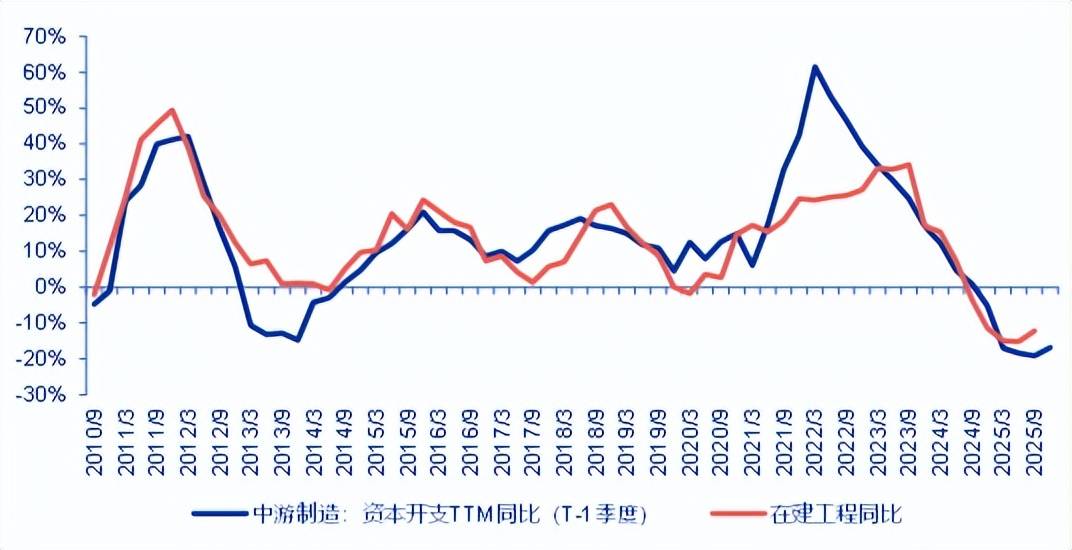
今年以来,A股迎来了创立以来的第三次站上4000点。我们展望2026年,这一行情并未结束,具体原因如下: 首先,A股整体仍偏制造业属性,基于这一特点,我们来看制造业的整体情况。2025年制造业整体的资本开支和在建工程仍处于负增长区间,仅同比有小幅 回升。展望2026年,制造业同比反弹力度或进一步拖累的程度可能不会像今年这么显著,我们认为,明年制造业对整体GDP增速的贡献大概率会高于今年, 基本面改善的趋势性概率也在提升。 资料来源:Wind,申万宏源研究 海外市场方面,今年关税冲突后,全球经济韧性好于我们的整体预期。《美丽大法案》的公布与顺利推进,本质上是美国财政扩张的体现;近期美国政府的 停摆更多是一次性影响。另外,12月份降息落地后的相关表述,让大家担心2026年的货币政策会相对偏鹰,但更值得关注的是,美联储在12月降息后开启了 技术性扩表——这次扩表发生在12月1日宣布结束扩表后的两周,属于技术性扩表。这样的政策表述略显出尔反尔,也能说明美国的财政压力依然较大。 我们认为,在已实施扩表的背景下,2026年至少有一点确定性较高,那就是人民币对美元将进一步升值,这一点近期市场已有所体现。人民币对美元的进一 ...
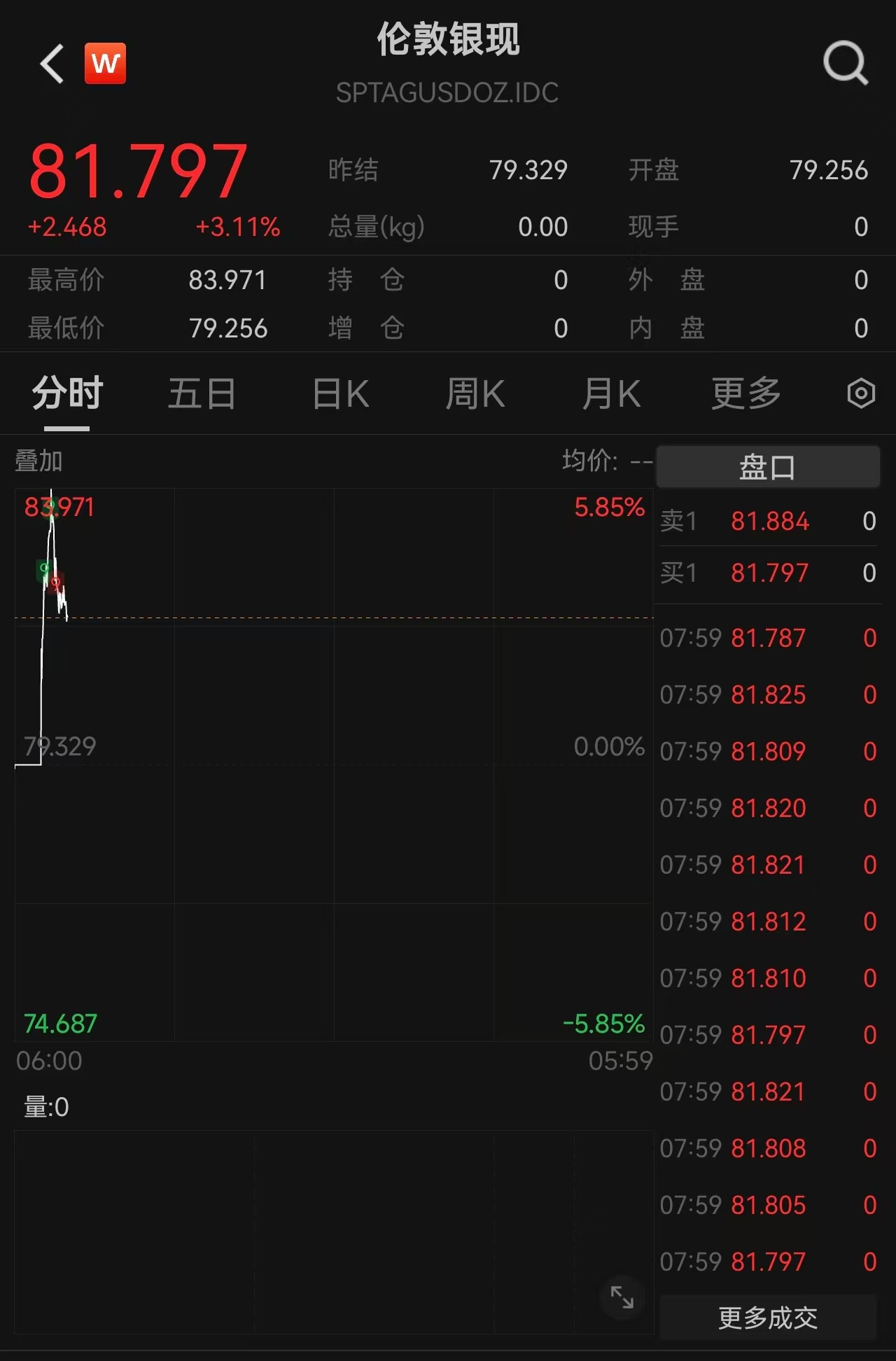
现货白银早盘一度狂飙近6%,逼近84美元关口,光伏与新能源需求重塑白银上涨逻辑?
Jin Rong Jie· 2025-12-29 01:00
Core Viewpoint - The silver market is experiencing significant price volatility, with prices reaching a historical high of nearly $84 per ounce before slightly retreating to approximately $81.797 per ounce, reflecting a 3.11% increase [1]. Price Movement - On December 29, silver prices surged nearly 6% during trading, peaking at $83.971 per ounce before settling at $81.797 per ounce [1][2]. - The opening price was recorded at $79.329 per ounce, indicating a substantial increase from the previous close [2]. Market Dynamics - The Shanghai Futures Exchange issued warnings on December 26 to enhance risk management and adjusted margin requirements and price limits for trading during the New Year holiday [3]. - The recent price movements in silver have drawn significant market attention, attributed to its smaller market size and limited liquidity compared to gold, making it more susceptible to price fluctuations [3]. Demand Factors - The current surge in silver prices is supported not only by monetary easing and geopolitical risks but also by strong industrial demand, particularly in the photovoltaic sector, where silver is a key material [4]. - The demand for silver is further bolstered by its applications in electric vehicles and other emerging technologies, expanding its market potential [4].
越南楼市失控了
Xin Lang Cai Jing· 2025-12-26 11:52
Group 1 - Vietnam's real estate market is experiencing a significant surge in prices, with apartment prices in Hanoi exceeding 8 million VND per square meter, comparable to cities like Suzhou in China, despite the country's GDP per capita being below $5,000 [1][22] - The State Bank of Vietnam has drastically reduced interest rates from 15% in 2008 to 4.5% by 2025, leading to a significant increase in liquidity and a shift of funds from manufacturing to the asset market [4][6][7] - The new Land Law, effective in 2024, aims to marketize land pricing but has resulted in increased land acquisition costs for developers, leading to a speculative environment and insufficient housing supply [12][15][16] Group 2 - The demand for housing is driven by an influx of foreign engineers and workers due to the acceleration of supply chain migration, creating a dual market where high-end properties are targeted at expatriates rather than local workers [24][28] - The supply of affordable housing is diminishing, with developers focusing on luxury apartments to cover rising costs, resulting in a significant increase in average property prices [33][35] - The disparity in wealth is growing, with the top 10% of households owning 78% of real estate assets, leading to social tensions and a declining marriage rate due to housing affordability issues [37][39] Group 3 - The Vietnamese real estate sector attracted $5.63 billion in foreign direct investment in 2024, indicating strong interest in the market despite the challenges [27] - Current regulatory measures to control housing prices are proving ineffective, with foreign investment circumventing restrictions and new housing initiatives falling short of demand [39][40] - The overall situation in Vietnam's housing market resembles a pressure cooker, with monetary policy and land regulations creating a volatile environment for middle-class citizens [40]
人民币破6关口,美国押注国运,未来难回头?
Sou Hu Cai Jing· 2025-12-26 05:27
Core Viewpoint - The Federal Reserve's recent interest rate cuts are seen as a response to political pressures and a means to support the economy, particularly in the technology and manufacturing sectors [1][3]. Economic Indicators - In August, the U.S. added only 22,000 jobs, and the unemployment rate rose to 4.3%, highlighting economic challenges that influence decision-making [3]. - Some Federal Reserve members suggested a rare 50 basis point cut, indicating internal tensions and the influence of political factors on monetary policy [3]. Capital Flows - There is a noticeable shift in capital flows from U.S. equity and debt markets to perceived "stable and growing" RMB assets, reflecting changing investment strategies [3]. - Foreign investment teams are increasingly focusing on long-term RMB products, citing marketization and the stability of China's complete industrial chain as key reasons for their investments [3]. Trade and Supply Chain - Changes in customs clearance times and freight indices indicate a revaluation of supply chains, with a stronger RMB improving import costs and subtly shifting consumption structures [5]. - Tariff policies are increasing costs for businesses, and the Fed's rate cuts aim to mitigate these effects, although this approach may be seen as addressing weaknesses with further weaknesses [5]. Monetary Policy and Technology - The Fed's strategy includes using monetary easing to attract capital into the technology sector, representing a gamble on the future of industry [6]. - Venture capitalists express concerns that short-term liquidity may not translate into long-term innovation, fearing that market sentiment could drive funds into overvalued assets [6]. Global Currency Dynamics - The political use of interest rate cuts raises questions about the independence of the U.S. dollar in the international community, which could have long-term implications beyond immediate market fluctuations [8]. - The strengthening of the RMB is prompting international investors to reassess currency risk exposure in their asset portfolios, a process that takes time [8]. Structural Challenges - The U.S. dollar's status as a global reserve currency is at risk if institutional trust erodes, affecting cross-border contracts and central bank reserves [10]. - The Fed's rate cuts provide temporary relief but do not address fundamental structural issues such as declining labor participation, manufacturing offshoring, and persistent fiscal deficits [10]. Industry Adjustments - Chinese companies are adjusting their cost structures in response to RMB appreciation, with some export sectors shifting towards higher value-added areas, driven by market forces [11]. - In global supply chain hubs, managers prioritize delivery times, quality, and supplier stability, indicating a practical approach to currency fluctuations [13]. Long-term Implications - A potential weakening of U.S. dollar dominance could lead to a multipolar currency landscape, requiring adaptation from multinational corporations and policymakers [13]. - Historical shifts in currency systems often accompany long-term industrial adjustments and institutional innovations, suggesting that current market disruptions may signal the beginning of another gradual restructuring [15].
有色行情全面扩散,金银铜史诗级暴涨,还能上车吗?
Sou Hu Cai Jing· 2025-12-26 01:46
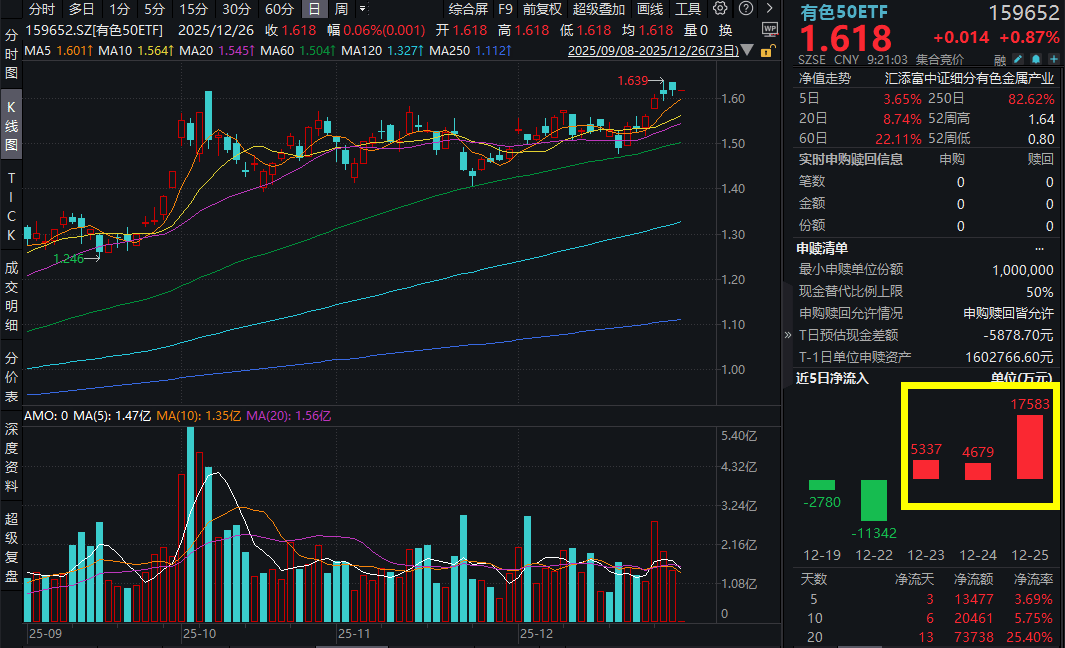
Core Viewpoint - The non-ferrous metals sector has experienced significant growth, with the non-ferrous index rising by 90% year-to-date as of December 25, leading the A-share industry rankings [1] Group 1: Market Performance - The Non-Ferrous 50 ETF (159652) has seen a surge in popularity, with net subscriptions exceeding 270 million yuan over three consecutive days, bringing its total scale to over 3.9 billion yuan, leading among similar index ETFs [1] - The overall non-ferrous market boom is attributed to a combination of macroeconomic conditions, industry trends, policy directions, and market sentiment [3] Group 2: Monetary Policy Impact - The Federal Reserve's decision to cut interest rates by 25 basis points on December 10 has triggered a significant rally in non-ferrous metals [4] - Cumulatively, the Fed has reduced rates by 175 basis points since September 2024, indicating a shift towards a prolonged easing cycle that supports metal prices [4] Group 3: Supply Constraints - The supply side of non-ferrous metals is characterized by both rigidity and vulnerability, which supports prices for industrial metals like copper and aluminum [5] - Disruptions in copper supply have been frequent this year, with major mines reducing production forecasts due to various operational challenges [5] - Domestic aluminum production capacity is capped, with an operating rate of 98.6% as of the end of October, indicating significant supply constraints [5] Group 4: Demand Drivers - Emerging industries such as AI and robotics are creating new demand for non-ferrous metals, supported by macroeconomic policies aimed at growth and increased manufacturing investment [9] - The rapid development of sectors like renewable energy and electric vehicles is driving substantial investment in copper, nickel, cobalt, lithium, and silicon, further boosting demand for these metals [9] - Goldman Sachs predicts that by 2030, infrastructure development will contribute to a 60% increase in global copper demand, equivalent to the current total global copper consumption [9] Group 5: Investment Opportunities - The current environment presents significant investment opportunities in non-ferrous commodities, bolstered by monetary easing, supply constraints, and new demand drivers [10] - Investors are encouraged to consider the Non-Ferrous 50 ETF (159652) for exposure to leading assets in this sector [10]
风向变了:央行狂买黄金抛弃美债,这场“用脚投票”背后藏着什么真相?
Sou Hu Cai Jing· 2025-12-25 14:29
如果说金融市场是一个巨大的江湖,那么过去半个世纪里,美债就是那个无人敢挑战的武林盟主。不管你是谁,手里没点美债,出门都不好意思跟人打招 呼。 但江湖规矩,最近被打破了。 最近的一组数据,像深水炸弹一样在投资圈炸响:全球央行持有的黄金总量,在30年来头一次超过了持有的美债规模。这不是简单的数字游戏,这是一次史 无前例的"用脚投票"。 一边是全球央行在疯狂"扫货"黄金,另一边是美债这个曾经的"安全资产天花板"吸引力肉眼可见地下滑。这背后的逻辑到底是什么?在货币宽松的潮水又要 漫过头顶的当下,我们普通投资者的钱袋子又该往哪放? 如果说债务是慢火炖青蛙,那么地缘政治的突变就是当头一棒。 点击添加图片描述(最多60个字) 编辑 为什么以前大家都爱美债?因为美国信用强啊。美元是世界货币,美债就是全球资产的定价锚。买美债,等于买了美国的"国运",既有利息拿,又不用担心 赖账,简直是完美的"避风港"。 但现在,这个避风港有点漏风了。 根本原因在于,美国政府的钱袋子管不住了。美国联邦政府的债务总额像坐了火箭一样冲破了34万亿美元。这是什么概念?平均分摊到每个美国人头上,是 一笔这辈子都还不清的债。 更让人心里发毛的是,为了维持 ...
韩国央行称将综合考虑通胀等因素决定明年何时降息
Xin Lang Cai Jing· 2025-12-25 06:07
韩国央行周四表示,将综合考虑通胀、经济增长和金融稳定状况,决定明年是否以及何时进一步降息。 韩国央行在当天发表的2026年货币信贷政策操作方针中表示:"将综合考虑物价和经济增长的动向、经 济增长和通胀前景的不确定性、金融稳定的风险等,决定是否以及何时进一步降息。" 韩国央行从去年10月开始进入了货币宽松周期,但在上个月的利率会议上,连续4次将基准利率维持在 2.5%不变。 在本轮宽松周期内,韩国央行为了支持经济增长,将基准利率从3.5%累计下调了100个基点。 该行周四表示:"通胀率预计将维持在目标水平附近,但由于汇率上升和内需复苏,上升压力可能会比 预期更大。" "虽然预计增长将朝着潜在速度上升,但前景受到与全球贸易环境、半导体周期和国内需求复苏速度相 关的各种风险的影响,"该行补充说。 韩国央行预计,韩国经济在2026年将增长1.8%,比今年预期中的1%的增速有所加快。 韩国央行周四表示,将综合考虑通胀、经济增长和金融稳定状况,决定明年是否以及何时进一步降息。 韩国央行在当天发表的2026年货币信贷政策操作方针中表示:"将综合考虑物价和经济增长的动向、经 济增长和通胀前景的不确定性、金融稳定的风险等,决定 ...