贸易战

Search documents
不出中国所料,特朗普对全球征税后,高兴不到一天,噩耗就来了
Sou Hu Cai Jing· 2025-08-10 14:43
Group 1 - The average tariff rate in the U.S. has increased significantly from 2.3% last year to 15.2%, marking the highest level since World War II [3] - The new tariff policy has led to increased costs for U.S. automakers, with Ford reporting an $800 million loss due to tariffs in Q2 2025, General Motors losing $1.1 billion, and Stellantis losing $350 million [15] - The retail industry is facing unprecedented challenges due to rising import costs, with retailers forced to stockpile goods primarily from China to mitigate short-term pressures [17][18] Group 2 - The new tariffs have resulted in a significant increase in trade barriers, leading to a collapse of the global trade system and a reconfiguration of multinational production and trade costs [6] - The tariffs are expected to trigger inflationary pressures in the U.S., with core inflation rising to 3.2% by June 2025, affecting consumer spending habits [20] - The global supply chain is experiencing a shift away from the U.S., with countries accelerating multilateral cooperation and seeking new trade partnerships in response to U.S. tariff policies [22][25]

豆粕:震荡,关注美农报告、贸易磋商、天气,豆一:现货略偏弱,盘面震荡
Guo Tai Jun An Qi Huo· 2025-08-10 14:41
Group 1: Market Performance - Last week (August 4 - August 8), the US soybean futures price fluctuated. The November contract of the US soybean main force had a weekly decline of 0.15%, and the December contract of the US soybean meal main force had a weekly increase of 1.64% [1]. - Last week, domestic soybean meal and soybean No. 1 futures prices fluctuated. The m2509 contract of the soybean meal main force had a weekly increase of 1.16%, and the a2509 contract of the soybean No. 1 main force had a weekly decline of 0.32% [1]. Group 2: International Soybean Market Fundamentals - US soybean sales increased week - on - week and were higher than expected. In the week ending July 31, the 2024/25 US soybean export shipments were about 690,000 tons, a week - on - week increase of about 63%. The cumulative 2024/25 US soybean export shipments were about 47.89 million tons, a year - on - year increase of about 12%. The current and next - year net sales of US soybeans were about 1.02 million tons, higher than the expected 300,000 - 800,000 tons [1]. - The US soybean good - to - excellent rate decreased week - on - week and met expectations. As of the week ending August 4, the US soybean good - to - excellent rate was 69%, compared with 70% the previous week and 68% the same period last year [1]. - The Brazilian soybean CNF premium, import cost, and crush margin: As of the week ending August 8, the average CNF premium of Brazilian soybeans for October delivery increased week - on - week, the average import cost increased week - on - week, and the average crush margin increased week - on - week [1]. - The weather forecast for the US soybean main production areas: In mid - August (August 13 - August 21), precipitation in the US soybean main production areas will decrease and the temperature will be higher, which has a slightly positive impact [1]. Group 3: Domestic Soybean Meal Spot Market - Sales volume: The soybean meal sales volume increased week - on - week. As of the week ending August 8, the average daily sales volume of soybean meal of mainstream oil mills in China was about 510,000 tons, compared with about 300,000 tons the previous week [2]. - Pick - up volume: The soybean meal pick - up volume decreased week - on - week. As of the week ending August 8, the average daily pick - up volume of soybean meal of major oil mills was about 188,000 tons, compared with about 194,000 tons the previous week [2]. - Basis: The soybean meal basis increased week - on - week. As of the week ending August 8, the average weekly basis of soybean meal (Zhangjiagang) was about - 112 yuan/ton, compared with about - 123 yuan/ton the previous week [3]. - Inventory: The soybean meal inventory was basically flat week - on - week and decreased year - on - year. As of the week ending August 1, the soybean meal inventory of mainstream oil mills in China was about 920,000 tons, with a year - on - year decrease of about 31% [3]. - Crushing volume: The domestic soybean weekly crushing volume decreased week - on - week and is expected to increase next week. As of the week ending August 8, the domestic soybean weekly crushing volume was about 2.18 million tons, and it is expected to be about 2.37 million tons next week [3]. Group 4: Domestic Soybean No. 1 Spot Market - Prices: The soybean prices in the Northeast production area were slightly weaker, while those in other areas were stable. The purchase price of clean soybeans in some Northeast areas decreased by 20 yuan/ton, while that in some areas in the Inner Pass remained the same as the previous week [4]. - New soybean growth: The new soybeans in the Northeast production area are growing well, and the willingness to hold prices has weakened. There is an expectation of a bumper harvest in many places if there is no extreme weather later [4]. - State - reserve auction: The one - way auction of state - reserve soybeans started, and the first auction ended in failure. On August 8, 32,294 tons of domestic soybeans were planned to be auctioned at a base price of 4,200 yuan/ton, all of which were unsold [4]. - Demand in the sales area: The demand in the sales area is flat. Although the Beginning of Autumn has passed, the temperature in many places is still high, and it will take time for the terminal demand for soybean products to recover [4]. Group 5: Market Forecast - Next week (August 11 - August 15), the prices of Dalian soybean meal and soybean No. 1 futures are expected to fluctuate. Domestic soybean meal will be slightly stronger due to concerns about the trade war. For domestic soybeans, the spot price in the Northeast production area is slightly weaker, and the new soybeans are growing well [5].
美媒:关税致食品成本飙升 美国多家餐厅陷经营困境
Zhong Guo Xin Wen Wang· 2025-08-10 11:49
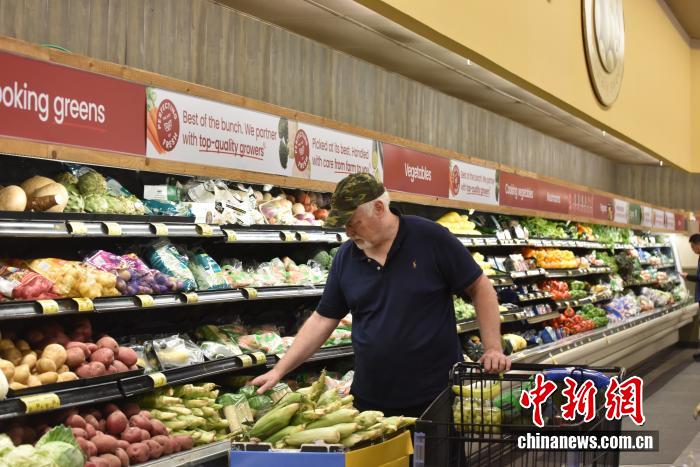
美媒:关税致食品成本飙升 美国多家餐厅陷经营困境 图为美国民众在马里兰州罗克韦尔一超市购物。 中新社记者 沙晗汀 摄 据报道,餐厅几乎没有回旋余地来应对食品成本上涨,稍有不慎便会侵蚀利润,而随着特朗普政府的贸 易战仍在持续发酵,可能会继续推高西红柿等其他食品的价格。 除了成本上涨之外,消费者不再经常外出就餐也增加了餐厅的经营压力。 报道称,低收入消费者继续感受到生活成本上涨的压力,因此支出速度放缓。而多年来的高通胀也让美 国消费者不堪重负,中等收入消费者也面临压力。 美国经济专家表示,由于同时感受到销售疲软和关税的双重打击,许多餐厅正陷入困境。 中新网8月10日电 据美国有线电视新闻网(CNN)报道,美国关税阴影下,牛肉、鸡蛋等食品价格上涨, 推高美国餐厅经营成本,加之消费者对经济前景感到担忧,美国多家餐厅的经营陷入困境。 报道举例称,俄克拉荷马州塔尔萨的艾克辣椒餐厅(Ike's Chili)已有117年历史,经历了大萧条、通货膨 胀等诸多挑战后,2025年,其将面临更加严峻的挑战。 餐厅相关负责人韦德称,"所有东西的成本都在上涨,我们必须想办法妥善管理。" 韦德表示,"餐厅需要再次涨价,但我担心价格会将顾客 ...
特朗普刚对印度加征50%的关税,就想对中国下手?威胁对华加征关税
Sou Hu Cai Jing· 2025-08-10 11:22
特朗普还真是个"愣头青",敢直接对两个最大的发展中国家"宣战"。 在当地时间8月6日,特朗普签署了一项行政命令,以印度通过"直接或间接方式"购买俄罗斯能源为由, 对进口印度的商品加征25%的关税。如果算上之前美国对印度的关税,当前总体关税税率已达到50%。 而特朗普自上台后就急迫的希望能够结束俄乌冲突,收回美国在乌克兰上千亿美元的军援成本。而且特 朗普还与乌克兰签订美乌矿产协定,目的也是为了攫取乌克兰的资源。 但这一切的前提就是俄乌停战,可问题是如果俄罗斯因为俄乌冲突没有获得足够的对北约的缓冲空间和 地缘安全空间,那这一仗就等于白打了,俄罗斯也就白被美西方制裁了。 可乌克兰背后除了美国还有欧盟,很难对特朗普做出太多让步,那么特朗普除了继续施压欧盟让乌克兰 做出更多让步外,最重要的就是对俄罗斯进行施压,让对方妥协。毕竟假如俄罗斯一直狮子大开口,那 么一味的让乌克兰让步也解决不了根本问题。 而让俄罗斯停火也很简单,只要堵住俄罗斯的经济发展,那么俄罗斯没钱了,自然仗就打不下去了。只 是俄罗斯的经济收入主要依靠能源出口,而中印持续不断的购买俄罗斯石油,使得俄罗斯可以抵御美西 方的制裁。所以特朗普才会对印度加征关税,并 ...
中美关税战胜负已分,人民日报喜讯通告全球,特朗普公布接班人
Sou Hu Cai Jing· 2025-08-09 18:31
Group 1 - The trade war between the US and China, initiated in 2018, has escalated significantly, particularly after Trump's second term began in 2025, with tariffs on Chinese goods reaching as high as 104% [2][3] - The US aimed to reduce trade deficits and bring manufacturing back to the US, but the high tariffs have led to increased costs for American consumers and businesses [2][4] - China's response has been pragmatic, diversifying its export markets and achieving a trade surplus of $586 billion in the first half of the year [3][5] Group 2 - The International Monetary Fund raised China's 2025 economic growth forecast to 4.8%, while the US GDP growth was only 2.0% in the same period, indicating a stark contrast in economic performance [3][4] - Trump's tariffs have not only failed to balance trade but have also led to rising costs for US companies, prompting layoffs and inflationary pressures [4][7] - The global trade landscape is shifting as countries seek to reduce dependence on the US market, with increased cooperation among Asian and European economies [7][11] Group 3 - The trade war has been characterized by a series of tariff increases, with the latest round affecting 69 trade partners, leading to widespread price increases in the US [4][9] - Analysts suggest that the trade war has ultimately benefited China, as it has successfully opened new markets and maintained economic growth, while the US faces increasing internal dissent regarding the long-term impacts of the tariffs [5][9] - The narrative surrounding the trade war has shifted, with many now viewing it as a self-defeating strategy for the US, as evidenced by rising consumer prices and economic stagnation [9][11]
美国对中国给予“特殊待遇”,印度表示不服,莫迪开始反击了
Sou Hu Cai Jing· 2025-08-09 12:36
特朗普自诩为天下第一的"交易高手",自其挑起关税大战后取得了一个又一个所谓的"胜利"。迄今为止,只有中国,加拿大,巴西等少数硬骨头还没有被啃 下,其他国家和地区的对等关税税率基本被摆平,从10%到50%。 欧盟,日本和韩国等盟友经过与美方的谈判,虽然争取到了减少几个百分点,但实际上却付出了非常沉重的代价。美国对日本课征15%的关税,日本付出的 代价是开放美国汽车与稻米等农产品进口,并承诺对美投资5500亿美元。韩国享受了与日本相同的关税,前提是韩国全面开放美国汽车与农产品进口,并承 诺对美投资3500亿美元。欧盟的关税从20%降至15%的前提是欧盟对美关税归零,承诺对美投资6000亿美元、进口7500亿美元的能源。 不过,这些数千亿美元的贸易计划,何时落地以及如何落地,美欧日都没有详细的说明,毕竟"许愿"要比兑现承诺要容易得多。当然,特朗普看重的可能是 夸张的数字所带来的情绪价值,至于对方何时兑现,或许压根都不是他考虑的范围。令世界都没有想到的是,尽管美国将中国列为视为头号竞争对手,但却 唯独对中国给予"特殊待遇"。英国媒体评论称,中美之间的贸易谈判与其他国家不同,中美之间的关税谈判,完全在不同的框架和时间线 ...
记者观察|欧美贸易协议难解德国汽车业困境
Xin Hua She· 2025-08-09 10:26
(文章来源:新华社) 今年4月以来,美国政府挥舞关税大棒,大幅提高自欧盟进口汽车关税,重创欧洲汽车产业,导致德国 主要车企集体陷入利润暴跌的"寒冬"。 欧美日前达成新协议,欧盟输美汽车关税从25%降至15%。分析人士指出,该协议或将暂时避免欧美之 间爆发全面贸易战,但德国制造业的困境远未解除,仍然高企的出口成本与政策反复所带来的不确定 性,正在持续削弱车企信心。 ...
【环球财经】肯尼亚媒体:美国关税政策挤压非洲发展空间
Xin Hua She· 2025-08-09 08:57
Core Viewpoint - The article discusses the impact of the U.S. government's imposition of punitive tariffs, highlighting the potential negative effects on global trade, economic growth, and geopolitical stability, particularly for African economies that are already vulnerable [1]. Group 1: Impact of U.S. Tariffs - The U.S. tariff barriers are expected to increase the cost of imported goods, leading to a restructuring of global supply chains [1]. - Punitive tariffs may disrupt trade channels in critical sectors such as commodities, electronics, and textiles [1]. Group 2: Vulnerability of African Economies - African economies are highly dependent on export trade, foreign investment, and multilateral trade systems, making them more susceptible to the adverse effects of punitive tariffs [1]. - The ongoing trade war exacerbates the challenges faced by African nations, which are already dealing with debt crises, climate disasters, and recovery from the COVID-19 pandemic [1]. Group 3: Specific Impact on Kenya - Kenya is projected to lose 600,000 jobs and over 13 billion Kenyan shillings in fiscal revenue due to the end of the grace period for U.S. tariffs on Kenyan exports [1]. - The lack of policy tools to mitigate trade shocks further complicates Kenya's economic situation compared to larger economies with fiscal buffers [1]. Group 4: Regional Trade Dynamics - The African Continental Free Trade Agreement (AfCFTA) is progressing, but intra-African trade only accounts for 18% of total African trade, insufficient to offset the impacts of global trade disruptions [2]. - To mitigate the effects of U.S. tariff policies, African nations need to diversify trade, reduce reliance on the U.S. market, strengthen regional trade under the AfCFTA framework, and deepen cooperation with BRICS countries [2].
全球瞭望丨肯尼亚媒体:美国关税政策挤压非洲发展空间
Xin Hua She· 2025-08-09 08:17
Core Viewpoint - The article discusses the impact of the U.S. government's imposition of punitive tariffs, highlighting the potential negative effects on global trade, economic growth, and geopolitical stability, particularly for African economies [1]. Group 1: Economic Impact - The U.S. tariff barriers are expected to increase the cost of imported goods, leading to a restructuring of global supply chains [1]. - The punitive tariffs may disrupt trade channels in key sectors such as commodities, electronics, and textiles [1]. - African economies, which heavily rely on export trade, foreign investment, and multilateral trade systems, will face increased economic vulnerability due to these tariffs [1]. Group 2: Specific Case of Kenya - Kenya is projected to experience significant adverse effects from the U.S. tariffs, with an estimated loss of 600,000 jobs and over 13 billion Kenyan shillings in fiscal revenue [1]. - The end of the grace period for tariffs on Kenyan goods entering the U.S. poses a severe challenge for the country [1]. Group 3: Regional Trade Dynamics - Despite the ongoing progress of the African Continental Free Trade Agreement, intra-African trade accounts for only 18% of total African trade, which is insufficient to mitigate the impacts of global trade disruptions [2]. - The article emphasizes the need for African nations to diversify their trade strategies, reduce dependency on the U.S. market, and strengthen regional trade under the African Continental Free Trade Area framework [2].
加拿大自比中国,在贸易战中坚决“不跪”,美贸易代表灵魂拷问:中国反击美国,你也要跟?
Sou Hu Cai Jing· 2025-08-08 13:22
Core Viewpoint - The trade dispute between the United States and Canada has escalated, with President Trump signing an executive order to raise tariffs on Canadian goods from 25% to 35%, prompting strong reactions from Canadian officials and raising questions about Canada's ability to withstand U.S. pressure [1][3]. Economic Dependency - Canada is highly dependent on the U.S. market, with 75.9% of its exports and 62.2% of its imports coming from the U.S. This dependency makes it difficult for Canada to find alternative large-scale export markets if it loses access to the U.S. [4]. - In contrast, China, as the world's second-largest economy, has a diverse economic structure and can retaliate against U.S. tariffs by adjusting trade structures and exploring new markets [4]. Political and Strategic Relations - Canada has a long-standing alliance with the U.S., relying on it for political and military support. This relationship complicates Canada's ability to adopt a truly independent stance against U.S. trade policies [6]. - The current Canadian government's trade policies largely continue the strategies of former Prime Minister Trudeau, lacking innovative or independent proposals, which may lead to potential compromises under U.S. pressure [6]. Policy Consistency - Canada's trade policy lacks the coherence and stability seen in China's approach, which has effectively implemented a series of countermeasures in response to U.S. tariffs, demonstrating a commitment to national interests [6][7]. Actual Actions - While Canada has vocally opposed U.S. tariffs, it has not taken substantial retaliatory measures comparable to China's swift and impactful responses during the U.S.-China trade dispute [7]. U.S. Motivations - The U.S. aims to reshape trade relations and gain advantages for its industries through tariffs, while also using Canada as an example to deter other countries from resisting U.S. trade policies [9].