
有色金属供需

Search documents
狂飙不止!AI的终点是有色金属?
Sou Hu Cai Jing· 2026-01-15 03:16
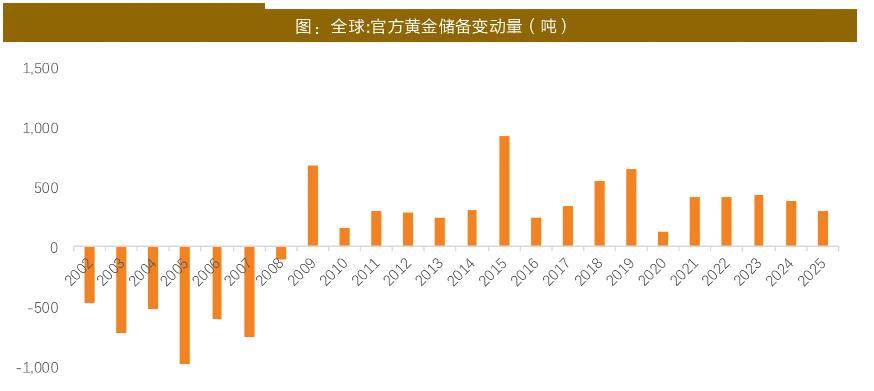
Core Viewpoint - The article highlights the strong performance of the non-ferrous metals sector, driven by increasing demand from AI development and tightening supply conditions, particularly for silver and copper [1][3][4]. Group 1: Market Performance - The non-ferrous metals ETF (招商 159690) has reached new highs, with a current increase of 4% [1]. - Individual stocks such as Hunan Silver have surged by 8%, followed by Luoyang Molybdenum and Huayou Cobalt [1]. Group 2: Supply and Demand Dynamics - Chile's National Mining Association reports that copper production is expected to reach 5.4 million tons in 2025 and 5.5-5.7 million tons in 2026, with significant contributions from gold, silver, and molybdenum [2]. - The demand for high-conductivity metals like copper and silver is being driven by the rapid growth of AI, which is increasing electricity needs [3]. - China's stricter silver export licensing, effective January 1, 2026, will limit exports to large state-owned enterprises, exacerbating global silver supply tightness [3]. Group 3: Strategic Metal Trends - The weakening of the US dollar is enhancing the appeal of precious metals, which are being viewed as alternative currencies [5]. - The World Gold Council indicates that by the end of November 2025, non-US countries' official gold reserves will exceed 900 million ounces, valued at approximately $3.82 trillion, closely matching their holdings of US Treasury bonds [7]. - Long-term geopolitical tensions may lead to increased control and reserves of strategic metals, supporting price increases for copper, tungsten, molybdenum, cobalt, and rare earth materials [7]. Group 4: ETF and Index Information - The non-ferrous metals ETF (招商 159690) tracks the CSI Non-Ferrous Metals Mining Index, focusing on upstream resource products, with key metals like gold, copper, and aluminum making up nearly 60% of its weight [11].

有色早报-20251224
Yong An Qi Huo· 2025-12-24 01:15
1. Report Industry Investment Rating No relevant content provided. 2. Core Viewpoints of the Report - For copper, maintain a buy-on-dip strategy with an expected price range of $10,800 - $12,000 in December due to continued overseas liquidity easing [1]. - For aluminum, despite weak domestic demand, falling aluminum ingot inventories support prices in the short - term, and prices are expected to stay in a volatile range [1]. - For zinc, the domestic fundamentals are weak, but there may be a phased reduction in supply at the end of the year. It is recommended to wait and see on a single - side basis, focus on reverse arbitrage opportunities between domestic and overseas markets, and positive arbitrage opportunities for 01 - 03 and 03 - 05 spreads [5]. - For nickel, the short - term fundamentals are weak, but the policy side has a motivation to support prices, leading to intensified policy - fundamentals game [9]. - For stainless steel, the fundamentals remain weak, but short - term price rebounds are driven by news of quota cuts from the Indonesian Nickel Association [11]. - For lead, the price is expected to oscillate between 16,700 - 17,100 yuan next week. Attention should be paid to the risk of low warehouse receipts [14]. - For tin, in the short - term, there is a risk of marginal over - supply, and the fundamentals show signs of weakening. In the long - term, demand determines the upside, and it can be a multi - allocation for non - ferrous metals in the first quarter [17]. - For industrial silicon, in the short - term, the price is expected to fluctuate with costs. In the long - term, the over - capacity is still significant [18]. - For lithium carbonate, in the short - term, supply and demand are both strong, but demand shows signs of weakening. The price is expected to oscillate at the cycle bottom [22]. 3. Summary by Metal Copper - **Price and Inventory Changes**: From December 17 - 23, the Shanghai copper spot price decreased by 10, the waste - refined copper spread decreased by 504, and the LME inventory increased by 825 [1]. - **Market Outlook**: The long - term TC for copper concentrate has little impact on the market. The domestic market is expected to see a small inventory build - up until the Spring Festival, with suppressed spreads and import profit windows. Overseas liquidity is loose, and the price is expected to range from $10,800 - $12,000 in December [1]. Aluminum - **Price and Inventory Changes**: From December 17 - 23, the Shanghai aluminum ingot price decreased by 60, and the domestic alumina price decreased by 7 [1]. - **Market Outlook**: In November, primary aluminum imports declined, and exports increased. Domestic apparent demand is weak. Although domestic demand is poor, falling inventories support prices in the short - term, and prices are expected to stay in a volatile range [1]. Zinc - **Price and Inventory Changes**: From December 17 - 23, the Shanghai zinc ingot price decreased by 60, and the LME zinc inventory decreased by 275 [3][4]. - **Market Outlook**: The LME zinc 0 - 3M premium declined. Supply - side TC is falling, and there are production cuts due to smelter maintenance. Demand is seasonally weak domestically and varies overseas. The price may not fall deeply, and different arbitrage opportunities are recommended [5]. Nickel - **Price and Inventory Changes**: From December 17 - 23, the Shanghai nickel spot price increased by 3,700, and the LME inventory increased by 216 [9]. - **Market Outlook**: Pure nickel production decreased slightly, demand is weak, and inventories are rising at home and abroad. The Indonesian Nickel Association's quota plan adds policy - fundamentals game [9]. Stainless Steel - **Price and Inventory Changes**: From December 17 - 23, the 304 cold - rolled coil price increased by 100, and the waste stainless steel price increased by 70 [11]. - **Market Outlook**: Steel mills' production is high, demand is mainly for rigid needs, costs are stable, and inventories are high. The Indonesian policy supports prices, leading to short - term price rebounds [11]. Lead - **Price and Inventory Changes**: From December 17 - 23, the lead price decreased slightly, and the LME inventory decreased by 2,850 [12][14]. - **Market Outlook**: Primary production may decrease due to maintenance, and secondary production has recovered. Demand is expected to weaken. The price is expected to oscillate between 16,700 - 17,100 yuan, and attention should be paid to low - warehouse - receipt risks [14]. Tin - **Price and Inventory Changes**: From December 17 - 23, the tin price rose rapidly, and the LME inventory increased by 50 [17]. - **Market Outlook**: In the short - term, there is a risk of over - supply, and the fundamentals are weakening. In the long - term, demand determines the upside, and it can be a multi - allocation for non - ferrous metals in the first quarter [17]. Industrial Silicon - **Price and Inventory Changes**: From December 17 - 23, the 421 Yunnan basis decreased by 185, and the warehouse receipt quantity increased by 156 [18]. - **Market Outlook**: In the short - term, supply and demand are balanced, and the price is expected to fluctuate with costs. In the long - term, over - capacity is still high [18]. Lithium Carbonate - **Price and Inventory Changes**: From December 17 - 23, the SMM electric - carbon price increased by 500, and the warehouse receipt quantity increased by 240 [22]. - **Market Outlook**: In the short - term, supply and demand are strong, but demand is weakening. The 12 - month de - stocking is expected to be 7,000 - 7,500 tons. The price is expected to oscillate at the cycle bottom [22].
听风辩势∣有色金属——供需与降息共振
Sou Hu Cai Jing· 2025-11-19 23:26
Core Viewpoint - The non-ferrous metal industry is entering a phase of improving profitability and rising prices, driven by a combination of Federal Reserve interest rate cuts and strong demand in downstream sectors [3][4][10] Group 1: Industrial Metals - Copper prices are expected to remain high due to supply disruptions, with a projected global copper shortage of about 1% by 2026 and 0.5% by 2027 [4] - Aluminum profitability is set to increase as China's electrolytic aluminum capacity utilization reaches 98%, leading to potential price surges if demand exceeds expectations [4][10] Group 2: Precious Metals - The long-term outlook for gold remains positive, supported by factors such as weakening U.S. non-farm data, controlled inflation, and a dovish stance from the Federal Reserve [5][10] - Central banks globally are increasing their gold reserves, with China's central bank having added gold for 12 consecutive months [5] Group 3: Energy Metals - Cobalt prices are expected to rise due to new export quota regulations in the Democratic Republic of Congo, potentially creating a supply-demand gap of over 10% in the next two years [6] - The lithium industry is poised for a new growth cycle, driven by surging demand for energy storage batteries, with global shipments expected to increase significantly [6] Group 4: Minor Metals - China's dominance in rare earth resources strengthens its strategic position, controlling approximately 50% of global reserves and 90% of oxide production [7] - Tungsten and antimony markets are showing signs of recovery due to relaxed export controls and restored overseas demand [8][9]

2026年有色金属供需:铜短缺、镍和铅过剩
3 6 Ke· 2025-10-26 01:16
Core Viewpoint - The international forecast indicates that copper will experience a supply shortage of 150,000 tons in 2026, marking the first such occurrence in three years, driven by an accident at the world's second-largest copper mine and increased consumption for renewable energy facilities and data centers [1][2]. Group 1: Copper Supply and Demand - The International Copper Study Group (ICSG) predicts a supply shortage of 150,000 tons for copper in 2026, following a surplus of 178,000 tons in 2025 [2]. - Copper production is expected to grow by only 0.9% in 2026, a slowdown compared to the 3.4% growth anticipated for 2025, primarily due to a landslide at the Grasberg copper mine in Indonesia [4]. - The London Metal Exchange (LME) three-month copper futures reached a historical high of $11,000 per ton on October 9, 2023, nearing the record of $11,104.5 set in May 2024 [1]. Group 2: Other Metals Supply and Demand - Nickel is projected to face a surplus of 261,000 tons in 2026, worsening from a surplus of 209,000 tons in 2025, as demand from electric vehicles grows slower than expected [4]. - Lead is expected to remain in surplus in 2026, following a similar trend in 2025, with domestic consumption in China projected to decrease [5]. - The demand for copper is anticipated to increase significantly, particularly for data centers, with predictions that copper usage for this purpose could rise to six times the current level by 2050, reaching approximately 3 million tons annually [5].

2026年有色金属供需:铜短缺、镍和铅过剩
日经中文网· 2025-10-26 00:33
Core Viewpoint - The copper market is expected to experience a supply shortage of 150,000 tons in 2026, marking the first such occurrence in three years, driven by increased consumption in renewable energy and data centers, alongside disruptions in production due to accidents at major mines [2][6]. Group 1: Copper Market Insights - The International Copper Study Group (ICSG) forecasts a supply shortage of 150,000 tons for copper in 2026, following a projected surplus of 178,000 tons in 2025 [6][8]. - The production growth rate for copper is expected to slow to 0.9% in 2026, compared to 3.4% in 2025, primarily due to a landslide incident at the Grasberg mine in Indonesia [6][8]. - The London Metal Exchange (LME) three-month copper futures reached a historical high of $11,000 per ton on October 9, 2023, nearing the record set in May 2024 [4]. Group 2: Other Non-Copper Metals - Nickel is projected to face a surplus of 261,000 tons in 2026, worsening from a surplus of 209,000 tons in 2025, as production continues to increase in Indonesia despite lower-than-expected demand from electric vehicles [8]. - Lead is also expected to remain in surplus in 2026, with domestic consumption projected to decrease year-on-year, reflecting a trend of reduced net exports from China [8]. - The demand for copper is anticipated to grow significantly, particularly for data centers, with projections suggesting that copper usage in this sector could increase sixfold by 2050, reaching approximately 3 million tons annually [9].
有色金属周度报告-20251024
Xin Ji Yuan Qi Huo· 2025-10-24 12:04
Group 1: Report Overview - The report is a weekly report on non-ferrous metals by New Era Futures Research, dated October 24, 2025 [1] Group 2: Metal Price Movements - Copper: The futures price of CU2512 rose from 84,390 to 87,720, a weekly increase of 3,330 or 3.95%. The spot price of 1 copper in Shanghai increased from 84,850 to 86,400, up 1,550 or 1.83% [2] - Aluminum: The futures price of AL2512 increased from 20,910 to 21,225, a weekly rise of 315 or 1.51%. The spot price of A00 aluminum in Shanghai went up from 20,940 to 21,110, an increase of 170 or 0.81% [2] - Zinc: The futures price of ZN2512 climbed from 21,830 to 22,355, a weekly gain of 525 or 2.40%. The spot price of 0 zinc in Shanghai increased from 21,880 to 22,200, up 320 or 1.46% [2] - Lead: The futures price of PB2512 rose from 17,090 to 17,595, a weekly increase of 505 or 2.95%. The spot price of 1 lead ingot rose from 16,900 to 17,300, up 400 or 2.37% [2] - Nickel: The futures price of NI2512 increased from 121,330 to 122,150, a weekly gain of 820 or 0.68%. The spot price of 1 electrolytic nickel went up from 122,350 to 122,900, an increase of 550 or 0.45% [2] - Alumina: The futures price of AO2601 increased slightly from 2,800 to 2,810, a weekly rise of 10 or 0.36%. The spot price of alumina in Foshan decreased from 2,990 to 2,950, a decline of 40 or -1.34% [2] - Industrial Silicon: The futures price of SI2601 rose from 8,800 to 8,920, a weekly increase of 120 or 1.36%. The spot price of 553 silicon decreased from 9,500 to 9,400, a decline of 100 or -1.05% [2] - Lithium Carbonate: The futures price of LC2601 increased from 75,780 to 79,520, a weekly gain of 3,740 or 4.94%. The spot price of battery - grade lithium carbonate (99.5%) rose from 73,850 to 75,400, up 1,550 or 2.10% [2] - Polysilicon: The futures price of PS2601 decreased from 54,850 to 52,305, a weekly decline of 2,545 or -4.64%. The spot price of N - type polysilicon material increased from 52,800 to 52,980, up 180 or 0.34% [2] Group 3: Metal Inventory Changes - Copper: As of October 24, SHFE copper inventory was 104,800 tons, a decrease of 5,400 tons or -4.90% from last week. LME copper inventory was 136,400 tons, a decrease of 800 tons or -0.58% from last week. As of October 23, COMEX copper inventory was 347,500 tons, an increase of 2,800 tons or +0.81% from last week [13][14] - Zinc: As of October 24, LME zinc inventory was 37,600 tons, a decrease of 400 tons or -1.13% from last week. SHFE zinc inventory was 65,800 tons, a decrease of 1,500 tons or -2.23% from last week [23] - Aluminum: As of October 24, LME aluminum inventory was 473,100 tons, a decrease of 18,100 tons from last week. SHFE aluminum inventory was 118,200 tons, a decrease of 3,900 tons from last week. COMEX aluminum inventory was 7,422 tons, an increase of 761 tons from last week [40][41] Group 4: Processing Fees and Indexes - Copper Concentrate: As of October 23, the spot TC of copper concentrate was -40.70 dollars/ton, remaining unchanged weekly, and the tight supply expectation at the mine end still exists [17] - Lithium Spodumene Concentrate: As of October 24, the latest quote was 881 dollars/ton, a weekly increase of 35 dollars/ton [20] - Zinc Concentrate: As of October 24, the main port TC of zinc concentrate was 105 dollars/ton, remaining the same as on October 17 [24] Group 5: Demand - Side Analysis - Automobile: In August, automobile production and sales reached 2.815 million and 2.857 million units respectively, with a month - on - month increase of 8.7% and 10.1%, and a year - on - year increase of 13% and 16.4%. From January to August, automobile production and sales were 21.051 million and 21.128 million units respectively, with a year - on - year increase of 12.7% and 12.6%. In August, new energy vehicle production and sales were 1.391 million and 1.395 million units respectively, with a year - on - year increase of 27.4% and 26.8%, and new energy vehicle sales accounted for 48.8% of total vehicle sales [44] - Real Estate: From January to August, the floor area under construction of real estate development enterprises was 6.431 billion square meters, a year - on - year decrease of 9.3%. The new construction area was 398 million square meters, a decrease of 19.5% [46] - Power Generation: As of the end of August, the cumulative installed power generation capacity nationwide was 3.69 billion kilowatts, a year - on - year increase of 18.0%. Among them, solar power installed capacity was 1.12 billion kilowatts, a year - on - year increase of 48.5%, and wind power installed capacity was 580 million kilowatts, a year - on - year increase of 22.1% [48] Group 6: Strategy Recommendations Alumina and Aluminum - Short - term: Alumina is expected to run weakly and oscillatingly; Shanghai aluminum is expected to run strongly and oscillatingly [51] - Long - term: Terminal demand remains resilient. Considering the US dollar interest - rate cut rhythm and positive macro sentiment, Shanghai aluminum is expected to run strongly and oscillatingly [51] Polysilicon - Short - term: For polysilicon, policy influence continues to ferment, with short - term high - level range oscillation. For industrial silicon, as the wet season in the southwest ends and electricity prices rise, manufacturers will arrange production cuts at the end of the month, and the production cost of industrial silicon may increase. Attention should be paid to policy expectation guidance [55] - Long - term: The industry's over - supply pattern has not been reversed. Attention should be paid to the policy implementation rhythm and actual demand follow - up [55]
有色金属行业周报:需求淡季,铜铝价格走高后或以高位震荡为主-20250707
Huaxin Securities· 2025-07-07 14:33
Investment Rating - The report maintains a "Recommended" investment rating for the gold, copper, aluminum, tin, and antimony industries [12]. Core Views - The gold market is expected to maintain an upward trend due to the Federal Reserve's ongoing interest rate cut cycle [12]. - Short-term demand for copper and aluminum may weaken, but long-term supply-demand dynamics are expected to remain tight [12]. - Tin prices are supported by tight supply, while antimony prices are expected to remain weak in the short term but are supported by long-term supply constraints [12]. Summary by Sections Industry Performance - The non-ferrous metals sector (Shenwan) saw a 6.3% increase over one month, 8.6% over three months, and 16.7% over twelve months, outperforming the CSI 300 index [3][21]. Gold Market - The average gold price in London was $3,331.90 per ounce, up 1.83% from the previous week [32]. - The SPDR gold ETF holdings decreased by 230,000 ounces to 30.47 million ounces [33]. Copper Market - LME copper closed at $9,880 per ton, a 0.25% increase from the previous week, while SHFE copper closed at 79,990 yuan per ton, a 0.11% decrease [41]. - Domestic copper social inventory was reported at 131,800 tons, a 0.17% increase from the previous week [41]. Aluminum Market - Domestic electrolytic aluminum price was 20,750 yuan per ton, down 0.91% from the previous week [42]. - The operating rate of leading aluminum profile enterprises was reported at 49.5%, a slight decrease of 0.5 percentage points [42]. Tin Market - Domestic refined tin price was 267,820 yuan per ton, down 0.88% from the previous week [43]. - LME tin inventory decreased by 65 tons to 2,110 tons [43]. Antimony Market - Domestic antimony ingot price was 185,500 yuan per ton, down 2.11% from the previous week [43]. Recommended Stocks - Gold industry recommendations include Zhongjin Gold, Shandong Gold, and Chifeng Jilong Gold [12]. - Copper industry recommendations include Zijin Mining, Luoyang Molybdenum, and Western Mining [12]. - Aluminum industry recommendations include Shenhuo Co., Yunnan Aluminum, and Tianshan Aluminum [12]. - Tin industry recommendations include Xiyang Silver Tin and Huaxi Nonferrous [12].






有色早报-20250619
Yong An Qi Huo· 2025-06-19 02:14
Group 1: Report's Overall Core View - The report provides a weekly analysis of various non - ferrous metals, including their price trends, supply - demand situations, and inventory changes, and gives corresponding investment strategies and outlooks [1] Group 2: Copper Price and Inventory Data - From June 12 - 18, 2025, the change in Shanghai copper spot price was - 40, and the change in LME inventory was - 200. Other data such as premium and import profit also showed certain changes [1] Core View - Overseas, LME copper warehouse receipts continued to be cancelled, and the LME cash - 3m structure remained at a high level. Domestic smelting enterprises' export volume was slightly higher than expected. Global visible copper inventory was in a de - stocking channel, and domestic inventory was difficult to accumulate quickly. Copper fundamentals and inventory support remained, and attention should be paid to whether orders showed signs of weakness in the off - season next week [1] Group 3: Aluminum Price and Inventory Data - From June 12 - 18, 2025, Shanghai aluminum ingot price increased by 280, and LME inventory decreased by 2100. Other data such as premium and import profit also changed [1] Core View - Supply increased slightly, and aluminum ingot imports were large from January to April. June demand was expected to weaken seasonally, with a supply - demand gap. 6 - 7 months' inventory decline was gentle. Short - term fundamentals were okay, and attention should be paid to demand. The monthly positive spread could be held if the absolute price fell [1] Group 4: Zinc Price and Inventory Data - From June 12 - 18, 2025, Shanghai zinc ingot price increased by 190, and LME inventory decreased by 625. Other data such as premium and import profit also had changes [1][2][3] Core View - This week, zinc prices fluctuated and declined. Supply side: domestic TC was unchanged, and import TC rebounded slightly. Demand side: domestic demand weakened marginally, and overseas demand in Europe was weak. Domestic social inventory fluctuated, and the inflection point of accelerated inventory accumulation was expected to appear in mid - June. The strategy was to maintain a short - allocation idea, hold the long - short spread between domestic and overseas, and pay attention to the reverse spread between months [4] Group 5: Nickel Price and Inventory Data - From June 12 - 18, 2025, Shanghai nickel spot price decreased by 200, and LME inventory decreased by 816. Other data such as premium and import profit also changed [7] Core View - Supply side: pure nickel production remained at a high level, and Russian nickel imports increased in April. Demand side: overall demand was weak, and LME premium strengthened slightly. Inventory side: overseas nickel plate inventory remained stable, and domestic inventory decreased slightly. The opportunity to shrink the nickel - stainless steel price ratio could be continuously concerned [7] Group 6: Stainless Steel Price and Inventory Data - From June 12 - 18, 2025, 304 cold - rolled coil price decreased by 50, and 430 cold - rolled coil price decreased by 50 [10] Core View - Supply side: production increased seasonally in April, and some steel mills cut production passively since late May. Demand side: mainly rigid demand. Cost: nickel - iron and chrome - iron prices remained stable. Inventory: inventory in Xijiao and Foshan increased slightly, and exchange warehouse receipts decreased. The overall fundamentals were weak, and it was expected to fluctuate weakly in the short term [10][11] Group 7: Lead Price and Inventory Data - From June 12 - 18, 2025, the change in spot premium was 20, and LME inventory increased by 2025. Other data such as premium and import profit also changed [12] Core View - This week, lead prices rebounded from a low level. Supply side: scrap volume was weak year - on - year, and some recycling enterprises increased prices to sell goods. Demand side: battery inventory was high, and Tianneng's production increased, driving spot trading. It was expected that lead prices would fluctuate between 16700 - 17100 next week, and supply was expected to be flat while demand was weak in June [12] Group 8: Tin Price and Inventory Data - From June 12 - 18, 2025, the change in spot import profit was - 498.60, and LME inventory increased by 20. Other data such as premium and export profit also changed [14] Core View - This week, tin prices fluctuated widely. Supply side: short - term复产 in Myanmar's Wa State needed negotiation, and domestic smelting enterprises in some areas cut production. Demand side: solder demand was limited, and terminal demand growth was expected to decline. Short - term, it was expected to maintain a situation of weak supply and demand, and June was a key stage to verify whether the shortage of ore would lead to a shortage of ingots. In the short - term, long - allocation could be held cautiously, and in the long - term, attention should be paid to short - selling opportunities after the maintenance period [14] Group 9: Industrial Silicon Price and Inventory Data - From June 12 - 18, 2025, 421 Yunnan basis decreased by 65, and the number of warehouse receipts decreased by 448 [17] Core View - This week, the start - up rate in Sichuan, Yunnan, and Xinjiang increased slightly. The short - term supply - demand reduction pattern was obvious, and the overall supply and demand of industrial silicon reached a tight balance. In the future, supply had great potential pressure. In the long - term, industrial silicon prices were expected to operate at the bottom of the cash - flow cost of leading enterprises, and the focus was on the cost reduction caused by green - electricity subsidies and the decline of thermal - power prices [17] Group 10: Lithium Carbonate Price and Inventory Data - From June 12 - 18, 2025, SMM electric - grade lithium carbonate price remained unchanged, and the number of registered warehouse receipts decreased by 1746 [19] Core View - This week, lithium carbonate prices rebounded from a low level. Supply side: some production lines resumed production, and overall inventory increased this week. Demand side: downstream demand was weak, and only maintained a safety inventory. In the medium - long term, if the start - up rate of leading ore - smelting integrated enterprises did not decline significantly, lithium carbonate prices would still fluctuate weakly. It was expected to continue to accumulate inventory next week, putting upward pressure on prices [19][20]
永安期货有色早报-20250604
Yong An Qi Huo· 2025-06-04 08:29
Group 1: Copper - The LME cash - 3M spread widened due to the large - scale extraction of Russian copper from LME warehouses and its entry into the Chinese market, and high spot premiums in Southeast Asia. Domestic cross - month spreads and spot premiums remained stable, with weakening export demand and potential weakening downstream demand and orders. The supply disruption at Kamora Copper Mine may last until the fourth quarter, negatively affecting Ivanhoe's annual production guidance. The domestic refined copper balance may shift from tight to neutral, and rising inventory may suppress absolute prices [1]. Group 2: Aluminum - Supply increased slightly, with large imports of aluminum ingots from January to April. Demand from May to June is not expected to decline significantly, with stable aluminum product exports and a slight decline in photovoltaic demand. There is still a supply - demand gap. Inventory is expected to decline gradually from May to July. The fundamentals are acceptable, and attention should be paid to demand. Long - short spreads can be held if the absolute price drops [1]. Group 3: Zinc - Zinc prices fluctuated widely this week, briefly surging due to rumors of extended maintenance at a southern smelter. Domestic TC rose to 3,600 yuan/ton, and smelting output is expected to increase by 25,000 tons in June compared to May. Domestic demand has limited elasticity, with slow - falling spot premiums and weak orders in North China, while exports in East and South China are stable. Overseas spot premiums are recovering, and European demand is slightly improving. Domestic social inventory is accumulating slowly, and the inflection point of accelerated accumulation is expected to occur in early June. LME inventory is slightly declining. Attention should be paid to the transition from inventory drawdown to accumulation, and short positions are recommended to be held. Partial profit - taking can be considered for long - short spreads due to potential Trump tariff interference [2]. Group 4: Nickel - On the supply side, pure nickel production remains high, and Russian nickel imports increased in April. Demand is weak overall, and Jinchuan's premium strengthened slightly after the price decline. Overseas nickel plate inventory is slightly increasing, and domestic inventory is stable. The macro - impact is weakening, and the short - term fundamentals are average. Opportunities to narrow the nickel - stainless steel price ratio can continue to be monitored [3]. Group 5: Stainless Steel - In terms of supply, production increased seasonally in April, and some steel mills cut production passively in May. Demand is mainly for rigid needs. The prices of nickel and chrome iron are stable. Inventory in Xijiao and Foshan is slightly decreasing, and exchange warehouse receipts are partially expiring. The fundamentals are generally weak, and short - term fluctuations are expected [3]. Group 6: Lead - Lead prices oscillated downward this week. On the supply side, scrap volume is weak year - on - year, recyclers are panic - selling, and mid - stream secondary smelters have concentrated production capacity, but operate at half capacity due to tight scrap battery supply. Downstream demand is weak, with about 50% capacity utilization. Concentrate supply is abundant from April to May. On the demand side, battery inventory is high, and overall demand is weak, but there is a motivation for replenishment this week. The refined - scrap price difference is +75, and secondary lead prices are strongly supported. LME inventory has concentrated deliveries. The old - for - new policy continues, but overall consumption is weak in the off - season from April. The price is expected to oscillate between 16,400 - 16,700 next week, and supply is expected to decline in May [5]. Group 7: Tin - Tin prices declined this week due to weak commodity sentiment and energy prices. On the supply side, the short - term复产 in Myanmar's Wa State requires negotiation, processing fees are low, and smelting profits are inverted. Some smelters in Jiangxi have cut production, and those in Yunnan are struggling. Overseas supply disruptions have basically subsided. On the demand side, solder demand has limited elasticity, and the growth of terminal electronics and photovoltaics is expected to slow. Domestic downstream actively replenished inventory after the price drop, and overseas consumption continues to be strong with low - level inventory fluctuations. Small - brand tin ingots are still in short supply, and exchange inventory is mainly high - priced Yunzi brand, with weak downstream提货意愿. In the short term, supply disruptions and weakening demand coexist, and the first half of the year is expected to see weak supply and demand. June may be a key period to verify the transmission from tight ore to tight ingot supply. Short - term observation is recommended, and medium - term short - selling opportunities can be monitored [7]. Group 8: Industrial Silicon - Some northern large - scale plants resumed production this week, Sichuan Tongwei continued to increase production, and new production capacities of Yunnan Yongchang and Xin'an Silicon Materials are gradually coming online. Market overall operating rate increased slightly, and some small plants in Sichuan plan to resume production in June during the wet season. Organic silicon plants that previously cut production increased their operating rates, slightly boosting the demand for industrial silicon. Inventory is at a high level, with sufficient warehouse receipts and non - standard goods, and high spot pressure. In the short term, both supply and demand are decreasing, and the rigid demand from polysilicon and organic silicon is weak. Speculative demand in downstream and mid - stream sectors is limited. Currently, the overall supply and demand of industrial silicon reach a tight balance after upstream large - scale plants reduce their operating rates. However, with the commissioning of new production capacities and small - scale resumption of small plants in the wet season, future supply has significant potential pressure. In the long - term, industrial silicon prices are expected to bottom - out based on the cash - flow costs of leading large - scale plants [10]. Group 9: Lithium Carbonate - Lithium carbonate prices declined this week. Downstream buyers prefer new or discounted goods, and the basis of new goods is decreasing. Manufacturers are reluctant to sell and try to support prices, while traders have difficulty selling. Tianqi and Yahua resumed production, small recycling plants cut production more severely, some self - owned mines rely on hedging to maintain profits and production, and Jiangxi Chunpeng plans maintenance. The inventory accumulation speed slowed this week, and downstream only maintains a safety inventory. Low prices reduce the registration of new goods in warehouse receipts, and production in June is expected to decrease slightly. In the long - term, there are many lithium mine and lithium salt capacity expansion projects. If the operating rates of leading mine - smelting integrated enterprises do not significantly decline, lithium carbonate prices will continue to oscillate weakly. In the short term, downstream demand is weak, and policies to stimulate demand are less effective than expected. Lithium ore prices are declining, and lithium prices lack support. Downstream buyers replenish inventory cautiously at low prices. Smelters using externally - sourced ores are all in losses and cut production. The price has reached the cost line of some self - owned mines, which rely on hedging to maintain profits. Cathode production is less motivated due to losses, and high - cost production capacities may be cleared. Future supply has high elasticity, and there may be more news of production cuts and shutdowns next week, with prices expected to decline after oscillations [12].
中信期货:有色每日报告:美元走势偏弱,有色下方仍有支撑-20250529
Zhong Xin Qi Huo· 2025-05-29 02:26
1. Report Industry Investment Rating The report does not provide an overall industry investment rating. However, for individual metals, the mid - term outlooks are as follows: - Copper: Oscillating on the strong side [5] - Alumina: Oscillating [5] - Aluminum: Oscillating [6] - Zinc: Oscillating on the weak side [7] - Lead: Oscillating [10] - Nickel: Oscillating on the weak side [11] - Stainless steel: Oscillating [15] - Tin: Oscillating [18] 2. Core Viewpoints of the Report The overall view is that the US dollar is trending weakly, providing support for the non - ferrous metals market. In the short - to - medium term, the real supply - demand fundamentals are expected to strengthen again, and the macro - outlook is positive with some fluctuations. Attention should be paid to structural opportunities and short - long opportunities for varieties with supply disruptions. In the long - term, the demand prospects for base metals are uncertain, and opportunities to short on rallies can be considered for some oversupplied or expected - to - be - oversupplied varieties [1]. 3. Summary by Related Catalogs 3.1行情观点 3.1.1 Copper - Information: Supply disruptions occur at Zijin Mining's mine, and the annual mid - term negotiation for copper processing fees is approaching. China's electrolytic copper production has increased, and the spot premium is stable. The inventory has decreased slightly. Glencore is buying Russian copper for the Chinese market [5]. - Logic: Macro risks have decreased, and the supply of copper mines is tight with ongoing processing fee negotiations. Demand is rising in the peak season, but the inventory decline has slowed down [5]. - Outlook: Copper prices are expected to oscillate on the strong side in the short term due to supply constraints and increasing demand [5]. 3.1.2 Alumina - Information: The spot price has a slow increase, and a Guizhou enterprise is resuming production. Guinea is cracking down on mining rights [5]. - Logic: In the short - to - medium term, the supply of bauxite is sufficient, and the tightness of the spot market has eased. There are many long - term news events causing market fluctuations [5]. - Outlook: The logic of near - month production resumption is more certain. Consider 7 - 9/7 - 1 reverse arbitrage after the spot and inventory inflection points [5]. 3.1.3 Aluminum - Information: The spot price is rising, and the inventory is decreasing. Some enterprises in Sichuan are resuming production. Russia may supply more aluminum to the US [6]. - Logic: Tariff issues have improved, and the supply growth is limited. The demand is strengthening, and the supply - demand is in a tight balance in the long - term [6]. - Outlook: The demand is rising slightly, and the inventory is expected to decline. It is recommended to go long on dips, and the price will oscillate [6]. 3.1.4 Zinc - Information: The spot premium is stable, and the inventory is decreasing. A mine's production is expected to be lower than expected [7]. - Logic: The market has digested the maintenance news. The supply of zinc ore is loosening, and the demand is seasonally rising but with limited new orders [7]. - Outlook: The demand is recovering, but the long - term supply surplus is expected, and the price will oscillate on the weak side [7]. 3.1.5 Lead - Information: The price of waste batteries has increased, and the lead ingot price has decreased slightly. The inventory has decreased, and it is the traditional consumption off - season [10]. - Logic: The spot discount is stable, the supply cost is rising, and the demand from battery factories is good [10]. - Outlook: After the Geneva negotiation, the tariff impact has weakened. The demand is in the off - season, but the cost support is stable, and the price will oscillate [10]. 3.1.6 Nickel - Information: The LME and domestic inventories are increasing. Indonesia has various policies and events affecting the nickel market [11]. - Logic: Market sentiment dominates the market. The industry fundamentals are weakening marginally, with high inventory and supply pressure [11]. - Outlook: Short - term wide - range oscillation, and short on rallies for the long - term [11]. 3.1.7 Stainless steel - Information: The futures warehouse receipt inventory has decreased, and the spot premium has widened. The predicted price of Indonesian nickel ore is stable to slightly decreasing [15]. - Logic: The price of nickel and chromium is stable, and the supply is high. The demand is out of the peak season, and the inventory has decreased [15]. - Outlook: Cost provides some support, but demand is weakening. The price will oscillate in the short term [15]. 3.1.8 Tin - Information: The inventory in London and Shanghai has changed, and the spot price has increased slightly. There are rumors of tin ore inflows from Wa State [18]. - Logic: The market sentiment has improved, and the fundamentals are still resilient. However, supply disruptions are easing, and the long - term demand is not optimistic [18]. - Outlook: The macro - environment has improved, but the upside is limited. The price will oscillate, and the performance of开工 rate and inventory will determine the price height in the second quarter [18]. 3.2行情监测 The report only lists the names of different metals (copper, alumina, aluminum, zinc, lead, nickel, stainless steel, tin) for monitoring, but no specific monitoring content is provided [21][35][47][60][64][84][99][109]