信息技术

Search documents
原油期货将震荡偏弱:股指期货将偏强震荡黄金、白银、丁二烯期货将震荡偏强
Guo Tai Jun An Qi Huo· 2026-04-01 02:02
Report Industry Investment Rating No information provided in the given content. Core Viewpoints of the Report - Through macro - fundamental and technical analysis, the report predicts the trend, resistance, and support levels of various futures contracts in April 2026 [2]. - The report also analyzes the market performance of various futures on March 31, 2026, and provides short - term and long - term trend predictions for April 1, 2026, and the whole month of April 2026 [13][18]. Summary by Related Catalogs 1. Macro Information and Trading Tips - The US, Iran, and other countries have expressed their stances on the end of the war. The US is seeking an agreement to end the war, and Iran is willing to end the war under certain conditions [5]. - China's Minister of Foreign Affairs Wang Yi and Pakistan's Deputy Prime Minister and Minister of Foreign Affairs Dar held talks and put forward five initiatives on the situation in the Gulf and the Middle East [6]. - The central bank's monetary policy committee proposed to use various policy tools to strengthen monetary policy regulation and maintain the stable operation of the financial market [7]. - China's economic sentiment has rebounded, with the manufacturing, non - manufacturing, and comprehensive PMI output indices all returning to the expansion range [7]. - The total operating income of state - owned enterprises from January to February increased slightly year - on - year, while the total profit decreased. The asset - liability ratio increased [7]. - A number of national new regulations will be implemented from April [8]. - The Iran war may cause significant losses to the GDP of Arab countries, increase unemployment, and push more people into poverty. High - end estimates show that the GDP of some countries may shrink [8]. - The US may make a decision on NATO's future after the end of the military operation against Iran [8]. - Some Gulf countries hope that the US will continue the war against Iran, and Iran has warned against a possible US ground war [9]. - The US and Israel launched an attack on an Iranian steel plant [9]. - The Kansas Fed President warned about the impact of the Iran conflict on inflation [9]. - A US federal judge ruled that the Trump administration's termination of the legal status of hundreds of thousands of immigrants was illegal and required the restoration of their status [9]. - NASA announced the countdown to the launch of the "Artemis 2" mission [10]. - The US consumer confidence index rose in March, and inflation expectations increased [10]. - The eurozone's CPI increased in March, and the European Central Bank may raise interest rates in April [10] 2. Commodity Futures - related Information - On March 31, international precious metal futures generally rose, with COMEX gold futures up 3.12% and COMEX silver futures up 6.77% [10]. - On March 31, US oil and Brent oil futures fell. The increase in US API crude oil inventories led to concerns about oversupply [11]. - The average price of regular gasoline in the US reached a nearly 4 - year high [12]. - On March 31, most London base metals rose [12]. - On March 31, the on - shore RMB against the US dollar rose, and the RMB central parity rate against the US dollar was raised [12]. - On March 31, the US dollar index fell, and most non - US currencies rose [13] 3. Futures Market Analysis and Forecast 3.1 Stock Index Futures - On March 31, the main contracts of stock index futures such as IF2606, IH2606, IC2606, and IM2606 generally showed a downward trend. They faced resistance when rebounding and had increased downward pressure in the short term [13][14][15]. - In April 2026, these contracts are expected to be in a weak - oscillating trend, with specific support and resistance levels provided [18]. - On April 1, 2026, stock index futures are expected to be in a strong - oscillating trend, with corresponding support and resistance levels [18] 3.2 Precious Metal Futures - **Gold Futures**: On March 31, the main contract AU2606 showed a slightly strong - oscillating trend. In April 2026, the main continuous contract is expected to be in a wide - oscillating trend. On April 1, 2026, it is expected to be in a strong - oscillating trend [30]. - **Silver Futures**: On March 31, the main contract AG2606 showed a strong - oscillating upward trend. In April 2026, the main continuous contract is expected to be in a wide - oscillating trend. On April 1, 2026, it is expected to be in a strong - oscillating trend [38] 3.3 Base Metal Futures - **Copper Futures**: On March 31, the main contract CU2605 showed a slightly weak - oscillating downward trend. In April 2026, the main continuous contract is expected to be in a weak - oscillating trend. On April 1, 2026, it is expected to be in a strong - oscillating trend [42]. - **Aluminum Futures**: On March 31, the main contract AL2605 showed an oscillating upward trend. In April 2026, the main continuous contract is expected to be in a strong - wide - oscillating trend. On April 1, 2026, it is expected to be in a strong - oscillating trend [48]. - **Alumina Futures**: On March 31, the main contract AO2605 showed a weak - oscillating downward trend. In April 2026, both AO2605 and AO2609 are expected to be in a strong - oscillating trend [55]. - **Carbonate Lithium Futures**: On March 31, the main contract LC2605 showed a significant downward trend. In April 2026, the main continuous contract is expected to be in a weak - wide - oscillating trend. On April 1, 2026, it is expected to be in a wide - oscillating trend [56] 3.4 Building Material Futures - **Rebar Futures**: On March 31, the main contract RB2605 showed a slightly downward trend. In April 2026, both RB2605 and RB2610 are expected to be in a strong - wide - oscillating trend [63]. - **Iron Ore Futures**: On March 31, the main contract I2605 showed a downward trend. In April 2026, both I2605 and I2609 are expected to be in a strong - oscillating trend. On April 1, 2026, I2605 is expected to be in a strong - oscillating trend [65][66]. - **Coking Coal Futures**: On March 31, the main contract JM2605 showed a significant downward trend. In April 2026, both JM2605 and JM2609 are expected to be in a strong - oscillating trend [72]. - **Glass Futures**: On March 31, the main contract FG605 showed a weak - oscillating downward trend. In April 2026, both FG605 and FG609 are expected to be in a weak - wide - oscillating trend [76]. - **Soda Ash Futures**: On March 31, the main contract SA605 showed a weak - oscillating downward trend. In April 2026, both SA605 and SA609 are expected to be in a weak - wide - oscillating trend [80] 3.5 Energy Futures - **Crude Oil Futures**: On March 31, the main contract SC2605 showed a weak - oscillating downward trend. In April 2026, the main continuous contract is expected to be in a strong - oscillating trend and may reach a new high. On April 1, 2026, it is expected to be in a weak - oscillating trend [85]. - **Fuel Oil Futures**: On March 31, the main contract FU2605 showed a weak - oscillating downward trend. In April 2026, the main continuous contract is expected to be in a strong - oscillating trend and may reach a new high [89]. - **Asphalt Futures**: On March 31, the main contract BU2606 showed a slightly weak - oscillating trend. In April 2026, the main continuous contract is expected to be in a strong - oscillating trend [91] 3.6 Chemical Futures - **Linear Low - Density Polyethylene Futures**: On March 31, the main contract L2605 showed a weak - oscillating downward trend. In April 2026, it is expected to be in a strong - oscillating trend. On April 1, 2026, it is expected to be in a weak - oscillating trend [93]. - **Polypropylene Futures**: On March 31, the main contract PP2605 showed a downward trend. In April 2026, the main continuous contract is expected to be in a strong - oscillating trend. On April 1, 2026, it is expected to be in a weak - oscillating trend [98][99]. - **Styrene Futures**: On March 31, the main contract EB2605 showed a downward trend. In April 2026, the main continuous contract is expected to be in a strong - oscillating trend and may reach a new high. On April 1, 2026, it is expected to be in a weak - oscillating trend [104]. - **PTA Futures**: On March 31, the main contract TA605 showed a downward trend. In April 2026, the main continuous contract is expected to be in a strong - oscillating trend. On April 1, 2026, it is expected to be in a weak - oscillating trend [109]. - **PVC Futures**: On March 31, the main contract V2605 showed a weak - oscillating downward trend. In April 2026, the main continuous contract is expected to be in a wide - oscillating trend. On April 1, 2026, it is expected to be in a wide - oscillating trend [114]. - **Methanol Futures**: On March 31, the main contract MA605 showed a weak - oscillating downward trend. In April 2026, the main continuous contract is expected to be in a strong - oscillating trend. On April 1, 2026, it is expected to be in a weak - oscillating trend [119][120]. - **Ethylene Glycol Futures**: On March 31, the main contract EG2605 showed a weak - oscillating downward trend. On April 1, 2026, it is expected to be in a weak - oscillating trend [125]. - **Butadiene Futures**: On March 31, the main contract BR2605 showed a weak - oscillating downward trend. On April 1, 2026, it is expected to be in a strong - oscillating trend [128]
美股周观点:定价“海峡开关”,静候反弹or防范衰退-20260331
Soochow Securities· 2026-03-31 06:01
Market Overview - Emerging markets led the decline with a drop of 1.8%, while developed markets fell by 1.5% [1] - The Nasdaq index experienced the largest drop among U.S. indices, down 3.2%, followed by the S&P 500 at 2.1% and the Dow Jones at 0.9% [1] - The S&P 500 index recorded its lowest closing price in 232 days, with a total decline of $4.8 trillion since the outbreak of the Iran conflict, and a year-to-date drop of 10% for the Nasdaq [1] Geopolitical Context - Ongoing U.S.-Iran tensions have created a volatile market environment, with mixed signals from both sides regarding potential negotiations [1] - The uncertainty surrounding the Iran conflict has led to rapid shifts in market sentiment, oscillating between panic and calm [1] Investment Strategy - The current market phase is characterized as a risk management period rather than a time for aggressive investment, suggesting a defensive approach while waiting for clearer signals [1] - The report highlights a distorted pricing phase in the market, where assets are preparing for both worst-case macroeconomic scenarios and potential geopolitical easing [1] - The core issue revolves around the potential reopening of the Strait of Hormuz, which could alleviate energy prices and inflationary pressures, leading to a significant rebound in previously pressured tech stocks [1] Upcoming Data and Events - Key economic indicators to watch include Japan's March Tokyo CPI on March 31, U.S. ADP employment changes, and the ISM manufacturing index for March [2]
2026年2月图说债市月报:避险情绪升温债券收益率下行,多空交织下把握结构性机会-20260330
Zhong Cheng Xin Guo Ji· 2026-03-30 08:26
Key Insights - The report indicates a significant contraction in credit bond issuance, with a total issuance of 685.49 billion, down 672.33 billion from the previous month, and a net financing amount of 71.1 billion, a decrease of 351.53 billion [4][43] - The average issuance rates for various credit bond types mostly declined, with the range between 3 to 21 basis points, except for AAA-rated short-term bonds which saw an increase of 8 basis points [4][45] - The report highlights a mixed performance in credit risk, with the rolling default rate for February at 0.18%, down 0.08 percentage points from the previous month, and no new defaulting entities reported [4][20][22] - The macroeconomic environment remains weak, with the official manufacturing PMI falling to 49.0, indicating contraction, and new orders index dropping to 45.3, reflecting reduced demand [4][33] - The central bank's monetary policy remains accommodative, with a net liquidity injection of 829.5 billion through various operations, including reverse repos and MLF, contributing to a generally loose funding environment [4][34] - The report suggests that the bond market is expected to continue in a "low interest rate, high volatility, and range-bound" pattern, with limited potential for a one-sided trend due to geopolitical risks and supply pressures [4][9] - The credit risk assessment shows that three entities had their ratings upgraded due to strong support capabilities and improved profitability, while three others were downgraded due to declining profitability and increased financial pressure [4][23]
图说行业利差:关注政策支持下重点领域结构性机会,稳地产基调下优质主体或有修复空间
Zhong Cheng Xin Guo Ji· 2026-03-25 05:28
Interest Rate Spread Overview - Since 2026, the bond market has performed well, with yields on government bonds and short-term notes generally declining[2] - The credit spread for short-term notes has narrowed, with changes mostly between 1-11 basis points (bp)[2] - The highest industry spread is in the real estate sector at 107bp, which expanded by 17bp due to the Vanke incident[2][9] - Other sectors with spreads above 45bp include information technology, agriculture, wholesale and retail, coal, and pharmaceuticals[2][9] Investment Strategy Insights - The government work report emphasizes structural opportunities in policy-supported sectors, particularly in consumption and technology innovation[3][4] - The report highlights the need to accelerate the cultivation of new consumption growth points, focusing on cultural tourism, events, and health care[3] - The commercial and personal services sector has a current spread of around 30bp, indicating potential for compression[3][10] - Continuous support for real estate policies is expected, with a focus on stabilizing market expectations and risk mitigation[5][7] Market Dynamics - The real estate sector's sales area decreased by 8.7% year-on-year, indicating ongoing pressure on sales[7] - The bond market sentiment has been affected by the outflow of technology innovation bonds (Tech Bonds), with a total reduction of 88.8 billion yuan as of March 11[6][10] - The spreads for AAA-rated industries are mostly compressing, while the real estate sector's spread has notably widened[17][23]

2026.03.16-2026.03.22:港股市场回购统计周报-20260324
Zhe Shang Guo Ji Jin Rong Kong Gu· 2026-03-24 06:01
Group 1: Weekly Buyback Statistics - Total buyback amount for the week was HKD 512 million, a decrease of HKD 55 million from the previous week[10] - Number of companies conducting buybacks increased to 27, up by 8 from last week[10] - Xiaomi Group (1810.HK) led with a buyback of HKD 200 million, followed by NetEase Cloud Music (9899.HK) at HKD 75 million[10] Group 2: Industry Analysis - The information technology sector accounted for the highest buyback amount at HKD 275 million[13] - The consumer discretionary sector had the most companies participating in buybacks, with 10 firms involved[13] - The healthcare sector ranked third with 3 companies conducting buybacks[13] Group 3: Company-Specific Data - Buyback amounts for top companies included: - Xiaomi Group (1810.HK): HKD 199.9984 million, 582.54 thousand shares, 0.02% of total shares[14] - NetEase Cloud Music (9899.HK): HKD 74.9798 million, 54.16 thousand shares, 0.25% of total shares[14] - Heart Company (2400.HK): HKD 39.4957 million, 55.30 thousand shares, 0.11% of total shares[14] Group 4: Buyback Significance - Company buybacks are defined as repurchasing shares from the secondary market using available cash[20] - Large-scale buyback trends typically occur during bear markets, signaling that companies believe their stock is undervalued[20] - Historical data shows that buyback waves in the Hong Kong market since 2008 have often preceded upward market trends[20]
中新赛克(002912) - 002912中新赛克投资者关系管理信息20260323
2026-03-23 11:38
Group 1: Financial Performance - The company reported a significant growth in overall business, with operating revenue and net profit showing a positive trend due to enhanced global resource coordination and ecological collaboration [3] - The net profit was under pressure, primarily due to increased investments in overseas market expansion, new product development, and fluctuations in raw material costs [4] - Credit impairment losses and asset impairment losses were recorded, with the impairment amount accounting for 31% of profits, indicating a need for ongoing risk management [3] Group 2: Market Strategy and Expansion - The company is actively participating in industry exhibitions in the Middle East, aiming to strengthen its market presence and accumulate customer resources [2] - A recent investment of 50 million yuan in an artificial intelligence and embodied intelligence industry fund is aimed at enhancing the company's external investment capabilities and accessing cutting-edge technology resources [3] - The company plans to deepen its international market development strategy in 2026, focusing on building a regional influence and enhancing product competitiveness through AI technology [4][6] Group 3: Operational Challenges and Future Plans - The company is implementing a "ToG + ToB" dual-driven strategy to balance domestic and international development, which is expected to improve revenue distribution and reduce seasonal fluctuations [5] - There are plans to actively respond to Shenzhen's policy for promoting high-quality mergers and acquisitions from 2025 to 2027, with a focus on identifying strategic asset targets [5] - The company aims to optimize customer service and expand into new markets, leveraging its experience in international operations to build a global ecosystem [6]

北交所科技成长产业跟踪第六十八期(20260322):工信部等三部门部署开展氢能综合应用试点工作,北交所氢能产业链标的梳理-20260322
Hua Yuan Zheng Quan· 2026-03-22 13:24
Investment Rating - The report does not explicitly provide an investment rating for the hydrogen energy industry or specific companies within it. Core Insights - The hydrogen energy comprehensive application pilot work has been initiated, aiming to reduce the average terminal hydrogen price to below 25 RMB/kg by 2030. This initiative is part of a broader strategy to promote the high-quality development of the hydrogen energy industry through large-scale applications and technological innovations [1][5]. - China is the world's largest hydrogen producer, with an annual production of approximately 33 million tons. The demand for hydrogen is expected to reach 37.15 million tons by 2030 and 130 million tons by 2060, with industrial hydrogen usage accounting for 60% of total demand [1][17]. - The report identifies 13 companies in the hydrogen energy industry chain listed on the Beijing Stock Exchange, covering various sectors such as carbon fiber, silicon materials, and gas distribution [1][32]. Summary by Sections Section 1: Hydrogen Demand and Applications - By 2030, China's hydrogen demand is projected to reach 37.15 million tons, with industrial hydrogen remaining the dominant demand structure. By 2060, industrial hydrogen demand could reach approximately 77.94 million tons [1.2][30]. - The pilot program aims to expand hydrogen applications from fuel cell vehicles to various industrial sectors, enhancing the supply capacity of clean hydrogen [1.1][5]. Section 2: Market Performance - The median price-to-earnings (P/E) ratio for the mechanical equipment industry on the Beijing Stock Exchange is reported to be between 3.68% and 43.4X. The median market capitalization for electronic device companies has decreased from 2.26 billion RMB to 2.08 billion RMB [2][34]. Section 3: Company Announcements - Yintu Network plans to invest in establishing Beijing Hongjing Crystal Energy Technology Co., Ltd., contributing 5.1 million RMB for a 51% stake [4][34]. Section 4: Hydrogen Industry Chain Companies - The report lists 13 companies involved in the hydrogen energy industry chain, including Jilin Carbon Valley, Silane Technology, and Tianli Composite, among others, detailing their business focus and market capitalization [1][32][33].
中国银河证券:地缘冲突、高油价下的港股市场 把握三条投资主线
智通财经网· 2026-03-22 06:17
Core Viewpoint - The Hong Kong stock market is expected to undergo a three-phase evolution: "short-term emotional shock → mid-term fundamental transmission → long-term structural differentiation" if a prolonged conflict occurs between the US and Iran. The macroeconomic environment is characterized by "low growth, high interest rates, and persistent inflation," but the valuation advantage, high dividend characteristics, and support from southbound funds provide relative resilience for Hong Kong stocks among non-US assets [1][3]. Market Performance - During the week from March 16 to March 20, Hong Kong's three major indices all declined: the Hang Seng Index fell by 0.74%, the Hang Seng Tech Index dropped by 2.12%, and the Hang Seng China Enterprises Index decreased by 1.12% [2]. - Among sectors, three industries saw gains while eight experienced declines. Notably, the industrial sector rose by 2.54%, the financial sector increased by 1.71%, and the energy sector grew by 0.96%. Conversely, materials fell by 10.09%, communication services dropped by 3.7%, and information technology decreased by 3.19% [2]. Liquidity Analysis - The average daily trading volume on the Hong Kong Stock Exchange was HKD 284.51 billion, a decrease of HKD 8.92 billion from the previous week [2]. - Southbound funds recorded a net outflow of HKD 6.329 billion, a significant reduction of HKD 58.769 billion compared to the previous week's net inflow [2]. - As of March 18, global active foreign funds experienced a net outflow of USD 1.28 million from Hong Kong stocks, while passive foreign funds saw a net outflow of USD 2.04 million, marking an increase in outflows compared to the previous week [2]. Valuation and Risk Preference - As of March 20, 2026, the Hang Seng Index's PE and PB ratios were 12.38 times and 1.27 times, respectively, placing them at the 81% and 63% percentile levels since 2010 [3]. - The 10-year US Treasury yield rose by 11 basis points to 4.39%, with the Hang Seng Index's risk premium at 3.69%, which is -1.82 standard deviations from the 3-year rolling mean, positioning it at the 2% percentile since 2010 [3]. - The Hang Seng Stock Connect AH premium index decreased by 2.36 points to 119.81, which is at the 16.60% percentile level since 2014 [3]. Investment Strategy - Three main investment lines are recommended: 1. **Cyclical Sector**: Focus on traditional energy resources like oil, natural gas, and coal, as well as precious metals and key metals related to military and hard technology [4]. 2. **Financial and Consumer Discretionary Sectors**: The financial sector is currently at historical low valuations, providing a significant margin of safety. Consumer discretionary is expected to benefit from recovery and is seen as a defensive growth sector amid geopolitical disturbances [4]. 3. **Technology Sector**: Emphasis on hard technology with self-controllable logic, particularly in AI, semiconductors, electronics, and communications, which are expected to show strong resilience amid external uncertainties [4].

首份!公募践行“积极股东”角色,正式落地了!
证券时报· 2026-03-21 14:04
Core Viewpoint - The article highlights the transition of public funds from passive shareholders to active governance participants, as evidenced by Wan Jia Fund's disclosure of its voting results for the 2025 fiscal year, marking a significant step in the implementation of governance rules for public companies [1][6][8]. Group 1: Voting Participation and Results - Wan Jia Fund participated in 41 shareholder meetings in 2025, including 15 annual and 26 extraordinary meetings, covering over 552 voting proposals related to profit distribution, guarantee credit, and asset restructuring [3][5]. - Out of the 552 votes cast, Wan Jia Fund voted against 27 proposals, primarily concerning China Merchants Energy's low-price private placement plan, citing concerns over shareholder dilution and insufficient dividends [5][6]. Group 2: Regulatory Framework and Implementation - The disclosure of voting results is part of a broader initiative following the release of the "Rules for Public Fund Managers' Participation in Corporate Governance," which aims to establish a systematic approach for fund managers to engage in governance [7][9]. - The new regulations, effective from 2026, require public funds to disclose their voting results annually, enhancing transparency and encouraging funds to act as active shareholders [8][9]. Group 3: Institutional Environment and Trends - The evolving regulatory environment, including the reduction of shareholder proposal thresholds from 3% to 1%, has lowered the cost of participation for shareholders, facilitating greater involvement in corporate governance [9][10]. - Fund companies are increasingly adopting structured management systems to ensure responsible governance participation, with South Fund establishing a comprehensive process for managing investment responsibilities [9][10].

欧盟祭出第2026/589号实施条例 制裁2名中国个人及2家中国企业
制裁名单· 2026-03-16 22:55
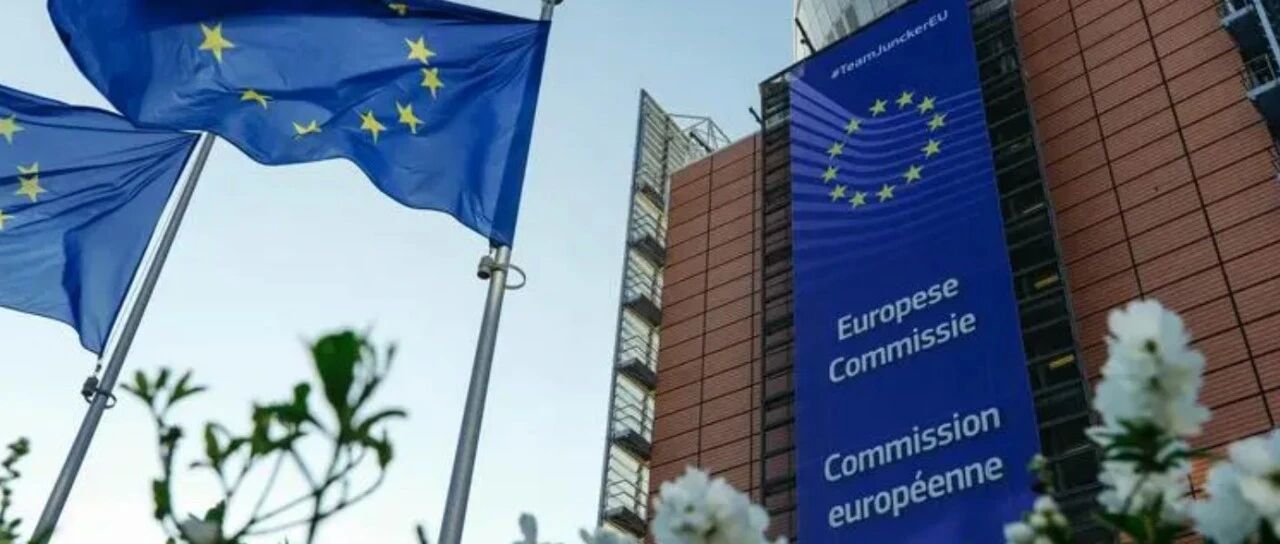
Group 1 - The European Union (EU) has implemented Regulation No. 2026/589, sanctioning 2 Chinese individuals and 2 Chinese companies, as well as 1 Iranian company, in response to cyberattacks targeting EU member states [1][5] - The sanctioned entities include Integrity Technology Group, accused of providing technical and material support to hack over 65,000 devices in six EU member states between 2022 and 2023 [3] - Anxun Information Technology is also sanctioned for allegedly providing hacking services to critical infrastructure in EU member states and third countries [3] Group 2 - The Iranian company Emennet Pasargad is accused of hacking billboards during the 2024 Paris Olympics to spread misinformation [4] - The sanctions take immediate effect, freezing all funds and financial assets of the sanctioned individuals and entities within the EU [6] - EU citizens and companies are prohibited from providing any funds, financial assets, or economic resources to the sanctioned entities [7] Group 3 - The sanctions signal the EU's ongoing pressure on China in the realm of cybersecurity, following the proposal of a revised Cybersecurity Law aimed at phasing out "high-risk suppliers" in critical sectors [10] - This move is perceived as part of a broader strategy to accelerate "de-China" efforts in key digital infrastructure areas, impacting Chinese companies operating or doing business in the EU [10] - Companies are advised to closely monitor updates to the EU sanctions list and enhance internal compliance reviews to mitigate legal and financial risks associated with sanctioned entities [11]