食品饮料

Search documents
安井食品涨超3% 公司25Q4核心业务销售表现将改善 有望维持稳健净利润率水平
Zhi Tong Cai Jing· 2026-01-19 02:37
Core Viewpoint - Anjuke Foods (603345) is expected to see improved core business sales performance driven by new products and channel advantages, with management likely to announce a sales target for 2026 that will not be lower than double-digit growth compared to 2025 [1] Group 1: Financial Forecasts - Citigroup has raised its net profit forecast for Anjuke Foods for 2025 to 2027 by 1% to 14%, and increased the target price from 75.7 HKD to 90 HKD, which corresponds to a projected price-to-earnings ratio of approximately 18 times for 2026 [1] - Goldman Sachs expressed optimism regarding management's outlook for January performance, citing a low base, inventory replenishment before the Lunar New Year, and favorable weather conditions, predicting double-digit growth in main business revenue for 2026 [1] Group 2: Profitability and Cost Management - Management emphasized that there have been no significant changes in raw material costs recently, and with economies of scale, resilient pricing power, and stable raw material prices, a steady net profit margin is expected to be maintained [1]

起猛了?日本麦当劳在冰淇淋上“种”起了蘑菇和竹笋
3 6 Ke· 2026-01-19 02:36
Core Idea - McDonald's Japan is launching a new McFlurry product featuring chocolate snacks "Mushroom Mountain" and "Bamboo Shoot Village," which are iconic treats from Meiji, starting January 21, 2026 [1][4]. Product Details - The new McFlurry will have a base of smooth vanilla soft serve, topped with two layers of Meiji's classic chocolate snacks: "Mushroom Mountain," which is cookie-based, and "Bamboo Shoot Village," made from cookie dough, providing different textures [6][10]. - The product aims to combine the flavors and textures of both snacks, offering a unique experience of chocolate and ice cream [6][14]. Cultural Significance - "Mushroom Mountain" and "Bamboo Shoot Village" have been rivals in Japan since their introduction in 1975 and 1979, respectively, becoming national favorites and sparking ongoing consumer debates about preference [8][10]. - The collaboration between these two iconic snacks in a single product is seen as a "miraculous cooperation," highlighting the playful nature of the brand and its marketing strategy [10][11]. Marketing Strategy - To promote the new McFlurry, McDonald's Japan will launch a television advertisement titled "Miraculous Cooperation," featuring a member of the girl group HANA dancing with giant mascots of the two snacks [10][11]. - The marketing approach emphasizes the visual appeal of the product, encouraging consumers to share their experiences on social media, thus enhancing brand engagement [14]. Industry Trends - The competition in the ice cream market in Japan has evolved beyond just flavors, with McFlurry serving as a "collaboration container" for various themes and characters, indicating a trend towards experiential and visually appealing food products [12][14].



AI赋能下的消费品投资机遇
2026-01-19 02:29
Summary of Key Points from Conference Call Records Industry and Company Overview - The conference call discusses investment opportunities in the consumer goods sector, particularly focusing on AI applications, AR technology, smart glasses, and AI education [1][2] - Companies mentioned include Yiyuan Yichuang, Quark, Tianli International Holdings, Huatu Shanding, Fenbi, Kevin Education, Focus Technology, Xiaogoods City, and Qingmu Technology [1][2][3][4] Core Insights and Arguments AI and AR Applications - The development of AR technology is expected to significantly impact traffic distribution and marketing channels, with companies like Yiyuan Yichuang already making strides in this area [2] - Smart glasses are becoming more affordable, priced around 1,000 yuan, and are anticipated to replace traditional glasses, with domestic companies like Quark showing strong performance [2] - AI education is addressing challenges in personalized learning and scalability, with companies like Tianli International Holdings and Huatu Shanding rapidly expanding their offerings [2] E-commerce Transformation - AI tools are transforming the e-commerce landscape through functionalities like image and video generation and cross-border translation, with companies like Focus Technology excelling in B2B platforms [3] Food and Beverage Sector - The food and beverage industry is showing signs of recovery, with companies like Anji Food, Baoli Food, and Qianhe Flavor Industry seeing stock price increases. A rising CPI is expected to further strengthen this trend [4] - The liquor sector is projected to accelerate its recovery starting Q3 2025, with companies like Moutai benefiting from price elasticity [4] Market Competition Changes - The public servant exam training and gold jewelry sectors are experiencing improved competitive dynamics, with online and offline integration reshaping the public exam training ecosystem [5] - The tourism industry is also expected to see increased demand, supported by favorable policies and anti-monopoly investigations benefiting upstream resources [5] Additional Important Insights Investment Recommendations - Investors are advised to focus on undervalued companies, particularly those significantly below their fair value, such as Action Education and Jiangsu Guotai [6] - The cultural tourism and retail sectors are anticipated to undergo significant transformations, presenting investment opportunities [6] Cotton Industry Trends - The cotton industry is witnessing a stabilization in prices, with Brazil expected to reduce production in 2025-2026, alleviating inventory pressures. Companies like Bailong Dongfang, with significant overseas capacity, are recommended for investment [7] Agricultural Sector Developments - AI technology is being applied in pig farming to reduce costs, with a slight increase in pork prices noted [8][9] Light Industry and Home Appliances - The light industry is seeing advancements in AI applications, particularly in smart glasses and toys, with companies like Mingyue Lens and Konnate expected to perform well [10][11] - The home appliance sector is closely tied to AI, with companies like Midea making significant progress in robotics, although competition is intense [14][15] Small Appliance Sector Strategies - Small appliance companies are encouraged to innovate their marketing strategies to adapt to the current market environment, with firms like Xiaoxiong and Xinbao actively expanding their operations [16]
“i茅台”15天上线近20款产品,食品饮料ETF天弘(159736)上周五成交额超3500万元,机构:食品饮料板块的复苏信号正逐步显现
2 1 Shi Ji Jing Ji Bao Dao· 2026-01-19 01:33
Group 1 - The three major indices collectively declined on January 16, with the Shanghai Composite Index down 0.26%, the Shenzhen Component Index down 0.18%, and the ChiNext Index down 0.2% [1] - The CSI Food and Beverage Index fell by 0.71%, with notable increases in stocks such as Yangyuan Beverage and New Dairy, both rising over 5%, and Guotou Zhonglu rising over 4% [1] - The Tianhong Food and Beverage ETF (159736.SZ) decreased by 0.58% on the same day, with a trading volume exceeding 35 million yuan, and its latest circulating scale was 5.443 billion yuan as of January 15 [1] Group 2 - On January 15, the launch of the main products of Guizhou Moutai on the "i Moutai" platform saw significant demand, with over 2.7 million new users and 400,000 transaction users within the first nine days [2] - The Consumer Price Index (CPI) showed a month-on-month increase of 0.2% and a year-on-year increase of 0.8%, with the rise primarily driven by increased food prices [2] - After a prolonged adjustment period, signs of recovery in the food and beverage sector are emerging, with macro indicators stabilizing and the restaurant industry showing a rebound in operational flow [2]
中原证券晨会聚焦-20260119
Zhongyuan Securities· 2026-01-19 00:24
Core Insights - The report highlights the ongoing adjustments in the commercial real estate loan policies by the People's Bank of China, setting the minimum down payment ratio at 30% for commercial properties, including mixed-use properties [4][8] - The domestic battery and energy storage sectors are experiencing significant growth, with a reported cumulative production of 1,755.6 GWh and sales of 1,700.5 GWh in 2025, marking year-on-year increases of 60.1% and 63.6% respectively [5][8] - The semiconductor industry is witnessing a robust performance, with a 5.11% increase in the semiconductor sector index in December 2025, outperforming the broader market indices [16][17] - The food and beverage sector is under pressure, with a 4.05% decline in the sector index in December 2025, driven by poor performance in traditional categories like liquor and meat products [19][20] Market Performance - The A-share market has shown signs of volatility, with the Shanghai Composite Index closing at 4,101.91, down 0.26%, while the Shenzhen Component Index closed at 14,281.08, down 0.18% [3] - The semiconductor sector is highlighted as a leading performer, with significant increases in both production and sales, indicating strong demand and growth potential [16][17] - The food and beverage sector is facing challenges, with a notable decline in traditional product categories, while emerging categories like snacks and health products continue to show growth [19][20] Industry Analysis - The chemical industry is experiencing a slowdown in price declines, particularly in sectors like pesticides and polyester filament, suggesting a stabilization in pricing dynamics [14][15] - The gaming industry is reported to be growing steadily, with animation films leading box office growth, indicating a positive trend in entertainment consumption [23][26] - The new materials sector is projected to continue its growth trajectory, driven by increasing demand from manufacturing and technological advancements [30][31] Investment Recommendations - The report suggests focusing on sectors with strong growth potential, such as semiconductor equipment, storage modules, and battery technologies, as they are expected to benefit from ongoing technological advancements and market demand [17][18] - In the food and beverage sector, investment opportunities are recommended in soft drinks, health products, and baked goods, which are showing resilience despite overall sector challenges [20][21] - The report emphasizes the importance of monitoring macroeconomic indicators and policy changes that could impact market dynamics and investment strategies [12][13]
十大券商一周策略:历次“降温”后反而大概率创新高,围绕业绩博弈情绪升温,长牛慢牛基础进一步夯实
Sou Hu Cai Jing· 2026-01-19 00:00
Group 1 - The A-share market is transitioning from an "emotion-driven" phase to one anchored by performance, indicating a shift towards a more stable upward trend [1][2] - As the annual report preview period approaches, the focus of investment logic is shifting from narrative-driven speculation to performance verification [1][2] - A robust investment strategy should combine high-growth sectors like AI computing with cyclical sectors such as resources and manufacturing to create a balanced portfolio [1][2] Group 2 - The adjustment of financing margins does not alter the overall upward trend of the market but will impact its structure, leading to increased competition among thematic sectors [2][4] - The current market environment suggests that the next key verification point will be the performance disclosures in April, with a focus on sectors like AI applications and robotics [3][4] - The market is expected to experience short-term fluctuations, with a focus on sectors benefiting from supply-demand improvements, such as new energy and consumer goods [4][5] Group 3 - The policy environment remains supportive, with indications of potential interest rate cuts, which could bolster market confidence and support a long-term bullish trend [6][7] - The current market structure is likely to see a rotation towards sectors with strong fundamentals, such as industrial resources and consumer recovery channels [3][7] - The investment focus should remain on sectors with high growth potential, including AI, semiconductor equipment, and traditional manufacturing [3][5][10] Group 4 - The "spring rally" is facing short-term pressures due to complex macroeconomic conditions and regulatory measures aimed at stabilizing the market [8][9] - Despite recent market corrections, the underlying logic for AI applications remains intact, suggesting continued investment opportunities in this area [8][12] - The overall market sentiment is expected to stabilize, with a focus on sectors like electronics, power equipment, and non-bank financials as potential investment areas [9][10]
消费还扛不起大旗
虎嗅APP· 2026-01-18 23:55
Core Viewpoint - The consumer sector has been overlooked in the current bull market, with the CSI 300 index rising by 16% in 2025 while the consumer index fell by nearly 8% [4]. Group 1: Market Performance and Trends - In the first ten trading days of 2026, only 17 out of nearly 800 consumer stocks saw gains exceeding 30%, indicating a lack of confidence in the fundamentals of consumer stocks [5][6]. - Despite the overall market rally, consumer stocks have not performed well, with the current bull market not favoring them as a main theme [8][9]. - Policies aimed at boosting consumption have been introduced, including the central economic work conference prioritizing consumption as a key task for 2026 [8]. Group 2: Investment Sentiment and Fund Flows - Large funds are currently favoring broad-based ETFs over consumer stocks, with institutional investors shifting focus from traditional consumer sectors to growth sectors like technology and healthcare [11][12]. - Retail investors have contributed significantly to market liquidity, but many are gravitating towards high-volatility tech stocks rather than consumer stocks [12][13]. - The overall sentiment towards consumer stocks remains weak, with expectations of a slow recovery in demand and structural optimization in consumption patterns [13][20]. Group 3: Sector Analysis and Future Outlook - The consumer sector is entering a phase of structural optimization, with traditional consumption models facing challenges [34][36]. - The growth potential in the consumer sector is uneven, with segments like snacks and soft drinks showing promise, while sectors like liquor are struggling [28][29]. - The gaming market is projected to grow significantly, with a historical high in sales revenue and user base [31]. Group 4: Investment Strategies and Key Characteristics - Future investment strategies should focus on companies with strong individual capabilities and the ability to adapt to changing consumer demands [38][39]. - Companies that can innovate, explore new business models, and have international market capabilities are likely to perform better [41]. - The service sector, particularly in tourism, dining, and entertainment, is expected to be a key area for growth in domestic consumption [43].
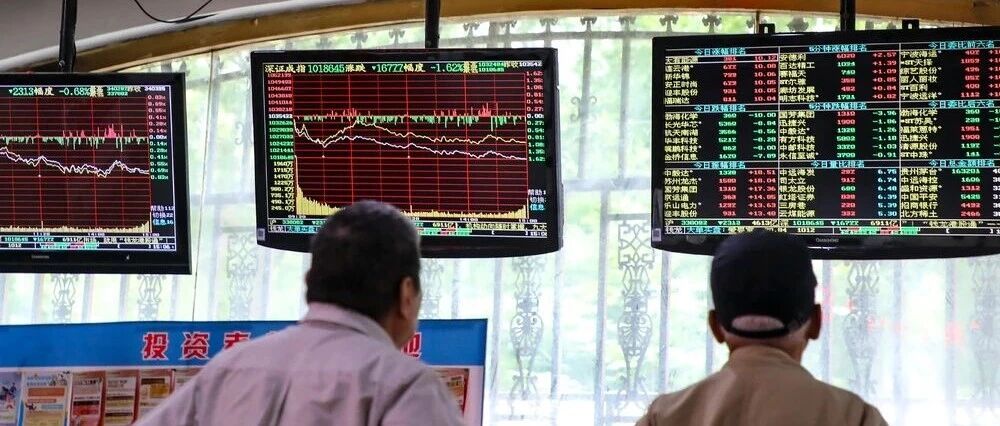
2025年中国经济“成绩单”即将公布;容百科技被立案调查|21早新闻
2 1 Shi Ji Jing Ji Bao Dao· 2026-01-18 23:21
Company Developments - The China Securities Regulatory Commission has initiated an investigation into Rongbai Technology for misleading statements regarding a major contract, with the company clarifying that the total contract amount of 120 billion yuan is an estimate and subject to uncertainty [6] - Guizhou Moutai has issued a warning about fraudulent information circulating online that misuses its name to promote false investment opportunities, posing risks of consumer deception and fraud [6] - Guolian Minsheng expects to achieve a net profit of 2.008 billion yuan for the fiscal year 2025, an increase of 1.611 billion yuan or approximately 406% year-on-year, following its acquisition of control over Minsheng Securities [6] - Tongwei Co. anticipates a net loss of approximately 9 to 10 billion yuan for 2025, citing a slowdown in the growth of new photovoltaic installations and ongoing supply surplus issues in the industry [6] - Longi Green Energy expects a net loss of 6 to 6.5 billion yuan for 2025, impacted by persistently low product prices and cost pressures [6] - Yanjing Co. plans to acquire 98.54% of Yongqiang Technology through a combination of stock issuance and cash payment, with stock resumption following the announcement [6] - Minexplosion Optoelectronics is planning to issue shares and pay cash to acquire assets, specifically 100% equity of Xiamen Zhizhi Precision and Jiangxi Maida, in the PCB manufacturing core consumables sector [6] Investment News - The China Securities Regulatory Commission has approved an adjustment to the margin ratio for financing, increasing the minimum margin ratio for investors from 80% to 100%, effective January 19 [4] - A significant increase in institutional research activity in the A-share market has been noted, with 1,357 institutions conducting approximately 4,897 research visits to A-share listed companies, focusing on sectors such as information technology, industrial machinery, and healthcare [4] - The financing balance in the A-share market has reached a new high of 2.7012 trillion yuan as of January 15, with a net financing inflow of 100.651 billion yuan during the week of January 12 to 16 [4] - Recent statistics indicate that 21 A-share listed companies have disclosed updates on mergers and acquisitions during the week of January 12 to 18 [4][5]

湾财周报 | 大事记 “广货行天下”开门红;央行发大礼包;携程被立案调查
Nan Fang Du Shi Bao· 2026-01-18 15:11
Group 1 - The "Guanghuo Hang Tianxia" spring campaign launched in Guangdong, with over 1,300 local appliance companies participating, aiming to boost sales through online and offline promotions [5] - The campaign will feature 12 synchronized promotional events throughout the first quarter, targeting over 6,000 enterprises to enhance online sales of quality products [5] Group 2 - The People's Bank of China announced eight major policy measures to support economic transformation, including a 0.25 percentage point reduction in various structural monetary policy tool rates and a special relending quota of 1 trillion yuan for private enterprises [6] - The measures also include increasing relending quotas for technological innovation to 1.2 trillion yuan and lowering the minimum down payment for commercial housing to 30% [6] Group 3 - In 2025, the national real estate market continued to adjust, with new residential sales area declining by 4.9% year-on-year to approximately 390 million square meters, and sales value dropping by 10% to around 5.4 trillion yuan [7] - The total transaction volume of new and second-hand residential properties reached 839 million square meters, indicating stable demand from residents [7] Group 4 - Zeekr Automotive clarified its cross-year vehicle purchase tax subsidy policy, stating that it has covered the tax subsidy for 8,125 users who placed orders in 2025 and received their vehicles in January 2026 [9] - The confusion arose from the overlap of two policies, leading to misinterpretations regarding payment and vehicle delivery [10] Group 5 - The State-owned Assets Supervision and Administration Commission disclosed the 2024 salary information for over 80 central enterprise leaders, showing a stable salary range without extreme high salaries [11] - The top earners are primarily from telecommunications and energy sectors, with China Mobile's former chairman leading at a pre-tax salary of 1.2582 million yuan [11] Group 6 - The State Administration for Market Regulation has initiated an antitrust investigation into Trip.com Group for suspected monopolistic behavior [12] - Trip.com has committed to cooperating with the investigation and ensuring normal business operations [12] Group 7 - IKEA announced the closure of its Guangzhou Panyu store, raising questions about the future of its 40,000 square meters of self-owned property [13] - IKEA is currently evaluating arrangements for the asset and will comply with relevant laws and regulations [13] Group 8 - CHALI Tea clarified rumors regarding a 200 million yuan salary debt, admitting to cash flow pressures due to strategic missteps in bottled tea, while assuring that its core bagged tea business remains operational [16] - The company is addressing salary issues for departing employees in batches, although some employees have expressed ongoing concerns about unpaid wages [16] Group 9 - The white wine market is experiencing a price decline, influenced by the price adjustments of flagship products like Moutai, leading to a broader price reduction across various brands [15] - The industry is facing inventory pressures, prompting some distributors to lower prices to stimulate sales, indicating a shift towards a "price for volume" strategy [15]

帮主郑重:下周A股,紧盯这个关键点位!
Sou Hu Cai Jing· 2026-01-18 14:11
Core Viewpoint - The A-share market is experiencing a "slow bull" phase, with current fluctuations indicating a transition from a "general rise" to "structural differentiation" in investment opportunities [5] Market Analysis - The Shanghai Composite Index is engaged in a "tug-of-war" around the 4100-point mark, with recent regulatory measures aimed at cooling down an overheated market [3] - The average stock price across the A-share market has risen for six consecutive weeks, indicating that capital is not retreating but rather reallocating towards sectors with solid fundamentals [3] - Northbound capital recorded a net inflow of 8.6 billion, totaling over 50 billion for the year, primarily flowing into electronics (especially semiconductors) and power equipment [3] Sector Focus - The semiconductor sector is benefiting from global capital expenditure trends and accelerated domestic substitution, with specific attention on storage chips and advanced packaging [4] - The power equipment sector aligns with national policies on new power systems, focusing on high-voltage and energy storage technologies [4] - Commercial aerospace and industrial AI remain long-term investment themes, but investors should focus on companies with core technologies rather than those merely riding trends [4] Defensive Strategies - Investors are advised to consider undervalued "stabilizers" such as banks and insurance companies, which offer attractive dividend yields and stability during market fluctuations [4] - Leading companies in essential consumer goods, particularly in food and beverage, are also recommended as safe havens in a volatile market [4] Market Outlook - The market's ability to maintain support around the 4100-point level, particularly the 10-day moving average, will be crucial for future movements, with a warning of potential adjustments if it falls below 4020 points [3] - The current market environment is conducive to the emergence of high-quality companies' true value, benefiting rational investors [5]