服务消费

Search documents
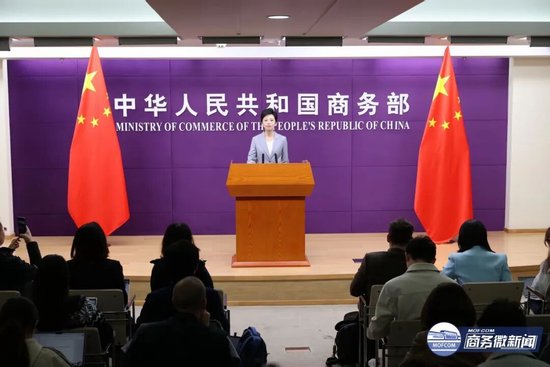
商务部召开例行新闻发布会(2025年10月16日)
Shang Wu Bu Wang Zhan· 2025-10-16 13:53
Core Points - The Ministry of Commerce is actively promoting service consumption through various initiatives and policies, resulting in a notable increase in service consumption during the recent National Day holiday, with a 7.6% year-on-year growth in daily sales revenue across related industries [2][3] - The Ministry plans to focus on three main areas to further expand service consumption: cultivating new growth points, innovating diverse consumption scenarios, and optimizing service supply [3] Group 1: Service Consumption - The Ministry of Commerce has implemented a series of policies and activities to stimulate service consumption, including the "Service Consumption Season" and "Chinese Cuisine Fair" [2] - During the National Day holiday, service consumption showed strong performance, particularly in rural tourism and sports events [2] - Future efforts will include removing restrictive measures, enhancing service scenarios, and improving the quality of service supply, especially for the elderly and children [3] Group 2: Foreign Trade - China's foreign trade has maintained a stable growth trend, with a 4% increase in goods trade in the first nine months of the year, and an 8% growth in September alone [6] - The Ministry of Commerce will focus on releasing policy effectiveness, promoting trade, and deepening trade cooperation to stabilize foreign trade growth [6][7] - The proportion of imports from countries involved in the Belt and Road Initiative has increased to 51.7%, with a 9.7% growth in imports from the least developed countries [6] Group 3: Semiconductor Industry - The Ministry of Commerce expressed strong opposition to the Dutch authorities' interference in Nexperia's operations, emphasizing the need for a fair business environment [4] - The Ministry highlighted the negative impact of U.S. export control measures on international trade and the global supply chain, particularly regarding semiconductor companies [10][12] - China is committed to protecting its enterprises' legitimate rights and interests in response to U.S. actions that disrupt trade relations [10][12] Group 4: Rare Earth Export Controls - China's recent rare earth export control measures aim to enhance national security and prevent illegal use of these materials [14][15] - The Ministry clarified that these measures are not a ban on exports but are designed to ensure compliance with international obligations [15][16] - Efforts will be made to streamline the approval process for compliant exports to minimize the impact on businesses [16]
商务部密集回应!涉中美会谈、稀土出口管制、稳外贸政策等
Shang Wu Bu Wang Zhan· 2025-10-16 12:09
Core Points - The Ministry of Commerce held a routine press conference on October 16, 2025, with no new information announced [1][3] - The Ministry emphasized the positive growth in service consumption during the National Day holiday, with a 7.6% year-on-year increase in daily sales revenue in related industries [6] - The Ministry plans to focus on three areas to further promote service consumption: cultivating new growth points, innovating diverse consumption scenarios, and optimizing service supply [6][7] Trade and Foreign Relations - China's foreign trade maintained stable growth in the first three quarters of the year, with a 4% increase in goods trade and an 8% growth in September [10] - The Ministry highlighted the importance of policy effectiveness, trade promotion, and deepening trade cooperation to stabilize foreign trade growth [10][11] - The Ministry expressed strong opposition to the Netherlands' interference in the operations of Nexperia, a subsidiary of Wingtech Technology, and criticized the U.S. for its "penetration rules" that harm Chinese enterprises [9][10] Semiconductor and Export Controls - The Ministry commented on the U.S. Inflation Reduction Act, stating that the termination of subsidies for electric vehicles was a step towards correcting previous errors [13][14] - The Ministry defended its recent export control measures on rare earths, emphasizing that they are lawful and aimed at preventing illegal use while maintaining national security [23][25] - The Ministry indicated that export applications for civilian use would be approved, and it is considering measures to facilitate compliance for European companies [25]

消费“热”起来、经济“跑”起来 消费市场扩容、提质、焕新亮点持续显现
Yang Shi Wang· 2025-10-15 05:04
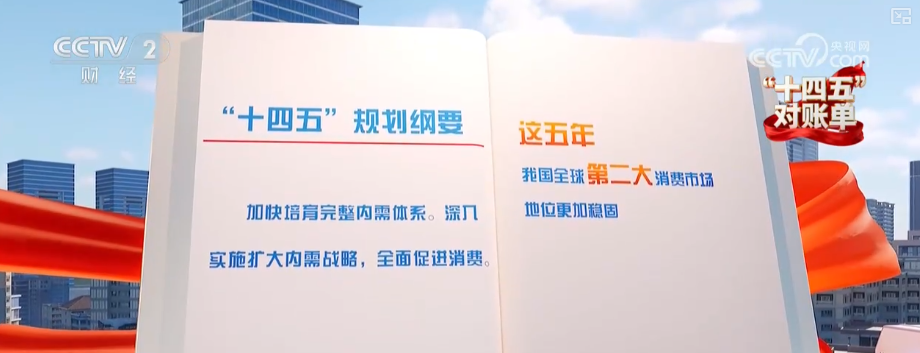
Core Insights - Consumption is identified as the "main engine" of economic growth and a "barometer" of people's well-being during the "14th Five-Year Plan" period [1][7] - The total retail sales of consumer goods in China are projected to grow from 39.1 trillion yuan in 2020 to 48.3 trillion yuan in 2024, with an average annual growth rate of 5.5% [1][9] - By 2025, the total retail sales are expected to exceed 50 trillion yuan, contributing approximately 60% to economic growth annually [1][7] Consumption Trends - The "14th Five-Year Plan" emphasizes the need to align consumption expansion with improvements in people's quality of life, promoting green, healthy, and safe consumption [3][7] - The number of new energy vehicles is expected to increase 5.4 times from 2020 to 2024, with a penetration rate exceeding 50% by the first half of 2025 [3][9] - Service consumption is growing rapidly, with an average annual increase of 9.6% from 2020 to 2024, outpacing goods consumption [3][15] Market Dynamics - China's online retail sales remain the highest globally, and the sales of new energy vehicles continue to lead worldwide [5][9] - The consumption market is characterized by expansion, quality improvement, and innovation, enhancing its role as a stabilizer for the economy [7][9] - The current consumption landscape reflects a strong supply-demand match, driven by changes in consumer preferences and upgrades in manufacturing [11][17] New Consumption Models - New consumption models such as "digital + consumption" and "artificial intelligence + consumption" are experiencing robust growth [14] - The integration of online and offline shopping experiences is becoming more prevalent, with innovations like live-streaming sales and virtual reality shopping gaining traction [15][17] - The share of service consumption has surpassed 45%, showing a significant increase compared to the end of the "13th Five-Year Plan" [15]
畅想十五五:提振内需将与生产并重
2025-10-14 14:44
Summary of Key Points from Conference Call Records Industry Overview - The conference call discusses the **Chinese consumer market** and its various segments, including traditional, emerging, and technology-driven consumption trends [1][3][6][41]. Core Insights and Arguments - **Government Initiatives**: The Chinese government is prioritizing consumption stimulation through policies such as a subsidy program for replacing old products, with a budget of **300 billion** yuan for 2025, up from **150 billion** yuan in 2024 [3][4][41]. - **Consumer Trends**: Traditional consumption faces challenges due to declining birth rates and changing consumer attitudes, while emerging consumption benefits from demographic shifts and a focus on cost-effectiveness [6][41]. - **Technology Consumption Growth**: The technology sector is rapidly expanding, particularly in electronics and AI, with brands like **Roborock** and **Ecovacs** establishing a high-end presence in Western markets [6][8][41]. - **Globalization of Chinese Brands**: Chinese companies are effectively responding to tariff fluctuations by relocating production to Southeast Asia and enhancing global supply chains, with brands like **Midea**, **Haier**, and **TCL** achieving significant international market penetration [9][10][41]. - **Fast Fashion Competitiveness**: Chinese fast fashion brands are leveraging digital technologies in supply chains to enhance responsiveness, surpassing traditional Western competitors like **Zara** and **H&M** [11][41]. - **Cultural and Entertainment Products**: The international competitiveness of Chinese lifestyle and entertainment brands is increasing, exemplified by **Anta's** acquisition of **Amer Sports** and the success of **Pop Mart** in overseas markets [12][41]. Additional Important Insights - **Service Consumer Development**: The growth of service-oriented consumers is linked to open-mindedness rather than mere supply issues, with potential future support from government policies [7][41]. - **Outdoor Apparel Market**: The outdoor apparel market is experiencing rapid growth post-pandemic, driven by increased demand for outdoor activities and a shift towards health-conscious lifestyles [13][41]. - **Running as a New Consumption Trend**: The running segment is gaining popularity, particularly among the 35-45 age group, with brands like **HOKA** and **Asics** showing strong growth [14][15][41]. - **Textile Industry Dynamics**: The textile and apparel sector is seeing varied performance, with retail growth dependent on seasonal weather conditions and consumer demand [17][41]. - **Pet Food Industry Internationalization**: Chinese pet food companies are transitioning from product exports to capacity and brand exports, with significant investments in overseas production facilities [30][31][32][41]. - **Future of the Alcohol Industry**: The liquor industry may face short-term adjustments but is expected to recover in the long term, particularly with potential government support for service-oriented policies [36][41]. Investment Opportunities - **Consumer Sector**: Companies with low valuations and strong supply chains, such as **Qingdao Beer** and **Poly Food**, are highlighted as potential investment opportunities [39][41]. - **New Consumption Brands**: Brands in the new consumption space, particularly in beverages and innovative food products, are expected to perform well in the upcoming fiscal year [40][41]. - **Service Consumption Growth**: The new tea beverage sector is identified as a high-potential area, with expected double-digit growth in the coming years [24][25][41]. This summary encapsulates the key points discussed in the conference call, providing insights into the current state and future outlook of the Chinese consumer market and related industries.


陶希东:顺势培育服务消费新增长点
Sou Hu Cai Jing· 2025-10-12 22:45
Core Viewpoint - The recent notice from the Ministry of Finance and other departments aims to support pilot cities in enhancing the service economy, innovating diverse service consumption scenarios, and improving consumption quality, as service consumption becomes a significant driver of growth in China's consumption market [1][2]. Group 1: Service Consumption Growth - Service consumption is a natural result of the synchronous improvement in China's economic development stage and residents' income levels, with per capita GDP expected to exceed $13,000 in 2024 [2] - The proportion of per capita service consumption expenditure to total consumption expenditure has reached 46.1%, indicating substantial growth potential compared to over 60% in developed countries [2] - The continuous growth of service consumption is driven by structural reforms on the supply side and the upgrading of consumer demand, supported by government policies such as subsidies and expansion in sectors like elderly care, childcare, and digital services [2][3]. Group 2: Challenges in Service Consumption - There are existing gaps in the supply capacity of certain service sectors, such as elderly care and domestic services, which do not meet the substantial market demand [3] - The quality of service supply in areas like elderly care and cultural tourism needs improvement to satisfy diverse and personalized consumer needs [3]. - There is a need for better coordination among service sectors to enhance overall service consumption [3]. Group 3: Strategies for Growth - A demand-oriented approach is essential to match service supply with consumer needs, utilizing modern research methods to analyze service demand and market potential [3][4]. - Cities should develop unique, immersive service consumption advantages by leveraging local strengths and creating tailored service offerings that resonate with consumer preferences [4]. - The integration of digital technology is crucial for creating diverse and interactive consumption scenarios that fulfill emotional and social needs of consumers [4]. Group 4: Collaborative Efforts - The cross-sectoral nature of service consumption necessitates collaboration among various departments to cultivate new service consumption hubs [5]. - Local governments should establish mechanisms for cooperation, clarify responsibilities, and ensure effective implementation of policies to foster a supportive ecosystem for service consumption growth [5].
顺势培育服务消费新增长点
Jing Ji Ri Bao· 2025-10-12 22:04
Core Viewpoint - The recent notice from the Ministry of Finance and other departments aims to support pilot cities in enhancing the service economy, innovating diverse service consumption scenarios, and improving consumption quality, as service consumption becomes a significant driver of growth in China's consumption market [1][2]. Group 1: Service Consumption Growth - Service consumption is a natural outcome of China's economic development and rising income levels, with per capita GDP expected to exceed $13,000 in 2024, and service consumption accounting for 46.1% of per capita consumption expenditure, indicating substantial growth potential compared to over 60% in developed countries [2]. - The continuous growth of service consumption is driven by structural reforms on the supply side and the upgrading of consumer demand, supported by government initiatives such as subsidies and policy regulations to enhance effective supply in sectors like elderly care, childcare, and digital services [2][3]. Group 2: Challenges in Service Consumption - There are existing challenges in the service consumption sector, including supply shortages in areas like elderly and childcare services, and the need for improved quality in sectors such as tourism and elderly care to meet diverse consumer demands [3]. - The need for a demand-oriented approach is emphasized, utilizing modern research methods to analyze service needs and market potential, which is crucial for developing new growth points in service consumption [3]. Group 3: Regional and Scenario-Based Strategies - Different cities should adopt tailored strategies to cultivate new growth points in service consumption, leveraging their unique advantages and avoiding blind imitation, such as creating cultural and entertainment services in cities with rich cultural backgrounds [4]. - The integration of digital technology is essential to create diverse, immersive consumption scenarios that meet consumers' emotional needs, thereby establishing new competitive advantages in service consumption [4]. Group 4: Collaborative Efforts and Policy Synergy - The cross-sectoral nature of service consumption necessitates collaboration among various departments, with successful examples seen in major cities where cultural, commercial, and tourism sectors work together to create vibrant consumption environments [5]. - Local governments are encouraged to build mechanisms for collaboration, clarify responsibilities, and ensure effective implementation of policies to foster a supportive ecosystem for service consumption growth [5].
央广财评|政策引导、市场呼应:服务消费长假表现亮眼
Yang Guang Wang· 2025-10-10 07:20
Core Insights - The National Taxation Administration reported a 4.5% year-on-year increase in daily sales revenue for consumption-related industries during the 2025 National Day and Mid-Autumn Festival holiday, with service consumption growing by 7.6% [1][2] - The strong demand for services such as tourism, culture, arts, and sports during the eight-day holiday reflects the robust potential of service consumption [1][2] - The shift in consumption structure towards a balance between goods and services is evident, with per capita GDP reaching $13,000, making service consumption a new engine for driving economic growth [1] Industry Developments - A series of measures to promote the service consumption industry are being implemented, including over 29,000 cultural and tourism events and the distribution of over 480 million yuan in consumption subsidies during the holiday period [2] - High consumer engagement is noted, with some restaurants achieving up to 13 table turnovers in a single day, and sports tourism product orders increasing by 120% year-on-year [2] - The industry is encouraged to optimize supply and stimulate demand by enhancing the quality of basic consumption and innovating consumption scenarios to expand new consumer experiences [2]
【策略】等待业绩破局——2025年10月策略观点(张宇生/郭磊/王国兴)
光大证券研究· 2025-10-09 23:08
Core Viewpoints - The market may enter a phase of wide fluctuations, with major indices showing mixed performance in September. The current market still holds certain value based on equity risk premium, supported by a continuous "profit-making effect" that attracts short-term capital inflows. Individual investors are still in the process of entering the market, and there may be an increase in participation through funds and wealth management products in the future, although the inflow rate of medium to long-term capital may slow down, it remains a stabilizer for the market [4][5]. - Corporate earnings are still stabilizing, with the economic recovery in the third quarter progressing relatively slowly. However, some sectors have shown improvement, such as the cumulative year-on-year growth rate of industrial enterprise profits from January to August rebounding and a narrowing decline in the year-on-year PPI in August. Domestic exports are expected to remain resilient, and the sustainability of domestic demand improvement may exceed expectations. Overall, with policy support, A-share earnings are expected to see slight recovery in the fourth quarter, adding new momentum to the market [5][6]. - In a liquidity-driven market, TMT (Technology, Media, and Telecommunications) is likely to become a main line, with many catalysts present in this sector. If the market shifts to a fundamental-driven phase, advanced manufacturing should be a key focus. Additionally, if market fluctuations occur, attention should be paid to sectors that are lagging behind, such as high-dividend and consumer sectors [6][7]. Market Style and Industry Recommendations - The market is expected to rotate between "weak reality, strong sentiment" and "strong reality, strong sentiment," corresponding to the rotation of growth and balanced styles. In October, industry allocation should focus on electronics, power equipment, communications, media, and machinery equipment [7]. - Although the Hong Kong stock market has performed well this year, it still holds certain value. In addition to the inflow of southbound funds, a potential interest rate cut by the Federal Reserve may further enhance the external liquidity environment, leading to good performance of the index. Focus should be on Hong Kong stocks in the internet, automotive, and service consumption sectors [8].

国金证券:“金九银十”旺季中行业分化的特征与逻辑
智通财经网· 2025-10-09 22:39
Core Viewpoint - The overall economic performance in September remained stable, with marginal recovery in domestic demand driven by the "Golden September and Silver October" peak season, but performance varied significantly across industries [1][4] Industry Summary - **Upstream Resource and Raw Material Industries**: - Upstream resource products benefited from "anti-involution" policies and supply constraints, leading to increased demand and rising prices during the peak season [1][3] - Upstream raw materials like steel and building materials showed limited improvement due to low investment chain sentiment [1][3] - **Midstream Manufacturing Sector**: - Emerging manufacturing and high-end equipment manufacturing sectors experienced significant expansion in peak season due to domestic industrial upgrades and recovery in overseas manufacturing and investment activities [1][2][3] - **Downstream Consumer Sector**: - The real estate market showed weak recovery in transaction volumes, with retail sales of major consumer goods continuing to slow down, indicating insufficient performance during the peak season [1][3] Logic Behind Industry Divergence - The shift in policy focus since July has contributed to the divergence in performance between upstream resource products and downstream consumer sectors, with more emphasis on supply-side optimization and less direct stimulus for demand [2] - Domestic industrial upgrades and economic transformation, along with accelerated recovery in overseas manufacturing and investment, have led to the performance divergence between emerging manufacturing and traditional investment chain-related industries [2] September Industry Information Review - **Energy and Resource Sector**: - Coal production checks improved supply-demand dynamics, leading to price increases; metal supply disruptions and seasonal demand recovery also contributed to price rises [3] - **Real Estate Sector**: - Weak recovery in commodity housing transactions, particularly in first-tier cities, with overall real estate investment remaining low [3] - **Financial Sector**: - A-share trading activity reached new highs, with insurance companies seeing continued growth in premium income [3] - **Midstream Manufacturing Sector**: - Mechanical equipment sales showed strong growth, with heavy truck sales increasing further [3] - **Consumer Sector**: - Service consumption showed slight decline, while overall commodity consumption momentum weakened [3] - **TMT Sector**: - Increased activity in domestic and international AI and humanoid robotics sectors [3] - **New Energy Sector**: - Strong demand for energy storage, positive production trends for lithium batteries, and potential early mass production of solid-state batteries [3]

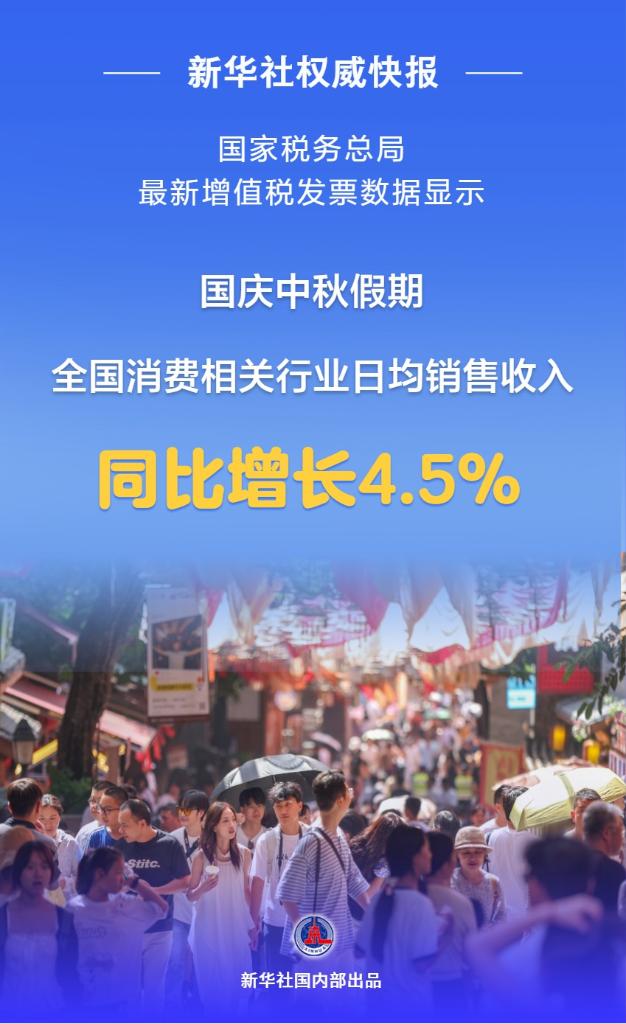
新华社权威快报丨国庆中秋假期全国消费相关行业日均销售收入同比增长4.5%
Xin Hua Wang· 2025-10-09 03:05
Core Insights - The latest data from the State Taxation Administration indicates that the average daily sales revenue in consumption-related industries during the National Day and Mid-Autumn Festival holiday increased by 4.5% year-on-year [2][4] Consumption Trends - Among the consumption categories, goods consumption and service consumption grew by 3.9% and 7.6% year-on-year, respectively [4] - Digital products and automotive sales experienced rapid growth during the holiday period [4] - There was strong demand for tourism, cultural, artistic, and sports services [4] - Food and health product consumption showed stable growth [4]