茶饮

Search documents
蜜雪集团(02097):确定性源自对极致性价比模式的深刻理解
Huajing Securities· 2025-06-30 12:55
Investment Rating - The report assigns a "Buy" rating to the company with a target price of HK$660.00, indicating a potential upside of 30% from the current price of HK$507.50 [7][10]. Core Insights - The company's success is attributed to its deep understanding of the extreme cost-performance business model, which is reflected in its clear brand positioning, excellent market insight, efficient external marketing resource utilization, and strong supply chain cost control capabilities [10][41]. - The company has successfully transitioned from a seasonal ice product to a more scalable and standardized fresh tea beverage market, demonstrating its unique market insight and ability to capture the vast demand in lower-tier markets [10][13]. - The rapid expansion of the franchise model, achieving over 40,000 stores, showcases the company's ability to balance franchisee profitability and operational standardization [10][40]. Summary by Sections Investment Overview - The investment in the company is fundamentally an investment in its understanding of the extreme cost-performance model, which has been pivotal in its growth trajectory [10]. - The company has effectively utilized its market insights and external marketing resources to create a strong brand presence [10][41]. Business Model and Expansion - The company has shifted its focus to the fresh tea beverage market, capitalizing on the growing demand and ensuring a high-frequency repurchase rate through its extreme cost-performance strategy [13][14]. - The franchise model is designed to minimize entry costs for franchisees while maximizing operational efficiency, leading to rapid store expansion [18][40]. Marketing and Brand Strategy - The company employs a multi-faceted marketing strategy that includes creating memorable visual and auditory brand elements to enhance consumer recognition and engagement [41][49]. - The use of social media platforms for viral marketing campaigns has significantly boosted brand awareness and consumer interaction [50][51]. Supply Chain and Cost Management - The company has established its own supply chain to ensure quality control and cost efficiency, which includes self-production of key raw materials [51][54]. - A robust logistics and distribution system has been developed to support rapid delivery and maintain product standardization across its extensive network of stores [57][59]. Financial Projections - Revenue is projected to grow significantly, with expected revenues of RMB 306.8 billion, RMB 347.9 billion, and RMB 389.3 billion for the years 2025, 2026, and 2027 respectively, reflecting year-on-year growth rates of 23.6%, 13.4%, and 11.9% [4][5]. - The net profit is also expected to increase, with projections of RMB 55.2 billion, RMB 62.6 billion, and RMB 70.1 billion for the same years, indicating a strong profitability outlook [4][5].
“零售大变局:中国品牌仅彰显传统特色,就已经奏效了”
Guan Cha Zhe Wang· 2025-06-30 08:53
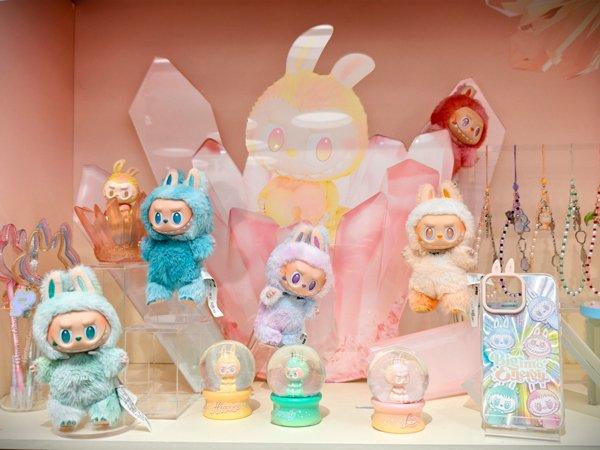
Core Insights - The article highlights the rise of Chinese brands in the global market, indicating a shift in consumer preferences from Western brands to local alternatives [1][8] - It emphasizes that Chinese consumers are increasingly favoring domestic luxury brands, high-end cosmetics, and local food and beverage options, marking a significant change in consumption patterns [1][4] Group 1: Rise of Chinese Brands - The popularity of the LABUBU toy exemplifies the success of Chinese brands, with its demand leading to a surge in the stock price of its manufacturer, Pop Mart [1][3] - Chinese brands like Kudi and Luckin Coffee are gaining traction by offering quality comparable to international brands like Starbucks at significantly lower prices [3][4] - The jewelry brand Laopu Gold has seen rapid growth, with its average store sales exceeding those of many foreign competitors by at least 50% [4][6] Group 2: Changing Consumer Behavior - Consumers are now willing to pay prices comparable to imported goods for local products, as seen with the high-end tea brand Bawang Chaji, which positions itself as a premium option [4][6] - There is a notable shift in consumer awareness, with younger demographics researching products more thoroughly and seeking local alternatives that offer similar quality at lower prices [6][7] - The success of brands like Mao Geping in the high-end cosmetics market illustrates the changing landscape, as it becomes the only domestic player among the top ten luxury beauty groups in China [6][7] Group 3: Strategic Market Positioning - Many Chinese brands are expanding their presence in lower-tier cities, where consumer activity is reportedly stronger than in major urban centers [7][8] - The strategy of targeting smaller cities has proven effective for brands like Bawang Chaji and Mxue Ice City, which began in less affluent areas before moving to larger markets [7][8] - The article notes that the increasing recognition of these brands internationally will likely enhance their appeal domestically, signaling a potential end to the era where retail trends predominantly flowed from the West to China [8]

继减糖后新茶饮标准转向高营养 每杯至少含3种绿色食材丨新消费观察
Sou Hu Cai Jing· 2025-06-30 07:39
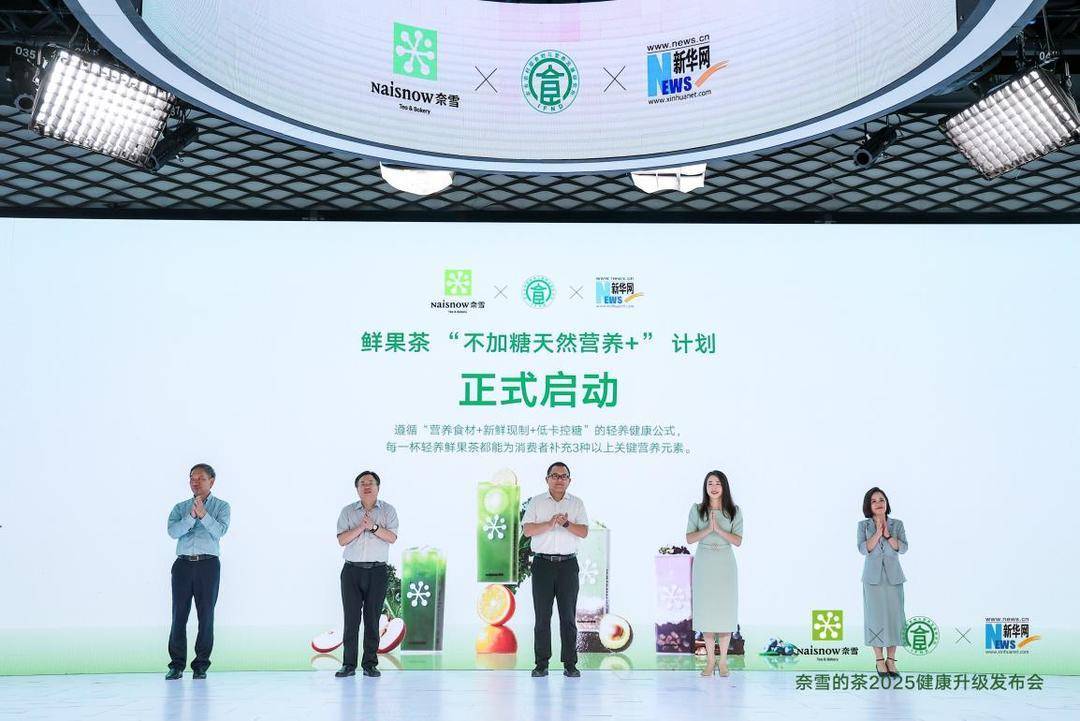
Core Insights - The new tea beverage industry is undergoing a milestone transformation with the launch of Naixue's "No Sugar Natural Nutrition+" plan, marking a shift from "sugar reduction" to "natural nutrition" in the 5.0 light health era [2][3] - The plan emphasizes the use of at least three green ingredients in each product, aligning with the 2023 version of the "Chinese Residents' Dietary Nutrient Reference Intake" and the "2022 Chinese Residents' Dietary Guidelines" [2][3] - The focus on health elements in tea beverages has intensified, with brands promoting low sugar, low fat, and natural ingredients as key selling points [2] Industry Trends - The introduction of the "No Sugar Natural Nutrition+" plan highlights the increasing importance of nutrients like anthocyanins, Omega-9, Omega-3 fatty acids, and dietary fiber in tea products [3] - Consumer demand for ready-to-drink tea is evolving, with a growing emphasis on nutritional health attributes rather than just sugar reduction [3] - The tea beverage industry is responding to national health policies, such as the "Healthy China Action (2019-2030)," by aligning product offerings with consumer health needs [3][4] Future Outlook - The health focus is becoming a foundational aspect of tea brands, redefining the future landscape of the tea beverage industry [4] - Experts believe that the health upgrade in the tea beverage sector serves as a positive demonstration for the entire industry, enhancing national health literacy [4]
解析东方茶的全球化叙事,霸王茶姬显然被低估了
Zhong Jin Zai Xian· 2025-06-30 05:17
Core Viewpoint - The valuation of BaWang Tea Ji is significantly undervalued at a 15x PE ratio compared to Starbucks' 35x PE, reflecting a misalignment in market perception regarding the global narrative of Eastern tea [1][2] Group 1: Valuation Comparison - BaWang Tea Ji's current PE ratio of 15x is substantially lower than competitors like MiXue Ice City at 42x and GuMing at 40x, indicating a potential undervaluation [1] - The market's perception of BaWang Tea Ji as merely a "milk tea company" overlooks its broader business model focused on high-frequency consumption and a standardized supply chain [1][2] Group 2: Business Performance - As of March 31, 2025, BaWang Tea Ji has expanded to 6,681 global stores, an increase of 2,598 stores year-over-year, showcasing significant growth [1] - The average monthly GMV per store reached 432,000 yuan, surpassing other brands, while maintaining a net profit margin of 20%, which exceeds the average in the industry and even Starbucks' performance in China [1] Group 3: Market Expansion - BaWang Tea Ji has successfully penetrated the overseas market, achieving a total GMV of 178 million yuan in Q1, a year-on-year increase of 85.3% [2] - The company is expanding its product lines to attract coffee consumers, with successful sales in international markets such as Singapore and Los Angeles [2] Group 4: Future Outlook - Analysts suggest that if BaWang Tea Ji's overseas business reaches a 30% share, its PE could align with Starbucks' valuation at around 35x [2] - There is speculation about a potential secondary listing in Hong Kong, which could enhance liquidity and valuation due to increased mainland investment [2]
柠檬涨价,奶茶店主慌了?我发现真相并非如此
3 6 Ke· 2025-06-29 04:03
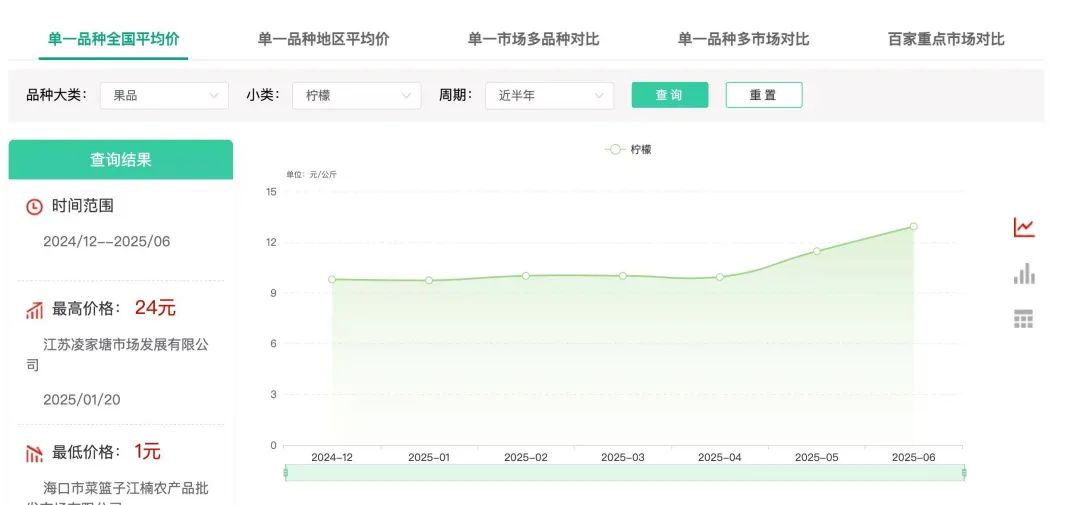
Core Viewpoint - The rising lemon prices are causing concern in the tea beverage industry, which heavily relies on lemons as a key ingredient for summer drinks, leading to questions about profitability and supply chain stability [1][5]. Price Trends - Lemon prices have increased from an average of 9.94 yuan per kilogram in April to 12.92 yuan in June, marking a 30% rise [2]. - Extreme price claims, such as lemons selling for 30 yuan each, are largely exaggerated and do not reflect the overall market situation [2]. Supply Chain Factors - The price increase is attributed to multiple factors, including reduced production due to drought conditions in key growing regions and export disruptions from traditional suppliers like Turkey [2]. - Major tea brands, such as Mixue and others, are heavily investing in lemon-based products, indicating a strong demand despite rising costs [4]. Impact on Profitability - The cost increase of lemons is manageable within the overall cost structure of tea beverages, as the impact on the total cost of a cup of lemon water remains relatively low [8][10]. - Even with lemons priced at 15 yuan per kilogram, the overall profitability of lemon drinks is not severely threatened due to the inclusion of other ingredients and the strategic pricing of beverages [8][10]. Supply Chain Resilience - Companies with established supply chains, like Mixue, are less affected by price fluctuations due to their direct procurement strategies and long-term contracts with suppliers [12][15]. - Mixue's procurement practices allow it to maintain lower costs compared to market prices, which helps in keeping consumer prices stable [11][15]. Agricultural Innovations - The modernization of agricultural practices, such as the introduction of advanced irrigation and monitoring systems, has improved the efficiency and yield of lemon production, further supporting supply chain stability [17]. - These innovations contribute to a significant reduction in production costs, enhancing the competitive edge of companies that adopt them [17][18]. Industry Outlook - The lemon price surge highlights the importance of supply chain capabilities in the tea beverage industry, suggesting that companies with robust supply chains will be better positioned to handle market volatility [12][18]. - The ongoing trend of introducing lemon-based products reflects a broader strategy to capitalize on the growing health beverage market, benefiting both consumers and the lemon industry in the long run [18].
Peter Chen:霸王茶姬在新加坡首次开业接待超万人,平均等待达两小时
Feng Huang Wang Cai Jing· 2025-06-28 11:04
Group 1 - The "2025 China Enterprises Going Global Summit" was held in Shenzhen, focusing on creating a high-end platform for Chinese companies to address challenges in globalization and explore paths for ecological win-win transformation [1] - The summit was co-hosted by Tikehau Capital and aimed to facilitate resource connections and dialogue on rules amidst the deep restructuring of global industrial chains [1] Group 2 - Peter Chen, Executive Director of Tikehau Capital, highlighted a significant shift in the globalization process of Chinese enterprises over the past decade, evolving from mere product export to deep transmission of brand value and culture [3] - The example of the brand "BaWang Tea Ji" was presented, which opened its first store in Singapore and attracted over 10,000 consumers on the opening day, with an average wait time of two hours, showcasing the local cultural resonance [3] - The brand's innovative strategy involved localizing its offerings by integrating elements of Singapore's landmarks with traditional Eastern tea culture, thus maintaining the cultural core of Chinese brands while gaining emotional recognition from local consumers [3]

喜茶开始卖“挞”了!首日被抢空,网友:求全国上线
3 6 Ke· 2025-06-28 07:45
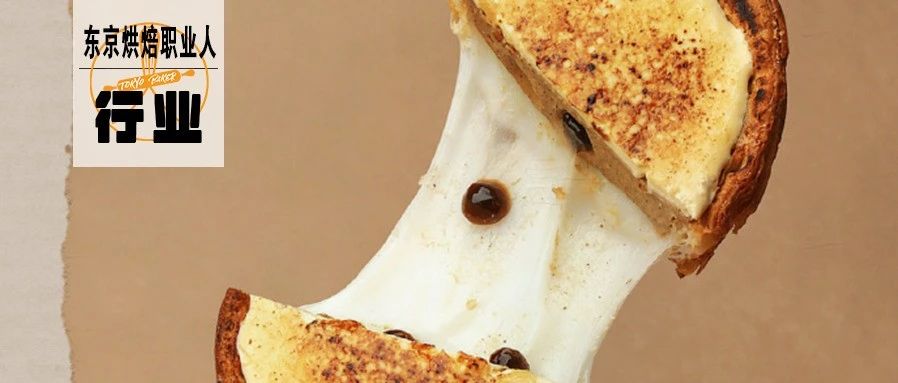
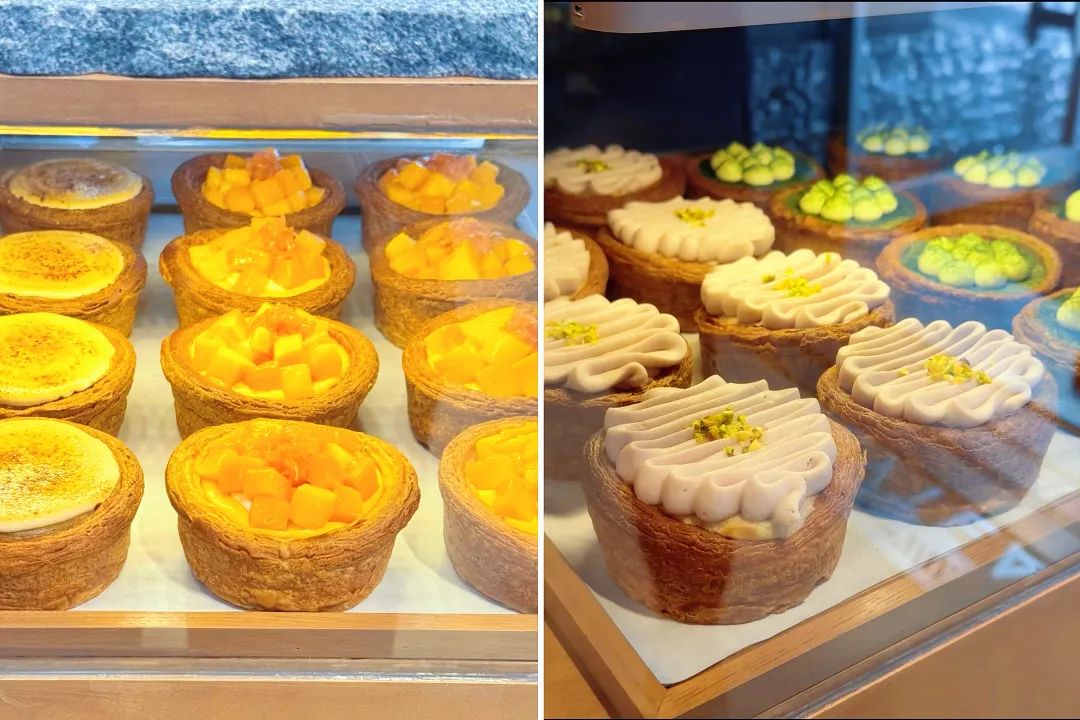
Core Insights - Heytea has launched a new product line called "Nuo Nuo Croissant Tart" in its Shenzhen store, which has quickly gained popularity, leading to long queues and sold-out products on the first day of release [1][2][4] Product Launch - The new product series includes flavors inspired by popular drinks such as "Explosive Taro Nuo Nuo Croissant Tart" and "Mango Sweet Dew Nuo Nuo Croissant Tart," priced between 25 to 35 yuan each [2][4] - The "Explosive Taro Nuo Nuo Croissant Tart" replicates the recipe of the popular "Taro Bubble Milk," while the "Mango Sweet Dew Nuo Nuo Croissant Tart" features fresh seasonal mango [2][4] Consumer Response - The launch day saw significant consumer interest, with the official app frequently showing sold-out notifications and customers traveling from other cities to try all five flavors [4] - Social media buzz has led many consumers to request a nationwide rollout of the new product line [4] Industry Trends - The tea beverage industry is witnessing a trend of cross-category expansion, with brands diversifying their product offerings to seek new growth opportunities [5][7] - Other brands, such as "One Bite Egg Tart One Bite Tea," have successfully combined tea and baked goods, enhancing customer experience and increasing average transaction value [7][9] - The trend of "drink + dessert" combinations is becoming a key strategy for brands to attract consumers and boost sales [16]
高瓴收购星巴克的表层逻辑
首席商业评论· 2025-06-27 12:54
Core Viewpoint - The article discusses the ongoing bidding war for Starbucks' China operations, highlighting the interest from various investment firms and the strategic implications of the potential sale [3][4][7]. Group 1: Bidding Interest and Participants - Hillhouse Capital has joined the bidding for Starbucks' China business, participating in a reverse management roadshow to express interest in the acquisition [3][5]. - Other interested parties include Carlyle Group, Xincheng Capital, China Resources Holdings, KKR, Fangyuan Capital, PAG, and Meituan, indicating a competitive landscape for the acquisition [3][9]. - The estimated valuation for Starbucks' China operations is between $5 billion to $6 billion (approximately 36 billion to 43 billion RMB) [4]. Group 2: Reverse Management Roadshow - The reverse management roadshow aims to showcase the company's core advantages and development strategies to investors, reducing information asymmetry and building trust [5]. - Starbucks' management appears to be somewhat urgent in selling its China operations, as indicated by their ambiguous public statements regarding the sale [5][7]. Group 3: Negotiation Dynamics - The acquisition discussions are reportedly in the second or third round, with an increasing number of participants, suggesting dissatisfaction with initial negotiation terms [7]. - The presence of multiple bidders may indicate ongoing negotiations and potential adjustments in the sale conditions [7]. Group 4: Hillhouse Capital's Position - Hillhouse Capital manages over 600 billion RMB, providing it with significant bargaining power in the acquisition process [10]. - The firm has a history of successful investments in the food and beverage sector, including notable companies like Mixue Ice Cream and Haidilao, which enhances its credibility in this space [10][11]. - Hillhouse's experience in digital transformation and operational support could be advantageous in the acquisition of Starbucks' China business [11]. Group 5: Market Context and Strategic Moves - Starbucks has recently implemented price reductions on certain products, reflecting a strategic response to competitive pressures in the Chinese market [16]. - The company reported approximately $740 million (about 5.31 billion RMB) in revenue for Q2 of fiscal year 2025, with a year-on-year growth of 5% [17]. - The competitive landscape for foreign brands in China is shifting, with domestic capital increasingly taking over iconic foreign brands, signaling a change in consumer dynamics [18].

华安证券解码新消费核心驱动力 看好五大赛道投资机会
2 1 Shi Ji Jing Ji Bao Dao· 2025-06-27 11:32
Group 1: New Consumption Trends - The core driving force of new consumption lies in a deep understanding of "people" and value resonance, with five key investment opportunities identified [2] - The new consumption index in the capital market has performed well, driven by generational shifts and consumption upgrades, indicating a profound structural transformation in the Chinese consumer market [1][2] - Key sectors include trendy toys, pets, tea beverages, discount retail, and AI consumption, with emotional and companionship economies showing significant potential [2] Group 2: AI and Digital Assets - AI is driving a shift from "software as a service" to "results as a service," with advancements in AI Agent technology leading to greater autonomy and personalized experiences [1] - Stablecoins are reshaping societal perceptions and usage of currency due to their stability, speed, accessibility, and practicality [1] Group 3: Energy Transition and Nuclear Fusion - The nuclear fusion industry is approaching a critical point of transitioning from scientific research to engineering practice and commercial application, with significant potential for investment [3] - High-temperature superconducting materials are key to breakthroughs in nuclear fusion, with the industry projected to have a trillion-dollar market potential [3] - The existing nuclear power industry has potential technology transfer value and synergies with the development of fusion technology [3]

喜茶卖蛋挞,茉莉奶白上新“可以喝的”提拉米苏...茶饮又来卷烘焙了?
东京烘焙职业人· 2025-06-27 09:48
Core Viewpoint - The article discusses the trend of tea beverage brands integrating baked goods into their offerings, indicating a shift in strategy to overcome growth challenges in the beverage market [4][6][11]. Group 1: New Product Innovations - New products like "croissant tarts" featuring popular tea flavors such as "Taro Boba" and "Mango Sweet Dew" are being introduced by brands like Heytea [1][18]. - The concept of "drinkable tiramisu" has emerged, combining mascarpone cheese, salty milk, and coffee flavors to create a layered dessert experience [2][19]. Group 2: Market Dynamics - The tea beverage market is becoming increasingly competitive, with brands struggling to maintain repeat purchases from consumers who have already tried their signature drinks [6][33]. - Baked goods like cakes and tarts naturally encourage higher repurchase rates due to their versatility in various consumption scenarios, such as afternoon tea and late-night snacks [7][8]. Group 3: Brand Strategy and Consumer Engagement - Tea brands are not merely adding baked goods but are redefining their brand language to include baked products, creating a new growth cycle [11][14]. - The integration of familiar beverage flavors into baked goods allows brands to leverage existing customer bases and reduce the costs associated with launching new products [27][30]. Group 4: Visual and Social Media Appeal - Baked goods inherently possess visual appeal, making them more shareable on social media, which can drive consumer interest and engagement [24][26]. - The concept of "CAKE TEA" reflects a strategic move to enhance customer experience and extend brand narratives through innovative product offerings [37][38]. Group 5: Industry Evolution - The baking industry is encouraged to rethink its product boundaries, focusing on brand emotion and memorability rather than just taste [35][39]. - The collaboration between beverage and baking sectors represents a pragmatic approach to consumer engagement, potentially leading to dual growth opportunities [33][39].