农业

Search documents
中哈贸易额超430亿美元,中国科技范儿提升外贸成长力
Di Yi Cai Jing· 2025-11-02 13:34
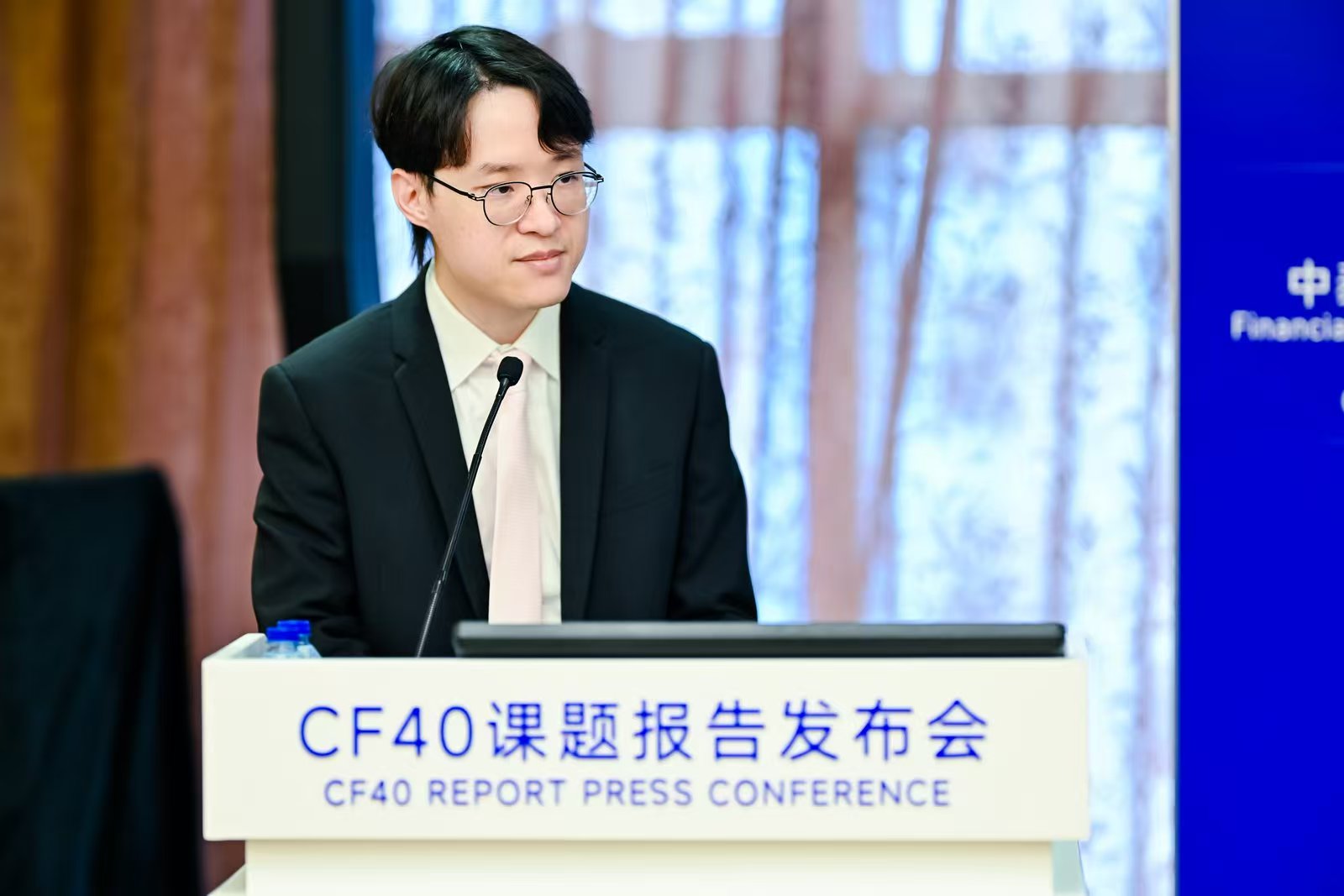
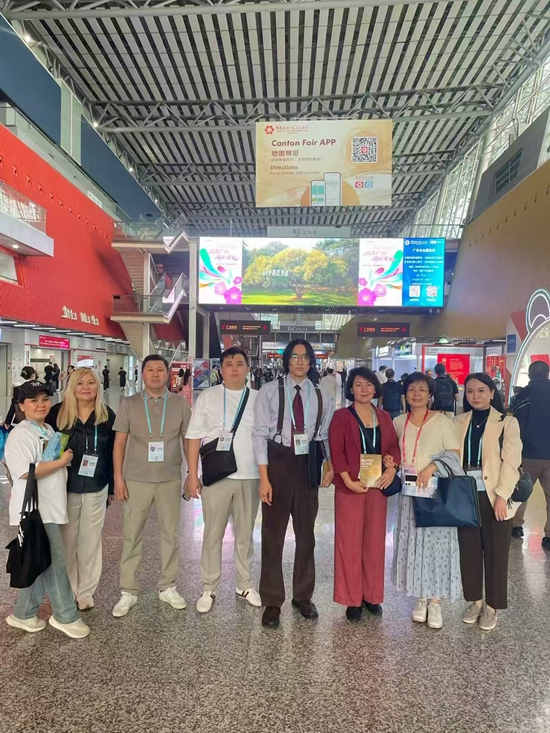
Core Insights - China and Central Asia's economic cooperation is accelerating, with Kazakhstan welcoming investments from Chinese companies across various sectors, including petrochemicals and apparel, and showing interest in new technologies from China [1][6]. Trade and Economic Cooperation - The 138th China Import and Export Fair (Canton Fair) has attracted nearly 240,000 overseas buyers from 223 countries and regions, marking a 6.8% increase compared to the previous session [1]. - In the first three quarters of this year, the trade volume between Shaanxi Province and Kazakhstan doubled year-on-year, with last year's trade exceeding $43 billion [1][10]. - Shaanxi's trade with Kazakhstan is projected to grow significantly, with import and export values expected to reach 790 million yuan, 1.109 billion yuan, and 2.724 billion yuan from 2022 to 2024, reflecting year-on-year growth rates of 19.5%, 40.5%, and 145.4% respectively [8]. Industry Participation - The Canton Fair showcased over 10,000 high-quality enterprises recognized for their advanced technology, with 1.083 million green and low-carbon products displayed [3]. - The fair highlighted the interest of Kazakhstani buyers in various sectors, including smart healthcare and specialty clothing, indicating a strong demand for innovative products [3][4]. Investment Trends - Shaanxi Province has seen increasing investments in Kazakhstan, with six companies investing a total of $2.036 million in 2024 and $3.007 million in the first eight months of 2025 [9]. - The establishment of a Kazakhstani company in Shaanxi reflects the growing bilateral investment, with a focus on logistics and transportation [9]. Future Outlook - The trade relationship between China and Kazakhstan is expected to continue expanding, with potential for collaboration in high-quality products and technology [12]. - Kazakhstan's strategic position as a transport hub in Central Asia is seen as a key factor for enhancing trade connections between Europe and China [10].

当好绿色发展的“行动派”——新发展理念引领高质量发展一线观察之三
Xin Hua Wang· 2025-11-02 10:05
Core Viewpoint - Green development is a crucial component of the new development philosophy and a distinctive feature of Chinese modernization, with significant progress expected in building a beautiful China during the 14th Five-Year Plan period [1] Group 1: Green Transformation in Industries - The steel industry in Tangshan, Hebei, is undergoing a green transformation, with new low-carbon products achieving over 30% carbon reduction and 100% recycling of scrap steel [2][3] - A total of 6,430 national green factories and 491 green industrial parks have been established, indicating a more complete green manufacturing system [3] - The agricultural sector is adopting green and efficient practices, with significant improvements in the recycling rates of agricultural waste, such as 85% for agricultural film and 88% for straw utilization by 2024 [3] Group 2: Environmental Improvements - The average concentration of PM2.5 in key cities has decreased by 56% since the 18th National Congress, and the proportion of surface water with good quality has reached 90.4% [7] - Forest coverage in China has increased to 25.09%, marking a 2% rise since 2020, making China the fastest-growing country in terms of greening [7] - The ecological environment in regions like Yangshuo, Guangxi, has improved significantly, with electric bamboo rafts enhancing tourist experiences while protecting local water quality [5][6] Group 3: Economic and Ecological Synergy - Outdoor sports in Dali, Yunnan, are being promoted as a means to connect ecological preservation with economic growth, demonstrating the economic value of a good ecological environment [8] - Various regions are exploring ecological compensation mechanisms, with over 20 provinces establishing cross-province ecological protection compensation systems [8][9] - The new development suggestions emphasize the need for a diversified ecological compensation mechanism and the establishment of green development highlands [9]
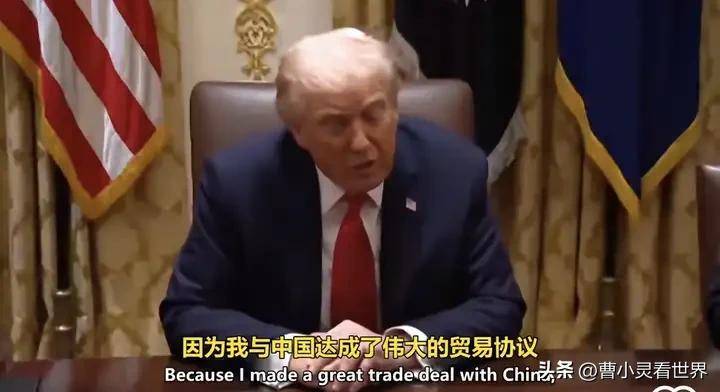
中方刚复购大豆,美国又变脸,美贸易代表通告全球,继续调查中国
Sou Hu Cai Jing· 2025-11-02 04:09
Group 1 - The core point of the article highlights the ongoing tension in US-China trade relations, particularly following the US announcement to continue the 301 investigation despite recent agreements on soybean purchases and other concessions [1][13][21] - The cooperation between the US and China is characterized as a transactional exchange rather than a foundation of mutual trust, with both sides making concessions that cater to their immediate needs [3][9][11] - The US has agreed to lower tariffs on fentanyl-related products and suspend the "50% rule" that previously restricted Chinese companies, allowing them some breathing room in the market [5][9] Group 2 - China has committed to purchasing 12 million tons of US soybeans in the current quarter and 25 million tons annually for the next three years, which is seen as a significant relief for struggling US farmers [7][15] - The tightening of export controls on fentanyl precursor chemicals by China aligns with US political needs, providing a rationale for the US government to address domestic concerns [9][19] - The initiation of the 301 investigation serves as a political tool for the Trump administration, allowing them to maintain a strong stance against China while appeasing domestic hawkish interest groups [13][17][21] Group 3 - The 301 investigation, launched on October 4, is based on the US Trade Act of 1974 and aims to assess China's compliance with the 2020 trade agreement, serving both domestic political purposes and external pressure on China [17][19] - The investigation creates uncertainty in the market, undermining business confidence and complicating supply chain planning for companies affected by the trade war [25][27] - The article emphasizes that the fundamental issue in US-China relations is not merely about trade figures but rather the need for a dialogue framework that respects equality and mutual interests [33][34]
热词里的“十五五”丨这些“三农”关键词,透露增收新路径--经济·科技--人民网
Ren Min Wang· 2025-11-01 13:45
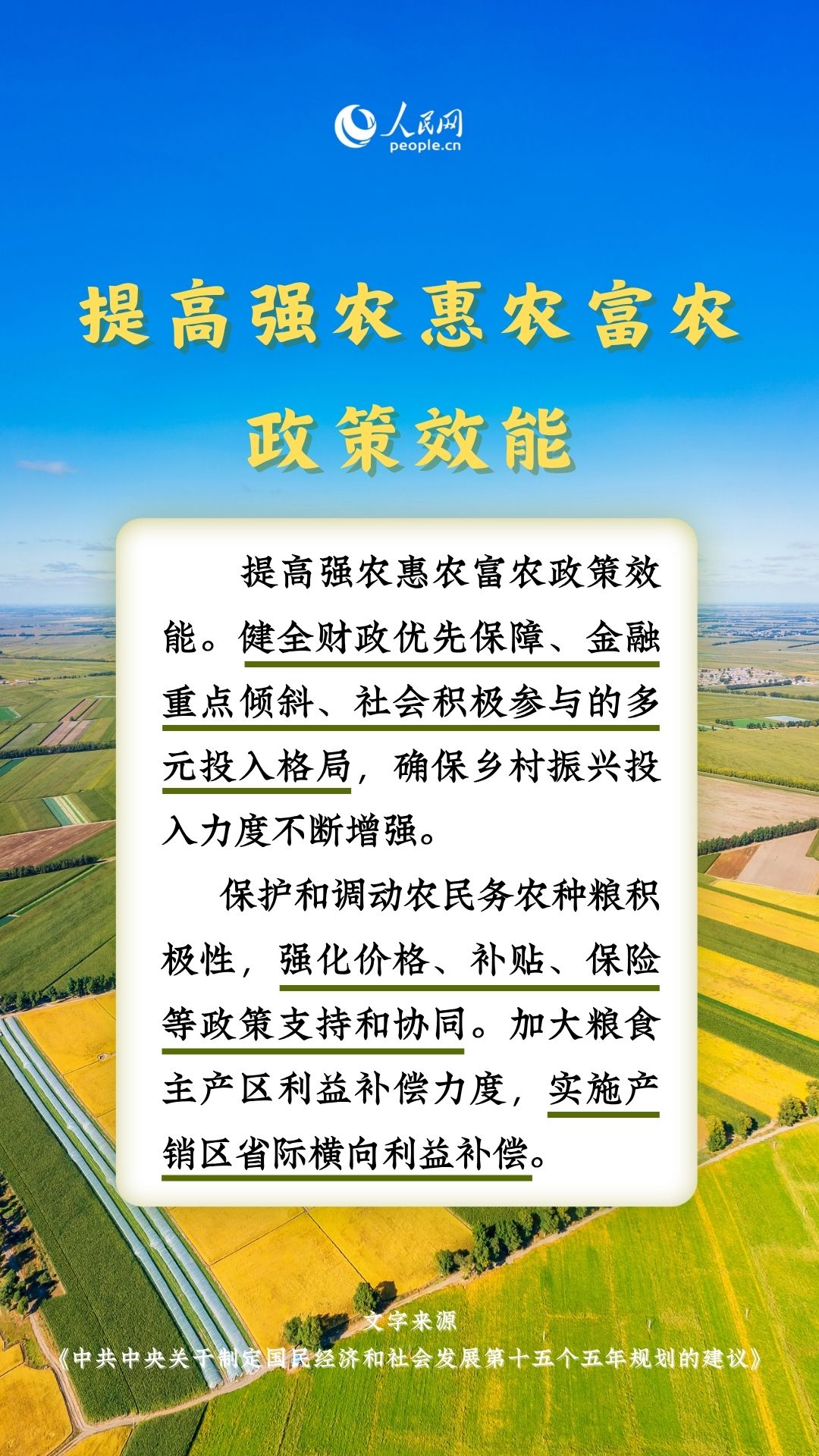
Group 1 - The core viewpoint emphasizes the need to enhance the effectiveness of policies aimed at supporting agriculture and rural development [1] - It advocates for a diversified investment structure that includes prioritized financial support, active social participation, and increased fiscal guarantees to ensure continuous investment in rural revitalization [1] - The policy aims to protect and motivate farmers' enthusiasm for farming and grain production by strengthening support through pricing, subsidies, and insurance [1] Group 2 - There is a call for increased compensation for grain-producing regions, along with the implementation of horizontal compensation mechanisms between production and sales areas [1]

关税战大逆转,美国取消10%芬太尼税,特朗普为啥怂了?
Sou Hu Cai Jing· 2025-11-01 11:10
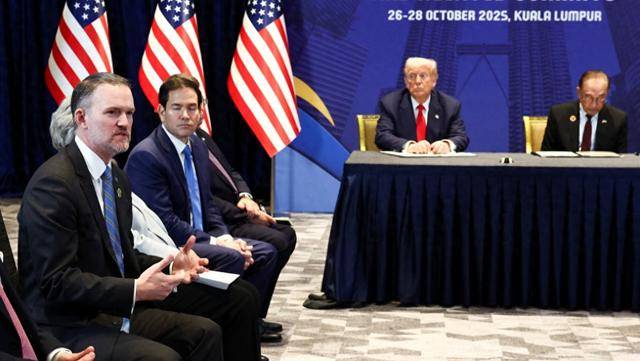
Core Points - The U.S. has decided to cancel the 10% tariff on Chinese goods related to fentanyl and will suspend the previously planned 24% reciprocal tariff for one year, indicating a shift in trade negotiations [1][3][5] - The tariff increase had previously raised the average tariff rate on Chinese goods to 55%, highlighting the significant impact of these tariffs on trade dynamics [1] - Both the U.S. and China have made concessions, with China resuming purchases of U.S. soybeans and suspending rare earth export controls, which are crucial for U.S. high-tech industries [3][7] U.S. Economic Context - The high tariffs have been unsustainable for the U.S. economy, leading to inflation, rising prices, and increased costs for businesses, which in turn affects employment and consumer spending [5] - Trump's declining approval ratings are linked to the economic pressures faced by ordinary Americans due to these tariffs [5] Strategic Implications - The negotiations reflect a broader need for both countries to stabilize their economies amid external pressures, with the U.S. facing inflation and China experiencing slowing foreign trade growth [7] - The ongoing trade war is characterized as a long-term strategic competition, emphasizing the importance of strengthening national capabilities to withstand external pressures [11][13]
麦肯锡称巴西正在吸引战略领域投资
Shang Wu Bu Wang Zhan· 2025-10-31 16:40
Group 1 - The core viewpoint of the article highlights a significant increase in foreign investment in Brazil's strategic sectors, particularly in natural resources and infrastructure [1] - Foreign investments are primarily concentrated in energy, mining, agriculture, and pulp industries [1] - Brazil faces challenges in advanced industrial competition, particularly in semiconductors and electric vehicles [1] Group 2 - The main driver of Brazil's economic growth in recent years has been population growth rather than productivity improvement [1] - Brazil has been undergoing a "de-industrialization" process, lagging behind larger and more competitive countries like the United States and China [1] - McKinsey suggests that Brazil should increase investments in technology and artificial intelligence to drive productivity leaps [1] Group 3 - Tax reform and regulatory improvements could help Brazil attract more foreign investment [1] - Brazil needs to address issues related to public debt sustainability and security to further enhance its business environment [1]
A subsidiary of Aktsiaselts Infortar signed a share purchase agreement for acquiring a shareholding in OÜ Oisu Biogaas
Globenewswire· 2025-10-31 14:00
Core Points - Aktsiaselts Infortar's subsidiary OÜ Infortar Agro has entered into a share purchase agreement to acquire a 60% stake in OÜ Oisu Biogaas [1][2] - This acquisition follows Infortar's earlier purchase of Estonia Farmid, a major agricultural company in Estonia, which supplies raw materials for the biomethane plant in Oisu [2] - The transaction requires approval from the Competition Authority and completion of additional operations before it can be finalized [2] Company Overview - Infortar operates in seven countries, focusing on maritime transport, energy, and real estate, with a diverse portfolio including a 68.47% stake in Tallink Grupp and a 100% stake in Elenger Grupp [4] - The company has a real estate portfolio of approximately 141,000 square meters and employs 6,866 people across 110 companies, including 101 subsidiaries [4] - Infortar is also involved in construction, mineral resources, agriculture, and printing, showcasing its diversified business model [4]

华安研究:华安研究2025年11月金股组合
Huaan Securities· 2025-10-31 13:57
Group 1: Company Performance - The company achieved a revenue of 1.40 billion yuan in the first half of 2025, representing a year-on-year growth of 62.36%[1] - The net profit for 2025 is projected to be 640 million yuan, with a growth rate of 127% compared to 2024[1] - The EPS for 2025 is expected to be 0.2, up from 0.1 in 2024[1] Group 2: Market Trends - The AI-enabled revenue has become a core driver of performance, with significant contributions from products like AI-MDT reports and lung cancer screening[1] - The company is expanding its product matrix with new AI-driven health management products, indicating a strong focus on innovation[1] Group 3: Strategic Initiatives - The company is implementing an "All in AI" strategy, which has shown significant operational improvements and efficiency gains[1] - Collaborations with major tech firms like Alibaba for developing innovative screening products highlight the company's commitment to leveraging AI technology[1] Group 4: Risks and Challenges - Potential risks include ongoing industry policy impacts, declining customer prices, and the possibility of AI application not meeting expectations[1] - The company faces competition in the AI healthcare space, which may affect its market position and growth trajectory[1]


中美贸易回暖,是真的利好还是权宜之计?
Jin Tou Wang· 2025-10-31 12:56
Core Points - The recent trade negotiations between the US and China have resulted in a one-year suspension of tariffs, with the US pausing a 24% tariff on China and China reciprocating by suspending its 10% tariff on fentanyl [1] - The suspension of tariffs is expected to save over $8 billion annually for US-China import-export businesses, providing a significant financial relief that can be reinvested into R&D, production, and market expansion [1] - The negotiations indicate a shift towards a more cooperative approach, with both countries opting for dialogue rather than confrontation, showcasing China's ability to negotiate on equal terms [1] Trade and Economic Impact - The US has also paused export sanctions on Chinese companies with over 50% foreign ownership, while China has suspended its export controls on rare earths, lithium batteries, and superhard materials for a year [1] - The US's agricultural sector has been severely impacted by the trade war, with soybean prices dropping 40% due to a lack of Chinese purchases, leading to increased bankruptcies among American farmers [3] - Rising prices in the US for various consumer goods, including electronics and clothing, have been attributed to the tariffs, affecting overall consumer spending [3][4] Military and Strategic Considerations - The US military's reliance on Chinese rare earth materials for key equipment highlights the strategic vulnerabilities created by the trade tensions, with 87% of major military equipment potentially affected by supply chain disruptions [4] - The negotiations have created a buffer period for both countries to stabilize their economic relations while addressing core differences, allowing for continued discussions on critical issues [4][6] Future Outlook - The upcoming year is seen as a crucial observation window for US-China relations, with expectations for ongoing negotiations to address fundamental disagreements while maintaining a stable relationship [6] - The current negotiations are viewed as a temporary resolution, with the potential for future conflicts if circumstances change, emphasizing the need for vigilance and continued reform on both sides [5]
专访朱拉隆功大学中国研究中心主任:泰国对中国企业有三大新期待
2 1 Shi Ji Jing Ji Bao Dao· 2025-10-31 11:58
Core Insights - The article emphasizes the strong and evolving relationship between China and Thailand, marking the 50th anniversary of diplomatic ties, with expectations for robust development in the next "golden fifty years" [1][2]. Trade and Economic Cooperation - China has been Thailand's largest trading partner for 12 consecutive years, being the top source of agricultural exports, foreign investment, and tourism [2][3]. - In 2024, the bilateral trade volume is projected to reach $133.98 billion, a year-on-year increase of 6.1%, with Chinese exports at $86.04 billion (up 13.6%) and imports at $47.95 billion (down 5.2%) [2][3]. Investment Trends - From 2020 to 2024, China's cumulative greenfield investment in ASEAN is estimated at $65.91 billion, with $42.26 billion (64.1%) classified as "new three types" of investments, focusing on photovoltaic, new energy vehicles, and lithium batteries [1][2]. Future Directions for Cooperation - The shift from "integration" to "co-creation" is highlighted, where Thai companies are encouraged to actively collaborate with Chinese partners in creating value and exploring markets [2][3]. - Key areas for potential collaboration include green and digital technologies, agriculture and food industries, and financial services [2][3][8]. Strategic Trade Tools - Utilizing trade agreements such as the Regional Comprehensive Economic Partnership (RCEP) and the upgraded China-ASEAN Free Trade Agreement is seen as crucial for unlocking market potential and enhancing cooperation [2][6]. Local Expectations from Chinese Enterprises - Thai expectations from Chinese companies include strengthening joint research and technology sharing, establishing local supply chains, and collaborating with large Thai enterprises to expand into the ASEAN market [3][10]. Long-term Sustainability - Emphasis is placed on the importance of localizing operations, building trust within communities, and ensuring that investments yield tangible benefits for local populations [12][13].