现制饮品

Search documents
古茗官宣吴彦祖为咖啡品质合伙人,开启“全场咖啡8.9元”活动
Bei Ke Cai Jing· 2025-06-23 08:06
Core Insights - The collaboration between Gu Ming Coffee and actor Wu Yanzu aims to enhance the brand's influence in the coffee market, leveraging Yanzu's broad appeal and alignment with the brand's quality philosophy [1][9][14] - Gu Ming Coffee is expanding its product offerings, recently launching new coffee products that cater to diverse consumer preferences, indicating a strategic shift towards premiumization and brand development in the coffee sector [5][9][17] Company Developments - Gu Ming Coffee has introduced a limited-time promotion offering all coffee products at 8.9 yuan, encouraging consumer trials and engagement [1][15] - The company has established a comprehensive quality control system for its coffee, ensuring freshness and flavor through global sourcing, specialized roasting, and cold chain logistics [16] - As of mid-June, Gu Ming Coffee has over 7,600 stores, positioning itself as a significant player in the fresh coffee market [17] Industry Trends - The Chinese coffee consumption market has seen a significant increase, with a 167% growth in consumption over the past decade, indicating a shift from instant coffee to freshly brewed options [9] - The market for freshly brewed coffee is projected to grow rapidly, with its market share expected to rise from under 40% to over 80% [9] - The overall coffee market in China is valued at approximately 1500 billion yuan, with the freshly brewed segment exceeding 1200 billion yuan [9]

蜜雪集团(02097):供应链为基,平价现饮龙头走向世界
SINOLINK SECURITIES· 2025-06-17 03:29
Investment Rating - The report assigns an "Overweight" rating to the company, with a target price of 633.95 HKD per share based on a PE of 40.0X for 2025E [5]. Core Views - The tea beverage market in China is expected to grow significantly, with a projected CAGR of 19.2% from 2024 to 2028, driven by increased penetration and consumption frequency [3][17]. - The company holds a dominant position in the market, with a 20.2% market share in the overall tea beverage sector and a 57.0% share in the sub-10 RMB price segment, indicating strong competitive advantages [3][29]. - The company's core strengths include a robust supply chain, strong brand recognition, and a focus on cost-effective products, which have helped maintain profitability even in a challenging market environment [3][5]. Summary by Sections Company Overview - The company, Mixue Ice City, is the leading brand in China's fresh tea beverage market, with 46,479 stores globally by the end of 2024, achieving a CAGR of 32% from 2021 to 2024 [2][33]. - The company went public on the Hong Kong Stock Exchange in March 2025, raising approximately 3.46 billion HKD, primarily for supply chain development [2][36]. Industry Analysis - The fresh tea beverage market in China reached a size of 211.5 billion RMB in 2023, with a significant growth trajectory expected due to increased consumer demand and market penetration [17][25]. - The competitive landscape is favorable for low-priced tea beverages, with Mixue Ice City being the clear leader, benefiting from consumer preferences for value [3][29]. Competitive Advantages - The company leverages its strong supply chain, with over 60% of its ingredients sourced in-house, allowing for cost control and quality assurance [3][5]. - The brand's marketing strategy, including the successful "Snow King" IP, has enhanced its visibility and consumer engagement, contributing to its market leadership [3][5]. Future Growth Prospects - The company plans to continue expanding its domestic footprint while also exploring international markets, particularly in Southeast Asia, where demand for fresh beverages is rising [4][5]. - The introduction of the "Lucky Coffee" brand aims to capture the growing coffee market, with plans to lower franchise entry barriers to accelerate growth [4][5]. Financial Projections - Revenue forecasts for 2025E, 2026E, and 2027E are 310.8 billion RMB, 353.2 billion RMB, and 390.2 billion RMB, respectively, with corresponding net profits of 55.0 billion RMB, 64.4 billion RMB, and 73.8 billion RMB [5][9].
星巴克降价:一场应对“低价风暴”的“有限妥协”
Sou Hu Cai Jing· 2025-06-16 15:08
Core Insights - Starbucks is facing a comprehensive challenge in China, not only in terms of price competition but also regarding brand value, consumer experience, and cultural recognition [2][32] - The company has announced a price reduction for ten non-coffee beverages, with a decrease of 2-6 yuan, averaging around 5 yuan, marking a significant strategic shift to adapt to local market conditions [3][4] Market Competition Landscape - The Chinese ready-to-drink beverage market is highly competitive, with coffee and tea categories overlapping, leading to pressure from both international and local brands [4][5] - The market for ready-to-drink tea is projected to reach 368.9 billion yuan by 2025, surpassing the coffee market by over 100 billion yuan, with both categories maintaining a growth rate of around 20% [4] Price War Dynamics - Local brands like Luckin Coffee and Kudi are aggressively lowering prices, with strategies such as Luckin's "9.9 yuan" promotions, which have put pressure on Starbucks' mid-to-high-end positioning [5][6] - The shift in consumer habits towards "morning coffee, afternoon tea" has made non-coffee beverages a significant revenue source for Starbucks [6] Consumer Preferences and Brand Perception - Local tea brands are gaining market share in the non-coffee segment due to their closer alignment with local tastes and more approachable pricing [7] - The Z generation shows lower brand loyalty and prefers products with social attributes, which local brands leverage through frequent collaborations [9] Financial Performance and Strategic Adjustments - Starbucks reported a revenue of $739.7 million in the second quarter of fiscal year 2025 in China, a 5% year-on-year increase, but faced a 6% decline in same-store sales in the first quarter [10][11] - The company's price adjustment for non-coffee beverages is a rare move, reflecting management's serious assessment of market conditions [12][13] Long-term Challenges and Opportunities - The brand's dual positioning as a "premium coffee brand" and "third space provider" is under scrutiny as price reductions may dilute its high-end image [20][21] - Effective penetration into lower-tier markets is crucial for Starbucks' growth strategy, which faces challenges from local low-cost competitors and varying consumer acceptance of coffee culture [22][23] Digital Transformation and Governance - Starbucks needs to enhance its digital capabilities to remain competitive, particularly in data-driven decision-making and marketing [25][26] - Potential changes in corporate governance, including the possibility of selling stakes in the Chinese business, could impact strategic execution [27][28][29] Conclusion - The competition in China for Starbucks is not merely a price war but a multifaceted challenge involving brand value, consumer experience, and cultural identity [32]



中产返贫,新三件套
虎嗅APP· 2025-06-16 13:27
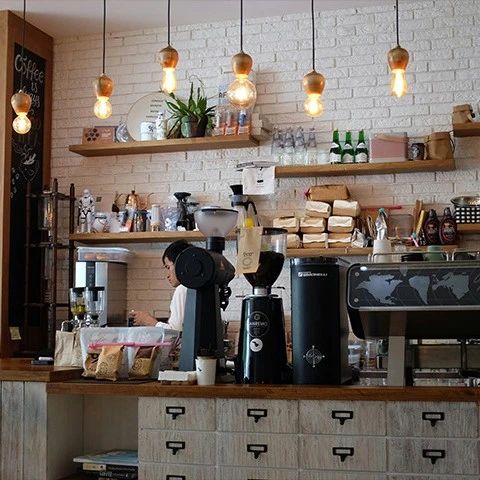
Core Viewpoint - The article discusses the challenges faced by young entrepreneurs in the beverage industry, particularly in opening coffee shops, tea houses, and bars, highlighting a trend of business failures despite initial optimism and investment. Group 1: Entrepreneurial Challenges - Many young individuals, inspired by the success of the internet era, venture into entrepreneurship but face harsh realities, leading to significant financial losses [1][7][8] - The failure rate of small businesses in the beverage sector is high, with many owners unable to cover daily operational costs, leading to closures within months [3][4][13] Group 2: Market Saturation - The beverage market, particularly for coffee and tea, is becoming increasingly saturated, with numerous similar establishments competing for the same customer base [4][15] - In high-traffic areas, the presence of multiple competing brands often results in many businesses failing to achieve profitability, with some needing 1.8 to 3 years to break even [4][15] Group 3: Reasons for Business Failures - Common reasons for business closures include poor location selection, insufficient budget, and intense competition [13][15] - Many entrepreneurs underestimate the time and financial commitment required to sustain a new business, leading to premature closures [13][15] Group 4: Investment Trends - Despite the challenges, there is a significant interest in the beverage sector, with some brands successfully expanding and attracting investment, particularly in the tea segment [10][15] - The IPO success of several tea brands has created a perception of profitability in the sector, drawing more entrepreneurs into the market [10][15]

中产返贫,新三件套
36氪· 2025-06-16 09:34
Core Viewpoint - The article discusses the challenges faced by young entrepreneurs in the beverage industry, particularly in opening coffee shops, tea houses, and bars, highlighting a trend of business failures despite initial optimism and investment [4][22]. Group 1: Entrepreneurial Challenges - Many young individuals, inspired by the success of the internet era, venture into entrepreneurship but often face harsh realities, leading to significant financial losses [4][14]. - The article cites specific examples of failed businesses, such as a coffee shop and a bar, which struggled to meet daily operating costs and ultimately closed down [6][7]. - The saturation of the beverage market is evident, with numerous similar establishments competing in close proximity, making profitability increasingly difficult [8][20]. Group 2: Market Dynamics - The current beverage market, particularly for tea and coffee, is experiencing a boom with several brands going public, creating a perception of wealth generation [21][22]. - However, the rapid expansion of these brands has led to market saturation, with projections indicating a slowdown in growth rates from 44.3% in 2023 to 12.4% by 2025 [22]. - The article notes that while some franchisees have succeeded, a significant portion of new entrants, particularly those without prior experience, are likely to fail [16][18]. Group 3: Key Reasons for Business Failures - The most common reasons for business closures include poor location selection, insufficient budget, and intense competition [20]. - Entrepreneurs often underestimate the time required to break even, with many failing to maintain cash flow for the necessary duration [20]. - The article emphasizes that while the beverage industry appears to have low entry barriers, it is fraught with challenges that can lead to failure for unprepared newcomers [21].
浅谈当下食品板块投资机会&策略会反馈
2025-06-15 16:03
Summary of Key Points from Conference Call Records Industry Overview - **Snack Retail Industry**: The snack retail sector showed strong performance in Q1, but single-store revenue declined due to the Spring Festival. The pace of new store openings accelerated in April and May, particularly in new markets like Yunnan and Guangdong. Future single-store revenue is expected to remain stable, with room for operational improvements such as SKU replacement and display optimization [1][3]. - **Frozen Food Sector**: Demand in the restaurant segment has not significantly improved, with market concerns arising from the alcohol ban. However, entering a low base period may lead to sequential improvements through new channels and products. Companies like Lihai Foods reported double-digit growth in order shipments in April and May, primarily from new customers in the Sam's Club and restaurant channels [1][6]. - **Ready-to-Drink Beverage Sector**: The fundamentals are strong, with companies like Guming, Chabaidao, and Mixue Ice City reporting double-digit same-store sales growth. The increase in delivery sales has led to a decline in profit margins, but absolute profit amounts continue to rise, and enthusiasm among franchisees for opening new stores is increasing [1][13]. Company-Specific Insights - **Lihai Foods**: Orders in April and May maintained double-digit growth, with a focus on new product launches and expanding restaurant channel customers. The company expects a revenue growth of approximately 15% for the year, with profits slightly better than revenue [1][9]. - **Weizhi Xiang**: The company plans to implement an equity incentive program in 2025, targeting a 20% revenue growth. After a decline in Q1, there was a slight improvement in April and May, with expectations for significant growth in the second half of the year driven by partnerships with Sam's Club, expansion into group meal services, and opening franchise stores in lower-tier towns [1][10]. - **Kang Shifu**: The company experienced slight growth in January and February, but sales declined in March due to price increases. Overall revenue is expected to slightly decrease in the first half of the year, but profit growth will significantly outpace revenue growth due to raw material price declines and efficiency improvements [1][15]. - **Yanjing Beer**: The company continued to show good growth from January to May, with U8 maintaining rapid growth and accounting for over 23% of total sales. The company is focusing on product upgrades and cost savings, which are expected to enhance profit margins [1][27][28]. - **Wan Zhou International**: The core business is expected to grow year-on-year in Q2, benefiting from favorable US pork prices and high profit margins in the meat products segment. The company anticipates a dividend payout ratio of about 50%, with a projected dividend yield of around 6% [1][24]. Market Trends and Recommendations - **Investment Opportunities**: The snack sector is currently experiencing high market sentiment, with recommendations for leading companies like Yanjin Puzhi and Youyou Foods due to their strong fundamentals and growth potential. Second-tier companies like Ximai and Jin Zai are also worth attention [2]. - **Frozen Food Sector**: Companies with low valuations are recommended for bottom-fishing and tracking, particularly Lihai Foods, which is expected to see improved profitability with new product launches [6]. - **Ready-to-Drink Beverage Sector**: Companies like Guming and Mixue Ice City are recommended due to their leading positions and significant expansion potential across the country [13][14]. - **Overall Market Sentiment**: The overall sentiment in the snack retail and beverage sectors remains positive, with expectations for continued growth driven by new product launches and market expansions [1][2][3].
为什么星巴克降到23元,还是没人买单?
阿尔法工场研究院· 2025-06-15 11:39
Core Viewpoint - Starbucks has implemented a price reduction strategy in China for the first time in over 20 years, lowering prices by an average of 5 yuan for several non-coffee beverages, but consumer response has been lukewarm, indicating that the reduction may not be sufficient to attract price-sensitive customers [3][4][10]. Pricing Strategy - Starting June 10, Starbucks China reduced prices on over ten non-coffee beverages, with the lowest price now at 23 yuan [3]. - This price adjustment is seen as a response to competitive pressures from local brands like Luckin Coffee and others, which offer lower-priced alternatives [10][12]. - Despite the price cut, sales of the reduced items did not show significant improvement, suggesting that the price point remains too high for many consumers [5][7]. Market Competition - The competitive landscape includes brands like Luckin Coffee, Bawang Tea, and Mixue Ice Cream, which offer products at lower price points, making it difficult for Starbucks to compete effectively [7][10]. - Consumers in lower-tier cities are increasingly favoring brands that provide better value for money, which poses a challenge for Starbucks' premium positioning [12][19]. Target Market - Starbucks aims to capture a share of the afternoon tea market by appealing to price-sensitive consumers, particularly in lower-tier cities where the potential for growth is significant [9][12]. - The target demographic includes young consumers from lower-tier cities who are more price-sensitive and prefer sweeter beverages [17][18]. Strategic Adjustments - Starbucks has accelerated its expansion into lower-tier markets since 2022, with plans to cover 1,000 county-level administrative regions by March 2025 [14]. - The company is also exploring strategic partnerships and potential equity sales to enhance its operational efficiency and market penetration [24][25]. Financial Performance - Starbucks China reported a revenue of 21.06 billion yuan for the 2024 fiscal year, reflecting a year-on-year decline of 1.4%, while Luckin Coffee surpassed it with 34.475 billion yuan [21]. - The company is facing challenges in maintaining its high-end brand image while also competing in a price-sensitive market [21][26]. Future Outlook - The effectiveness of the price reduction strategy and its impact on sales will be closely monitored, with potential adjustments based on consumer feedback [11][26]. - The ongoing exploration of strategic partnerships may provide Starbucks with the necessary resources to navigate the competitive landscape in China [24][25].

中产返贫,新三件套
投资界· 2025-06-15 08:02
Core Viewpoint - The article highlights the challenges faced by young entrepreneurs in the beverage industry, particularly in the coffee and tea sectors, where many have experienced significant financial losses and business closures despite initial optimism and investment [2][6][15]. Group 1: Entrepreneurial Challenges - Many young individuals, inspired by the success of the internet era, venture into opening cafes and bars, only to face harsh realities of financial losses and operational difficulties [2][9]. - The article cites specific examples of entrepreneurs like Liu Tong and Jiang Yun, who faced daily losses and ultimately had to close their businesses due to insufficient customer traffic and high operational costs [5][10]. - The saturation of the beverage market is evident, with numerous similar establishments competing in close proximity, leading to a high failure rate among new entrants [6][12]. Group 2: Market Dynamics - The current beverage market, particularly for tea and coffee, is characterized by intense competition and a significant number of closures, with many establishments failing to reach profitability within their first year [15][18]. - The article notes that while some franchisees have found success, the majority of new entrants lack the necessary preparation and resources, leading to a high rate of failure [11][13]. - The IPO frenzy surrounding new tea brands has created a false sense of security, as the market is expected to slow down significantly in the coming years, with growth rates projected to drop from 44.3% in 2023 to 12.4% by 2025 [17][18]. Group 3: Key Reasons for Business Failures - The article identifies three primary reasons for the high failure rate of new beverage establishments: poor location selection, inadequate budgeting, and fierce competition [15]. - Many entrepreneurs underestimate the time required to break even and the ongoing costs associated with running a business, leading to financial strain and eventual closure [15][16]. - The article emphasizes that while the beverage industry appears to have low entry barriers, it is fraught with challenges that can lead to significant losses for unprepared entrepreneurs [15][18].

走进民企看发展|豫商崛起,引领消费潮流
Zhong Guo Xin Wen Wang· 2025-06-12 02:39
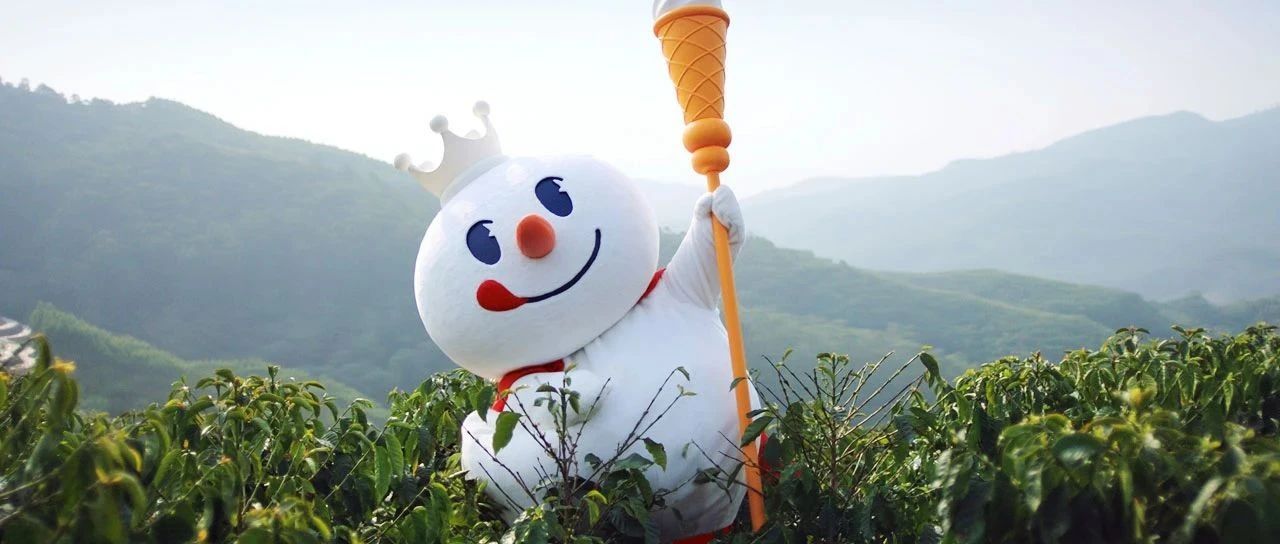
Core Insights - Henan entrepreneurs are reshaping the consumer market landscape with notable companies like Mixue Ice City, Pop Mart, and Pang Donglai, referred to as the "three elephants" from Henan [1] - Pop Mart has transformed into a billion-dollar empire, with its IP Labubu becoming a global trendsetter [2] - Mixue Group leads the world in the number of beverage stores, with a market value exceeding HKD 200 billion [3] - Pang Donglai has gained popularity due to its unique business model, becoming a model for imitation in the industry [4] Group 1: Business Philosophy - Henan merchants combine Confucian moderation with long-term business strategies, focusing on building core competencies in niche markets [5] - Many successful Henan companies have taken decades to establish themselves as leaders in their respective categories, starting from traditional retail [6] - A pragmatic approach to business, including precise positioning and detailed operations, has helped many Henan entrepreneurs create industry barriers [7] Group 2: Corporate Culture - The spirit of "义利" (benefit and righteousness) is a foundational aspect of Henan merchants, exemplified by generous employee benefits and profit-sharing mechanisms [8] - Notable examples include the founder of a crane company who spent nearly 10 million on a trip for over 4,000 employees' parents, and Pang Donglai's high employee salaries and benefits [8][9] - The philosophy of sharing value and reducing employee pressure is emphasized by leaders like Yu Donglai [9] Group 3: Innovation - Henan entrepreneurs are characterized by their willingness to innovate and explore uncharted territories [10] - Pop Mart, initially underestimated, achieved profitability after years of losses and has seen a significant increase in overseas revenue, with a 480% year-on-year growth in Q1 2025 [11] - Other companies like Guoquan Shihui and Duofuduo have also emerged as leaders in their respective markets, showcasing the innovative spirit of Henan businesses [13][14]
幸运咖“不幸”,蜜雪下一步豪赌“田间地头”?
海豚投研· 2025-06-10 11:03
Core Viewpoint - The article analyzes the growth potential of Mixue Ice City, focusing on its business model, market expansion, and the competitive landscape within the beverage industry, particularly in the context of the current market valuation and growth opportunities [2][4]. Group 1: Market Overview - The current market for ready-to-drink beverages is divided into packaged and freshly made drinks, with the latter experiencing significant growth due to consumer demand for freshness and social engagement [6][7]. - Freshly made beverages have increased their market share from 24% in 2019 to nearly 40% currently, with projections suggesting it could reach 50% by 2028 [8][10]. Group 2: Growth Potential of Mixue Ice City - The potential for Mixue Ice City to expand its store count is significant, with estimates suggesting a possible increase to 57,000 to 61,000 stores across China, representing a 50%-60% growth from current levels [10][14]. - The analysis indicates that the brand's growth will be driven by capturing market share from other beverage brands, particularly local non-chain tea shops, as well as expanding into rural areas where competition is less intense [16][24]. Group 3: Competitive Landscape - The competitive environment has intensified due to a price war among beverage brands, leading to a reduction in average product prices from 15-20 RMB to 10-15 RMB [18][20]. - Mixue Ice City has maintained a low closure rate of 3.1% in 2024, allowing it to capitalize on the market share vacated by struggling competitors [21]. Group 4: Expansion into Rural Markets - Mixue Ice City has begun expanding into rural areas, with over 4,900 stores established in towns by the end of 2024, and plans to increase this number significantly in the coming years [23][24]. - The brand's pricing strategy aligns well with rural consumer spending power, making it well-positioned to dominate in these markets [24][25]. Group 5: Challenges for Lucky Coffee - The coffee brand Lucky Coffee, acquired by Mixue, has struggled to gain traction, primarily due to its focus on lower-tier markets and a lack of brand recognition compared to competitors like Luckin Coffee [29][32]. - Lucky Coffee's average monthly revenue is only 60% of that of Mixue Ice City, and its profitability is hindered by higher costs associated with coffee bean procurement [39][40]. - The potential for Lucky Coffee to expand is limited, with estimates suggesting it could reach around 9,400 stores, but this is contingent on developing coffee consumption habits in lower-tier markets [41][43].