
债券

Search documents
欧美长期国债再遇抛售潮,财政可持续问题或是罪魁祸首
Sou Hu Cai Jing· 2025-09-03 11:08
Core Viewpoint - The recent sell-off in long-term government bonds in the US and Europe is driven by investor concerns over fiscal sustainability and central bank's ability to control inflation, compounded by seasonal liquidity tightening and term premium effects [1][2][5]. Group 1: Market Reactions - Long-term bond yields in the US, UK, Italy, and France have risen significantly, with the US 30-year bond yield increasing by 5.3 basis points to 4.97%, marking a multi-year high [1]. - The negative sentiment in the bond market has spilled over into the stock market, with major indices such as the S&P 500, Dow Jones, and Nasdaq experiencing declines of 0.69%, 0.55%, and 0.82% respectively [1]. - The sell-off in bonds has been linked to a historical context where previous fiscal policies and trade tensions have led to significant fluctuations in bond yields [1][4]. Group 2: Economic Factors - OECD projects that sovereign debt issuance among its 38 member countries will reach a record $17 trillion by 2025, with the debt servicing cost as a percentage of GDP rising to 3.3% in 2024, up from 2.4% in 2021 [4]. - The US is particularly affected, with debt interest costs projected to reach 4.7% of GDP, raising concerns about fiscal sustainability [4]. - Political instability in countries like France and the UK is causing investor anxiety, with discussions around potential IMF assistance emerging [5]. Group 3: Market Dynamics - Seasonal liquidity tightening is identified as a contributing factor to the recent bond market downturn, as September typically sees increased bond issuance from governments and corporations, leading to supply-demand imbalances [6]. - The expectation of a strong US non-farm payroll report could influence market sentiment, with potential implications for Federal Reserve interest rate policies [6]. - Analysts suggest that the current rise in long-term bond yields may not be easily reversed, even with anticipated slight reductions in policy rates [7].

固定收益丨离岸人民币信用债券收益率影响因素初探
Xin Lang Cai Jing· 2025-09-03 10:38
炒股就看金麒麟分析师研报,权威,专业,及时,全面,助您挖掘潜力主题机会! 离岸人民币债,点心债,收益率 在前期的报告《离岸人民币中国主权债券利率影响因素初探》中,我们研究了离岸人民币中国主权债市场。本篇报告聚焦离岸人民币信用债市场,研究离 岸人民币信用债收益率影响因素。 从发行规模来看,离岸人民币信用债券存续总规模1.12万亿元。其中,分涉险国家和地区来看,发行人为中国大陆的离岸人民币信用债规模最大。2022年 起海外发行人发行的离岸人民币债券的规模上升,这主要是由于在上述阶段,一方面,美债利率、中资美元债收益率抬升,美元指数中枢上行,人民币相 对其他货币更为稳定且融资成本较低;另一方面,债券通"南向通"于2021年9月上线,需求端的政策支持也一定程度上吸引海外发行人来离岸人民币市场 发行债券。 从发行主体来看,银行债券一直是离岸人民币信用债的主要部分,2023年至2024年,随着境内城投债融资政策收紧与中国企业产能出海规模快速提升,工 业产业债券发行规模开始放量。其年度发行规模占离岸人民币信用债年度发行总规模的比例上升至20%、29%。 从收益率水平来看,离岸人民币信用债收益率曲线在大方向上与3年离岸国债曲 ...

股牛来了,债市全无机会?
虎嗅APP· 2025-09-03 10:29
Core Viewpoint - The article discusses the contrasting performance of the stock and bond markets in 2025, highlighting a significant rise in A-shares while the bond market faces challenges due to changing economic fundamentals and market sentiment [2][3]. Group 1: Market Dynamics - The "see-saw effect" between stocks and bonds reflects a shift in market risk appetite, where funds flow into equities during bullish phases, leading to pressure on bond prices [4][5]. - Economic fundamentals, including macroeconomic conditions, inflation, and monetary policy, are the primary determinants of bond market trends, rather than stock market fluctuations [4][5]. - Recent economic indicators show signs of weakening, such as a decline in new loans and social financing, which typically would support the bond market; however, the bond market continues to decline due to strong stock performance and policy disruptions [5][6]. Group 2: Investment Strategies - In a bullish stock market, the bond market may not present high value, but there are opportunities for tactical trading, suggesting a strategy of buying low and selling high [7]. - Monitoring the yields of 10-year and 30-year government bonds is crucial, as bond prices and yields move inversely; rising yields indicate falling bond prices and vice versa [7][8]. - Historical trends show that while bond yields have generally declined over the past decade, the current yields are at historical lows, suggesting potential for further declines in the long term, despite short-term volatility [8][9]. Group 3: Long-term Investment Considerations - For long-term investments, key considerations include duration selection (short-term vs. long-term bonds), risk-return trade-offs (focusing on Sharpe ratios), and alignment with market conditions [10]. - The article emphasizes the importance of maintaining a rational approach to investing, avoiding the temptation to follow stock market trends blindly, and recognizing the unique dynamics of the bond market [10].

加快推进中国资本市场高水平制度型开放|资本市场
清华金融评论· 2025-09-03 10:18
Core Viewpoint - Accelerating the high-level institutional opening of China's capital market is essential for achieving high-quality development, emphasizing that "post-border rules are more important than border opening" [3][4][5]. Group 1: Significance of Institutional Opening - Institutional opening represents a new phase of China's opening-up, differing significantly from traditional commodity and factor flow openings [8][9]. - High-level institutional opening is necessary for building a socialist market economy, enhancing resource allocation efficiency, and supporting high-quality economic development [11]. - It is crucial for advancing the internationalization of the RMB and mitigating external shocks, thereby enhancing the attractiveness of RMB assets to foreign investors [12]. Group 2: Principles for Advancing Institutional Opening - The opening should follow the principles of "taking the initiative, facing international standards, being rooted in local conditions, focusing on market needs, promoting overall progress, and prioritizing safety" [14][13]. - Emphasizing the importance of understanding local conditions to avoid the pitfalls of blindly adopting foreign systems [17][18]. - The process should be market-driven, ensuring that there is demand, institutional capability, and regulatory oversight [19]. Group 3: Pathways for Stock Market Opening - The stock market is a key area for institutional opening, requiring improvements in issuance, trading, investment, and securities firms [22][23]. - Support for Chinese companies to list abroad and for foreign companies to list in China is essential for internationalization [24][25]. - Enhancements in the registration system and merger and acquisition processes are necessary to facilitate market activity [26][27]. Group 4: Pathways for Bond Market Opening - The bond market requires improvements in issuance, investment, and investor protection mechanisms [37][38]. - Enhancing the information disclosure mechanism and rating system is vital for increasing foreign investor confidence [39][40]. - Expanding the channels for foreign investment in RMB bonds and improving the legal framework for bondholder meetings and trustee management is necessary [43][44]. Group 5: Risk Prevention in Institutional Opening - The process of institutional opening must address risks such as institutional mismatch, information leakage, external shocks, malicious attacks, and financial sanctions [47][48]. - Emphasizing the importance of national security and the need for robust monitoring and regulatory frameworks to mitigate these risks [50][51][52]. - Developing a comprehensive response plan to potential financial attacks and enhancing the resilience of the financial system against sanctions is crucial [53][54]. Group 6: Conclusion - The high-level institutional opening of the capital market is vital for supporting economic development and enhancing market stability and competitiveness [56][57]. - A systematic approach is required to identify and address institutional weaknesses while ensuring that safety is prioritized throughout the opening process [58].
债市日报:9月3日
Xin Hua Cai Jing· 2025-09-03 08:15
Market Overview - The bond market continued to recover on September 3, with government bond futures rising across the board and interbank bond yields falling by 1-2 basis points [1][2] - The central bank conducted a net withdrawal of 150.8 billion yuan in the open market, indicating a mixed trend in funding rates [1][5] Bond Futures Performance - The 30-year government bond futures rose by 0.46% to 117.150, while the 10-year futures increased by 0.21% to 108.160 [2] - The yields on major interbank bonds mostly declined, with the 10-year government bond yield falling by 1.25 basis points to 1.755% [2] International Bond Market - In North America, U.S. Treasury yields rose collectively, with the 10-year yield increasing by 3.5 basis points to 4.260% [3] - In the Eurozone, the 10-year French bond yield rose by 4.6 basis points to 3.581% [3] Primary Market - The Ministry of Finance's three types of government bonds had weighted average yields lower than the market estimates, with the 182-day bond yield at 1.3101% [4] Funding Conditions - The central bank conducted a 7-day reverse repurchase operation of 229.1 billion yuan at a rate of 1.40%, with a net withdrawal of 150.8 billion yuan for the day [5] - The Shibor rates showed mixed performance, with the overnight rate rising by 0.2 basis points to 1.316% [5] Institutional Insights - The "fixed income +" products faced significant redemption pressure recently, indicating a shift in market dynamics [6] - The basic economic recovery is in line with market consensus, suggesting a capped range for interest rates, while the current market conditions may limit sustained increases in government bonds [7]
英国30年期国债收益率升至1998年5月以来最高水平,为5.735%
Sou Hu Cai Jing· 2025-09-03 07:48
Group 1 - The UK 5-year government bond yield has risen to 4.210%, the highest level since May 2025, with an increase of 3 basis points on the day [1] - The UK 10-year government bond yield has reached 4.849%, the highest since January 2025, with an increase of over 4 basis points on the day [1] - The UK 20-year government bond yield has climbed to 5.583%, the highest level since August 1998, with an increase of 4 basis points on the day [1] - The UK 30-year government bond yield has increased to 5.735%, the highest since May 1998, with an increase of 4 basis points on the day [1]
夏季平静期宣告结束!关税与美联储忧虑重燃,华尔街迎波动9月
Jin Shi Shu Ju· 2025-09-03 07:33
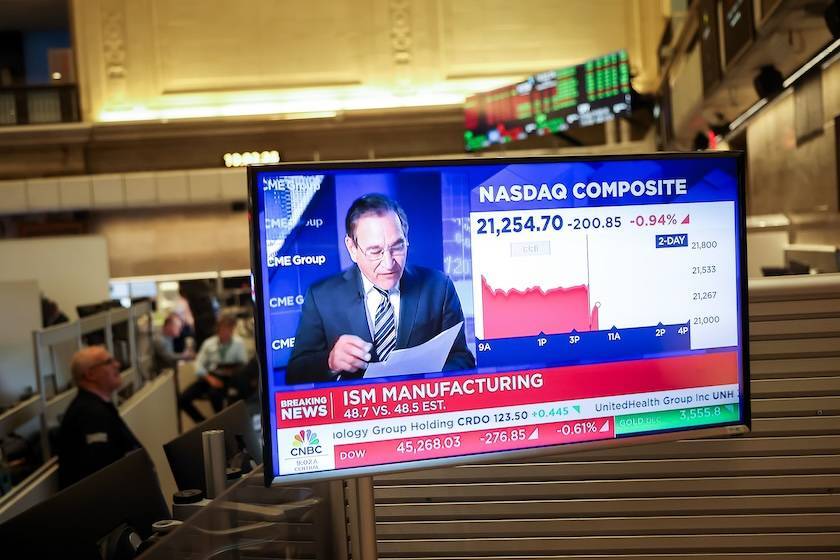
Market Overview - The summer calm on Wall Street ended after Labor Day, with investors preparing for increased volatility as September is historically the worst month for U.S. stock markets [1] - Concerns over the independence of the Federal Reserve and uncertainties surrounding President Trump's tariffs have become focal points, impacting both stock and bond markets [1][2] - Long-standing worries about the bubble-like valuations of stocks and corporate bonds have intensified amid signs of an economic slowdown in the U.S. this summer [1] Bond Market Dynamics - The CBOE Volatility Index reached its highest level in over four weeks, while the S&P 500 index fell by 0.7% [2] - A global sell-off in bonds led to a significant rise in long-term U.S. Treasury yields, with the 10-year Treasury yield increasing nearly 5 basis points to 4.269% and the 30-year yield reaching its highest level since mid-July [2] - Rising Treasury yields may negatively affect the stock market as bond returns become more attractive, with a 10-year yield around 4.5% seen as a threshold for weakening stock demand [2] Economic and Seasonal Factors - September's seasonal weakness may be partly due to investors cleaning up their portfolios after summer vacations and making adjustments before year-end [4] - Historically, September has been the worst month for the S&P 500, averaging a decline of 0.8% over the past 35 years, with 18 out of those 35 months experiencing declines [4] - The recent surge in credit market debt issuance has exacerbated government debt sell-offs as investors reallocate funds to corporate bonds [4] Corporate Bond Market Insights - The corporate bond spread, which is the premium high-rated companies pay over U.S. Treasury yields, reached a historical low of 75 basis points last month [5] - Given the low volatility and tight spread levels, an increase in market volatility seems more likely [5] - The upcoming non-farm payroll data for August is crucial for investors assessing the Federal Reserve's potential rate cuts, although persistent inflation pressures may limit aggressive easing [5] Alternative Assets and Market Sentiment - Investors are seeking alternative assets to protect portfolios amid market turbulence, with gold prices rising close to historical highs of $3540 per ounce [5] - Both gold and Bitcoin have seen increases this year, suggesting a trend where both assets provide alternatives to fiat currency and a hedge against dollar depreciation [5]
dbg markets:多重压力下,周二欧盘英国长期借贷成本创新高
Sou Hu Cai Jing· 2025-09-03 03:19
Group 1 - The UK long-term borrowing costs have risen to the highest level since 1998, with the 30-year government bond yield reaching 5.68% [1][3] - The depreciation of the British pound against the US dollar by 70 basis points and a 0.3% increase in the euro against the pound indicate market volatility [3] - Concerns over high inflation, significant government borrowing, and slow economic growth in the UK are leading to higher risk premiums compared to other G7 countries [3][4] Group 2 - The UK manufacturing PMI for August was revised down to 47.0, marking a three-month low and indicating economic contraction [4] - Demand for long-term UK government bonds has weakened, particularly from traditional buyers like pension funds, contributing to rising yields [4] - Over the past 12 months, the UK 30-year bond yield has increased by more than 100 basis points, outpacing the increases in comparable US and German bonds [4]

净值稳定有溢价,公司债ETF(511030)以优异业绩接受祖国检阅
Sou Hu Cai Jing· 2025-09-03 01:24
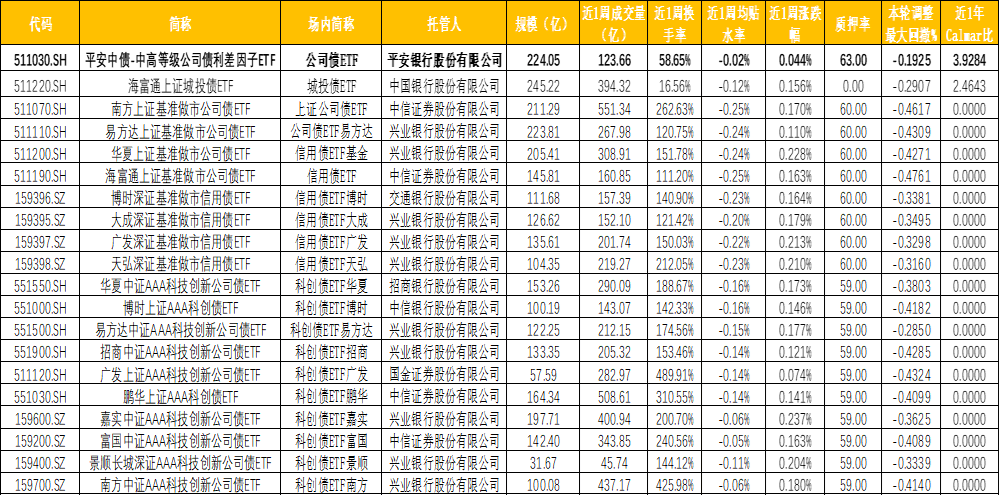
Group 1 - The article suggests that the bond market in September may outperform the stock market, with seasonal patterns not being directly applicable [1] - Recent adjustments in the bond market have been observed, but the performance in June was strong, indicating a potential similar trend in September [1] - With the decline in banks' funding costs, government bonds are becoming increasingly attractive for banks' proprietary trading [1] Group 2 - The current yield spread between bonds and funding costs is expected to widen as costs decrease further [1] - The stock market is experiencing significant volatility, with concerns that a bull market may not be desirable [1] - The article highlights that small and medium-sized stocks are generally overvalued with low growth potential, indicating a bubble [1] Group 3 - The recent redemption of fixed income products has had a temporary impact on the bond market [1] - The bond market is returning to a pricing model based on fundamentals and liquidity [1] - The company bond ETF (511030) has shown the least discount in trading over the past week, with a net inflow of 0.52 billion [2]
债市 调整行情结束
Qi Huo Ri Bao· 2025-09-03 01:07
Group 1 - The market experienced a significant increase in equity assets while bond market sentiment was suppressed, leading to a steepening yield curve with long-term yields rising sharply [1] - The 2-year, 5-year, 10-year, and 30-year government bond yields were recorded at 1.40%, 1.63%, 1.84%, and 2.14% respectively, with changes of -1.53, 6.12, 13.35, and 19.25 basis points compared to the end of July [1] - The "stock-bond" effect has shifted to a "double bull" market due to rising interest rate cut expectations and improved economic conditions, with the 10-year government bond yield approaching 1.8% [1] Group 2 - The funding environment remained reasonably ample, with short-term performance expected to be relatively stable as the central bank continued to support liquidity [2] - The central bank conducted a 600 billion yuan medium-term lending facility (MLF) operation in August, with a net injection of 300 billion yuan, and maintained flexible short-term liquidity tools [2] - Government bond issuance has progressed rapidly, with net issuance of 4.67 trillion yuan in national bonds and 5.7 trillion yuan in local bonds by the end of August, leading to a decrease in net financing impact on the funding environment [2] Group 3 - The stock market showed strong performance driven by low interest rates and a significant inflow of funds, with a notable increase in financing balances and daily trading volumes [3] - The "anti-involution" narrative has gained traction, with the PMI raw material purchase price index rising to 53.3% and the factory price index at 49.1%, indicating a positive shift in pricing dynamics [3] - The bond market's long-end is under pressure due to the steepening yield curve and improved trading sentiment, suggesting a return to a range-bound trend in the absence of significant changes in funding and economic fundamentals [3]