能源

Search documents
美欧贸易协定推高欧股期货与欧元,欧洲市场“舒缓式反弹”能持续多久?
Di Yi Cai Jing· 2025-07-28 05:07
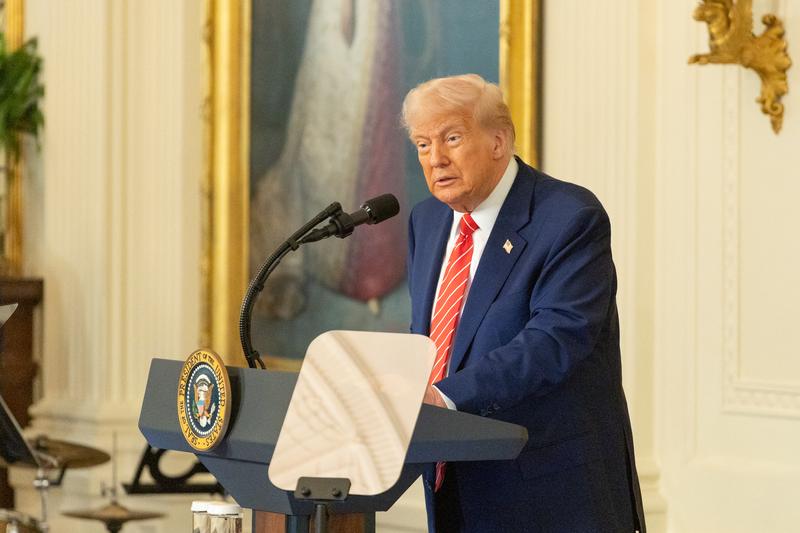
不确定性结束,将为欧股带来舒缓式反弹,汽车、能源、奢侈品等行业将成为最大受益者。但随着细节和行业关 税谈判持续,欧股未来几周料将波动。 据央视新闻,当地时间27日,美国总统特朗普表示,美国已与欧盟达成15%税率的关税协议。特朗普表示,欧盟 将比此前增加对美国投资6000亿美元,欧盟将购买美国军事装备,并将购买价值7500亿美元的美国能源产品。欧 盟委员会主席冯德莱恩表示,欧盟与美国双方同意实行统一的15%关税税率,包括汽车在内的各类商品将适用该 关税标准。冯德莱恩称,这些与美国的贸易协议将为市场带来稳定性。 消息宣布后,28日亚太交易时段,欧股和德国股票期货均上涨,欧元兑美元小幅走高。分析师认为,不确定性结 束,将为欧股带来舒缓式反弹,汽车、能源、奢侈品等行业将成为最大受益者。但分析师们也警示,反弹可能仅 是短暂的,且随着细节和行业关税谈判持续,欧股未来几周料将波动。 汽车、能源、奢侈品等行业将受益 瑞士私人银行CitéGestion的投资策略主管帕拉萨德(John Plassard)称,"贸易协定足以释放股市最需要的东西: 可见性。此前的关税升级风险,接下来已经不在考虑范围内,一个重大的宏观疑虑消失了。对投 ...

出海欧洲—2025年荷兰公司注册全指南
Sou Hu Cai Jing· 2025-07-28 04:01
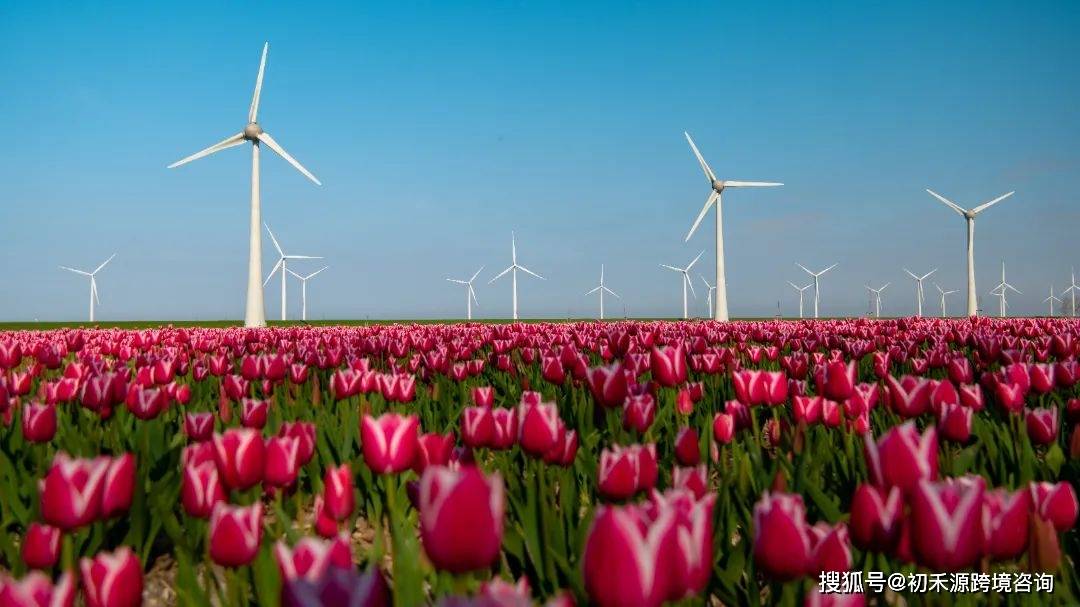
Core Points - The Netherlands is a developed, outward-oriented economy with a favorable investment environment, making it a key destination for Chinese investments in the EU [2] - The country serves as a significant hub for trade and investment, with around 700 Chinese companies operating in various sectors [2] - The article outlines the advantages of registering a company in the Netherlands, including tax benefits, ease of market access, and a friendly business environment [5][6][7] Group 1: Advantages of Registering a Company in the Netherlands - **Geographical Advantage**: The Netherlands is strategically located as a gateway to Europe, facilitating access to a market of nearly 500 million consumers [4][6] - **Tax Incentives**: The Dutch government offers a rich tax incentive system, including R&D tax credits and competitive corporate tax rates [5] - **Business Environment**: The political stability and favorable policies for foreign investors contribute to a conducive business environment [7] Group 2: Company Types and Registration Requirements - **Common Company Types**: The most common types of companies are the Limited Liability Company (BV) and the Public Limited Company (NV), each with specific ownership and management requirements [10] - **Registration Requirements**: Key requirements include a unique company name, at least one shareholder and director, a minimum registered capital of 1 Euro, and a business address in the Netherlands [13] - **Required Documents**: Essential documents for registration include an information collection form, power of attorney, and identification proofs of shareholders and directors [14][15] Group 3: Registration Process and Taxation - **Registration Process**: The process involves several steps, including name approval, document verification, and tax registration, typically completed within a few weeks [18] - **Tax Filing**: Companies must file VAT returns quarterly and corporate tax returns within specific deadlines, with the possibility of extensions [19][20] - **Annual Audit**: Companies are required to undergo annual audits if they exceed certain financial thresholds, ensuring compliance with Dutch law [22][23] Group 4: Common Questions about Company Registration - **Foreign Ownership**: There are no restrictions on foreign individuals or companies registering in the Netherlands, allowing full ownership [25] - **Local Presence**: A physical business address in the Netherlands is mandatory for registration, but personal presence is not required [27] - **Local Director Requirement**: For VAT registration, a local director is necessary, although this is not a general requirement for company registration [29]
美欧达成历史性贸协黄金弱势回调延续
Jin Tou Wang· 2025-07-28 02:51
Group 1: International Gold Market - International gold is currently trading around $3,322.09, with a slight decline of 0.12% to $3,332.70 per ounce, having reached a high of $3,338.30 and a low of $3,322.09 [1] - The gold market is showing signs of short-term volatility, with a focus on a potential downward adjustment as it remains under pressure below $3,450 [3] - The daily structure indicates a wide range of fluctuations, with expectations of further declines towards the $3,280-$3,250 support level [3] Group 2: US-EU Trade Agreement - A new trade agreement was reached between US President Trump and EU Commission President von der Leyen, described as one of the largest agreements, aimed at providing "stability" and "predictability" [2] - The agreement includes a 15% tariff on EU products entering the US, effective August 1, and a commitment from the EU to invest $600 billion in US military equipment and $750 billion in energy products [2] - The deal is expected to benefit various sectors, including energy, automotive, and agriculture, while also focusing on the semiconductor industry [2]
美国半导体关税要来了?芯片进口调查结果将在两周内公布
Hua Er Jie Jian Wen· 2025-07-28 00:37
Group 1 - The Trump administration will announce the results of a national security investigation into semiconductor imports within two weeks, raising concerns about potential new tariffs on chips [1] - The investigation, initiated on April 13, focuses on the semiconductor industry and the entire electronic supply chain, potentially laying the groundwork for new tariffs under Section 232 of the Trade Expansion Act of 1962 [1] - Barclays has indicated that the timeline for imposing semiconductor tariffs is becoming clearer, with implementation likely after mid-August and no later than September [1] Group 2 - President Trump stated that many companies will invest in semiconductor manufacturing in the U.S. to avoid the impact of new tariffs, while the European Commission President has found a "better way" to circumvent the upcoming chip tariffs [2] - The U.S. has reached a 15% tariff agreement with the EU, which will increase investments in the U.S. by $600 billion and purchase $750 billion worth of U.S. energy products, while maintaining the current steel and aluminum tariffs [2] - The Trump administration is investigating the national security threat posed by reliance on foreign pharmaceuticals and semiconductor imports, alongside separate investigations into copper and lumber imports [2]
分析师:美欧协议消除市场尾部风险 汽车制造商成大赢家之一
news flash· 2025-07-27 22:31
Group 1 - The recent US-EU trade agreement eliminates a significant tail risk that has been concerning the market, shifting the focus from aggressive rhetoric to actual trade agreements [1] - European automotive manufacturers are identified as major beneficiaries of the agreement, particularly due to the 15% tariff on car imports to the US, similar to the exemptions granted to Japan [1] - Other notable beneficiaries include the US defense industry, given the EU's procurement commitments in this sector, and US energy stocks, especially in light of nearly $1 trillion in upcoming investments [1]
风险偏好抬升 资金流向释放新信号
Zhong Guo Zheng Quan Bao· 2025-07-27 21:07
Market Overview - The market sentiment has significantly improved, driven by major positive developments in the infrastructure sector, leading to substantial gains in various building materials and rare earth-related ETFs [1][2] - The trading volume of broad-based ETFs tracking indices like CSI A500, CSI 300, and STAR Market 50 has been notably high, with CSI A500 ETFs exceeding 120 billion yuan in total trading volume [2] ETF Performance - Several ETFs related to building materials, rare earths, and mining sectors saw significant price increases, with some rare metal-themed ETFs rising over 10% [1] - The Hong Kong securities ETF recorded a weekly trading volume exceeding 100 billion yuan, with its size doubling from 100 billion to 200 billion yuan in just 15 trading days [2] Fund Flows - There has been a clear shift in capital flows, with many credit bond ETFs experiencing net outflows, while equity products, particularly industry-themed ETFs, saw net inflows [3][4] - Notably, the Hong Kong securities ETF had a net inflow of 37.62 billion yuan, indicating a strong preference for equity investments over lower-risk products [3] Sector Insights - The performance of various sectors has shown significant divergence, with metals, non-bank financials, and banks leading in gains, while coal, food and beverage, and real estate sectors lagged [4] - The "anti-involution" policy is expected to enhance competition quality and improve pricing, benefiting midstream manufacturing and upstream raw materials sectors [4][5] Future Outlook - The recovery of domestic demand is anticipated, supported by ongoing infrastructure investments and local government debt initiatives [5][6] - The continuous iteration of AI models and their increasing application penetration are expected to enhance production and operational efficiency, presenting rich investment opportunities in sectors like innovative pharmaceuticals and high-end manufacturing [5][6]
深度 | 国内商品热潮,开始还是尾声?【陈兴团队·财通宏观】
陈兴宏观研究· 2025-07-27 09:57
Group 1 - The current surge in commodity prices is primarily driven by sentiment, supply-side policies, and major infrastructure projects, with a notable "people's desire to rise" mentality emerging as prices hit lows in Q2 [1][4][5] - Supply-side policies aimed at curbing "involution" have been implemented, leading to production limits and price stabilization in industries such as photovoltaics, coal, and pork, which have contributed to price recovery [5][6] - The launch of the Yarlung Tsangpo River Super Hydropower Station, with a total investment of 1.2 trillion yuan and a capacity of 60 million kilowatts, has acted as a catalyst for the recent price increases in the commodity market [6][7] Group 2 - The current commodity price increase is more sentiment-driven than based on fundamentals, with domestic futures prices rising while international prices for copper and oil remain relatively stable [2][11] - There is a significant correlation between commodity futures prices and corporate earnings, leading to a "futures-stock resonance" as investors engage in both markets simultaneously [2][12] - The divergence in basis between different commodity categories indicates that some, like polysilicon and coking coal, are more influenced by trader expectations than current fundamentals, while others, like caustic soda and coke, show a greater risk of price correction [2][13] Group 3 - Future price movements may see opportunities for recovery in commodities that have experienced significant declines, such as alumina, soda ash, and industrial silicon, while those with larger price increases may face greater correction risks [3][15][16] - The assessment of future trends should consider the timing of futures contract expirations, the effectiveness of policy implementations, and the fundamental catalysts for each commodity [3][19] - Without significant improvements in demand, relying solely on supply-side measures to sustain high price levels may not be feasible in the long term [3][19]

中欧领导人关于应对气候变化的联合声明,IFRS发布企业ISSB行业指南应用文件
Xinda Securities· 2025-07-27 01:07
Investment Rating - The report does not specify an explicit investment rating for the industry [2] Core Insights - The joint statement by China and Europe on climate change emphasizes the commitment to sustainable development and global just transition, focusing on the core principles of the UN Framework Convention on Climate Change and the Paris Agreement [3][12] - The report highlights the importance of accelerating global renewable energy deployment and enhancing bilateral cooperation in energy transition and climate adaptation [3][12] - The Asian Climate Risk Regulatory Policy Report by UNEP FI underscores Asia's critical role in global climate change mitigation and adaptation, with 60% of global greenhouse gas emissions originating from the region [4][21] ESG Financial Products Tracking - As of July 26, 2025, China has issued 3,632 ESG bonds with a total outstanding amount of 5.61 trillion RMB, where green bonds account for 61.99% of the total [5][23] - The market has 908 existing ESG products with a total net asset value of 10,218.02 billion RMB, where ESG strategy products represent the largest share at 50.34% [5][33] - There are 1,014 existing ESG bank wealth management products, with pure ESG products making up 54.83% of the total [5][39] Index Tracking - As of July 25, 2025, major ESG indices have shown positive performance, with the WanDe All A Sustainable ESG index increasing by 2.26% and the CSI 300 ESG Leading index rising by 0.96% [7][40] Expert Opinions - The UN Secretary-General stated that the global transition to renewable energy is "irreversible," urging governments to submit comprehensive new climate plans before COP30 [42] - An expert from the National Energy Administration emphasized the need for traditional industries to undergo deep green transformation, particularly in sectors like steel and petrochemicals [15][19]
大宗商品市场震荡分化
Jing Ji Ri Bao· 2025-07-26 22:27
Core Insights - The first half of 2025 saw a "volatile" and "divergent" trend in the international and domestic commodity markets, characterized by mixed performance across different sectors [1][3][8] International Market Overview - The international commodity market exhibited a "weak energy, strong precious metals, differentiated metals, and moderate agricultural products" landscape, driven by macroeconomic slowdown and geopolitical risks [1][2] - Brent crude oil prices fell to around $70 due to increased supply from OPEC+ and other countries, with the World Bank predicting a significant likelihood of declining energy prices in 2025 [1][2] - Gold prices reached record highs due to geopolitical tensions and high global debt, while copper prices rose over 10% due to supply disruptions and demand from the renewable energy sector [1][5] - The correlation between commodity futures and the US dollar index remained high, with limited softening of the dollar impacting market dynamics [1][5] Domestic Market Dynamics - The domestic futures market showed a mixed performance, with the overall commodity index remaining stable by mid-year, despite significant fluctuations [3][4] - Energy and chemical sectors, along with black metals and the renewable energy supply chain, experienced downward price trends, influenced by increased coal production and reduced demand for thermal coal [4][5] - The demand for refined copper surged as major economies engaged in a "copper grabbing" trend, driven by a proactive inventory replenishment cycle [3][5] Sector-Specific Insights - Precious metals like gold and silver saw significant price increases of 24.7% and 24.5%, respectively, while agricultural products showed mixed trends [5][6] - The black metal sector faced a "dual weakness" in supply and demand, with steel prices declining over 15% and iron ore showing stronger performance due to increased consumption [6][7] - The lithium and silicon markets faced oversupply issues, leading to price declines, while the overall market dynamics indicated a need for improved trading strategies and risk management [6][7] Outlook for the Second Half - The second half of 2025 is expected to continue the "volatile" trend, with potential shifts in trade policies and geopolitical situations impacting commodity prices [7][8] - Analysts predict that the oil market may oscillate between surplus and production cuts, while "green metals" like copper are expected to maintain structural bullish trends [7][8] - The market may face supply surplus conditions, with price adjustments providing potential trading opportunities, particularly in copper and iron ore [7][8]
基金研究周报: A股高位震荡,中小盘延续强势(7.21-7.25)
Wind万得· 2025-07-26 22:23
Market Overview - A-shares experienced high volatility last week, with the Shanghai Composite Index briefly surpassing 3600 points before a slight pullback. Major indices posted positive returns, with a notable focus on structural characteristics. The Sci-Tech Innovation 50 Index led with a 4.63% increase, reflecting strong market interest in technology innovation sectors such as artificial intelligence and quantum technology [2] - The Shanghai Composite Index rose by 1.67%, the Shenzhen Index increased by 2.33%, and the ChiNext Index gained 2.76% during the week [2] - Among industry sectors, 87% achieved positive returns, with construction materials, coal, and steel performing particularly well, rising by 8.20%, 7.98%, and 7.67% respectively. Conversely, utilities, telecommunications, and banking sectors showed weakness, declining by 0.27%, 0.77%, and 2.87% respectively [2] Fund Issuance - A total of 35 funds were issued last week, including 23 equity funds, 3 mixed funds, 7 bond funds, and 2 QDII funds, with a total issuance of 27.604 billion units [2][4] Fund Performance - The Wind All Fund Index rose by 1.02% last week, with the ordinary equity fund index increasing by 1.77% and the mixed equity fund index rising by 1.81%. The bond fund index, however, saw a slight decline of 0.10% [3][7] - The performance of various fund categories showed that the ordinary equity fund index and the mixed equity fund index had year-to-date returns of 14.91% and 14.49% respectively, indicating strong performance in the equity space [7] Global Asset Review - Global asset performance showed significant divergence, with developed market equities generally rising due to favorable conditions from anticipated interest rate cuts by the Federal Reserve and positive corporate earnings reports. Emerging markets displayed mixed results, with the Hang Seng Index and Ho Chi Minh Index rebounding strongly, while the German DAX Index faced challenges from high energy costs and weak manufacturing [5] - In the commodities market, coking coal prices surged due to supply constraints, while oil prices faced downward pressure from demand concerns. Natural gas prices plummeted by 11.67% [5] Domestic Bond Market Review - The bond market exhibited a clear "see-saw" effect with the national bond futures index declining by 0.58%. Short-term funding spreads showed little change, while medium to long-term rates remained low [11]