
运动

Search documents
低欲望时代,这五个赛道仍在疯狂卷钱
创业家· 2025-12-17 10:15
Core Insights - The article discusses the decline in sales of Durex, with a 50% drop in 2020 and a 40% industry-wide decline, alongside a 20% decrease in marriage rates, indicating a broader trend of reduced sexual desire in society [2][3]. Group 1: Changing Consumer Behavior - The decline in traditional sexual products is attributed to a "low-desire society," where consumer spending is shifting towards other areas [3]. - The overall e-commerce sales during the 618 shopping festival saw a negative growth of 7%, and the Double Eleven event has not reported results for four consecutive years [3]. Group 2: Emerging Growth Sectors - Five high-growth sectors are identified as alternatives to traditional sexual products: 1. **Pet Consumption Upgrade**: The pet market is projected to reach 302 billion in 2024, with one pet for every three young people [4]. 2. **Endorphin Economy**: An increase of 200 million new sports participants in the last decade, with a surge in outdoor activities and sports brands [8]. 3. **Aromatherapy**: The fragrance market is valued at 850 million USD in 2023, growing at a rate of 10% annually [8]. 4. **Emotional Fast-Moving Consumer Goods (FMCG)**: Products that provide immediate emotional satisfaction, such as colorful small items and emotional flower shops [11][12]. 5. **Self-Rescue Economy**: Health-focused products like probiotic cola and health teas are gaining popularity, reflecting a trend of anxiety rather than health consciousness [16][19]. Group 3: Underlying Consumer Needs - The five growth trends reflect the demands of a low-desire society, focusing on feelings of companionship, control, healing, ritual, and safety, which add extra value to products [20]. Group 4: Strategic Recommendations - For businesses to thrive by 2026, it is crucial to align their development with national strategies, technological trends, globalization perspectives, and user demands [21].



品牌控价维权什么意思?市场控价要及时!(控价分析)
Sou Hu Cai Jing· 2025-12-11 11:01
Core Viewpoint - Brand price control and protection have become essential for companies to maintain market order and brand image in the booming e-commerce environment [1][3]. Group 1: Importance of Brand Price Control - Price control is crucial as it prevents low-price diversion and chaotic sales, which can severely impact brand reputation and sales [3]. - A domestic cosmetics brand experienced a 30% decline in offline foot traffic within six months due to low-price diversion by resellers, leading to many distributors terminating contracts [3]. - The risk of counterfeit products often accompanies low pricing, as seen in a baby product brand that faced severe reputation damage due to substandard counterfeit diapers [3]. Group 2: Strategies for Price Control - The core of brand price control lies in a combination of prevention and remediation [3]. - Prevention involves establishing a comprehensive pricing system, defining pricing ranges for distributors, and signing legally binding price control agreements to deter price diversion from the source [3]. - Remediation requires the use of technology and legal measures, including 24/7 monitoring of e-commerce platforms and social channels, to quickly address price violations [3]. Group 3: Timeliness in Price Control - Timely intervention is critical, as the rapid spread of price diversion information can lead to significant financial losses, exemplified by a sports brand that lost over ten million yuan due to a viral low-price promotion [3]. - Prompt price control not only minimizes economic losses but also signals to the market that the brand values price order, thereby enhancing trust among distributors and consumers [3]. Group 4: Accessibility for Small and Medium Enterprises - Small and medium enterprises need not abandon price control due to cost concerns, as many third-party service providers offer customized solutions at a fraction of the cost of in-house teams [4]. - E-commerce platforms like Taobao and JD.com are improving their price control mechanisms by providing convenient support for brand protection [4]. Group 5: Long-term Commitment to Price Control - Brand price control is not a one-time effort but a long-term battle against market chaos [4]. - In the context of consumer upgrades, a stable pricing system reflects brand strength, as consumers increasingly value brand value and shopping experience [4]. - Integrating price control into daily operations is essential for brands to establish a foothold in competitive markets and achieve long-term development [4].

历史首次!无孩家庭过半,中国人第一次为自己消费?
Sou Hu Cai Jing· 2025-12-09 13:18
Group 1 - The proportion of single-person households increased from 8.30% in 2000 to 25.39% in 2020, while two-person households rose from 17.05% to 29.68%, indicating a shift towards childless families becoming the mainstream, with single populations reaching 240 million [1] - The traditional role of marriage is evolving from a necessity for survival to a financial burden, leading to a complete rewrite of ordinary people's financial logic influenced by income, employment, marriage, and family dynamics [1] - The old wealth paradigms have been disrupted, and new capital opportunities are emerging in the market [1] Group 2 - In 2025, Hangzhou experienced a significant decline in the real estate market, with the once-popular Regal International facing vacancies and landlords willing to accept lower rents and flexible payment options [2][4] - The hourly wage for e-commerce live streamers dropped from 160 yuan to 80 yuan, reflecting a shift in the job market as many graduates compete for these positions [2] Group 3 - The e-commerce penetration rate in China has declined from 27.6% in 2023 to 25%, marking the first continuous drop in the history of Chinese e-commerce [5] - The current economic climate indicates a transition from material consumption to emotional consumption, suggesting potential new opportunities for the real economy [5][6] - The decline in consumer interest in traditional e-commerce is attributed to the saturation of material goods in households, leading to a shift in purchasing behavior [8] Group 4 - The pet market in China is projected to reach 300 billion yuan, with the number of pets surpassing that of children under four years old, indicating a shift in consumer priorities [10] - The rise of emotional consumption is evident in various sectors, including outdoor sports and wellness products, which are gaining popularity among younger consumers [10][12] - The changing social structure, characterized by declining birth and marriage rates, is reshaping consumer behavior towards individual and emotional needs rather than traditional family-oriented spending [13][14] Group 5 - The elderly population in China is expected to exceed 300 million by 2024, leading to an increase in solitary living situations and a growing market for products catering to emotional well-being [15] - The shift from traditional family spending to individual consumption reflects a broader societal change where personal satisfaction takes precedence over collective family needs [15][16] - The evolution of consumer preferences indicates a move towards experiences and emotional fulfillment rather than mere material acquisition, highlighting a maturation of the Chinese consumer market [16][19]

SMCP计划出售控股权;杰尼亚家族第四代上台|二姨看时尚
2 1 Shi Ji Jing Ji Bao Dao· 2025-12-01 02:38
Group 1: SMCP and PUMA Developments - SMCP Group has initiated a process to sell up to 51.2% of its equity, aiming to stabilize its shareholder structure and focus on development strategies [3] - Anta Sports is listed as a potential buyer for PUMA, which has seen its stock price drop nearly 50% over the past year due to various market pressures [4] Group 2: Financial Performance of Luxury Brands - Golden Goose reported a 13% increase in net revenue to €517 million for the first nine months of the fiscal year, with a 21% growth in direct-to-consumer (DTC) sales [5][6] - The adjusted EBITDA for Golden Goose grew by 7% to €173.6 million, with an EBITDA margin of 33.6% [6] Group 3: Market Trends and Consumer Behavior - A report by Bain & Company indicates that global luxury goods spending is expected to reach €1.44 trillion by 2025, remaining stable compared to the previous year [8] - Chinese luxury consumption is projected to shrink by 3%-5% this year, with a shift towards more localized and accessible brands [8] Group 4: Leadership Changes in Luxury Brands - Ermenegildo Zegna Group announced a new leadership structure, with the fourth generation of the Zegna family taking over as co-CEOs [11] Group 5: Investments and Expansions - L'Oréal plans to invest €60 million to upgrade its perfume factory in France, aiming to double its annual production capacity to 200 million bottles [10] - Watsons is preparing for an IPO in Hong Kong and the UK, with a potential fundraising target of $2 billion [15] Group 6: Bankruptcy and Market Challenges - Parfümerie Pieper, Germany's largest family-owned perfume retailer, has filed for self-administration bankruptcy while maintaining normal operations [13] - Estée Lauder is considering selling its Korean skincare brand Dr.Jart+, which is expected to generate $150 million in revenue for 2025, significantly lower than initial expectations [14]
低欲望时代,这五个赛道仍在疯狂卷钱
创业家· 2025-11-29 10:07
Group 1 - The core viewpoint of the article is that the decline in sales of Durex and the overall industry is indicative of a broader societal trend towards lower desires, rather than a complete loss of desire itself [2][3] - The article highlights a significant drop in Durex's sales, with a 50% decrease in 2020 and a 40% decline in the entire industry, alongside a 20% drop in marriage rates [2][3] - It suggests that consumer desires have shifted to new outlets, leading to the emergence of five high-growth sectors [4][8] Group 2 - The first high-growth sector identified is pet consumption, with the market expected to reach 302 billion in 2024, indicating that pet spending has surpassed that of the maternal and infant sector [4][5] - The second sector is the endorphin economy, driven by an increase of 200 million new sports participants in China over the past decade, with a surge in outdoor activities and sports brands [8] - The third sector is aromatherapy, with the fragrance market projected to grow to 850 million USD in 2023, expanding at a rate of 10% annually [8][9] - The fourth sector is emotional fast-moving consumer goods, characterized by products that provide immediate emotional satisfaction and are easy to share [11][12][14] - The fifth sector is the self-rescue economy, reflecting a trend where consumers seek comfort and security through health-oriented products amid rising anxiety levels [16][19] Group 3 - The article concludes that these five growth trends represent the needs of a low-desire society, including companionship, control, healing, ritual, and security, which add extra value to products [20] - It emphasizes the importance of aligning business development with national strategies, technological trends, globalization, and user demands to succeed in the coming years [21]

不完美创业者更受投资人青睐吗?
3 6 Ke· 2025-11-26 04:48
Core Insights - Entrepreneurs displaying certain personal flaws can elicit different responses from investors, impacting investment decisions positively or negatively [1][2] - The study suggests that deficiencies related to low agency, such as insecurity and disorganization, are more likely to attract investors compared to overconfidence and arrogance [1][5] - The traditional view of "playing to strengths" is being challenged, with a growing emphasis on authenticity and acknowledging weaknesses in professional settings [1][12] Group 1: Nature of Personal Flaws - Personal flaws can be categorized into two types: overabundance of agency (e.g., arrogance, control issues) and insufficient agency (e.g., insecurity, lack of organization) [3][4] - Entrepreneurs may intentionally reveal perceived negative traits to appear trustworthy, while others may use self-deprecation as a form of self-promotion [3][4] Group 2: Investor Perception and Decision-Making - Investors often interpret negative signals from entrepreneurs as a double-edged sword; a past failure attributed to bad luck may not deter investment [2][5] - Overconfident entrepreneurs may create a psychological barrier, making it difficult to establish a connection with investors, while those who show vulnerability can foster closer relationships [5][12] Group 3: Research Findings - Research conducted on crowdfunding platforms like Kickstarter revealed that entrepreneurs who disclosed personal flaws related to insufficient agency received more funding than those who did not exhibit such flaws [8][10] - Studies involving participants from Reddit showed that similarity in personal flaws between investors and entrepreneurs positively influenced investment amounts [9][10] Group 4: Implications for Entrepreneurs - Entrepreneurs should strategically choose when and how to present their flaws, particularly to investors who may resonate with their vulnerabilities [12][13] - The findings indicate that revealing a lack of confidence or organization can enhance the likelihood of receiving investment from empathetic investors, while showcasing arrogance can deter potential backers [12][13]

“时尚+美食+运动”,华强北多元消费释放大潜力
Nan Fang Du Shi Bao· 2025-11-20 00:57
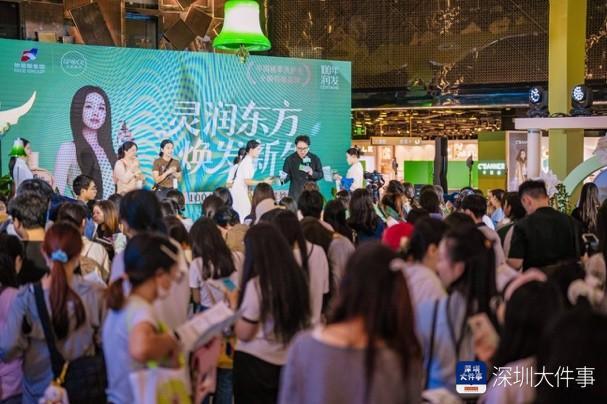
Core Insights - The article highlights the vibrant consumer landscape in Huaqiangbei, driven by diverse consumption experiences and innovative activities that attract talent and stimulate local economic growth [1][8] Group 1: Star Effect and Consumer Engagement - The presence of celebrities, such as actor Chen Duling, has significantly boosted foot traffic and consumer engagement in Huaqiangbei, with a reported 40% year-on-year increase in daily foot traffic during a recent event [3] - The sp@ce Tianhong supermarket experienced an 80% increase in sales, while tea shops saw an average revenue increase of 25% due to heightened consumer interest [3] Group 2: Culinary Experiences and Community Engagement - A recent food festival in the Huaqiangbei community attracted over 3,000 participants, showcasing a collaborative model that involved local businesses offering discounts and special dishes [4] - The event not only stimulated local consumption but also fostered community spirit by delivering meals to elderly residents [4] Group 3: Sports and Active Lifestyle - The popularity of sports venues in Huaqiangbei has surged, with unique activities like pickleball and indoor rock climbing fully booked during peak times, reflecting a growing trend among young consumers [7] - Sales of related products, such as fitness trackers and bone conduction headphones, have increased by 20% since November, indicating a shift towards health and wellness as a social activity [7] Group 4: Overall Consumer Ecosystem - Huaqiangbei has developed a diverse culinary network with over 20 trendy stores and 1,100 dining establishments, making it a popular destination for young people seeking food and social experiences [5][6] - The area has seen a 50% year-on-year increase in daily foot traffic, with Generation Z accounting for over 60% of new visitors, showcasing the area's appeal to younger demographics [7]
透视3年天猫大促榜,我们发现落榜选手们有几个共同特征……
Di Yi Cai Jing· 2025-11-19 08:54
Group 1: Tmall Sales Trends - Tmall's sales rankings during major promotions serve as a window to observe consumer trends, industry changes, and brand performance [1] - Strong brands like Uniqlo have consistently topped the rankings, while emerging players like Songmont have shown significant growth [1] - Brands that have fallen behind exhibit common characteristics related to path dependence and market cycles [1] Group 2: Ralph Lauren and Teenie Weenie - Ralph Lauren and its counterparts, known as the "middle-class three treasures," gained popularity among urban middle-class consumers for their classic designs and comfort [2][4] - However, Ralph Lauren's presence has diminished in recent rankings, indicating a shift in consumer preferences [4] - Teenie Weenie, once seen as a perfect alternative to Ralph Lauren, has also experienced a significant decline in rankings and overall performance [5][7] Group 3: Old Puh Gold's Rise - Old Puh Gold has emerged as a significant player in the jewelry market, achieving remarkable growth despite the decline of traditional brands like Chow Tai Fook [11][12] - The brand's strategy focuses on positioning gold as a luxury item and targeting high-net-worth consumers [12][13] - Old Puh Gold's success is attributed to its selective expansion strategy and strong brand presence in high-end commercial centers [13][15] Group 4: Nike and Fila Competition - Nike, once dominant in the sportswear market, has faced challenges from Fila, which has recently taken the top spot in Tmall's sports category [16][18] - Fila's strategy emphasizes a complete outfit approach, while Nike's focus has shifted towards direct-to-consumer channels [20] - The structural misalignment in strategies has allowed Fila to capitalize on current consumer trends, leading to Nike's decline in rankings [20] Group 5: Outdoor Brands' Decline - The outdoor brands that gained popularity during the pandemic have seen a decline in rankings, highlighting the seasonal and cyclical nature of these products [21][23] - The registration of outdoor-related companies peaked in 2023, but growth has slowed in subsequent years, indicating a market correction [23] - Brands must innovate and deepen community engagement to sustain interest beyond initial trends [23] Group 6: Arc'teryx's Crisis - Arc'teryx experienced a sudden drop in rankings due to a controversial marketing event that contradicted its brand values [25][27] - The incident damaged consumer trust, which is crucial for premium brands that rely on their reputation for quality and expertise [27] - This situation serves as a warning for brands about the importance of aligning with consumer values and maintaining brand integrity [27]




从“消费场”拓展为“社交场”,上海商圈打造“运动+”新场景
Sou Hu Cai Jing· 2025-11-17 13:36
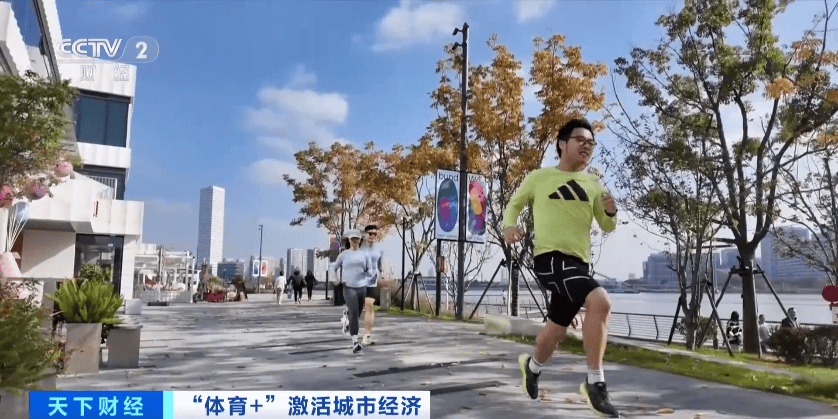
Core Insights - The article highlights the transformation of Shanghai's commercial spaces, particularly along the Xuhui Riverside, into vibrant sports and social venues, enhancing urban consumption and foot traffic [1][9]. Group 1: Development of Sports Venues - Numerous commercial areas in Shanghai are utilizing idle spaces to create sports facilities, such as running tracks and skate parks, providing citizens and tourists with opportunities for exercise and social interaction [1]. - The West Bund Dream Center, previously a cement factory, has been redeveloped into a trendy landmark featuring a 10-kilometer riverside running track that attracts many running enthusiasts [3]. Group 2: Diverse Sports Offerings - The Xuhui Riverside area leverages its scenic views and space to attract flagship stores of outdoor brands, national first stores of skiing brands, and urban experience stores for sports watches, while also incorporating various sports activities like skateboarding, camping, rock climbing, and tennis [5]. - The combination of "sports brand matrix + scenario-based sports spaces" enhances consumer experience, with evening skateboarding club events drawing significant participation [7]. Group 3: Impact on Local Economy - The establishment of sports scenes in the West Bund Dream Center has led to a 30% increase in foot traffic for surrounding dining and coffee businesses, with weekend daily foot traffic exceeding 20,000 visitors [9].
龚正会见露露乐蒙全球首席执行官麦凯文
Di Yi Cai Jing· 2025-11-12 14:25
Group 1 - Shanghai aims to stimulate sports consumption and enhance the sports market, emphasizing the importance of sports consumption in fostering new growth points and promoting the integration of national fitness and health [3] - The city is recognized as a preferred investment destination for foreign businesses and multinational companies, focusing on innovation in sports consumption mechanisms, policies, models, and products [3] - Lululemon is identified as a globally renowned company in the sports sector, having established its presence in Shanghai in 2013 and recognized as a regional headquarters in 2020 [3] Group 2 - Lululemon views China as its second-largest global market, with Shanghai being a crucial business hub, expressing gratitude for the support received from the city [3] - The company plans to deepen its investment in Shanghai, focusing on community development, healthy living, and cultural exchange, while encouraging citizens to engage in physical activities [3] - Shanghai is committed to creating a market-oriented, legal, and international business environment to support the growth of various enterprises [3]

