新能源车

Search documents
滚动更新丨A股三大指数集体低开,房地产、盐湖提锂等板块涨幅居前
Di Yi Cai Jing· 2025-11-18 01:33
| HSTECH | 恒生科技 | Val | 5684.81 c | -72.07 | -1.25% | | --- | --- | --- | --- | --- | --- | | HSI | 恒生指数 | 45 | 26172.27 | -212.01 | -0.80% | 盘面上,厨卫电器、能源金属、房地产、盐湖提锂板块涨幅居前。 09:27 碳酸锂期货主力合约涨超4%,现报96560元/吨。 09:27 房地产板块竞价活跃,中国武夷、ST中田、*ST阳光高开涨停,盈新发展涨超6%,合肥城建、华 夏幸福等跟涨。 盘面上,厨卫电器、能源金属、房地产、盐湖提锂板块涨幅居前,煤炭、贵金属、有机硅概念走低。 09:21 港股开盘丨恒生指数低开0.8% 恒生指数低开0.8%,恒生科技指数跌1.25%。新能源车概念股走低,小鹏汽车跌逾7%;创新药概念股回 调。能源储存、机器人板块走强。 09:25 A股开盘丨三大指数集体低开 沪指低开0.24%,深成指低开0.31%,创业板指低开0.51%。 | 代码 | 名称 | 两日图 | 现价 | 涨跌 | 涨跌幅 | | --- | --- | --- | --- | ...


美股三大指数收跌,多数中概股下跌,逸仙电商跌近21%,小鹏跌10%
2 1 Shi Ji Jing Ji Bao Dao· 2025-11-17 23:49
Core Points - The U.S. stock market experienced a significant decline, with the Dow Jones dropping over 500 points, marking a decrease of approximately 1.2% [1] - The S&P 500 index has fallen over 2% in November, ending a six-month streak of gains, and is down more than 3% from its historical peak [1] - The Nasdaq index has also retreated over 5% from its record high [1] Group 1: Major Tech Stocks - Most large tech stocks saw declines, with Micron Technology down nearly 2%, Nvidia and Apple dropping over 1.8%, and Meta down 1.2% [2] - Tesla was an exception, rising by 1.1%, while Google saw a notable increase, initially rising 6% to reach a historical high before closing with a gain of just over 3% [2] - Berkshire Hathaway, led by Warren Buffett, established a position in Google during the third quarter [2] Group 2: Chinese Concept Stocks - The Nasdaq Golden Dragon China Index fell by 1.21%, with notable declines in several Chinese concept stocks: Yatsen E-commerce down nearly 21%, Manbang down over 11%, and XPeng down over 10% [2] - Other Chinese stocks like Li Auto and NIO also experienced declines, while Alibaba saw a gain of 2.5% [2] Group 3: Commodities and Cryptocurrencies - The FTSE China A50 index futures fell by 0.52%, and precious metals, including gold and silver, saw significant declines, with gold dropping nearly 2% to a low of $4006.80 per ounce [3] - Bitcoin experienced a sharp decline, falling below $92,000, while Ethereum also dropped below $3,000, leading to over 160,000 liquidations worth $851 million in the past 24 hours [3] - The tightening liquidity of the U.S. dollar and changing Federal Reserve policy expectations are cited as key factors impacting high-volatility assets like cryptocurrencies [3][4]



美股盘前明星科技股走强
Di Yi Cai Jing Zi Xun· 2025-11-17 11:27
Group 1 - Major tech stocks showed strength before the market opened on November 17, with Google rising over 5% following Warren Buffett's first investment in the company [1] - Tesla increased by over 1%, while Nvidia and Microsoft also saw gains [1] - Alibaba, a prominent Chinese concept stock, rose by more than 3% [1] Group 2 - Cryptocurrency and storage-related stocks experienced pre-market gains, with IREN up nearly 4% and Canaan Creative rising over 3% [1] - Other notable increases included CIFR, WULF, BITF, and Circle, all rising over 2% [1] - Micron Technology and SanDisk both saw increases of over 2%, while Western Digital rose nearly 2% [1]

视频丨明年新能源车购置税有调整 抢末班“优惠”还是等技术红利?
Yang Shi Xin Wen· 2025-11-17 08:32
Group 1 - The Ministry of Industry and Information Technology and other departments announced a reduction in vehicle purchase tax for new energy vehicles (NEVs) from 2026 to 2027, with specific technical requirements for pure electric vehicles, including a minimum range of 100 kilometers under certain conditions [1] - Consumers are rushing to purchase compliant NEVs before the end of the year to avoid paying the vehicle purchase tax, which can save up to 30,000 yuan, while the tax benefit will be halved starting January 1, 2024, allowing for a maximum saving of 15,000 yuan [1][6] - The policy aims to encourage automakers to produce higher-quality vehicles, transitioning from broad tax exemptions to targeted incentives that promote technological advancement and discourage low-standard vehicles [1] Group 2 - Major automakers are preparing to launch upgraded models next year, featuring either doubled range or significantly reduced energy consumption, indicating a shift towards better product offerings in the market [6] - For consumers who do not urgently need a vehicle, waiting until next year may be beneficial, as the potential increase in purchase tax could be offset by the availability of technologically advanced vehicles with improved safety and efficiency [8]
华兴证券:首予零跑汽车“买入”评级 持续看好新车型催化下销量盈利双增长
Zhi Tong Cai Jing· 2025-11-17 07:30
Core Viewpoint - Huaxing Securities is optimistic about Leap Motor (09863) due to its rapid sales growth driven by high cost-performance models, expecting the company to reach a profitability inflection point by 2025. The company effectively controls costs through a fully self-developed technology platform and is rapidly expanding into overseas markets with the help of its partnership with Stellantis, showcasing significant advantages in international expansion. A "Buy" rating is initiated with a target price of HKD 71.80 [1] Group 1: Sales Growth and Profitability - Leap Motor has seen rapid sales growth, with October sales reaching a historical high of 70,289 units (up 84% year-on-year) and cumulative sales for the first ten months at 465,805 units (up 125% year-on-year). The company is positioned as a mass-market brand in the 100,000-200,000 RMB price range, with new models like C10 and C16 expected to further boost sales [1] - The release of models D19 and Lafa will enrich Leap Motor's product matrix and support continued sales growth. The company is anticipated to achieve profitability by 2025, becoming the second new force automaker to achieve full-year profitability [1] Group 2: Overseas Market Development - Leap Motor is expanding its overseas market presence through a deep partnership with Stellantis, with plans to launch a new model annually from 2025 to 2027. Since entering the European market in September 2024, the company has experienced rapid growth, with Q2 2025 European sales increasing by 65.8% to 3,196 units, totaling 5,124 units in the first half of the year, ranking fifth among all domestic brands [2] - The collaboration with Stellantis provides Leap Motor with significant advantages in overseas distribution and manufacturing, allowing for quicker penetration into international markets compared to other Chinese brands [2] Group 3: Self-Developed Technology Capabilities - Leap Motor possesses self-research and manufacturing capabilities across six core areas: vehicle architecture, electronic and electrical architecture, batteries, electric drives, intelligent cabins, and intelligent driving, which account for 65% of the vehicle manufacturing cost. The LEAP series technology architecture has undergone multiple upgrades since its introduction in 2019 [3] - The fully self-developed model allows Leap Motor to maximize the allocation of fixed asset costs and enhance manufacturing scale efficiency, thereby reducing overall manufacturing costs and strengthening its core technological competitiveness [3] Group 4: Investment Recommendations - A "Buy" rating is initiated with a target price of HKD 71.80. Sales projections for Leap Motor from 2025 to 2027 are 578,528, 750,215, and 837,500 units, corresponding to revenues of RMB 62.9 billion, RMB 78.02 billion, and RMB 103.73 billion, respectively. The expected gross margins for the same period are 14.5%, 15.7%, and 16.8% [4] - The company is expected to maintain an operating expense ratio of approximately 15% to achieve efficient operational performance, with adjusted net profits projected at RMB 1.61 billion, RMB 3.24 billion, and RMB 6.58 billion for the respective years [4] - The valuation is based on a 1.2 times price-to-sales ratio for 2026, which is above the average of comparable companies at 1.1 times [4]

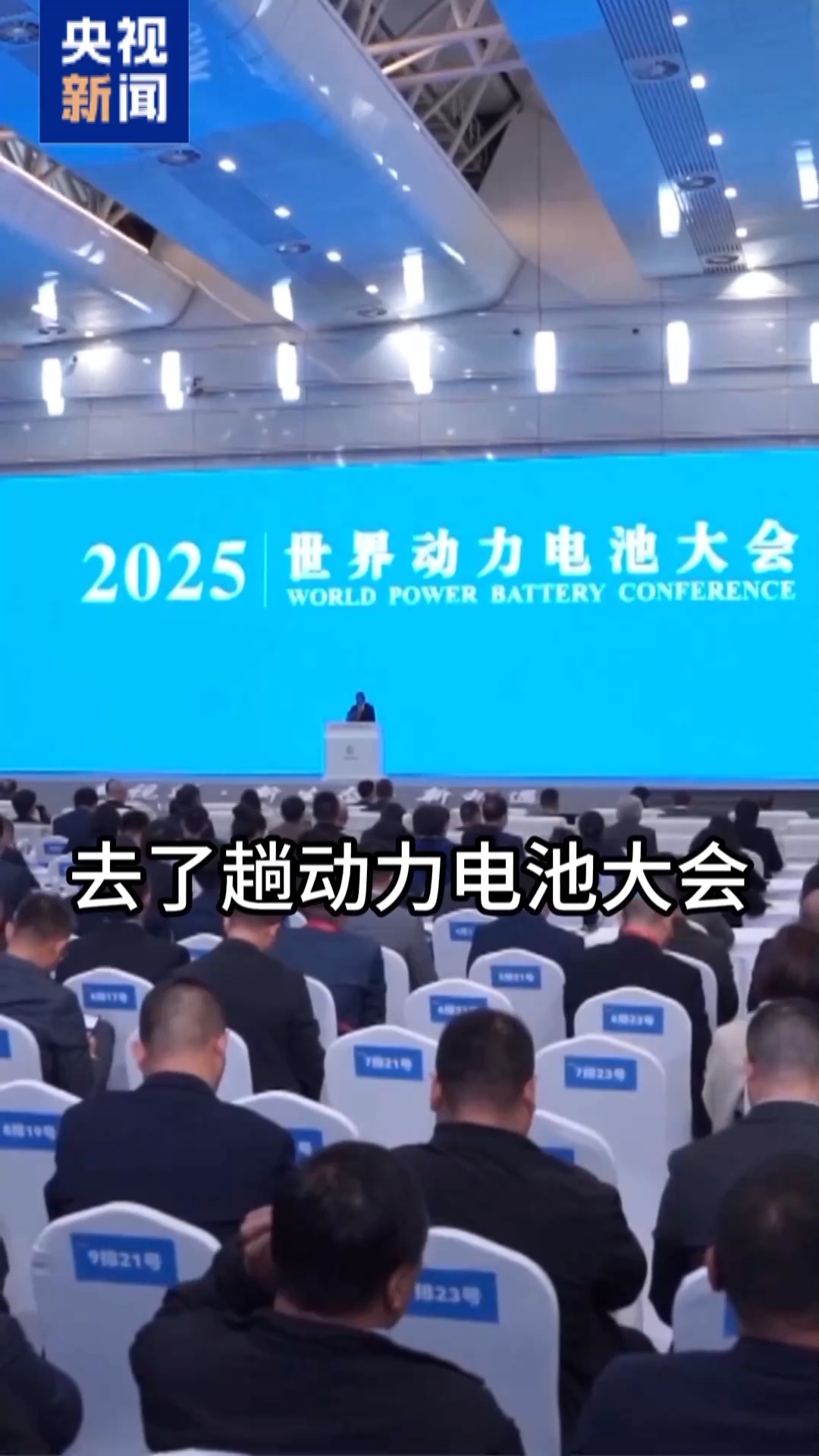
能源政策发不停,储能锂电爆价又爆量,是景气大周期的模样 | 投研报告
Zhong Guo Neng Yuan Wang· 2025-11-17 02:35
Core Viewpoint - The energy sector is experiencing significant policy support, with recent guidelines from the National Development and Reform Commission and the National Energy Administration aimed at promoting high-quality development in the renewable energy industry during the 14th Five-Year Plan period. This is expected to create abundant investment opportunities in clean energy sources and new grid construction over the next 3-5 years, driven by global electricity shortages and carbon reduction demands [2]. Energy Storage - The guidelines emphasize the necessity of a capacity electricity price mechanism. Inner Mongolia has set an independent energy storage discharge compensation standard of 0.28 yuan/kWh for 2026, which is better than expected. Haibo has signed a three-year long-term contract for 200GWh with Ningde, indicating strong demand for energy storage and optimistic expectations for battery supply tightness [2][5]. Lithium Battery - According to Xinluo Lithium Battery, global energy storage battery shipments reached 428GWh in the first three quarters of 2025, representing a year-on-year increase of 90.7%. In November, there is a significant supply shortage of VC, leading to a sharp price increase. Leading electrolyte companies have only 10-15 days of VC inventory, which is far below the safety stock level. The high production enthusiasm and price increase expectations continue to support a positive outlook for the entire lithium battery industry chain [1][2]. Wind Power - Inner Mongolia plans to add 150GW of new energy installations over the next five years and has initiated a competitive bidding process for 15GW of wind power in 2025. There is optimism for sustained high levels of wind power bidding in the short term and strong demand in the medium to long term. The pricing policies for offshore wind in Zhejiang and Jiangsu show clear policy support, suggesting that domestic offshore wind is likely to see significant growth during the 14th Five-Year Plan period [3]. Photovoltaics - Perovskite technology is receiving policy support and industrial progress, with ongoing recommendations to focus on equipment and core materials. CSIQ (the parent company of Aters) has released a strong guidance for 2026 energy storage shipment volumes. There is a continued recommendation for bottom-fishing in the photovoltaic sector, including leaders in energy storage, glass, low-cost silicon materials, high-efficiency batteries/modules, and new technologies like perovskite and tandem cells [3]. Hydrogen Energy and Fuel Cells - The national level has continuously issued strategic policy documents to promote the maturity of the green hydrogen and ammonia industry from multiple dimensions, including system positioning and development pathways. The demand for solid oxide fuel cells (SOFC) is strongly determined, and the industry development trend is clear, showing resilience against short-term fluctuations [3]. Electric Grid - The State Grid has opened bidding for three batches of metering equipment, with new standards leading to price increases of over 30% for A-D grade meters, which is expected to significantly enhance profit margins for leading companies. The sixth round of bidding for transmission and transformation projects by the State Grid in 2025 maintains a high volume [4]. New Energy Vehicles - The automotive market entered a negative growth phase in October due to the continuous decline of local subsidies and high base figures from the same period last year. The penetration rate continues to rise, validating the impact of the reduction in purchase tax exemptions. It is expected that Q4 market sales will remain flat year-on-year, with the penetration rate continuing to break new highs, but closer observation of demand in Q1 2026 is necessary [4]. Important Industry Events - The Ministry of Industry and Information Technology has included perovskite in the "Frontier Materials Pilot Platform." Inner Mongolia has clarified the independent energy storage compensation standard for 2026 at 0.28 yuan/kWh. The region has also initiated competitive bidding for 15GW of wind power projects in 2025. Longi Green Energy has acquired Suzhou Jingkong Energy to enter the energy storage industry, and Goldwind Technology has opened a solution factory in South Africa. The State Grid has opened bidding for metering equipment and announced the sixth round of bidding for transmission and transformation projects [5].
行业比较周跟踪:A股估值及行业中观景气跟踪周报-20251116
Shenwan Hongyuan Securities· 2025-11-16 09:25
Valuation Summary - The overall valuation of A-shares as of November 14, 2025, shows the CSI All Share (excluding ST) with a PE of 21.5x and a PB of 1.8x, positioned at the 80th and 41st historical percentiles respectively [2][3] - The Shanghai 50 Index has a PE of 12.0x and a PB of 1.3x, at the 65th and 45th historical percentiles [2][3] - The ChiNext Index has a PE of 40.3x and a PB of 5.2x, at the 33rd and 58th historical percentiles [2][3] - The valuation of the real estate, retail, chemical pharmaceuticals, and IT services sectors is above the 85th historical percentile for PE [2][3] - The semiconductor and communication sectors have PB valuations above the 85th historical percentile [2][3] Industry Tracking New Energy - The photovoltaic industry chain's spot prices continue to decline, with polysilicon futures prices rising by 1.5% while the average price of silicon wafers dropped by 3.3% [2][3] - Lithium hexafluorophosphate prices surged by 13.8%, with a year-to-date increase exceeding 140% [2][3] - In October 2025, the retail sales of new energy vehicles grew by 7.3% year-on-year, but the growth rate decreased by 8.4 percentage points compared to September [2][3] Financial Sector - The non-performing loan ratio for commercial banks in Q3 2025 was 1.52%, a slight increase of 2.5 basis points from Q2 [2][3] - The net interest margin remained stable at 1.42%, indicating manageable overall risk despite asset quality differentiation across different business lines [2][3] Real Estate Chain - The sales area of commercial housing from January to October 2025 decreased by 6.8% year-on-year, with a widening decline compared to the previous nine months [2][3] - Real estate development investment completed from January to October 2025 fell by 14.7% year-on-year, with the decline rate also expanding [2][3] Consumer Sector - The average price of live pigs dropped by 1.5%, while the wholesale price of pork decreased by 0.9% [2][3] - Retail sales from January to October 2025 grew by 4.3% year-on-year, with a slight decline in growth rate compared to the previous nine months [2][3] Midstream Manufacturing - Manufacturing investment from January to October 2025 increased by 2.7% year-on-year, while narrow infrastructure investment declined by 0.1% [2][3] - Excavator sales in October 2025 grew by 7.8% year-on-year, with domestic sales increasing by 2.4% [2][3] Cyclical Industries - Brent crude oil futures closed at $64.24 per barrel, reflecting a 0.8% increase [2][3] - The price of thermal coal rose by 2.1% to 834 RMB per ton, driven by increased demand due to colder weather [2][3]
电力设备与新能源行业11月第3周周报:10月新能源汽车市占率首次过半,光伏“反内卷”稳步推进-20251116
Bank of China Securities· 2025-11-16 09:22
Investment Rating - The report maintains an "Outperform" rating for the electric equipment and new energy industry [1]. Core Insights - In October, the market share of new energy vehicles (NEVs) exceeded 50% for the first time, with a projected high growth in domestic NEV sales expected to continue into 2025, driving demand for batteries and materials [1][2]. - The price of lithium hexafluorophosphate continues to rise, indicating potential recovery in profitability for related companies in the power battery supply chain [1]. - The photovoltaic (PV) sector is focused on a "reverse involution" strategy, with future component pricing dependent on terminal installation demand and profitability of PV power plants [1][2]. - Wind power demand in China is expected to grow steadily, with recommendations to focus on wind turbine and offshore wind sectors [1]. - Energy storage remains in a high-demand phase, with prices for energy storage cells and integration still on the rise [1]. - Hydrogen energy is anticipated to see increased demand for green hydrogen, with a focus on downstream applications and the evolving relationship between green electricity, hydrogen, and green fuels [1]. - Nuclear fusion is highlighted as a long-term energy development direction, with recommendations to monitor core suppliers in this sector [1]. Summary by Sections New Energy Vehicles - In October, NEV sales reached 1.715 million units, a year-on-year increase of 20%, marking a market share surpassing 50% for the first time [2][24]. - Cumulative domestic power battery installation from January to October reached 578.0 GWh, a year-on-year increase of 42.4% [2][24]. Photovoltaic Sector - The report emphasizes the importance of maintaining a "reverse involution" strategy, with ongoing discussions about storage policies and their implementation [1][24]. - The price of silicon materials remains stable, with a focus on terminal demand influencing market prices [15][19]. Wind Power - Continuous growth in wind power demand is anticipated, with a focus on wind turbine and offshore wind sectors [1]. Energy Storage - The energy storage sector is experiencing high demand, with ongoing price increases for energy storage cells and integration [1]. Hydrogen Energy - The report suggests that the substitution of electricity with hydrogen will open up demand for green hydrogen, with a focus on enhancing penetration rates of hydrogen-based energy applications [1]. Nuclear Fusion - Nuclear fusion is identified as a future energy development direction, with recommendations to focus on core suppliers in this area [1].
江苏海风加速推进,固态电池长期趋势显著
GOLDEN SUN SECURITIES· 2025-11-16 09:06
Investment Rating - The report maintains an "Overweight" rating for the electric power equipment industry [6] Core Insights - The report highlights significant trends in various sectors of the electric power equipment industry, including solar energy, wind energy, hydrogen, energy storage, and electric vehicles, indicating strong growth potential and investment opportunities [1][2][3][4][5] Summary by Sections 1. Solar Energy - The multi-crystalline silicon market remains stable, with strong price support from component manufacturers. The average transaction price for n-type silicon is 53,200 RMB/ton, unchanged from the previous period [1][15] - The report emphasizes three key areas for investment: supply-side reform leading to price increases, new technology-driven long-term growth opportunities, and industrialization opportunities from perovskite technology [1][16] 2. Wind Energy & Grid - Jiangsu Province is accelerating offshore wind projects, with 1.2GW of sea area usage rights announced, indicating a push towards construction by 2026 [2][17] - The report suggests focusing on companies involved in wind turbine manufacturing, submarine cables, and high-voltage technology [2][19] 3. Hydrogen - The National Pipeline Network plans to build a 290 km hydrogen pipeline, marking a significant step in green energy infrastructure development in China [3][18] - Investment opportunities are highlighted in quality equipment manufacturers and hydrogen compressor companies [3][20] 4. Energy Storage - A strategic cooperation agreement between Haibo Shichuang and CATL for 200GWh of battery supply over three years indicates strong growth in the energy storage sector [4][21] - The report suggests focusing on companies with high growth certainty in large-scale energy storage [4][30] 5. Electric Vehicles - Dongfeng Motor plans to mass-produce high-energy solid-state batteries by September 2026, which will significantly enhance vehicle range and performance [5][31] - The report identifies key players in the solid-state battery sector and suggests monitoring their developments [5][32]



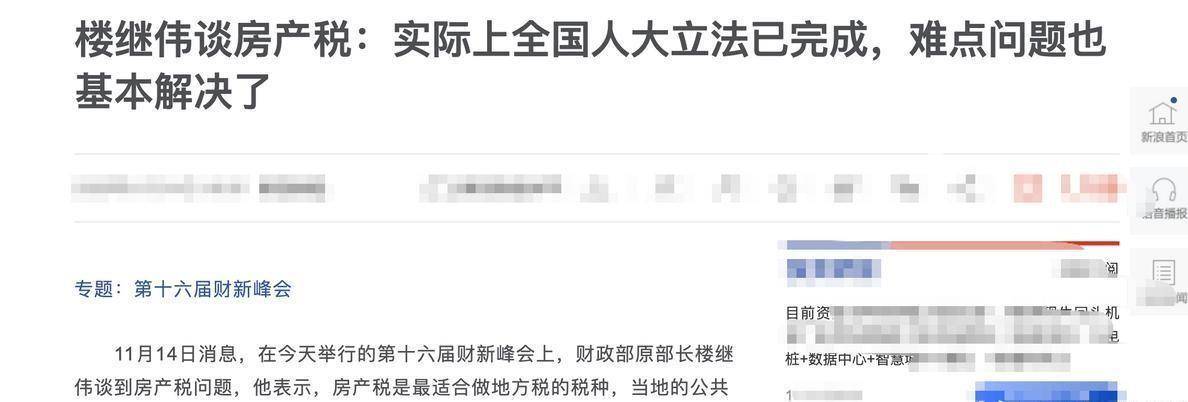
晚间四大利空!中概股全线大跌,黄金下跌2%,小心第三个利空
Sou Hu Cai Jing· 2025-11-15 17:13
Market Overview - The market is experiencing a significant downturn, with the probability of a Federal Reserve rate cut in December dropping from 67% to below 50% in just one month [1][2] - The strong performance of the Nasdaq index contrasts sharply with the decline in Chinese concept stocks, indicating a split market sentiment [1] Impact on Chinese Concept Stocks - Chinese concept stocks are facing severe declines, with Alibaba down nearly 4%, JD down over 4%, and XPeng down more than 5% [1][4] - JD's recent earnings report revealed a 55% year-over-year drop in net profit, exacerbating concerns about the sustainability of growth in the e-commerce sector [4][5] - The competitive landscape in the electric vehicle market has shifted from a "blue ocean" to a "bloody battleground," leading to significant losses for companies like XPeng and NIO [5] Economic and Regulatory Concerns - The potential introduction of a property tax has raised concerns in the market, particularly as the real estate sector has not fully recovered [10] - Ongoing uncertainties regarding U.S.-China audit regulations continue to create a precarious environment for Chinese companies listed in the U.S., with some facing potential delisting [10] Gold Market Dynamics - Gold prices have seen a dramatic drop, with futures falling 2.62% in a single day, attributed to a new tax policy that increased costs for non-investment gold [3][12] - The recent easing of geopolitical tensions has diminished gold's appeal as a safe-haven asset, leading to significant outflows from gold ETFs [12] Investor Sentiment - Investors are divided on whether to buy into the current market downturn or to remain cautious, with some viewing the low valuations of Chinese concept stocks as a buying opportunity while others prefer to shift to defensive sectors [14]