潮玩

Search documents
社服零售行业周报:泡泡玛特新品热度高,老铺黄金再现排队潮-20260125
HUAXI Securities· 2026-01-25 12:58
Investment Rating - Industry rating: Recommended [5] Core Insights - The report highlights the strong sales performance of Pop Mart's new IP series "Star People" and the popularity of the "PUCKY Knock Knock Series" plush blind boxes, indicating a robust demand in the collectible toy market [1][2] - The average price of gold jewelry has surpassed 1500 RMB per gram, leading to a resurgence in consumer interest and long queues at traditional gold shops, particularly during the Spring Festival shopping season [3] - The report suggests focusing on high-growth sectors and service industries that are expected to benefit from policy and technological support, including duty-free shopping, senior tourism, and parenting consumption [4][7] Summary by Sections Industry & Company Dynamics - Pop Mart continues to attract top IP artists, ensuring a steady flow of design inspiration and maintaining a leading position in product development and IP management [2] - The gold jewelry market is experiencing a significant price increase, with many brands reporting prices exceeding 1500 RMB per gram, leading to increased consumer traffic and sales [3] Investment Recommendations - The report recommends attention to sectors with high growth potential, including service consumption driven by new policies and industry demands, with beneficiaries including China Duty Free, Huazhu Hotels, and Pop Mart [4][7] - New consumption trends are expected to maintain demand, with industry leaders like Pop Mart and others positioned for growth despite current low valuations [7] Macro & Industry Data - The report notes a 4.5% increase in the average price of gold, reflecting strong demand for gold as a safe-haven asset amid economic uncertainties [3][61] - In Q3 2025, national gold consumption was reported at 177.53 tons, a year-on-year decrease of 18.56%, with significant variations across different gold product categories [56]

“电子木鱼”火爆全网,泡泡玛特止跌了吗?
Zhong Guo Zheng Quan Bao· 2026-01-25 12:13
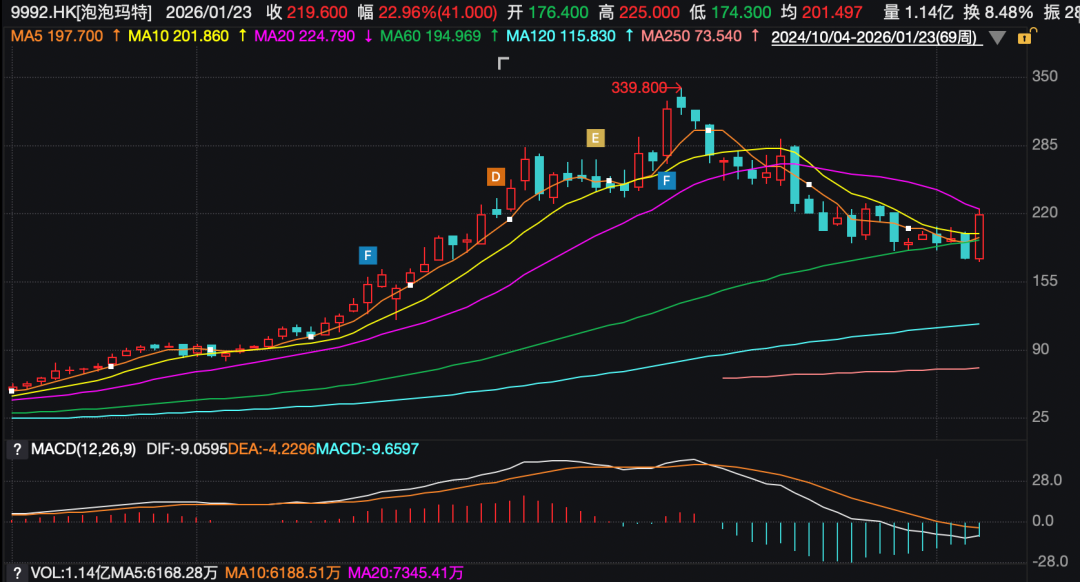
Group 1 - After four consecutive months of decline, Pop Mart experienced a strong rebound, with its stock price rising nearly 23% from January 19 to 23, bringing its total market value back to HKD 294.6 billion [1] - The stock price of Pop Mart reached a historical high of HKD 339.8 per share at the end of August 2025, with a total market value exceeding HKD 400 billion, but subsequently fell nearly 30% in the fourth quarter of 2025 due to concerns over the decline in IP popularity [3] - Institutional funds significantly reduced their holdings in Pop Mart in the fourth quarter of 2025, with the number of shares held by public funds decreasing from 43.82 million at the end of the third quarter to 34.25 million at the end of the fourth quarter, a reduction of 9.57 million shares [4] Group 2 - Despite the reduction in institutional holdings, some funds increased their positions in Pop Mart during the fourth quarter of 2025, such as Ruiyuan Fund and Invesco Great Wall, which added 2.45 million and over 230,000 shares respectively [4] - The founder of Pop Mart, Wang Ning, emphasized that the company is an IP company, and the blind box concept is merely an enhancement, with the core value lying in aesthetics and emotional connection rather than practicality [6] - Investment institutions remain optimistic about the new consumption sector, with expectations that companies like Pop Mart will evolve into IP ecosystem operators, focusing on diversified IP development and expansion into overseas markets by 2026 [8] Group 3 - The Hong Kong stock market is currently at a historically low valuation, providing a safety margin for both non-essential and essential consumer sectors, which are expected to attract investment as economic recovery continues [9] - The sentiment in the market is cautious, with a longer observation period required for transformation companies, which has affected the valuation recovery process [8] - The overall outlook for the new consumption sector is positive, with potential for long-term value release over the next two years as the macroeconomic environment stabilizes [8][9]

耐用消费周报:关注潮玩节日催化,新型烟草日本上新,AI消费多款新品上市-20260125
SINOLINK SECURITIES· 2026-01-25 11:02
Investment Ratings - The report provides a positive outlook on the new tobacco industry, indicating a steady upward trend, while the home furnishing and packaging sectors are stabilizing at the bottom [6][11][15]. Core Insights - The report highlights the marketing strategies around the Spring Festival and Valentine's Day for trendy toys, with companies like Pop Mart and Blok launching limited series to enhance IP value and collectability [7][8]. - In the new tobacco sector, the necessity for domestic development is emphasized, with major players increasing investments in heated tobacco products (HNB) and innovative marketing strategies [11][12]. - The home furnishing market is experiencing a contraction in sales, with significant declines in both new and second-hand property transactions, but there are signs of potential recovery driven by policy support [13][14]. - The packaging industry is expected to benefit from a steady recovery in downstream demand, supported by growth in consumer goods sectors [15][16]. - The pet food industry is facing increased competition, leading to higher sales expense ratios, but listed companies are leveraging their financial advantages for mergers and acquisitions [21]. Summary by Sections Trendy Toys - Focus on marketing strategies for key holidays, with companies like Pop Mart and Blok launching special editions to enhance brand value [7]. - The integration of AI in toys is gaining traction, with companies like Kid King and JD.com developing AI products to meet family needs [8][9]. New Tobacco - The report notes a projected decline in electronic cigarette exports, with a focus on the need for innovation in the domestic market [11]. - Major tobacco companies are increasing their investments in HNB products, indicating a significant growth potential in this segment [12]. Home Furnishing - The report indicates a significant drop in property transactions, with new home sales down 29.23% year-on-year and second-hand home sales down 8.94% [13]. - Despite current challenges, there is optimism for recovery in the home furnishing sector due to supportive policies [14]. Packaging - The packaging sector is expected to see a recovery in demand, with growth in consumer goods contributing positively to the industry [15][16]. - The report highlights price fluctuations in raw materials, particularly in the paper and aluminum sectors, which could impact packaging costs [15]. Pet Food - Increased competition in the pet food industry is leading to higher sales expenses, but established companies are positioned to benefit from consolidation opportunities [21]. - The report suggests focusing on companies with strong brand recognition and those actively pursuing mergers and acquisitions [21].





99元涨到396元!刚上架就秒空
Sou Hu Cai Jing· 2026-01-25 05:12
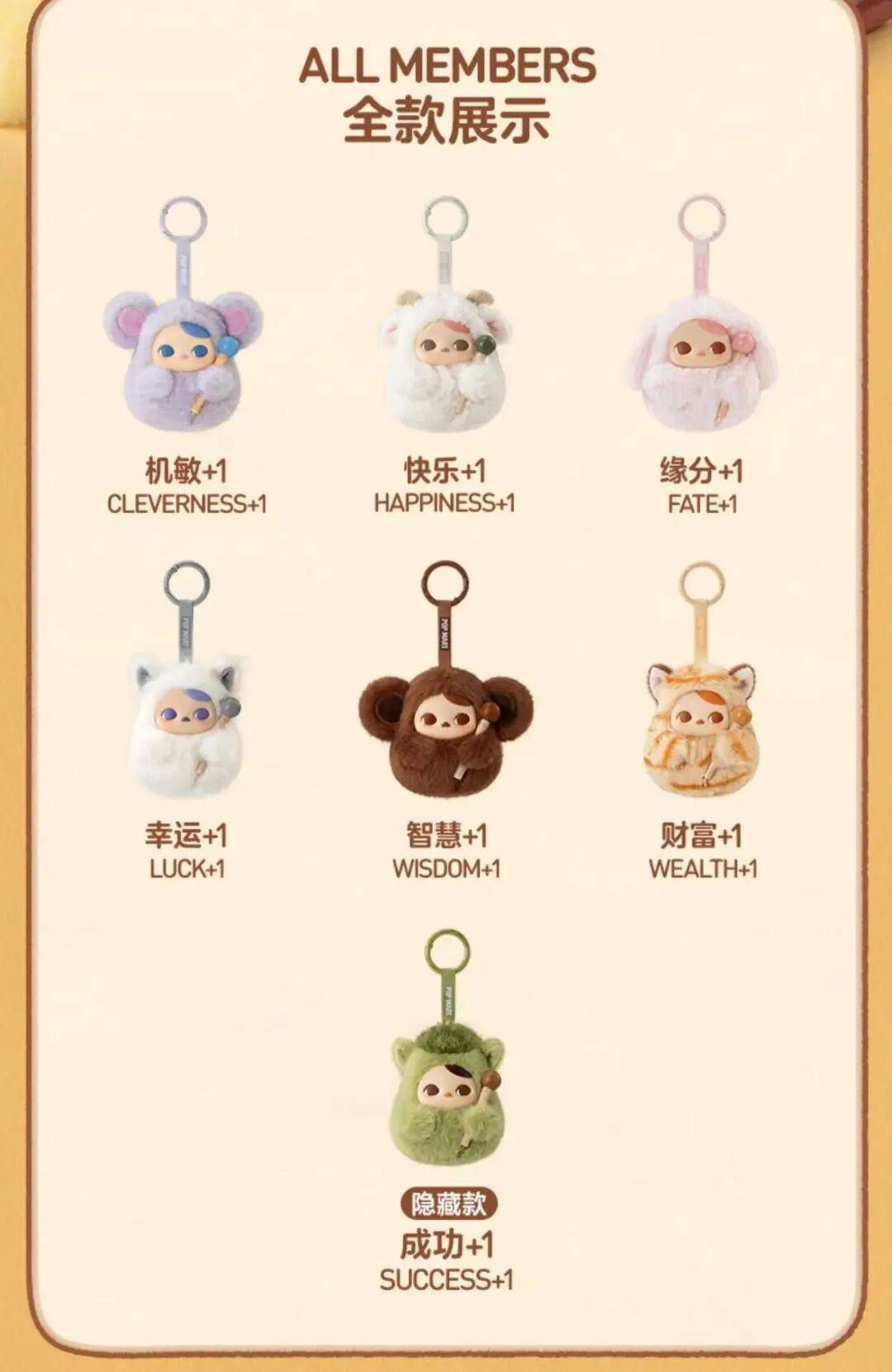
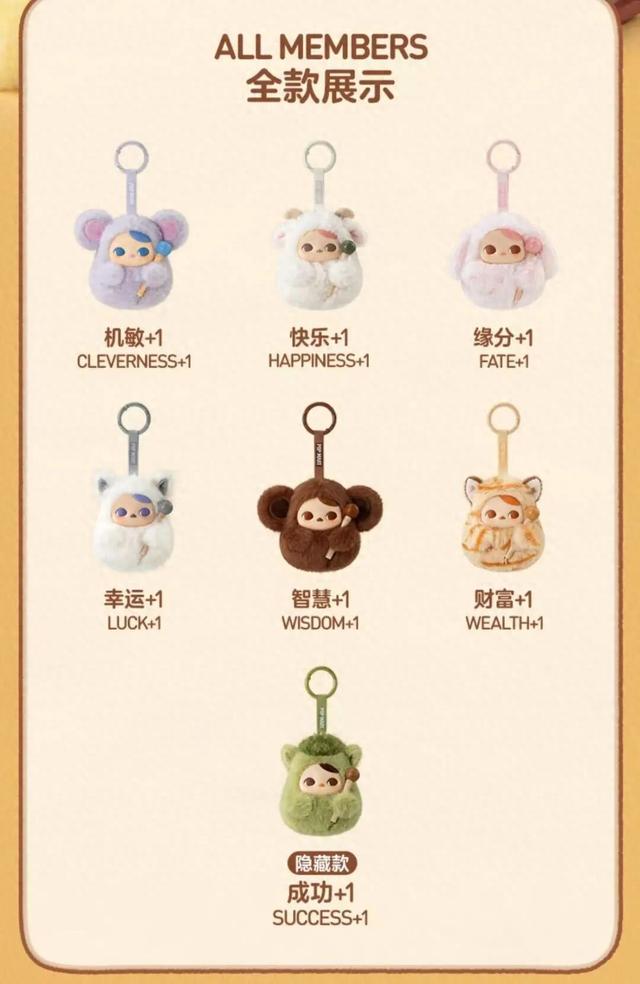
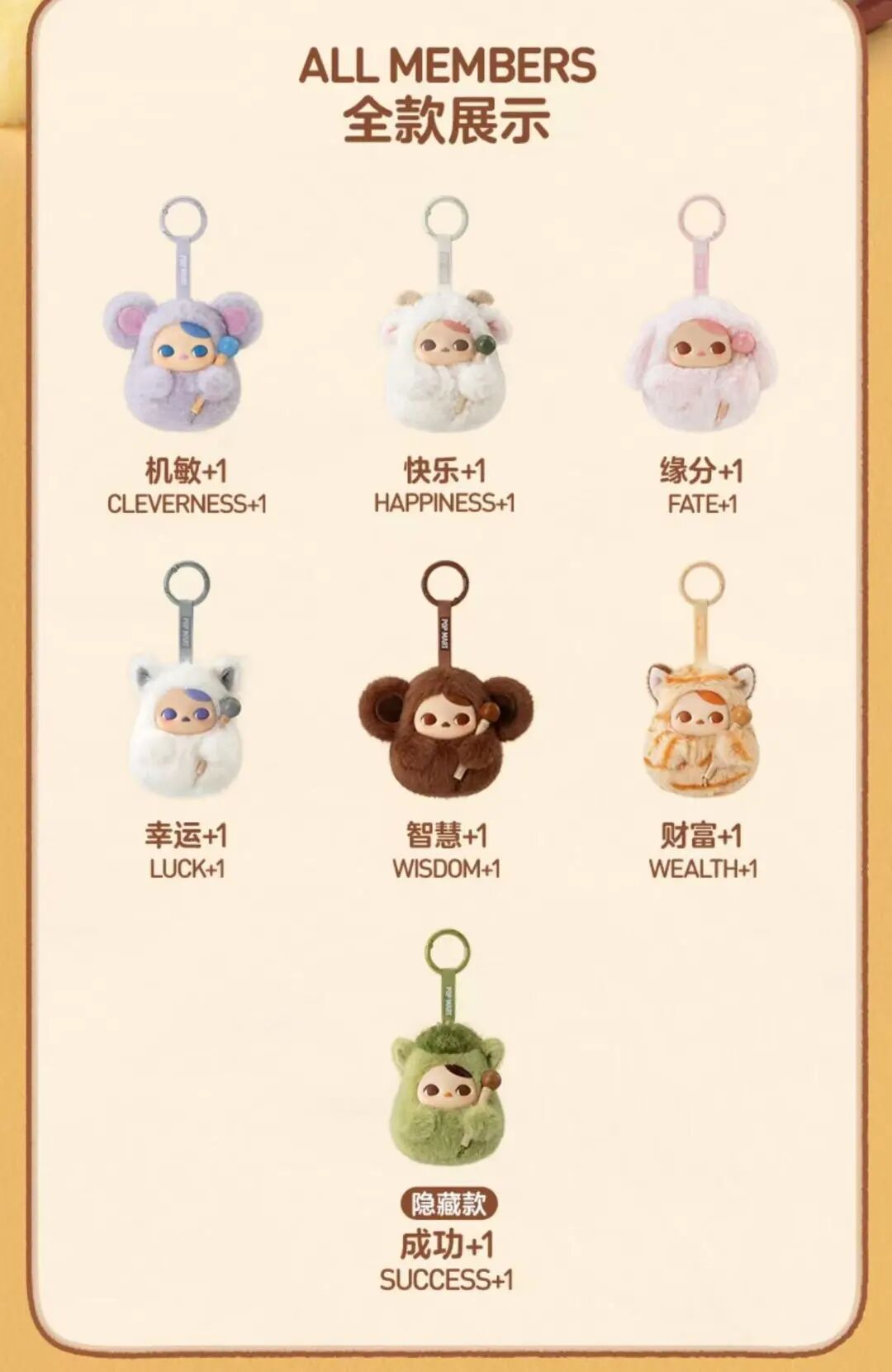
Core Insights - The "PUCKY Knock Knock Series" plush blind box launched by Pop Mart has gained significant popularity on social media due to its unique electronic sound feature, which transforms a traditional wooden fish into a modern stress-relief toy [7][9] - The blind box consists of 6 regular characters and 1 hidden character, priced at 99 yuan per box and 594 yuan for a full set. The initial sales led to a sell-out on the official website and a substantial markup in the resale market [9] - Following the product's success, Pop Mart's stock price surged over 6% on January 22, closing at 206 HKD per share, with a market capitalization reaching 276.4 billion HKD [13][16] Product Details - The "PUCKY Knock Knock Series" includes 6 regular characters and 1 hidden character, with a retail price of 99 yuan per box and 594 yuan for a complete set [9] - The hidden character "Success" saw its market price rise from 99 yuan to 396 yuan, a 300% increase, while the most popular regular character "Wisdom" increased from 99 yuan to 209 yuan, a 100% increase [9] Market Impact - On January 21, Pop Mart announced a share buyback of 500,000 shares for a total of 96.49 million HKD, marking the second buyback within the week, with a cumulative buyback amount nearing 350 million HKD [14] - Morgan Stanley projects that Pop Mart's net profit will reach 12.6 billion RMB by 2025, supported by a strong cash flow of 20 billion RMB at the end of the previous year [14]
“电子木鱼”火了 泡泡玛特股价一周涨超20%
Sou Hu Cai Jing· 2026-01-25 04:50
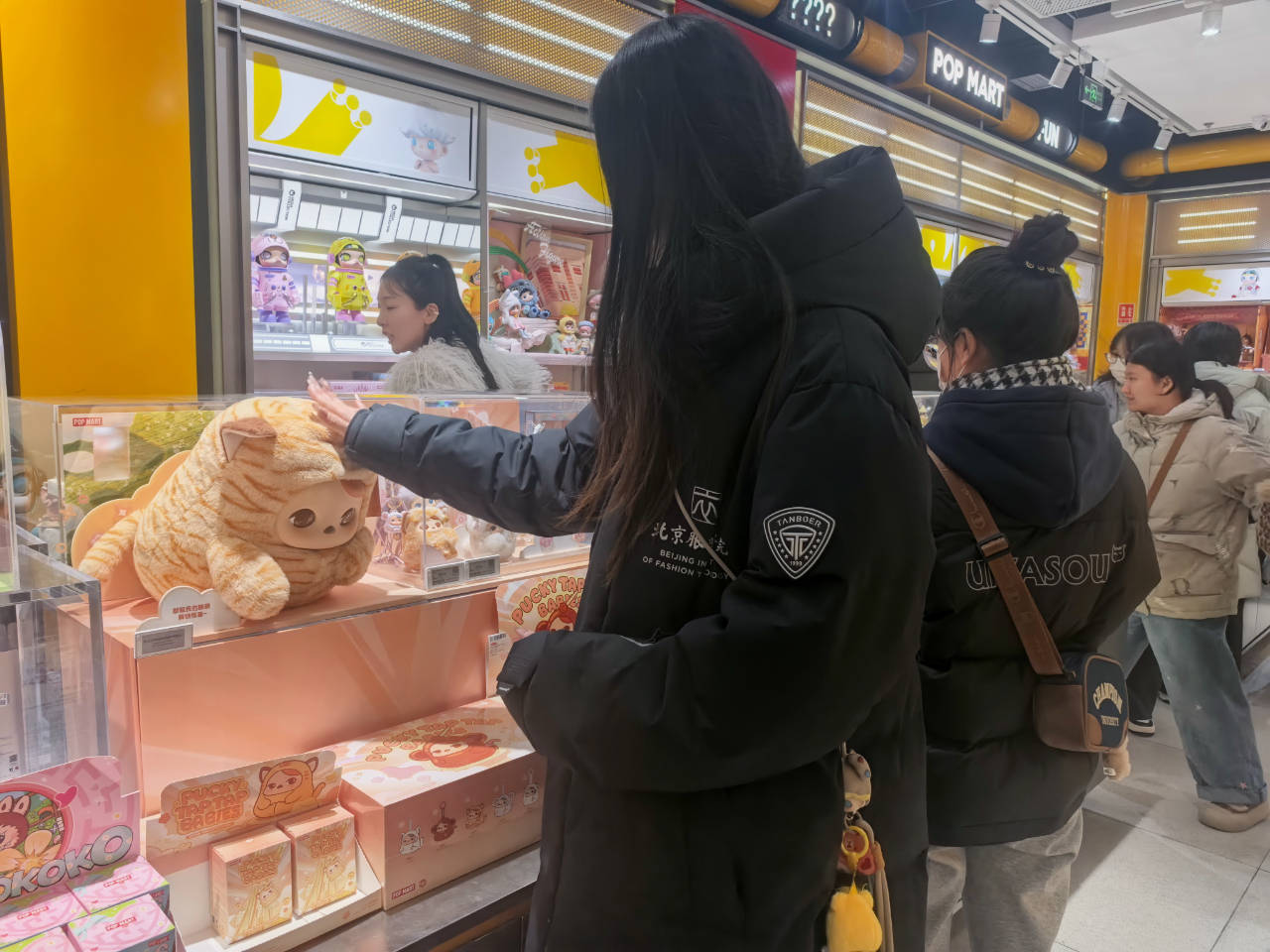
Core Insights - The new PUCKY "Knock Knock" series from Pop Mart has gained significant popularity among young consumers, driven by its interactive features and emotional appeal [1][3][6] Product Launch and Consumer Engagement - The "Knock Knock" series features plush keychains priced at 99 yuan each, equipped with electronic components that produce sounds when tapped, promoting emotional relief [3][6] - The product has gone viral on social media, with discussions on platforms like Xiaohongshu exceeding one million views, and consumers affectionately referring to it as "electronic wooden fish" [3][6] - The interactive nature of the product has attracted a diverse consumer base, including older generations, indicating its broad appeal [6][7] Market Performance and Pricing Trends - The initial market price for the hidden variant "Success +1" surged from 99 yuan to 396 yuan, reflecting high demand, although prices have slightly adjusted since then [6][8] - Pop Mart is actively replenishing stock in response to high consumer interest, with reports of increased foot traffic in stores [6][8] Brand and IP Strategy - Pop Mart's ability to create successful products is evident in its diverse IP portfolio, including the established PUCKY and the rapidly rising "Star People" [7][8] - The company has demonstrated resilience in maintaining the popularity of its IPs, with ongoing product innovation and consumer engagement strategies [7][8] Financial Implications - Despite a recent stock price drop of nearly 50% amid strong revenue growth, Pop Mart has initiated share buybacks totaling approximately 3.5 billion HKD to counteract market volatility [8] - The company's strong IP management and ability to resonate with consumer emotions are seen as key competitive advantages in the market [8]
爆火!这款挂件盲盒登上热搜,网友:挺懂年轻人的
Bei Jing Ri Bao Ke Hu Duan· 2026-01-25 04:01
Core Insights - The recent launch of the "PUCKY Knock Knock Series" plush blind box by Pop Mart has gained significant popularity, featuring an electronic sound device that triggers sound effects when tapped, aimed at emotional relief [1][2] - The initial market response has seen the hidden variant "Success" increase in price from 99 yuan to 396 yuan, a 300% premium, while the most popular regular variant "Wisdom" rose from 99 yuan to 209 yuan, a 100% premium [2] Group 1 - The "PUCKY Knock Knock Series" consists of 6 regular characters and 1 hidden character, priced at 99 yuan per box and 594 yuan for a full set [1] - The series has sold out on Pop Mart's official mini-program, indicating strong demand [2] - Social media reactions highlight that Pop Mart understands the preferences of young consumers [4] Group 2 - As of January 23, Pop Mart's stock price increased by 6.6%, closing at 219.600 HKD per share, with a market capitalization of 294.6 billion HKD [5] - The company has repurchased 500,000 shares for a total of 96.49 million HKD, marking its second buyback within the week, with a cumulative buyback amount nearing 350 million HKD [7] - For the third quarter of 2025, Pop Mart reported a 245% year-on-year increase in overall revenue, with the Chinese market growing by 185% to 190% and online channels seeing a remarkable growth of 300% to 305% [7][8] Group 3 - International investment bank Morgan Stanley projects Pop Mart's net profit to reach 12.6 billion RMB in 2025, with the company holding 20 billion RMB in net cash at the end of the previous year [12]
泡泡玛特新品爆火,刚上架就秒空!99元涨到396元
Shen Zhen Shang Bao· 2026-01-24 15:31
Group 1 - The core product launched by Pop Mart in January is the "PUCKY Knock Knock Series" plush blind box, which features an electronic sound device that triggers sound effects when the head is tapped, aimed at emotional stress relief [6] - The blind box includes 6 regular characters and 1 hidden character, priced at 99 yuan per box and 594 yuan for a full set of 6. The product quickly sold out on the official website, with resale prices skyrocketing [6] - The hidden character "Success" saw its market price rise from 99 yuan to 396 yuan, a 300% increase, while the most popular regular character "Wisdom" increased from 99 yuan to 209 yuan, a 100% increase [6] Group 2 - Following the product's success, Pop Mart's stock price surged over 6% on January 22, closing at 206 HKD per share, with a market capitalization of 276.4 billion HKD [9] - On January 21, Pop Mart announced a share buyback of 500,000 shares for a total of 96.49 million HKD, marking the second buyback within the week, with a cumulative buyback amount nearing 350 million HKD [9] - Morgan Stanley projects that Pop Mart's net profit will reach 12.6 billion RMB by 2025, supported by a net cash flow of 20 billion RMB at the end of last year, indicating strong performance potential for 2025 and Q1 2026 [9]
“审丑”消费崛起 年轻人在“不完美”里找解药
Sou Hu Cai Jing· 2026-01-24 15:14
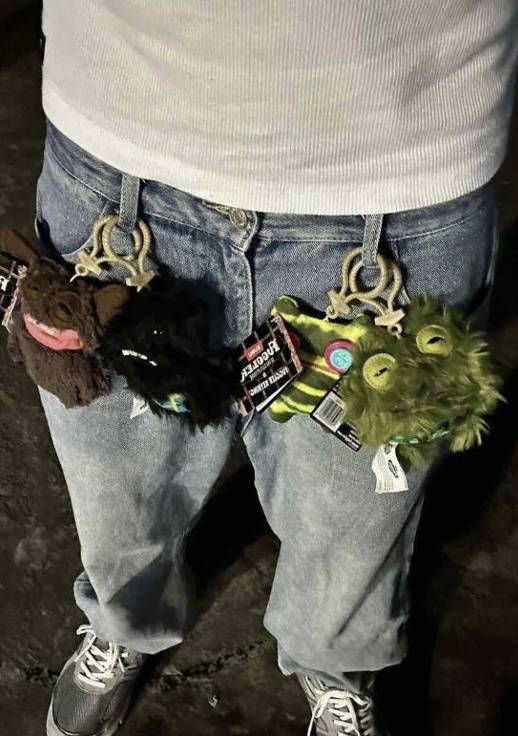
Core Insights - A trend of "ugly" consumption is emerging among young people, who are increasingly favoring unique and quirky items over traditionally beautiful ones [1][3][19] Group 1: Market Trends - The "ugly" consumption trend is exemplified by events like the "Ugly Things Contest" hosted by Taobao, which has garnered over 40 million views and significant social media engagement [1][11] - The popularity of "ugly" items is creating a new social currency among young people, with sharing these items becoming more appealing than showcasing luxury goods [3][8] Group 2: Consumer Behavior - Young consumers are drawn to "ugly" items as a form of self-expression and a way to break conventional aesthetic norms, often preferring them over mainstream trends [5][17] - The emotional value associated with "ugly" items is significant, as they provide comfort and a sense of identity for consumers facing societal pressures [16][19] Group 3: Industry Response - Businesses are capitalizing on this trend by marketing products with descriptors like "ugly" or "super ugly," highlighting their unique appeal [11][12] - Designers are adapting to consumer preferences by revisiting earlier versions of products that align with the "ugly" aesthetic, indicating a shift in market strategy [14][19]
知名IP“Molly”诞生20周年 设计师手稿亮相香港
Xin Lang Cai Jing· 2026-01-24 11:20
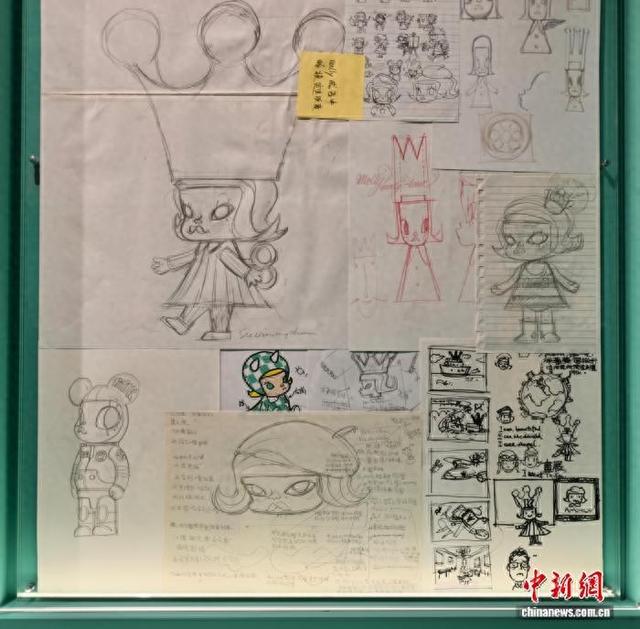
Group 1 - The "Molly" 20th anniversary exhibition opened in Hong Kong on January 24, showcasing the designer Kenny Wong's sketches and original artworks since 2006, along with a special painting created for the exhibition titled "The Unchanging Star" [1][3] - "Molly," created by Hong Kong artist Kenny Wong, is a classic IP under the trendy toy brand Pop Mart, which has gained high popularity globally since its inception in 2006, leading to various character extensions like "Space Molly," "Baby Molly," and "Angry Molly" [3][5] - The exhibition outlines the development trajectory of "Molly," narrating the story of its creation and vividly presenting the entire process of a figurine from concept to realization, while also recreating the artist's studio environment [3][5] Group 2 - Pop Mart has collaborated with the Hong Kong Tourism Board to launch a cultural tourism project, establishing "Molly" art installations at iconic locations such as Victoria Peak and the West Kowloon Cultural District [3] - Kenny Wong expressed joy in celebrating "Molly" with fans and hopes that it will continue to connect and inspire people, embodying the initial sincerity and courage [5] - The exhibition will run until February 10, during which a "Molly Love Painting Activity" will be held, with proceeds donated to art education projects for special needs children, followed by a global tour of the exhibition [5]
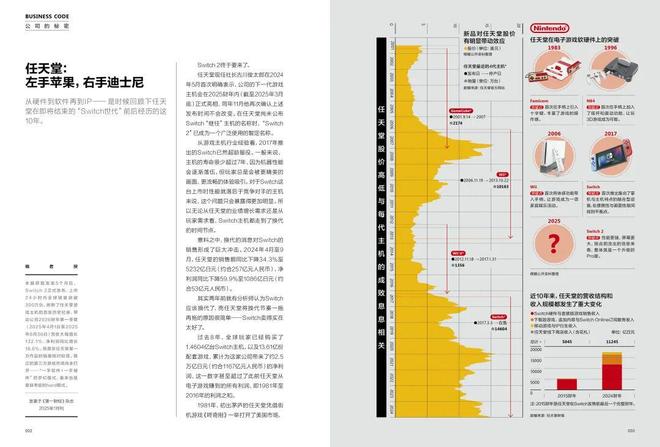
《公司的秘密7》预售 | 一册读懂2025年12家热门公司
Di Yi Cai Jing Zi Xun· 2026-01-24 04:20
Group 1 - The core idea of the article revolves around the upcoming release of the annual research report "Secrets of Companies 7," which aims to provide in-depth analysis of companies that are currently trending in the market, breaking away from the traditional static reporting style [1][2][27]. - The report will focus on 12 key companies that have been significant in 2025, highlighting their financial performance and the underlying factors that contribute to their market presence [1][4][27]. - The research methodology emphasizes extracting overlooked information from financial reports, interviews, and public data, rather than merely reiterating news or amplifying emotions [2][17][26]. Group 2 - Notable companies featured in the report include Cambrian, which briefly surpassed Moutai to become the second-largest by market capitalization in China's A-share market, and Pop Mart, which saw over 400% growth in overseas performance [4][5]. - The report will analyze the implications of successful IPOs in various sectors, such as Bawang Tea and Horizon Robotics, and the challenges faced by companies like Cambrian and Horizon, which are often compared to their international counterparts [4][5][27]. - The report aims to provide a comprehensive understanding of the business landscape, focusing on cash flow, revenue, market share, and the competitive dynamics within industries [17][26].