
农业

Search documents
广发早知道:汇总版-20260123
Guang Fa Qi Huo· 2026-01-23 03:13
每日精选: 每日重点关注品种逻辑解析 金融衍生品: 2026 年 1 月 23 日星期五 广发早知道-汇总版 投资咨询业务资格: 广发期货研究所 电 话:020-88818009 E-Mail:zhangxiaozhen@gf.com.cn 目录: 金融期货: 股指期货、国债期货 贵金属: 黄金、白银、铂、钯 集运欧线 商品期货: 有色金属: 铜、氧化铝、铝、铝合金、锌、锡、镍、不锈钢、碳酸锂、工业硅、多 晶硅 黑色金属: 钢材、铁矿石、焦煤、焦炭、硅铁、锰硅 农产品: 油脂、粕类、玉米、生猪、白糖、棉花、鸡蛋、红枣、苹果 能源化工: PTA、乙二醇、苯乙烯、纯苯、短纤、瓶片、烧碱、PVC、LLDPE、PP、 甲醇、合成橡胶、橡胶、玻璃纯碱 证监许可【2011】1292 号 组长联系信息: 张晓珍(投资咨询资格:Z0003135) 电话:020- 88818009 邮箱:zhangxiaozhen@gf.com.cn 周敏波(投资咨询资格:Z0010559) 电话:020-81868743 邮箱:zhoumingbo@gf.com.cn 朱迪(投资咨询资格:Z0015979) 电话:020-88818008 ...
关注宽松货币政策推进
Hua Tai Qi Huo· 2026-01-23 03:07
宏观日报 | 2026-01-23 关注宽松货币政策推进 中观事件总览 生产行业:1)SpaceX计划于2027年推出其第二代星链系统,旨在提供更高速的网络服务。二代星链系统预计将提 供类似5G的连接服务,整体容量将比一代提高100多倍,吞吐量提升20倍以上。根据现有进展,美国联邦通信委员 会(FCC)本月已批准SpaceX的申请,允许其再部署7500颗第二代星链卫星,以进一步提升其全球互联网服务能 力。 服务行业:1)中国人民银行党委书记、行长潘功胜接受记者采访时表示,2026年,中国人民银行将继续实施好适 度宽松的货币政策,把促进经济稳定增长、物价合理回升作为货币政策的重要考量,发挥增量政策和存量政策集 成效应。总量政策方面,灵活高效运用降准降息等多种货币政策工具,保持流动性充裕,使社会融资规模、货币 供应量增长同经济增长、价格总水平预期目标相匹配。今年降准降息还有一定的空间。2)据央行官网,为保持银 行体系流动性充裕,2026年1月23日,中国人民银行将以固定数量、利率招标、多重价位中标方式开展9000亿元 MLF操作,期限为1年期。这意味着1月MLF续作加量7000亿,净投放规模显著加大。此外,本月两 ...
人民眼·县域经济丨提振消费看县域
Ren Min Ri Bao· 2026-01-23 02:45
Core Insights - The article highlights the rapid growth and transformation of county-level commerce in China, driven by digitalization, instant retail, and the introduction of well-known brands into these markets [1][9][10] Digitalization - Instant retail services have expanded significantly in county areas, with platforms enabling delivery within an hour, enhancing convenience for residents [3][4] - The digitalization of local businesses has improved inventory management and sales tracking, leading to increased revenue and operational efficiency [4][5] - The establishment of digital rural platforms has allowed local farmers to sell their products directly to consumers, increasing their income opportunities [7][8] E-commerce and Live Streaming - Counties like Ningjin are embracing live streaming e-commerce to boost local industries, with training programs helping businesses adapt to digital sales methods [5][6] - The integration of online and offline sales strategies has proven effective, with local businesses seeing increased customer engagement and sales [6][10] Brand Penetration - Well-known brands are increasingly entering county markets, creating a more diverse shopping experience for residents and enhancing local consumption [9][10] - The establishment of commercial complexes in counties has attracted numerous brands, leading to a significant increase in foot traffic and sales [10][12] Standardization - The standardization of products and services in rural areas has improved quality and consumer trust, addressing issues related to counterfeit goods [13][14] - Initiatives to standardize local food production have led to better quality control and increased marketability of local specialties [15][16][17]


金融期货早评-20260123
Nan Hua Qi Huo· 2026-01-23 02:31
Group 1: Macro - The current macro - environment features global geopolitical turmoil reshaping the order, domestic structural differentiation, and precise policy - driven stable growth. The old US - led global system is accelerating towards a fragmented end, with the failure of multilateral order and intensified great - power competition becoming the norm [1]. - The US and Europe's game over Greenland has escalated, with the US threatening tariffs on 8 European countries and the EU responding with counter - lists and freezing trade agreements. Swedish and Danish pension funds have cleared US bonds, impacting the traditional safe - haven status of US bonds [1]. - The US core PCE物价指数 in November 2025 met market expectations, indicating no significant rebound in inflation. The Fed is likely to maintain the current interest rate in the January meeting, and may keep rates stable until Powell's term ends in May 2026 [1]. - Japan's central bank policy is highly concerned. It is expected to maintain the current interest rate and hawkish tone, and Governor Ueda may explain this as an assessment of last year's interest - rate hikes [1]. - China's economy in 2025 ended with a pattern of "strong supply, stable external demand, and weak domestic demand". In 2026, the GDP growth target is expected to be 4.5% - 5%, and expanding domestic demand is the core of stable growth [1]. Group 2: RMB Exchange Rate - Overseas, the strong US economic data boosts market risk appetite and depresses interest - rate cut expectations, but the US dollar index lacks upward momentum due to factors like Nordic pension funds' withdrawal [2]. - Domestically, the central bank's unexpected 900 billion yuan MLF operation and the indication of room for reserve - requirement ratio cuts and interest - rate cuts in the year push up the US dollar - RMB exchange rate in the short term, but the expected high corporate settlement willingness may lead to a subsequent decline [2]. - In the future, the RMB has a solid foundation for trend - based appreciation. Its appreciation space depends on the US dollar index and the central bank's exchange - rate control orientation [2]. - Short - term strategy: Export enterprises can lock in forward settlement at around 7.01, and import enterprises can adopt a rolling purchase strategy at the 6.93 level [3]. Group 3: Stock Index - The previous trading day saw a differentiated performance in the stock index. The large - cap index was weak in the morning and fluctuated in the afternoon, while the small - and medium - cap index fluctuated throughout the day. Except for the Shanghai 50 index, other indices closed up [4]. - Short - term, the index is in an adjustment phase with significant style differentiation, but the medium - and long - term bullish logic remains unchanged. Small - and medium - cap indices are expected to outperform [4]. Group 4: Treasury Bonds - The previous trading day, the bond market was lackluster and oscillated. The trading - oriented funds retreated, and the market is cautious about the short - term bond market space [5]. - The central bank will conduct a 900 billion yuan MLF operation, and attention should be paid to whether the capital interest rate will decline and stabilize at a low level [5]. - Medium - term, hold long positions; short - term, stay on the sidelines [5]. Group 5: Container Shipping to Europe - The container shipping index (Europe line) futures market showed a differentiated trend, with near - month contracts under pressure and far - month contracts relatively resilient [5][6][7]. - Bullish factors for far - month contracts include the uncertainty of the Red Sea route's full resumption and potential rush - shipping demand in March [6]. - Bearish factors include the decline in spot freight rates and the reduced risk of short - term trade frictions [6]. - Strategy: Trend traders can conduct range operations, short near - month contracts at the upper end of the range and go long at the lower end, and be cautious about chasing far - month contracts [7]. Group 6: Commodities - New Energy Lithium Carbonate - The main lithium carbonate futures contract closed up, with increased trading volume and open interest. The spot market showed general performance, with rising prices of lithium ore and lithium salts [10]. - The addition of new registered brands on the GZEX is expected to strengthen the basis of lithium carbonate spot and narrow the spread between contracts [10]. - Before early February, consider going long on dips; before the Spring Festival, reduce positions to avoid risks [10][11]. Industrial Silicon and Polysilicon - The main industrial silicon and polysilicon futures contracts showed different trends. The industrial silicon spot market was general, while the photovoltaic industry chain spot market weakened [11][12][14]. - In April, the rush - export market in the photovoltaic and organic silicon fields is expected to drive up the demand for industrial silicon. For polysilicon, the industry is mainly focused on destocking [14]. - Strategy: Go long on industrial silicon on dips and short polysilicon on rallies. Reduce positions before the Spring Festival [14]. Group 7: Commodities - Non - ferrous Metals Copper - The copper price fluctuated narrowly at a key level. The inventory of copper in major exchanges showed different changes, and the spot market had general trading [16][17]. - The capital inflow into the chemical and agricultural product sectors was obvious, and the non - ferrous sector was weak. The copper price faced resistance at 100,000 yuan [18]. - Strategy: Do not open new positions above 100,000 yuan; hold existing long positions in the 90,000 - 95,000 yuan range, and adjust positions flexibly in the 95,000 - 100,000 yuan range [19]. Aluminum - The aluminum price showed a certain degree of volatility. The supply of aluminum increased, and the demand weakened before the Spring Festival, with inventory accumulation [20][21]. - Short - term, the aluminum price will oscillate; medium - and long - term, it is expected to be strong. Pay attention to dips for entry [21]. Zinc - The zinc price oscillated narrowly during the day and was strong at night. The supply was expected to be loose, and the demand was weak, with inventory accumulation [22]. - Short - term, it will oscillate weakly. Aggressive investors can try short positions lightly, and holders can sell call options [23]. Nickel - Stainless Steel - The nickel - stainless steel market oscillated at night. The supply of nickel ore was affected by the rainy season, and the demand for stainless steel was supported by inventory reduction [24]. - Be cautious about the high - level callback of stainless steel [24]. Tin - The tin price oscillated widely during the day and was strong at night. The supply was affected by the slow resumption in Myanmar and Indonesia, and the demand was in the off - season [25]. - It will maintain high - level wide - range oscillation. Be cautious about entering the market [25]. Lead - The lead price oscillated narrowly. The supply was stimulated by high prices, and the demand lacked new drivers, with inventory changes [25]. - It will oscillate, and selling options to collect premiums is recommended [25]. Group 8: Commodities - Oils and Fats and Feeds Oilseeds - The external soybean market is expected to continue to be weak, while the domestic soybean meal market may stop falling at a low valuation. The potential improvement in Sino - Canadian trade relations may change the pricing of rapeseed meal [27][28]. - Strategy: Reduce short positions in rapeseed meal [28]. Oils and Fats - The domestic oils and fats market showed a short - term weakening trend at night, but the overall upward trend remained. Pay attention to small - scale corrections [28]. - Palm oil is the strongest in the sector, and the spread between rapeseed oil and palm oil may narrow [28][30]. Group 9: Commodities - Energy and Oil and Gas Fuel Oil - The high - sulfur fuel oil supply tension is easing, and the demand is mainly concentrated in the bunkering market. The long - term downward trend remains, but there is short - term support [31][32]. Low - Sulfur Fuel Oil - The supply pressure of low - sulfur fuel oil is increasing, and the demand is not significantly boosted. The crack spread remains low [33]. Asphalt - The asphalt market oscillated. The spot price was stable, and the futures price was affected by geopolitical factors. The supply and demand were weak, and the inventory increased [34]. - Strategy: Pay attention to positive spreads, 03 basis, and crack spread long positions [34]. Group 10: Commodities - Precious Metals Platinum and Palladium - The prices of platinum and palladium rose at night. The market is affected by international political uncertainty, geopolitical conflicts, and challenges to the Fed's independence [36][37]. - In the medium - and long - term, the bull market foundation for platinum and palladium remains. Be vigilant about the opening gap [38]. Gold and Silver - The prices of gold and silver reached new highs. The market is affected by the weakening of the US dollar system and geopolitical risk aversion [38]. - The precious metals market is in a bullish pattern. Gold has support at 4650, and silver has support at 86.5. Consider long positions on dips [39]. Group 11: Commodities - Chemicals Pulp - Offset Paper - The pulp and offset paper futures prices oscillated strongly at night. The pulp price is affected by spot market conditions, port inventory, and European inventory [40]. - Strategy: Observe or go long on dips, and close short positions [40][41]. LPG - The LPG futures price rose. The supply was moderately low, and the demand was weakening, especially in the PDH sector. The inventory was changing [41][42]. - Be cautious about the upward risk [42]. PTA - PX - The PX and PTA futures prices rose strongly. The PX supply is expected to remain high, and the PTA supply is affected by device shutdowns. The demand for polyester is weakening [43][44][45]. - The PTA processing fee is expected to rise, but the space is limited. Wait for dips to go long [45]. MEG - Bottle Chips - The ethylene glycol futures price oscillated strongly. The supply is increasing, and the demand is weakening due to the decline in terminal orders. The inventory is at a certain level [46][47]. - The market is under pressure, and the long - term surplus expectation remains [47]. PP - The polypropylene futures price rose. The short - term supply is reduced due to device maintenance, and the demand has some support, but it is expected to decline seasonally [48][49]. - The short - term fluctuation is dominated by macro - sentiment and cost [49]. PE - The polyethylene futures price rose. The supply is expected to increase after device restart, and the demand will face seasonal decline [50][51]. - The short - term fluctuation is dominated by macro - sentiment and cost [51]. Pure Benzene - Styrene - The prices of pure benzene and styrene rose. The supply of pure benzene decreased and the demand increased, and the inventory showed changes. The supply of styrene was affected by unplanned maintenance and inventory reduction [51][52]. - Pay attention to the export increment of styrene, crude oil fluctuations, and the downstream's acceptance of high - priced raw materials [52]. Urea - The urea futures price rose. The supply is in an over - capacity stage, and the price is supported by export policies. The 05 contract may have a price increase expectation [52][53]. - Hold long positions [53]. Glass - Soda Ash - The soda ash futures price rose. The supply is expected to increase, and the demand has limited elasticity. The inventory is at a high level [54]. - The glass futures price rose. The supply and demand are weak, and the inventory needs to be digested [55]. Propylene - The propylene futures price rose. The supply decreased and the demand increased this week, and the price was supported by cost and supply - demand factors [55][56][57]. - Pay attention to geopolitical and device - related changes [57]. Group 12: Commodities - Black Metals Rebar and Hot - Rolled Coil - The rebar and hot - rolled coil futures prices oscillated at a low level. The production recovery is slowing, the consumption of rebar is fluctuating, and the inventory is in a certain state. The cost end has both support and pressure [57][58][59]. - The short - term price will oscillate, with the rebar 2605 contract in the 3050 - 3200 yuan range and the hot - rolled coil 2605 contract in the 3200 - 3350 yuan range [57]. Iron Ore - The iron ore price recovered. The iron - making production is affected by safety inspections, the inventory is increasing, and the supply and demand are in a certain state [57][58][59]. - The price has fallen to release the premium, and the downward space is not extremely pessimistic [59]. Coking Coal and Coke - The coking coal and coke futures prices rose. The coking coal production is increasing, the import is changing, and the coking enterprises' profits are shrinking. The steel production may be affected by an accident [59][60][61]. - The coking coal price may face downward pressure in the medium - and long - term if certain conditions are met [61]. Ferrosilicon and Silicomanganese - The ferrosilicon and silicomanganese futures prices rebounded. The supply and demand are weakening, and the inventory is changing. The price is supported by cost [61][62]. - They will oscillate at a low level [62]. Group 13: Commodities - Agricultural and Soft Commodities Live Pigs - The live pig futures price rose. The spot price is changing, with the supply being strong and the demand being weak. The second - fattening may support the price at a low level [64]. - The 03 contract may oscillate upward [64]. Cotton - The cotton futures price showed different trends. The domestic cotton supply is increasing moderately, and the demand is supported by spinning capacity expansion. The price is affected by the internal - external spread [64][65][66]. - The cotton price is likely to rise, but be cautious about chasing high. Wait for dips to go long [66]. Sugar - The sugar futures price rose. The international sugar price is affected by the Brazilian sugar - making ratio, and the domestic sugar supply and demand are in a certain state. The spot price is falling [66][67][68]. - The domestic sugar price may fall if the international sugar price drops [68]. Eggs - The egg futures price rose. The supply is sufficient, and the demand for pre - festival stocking is weakening [68][69]. - The near - month contract may continue to rise before the stocking period ends [69]. Apples - The apple futures price rose. The spot price is stable, the pre - festival stocking is improving, and the inventory is decreasing [70][71]. - The price may rise further if the demand continues to improve and the inventory decreases more than expected [71]. Red Dates - The red date market is focused on demand. The supply is sufficient, and the demand is mainly for rigid replenishment. The price is likely to oscillate at a low level [72]. - Pay attention to the pre - festival procurement [72]. Logs - The log futures price rebounded with reduced positions. The spot price is changing, and the inventory is at a certain level. The market sentiment is affecting the price [72][73][74]. - Conduct range operations and pay attention to the 3 - 5 positive spread opportunity [74].
西南期货早间评论-20260123
Xi Nan Qi Huo· 2026-01-23 02:24
1. Report Industry Investment Ratings No specific industry investment ratings are provided in the report. 2. Core Views of the Report - The macro - economic recovery momentum needs to be strengthened, and it is expected that the monetary policy will remain loose. Treasury bond futures may face pressure, stock index futures' volatility center may gradually rise, and precious metals' market volatility may increase. Different commodity futures have different trends and investment suggestions based on their own fundamentals and market conditions [5][6][8]. 3. Summary by Relevant Catalogs Treasury Bonds - **Market Performance**: The previous trading day, Treasury bond futures closed down across the board. The 30 - year, 10 - year, 5 - year, and 2 - year main contracts fell by 0.07%, 0.05%, 0.04%, and 0.02% respectively [5]. - **Open Market Operation**: On January 22, the central bank conducted 210.2 billion yuan of 7 - day reverse repurchase operations, with a net investment of 30.9 billion yuan [5]. - **Policy Expectation**: The central bank will continue to implement a moderately loose monetary policy in 2026. There is still room for reserve requirement ratio cuts and interest rate cuts this year [5]. - **Outlook**: Treasury bond futures may face certain pressure, and a cautious attitude is recommended [6][7]. Stock Index Futures - **Market Performance**: The previous trading day, stock index futures showed mixed trends. The main contracts of IF, IH, IC, and IM changed by - 0.19%, - 0.51%, 0.53%, and 0.91% respectively [8]. - **Analysis**: Although the domestic economic recovery momentum is not strong and corporate profit growth is at a low level, domestic asset valuations are low, and the market sentiment has warmed up recently. It is expected that the volatility center of stock index futures will gradually rise, and previous long positions can be held [8][9]. Precious Metals - **Market Performance**: The previous trading day, the gold main contract closed at 1,087.58 with a decrease of 0.43%, and the silver main contract closed at 23,339 with an increase of 0.90% [10]. - **Analysis**: The global trade and financial environment is complex. The "de - globalization" and "de - dollarization" trends are beneficial to the allocation and hedging value of gold. However, the recent sharp rise in precious metals has led to a significant increase in speculative sentiment. It is expected that market volatility will increase significantly, and long positions can be liquidated and wait and see [10][11]. Rebar and Hot - Rolled Coil - **Market Performance**: The previous trading day, rebar and hot - rolled coil futures showed weak oscillations. The spot prices of Tangshan billet, Shanghai rebar, and Shanghai hot - rolled coil were reported [12]. - **Analysis**: In the medium term, the prices of finished products are dominated by industrial supply - demand logic. The demand for rebar is declining year - on - year, and the market will enter the off - season. The supply pressure has been relieved, but the inventory is slightly higher than last year. It is expected that the prices of rebar and hot - rolled coil will continue to oscillate weakly. Investors can pay attention to the opportunity of buying on dips and manage positions carefully [12][13]. Iron Ore - **Market Performance**: The previous trading day, iron ore futures oscillated and consolidated. The spot prices of PB powder and Super Special powder were reported [14]. - **Analysis**: The demand for iron ore has decreased month - on - month, and the port inventory has continued to rise. The supply - demand pattern of the iron ore market has weakened. Technically, it shows signs of stabilizing after a decline. Investors can pay attention to the opportunity of buying on dips and manage positions carefully [14][15]. Coking Coal and Coke - **Market Performance**: The previous trading day, coking coal and coke futures rebounded slightly [16]. - **Analysis**: The production of domestic coking coal is stable, and the demand from downstream coking enterprises has increased. However, the demand for coke has decreased due to the decline in iron - making production. Technically, it may continue to be weak in the short term. Investors can pay attention to the opportunity of buying at low levels and manage positions carefully [17][18]. Ferroalloys - **Market Performance**: The previous trading day, the main contracts of ferromanganese and ferrosilicon rose by 0.48% and 0.94% respectively. The spot prices also changed [19]. - **Analysis**: Since the fourth quarter of 2025, the production of ferroalloys has declined, and the demand is weak. The overall over - supply pressure continues. The cost is at a low level, and the downward space is limited. After a decline, investors can consider long positions in the low - level range [19]. Crude Oil - **Market Performance**: The previous trading day, INE crude oil opened higher and oscillated, closing above the 5 - day moving average [20]. - **Analysis**: Speculators have turned to hold net long positions in US crude oil futures and options. The number of US oil and gas rigs has declined, and the US is expanding Chevron's oil production license in Venezuela. The market is concerned about the over - supply pattern. It is recommended to wait and see for the main crude oil contract [20][21][22]. Fuel Oil - **Market Performance**: The previous trading day, fuel oil oscillated upward, closing above the moving average group [23]. - **Analysis**: The import of fuel oil in Asia from the West has increased, and the supply of low - sulfur fuel oil is in good condition. The price has risen due to increased downstream demand after the holidays and expected pre - Spring Festival demand. It is recommended to wait and see for the main fuel oil contract [24][25]. Polyolefins - **Market Performance**: The previous trading day, the Hangzhou PP market showed a rising trend, and the Yuyao LLDPE market adjusted prices [26]. - **Analysis**: The开工 rate has declined due to low - temperature and labor shortages, but the demand for modified PP in high - end manufacturing fields is growing steadily. The profit of external - propylene - purchasing enterprises has recovered, but PDH is still in deep losses. Investors can pay attention to long - position opportunities [26][27]. Synthetic Rubber - **Market Performance**: The previous trading day, the main synthetic rubber contract rose by 4.50%, and the Shandong mainstream price increased [28]. - **Analysis**: The rise in the synthetic rubber market is supported by the increase in butadiene prices and high device operation rates, but weak downstream demand limits the increase. It is expected to be mainly in a strong - oscillation pattern [28][29][30]. Natural Rubber - **Market Performance**: The previous trading day, the main natural rubber contracts and 20 - grade rubber contracts rose, and the Shanghai spot price increased [31]. - **Analysis**: The domestic rubber - tapping season is coming to an end, the demand for raw materials has increased, and the demand from downstream tire enterprises has improved. However, the inventory has continued to accumulate. It is expected to show a wide - range oscillation pattern [31][32]. PVC - **Market Performance**: The previous trading day, the main PVC contract rose by 2.21%, and the spot price increased [33]. - **Analysis**: In the short term, it is the traditional off - season for PVC, but the market may oscillate strongly under policy expectations. In the medium term, capacity clearance and export growth may improve the supply - demand situation. It is recommended to be cautious due to the uncertainty of demand [33][34]. Urea - **Market Performance**: The previous trading day, the main urea contract rose by 1.30%, and the Shandong Linyi price increased [35]. - **Analysis**: In the short term, urea prices will maintain a strong - oscillation pattern, driven by export demand and cost support. The daily production is expected to remain high, and the demand from the compound fertilizer industry is increasing, while the demand from the board industry is decreasing [35][36]. p - Xylene (PX) - **Market Performance**: The previous trading day, the PX2603 main contract rose by 2.13%. The PXN spread and short - process profit are stable [37]. - **Analysis**: The PX operating rate has declined, and the cost of crude oil may provide support. In the short term, it may oscillate and adjust. Investors can participate in the range and pay attention to external crude oil fluctuations and macro - policy changes [37][38]. PTA - **Market Performance**: The previous trading day, the PTA2605 main contract rose by 2.75% [39]. - **Analysis**: The PTA processing fee has adjusted to the average level of previous years, and the upward space may be limited. The supply has not changed much recently, and the demand has decreased seasonally. It is expected to oscillate in the short term, with a slight inventory build - up in January and February. Investors should operate carefully and pay attention to oil - price changes [39]. Ethylene Glycol - **Market Performance**: The previous trading day, the main ethylene glycol contract rose by 4.51% [40]. - **Analysis**: The supply has decreased slightly due to increased domestic and foreign device maintenance, but the port inventory is under pressure, and the pre - arrival volume has increased significantly. It is expected to have pressure on the price in January and February. It is recommended to wait and see and pay attention to port inventory and supply changes [40][41]. Short - Fiber - **Market Performance**: The previous trading day, the short - fiber 2603 main contract rose by 2.31% [42]. - **Analysis**: The supply of short - fiber remains at a relatively high level, and the sales have improved. The terminal factories are mainly consuming raw - material inventories. The low inventory may provide support at the bottom. It is expected to follow the cost - end logic and oscillate. Investors should control risks and pay attention to cost changes and pre - holiday stocking by downstream enterprises [42]. Bottle - Grade PET - **Market Performance**: The previous trading day, the bottle - grade PET 2603 main contract rose by 3.39%, and the processing fee has recovered [43]. - **Analysis**: The production load of bottle - grade PET has slightly decreased, and there are plans for concentrated production cuts around the Spring Festival. The export growth rate has increased, but the main logic is still the cost end. It is expected to follow the cost - end oscillation. Investors should participate carefully, control risks, and pay attention to the implementation of maintenance plans [43][44]. Soda Ash - **Market Performance**: The previous trading day, the main 2605 soda ash contract closed at 1185 yuan/ton, rising 1.46% [45]. - **Analysis**: The supply - demand pattern of soda ash remains loose, and the price is stable. The production has decreased slightly, and the inventory has continued to accumulate. The downstream demand is average. It shows obvious off - season characteristics. It is recommended to be cautious as the market lacks substantial support in the short term [45][46]. Glass - **Market Performance**: The previous trading day, the main 2605 glass contract closed at 1057 yuan/ton, rising 0.67% [47]. - **Analysis**: The supply - demand pattern of glass remains loose. The number of production lines remains unchanged, the inventory has increased, and the sales of enterprises have slowed down. It is expected to oscillate before the Spring Festival [47][48][49]. Caustic Soda - **Market Performance**: The previous trading day, the main 2603 caustic soda contract closed at 1948 yuan/ton, falling 0.51% [50]. - **Analysis**: Caustic soda shows obvious winter seasonal characteristics, with sufficient supply, high inventory, and weak demand. The market is in a weak state, and the outlook is not optimistic [50]. Pulp - **Market Performance**: The previous trading day, the main 2605 pulp contract closed at 5380 yuan/ton, rising 0.34% [51]. - **Analysis**: The inventory of pulp has continued to accumulate, and the spot trading is light. The prices of coniferous and broad - leaved pulp have declined. The downstream procurement is coming to an end, and the market sentiment is pessimistic [51]. Lithium Carbonate - **Market Performance**: The previous trading day, the main lithium carbonate contract rose by 2.55% to 168,780 yuan/ton [52]. - **Analysis**: The macro - liquidity has increased, and the supply of lithium carbonate is still high, while the demand from the energy - storage and power - battery sectors has improved. The inventory has decreased, and the price has support at the bottom. However, the short - term volatility may increase [52]. Copper - **Market Performance**: The previous trading day, the main Shanghai copper contract closed at 100,270 yuan/ton, falling 0.43% [53]. - **Analysis**: The inflation in the US is still high, the international situation is tense, and the supply of copper is extremely tight. However, the high price has suppressed the actual demand, and the inventory has continued to accumulate. The price is supported in the long term but restricted in the short term. The current risk is relatively high [53][54]. Aluminum - **Market Performance**: The previous trading day, the main Shanghai aluminum contract closed at 24,070 yuan/ton, rising 0.21%, and the main alumina contract closed at 2729 yuan/ton, rising 1.15% [55]. - **Analysis**: The supply of bauxite is abundant, the production of alumina is in excess, and the production of electrolytic aluminum is approaching the ceiling. The demand is suppressed in the short term, and the inventory has increased. It is recommended to short alumina on rallies before the Spring Festival. The long - term outlook for aluminum prices is still optimistic, but there may be a short - term correction [55][56]. Zinc - **Market Performance**: The previous trading day, the main Shanghai zinc contract closed at 24,530 yuan/ton, rising 0.74% [58]. - **Analysis**: The supply of zinc raw materials is tight, the processing fee is under pressure, and the consumption will weaken seasonally. The market sentiment has cooled down, and the price may decline under pressure [58][59]. Lead - **Market Performance**: The previous trading day, the main Shanghai lead contract closed at 17,100 yuan/ton, unchanged [60]. - **Analysis**: The supply of lead is restricted by the shortage of raw materials, and the demand is differentiated. The low inventory of primary lead provides support, while the off - season demand restricts the upward space. It is expected to oscillate within a range [60][61]. Tin - **Market Performance**: The previous trading day, the main Shanghai tin contract rose by 1.7% to 417,250 yuan/ton [62]. - **Analysis**: The supply of tin is tight due to geopolitical conflicts and slow production recovery. The demand shows certain resilience supported by emerging fields. The inventory has decreased, and the price is expected to oscillate strongly. Attention should be paid to risk control [62]. Nickel - **Market Performance**: The previous trading day, the main Shanghai nickel contract rose by 0.28% to 142,730 yuan/ton [63]. - **Analysis**: The macro - situation and Indonesian policies have affected the nickel market. The cost of nickel production is expected to rise, but the demand from the stainless - steel industry is weak, and the inventory is relatively high. The market is in an over - supply situation, and attention should be paid to Indonesian policies [63]. Soybean Oil and Soybean Meal - **Market Performance**: The previous trading day, the main soybean meal contract rose by 1.50% to 2768 yuan/ton, and the main soybean oil contract rose by 0.55% to 8084 yuan/ton. The spot prices also changed [64]. - **Analysis**: The import of soybeans has slowed down, the oil - mill crushing is in loss, and the cost support has decreased. The demand for soybean meal is growing moderately, and the demand for soybean oil has improved slightly. Investors can pay attention to long - position opportunities for soybean meal at low - cost support levels and consider exiting long positions for soybean oil on rallies [64][65]. Palm Oil - **Market Performance**: Malaysian palm oil has reached a two - month high. The export of palm oil products in Malaysia has increased, and the production has decreased [66]. - **Analysis**: The production of palm oil may decline, the demand is strong, and the inventory in China is at a medium level. Investors can consider long - position opportunities after a correction [66][67][68]. Rapeseed Meal and Rapeseed Oil - **Market Performance**: Canadian rapeseed has little change, and the import of rapeseed, rapeseed oil, and rapeseed meal in China has changed [69]. - **Analysis**: China will reduce the comprehensive tariff on Canadian rapeseed. The inventory of rapeseed meal has decreased, and the inventory of rapeseed oil has increased. Investors can consider holding positions to expand the spread between soybean and rapeseed products [69][70]. Cotton - **Market Performance**: The previous trading day, domestic Zhengzhou cotton rebounded slightly, and the external - market cotton fluctuated [71]. - **Analysis**: The USDA supply - demand report is favorable to the market. The domestic cotton production is high, but the inventory build
脱贫攻坚成果巩固拓展 农业现代化水平持续提升
Jin Rong Shi Bao· 2026-01-23 02:05
Core Viewpoint - The agricultural sector in China has achieved a record grain production of 14.298 trillion jin, marking an increase of 16.8 billion jin, and has maintained a stable output above 14 trillion jin for two consecutive years, contributing to rural employment and income growth [1] Group 1: Agricultural Production and Employment - Grain production reached 14.298 trillion jin, an increase of 16.8 billion jin, setting a new historical high [1] - The scale of employment for rural laborers in poverty alleviation efforts exceeded 32 million [1] - The per capita disposable income of rural residents reached 24,456 yuan, reflecting a real growth of 6% compared to the previous year [1] Group 2: Poverty Alleviation and Rural Revitalization - The transition to a normalized assistance phase for poverty alleviation has begun, with a focus on maintaining stable support policies [2] - A mechanism for monitoring and preventing poverty has been established to ensure early detection and intervention for at-risk populations [2] - Emphasis on developing county-level leading industries to enhance local economic development and improve public services [3] Group 3: Technological Innovation in Agriculture - The role of technology in modernizing agriculture is increasing, with a focus on integrating technological and industrial innovation [4] - Initiatives to strengthen the supply of high-quality technological achievements and promote the cultivation of leading agricultural technology enterprises are underway [4] - Efforts are being made to enhance the application of agricultural technology and establish testing platforms for new agricultural technologies [4] Group 4: Enhancing Agricultural Efficiency and Quality - The agricultural sector aims to improve overall production capacity and quality, focusing on high-quality development [5] - Strategies include increasing grain production capacity and ensuring a diversified food supply system [5][6] - There is a strong emphasis on quality improvement, promoting green and organic products, and enhancing agricultural standards [6][7] Group 5: Rural Economic Development - The focus is on cultivating rural industries that increase income and enhance the value of rural resources [7] - Development of agricultural processing industries and new business models such as cultural tourism and live-streaming sales are being promoted [7] - Efforts to improve the quality of new agricultural business entities and enhance agricultural social services are ongoing [7]
搭台牵线 吸引外地龙头企业来松投资兴业
Sou Hu Cai Jing· 2026-01-23 01:45
Group 1 - The core viewpoint of the articles highlights the collaboration between Anhui Kouzi Liquor Co., Ltd. and local agricultural enterprises in Songyuan, aiming to enhance raw material supply channels and promote mutual development [1][2] - Anhui Kouzi Liquor's delegation visited various sites, including the hydrogen energy industrial park and modern agricultural technology company, to assess the local agricultural resources and production processes [1] - The delegation expressed high appreciation for the quality of local agricultural products, such as Qian'an yellow millet and mixed beans, and reached a preliminary cooperation intention regarding the procurement of brewing raw materials [1] Group 2 - During an industry seminar organized by the local business federation, discussions focused on raw material procurement, industrial chain collaboration, and regional brand development [2] - The delegation praised the rich agricultural resources and favorable business environment in Songyuan, sharing their experiences in the production of fragrant-type liquor and full industrial chain management [2] - The local business federation aims to continue facilitating cooperation between local agricultural products and external leading enterprises, focusing on key areas like new energy and modern agriculture to drive economic exchanges [2]

2026年“三农”工作重点聚焦六大方面
Yang Shi Wang· 2026-01-22 23:59
Core Viewpoint - The Chinese government is accelerating agricultural modernization and rural revitalization, focusing on six key areas to ensure food security, poverty alleviation, agricultural technology independence, farmer income stability, rural living conditions, and rural reform [2][3] Group 1: Food Security and Agricultural Production - Emphasis on stabilizing the production and supply of important agricultural products, enhancing overall agricultural production capacity and quality [2] - Development of a diversified food supply system and expansion of green, high-quality agricultural products to ensure stable and safe food supply [2] Group 2: Poverty Alleviation and Support Mechanisms - Continuous consolidation of poverty alleviation achievements with a focus on preventing the return to poverty through regular support mechanisms [2] - Implementation of targeted assistance for vulnerable populations and enhancement of collaborative support between regions [2] Group 3: Agricultural Technology and Innovation - Promotion of high-level agricultural technology self-reliance and innovation, with a focus on organized research and breakthroughs in key areas such as seed industry and smart agriculture [3] - Integration of technological innovation with industrial development to enhance agricultural productivity [3] Group 4: Farmer Income and Rural Industries - Development of rural industries to increase farmer income, focusing on local specialties and agricultural processing [3] - Establishment of fair mechanisms for sharing the benefits of industrial development with farmers [3] Group 5: Rural Living Conditions - Improvement of rural living conditions through the implementation of suitable construction mechanisms and enhancement of rural environments [3] - Promotion of cultural and social reforms to foster a civilized rural atmosphere [3] Group 6: Rural Reform and Development - Advancement of rural reform tasks, including extending land contracts and developing modern agricultural management systems [3] - Strengthening the management of rural housing land and promoting new types of rural collective economies [3]
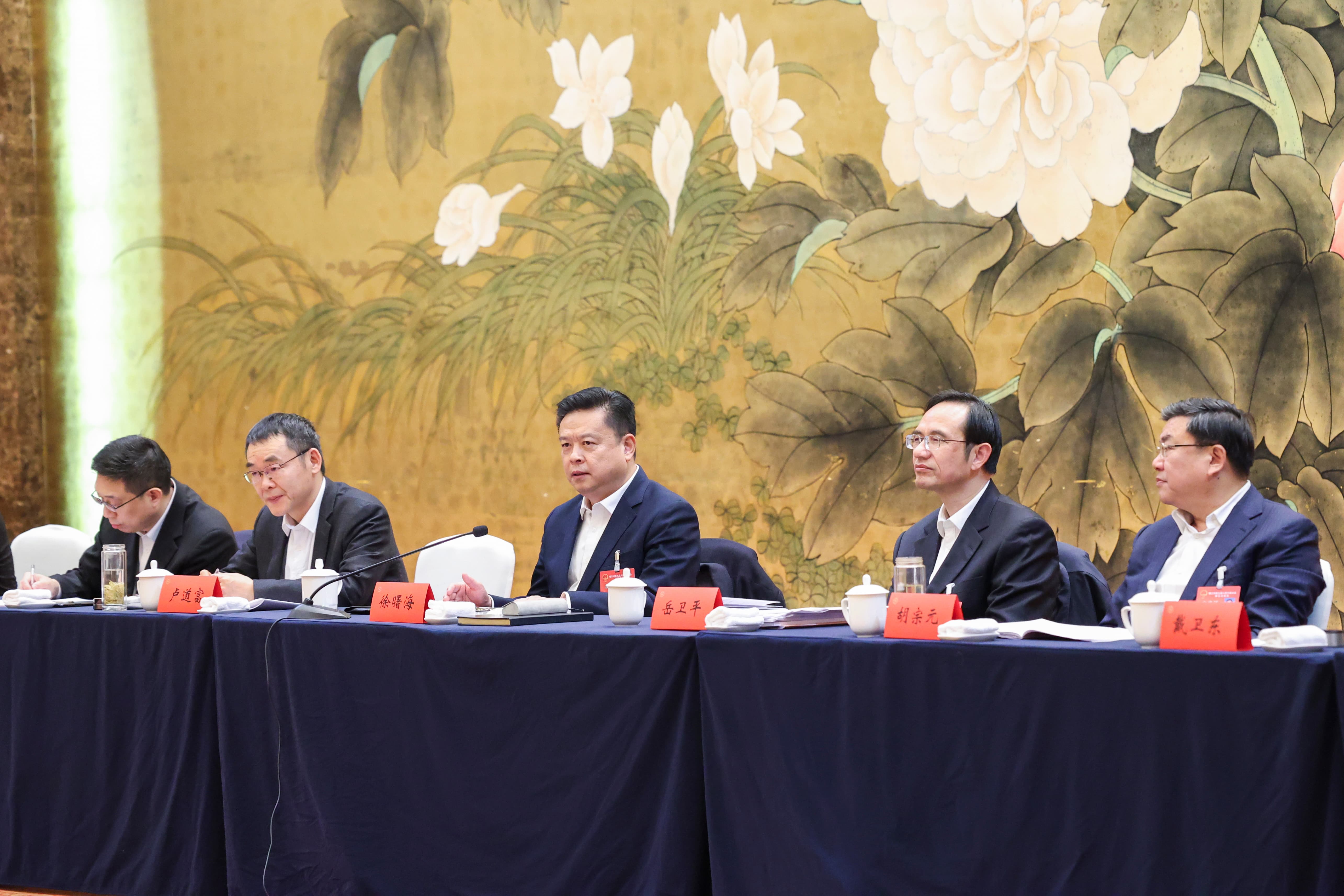
徐曙海参加句容代表团审议时强调 统一思想 集中精力 奋起直追 奋力谱写句容高质量发展新篇章
Zhen Jiang Ri Bao· 2026-01-22 23:40
Group 1 - The government work report summarizes the achievements of the "14th Five-Year Plan" and outlines the development plans for the "15th Five-Year Plan," emphasizing confidence and a positive outlook for future growth [4] - Key areas of focus include responding to changes in the foreign trade market, developing the health industry, enhancing grassroots governance, modernizing agriculture and rural areas, and promoting high-quality education [4] - The city has made significant progress in economic and social development, with notable achievements in industrial transformation, project attraction, and social welfare, particularly in mitigating risks in the real estate market [4][5] Group 2 - The city aims to strengthen its industrial base by focusing on leading industries, increasing project attraction, and enhancing the supply chain to improve regional economic competitiveness [5] - Development of industrial parks and infrastructure is prioritized to optimize the business environment and support economic growth [5] - The strategy includes stabilizing the real estate market by increasing industrial growth, addressing housing needs, and utilizing policies to support investment and development [6]
云南资源经济稳步前行——调结构 提质效 显韧性
Xin Lang Cai Jing· 2026-01-22 20:14
Group 1 - Yunnan has positioned its resource economy as a core component of its economic strategy, focusing on traditional industries like energy and non-ferrous metals while also promoting new sectors such as green aluminum, silicon photovoltaic, and new energy batteries [1] - The province aims to transform its resource advantages into industrial and developmental strengths, enhancing the overall structure of its economy [2] - Significant improvements in mining recovery rates and resource utilization have been observed, with some mines exceeding industry averages in key performance metrics [2] Group 2 - Yunnan has made strides in highland specialty agriculture, increasing the value of coffee and flower products through deep processing and innovative sales models [3] - The province is enhancing its policy and financial support to accelerate the development of key industries, ensuring efficient resource allocation and project implementation [3] - Technological innovation is driving the resilience of Yunnan's resource-based industries, with a shift from raw material sales to product and technology sales [4] Group 3 - Yunnan has become a significant base for clean energy, strategic non-ferrous metals, and modern ecological agriculture, with substantial achievements in renewable energy capacity and production chains [4][5] - The province's agricultural output has surpassed 2.7 trillion yuan, with a strong export performance in agricultural products [5] - Yunnan's resource economy aligns with national strategies, leveraging technology and ecological priorities to maximize resource value and contribute to high-quality development [5]