电气机械

Search documents
数据点评 | 12月PMI回升的四大支撑(申万宏观·赵伟团队)
赵伟宏观探索· 2025-12-31 17:40
Core Viewpoint - The December PMI index shows a recovery driven by new momentum and the consumer goods sector, with a reduction in the debt-extraction effect and resilient exports supporting the index [1][4][53]. Group 1: PMI Recovery - The manufacturing PMI rose by 0.9 percentage points to 50.1%, marking a return to the growth line after nine months, despite a decline in high-frequency indicators such as blast furnace operations and freight volume [1][5][53]. - The production and new orders indices increased by 1.7 and 1.6 percentage points, respectively, indicating improved manufacturing activity [1][5][53]. Group 2: Support from New Momentum - PMI in sectors related to new momentum showed significant improvement, although the sustainability of this trend requires further observation due to a lack of corresponding high-frequency indicators [1][12][54]. - Traditional industries like black metal rolling and chemical fibers saw a decline in PMI, while emerging sectors such as electrical machinery and pharmaceuticals experienced a rise [1][12][54]. Group 3: Consumer Sector Improvement - The overall consumer goods sector PMI increased by 1 percentage point to 50.4%, with notable recovery in areas less affected by demand exhaustion risks, such as textiles and apparel, which rose by 4.5 percentage points [2][15][54]. Group 4: Construction Sector Recovery - The construction PMI rose by 3.2 percentage points to 52.8%, indicating a reduction in the marginal impact of debt-extraction on investment, supported by the easing of special refinancing bond issues and the implementation of incremental policies [2][18][54]. - Both housing and civil engineering activities improved, with respective increases of 4.8 and 1.2 percentage points [2][18][54]. Group 5: Export Resilience - The domestic order index rose by 1.6 percentage points to 51.1%, while the new export orders index improved by 1.4 percentage points to 49%, indicating ongoing resilience in exports [2][22][55]. - High-frequency indicators showed a year-on-year increase of 0.6 percentage points in port foreign trade freight volume, maintaining a high level [2][22][55]. Group 6: Economic Growth Outlook - The combination of accelerating new momentum and proactive incremental policies suggests that economic growth will remain resilient, despite traditional momentum facing downward pressure [3][27][55]. - The manufacturing PMI's recovery, driven by new momentum and consumer sectors, alongside improvements in the construction PMI, indicates a positive outlook for economic activity [3][27][55].

数据点评 | 12月PMI回升的四大支撑(申万宏观·赵伟团队)
申万宏源宏观· 2025-12-31 10:03
Core Viewpoint - The December PMI index shows a recovery driven by new momentum and the consumer goods sector, with a reduction in the debt-extraction effect and resilient exports supporting the index [1][4][53]. Group 1: PMI Recovery - The manufacturing PMI rose by 0.9 percentage points to 50.1%, marking a return to the growth line after nine months, despite a decline in high-frequency indicators such as blast furnace operation and freight volume [1][5][53]. - The production and new orders indices increased by 1.7 and 1.6 percentage points, respectively, reaching 51.7% and 50.8% [5][30]. Group 2: Support from New Momentum - PMI in sectors related to new momentum showed significant improvement, although the sustainability of this trend requires further observation due to a lack of corresponding high-frequency indicators [12][54]. - Traditional industries like black metal rolling and chemical fibers saw a decline in PMI, while emerging sectors such as electrical machinery and pharmaceuticals experienced increases, with high-tech and equipment manufacturing PMIs rising by 2.4 and 0.6 percentage points to 52.5% and 50.4% respectively [12][54]. Group 3: Consumer Sector Improvement - The overall consumer goods sector PMI increased by 1 percentage point to 50.4%, despite a significant drop of 5.8 percentage points in the automotive sector PMI, reflecting the impact of reduced government subsidies and demand risks [15][54]. - The textile and apparel sector PMI rose by 4.5 percentage points, correlating with improvements in travel data [15][54]. Group 4: Construction Sector Recovery - The construction PMI rose by 3.2 percentage points to 52.8%, indicating a marginal weakening of the debt-extraction effect on investment due to the alleviation of special refinancing bond issues and the implementation of incremental policies [18][54]. - Activities in housing construction and civil engineering increased by 4.8 and 1.2 percentage points, respectively, with the business activity expectation index remaining high at 57.4% [18][54]. Group 5: Export Resilience - The domestic order index rose by 1.6 percentage points to 51.1%, while the new export orders index improved by 1.4 percentage points to 49% [22][55]. - High-frequency indicators showed a year-on-year increase of 0.6 percentage points in port foreign trade freight volume, maintaining a high level [22][55]. Group 6: Economic Growth Outlook - The recovery in manufacturing PMI, driven by new momentum and consumer sectors, suggests continued economic resilience, despite traditional momentum facing downward pressure [27][55]. - The implementation of incremental fiscal policies and service consumption-related policies is expected to enhance domestic demand [27][55].
中采PMI点评(25.12):12月PMI回升的四大支撑
Shenwan Hongyuan Securities· 2025-12-31 09:33
Group 1: PMI Overview - The manufacturing PMI for December increased to 50.1%, up 0.9 percentage points from 49.2% in November, marking a return to the expansion zone after 9 months[1][7] - The non-manufacturing PMI also rose to 50.2%, an increase of 0.7 percentage points from the previous month[1][7] Group 2: Key Support Factors - New momentum and consumer goods sectors contributed to the PMI rebound, with manufacturing PMI supported by a 1.7 percentage point rise in production and a 1.6 percentage point rise in new orders[2][8] - Emerging industries such as electrical machinery and pharmaceuticals saw PMI increases of 1.3 and 0.9 percentage points, respectively, indicating improvement despite traditional sectors declining[2][11] - The construction PMI rose significantly by 3.2 percentage points to 52.8%, reflecting a reduction in the crowding-out effect of debt on investment[3][16] - Export resilience was noted, with the new export orders index improving by 1.4 percentage points to 49%, while domestic orders increased by 1.6 percentage points to 51.1%[4][20] Group 3: Sector Performance - The overall consumer goods PMI increased by 1 percentage point to 50.4%, with notable recovery in textiles and apparel, which rose by 4.5 percentage points[3][14] - The service sector PMI improved slightly to 49.7%, with new orders and employment indices showing marginal increases[5][31] - The construction sector's new orders index rose by 1.3 percentage points to 47.4%, indicating a positive trend in demand[5][36] Group 4: Economic Outlook - The report suggests that economic growth remains resilient, driven by new momentum and supportive fiscal policies, despite traditional sectors facing downward pressure[4][22] - Risks include potential changes in the external environment and the pace of growth policies not meeting expectations[5][38]
为什么我国2025年12月PMI开始扩张?|宏观经济
清华金融评论· 2025-12-31 09:29
Core Viewpoint - The manufacturing Purchasing Managers' Index (PMI) rose to 50.1% in December 2025, indicating a return to the expansion zone after eight months, driven by policy support, increased external demand, and a later Spring Festival in 2026 [2][3]. Group 1: Policy Support and Investment Recovery - Policy measures have effectively promoted investment stabilization, with the central economic work conference emphasizing the need to "promote investment stabilization and stimulate private investment vitality" [2][3]. - The National Development and Reform Commission announced a plan for early 2026 construction projects and a central budget investment plan totaling approximately 295 billion yuan [2][3]. - The production index increased to 51.7% and the new orders index rose to 50.8%, indicating a rebound in production and orders due to fiscal support [3]. Group 2: External Demand and Export Orders - The new export orders index increased by 1.4 percentage points to 49%, reflecting a significant rise in export orders driven by strong external demand [4]. - Global monetary easing and fiscal stimulus have bolstered external demand, with manufacturing PMIs in France and the UK rising to expansion zones, and the US PMI remaining above 52% since August [4]. - Container throughput increased by 7.2% year-on-year in December, indicating a positive trend in export activities [4]. Group 3: Impact of the Spring Festival Timing - The later timing of the 2026 Spring Festival (February 17) resulted in less disruption to December's physical workload compared to previous years [5]. - The production index in December rose by 1.7 percentage points, contrasting with the historical trend of decline in December production indices [5]. Group 4: Price Trends and Inventory Adjustments - The PMI output price index rose by 0.7 percentage points to 48.9%, indicating a recovery in output prices, although they remain in a contraction zone [5]. - The inventory index saw an increase, with procurement volume, raw material inventory, and finished goods inventory rising due to increased production and orders [6]. - Various industries, including electrical machinery and pharmaceuticals, showed signs of inventory replenishment, although the sustainability of this trend requires further data support [6].
博时宏观观点:风险偏好上行,成长有色有望占优
Xin Lang Cai Jing· 2025-12-30 10:53
Group 1: Global Economic Overview - The US Q3 2025 GDP growth rate is 4.3%, significantly above market expectations, with consumer resilience and AI investments contributing one-third of this year's growth [10] - Japan has passed a large-scale fiscal budget plan for 2026, leading to a rapid increase in Japanese bond yields to 2.11%, which has exerted some pressure on the US dollar index due to yen appreciation [10] - The domestic industrial profit decline has widened in November, with a slight month-on-month increase in profit margins after adjusting for high base effects, but still weaker than seasonal trends [10] Group 2: Market Strategy - The bond market experienced narrow fluctuations from December 22 to 26, with a steepening curve; liquidity easing has improved short-term performance, while long-term remains volatile due to concerns about the post-year-end market [11] - The A-share market has seen a continuous rebound due to the resolution of structural differentiation and positive signals from the Central Economic Work Conference, alongside a strengthening yuan [11] - The Hong Kong stock market is currently in a phase of benefiting from liquidity while facing weak fundamentals, with the improvement of the price level in 2026 being crucial [11] Group 3: Sector-Specific Insights - The alcohol beverage and black metallurgy industries are dragging down overall profit growth, while the recovery in export growth is benefiting sectors like computer communications, automotive, electrical machinery, and specialized equipment [10] - The technology growth sector is expected to outperform as the crowding effect eases, although further recovery in PPI and profits is still awaited [11] - The oil market is under pressure due to weak demand, continuous supply release, and inventory accumulation [12]
李迅雷:2026年中国经济展望
Sou Hu Cai Jing· 2025-12-30 04:45
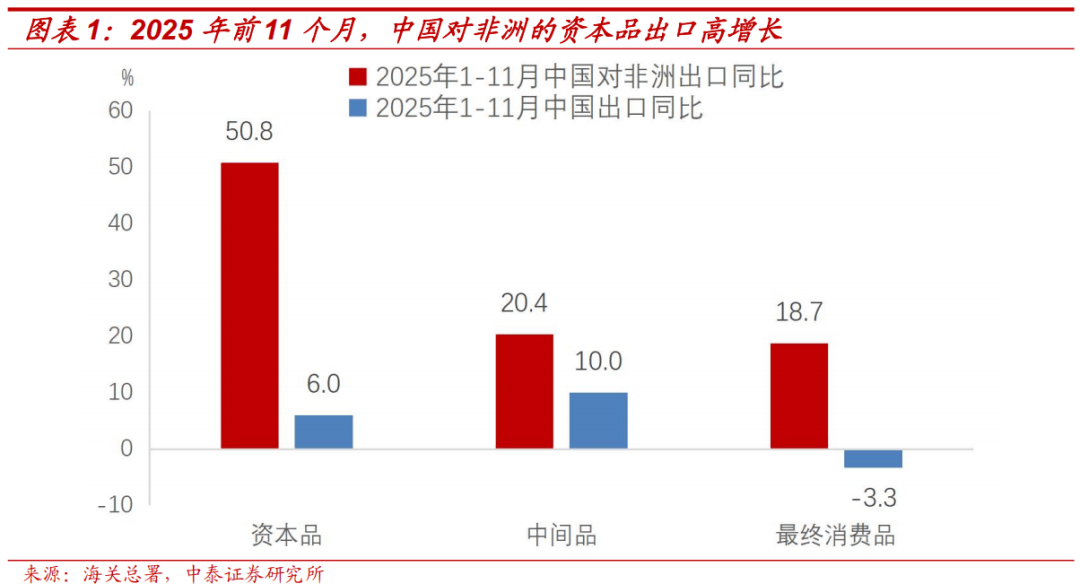
Core Viewpoint - The GDP growth target for 2026 is expected to remain around 5%, with macro policies aimed at promoting consumption and expanding investment to ensure a good start for the 14th Five-Year Plan [6][1]. Export Performance - China's exports showed resilience in 2025, with nominal year-on-year growth of 5.4% in USD terms and 6.2% in RMB terms for the first 11 months [7]. - The strong export performance is attributed to factors such as transshipment trade, increased capital goods exports driven by Chinese companies going abroad, and the delayed impact of US tariffs on global trade [8][10]. - For 2026, it is projected that China's exports will continue to grow by 3.4% year-on-year, supported by stable US-China tariffs and cost advantages [10][31]. Manufacturing Investment - Manufacturing investment in China is expected to recover slightly in 2026, with a year-on-year growth of around 2%, up from approximately 1% in 2025 [2][57]. - The recovery is supported by resilient exports and continued policy support for advanced manufacturing, particularly in the context of national security and technological development [49][57]. - Factors such as "strong supply and weak demand" and "anti-involution" expectations have negatively impacted manufacturing investment in 2025, but these conditions are expected to improve [39][40]. Real Estate Sector - The direct drag of the real estate sector on the economy is expected to weaken in 2026, with a projected year-on-year decline in commercial housing sales area of about 5% [59]. - Real estate investment is anticipated to decline by approximately 11% year-on-year in 2026, an improvement from a 16% decline in 2025, indicating a reduced direct impact on the economy [63][58]. - Policies are being implemented to mitigate the risks associated with a weakening real estate sector, including measures to support housing demand and improve the financial health of real estate companies [63][66]. Consumption and Investment Expansion - Expanding domestic demand is identified as a crucial path to achieving the 5% GDP growth target in 2026, with a focus on promoting consumption and investment [66]. - The government is expected to maintain support for consumption through special bonds, with funding levels likely to remain at least equal to the 300 billion RMB allocated in 2025 [67][72]. - Infrastructure investment is projected to rebound to around 8% year-on-year in 2026, supported by previously announced policies and a focus on major projects [4][66].
大国博弈,科技领航——2026年中国经济展望
李迅雷金融与投资· 2025-12-30 02:41
Core Viewpoint - The GDP growth target for 2026 is expected to remain around 5%, with macro policies focusing on promoting consumption and expanding investment to ensure a good start for the 14th Five-Year Plan [3] Export Performance - China's export performance in 2025 was better than expected, with nominal exports increasing by 5.4% in USD and 6.2% in RMB in the first 11 months. After adjusting for price factors, actual export growth was 7.9% in USD and 9.0% in RMB [4][5] - The strong external demand contributed significantly to China's economic growth, with net exports boosting GDP growth by 1.5 percentage points in the first three quarters of 2025, accounting for 29.0% of the cumulative GDP growth [4] - The expected growth rate for China's exports in 2026 is projected at 3.4% in USD terms, supported by stable US-China tariffs and China's cost advantages [9][28][30] Manufacturing Investment - Manufacturing investment is expected to recover slightly in 2026, from around 1% growth in 2025 to approximately 2% in 2026, driven by resilient exports and policy support for advanced manufacturing [31][46] - The decline in manufacturing investment in 2025 was attributed to "strong supply and weak demand" and trade friction, but the outlook for 2026 suggests a recovery due to improved export expectations and continued policy support [36][46] Real Estate Sector - The direct drag of the real estate sector on the economy is expected to weaken in 2026, with a projected decline in commodity housing sales area of about 5% and a narrowing of the decline in real estate investment to around -11% [55][58] - The real estate sector's recovery will depend on improved consumer confidence and the successful resolution of credit risks among property developers [56][57] Consumption and Investment - Expanding domestic demand is crucial for achieving the 5% GDP growth target in 2026, with a focus on promoting consumption and investment [64] - The government is expected to maintain support for consumption through long-term special bonds, with a funding scale at least equal to the 300 billion RMB allocated in 2025 [66][68] - Infrastructure investment is projected to rebound to 8% growth in 2026, supported by previously announced policies [64]

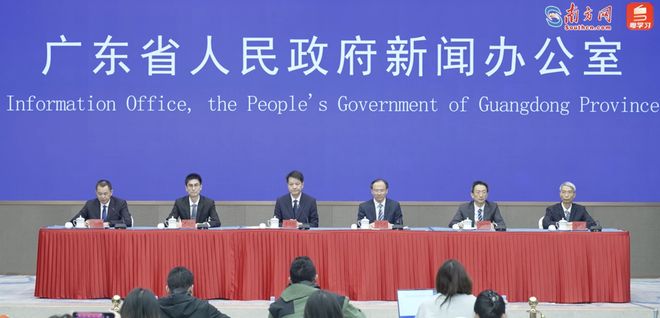
回顾这五年,东莞有多“拼”!
Nan Fang Du Shi Bao· 2025-12-29 09:23
Core Viewpoint - The press conference highlighted the achievements of Dongguan during the "14th Five-Year Plan" period, showcasing its commitment to high-quality development amidst challenges, and its role as a significant player in the manufacturing sector of Guangdong and China [1][3]. Economic Performance - Dongguan's economic total surpassed 1.2 trillion yuan, with industrial added value ranking second in the province and significant growth in import and export, reaching over 1.4 trillion yuan [3]. - The city has established a modern industrial system characterized by "8+8+4" sectors, with industrial investment nearly doubling over five years and over 8,500 small enterprises upgraded to larger scales [3][4]. Technological Innovation - Dongguan has shifted from factor-driven to innovation-driven growth, significantly increasing R&D spending and the number of high-tech enterprises, with R&D expenditure reaching 4.01% of GDP [7][8]. - The city has made substantial investments in high-tech manufacturing, totaling 286.3 billion yuan, ranking second in the province, with a 76% increase this year [8]. Infrastructure and Urban Development - Dongguan has enhanced its infrastructure, integrating into the Guangdong-Hong Kong-Macao Greater Bay Area, with successful projects like the Dongguan-Humen Intercity Railway and the Hong Kong International Airport Dongguan Air Cargo Center [12][13]. - The city has also focused on urban-rural integration, with all 28 towns ranked among the top 300 in the country, and significant improvements in living standards and environmental quality [16][19]. Social Welfare and Governance - Over 200 billion yuan has been invested in social welfare, with a focus on education and healthcare, resulting in improved public services and living conditions [19]. - Dongguan has achieved notable reductions in safety incidents and crime rates, enhancing its reputation for safety and security [19]. Conclusion - The press conference served as a declaration of Dongguan's achievements and future direction, emphasizing its ability to navigate challenges and pursue high-quality development in the manufacturing sector [21].
国家统计局:1—11月份规模以上装备制造业利润同比增长7.7%
Xin Lang Cai Jing· 2025-12-27 02:14
Core Insights - The core viewpoint of the article highlights the significant growth in profits for the equipment manufacturing industry, which has positively impacted the overall profits of large-scale industrial enterprises in China [1] Industry Performance - From January to November 2025, profits in the equipment manufacturing sector increased by 7.7% year-on-year, contributing 2.8 percentage points to the profit growth of all large-scale industrial enterprises [1] - Among the eight major categories within the equipment manufacturing industry, seven reported year-on-year profit growth [1] - The railway, shipbuilding, and aerospace sectors experienced substantial profit growth, with increases of 27.8% and 15.0% respectively [1] - The automotive sector's profits grew by 7.5%, accelerating by 3.1 percentage points compared to the previous ten months [1] - Profits in the general equipment, specialized equipment, and electrical machinery sectors continued to grow, with growth rates of 4.8%, 4.6%, and 4.2% respectively [1]
突发!4家A股公司,被证监会立案!
证券时报· 2025-12-26 15:26
Core Viewpoint - Multiple A-share companies are under investigation by the China Securities Regulatory Commission (CSRC) for suspected violations of information disclosure laws, which may impact their operations and investor confidence [1][4]. Group 1: Companies Under Investigation - ST Changyuan (600525) received a notice from the CSRC on December 26, 2025, regarding an investigation for suspected information disclosure violations. The company reported a revenue of 5.438 billion yuan for the first three quarters of the year, a year-on-year decrease of 1.34%, and a net profit attributable to shareholders of -328 million yuan [1]. - Zhenlei Technology (688270) also received a notice from the CSRC on December 26, 2025, for similar reasons. The company stated that its operations and financial status remain normal [2]. - Pairui Co., Ltd. (300831) was notified by the CSRC on December 26, 2025, about an investigation for suspected information disclosure violations. The company is currently conducting self-inspections and has not disclosed any other significant matters [3]. - Daye Intelligent (300670) received a notice from the CSRC on December 26, 2025, for suspected information disclosure violations. The company confirmed that its operations are normal and that the investigation will not significantly impact its business activities [4]. Group 2: Financial Discrepancies and Corrections - Zhenlei Technology announced a correction regarding a prior accounting error involving 8.4265 million yuan in revenue, which accounted for 3.47% of its total revenue for 2022. The revenue recognition was adjusted from 2022 to 2025 [2].