
零食

Search documents
来伊份跌2.03%,成交额9518.28万元,主力资金净流出2073.51万元
Xin Lang Cai Jing· 2025-08-22 03:08
Group 1 - The core viewpoint of the news is that Laiyifen's stock has experienced a decline in price and trading activity, indicating potential challenges in the market [1] - As of August 22, Laiyifen's stock price dropped by 2.03% to 13.53 CNY per share, with a total market capitalization of 4.525 billion CNY [1] - The company has seen a net outflow of main funds amounting to 20.7351 million CNY, with significant selling activity [1] Group 2 - Laiyifen's stock has decreased by 12.26% year-to-date, with a slight increase of 1.50% over the last five trading days [1] - The company has appeared on the trading leaderboard 12 times this year, with the most recent occurrence on March 3 [1] - As of March 31, the number of Laiyifen's shareholders decreased by 5.44% to 43,100, while the average circulating shares per person increased by 6.10% to 7,810 shares [2] Group 3 - For the first quarter of 2025, Laiyifen reported a revenue of 1.048 billion CNY, reflecting a year-on-year decrease of 1.23% [2] - The company has distributed a total of 314 million CNY in dividends since its A-share listing, with 47.7924 million CNY distributed over the past three years [2] - Laiyifen operates in the food and beverage sector, specifically in the snack food industry, and is involved in various concepts such as community group buying and new retail [1]

国泰海通晨报-20250822
Haitong Securities· 2025-08-22 02:42
Group 1: Military Industry - The military sector is experiencing an upward trend, driven by the intensifying geopolitical competition among major powers, with a long-term positive outlook for military investments [4][5][6] - The recent commemorative events for the 80th anniversary of the victory in the Anti-Japanese War have highlighted the importance of national defense, leading to increased military spending [5] - Key companies to focus on include major manufacturers and component suppliers such as AVIC Shenyang Aircraft Corporation, AVIC South Lake, and AVIC Xi'an Aircraft Industry [4] Group 2: Non-Metallic Building Materials - The implementation of new national standards for refrigerators is expected to accelerate the demand for VIP boards, with the company Reascent Technology poised for significant growth following its acquisition of Maikelong [8][9] - The company has integrated its supply chain from fiberglass cotton to VIP core materials and VIP boards, which is anticipated to enhance its competitive edge and profitability [9] Group 3: Dairy Industry - The price of raw milk continues to decline, and a supply-demand balance is expected in the second half of 2025, benefiting from reduced production and improved demand [11][19] - Beef prices are entering an upward cycle due to supply reduction and decreased import pressures, with a projected increase in profitability for livestock companies [12][20] - The cyclical resonance between meat and milk production is expected to enhance the profitability of leading livestock companies [11][21]


商超、电商双渠道下滑 盐津铺子业绩增速创三年最差
Guo Ji Jin Rong Bao· 2025-08-21 15:20
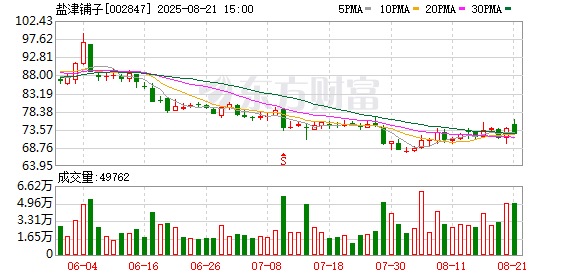
Core Insights - The company reported revenue of 2.941 billion yuan, a year-on-year increase of 19.58%, and a net profit attributable to shareholders of 373 million yuan, up 16.7% [1] - This represents the slowest growth in revenue and profit metrics for the company in the past three years, indicating a potential slowdown in growth momentum [1] - The company focuses on six major product categories, including spicy snacks, baked potato products, deep-sea snacks, egg snacks, dried fruits and nuts, and konjac jelly pudding [1] Revenue Performance - The main revenue driver, spicy snacks, contributed 1.32 billion yuan, approximately 45% of total revenue, with a year-on-year growth of 47.05% [1] - The growth in spicy snacks heavily relied on konjac products, which generated 790 million yuan, a significant increase of 155.1% [1] - Other categories such as dried fruit jelly, deep-sea snacks, and egg snacks also saw revenue growth, while baked potato products experienced a notable decline, with revenue of 459 million yuan, down 18.42% [2] Channel Strategy - The company's strategic focus is on distribution channels, which include direct sales to key account supermarkets, distribution and emerging channels, and e-commerce [2] - Direct sales to key account supermarkets saw a significant decline, with revenue of 63 million yuan, down 42% year-on-year, accounting for only 2.14% of total revenue [2] - E-commerce contributed 19.54% of revenue, with a slight decrease of 1%, while distribution and other new channels performed well, generating 2.303 billion yuan, a year-on-year increase of 30%, making up 78.32% of total revenue [2] International Expansion - The company's international strategy is beginning to show results, with plans to invest 30 million USD to establish a konjac production base in Thailand by 2025 [2] - The company aims to launch localized konjac products under the Mowon brand, focusing on Southeast Asia and expanding into Japan, South Korea, and Europe and the United States [2] - Revenue from overseas markets reached 96.35 million yuan, a significant increase from 141,700 yuan in the previous period [2] Profitability and Cost Management - The company's operating costs rose by 24.67% to 2.068 billion yuan, driven by a more than 30% increase in the average procurement price of key raw materials [3] - The gross profit margin decreased to 29.66%, down 2.87 percentage points, marking the fifth consecutive year of mid-year decline [5] - Despite rising costs, the company managed to reduce selling and administrative expenses, leading to a slight decrease in net profit margin from 13.03% to 12.57% [5] Market Reaction - Following the earnings announcement, the company's stock opened higher but later declined, closing at 72.33 yuan, down 2.2%, with a total market capitalization of 19.7 billion yuan [5]

一只虎皮凤爪卖到“全国第一”,凭什么又是王小卤?
混沌学园· 2025-08-21 11:58
Core Viewpoint - Wang Xiaolu has achieved remarkable growth in the snack industry, particularly with its tiger skin chicken feet, which has sold over 1.2 billion bags and maintained the top sales position for six consecutive years in China [1][2]. Group 1: Growth Strategy - The company adopted a central kitchen and pre-packaging model, leveraging internet traffic to achieve significant sales in the early stages [6][7]. - After facing challenges, the company pivoted to focus on tiger skin chicken feet, which led to rapid growth, especially with the rise of live streaming and e-commerce platforms [9][10]. - The establishment of a physical sales system contributed to the company's status as one of the fastest-growing companies in the offline food category [10][11]. Group 2: Product Focus and Innovation - The decision to focus on tiger skin chicken feet was based on market research indicating high consumer interest and a lack of leading brands in this category [18][24]. - The company emphasizes the importance of high repurchase rates and low customer acquisition costs as key indicators of a successful product [30][31]. - Continuous product innovation, such as improving taste and convenience, is crucial for maintaining customer loyalty and satisfaction [49][51]. Group 3: Brand and Market Positioning - The company aims to become a brand expert in the tiger skin chicken feet category, focusing on user engagement and targeted marketing strategies [44][46]. - Brand penetration rates are currently low, indicating significant growth potential through enhanced marketing efforts and strategic partnerships [54][56]. - The company is committed to building a strong brand identity that resonates with consumers, aiming to provide not just food but also happiness and enjoyment [40][42]. Group 4: Operational Excellence - The company prioritizes data-driven decision-making to manage product, brand, and channel performance effectively [47][58]. - A focus on operational efficiency and cost management is essential for sustaining growth and profitability in a competitive market [74][76]. - The company recognizes the importance of a robust distribution network, particularly in underdeveloped markets, to expand its reach and sales [58][87].

从沉寂到爆款,老牌国货在拼多多复兴
Sou Hu Cai Jing· 2025-08-21 11:06
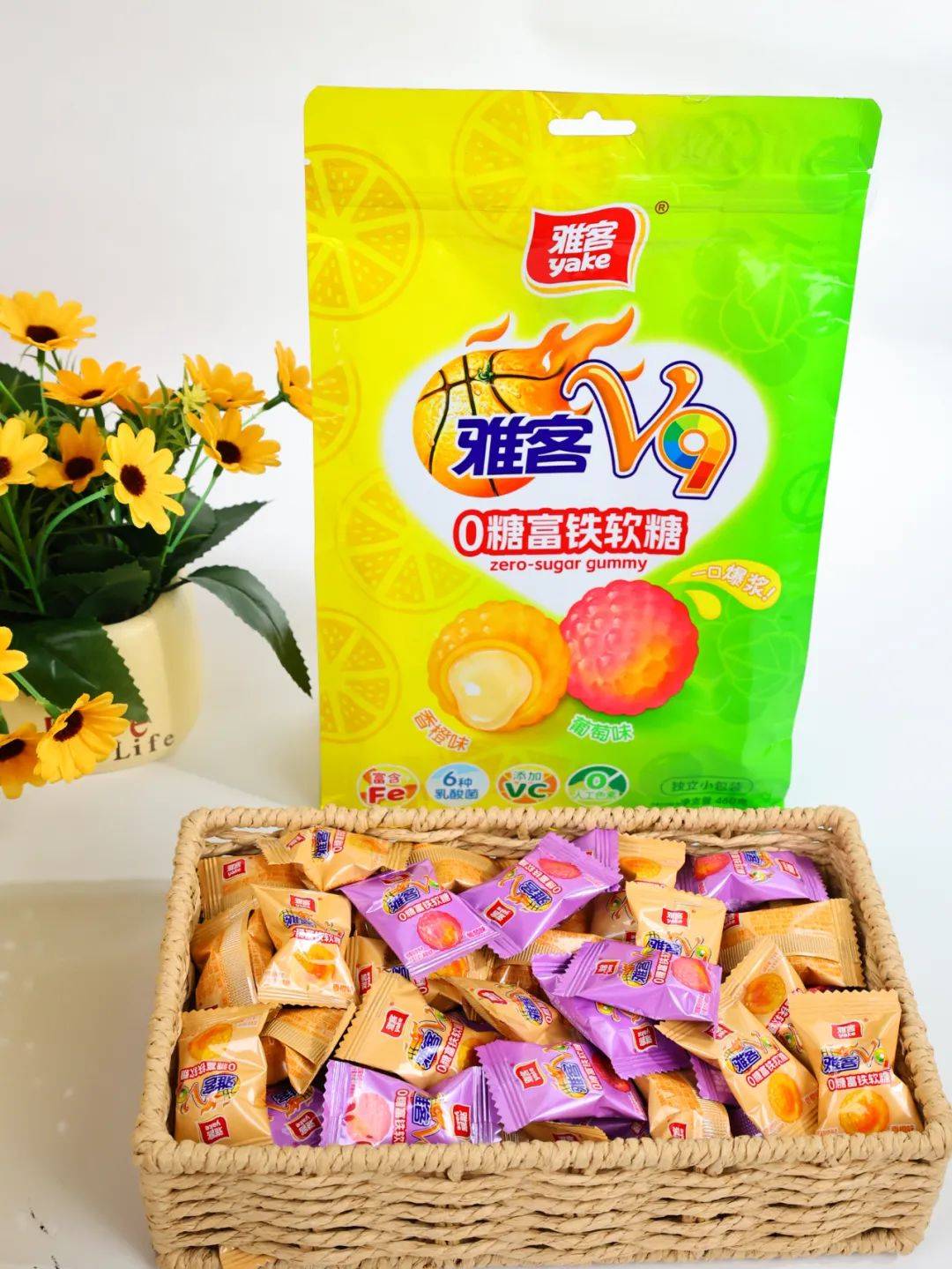
Core Viewpoint - The article discusses the revival of old domestic brands in China through new e-commerce platforms like Pinduoduo, highlighting the challenges these brands face and the opportunities presented by changing consumer preferences and digital transformation [1][2][4]. Group 1: Challenges Faced by Old Brands - Many once-popular old brands have faded from public view due to insufficient product innovation, outdated marketing models, and failure to adapt to changing consumer demands [4][6][7]. - The decline of these brands is often linked to their inability to keep pace with market changes, leading to a disconnect between their products and consumer needs [6][7]. - The traditional distribution model relying on layers of distributors has hindered these brands' ability to reach consumers directly, resulting in inefficiencies and delayed market feedback [7]. Group 2: Opportunities for Revival - New e-commerce platforms like Pinduoduo provide a fresh opportunity for old brands to revitalize their market presence by offering new sales channels and allowing for direct consumer engagement [2][8][9]. - Pinduoduo's "100 billion support" plan is a significant initiative aimed at helping these brands by providing financial resources and traffic support, facilitating their transformation and innovation [3][15]. - The rise of consumer interest in domestic brands, driven by a desire for quality and cultural heritage, presents a favorable market environment for the revival of old brands [18][16]. Group 3: Strategies for Success - Old brands are successfully leveraging e-commerce to test new products and gather consumer feedback quickly, allowing for agile responses to market demands [11][13]. - By focusing on niche markets and avoiding direct competition with industry giants, some old brands have found new growth avenues [9][11]. - The combination of innovative marketing strategies and product upgrades has enabled brands like Jincuan to regain their status as leading players in their respective categories [16][18].

从沉寂到爆款,老牌国货在拼多多复兴
华尔街见闻· 2025-08-21 09:28
Core Viewpoint - The article discusses the revival of old domestic brands in China through new e-commerce platforms like Pinduoduo, highlighting the shift from traditional sales models to innovative marketing and product development strategies [2][12][28]. Group 1: Challenges Faced by Old Brands - Many once-popular old brands have faded from public view due to insufficient product innovation, outdated marketing models, and lagging channel transformations [6][8]. - The decline of these brands often begins with a disconnect between their products and market demands, as seen with brands like Longliqi and Jinguang, which failed to adapt to changing consumer preferences [7][25]. - The traditional distribution model relying on layers of distributors has hindered brands' ability to reach consumers directly, resulting in inefficiencies and a lack of responsiveness to market trends [9][10]. Group 2: Opportunities for Revival - The emergence of new e-commerce platforms has provided old brands with a second chance, allowing them to tap into new market segments and consumer bases [12][23]. - Pinduoduo's support for old brands includes avoiding the oligopoly effect by offering niche markets where these brands can compete more fairly against larger players [13][15]. - The "100 billion support" plan from Pinduoduo aims to invest over 100 billion RMB in resources to help brands transition and upgrade their operations [20][21]. Group 3: Consumer Trends and Brand Perception - There is a renewed consumer interest in domestic brands, driven by a desire for quality and cultural heritage, which provides a solid foundation for the revival of old brands [23][24]. - Consumers are willing to pay a premium for products that carry cultural significance and quality assurance, as demonstrated by the success of brands like Jinguang in the snack market [25][26]. - The article emphasizes that old brands can leverage their historical and cultural value to reshape consumer perceptions and stimulate new market demand through innovative products [28][31].
盐津铺子(002847):魔芋引领收入增长,控费提效驱动扣非利润率改善
Shenwan Hongyuan Securities· 2025-08-21 02:12
Investment Rating - The investment rating for the company is maintained as "Buy" [2] Core Insights - The company reported a total revenue of 2.941 billion yuan for H1 2025, representing a year-on-year growth of 19.58%, with a net profit attributable to the parent company of 373 million yuan, up 16.7% year-on-year [7] - The company is expected to achieve net profits of 790 million, 1.033 billion, and 1.279 billion yuan for the years 2025, 2026, and 2027, respectively, with growth rates of 24%, 31%, and 24% [7] - The growth in revenue is primarily driven by the strong performance of konjac products, which saw significant increases in sales [7] Financial Data and Profit Forecast - Total revenue projections for the company are as follows: 6.578 billion yuan in 2025, 7.835 billion yuan in 2026, and 9.027 billion yuan in 2027, with corresponding growth rates of 24%, 19.1%, and 15.2% [6] - The gross profit margin for H1 2025 was reported at 29.66%, a decrease of 2.87 percentage points year-on-year, while the net profit margin was 12.67% [7] - The company’s earnings per share are projected to be 2.90 yuan in 2025, 3.79 yuan in 2026, and 4.69 yuan in 2027 [6] Product and Channel Performance - In H1 2025, the company’s revenue from various product categories was as follows: spicy snacks (1.32 billion yuan), baked potato products (459 million yuan), dried fruits and jellies (428 million yuan), deep-sea snacks (363 million yuan), and egg snacks (309 million yuan) [7] - The company’s direct supermarket channel revenue decreased by 42%, while revenue from distribution and other new channels increased by 30.09% [7] - The company is expected to continue expanding into overseas markets, particularly in Southeast Asia, which is anticipated to accelerate growth in konjac and quail egg products [7]
卫龙美味(09985.HK):魔芋延续高景气 公司内部降本增效显著
Ge Long Hui· 2025-08-20 18:55
Core Viewpoint - The company reported a strong performance in H1 2025, with revenue and net profit showing significant year-on-year growth, driven by the popularity of konjac products and a robust offline channel strategy [1][2]. Financial Performance - In H1 2025, the company achieved revenue of 3.483 billion yuan, an increase of 18.5% year-on-year, and a net profit of 733 million yuan, up 18% year-on-year [1]. - The proposed interim dividend is 0.18 yuan per share, totaling 438 million yuan, which represents approximately 60% of net profit [1]. Product Segment Performance - Revenue from konjac products continued to thrive, while the seasoning noodle products experienced a slight decline. Revenue for seasoning noodles, vegetable products, and bean products was 1.31 billion, 2.109 billion, and 64 million yuan, respectively, with year-on-year changes of -3.24%, +44.31%, and -48.06% [1]. - The decline in seasoning noodle revenue was attributed to the company's strategic resource reallocation and product matrix optimization, expanding flavors from sweet and spicy to include mala, crayfish, and barbecue [1]. Channel Performance - Revenue from domestic and overseas markets reached 3.429 billion and 53 million yuan, respectively, with year-on-year growth of 18.09% and 54.43% [2]. - Online and offline revenues were 336 million and 3.147 billion yuan, with year-on-year changes of -3.81% and +21.53%, representing 9.6% and 90.4% of total revenue [2]. - The decline in online revenue was primarily due to a 21.1% drop in online distribution revenue to 108 million yuan, while direct online sales grew by 7.3% to 228 million yuan [2]. Cost and Efficiency - The company's gross margin for H1 2025 was 47.2%, a decrease of 2.6 percentage points year-on-year, influenced by rising raw material costs and a "more quantity without increasing price" strategy [2]. - Management and sales expense ratios were 5.8% and 15.1%, down 2.4 percentage points and 1.1 percentage points year-on-year, respectively, indicating improved efficiency [3]. - The utilization rates for spicy strips and konjac production lines were 80.8% and 77.5%, with year-on-year changes of +24.3 percentage points and -7.4 percentage points, respectively [3]. Future Outlook - The company is expected to continue benefiting from internal cost reduction and efficiency improvement initiatives, which are anticipated to release long-term value despite short-term cost fluctuations [3]. - Revenue projections for 2025 to 2027 are set at 7.473 billion, 8.751 billion, and 10.110 billion yuan, with net profits of 1.430 billion, 1.737 billion, and 2.035 billion yuan, respectively [3].
除了卖演唱会门票,时代少年团还从这些上市公司赚了大钱
第一财经· 2025-08-20 12:42
Core Viewpoint - The article highlights the rising commercial value and popularity of the youth idol group, Times Youth League, as they prepare for their concert series in Shanghai, showcasing their influence in the market through various brand endorsements [6][7]. Group 1: Concert and Popularity - Times Youth League will hold four concerts titled "Crowning Ceremony" in Shanghai from August 20 to 24, attracting significant interest with over 1.85 million people wanting to attend the August 21 show, surpassing 99% of similar events [6]. - The group's popularity has been consistently increasing since their formation in 2019, indicating a strong fanbase and market presence [6]. Group 2: Brand Endorsements - Times Youth League has secured multiple brand endorsements, including partnerships with several A-share listed companies such as Laiyifen (603777.SH), Xiangpiaopiao (603711.SH), and Luluguyuan, as well as Hong Kong-listed Li Ning (02331.HK) and dual-listed Miniso (NYSE:MNSO, 09896.HK) [6][7]. - In April 2023, they became the brand ambassadors for Luluguyuan, followed by becoming the spokesperson for Meco fruit tea in May, and previously for Laiyifen [6][7]. Group 3: Market Movements - Luluguyuan is currently preparing for a listing in Hong Kong, having submitted its application in April 2023, after a previous attempt to list on the A-share market in 2019 [7]. - Li Ning, which has been a market player since its Hong Kong listing in 2004, continues to leverage the group's popularity by appointing them as global ambassadors for its youth sports products [7].




除了卖演唱会门票,时代少年团还从这些上市公司赚了大钱
Di Yi Cai Jing· 2025-08-20 12:21
Group 1 - The Times Youth Team, a popular idol group, is set to hold four concerts in Shanghai from August 20 to 24, attracting significant attention with over 1.85 million people interested in attending the concert on August 21, surpassing 99% of similar events [1] - The commercial value of the Times Youth Team has been increasing since its formation in 2019, with several brand endorsements in various sectors, including multiple A-share listed companies such as Laiyifen (603777.SH), Xiangpiaopiao (603711.SH), and Liuliumy Garden, as well as Hong Kong-listed companies like Li Ning (02331.HK) and dual-listed Miniso (NYSE:MNSO, 09896.HK) [1][2] - The Times Youth Team has recently become the brand ambassador for Li Ning's youth sports products and has also been announced as the global brand ambassador for Miniso, with a promotional theme that has gained significant traction on social media [2] Group 2 - Xiangpiaopiao became the first listed company in China's milk tea industry in November 2017, while Laiyifen was recognized as the "first stock of snacks on the main board" after its listing in October 2016 [2] - Liuliumy Garden is currently in the process of going public in Hong Kong, having submitted its listing application in April this year, after a previous attempt to list on the A-share market in June 2019 ended in withdrawal [2] - Miniso was first listed on NASDAQ in October 2020 and achieved a secondary listing in Hong Kong in July 2022, establishing a dual primary listing [2]