水泥

Search documents
长江大宗2025年12月金股推荐
Changjiang Securities· 2025-11-30 10:45
Group 1: Metal Sector - Huaxi Nonferrous is expected to see net profit growth from CNY 6.58 billion in 2024 to CNY 11.40 billion in 2026, with a PE ratio decreasing from 37.28 to 21.52[10] - The company has a projected capacity increase to 0.6 million tons of tin and 1 million tons of antimony by 2027, benefiting from resource consolidation trends in Guangxi[12] Group 2: Construction Materials - Huaxin Cement's net profit is forecasted to rise from CNY 24.16 billion in 2024 to CNY 36.73 billion in 2026, with a PE ratio dropping from 17.21 to 11.32[10] - The company has diversified its growth strategy, focusing on overseas markets and stabilizing its aggregate business[28] Group 3: Transportation - ZTO Express is projected to achieve net profits of CNY 88.17 billion in 2024, increasing to CNY 104.11 billion by 2026, with a PE ratio improving from 13.39 to 11.34[10] - The "anti-involution" measures in the express delivery sector have led to a recovery in profitability, with significant improvements in average ticket prices since August 2025[33] Group 4: Energy Sector - ChuanTou Energy's net profit is expected to grow from CNY 45.08 billion in 2024 to CNY 52.59 billion in 2026, with a PE ratio decreasing from 15.93 to 13.65[10] - The company benefits from its stake in Yalong River Hydropower, which contributes significantly to its earnings[73] Group 5: Chemical Sector - Yara International's net profit is projected to increase from CNY 9.50 billion in 2024 to CNY 39.34 billion in 2026, with a PE ratio decreasing from 42.50 to 10.27[10] - The company is positioned as a leader in overseas potash mining, with significant reserves in Laos[49]




华新水泥(6655.HK):三季度归母净利润同比增长120.73% 海外多业务发展持续取得进展
Ge Long Hui· 2025-11-29 21:18
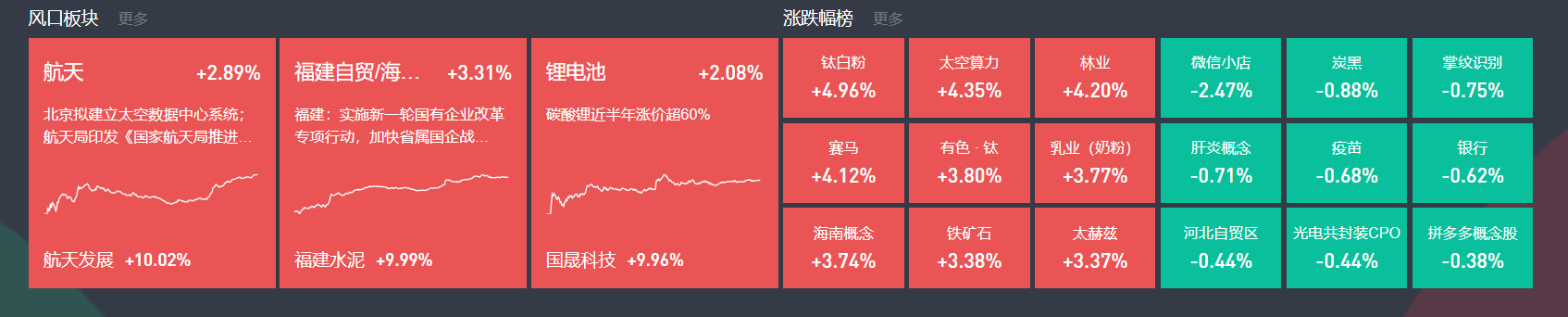
Core Insights - The company reported a significant increase in net profit attributable to shareholders, with a year-on-year growth of 120.73% in Q3, driven by rising domestic cement prices, reduced costs, and strong overseas performance [1] - The completion of the equity transfer for Nigerian assets marks a strategic expansion, with the transaction valued at approximately $773.86 million, enhancing the company's international footprint [2] - The management is committed to shareholder returns, distributing a cash dividend of 0.46 CNY per share, totaling approximately 956.34 million CNY, which represents 40% of the net profit for the year [3] Financial Performance - In Q3, the company achieved a revenue of 8.986 billion CNY, a 5.95% increase year-on-year, and a net profit of 900 million CNY, reflecting a 120.73% increase [1] - For the first three quarters, the company reported a total revenue of 25.033 billion CNY, up 1.27% year-on-year, and a net profit of 3.449 billion CNY, which is a 64.95% increase [1] - The company’s non-recurring net profit for Q3 was 866 million CNY, marking a 125.96% increase year-on-year [1] Strategic Developments - The company has made significant progress in its overseas operations, with multiple projects completed in Zimbabwe, Zambia, South Africa, and Tanzania, enhancing production capacity [2] - The acquisition of 100% equity in a Brazilian aggregate company further strengthens the company's international presence [2] - New production lines are under construction in Malawi and Mozambique, indicating ongoing expansion efforts [2] Shareholder Engagement - The management has shown confidence in the company's future by purchasing 195,300 shares in the secondary market [3] - The proposed dividend distribution reflects a strong commitment to sharing the company's growth with shareholders [3] Profit Forecast - The company forecasts net profits attributable to shareholders of 2.969 billion CNY, 3.312 billion CNY, and 3.671 billion CNY for the years 2025 to 2027 [3] - A target price of 18.34 HKD is set for 2026, based on a PE ratio of 10.5 times, indicating a positive outlook for the company's valuation [3]
每周高频跟踪 20251129:聚焦政策预期博弈-20251129
Huachuang Securities· 2025-11-29 15:12
Report Industry Investment Rating - Not provided in the given content Core Viewpoints - In the fourth week of November 2025, industrial production continued to decline, accelerating the destocking of some investment products. Combined with the increase in upstream costs, the apparent volume and price improved, but the sustainability of price increases needs to be verified by subsequent demand [3][36] - In terms of inflation, the monthly average of pork prices continued to decline, while vegetable prices rebounded from a decline with a relatively large overall monthly increase. Food prices in November may have accelerated their month - on - month increase [3][36] - For the bond market in December, there are few highlights in the off - season data of the fundamentals. The focus is on the tone of the Politburo meeting and the Central Economic Work Conference. The PMI in November is expected to rise slightly seasonally but may still be below the boom - bust line [3][37] Summary by Directory Inflation - related - Food prices stopped falling and rebounded. From November 23rd to 28th, the average wholesale price of pork in China decreased by 0.26% month - on - month with a narrowing decline, and vegetable prices increased by 1.23% month - on - month. The 200 - index of agricultural product wholesale prices and the wholesale price index of basket products increased by 0.48% and 0.55% respectively [9] Import and Export - related - The CCFI index weakened slightly, and the SCFI stopped falling and rebounded. This week, the CCFI index decreased by 0.1% month - on - month, and the SCFI increased by 0.7% month - on - month. The North American route supply - demand relationship was balanced, with the freight rate on the West Coast route falling by 0.8% and that on the East Coast route rising by 1.8% [12] - From November 17th to 23rd, the container throughput and cargo throughput at ports increased by 5.4% and decreased by 0.6% month - on - month respectively, and increased by 12.8% and 0.7% year - on - year respectively last week. As of this week, the monthly average year - on - year increase was 10% and 4.4% respectively, better than in October [12] - The BDI and CDFI indices continued to rise. This week, the demand for coal shipping increased, and the North American grain cargo supported the market. The available shipping capacity was tight, pushing up the freight rates [12] Industry - related - Coal prices changed from rising to falling. This week, the price of thermal coal (Q5500) at Qinhuangdao Port decreased by 1.44% month - on - month. The terminal enterprises mainly purchased long - term contract coal, and the acceptance of high - price market coal was low. The increase in origin coal prices made imported coal more advantageous, leading to a decline in port coal prices [18] - The increase in rebar prices narrowed. The spot price of rebar (HRB400 20mm) increased by 0.6% month - on - month. Terminal demand further declined, and the inventory of steel mills decreased faster [18] - The asphalt operating rate rebounded slightly. This week, the asphalt plant operating rate increased by 3.0 percentage points month - on - month to 27.8%, remaining at a low level [18] - Copper prices stopped falling and rebounded. This week, the average prices of Yangtze River non - ferrous copper and LME copper increased by 0.8% and 1.3% month - on - month respectively. The rising probability of the Fed's interest rate cut in December and the tight supply supported the high - level shock of copper prices [23] - The glass futures price stopped falling and rebounded. The spot transaction price center of glass moved down, the trading situation improved, and the market inventory decreased slightly, but the overall fundamental demand was still weak, and the glass price was expected to fluctuate within a narrow range [23] Investment - related - The decline in cement prices narrowed. This week, the weekly average of the cement price index decreased by 0.06% month - on - month, with a narrower decline than the previous week. The increase in raw material costs and stable market demand strengthened the price - increasing willingness of cement enterprises [27] - New home sales continued to rise month - on - month. From November 21st to 27th, the transaction area of new homes in 30 cities was 2.127 million square meters, a month - on - month increase of 9.5% and a year - on - year decrease of 32.6%, indicating a brewing end - of - month sprint but with a slightly lower intensity than the same period [28] - Second - hand home sales continued to decline. From last Friday to this Thursday, second - hand home sales decreased by 0.5% month - on - month and 15.2% year - on - year. Affected by the high base effect after the "924" policy last year, the year - on - year decline in November may remain around - 15%, similar to that in October [28] Consumption - related - From November 1st to 23rd, passenger car retail sales decreased year - on - year. The high - base effect after the "old - for - new" policy last year had a large impact on the year - on - year reading, but there was still a positive growth of about 14% compared with the same period in 2023 [30] - Crude oil prices increased slightly. As of November 28th, Brent crude oil and WTI crude oil prices increased by 1.0% and 0.8% month - on - month respectively. The increasing expectation of the Fed's interest rate cut and the weakening expectation of OPEC+ production increase boosted oil prices [30]
高频:地产销售依旧偏弱,电影票房明显回升
CAITONG SECURITIES· 2025-11-29 11:33
Report Industry Investment Rating No information provided in the content. Core Viewpoints - This week's main concerns include a slight rebound in the week-on-week new home sales in 20 cities, a widening year-on-year decline, and only Hangzhou's new home sales were higher than the same period last year. Overall, the real estate sales remained weak. Commodity prices mostly rose, the production remained stable with a differentiated performance in the operating rates. The box office was significantly higher than the seasonal level due to the release of popular movies, which concentratedly reflected the viewing demand [2]. - The year-on-year decline in new home sales widened this week. The week-on-week growth rate of the new home transaction area in 20 cities tracked by Wind was 3.08%, and the year-on-year decline was 33.38%. Specifically, the new home transactions decreased week-on-week, and the year-on-year decline widened. The new home transaction area in second-tier cities was slightly weaker than the previous period, while those in first-tier and third - fourth - tier cities were stronger than the previous period. The year-on-year decline widened significantly, and the new home transaction areas in all tiers of cities were much weaker than the same period last year [2]. - In terms of investment and production, most commodity prices rose. The price of rebar increased slightly, with robust demand, steel mills reducing production, and merchants reluctant to sell, which supported the price increase. The cement price increased slightly as the weather improved, construction accelerated, and manufacturers pushed up the price, but the demand support was limited. The glass futures price rose, with an enhanced expectation of supply contraction, solid cost support, and short - term improvement in production and sales. The asphalt price decreased slightly due to the seasonal shrinkage of demand, sufficient supply, and weakened cost - end support [2]. - In industrial production, the operating rates showed a differentiated performance. The operating rates of petroleum asphalt and automobile tires increased, the operating rate of coking enterprises increased slightly, while the operating rates of steel blast furnaces and PTA decreased, and the operating rate of polyester filament decreased slightly [2]. - In terms of consumption, the travel momentum was strong. The subway ridership, domestic flights, automobile consumption, and box office were higher than the seasonal levels [2]. - In terms of inflation, the pork price decreased, the vegetable price and oil price increased. This week, the vegetable price increased due to cold weather and rainfall leading to vegetable production reduction and poor supply connection. The crude oil price increased, driven by the expected production cut by OPEC+, the decline in US production, and geopolitical risks [2]. - In terms of exports, the SCFI and BDI increased this week. The transportation demand on the East Coast of the United States route rebounded, shipping companies promoted freight rate increases, and the operating cost provided support [2]. Summary by Directory 1. Real Estate Sales: New Home Sales Remained Weak Year-on-Year - From November 21st to November 27th, the new home transactions decreased week-on-week, and the year-on-year decline widened. The week-on-week growth rate of the new home transaction area in 20 cities tracked by Wind was 3.08%, and the year-on-year decline was 33.38%. Among them, the new home transaction area in second-tier cities was slightly weaker than the previous period, while those in first-tier and third - fourth - tier cities were stronger than the previous period. The year-on-year decline widened significantly, and the new home transaction areas in all tiers of cities were much weaker than the same period last year [2][7]. - In terms of key cities, from a week-on-week perspective, except for Beijing (-32.88%), Shenzhen (-28.09%), and Hangzhou (-1.38%), the new home transactions in other key cities were significantly stronger than the previous period. From a year-on-year perspective, except for Hangzhou (18.73%), the new home transaction areas in other key cities were much weaker than the same period last year [7]. - From November 21st to November 27th, the second - hand home transactions showed a differentiated week-on-week performance, and the year-on-year decline widened. In key cities, from a week-on-week perspective, except for Hangzhou (-1.46%) and Shenzhen (-7.75%), the second - hand home transaction areas in other key cities were stronger than the previous period. From a year-on-year perspective, the second - hand home transaction areas in all key cities decreased significantly compared with the same period last year [7]. 2. Investment: Commodity Prices Mostly Rose - In terms of investment, most commodity prices rose this week. The prices of rebar and cement increased slightly, the glass futures price rose, and the asphalt price decreased slightly [31]. 3. Production: Operating Rates Showed a Differentiated Performance - In production, the operating rates showed a differentiated performance this week. The operating rates of petroleum asphalt and automobile tires increased, the operating rate of coking enterprises increased slightly, while the operating rates of steel blast furnaces and PTA decreased, and the operating rate of polyester filament decreased slightly [39]. 4. Consumption: Travel Momentum was Strong - In terms of consumption, the subway ridership, domestic flights, automobile sales, and box office were higher than the seasonal levels [49]. 5. Exports: SCFI Increased, BDI Increased - In terms of exports, the SCFI index increased slightly, the BDI index increased, the port cargo throughput decreased, and the CRB spot index decreased slightly this week [55]. 6. Prices: Pork Price Decreased, Vegetable Price Increased, Oil Price Increased - In terms of prices, the pork price decreased slightly, the vegetable price increased, the oil price increased, and the rebar price increased slightly [60].
房地产及建材行业双周报:建材基本面及业绩整体有所修复-20251128
Dongguan Securities· 2025-11-28 11:31
房地产及建材行业 房地产-标配(维持) 建材材料-标配(维持) 房地产及建材行业双周报(2025/11/14-2025/11/27) 行 业 双 周 SAC 执业证书编号: 申万房地产行业指数走势 房地产周观点:中指院:10月百城二手住宅均价为13268元/平,环比下 跌0.84%,同比下跌7.60%,在高挂牌量及预期偏弱影响下,二手房价格 下行压力仍较大。新建住宅均价为16973元/平,环比上涨0.28%,同比 上涨2.67%。截至10月末,全国商品房销售面积累计同比下跌6.8%,全 国商品住宅销售面积累计同比下跌7%,降幅相比9月末分别扩大1.3个百 分点和扩大1.4个百分点。全国商品房销售金额同比下降9.6%,全国商 品住宅销售金额同比下降9.4%,降幅进一步扩大。从房企三季报业绩来 看,行业整体亏损程度相比二季末进一步扩大。整体来看,行业基本面 仍处于"磨底"阶段。我们认为,未来一段时间,加码政策出台及行业 基本面站稳回升的进程,将主导板块行情走势。中长期来看,行业发展 将从"高杠杆、高周转"转向"品质、服务、可持续",并以城市更新 释放存量潜力。在行业大洗牌及出清背景下,更看好经营稳健的头部央 国企 ...
每日收评三大指数探底回升全线收红,两市成交额不足1.6万亿,商业航天概念再迎爆发
Sou Hu Cai Jing· 2025-11-28 09:36
Core Viewpoint - The market shows signs of recovery with all three major indices closing in the green, indicating a potential bottoming out phase despite a decrease in trading volume [1][7]. Market Performance - The total trading volume in the Shanghai and Shenzhen markets was 1.59 trillion, down 124 billion from the previous trading day [1]. - The Shanghai Composite Index rose by 0.34%, the Shenzhen Component Index increased by 0.85%, and the ChiNext Index gained 0.7% [1]. Sector Highlights - The commercial aerospace sector experienced significant gains, with stocks like LeiKe Defense and Aerospace Development hitting the daily limit [2]. - The Hainan sector continued to rise, with Hainan Ruize achieving three consecutive limits in four days [1][2]. - The Fujian sector was notably active, with multiple stocks such as Fujian Cement and Pingtan Development reaching their daily limits [2]. Individual Stock Movements - Nearly 100 stocks saw a limit-up or increased by over 10%, with a notable resurgence in short-term trading enthusiasm [5]. - Stocks like Dream Home and Guosheng Technology maintained strong performance, with Dream Home achieving six limits in eight days [5]. Future Market Analysis - The market's ability to maintain above the 5-day moving average suggests a potential for short-term upward movement, although trading volume remains a concern [7]. - The market is expected to continue experiencing rotational movements, with a focus on identifying strong leading stocks to enhance profitability [7]. Key Economic Indicators - From January to October, state-owned enterprises reported total operating revenue of 6.8353 trillion, a year-on-year increase of 0.9%, while total profits decreased by 3.0% [9].

水泥板块11月28日涨1.44%,海南瑞泽领涨,主力资金净流入4.8亿元
Zheng Xing Xing Ye Ri Bao· 2025-11-28 09:05
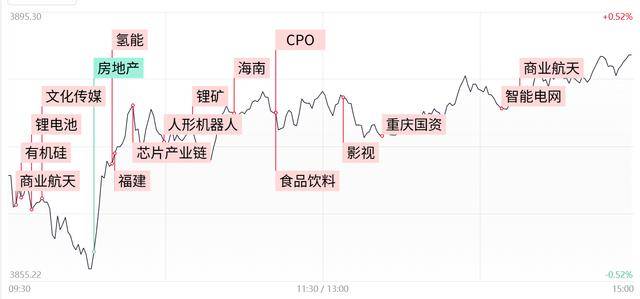
证券之星消息,11月28日水泥板块较上一交易日上涨1.44%,海南瑞泽领涨。当日上证指数报收于 3888.6,上涨0.34%。深证成指报收于12984.08,上涨0.85%。水泥板块个股涨跌见下表: 从资金流向上来看,当日水泥板块主力资金净流入4.8亿元,游资资金净流出2.75亿元,散户资金净流出 2.04亿元。水泥板块个股资金流向见下表: | 代码 | 名称 | 主力净流入(元) | 主力净占比 游资净流入 (元) | | 游资净占比 散户净流入 (元) | | 散户净占比 | | --- | --- | --- | --- | --- | --- | --- | --- | | 600678 四川金顶 | | 1.92 Z | 58.47% | -9128.80万 | -27.73% | -1.01 Z | -30.74% | | 002596 海南瑞泽 | | 1.69 Z | 12.22% | -7471.08万 | -5.39% | -9477.74万 | -6.83% | | 600802 福建水泥 | | 8780.89万 | 46.03% | -3423.11万 | -17.94% | -53 ...


房地产及建材行业双周报(2025、11、14-2025、11、27):建材基本面及业绩整体有所修复-20251128
Dongguan Securities· 2025-11-28 08:33
Investment Rating - The report maintains a "Neutral" rating for both the real estate and building materials sectors [2][3]. Core Insights - The overall fundamentals and performance of the building materials sector have shown signs of recovery [2]. - The real estate market is currently under pressure, with significant declines in sales and prices, but there is potential for policy support to stabilize the market [5][26]. - The industry is transitioning from a focus on high leverage and turnover to an emphasis on quality, service, and sustainability, with urban renewal expected to unlock potential [5][26]. Summary by Sections Real Estate Sector Overview - As of October 2025, the average price of second-hand residential properties in 100 cities was 13,268 CNY/sqm, down 0.84% month-on-month and 7.60% year-on-year [5][26]. - New residential properties averaged 16,973 CNY/sqm, up 0.28% month-on-month and 2.67% year-on-year [5][26]. - Cumulative sales area of commercial housing fell by 6.8% year-on-year, with a 9.6% decline in sales value [5][26]. - The industry is in a "bottoming" phase, with expectations for policy measures to support recovery [5][26]. Building Materials Sector Overview - The cement industry is now included in the national carbon market, with companies over 2.6 million tons of CO₂ equivalent subject to quota management [5][45]. - The overall revenue of the cement industry is under pressure, but profitability is improving, particularly for leading companies [5][45]. - The glass and fiberglass sectors are experiencing structural recovery, with supply constraints expected to improve competition in the long term [5][46]. - The building materials sector is currently at historical low valuations, with some stocks offering attractive dividend yields [5][45]. Recommendations - For the real estate sector, companies such as Poly Developments (600048), Binjiang Group (002244), and China Merchants Shekou (001979) are favored due to their stable operations and focus on first- and second-tier cities [5][26]. - In the building materials sector, companies like Conch Cement (600585), Taipai Group (002233), and Huaxin Cement (600801) are recommended for their strong fundamentals and high dividend yields [5][45]. - For glass fiber, China Jushi (600176) is highlighted as a potential investment opportunity due to its recovery in profitability [5][46].
11月28日主题复盘 | 指数缩量上涨,航天持续强势,福建、锂电板块再度活跃
Xuan Gu Bao· 2025-11-28 08:24
Market Overview - The market experienced a rebound after a dip, with the three major indices rising on lower trading volume. The total trading volume reached 1.6 trillion yuan, with over 4,100 stocks in the Shanghai and Shenzhen markets showing gains [1]. Sector Highlights Aerospace Sector - The aerospace concept stocks surged, with notable gains from companies like Aerospace Development (+10.02%) and LeiKe Defense (+10.06%). Beijing's plans for a space data center system and the upcoming launch of the Zhuque-3 rocket are driving investor interest [4][6]. - The aerospace sector is expected to benefit from the development of reusable rocket technology, potentially reducing launch costs by 30%-50% [6][7]. Lithium Battery Sector - The lithium battery sector saw significant gains, with companies like Guosheng Technology (+9.96%) and Da Zhong Mining (+10.00%) hitting their daily limits. The demand for lithium resources is projected to reach 180,000 tons by 2026, reflecting a 27% year-on-year increase [9][11]. - The rapid development of energy storage and the increasing demand for lithium battery components are expected to drive prices higher across the supply chain [10][11]. Consumer Goods Sector - The consumer goods sector showed resilience, with companies like HaiXin Food and Hainan RuiZe experiencing notable gains. The sector is benefiting from government initiatives aimed at enhancing consumer demand [1][12]. Other Notable Sectors - The titanium dioxide sector also performed well, with Jinpu Titanium Industry hitting its daily limit. The sector is experiencing a positive trend due to increased demand [1][12]. - The free trade zone in Hainan remains active, with Hainan RuiZe and other companies showing strong performance [1][12].

制造业劳动生产率,中美孰高孰低?
Cai Jing Wang· 2025-11-28 08:13
Core Viewpoint - The article presents a paradox where China's manufacturing sector exhibits strong global competitiveness despite academic reports indicating its labor productivity is significantly lower than that of the United States. The author argues that the methodology used in these studies is flawed, leading to incorrect conclusions about China's labor productivity [1][15]. Methodological Issues - Traditional methods of measuring labor productivity through value-added calculations can obscure differences in product quality and types, leading to inaccurate comparisons between countries [2]. - The classification differences between U.S. and Chinese manufacturing statistics contribute to misleading productivity comparisons. U.S. statistics include companies that do not manufacture products, while China only includes actual manufacturers [3][4]. - The use of purchasing power parity (PPP) indices to compare value-added across countries may not accurately reflect price differences, complicating productivity assessments [5]. Industry Comparisons - The research focuses on five key industries: shipbuilding, steel, electric vehicles, solar photovoltaic components, and cement. It finds that Chinese workers' per capita output is 2 to 3 times that of their U.S. counterparts, while nominal value-added is about 20% lower due to price differences [7][8]. - In the cement industry, China's per capita output is slightly higher than that of the U.S., but its nominal value-added is only 28% of the U.S. level, primarily due to significant price disparities [8]. Labor Productivity Metrics - The analysis indicates that in shipbuilding, steel, and electric vehicles, China's labor productivity is superior when measured by physical output. For instance, in shipbuilding, China's per capita output is 2.5 times that of the U.S. [16]. - The average nominal wage for Chinese workers is significantly lower than that of U.S. workers, which is attributed to the overall lower wage levels in China rather than lower productivity [8][15]. Trade Barriers and Their Impact - Trade barriers, such as tariffs, inflate domestic prices in the U.S., leading to higher nominal value-added figures without necessarily improving labor productivity [9][11]. - The structural price differences between the U.S. and China further complicate productivity comparisons, particularly in industries like electric vehicles and pharmaceuticals [12][13]. Global Competitive Advantage - China's manufacturing sector is increasingly moving up the value chain, focusing on high-end manufacturing while outsourcing low-end production to countries with lower wages. This strategy enhances China's global competitiveness [17]. - The article suggests that the U.S. should focus on expanding its advantages in high-tech sectors rather than attempting to regain lost ground in general manufacturing, which may lead to adverse economic outcomes [17].