稀土

Search documents
稀土战开打!美凑八国组局绕开中国,俄罗斯警告,中国淡定破局
Sou Hu Cai Jing· 2025-12-15 04:45
Group 1 - The core point of the article is that the United States has formed a coalition with eight countries to establish a new rare earth supply chain, aiming to reduce dependence on China and enhance geopolitical leverage [1][4][6] - The participating countries include Japan, South Korea, Singapore, Australia, Israel, the UK, the Netherlands, and the UAE, each selected for their unique contributions to the supply chain [1][3] - Australia and the UAE are highlighted for their resource wealth and investment in new energy and minerals, while Japan and South Korea are recognized for their technological capabilities in processing and manufacturing [1][3] Group 2 - The U.S. strategy is characterized by a "binding" approach rather than forming traditional alliances, leveraging the unique strengths of each country while ensuring they remain dependent on U.S. support [1][3] - Japan's position is precarious as it may perceive U.S. support as a safety net, but this comes with the cost of reduced diplomatic autonomy and increased pressure to align with U.S. strategies against China [4][6] - The article emphasizes that while the U.S. aims to create an alternative supply chain, China's dominance in the rare earth market remains unchallenged in the short term, highlighting the complexities of global supply chain dynamics [6][8] Group 3 - China's response to the U.S. coalition is calm, asserting that the restructuring of supply chains through political means is against market principles and poses risks to global stability [6][8] - The article suggests that the ultimate competition in the rare earth supply chain will be a battle of public sentiment and time, with the U.S. coalition's sustainability being questioned [8] - The narrative indicates that Japan's role in the U.S. strategy is significant but comes with high costs, as it may become a pawn in the broader U.S.-China geopolitical contest [6][8]

稀土大动作!越南美国接连出手,高市等到救兵,9国签白纸黑字
Sou Hu Cai Jing· 2025-12-15 03:30
Group 1 - The United States has signed a rare earth supply chain strengthening agreement with Japan, South Korea, Australia, and six other countries, which is seen as a significant support for Japan amid rising geopolitical tensions [1][17] - Vietnam has introduced a new law to classify rare earths as a strategically controlled resource, prohibiting the export of raw rare earth minerals, effective January 1, 2024 [3][5] - The U.S. aims to reduce its dependence on Chinese rare earths by forming alliances and investing in domestic production, while Vietnam seeks to upgrade its rare earth industry and capitalize on geopolitical opportunities [9][11][13] Group 2 - Vietnam's rare earth reserves are estimated at approximately 3.5 million tons, ranking sixth globally, but the country has historically underdeveloped its rare earth industry [5][15] - The U.S. and its allies are restructuring the rare earth supply chain to enhance supply chain security, particularly in the context of AI and technology sectors [9][11] - China's dominance in the rare earth market, controlling about 60% of global mining and nearly 90% of refining capacity, poses a significant challenge for both the U.S. and Vietnam as they attempt to reduce reliance on Chinese resources [15][19]
稀土战争升级!美国牵头“八国联盟”切断中国稀土命脉?真相来了
Sou Hu Cai Jing· 2025-12-15 03:30
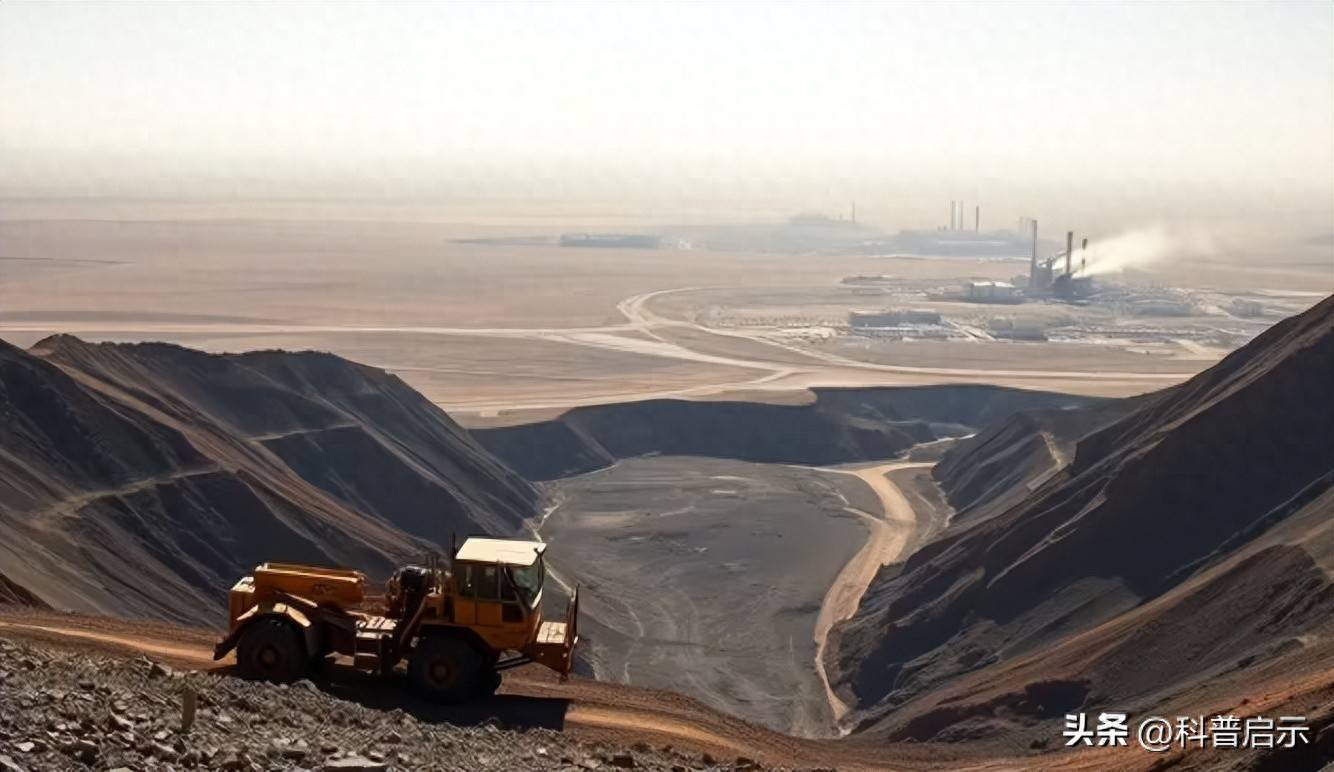
Core Insights - The establishment of the "Rare Earth NATO" alliance aims to reduce reliance on China for rare earth materials, with representatives from eight countries, including Japan, South Korea, and Australia, signing the agreement [1] - China's strategic move to issue general export licenses to companies like Jinko Solar and Ningbo Yunsheng is seen as a tactical response to the geopolitical landscape, highlighting the potential risks for the U.S. defense industry if it loses access to Chinese magnetic materials [3] - The U.S. Department of Defense is facing significant costs in its efforts to develop a domestic rare earth supply chain, with a guaranteed purchase price of $110 per ton, which is 2.3 times the international market price [3] - Investment banks like JPMorgan and Goldman Sachs are betting on government subsidies to support domestic mining operations, indicating a lack of market competitiveness for U.S. mining companies reliant on government backing [3] - Lynas's operations in Malaysia are significantly more expensive than Chinese counterparts, with capital expenditures 3 to 5 times higher and an additional 50% premium due to environmental compliance costs, suggesting that the push for a de-China supply chain may lead to inflationary pressures [4] - The U.S. is incurring five times the cost to rebuild a mature industry that China has already mastered, raising concerns about the long-term viability of U.S. efforts to establish a competitive rare earth supply chain [6] - The potential establishment of an exclusive certification system by the U.S. and Europe could undermine China's cost advantages in the rare earth sector, posing risks to its market share and leading to overcapacity issues [6] - The geopolitical strategy of the U.S. aims to drive global inflation to 600% to sever supply chains, raising questions about the effectiveness of permits held by companies as either a weapon against competitors or a safeguard for their own interests [7]


中国稀土90%产能压阵,9国联盟凑数,10年建不成替代链
Sou Hu Cai Jing· 2025-12-15 03:12
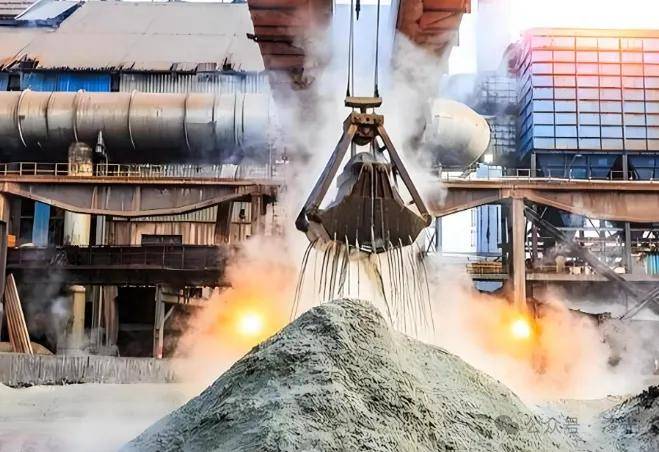
美国此次的意图明显,联合八国在白宫签署的协议,声势浩大地宣告要构建一个"去中国化"的供应链。然而,这所谓的"豪华战队",细究之下更像是一场各 怀鬼胎的"麻将局",而非同心协力的战斗集体。 澳大利亚虽拥有丰富的矿产资源,但在稀土提炼技术上却近乎空白,其开采出的矿石仍需依赖全球其他地方进行加工。荷兰掌握着先进的光刻机技术,但在 稀土领域却是一窍不通,其尖端技术在此次资源争夺战中显得力不从心。以色列和新加坡更是处于尴尬境地,一个缺乏矿产资源,一个仅擅长金融中转,在 这场资源战中几乎只能扮演"凑数"的角色。 归根结底,这个联盟中真正具备实力和意愿参与竞争的寥寥无几,有的国家盘算着从中获利,有的则只想搭个"便车",其心思根本不在一条线上。美国试图 通过巨额投资在国内重建供应链的想法,更是异想天开。稀土提炼并非易事,它不仅需要顶尖的技术,还需要解决棘手的环保问题。从零开始建立一条完整 的生产线,少则十年八年根本无法实现投产。 一场聚焦中国的"9国联盟"白宫会议,甫一结束便在全球掀起轩然大波。与会各国表面上立场强硬,但私下的行动却暴露了真实意图——不少企业已迫不及 待地排起长队,急于获取中国的许可。美国所构建的这支"豪华战 ...

有色金属行业周报:锡铜银持续突破,重视黄金板块机会-20251214
Guotou Securities· 2025-12-14 12:01
Investment Rating - The industry is rated as "Outperforming the Market" [5] Core Views - The report highlights a bullish outlook on industrial and precious metals, particularly gold, silver, copper, aluminum, tin, rare earths, antimony, lithium, cobalt, tantalum, and uranium, driven by anticipated interest rate cuts by the Federal Reserve and a potential decline in the US dollar index [1][2][3] Summary by Sections Precious Metals - Gold and silver prices have shown significant increases, with COMEX gold and silver closing at $4302.7 and $61.1 per ounce, reflecting a week-on-week increase of 2.1% and 4.5% respectively. The Federal Reserve's recent rate cut and plans for further easing are expected to support a long-term upward trend in gold prices [2][11] - The report suggests focusing on companies such as Shandong Gold, Zhongjin Gold, and Hunan Gold due to their potential in the rising gold market [2] Industrial Metals - Copper prices have shown mixed performance, with LME copper closing at $11552.5 per ton, down 1.05% week-on-week, while SHFE copper rose by 2.63% to 94020 yuan per ton. Supply constraints and fluctuating demand are expected to maintain price elasticity [2][3] - The report recommends monitoring companies like Luoyang Molybdenum, Jiangxi Copper, and Yunnan Copper for investment opportunities in the copper sector [3] Aluminum - Aluminum prices have been volatile, with LME aluminum closing at $2875.0 per ton, down 0.40%. The report notes a slight increase in domestic production capacity but highlights ongoing demand resilience in sectors like automotive and electricity [3][11] - Suggested companies for investment include Nanshan Aluminum and China Hongqiao due to their positioning in the aluminum market [3] Tin - Tin prices have surged, with SHFE tin contracts reaching 332720 yuan per ton, up 5.09%. Supply disruptions from conflict-affected regions are contributing to tight raw material availability [3][8] - Companies such as Yunnan Tin and Huaxi Holdings are recommended for their potential in the tin market [8] Strategic Metals - Rare earth prices are experiencing short-term fluctuations, with significant regulatory adjustments expected to impact supply. The report anticipates a potential new price increase cycle for rare earths due to supply shortages and policy changes [9] - Companies like China Rare Earth and Northern Rare Earth are highlighted as key players in this sector [9][10] Cobalt - Cobalt prices are currently around 409,000 yuan per ton, with supply constraints expected to tighten further due to export quota regulations from the Democratic Republic of Congo. The report maintains a positive outlook on cobalt prices [10] - Recommended companies include Huayou Cobalt and Tianqi Lithium for their strategic positioning in the cobalt market [10]
超越东三省,内蒙古成全国劳动力最老省份
Di Yi Cai Jing Zi Xun· 2025-12-14 03:17
Core Insights - The average age of the labor force in China is 39.66 years as of 2023, with Inner Mongolia now having the oldest labor force, surpassing the traditionally older Northeast provinces [2] - The demographic changes in Northeast China are influenced by local population structures and migration patterns, which are affected by industrial structures, policies, and government support [2] Group 1: Demographic Changes - Inner Mongolia, Heilongjiang, Liaoning, Jilin, and Sichuan are the five provinces with the oldest labor force, while Hainan, Tibet, Guangdong, Guizhou, and Xinjiang have the youngest [2] - Liaoning has experienced a net population increase of 86,000 in 2023, reversing a trend of net outflow since 2012, attributed to attractive talent policies and improved business environments [3] - Jilin's permanent population decreased by 153,700 in 2023, but the decline rate has slowed compared to previous years, with over 102,000 college graduates retained in Changchun [3] Group 2: Aging and Economic Factors - Northeast China is seen as a "forerunner" in aging due to early economic transitions and low birth rates, while Inner Mongolia's aging process has accelerated due to economic pressures and youth outflow [4] - Inner Mongolia's birth rate has been declining since 2017, with a rate of 5.00‰ in 2023, leading to a negative natural growth rate of -2.84‰ in 2024 [4] - The region's reliance on traditional industries like coal and rare earths has diminished job opportunities, pushing young workers to migrate to more developed eastern coastal areas for better employment prospects [4]
劳动力报告:东三省不再是全国劳动力最老省份 内蒙古居首
Di Yi Cai Jing· 2025-12-14 01:50
Group 1 - The average age of the labor force in China is 39.66 years as of 2023, with Inner Mongolia now being the oldest province, surpassing the traditionally older Northeast provinces [1] - The five provinces with the oldest labor force age structure are Inner Mongolia, Heilongjiang, Liaoning, Jilin, and Sichuan, while the youngest are Hainan, Tibet, Guangdong, Guizhou, and Xinjiang [1] Group 2 - The population outflow from the Northeast provinces began in the early 2010s and has slowed in recent years, with Liaoning experiencing a net inflow of 86,000 people in 2023, reversing an 11-year trend of net outflow [2] - Jilin's permanent population decreased by 153,700 in 2023, but the decline rate has narrowed compared to previous years, indicating a slowdown in outflow [2] - Changchun city reported that it successfully attracted and retained over 102,000 college graduates in 2023, marking a significant achievement [2] Group 3 - Inner Mongolia's average labor force age has risen due to economic transition pressures, accelerated youth outflow, and a long-term low birth rate, with a birth rate of 5.00‰ in 2023 [3] - The natural population growth rate in Inner Mongolia has been negative for several years, with a projected rate of -2.84‰ in 2024 [3] - The region's reliance on traditional industries like coal and rare earths has diminished job opportunities, leading to a migration of young workers to more developed eastern coastal areas [3]
劳动力报告:东三省不再是全国劳动力最老省份,内蒙古居首
Di Yi Cai Jing· 2025-12-14 01:32
Group 1 - The average age of the labor force in China is 39.66 years as of 2023, with Inner Mongolia now being the oldest province, surpassing the traditionally older Northeast provinces [1] - The five provinces with the oldest labor force age structure are Inner Mongolia, Heilongjiang, Liaoning, Jilin, and Sichuan, while the youngest are Hainan, Tibet, Guangdong, Guizhou, and Xinjiang [1] - Population mobility, influenced by industrial structure, policies, and government support, plays a significant role in the age structure changes in Inner Mongolia and the Northeast provinces [1] Group 2 - The population outflow from the Northeast provinces began in the early 2010s and has slowed in recent years, with Liaoning experiencing a net inflow of 86,000 people in 2023, reversing an 11-year trend of net outflow [2] - Jilin Province reported a decrease of 153,700 residents in 2023, but the decline has narrowed compared to previous years, indicating a slowdown in population outflow [2] - Changchun city in Jilin successfully attracted over 102,000 college graduates in 2023, marking a significant achievement in retaining talent [2] Group 3 - The Northeast provinces are seen as "pioneers" of aging due to early economic transitions and low birth rates, while Inner Mongolia's aging process has accelerated recently due to economic pressures and youth outflow [3] - Inner Mongolia's birth rate has been declining since 2017, with a rate of 5.00‰ in 2023, and a negative natural growth rate for several years [3] - The region's reliance on traditional industries like coal and rare earths has led to reduced job opportunities, prompting young people to migrate to more developed eastern coastal areas for better employment prospects [3]
稀土王牌对决!美日澳韩联手围堵中国,谁料反被中国“锁喉”
Sou Hu Cai Jing· 2025-12-14 00:50
Core Viewpoint - The establishment of the "Rare Earth Alliance" by the US, Japan, Australia, and South Korea is perceived as an attempt to counter China's dominance in the rare earth market, but it has inadvertently highlighted China's control over the global supply chain [1][10]. Group 1: Supply Chain Dynamics - The US is facing a crisis in rare earth supply, particularly affecting the production of the F-35 fighter jet, which has seen a reduction in monthly output from 60 to 40 units due to a shortage of heavy rare earths [3]. - China's response to the rare earth import applications from Japanese companies, which included delays in approvals, has left Japanese firms with only a month's worth of inventory, threatening production lines [5]. - China's rare earth industry has shifted from resource exportation to creating technological barriers, with significant advancements in refining costs and a focus on high-value products [7]. Group 2: Historical Context and Lessons - Japan's previous attempts to reduce reliance on China for rare earths have proven unsuccessful, as seen in its 13-year effort post the Diaoyu Islands dispute, which ultimately resulted in wasted time and continued dependency [5]. - The historical context of Japan's agreements with India for rare earth imports illustrates the challenges of diversifying supply sources, as India later prioritized its own supply needs over Japan's agreements [5]. Group 3: China's Strategic Position - China controls 85% of the global rare earth permanent magnet production capacity and plans to implement export restrictions on certain rare earth elements starting in 2024, requiring foreign companies to process a portion of their materials in China [7]. - The Chinese government emphasizes that export controls on rare earths are in line with international practices and are necessary for national security, reflecting a strategic approach to maintaining its market position [8]. Group 4: Global Market Implications - The article argues that any attempts to disrupt market dynamics through political alliances will ultimately fail, as innovation and market forces will prevail [10]. - China's sustained leadership in the rare earth sector is attributed to decades of industrial accumulation and technological innovation, contrasting with the US's reliance on political maneuvering [10].
不想被卡脖子,美国还在顽抗,拉拢8国建稀土同盟,抱团对抗中国
Sou Hu Cai Jing· 2025-12-13 17:40
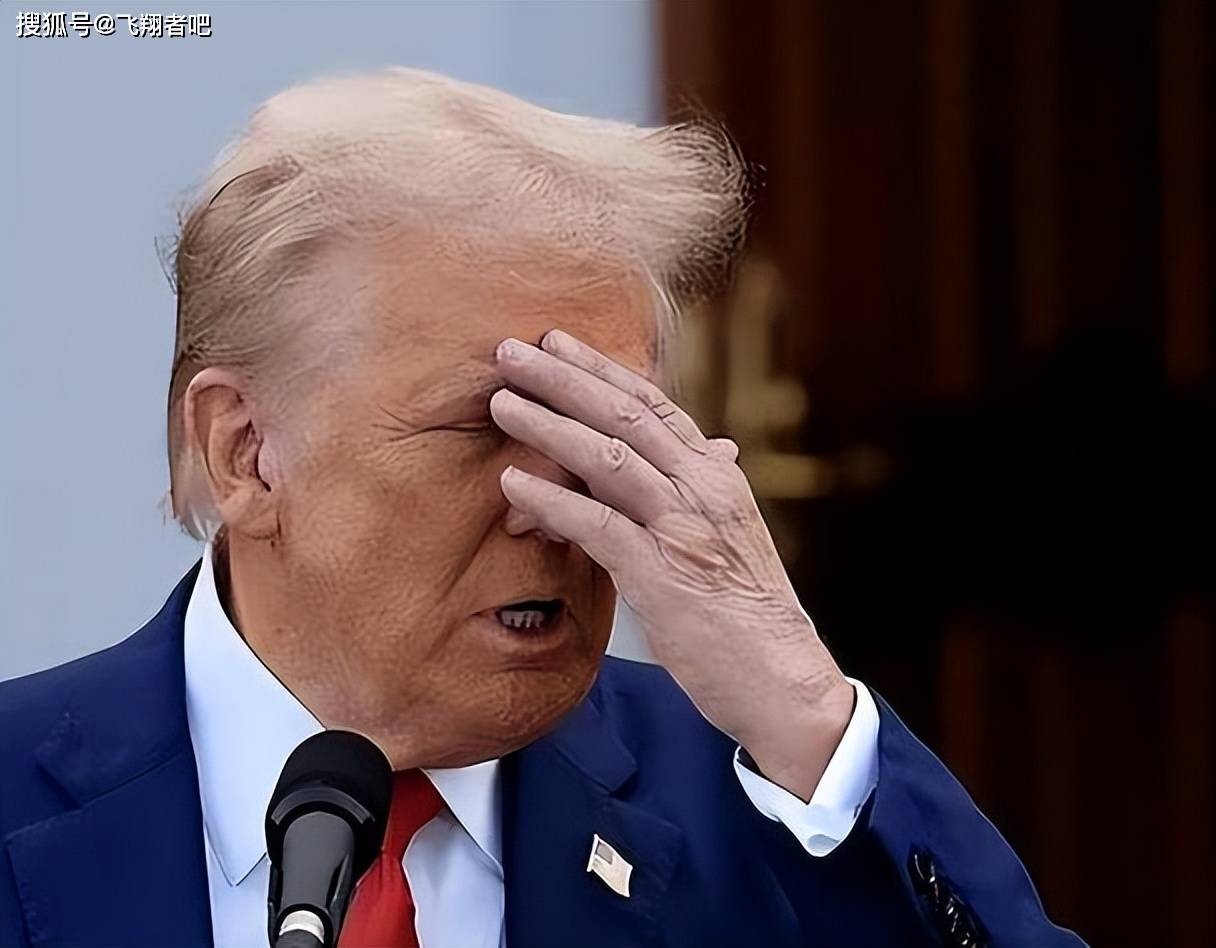
该联盟核心目标是减少对中国稀土的依赖,通过共享技术、资金和资源,构建独立于中国的稀土供应链。协议内容涵盖稀土开采、精炼和磁材制造全环节, 并设立50亿美元的"全球稀土勘探基金",用于在澳大利亚、加拿大等地加速矿产勘探。 2025年12月,美国特朗普政府成功拉拢日本、韩国、澳大利亚等八个国家,正式签署"稀土供应链同盟"协议,试图打破中国在稀土领域的主导地位。中国外 交部发言人郭嘉昆在次日回应中称此举是"割裂全球市场",并强调中国稀土管控措施透明合理,只为防止军事用途。 这场博弈背后,是稀土这种"工业维生素"牵动的全球科技战和资源争夺战,中国凭借占全球90%的稀土精炼产能和80%的中重稀土储量,牢牢掌控着产业链 命脉,而美国则加速推进"去中国化"供应链布局,但面临技术、成本和时间三重高墙。 2025年12月11日,美国总统特朗普在白宫主持签署仪式,宣布与日本、韩国、澳大利亚、新加坡、以色列等八国正式成立"关键矿产供应链联盟"。 2025年4月,中国首次对稀土物项实施出口管制;10月9日,商务部升级管制范围,新增钬、铒、铥等5种中重稀土的出口限制,使受控稀土种类达12种。 新规首次将管控延伸至境外:只要产品中中国技 ...