石油业

Search documents
莫迪天变了,美财长:若美俄和谈失败,美国将对印加征200%关税
Sou Hu Cai Jing· 2025-08-17 07:05
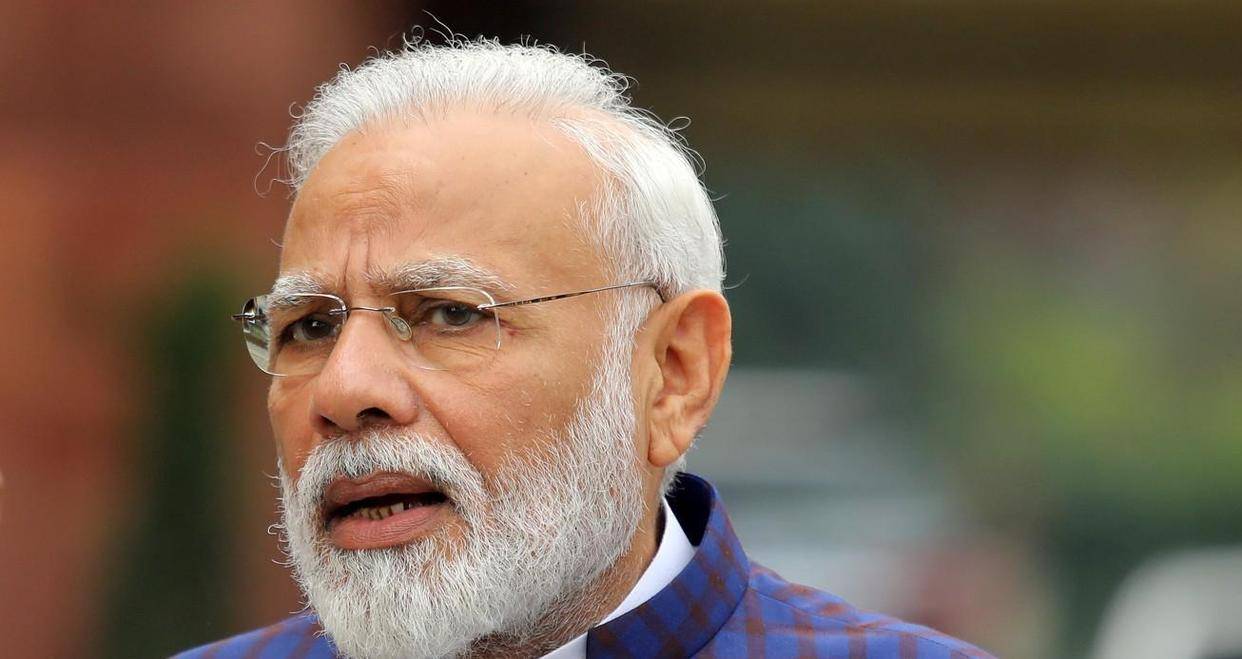
Group 1 - The upcoming US-Russia summit in Alaska on August 15 is critical for India's economic future, with potential tariffs reaching up to 200% if negotiations fail [1][11] - The US has increased tariffs on Indian goods, raising them from 25% to 50%, particularly targeting India's continued purchase of Russian oil [3][11] - Indian exporters, especially in textiles, jewelry, and agriculture, are facing severe order reductions, with a potential loss of $40 billion, equivalent to 1% of India's GDP, if US orders decrease by half [5][11] Group 2 - Public sentiment in India is turning against US brands, with calls to boycott American goods and incidents of vandalism against companies like McDonald's and Coca-Cola [6] - The Indian government is responding with significant measures, including freezing a $3.6 billion Boeing contract and exploring oil transactions in yuan to challenge the dominance of the US dollar [6][8] - The diamond industry in India, which supplies 80% of the US's diamond polishing, is particularly vulnerable, with a 40% drop in orders following the tariff increase [6] Group 3 - India is reconsidering its diplomatic stance, with Prime Minister Modi planning to attend the Shanghai Cooperation Organization summit in China, signaling a shift in alliances [8] - Russia is poised to benefit from the situation, as it seeks to strengthen ties with both India and China, opening up opportunities in oil, weapons, and infrastructure [10] - The pressure on India is mounting, as the US threatens further tariffs, which could devastate key sectors like textiles and jewelry, accounting for $87 billion in exports to the US [11][13]

本周外盘看点丨鲍威尔亮相杰克逊霍尔会议,美国零售商密集发布财报
Di Yi Cai Jing· 2025-08-17 04:10
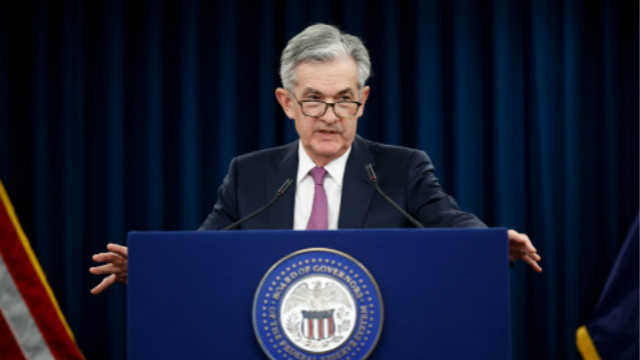
Group 1: Economic Indicators and Market Reactions - The U.S. stock market saw significant gains, with the Dow Jones up 1.75%, S&P 500 up 0.93%, and Nasdaq up 0.79% [1] - European indices also performed well, with the UK FTSE 100 up 0.47%, Germany's DAX 30 up 0.81%, and France's CAC 40 up 2.33% [1] - Investors are increasingly anticipating a rate cut from the Federal Reserve next month, influenced by recent economic data and comments from officials [3] Group 2: Federal Reserve and Interest Rate Expectations - Federal Reserve Chairman Jerome Powell is set to speak at the Jackson Hole conference, which is expected to provide critical insights into the Fed's policy direction [3] - Current market expectations indicate a 93.5% probability of a 25 basis point rate cut in September [3] - The latest Fed minutes will be closely analyzed for insights into the differing opinions among Fed officials [3] Group 3: Corporate Earnings and Financial Reports - The earnings season is nearing its end, with notable companies such as Palo Alto, Home Depot, Lowe's, Walmart, and Intuit set to report [4] - Chinese companies like Alibaba, Baidu, Xpeng Motors, and ZTO Express are also expected to disclose their earnings [4] Group 4: Commodity Market Trends - Oil prices weakened, with WTI crude down 1.69% to $62.80 per barrel and Brent crude down 1.11% to $65.85 per barrel [6] - Predictions of oversupply in the oil market are affecting sentiment, with an increase in the number of active oil drilling rigs [6] - Gold prices fell significantly, with COMEX gold futures down 3.00% to $3336.00 per ounce, influenced by geopolitical uncertainties and U.S. tariffs [6] Group 5: Inflation and Economic Outlook in the UK - Upcoming PMI data for France, Germany, and the Eurozone will provide insights into the economic impact of U.S. tariffs [7] - The UK is experiencing rising inflation, with the overall rate increasing from 2.3% to 3.6% since last October, and further increases are expected [7][8] - The labor market in the UK is showing signs of strain, particularly in the hospitality and retail sectors, with a significant rise in unemployment [7]
宝城期货资讯早班车-20250815
Bao Cheng Qi Huo· 2025-08-15 02:18
1. Macroeconomic Data Overview - GDP growth in Q2 2025 was 5.2% year - on - year, slightly lower than the previous quarter's 5.4% but higher than the same period last year's 4.7% [1] - In July 2025, the manufacturing PMI was 49.3%, down from 49.7% in the previous month; the non - manufacturing PMI for business activities was 50.1%, down from 50.5% [1] - In July 2025, the year - on - year growth rates of M0, M1, and M2 were 11.8%, 5.6%, and 8.8% respectively. M1 and M2 growth rates increased compared to the previous month [1] - In July 2025, exports and imports increased by 7.2% and 4.1% year - on - year respectively, up from 5.9% and 1.1% in the previous month [1] 2. Commodity Investment Reference 2.1 Comprehensive - In July 2025, RMB deposits increased by 500 billion yuan, with non - bank deposits increasing significantly, indicating a trend of residents' deposits moving to financial products [2] - The Fed's September rate - cut expectation was frustrated again as the US July PPI soared to 3.3% year - on - year, and Fed officials opposed a large - scale rate cut [2] 2.2 Metals - On August 14, international precious metal futures generally closed down, but US Treasury Secretary's call for rate cuts supported the precious metal market [4] - A Chinese research team developed high - energy - density soft - pack cells and module batteries [4] - Russia's central bank gold and foreign exchange reserves increased to $686.4 billion as of August 8 [5] 2.3 Coal, Coke, Steel, and Minerals - DCE restricted the daily opening volume of coking coal futures contracts from August 15 [6] - A Shandong coking enterprise plans to cut production, expected to affect about 41,000 tons of coke output [6] - As of early August, the price of coking coal increased by 3.64% month - on - month, reaching a new high since December 2024 [6] 2.4 Energy and Chemicals - On August 14, US oil futures rose due to geopolitical risks, despite an unexpected increase in US crude oil inventories [9] - In August, the international crude oil market showed a supply - exceeding - demand situation, and short - term fluctuations may be affected by the Russia - Ukraine situation [9] 2.5 Agricultural Products - As of early August, the price of soybean meal increased, while the prices of live pigs and cotton decreased [11] - The central government allocated 1.146 billion yuan for agricultural disaster prevention and relief [11] - The overall food safety situation was stable in the first half of 2025 [12] 3. Financial News Compilation 3.1 Open Market - On August 14, the central bank conducted 128.7 billion yuan of 7 - day reverse repurchase operations, with a net withdrawal of 32 billion yuan [13] - On August 15, the central bank will conduct 500 billion yuan of outright reverse repurchase operations to inject medium - and long - term funds [13] 3.2 Key News - As of August 14, the net inflow of bond ETFs this year reached 300.308 billion yuan, with the total scale exceeding 536.342 billion yuan [15] - Local state - owned assets have been actively acquiring listed companies this year, aiming at industry integration and upgrading [17] - The sales performance of real estate enterprises showed signs of stopping decline, and the new housing market is expected to stabilize further [16] 3.3 Bond Market Summary - Bank - to - bank bond yields generally rose, and treasury bond futures closed down [19] - In the exchange bond market, some bonds rose while others fell [19] - The yields of European and US bonds generally increased [22][23] 3.4 Foreign Exchange Market - The on - shore RMB against the US dollar rose 25 points, and the US dollar index rose 0.42% [24] 3.5 Research Report Highlights - Guosheng Fixed - Income expects the bond market to fluctuate and then break through downward, possibly in the fourth quarter [25] - CICC Fixed - Income is optimistic about the domestic bond market, expecting bond yields to break through downward [25] - Huatai Fixed - Income believes that the bond market has no major positive factors in the short term but limited risk of significant adjustment [25] 4. Stock Market Key News - On Thursday, the A - share market fell, with over 4,600 stocks declining [28] - The Hong Kong stock market also fell, and the number of margin trading investors reached a new high this year [28][29] - There are rumors about a possible minimum market - value threshold for Hong Kong IPOs, but the trend of A + H listings is expected to continue [28]
国际金融市场早知道:8月4日
Xin Hua Cai Jing· 2025-08-04 05:37
Group 1: Employment and Economic Indicators - The latest non-farm payroll data from the U.S. Labor Department shows a significant decline, with July's unemployment rate rising by 0.1 percentage points to 4.2%, and only 73,000 new jobs added, below the expected 110,000 [1] - Moody's chief economist Mark Zandi warns that the U.S. economy is on the brink of recession, with stagnating consumer spending and shrinking construction and manufacturing sectors, indicating potential job market weakness [2] - The ISM manufacturing PMI for July unexpectedly dropped to 48, marking a nine-month low, primarily due to decreasing orders and worsening employment conditions [3] Group 2: Trade and Tariff Policies - A report from Yale University indicates that the average effective tariff rate in the U.S. has reached 18.3%, the highest level since 1934, as U.S. tariff policies continue to evolve [1] - The OPEC statement reveals that eight major oil-producing countries will increase production by an average of 547,000 barrels per day in September [5] Group 3: Banking Sector Resilience - The European Banking Authority (EBA) reports that EU banks are sufficiently resilient to withstand economic shocks from geopolitical tensions and trade disputes, with no banks violating core capital requirements [5]
海外经济跟踪周报:关税和非农冲击,海外市场变盘-20250803
Tianfeng Securities· 2025-08-03 14:17
Market Performance - U.S. stock indices collectively fell over 2% this week, with the S&P 500, Dow Jones, and Nasdaq down 2.36%, 2.92%, and 2.17% respectively[11] - The German DAX, London FTSE 100, Nikkei 225, and Korea Composite Index also experienced declines of 3.27%, 0.57%, 1.58%, and 2.40% respectively[11] Economic Data - Non-farm payroll data was significantly below expectations, with a downward revision of 258,000 jobs in the previous two months, leading to increased concerns about economic momentum[5] - The unemployment rate remained at 4.2%, consistent with expectations, primarily influenced by immigration effects[5] Federal Reserve Insights - The FOMC meeting maintained interest rates, with a cautious stance on potential rate cuts in September, dropping the probability of a cut below 40% initially[29] - Following the disappointing non-farm data, market expectations for a 25 basis point cut in September surged to 80.3%, with predictions for three rate cuts in total this year[29] Currency and Bond Market - The U.S. dollar index rose by 1.04% over the week, while the euro and Chinese yuan fell by 1.32% and 0.11% respectively[11] - U.S. Treasury yields saw significant declines, with the 2-year yield down 22 basis points and the 10-year yield down 17 basis points by August 1[12] Commodity Market - Gold prices increased by 0.93% amid rising inflation concerns due to tariffs, while copper prices plummeted by 23.88% following a 50% tariff announcement on certain copper products[13] - WTI crude oil prices rose by 3.37% during the week[13] Trade and Tariff Developments - President Trump announced new tariffs ranging from 10% to 41% on various imports, with a 40% transit tax on transshipped goods, effective August 7[34] - Tariff concerns have heightened market volatility and investor caution, impacting overall market sentiment[11]
“黑天鹅”来袭,全线下跌
Zheng Quan Shi Bao· 2025-08-02 00:23
Core Viewpoint - The announcement of "reciprocal tariffs" by the U.S. has triggered global market turmoil, leading to declines in both U.S. and European stock markets [1][6]. Market Performance - U.S. stock indices closed lower, with the Dow Jones Industrial Average down 1.23% at 43,588.58, the S&P 500 down 1.60% at 6,238.01, and the Nasdaq down 2.24% at 20,650.13 [2]. - For the week, the Dow Jones fell 2.92%, the S&P 500 dropped 2.36%, and the Nasdaq decreased by 2.17% [2]. - European markets also experienced declines, with Germany's DAX down 2.66%, France's CAC40 down 2.91%, and the UK's FTSE 100 down 0.70% [2][3]. Economic Indicators - Recent U.S. labor market data shows a significant slowdown, with non-farm payrolls adding only 73,000 jobs in July, below expectations, and the unemployment rate rising to 4.2% [6]. - Revisions to previous months' data revealed a sharp downward adjustment, with May's job additions revised from 144,000 to just 19,000 and June's from 147,000 to 14,000 [6]. - This data suggests a rapid deceleration in the labor market, raising concerns about a potential recession [6]. Federal Reserve Response - The weak labor market data has increased pressure on the Federal Reserve to consider interest rate cuts, especially in light of the new tariffs [7]. - Fed Chair Jerome Powell emphasized the need to remain vigilant about inflation risks, particularly with the backdrop of new tariffs imposed by President Trump [6][7]. Tariff Details - President Trump signed an executive order to raise tariffs on Canada from 25% to 35%, effective August 1, with new reciprocal tariff rates ranging from 10% to 41% for various countries [7][8]. Oil Market Impact - International oil prices fell sharply, with U.S. crude down 2.89% to $67.26 per barrel and Brent crude down 3.00% to $69.55 per barrel, driven by concerns over the labor market and OPEC+ production increases [9][10]. - OPEC+ has increased production significantly, with a total increase of 1.8 million barrels per day since May, contributing to downward pressure on oil prices [10]. Precious Metals and Bonds - On August 1, international precious metals futures saw gains, with COMEX gold up 2.01% to $3,416.00 per ounce and silver up 1.07% to $37.11 per ounce [11]. - U.S. Treasury yields fell across the board, with the 2-year yield down 25.49 basis points to 3.698% and the 10-year yield down 14.62 basis points to 4.220% [11].

首席点评:PMI回落,非制造业保持扩张
Shen Yin Wan Guo Qi Huo· 2025-08-01 03:29
Report Industry Investment Rating No relevant content provided. Core Viewpoints of the Report - China's official manufacturing PMI in July 2025 fell to 49.3, and the new orders index dropped to 49.4, while the non - manufacturing sector remained in expansion. The market demand for manufacturing has slowed down [1]. - In the long - term, A - shares have high investment value. Among them, CSI 500 and CSI 1000 are more supported by science and innovation policies and may bring higher returns, while SSE 50 and SSE 300 have more defensive value in the current macro - environment [2][9][10]. - Domestic glass and soda ash are in the process of inventory digestion. The market focus has returned to supply and demand, and the speed of upstream inventory digestion should be concerned in the future [3][15]. - Gold and silver may continue to fluctuate. The long - term drivers of gold still provide support, but the upward movement is hesitant due to high prices. Attention should be paid to the performance of the US non - farm payrolls [4][17]. Summary by Directory 1. Main News on the Day International News - The number of initial jobless claims in the US last week increased by 1,000 to 218,000, lower than the market expectation of 224,000. The number of continuing jobless claims in the previous week remained unchanged at 1.946 million [5]. Domestic News - In June 2025, China's exports of goods and services in the balance of payments were $329.2 billion, imports were $259.1 billion, and the surplus was $70.1 billion [6]. Industry News - In the first half of the year, the newly installed capacity of renewable energy in China was 268 million kilowatts, a year - on - year increase of 99.3%, accounting for about 91.5% of the newly installed capacity. The installed capacity of new energy storage reached 94.91 million kilowatts/222 million kilowatt - hours, an increase of about 29% compared with the end of 2024 [7]. 2. Daily Returns of Overseas Markets - The S&P 500 fell 0.37%, the European STOXX 50 dropped 1.11%, the FTSE China A50 futures declined 1.69%, the US dollar index rose 0.08%, ICE Brent crude oil fell 1.25%, London gold spot rose 0.45%, London silver dropped 1.16%, LME metals declined to varying degrees, and most agricultural products in CBOT showed small fluctuations [8]. 3. Morning Comments on Main Varieties Financial - **Stock Index**: The US three major indexes fell, and the stock index had a significant correction in the previous trading day. The banking sector with high interest and low volatility has performed well since 2025. In the long - term, A - shares have high investment value [2][9][10]. - **Treasury Bonds**: Treasury bonds continued to rise, and the yield of the 10 - year active treasury bond fell to 1.70%. In the short - term, when the equity and commodity markets are weak, the price of treasury bond futures may continue to stabilize [11]. Energy and Chemicals - **Crude Oil**: The sc night session fell 0.71%. Trump's tariff policies have added uncertainty to global oil demand. The US crude oil production in May reached a record high of 13.49 million barrels per day. Attention should be paid to OPEC's production increase [12]. - **Methanol**: The methanol night session fell 0.08%. The average operating load of domestic coal (methanol) to olefin plants decreased slightly, and the coastal methanol inventory increased. Methanol is expected to be slightly bullish in the short - term [13]. - **Polyolefins**: Polyolefin futures mainly declined. The market is mainly driven by supply and demand, and attention should be paid to the autumn stocking market after supply and demand digestion [14]. - **Glass and Soda Ash**: Glass and soda ash futures continued to correct. Both are in the process of inventory digestion, and attention should be paid to the speed of upstream inventory digestion [3][15]. - **Rubber**: The price of raw rubber is supported by supply - side factors, but the demand - side support is weak. The inventory in Qingdao is increasing, and the short - term trend is expected to continue to correct [16]. Metals - **Precious Metals**: Gold rebounded after a decline, and silver continued to correct. The Fed's internal views are divided, and the market is speculating on the possibility of a rate cut in September. Gold and silver may continue to fluctuate [4][17]. - **Copper**: The copper price at night session closed lower. The copper price may fluctuate within a range due to the combination of long and short factors. Attention should be paid to the progress of US tariffs and other factors [18]. - **Zinc**: The zinc price at night session closed higher. The zinc price may fluctuate widely in the short - term, and attention should be paid to the progress of US tariffs and other factors [19]. - **Lithium Carbonate**: Lithium carbonate rose significantly due to the mining qualification issue in Jiangxi. The inventory continued to increase, and the fundamentals are still under pressure. The short - term core contradiction lies in the warehouse receipt inventory [20][21]. Black Metals - **Iron Ore**: The demand for iron ore is supported, but the medium - term supply - demand imbalance pressure is large. The iron ore price is expected to be volatile and slightly bullish in the future [22]. - **Steel**: The decline of rebar is greater than that of hot - rolled coil. The supply - demand contradiction in the steel market is not significant for the time being, and the steel price is expected to be volatile and slightly bullish in the future [23]. - **Coking Coal and Coke**: After the Politburo meeting, the short - term market sentiment has declined. After the correction, it is expected to maintain a range - bound and slightly bullish trend [24]. Agricultural Products - **Soybean and Rapeseed Meal**: The soybean and rapeseed meal futures were weakly volatile at night. The good growth of US soybeans has put pressure on the price, but the import cost will support the domestic soybean meal price [25]. - **Oils and Fats**: The oils and fats futures closed slightly lower at night. The expected inventory build - up of Malaysian palm oil in July has dragged down the palm oil price, and the oils and fats are expected to be weakly volatile in the short - term [26][27]. Shipping Index - **Container Shipping to Europe**: The EC was weakly volatile, and the 10 - contract closed at 1425.1 points, down 4.66%. The market will continue to game the off - season freight rate, and attention should be paid to the degree and slope of the freight rate correction [28].
全球宏观展望与策略-全球利率、大宗商品、货币及新兴市场-Global Macro Outlook and Strategy presentation
2025-07-25 07:15
Summary of Key Points from the Conference Call Industry Overview - **Global Macro Outlook**: The call discusses the macroeconomic environment, focusing on US rates, international rates, commodities, currencies, and emerging markets. Key Points on US Rates - **Value at Front-End**: There is a continued belief in value at the front-end of the yield curve, with 1Y1Y OIS rates appearing high on a medium-term basis. The expectation is for the Fed to ease later this year [3][11][16]. - **Treasury Issuance**: A projection of $629 billion in net T-bill issuance for the current quarter is made, as the Treasury aims to rebuild the TGA following the passage of the OBBBA [3][29]. International Rates - **Tariff Impact**: The announcement of a 30% tariff on EU goods has had little market reaction, with a focus on potential negotiations. The ECB is expected to keep rates on hold [4][42]. Commodities - **Oil Market Dynamics**: President Trump has issued a 50-day ultimatum to Russia regarding oil exports, threatening 100% secondary tariffs. This could lead to a significant supply shock in oil markets due to the scale of Russian exports and limited OPEC spare capacity [8][95]. - **Copper Tariffs**: The impending 50% US copper tariff could result in a 4% drag on refined copper demand growth in the US next year, although US copper demand only accounts for 6% of global demand [99][101]. Currencies - **USD Outlook**: A bearish outlook on the USD is maintained, with expectations of further weakness due to cyclical and structural factors. Recent data has shown mixed signals, but the overall medium-term view remains bearish [67][63]. - **EUR/USD Forecast**: The EUR/USD is expected to strengthen, with a target of 1.19 for Q3 and 1.22 for the next year, driven by US moderation and currency hedges rebalancing [78][80]. Emerging Markets - **Investment Strategy**: The recommendation is to stay underweight (UW) on EM sovereigns while maintaining a market weight (MW) stance on EM FX, local rates, and corporates. The outlook is cautious due to overvalued EM credit and overbought EM FX markets [8][5]. Additional Insights - **Treasury Funding Needs**: The Treasury is well-funded through FY25, but a significant funding gap is expected to emerge in FY26, necessitating coupon size increases starting in February 2026 [17][19]. - **Market Reactions**: The muted market reaction to tariff news indicates a focus on potential negotiations rather than immediate impacts [39][42]. This summary encapsulates the critical insights and projections discussed during the conference call, providing a comprehensive overview of the current macroeconomic landscape and its implications for various sectors.
解散金砖?特朗普放话威胁,因为他明白,美元霸权必然被瓦解
Sou Hu Cai Jing· 2025-07-22 23:24
Group 1 - The dollar index has fallen below 100, while the 30-year Treasury yield has surged past 5%, leading to an additional $50 billion in annual interest payments [2] - The U.S. is experiencing a wave of de-dollarization, primarily driven by actions from the Trump administration, including a recent executive order imposing 100% tariffs on key exports from 23 countries [2][4] - Countries like Russia, Brazil, and Iran are increasingly using alternative currencies for trade, with 92.3% of Russia's trade with BRICS partners now settled in currencies other than the dollar [4] Group 2 - The U.S. sanctions have prompted a significant shift away from the dollar, with China selling $74 billion in U.S. Treasuries, marking a 16-year low in holdings [4] - The SPFS system in Russia, which bypasses SWIFT, is now connected to 159 countries, indicating a growing trend towards alternative payment systems [5] - The dollar's share in global foreign exchange reserves has dropped below 55%, the lowest level since 1995, signaling a decline in dollar dominance [7]
突发!俄罗斯,发动大规模袭击!
券商中国· 2025-07-21 12:22
Group 1: Military Actions - Ukraine's President Zelensky reported that Russian forces launched over 420 drones and more than 20 missiles against Ukraine, resulting in 2 deaths and 15 injuries [1][5][6] - Russian defense systems intercepted and destroyed 74 Ukrainian drones, including 15 targeting Moscow, during a single night [2][7] - The conflict has seen extensive damage to civilian infrastructure in Ukraine, including kindergartens and residential buildings [7] Group 2: Negotiation Developments - A third round of direct negotiations between Russia and Ukraine is expected to take place in Istanbul, Turkey, this week [4][9] - Zelensky emphasized the need to accelerate negotiations and indicated that Ukraine is prepared for high-level talks [11] - Communication regarding prisoner exchanges is ongoing, with Ukraine committed to previous agreements made during earlier negotiations [12] Group 3: Sanctions Against Russia - Over 30,159 sanctions have been imposed on Russia by various countries, with more than 92% of these measures introduced after late February 2022 [16][17] - The United States has implemented the highest proportion of sanctions at 24.5%, followed by Canada and Switzerland [17] - Recent sanctions by the EU aim to target key sectors such as banking, energy, and military industries, with a focus on limiting Russia's financial capabilities [19][20]