
锡行业

Search documents
能源金属行业周报:中东冲突下高油价持续性预期走强,“白色石油”锂有望受益能源替代下的需求超预期-20260329
HUAXI Securities· 2026-03-29 08:52
Investment Rating - The industry rating is "Recommended" [4] Core Views - High oil prices are expected to persist due to ongoing conflicts in the Middle East, which may benefit lithium as a substitute energy source [2] - Nickel prices are supported by supply uncertainties from Indonesia, with a current LME nickel spot price of $17,010 per ton, up 1.43% from March 20 [2] - Cobalt prices are anticipated to rise due to supply tightness from the Democratic Republic of Congo, with electrolytic cobalt priced at 430,500 CNY per ton as of March 27, down 0.35% from March 20 [3] - The lithium market is experiencing upward pressure on prices, with carbonate lithium reaching 168,400 CNY per ton, a 17.09% increase from March 20 [21] - Supply constraints in the tungsten market are expected to continue, supporting price increases [24] - Uranium prices are expected to remain high due to supply tightness and geopolitical factors, with the global uranium market price at $71.3 per pound [25] Summary by Sections Nickel and Cobalt Industry - Nickel prices are supported by slow approval processes for mining quotas in Indonesia, with a total inventory of 281,574 tons as of March 27 [2] - Cobalt supply remains tight, with expectations of structural shortages leading to price increases in the coming years [3][18] Lithium Industry - The lithium market is experiencing upward price movements due to supply disruptions and increased demand from the electric vehicle sector, with significant price increases noted [21] - Companies with substantial lithium resource supply are expected to benefit, including major players in the sector [21] Tungsten Industry - The tungsten market is characterized by supply constraints due to strict mining regulations and environmental checks, which are expected to support prices in the long term [24] Uranium Industry - The uranium market is facing supply tightness, with geopolitical tensions contributing to price stability, and companies involved in uranium mining are expected to benefit from this trend [25]
瑞达期货沪锡产业日报-20260324
Rui Da Qi Huo· 2026-03-24 11:14
1. Report Industry Investment Rating - No information provided 2. Core Viewpoints of the Report - The report predicts that Shanghai tin will experience a shock adjustment, and investors should pay attention to the pressure at MA10 [3]. - On the macro - front, Trump claims productive dialogue with Iran, delaying the attack on Iranian power plants and energy infrastructure and negotiating a broader agreement. On the fundamental side, the supply of tin ore is expected to increase, the supply shortage is showing signs of alleviation, the production of refined tin will gradually recover but may be affected, the import pressure is increasing, the demand in the AI field is strong, the spot premium is high, the downstream purchasing atmosphere is warming, and the inventory is decreasing significantly while LME inventory is increasing and the spot premium is decreasing [3]. 3. Summary by Relevant Catalogs 3.1 Futures Market - The closing price of the main futures contract of Shanghai tin is 347,970 yuan/ton, with a month - on - month increase of 19,670 yuan/ton; the closing price of the May - June contract of Shanghai tin is 100 yuan/ton, with a month - on - month increase of 40 yuan/ton [3]. - The price of LME 3 - month tin is 44,500 US dollars/ton, with a month - on - month increase of 1,660 US dollars/ton; the main contract holding volume of Shanghai tin is 21,087 lots, with a month - on - month decrease of 3,897 lots [3]. - The net position of the top 20 futures of Shanghai tin is - 6,796 lots, with a month - on - month increase of 268 lots; the total inventory of LME tin is 8,805 tons, with a month - on - month decrease of 115 tons [3]. - The inventory of tin in the Shanghai Futures Exchange is 10,042 tons, with a month - on - month decrease of 2,472 tons; the cancelled warrants of LME tin are 635 tons, with a month - on - month decrease of 75 tons [3]. - The warrants of tin in the Shanghai Futures Exchange are 8,552 tons, with a month - on - month decrease of 426 tons [3]. 3.2 Spot Market - The spot price of SMM 1 tin is 343,700 yuan/ton, with a month - on - month increase of 2,250 yuan/ton; the spot price of 1 tin in the Yangtze River Non - ferrous Metals Market is 343,700 yuan/ton, with a month - on - month increase of 1,250 yuan/ton [3]. - The basis of the main contract of Shanghai tin is 13,150 yuan/ton, with a month - on - month increase of 2,230 yuan/ton; the LME tin premium (0 - 3) is - 266 US dollars/ton, with a month - on - month decrease of 31 US dollars/ton [3]. - The average processing fee of 40% tin concentrate is 17,100 yuan/ton, with a month - on - month decrease of 700 yuan/ton; the average price of 40% tin concentrate is 325,450 yuan/ton, with a month - on - month decrease of 11,950 yuan/ton [3]. 3.3 Upstream Situation - The average price of 60% tin concentrate is 329,450 yuan/ton, with a month - on - month decrease of 11,950 yuan/ton; the average processing fee of 60% tin concentrate is 12,000 yuan/ton, with no month - on - month change [3]. 3.4 Industry Situation - The monthly output of refined tin is 14,000 tons, with a month - on - month decrease of 1,600 tons; the monthly import volume of refined tin is 2,505.53 tons, with a month - on - month increase of 757.7 tons [3]. 3.5 Downstream Situation - The price of 60A solder bar in Gejiu is 219,300 yuan/ton, with a month - on - month increase of 1,700 yuan/ton; the cumulative monthly output of tin - plated sheets (strips) is 1.6742 million tons, with a month - on - month increase of 145,500 tons [3]. - The monthly export volume of tin - plated sheets is 139,600 tons, with a month - on - month decrease of 59,000 tons [3]. 3.6 Industry News - The US - Iran negotiation is in a deadlock. Trump claims a "strong" dialogue with Iran, forming key points of an agreement and suspending the attack on Iranian energy facilities for 5 days, while Iran denies the dialogue [3]. - State Power Investment Corporation plans to invest 200 billion yuan in 2026, a 17% year - on - year increase, and aims to complete 23 billion yuan of investment in the first quarter, a 35% year - on - year increase [3]. - US Vice - President Vance and Israeli Prime Minister Netanyahu discussed the negotiation with Iran and the elements of a potential agreement to end the war with Iran [3]. - Fed's Goolsbee believes inflation is the primary risk, not ruling out the possibility of raising interest rates but still retaining the space for rate cuts this year; Milan thinks rate hikes may be needed in case of second - round inflation effects and wage increases; Daly believes excessive forward - looking guidance creates a false sense of certainty and still expects four rate cuts in 2026 [3].
有色能源金属行业周报:钨价持续创历史新高,后续仍看好关键金属全面行情
HUAXI Securities· 2026-03-08 13:30
Investment Rating - The industry rating is "Recommended" [3] Core Insights - The report highlights that tungsten prices continue to reach historical highs, with expectations for a strong overall market for key metals [1][23] - Nickel prices are supported by tightening supply expectations due to Indonesia's reduced production quotas for 2026, which are set between 260 million to 270 million tons, significantly lower than the previous year's quota of 42 million wet tons [1][29] - Cobalt supply is expected to tighten further due to slow export progress from the Democratic Republic of Congo, with a forecasted increase in cobalt prices [2][5] - Antimony prices are anticipated to remain strong due to supply constraints, with a significant drop in production reported [6][18] - Lithium supply disruptions are expected to continue, with potential for lithium prices to reach new highs amid increasing demand [8][19] - The rare earth sector is facing supply shortages, particularly for praseodymium and neodymium, which may support prices [9][20] - Tin prices are supported by ongoing supply concerns from Myanmar and the Democratic Republic of Congo, with a notable decrease in tin imports [11][21] - Uranium supply is expected to remain tight, supporting high prices due to geopolitical factors and production delays [14][24] Summary by Sections Nickel and Cobalt Industry Insights - Indonesia's nickel production quota for 2026 is set to significantly reduce, impacting supply and supporting prices [1][29] - Cobalt exports from the Democratic Republic of Congo are hindered by complex local processes and logistical challenges, leading to tighter supply [2][5] Antimony Industry Insights - Antimony production has seen a sharp decline, which is expected to support prices in the near term [6][18] Lithium Industry Insights - Lithium prices are under pressure due to supply disruptions, but demand remains strong, potentially leading to price increases [8][19] Rare Earth Industry Insights - Supply shortages for praseodymium and neodymium are anticipated, which may bolster prices in the market [9][20] Tin Industry Insights - Ongoing supply issues from Myanmar and the Democratic Republic of Congo are expected to support tin prices [11][21] Uranium Industry Insights - The uranium market is facing supply constraints, which are likely to keep prices elevated due to geopolitical tensions and production delays [14][24]


有色:能源金属行业周报:节后多数金属价格继续回暖,后续仍看好关键金属全面行情-20260301
HUAXI Securities· 2026-03-01 08:05
Investment Rating - The industry rating is "Recommended" [3] Core Views - The report highlights a positive outlook for key metals, with expectations of price increases due to supply constraints and geopolitical factors affecting production [1][2][6][20][21]. Summary by Sections Nickel and Cobalt Industry - Nickel prices are supported by supply disruptions in Indonesia, with LME nickel closing at $17,685 per ton, a 3.09% increase from February 20 [1]. - Cobalt supply remains tight, with electrolytic cobalt priced at 440,000 yuan per ton, up 2.92% from February 13 [2]. The Democratic Republic of Congo's export policies are expected to maintain a tight supply situation [17]. Antimony Industry - Antimony prices are supported by a slight contraction in supply, with antimony ingot prices at 167,500 yuan per ton, a 1.82% increase from February 12 [6]. - Export controls and supply chain disruptions are expected to maintain upward pressure on prices [19]. Lithium Industry - Lithium carbonate prices have surged to 176,000 yuan per ton, a 17.82% increase from February 13, driven by supply tightness and export policy changes in Zimbabwe [8][20]. - The demand for lithium is expected to remain strong, supported by battery production needs [20]. Rare Earths Industry - Prices for praseodymium and neodymium oxides have increased, with praseodymium averaging 955 yuan per kilogram, up 6.70% [9]. - Supply constraints due to environmental regulations and geopolitical tensions are expected to support prices [10][21]. Tin Industry - Tin prices have risen significantly, with LME tin at $57,425 per ton, a 26.21% increase from February 20, amid supply chain concerns from Myanmar and Indonesia [11][22]. - Ongoing geopolitical tensions are likely to keep supply uncertain [22]. Tungsten Industry - Tungsten prices are expected to rise further due to a tightening supply situation, with white tungsten concentrate priced at 796,000 yuan per ton, a 14.86% increase [13][23]. - The strategic importance of tungsten resources is highlighted amid global supply chain concerns [23]. Uranium Industry - Uranium prices remain high at $69.71 per pound, supported by ongoing supply tightness and geopolitical factors affecting production [14][24]. - The report indicates a persistent supply-demand gap in the uranium market, with expectations of continued price support [24].
龙虎榜复盘丨磷化工大涨,有色金属持续表现
Xuan Gu Bao· 2026-02-25 11:03
Group 1: Institutional Trading Insights - A total of 43 stocks were listed on the institutional trading leaderboard, with 29 stocks experiencing net buying and 13 stocks facing net selling [1] - The top three stocks with the highest net buying by institutions were Tongyuan Petroleum (385 million), Construction Machinery (291 million), and Zhongtung High-tech (198 million) [1] Group 2: Stock Performance and Market Trends - Tongyuan Petroleum saw a trading volume with 5 buyers and 3 sellers, while its stock price increased by 14.51% [2] - Construction Machinery had 3 buyers and no sellers, with a stock price increase of 8.56% [2] - Zhongtung High-tech had 3 buyers and 3 sellers, with a stock price increase of 10.00% [2] Group 3: Industry Analysis - Zhongtung High-tech specializes in tungsten products, including tungsten concentrate, ammonium paratungstate, and hard alloys, along with the development and production of various non-ferrous metals [3] - The company’s subsidiary, Jinzhu Company, is a leader in the PCB micro-drilling field, possessing core technologies for precision drilling [3] - The phosphorous chemical industry is highlighted by companies like Chuanjinnuo and Qingshuiyuan, with the latter's project on phosphorus pentachloride being significant for lithium hexafluorophosphate production [3] - The U.S. has elevated phosphorus and glyphosate herbicides to national security priorities, indicating a potential revaluation of phosphorus resources, which could enhance the competitiveness of Chinese companies in the international market [3] Group 4: Non-ferrous Metals Sector - Zhangyuan Tungsten Industry is noted as a leading tungsten smelting and processing enterprise, with the highest production of tungsten powder and significant carbonized tungsten powder output [4] - Jiangxi Tungsten Equipment plans to raise up to 1.882 billion for acquisitions in the tungsten materials sector [4] - The tungsten supply is tightening due to stricter mining and environmental regulations, while domestic demand remains stable, particularly in PCB tool procurement [4] - The potential ban on tin raw material exports by Indonesia could create significant demand for tin processing companies, positively impacting tin prices [4]

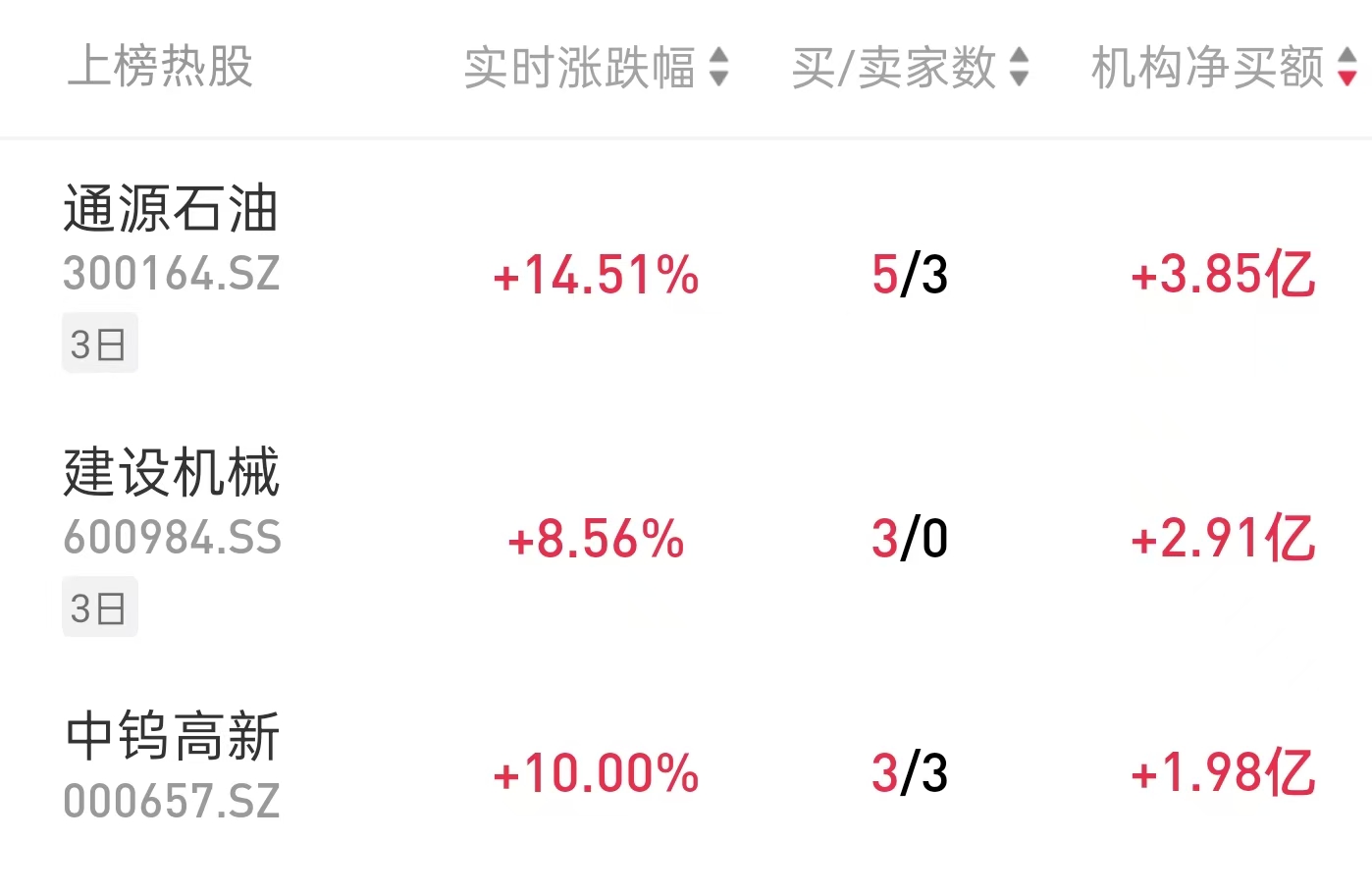
未知机构:有色观点更新220260223钨截至2月13日钨精矿价格报-20260224
未知机构· 2026-02-24 03:10
Summary of Key Points from Conference Call Records Industry Overview Tungsten Industry - As of February 13, tungsten concentrate prices reached 697,000 CNY per standard ton, with a weekly increase of 3.3% and a rise of 237,000 CNY (51%) compared to the end of 2025 [1] - The tungsten price has shown a strong upward trend since 2026, supported by long-term quotes from major tungsten companies, indicating a pattern of initial increase followed by stabilization [1] - International tungsten prices are rising due to supply chain shortages, with China being the source of 80% of global tungsten resources. Export controls and crackdowns on illegal mining in China have made overseas raw material procurement more difficult [1] - The current tungsten market faces significant supply-side challenges, with no clear signs of price peaks, providing solid support for the overall market [1] Lithium Industry - The average price of battery-grade lithium carbonate increased from 135,500 CNY per ton at the beginning of the week to 142,500 CNY per ton by Thursday, a weekly increase of 7,000 CNY per ton [4] - Industrial-grade lithium carbonate prices rose from 132,000 CNY per ton to 139,000 CNY per ton, also up by 7,000 CNY per ton [4] - The futures market showed strong performance, with main contract prices rising from a range of 135,000-141,000 CNY per ton to 146,000-152,400 CNY per ton [4] - Market transactions are primarily driven by sporadic pricing settlements and essential purchases, with overall inquiry and transaction volumes declining [5] - A weak supply-demand balance is expected to persist before and after the Spring Festival, with prices likely to stabilize [6] Antimony Industry - Increased market activity was noted before the Spring Festival, with antimony prices continuing to rise due to speculative demand [10] - A fire at Hunan Zhenqiang Antimony Industry has led to production halts, affecting over 2,000 tons of antimony ingot output [11] - Overall market demand remains relatively weak, but expectations for improved demand post-holiday are rising due to new export policies and improved trade conditions [11][12] - Antimony prices are anticipated to recover due to limited supply and expected export recovery [12] Tin Industry - The tin market is experiencing a weak overall trend, influenced by macroeconomic sentiment and changes in the AI industry narrative [13] - Supply-side constraints are evident as many smelting companies plan maintenance shutdowns, leading to tighter raw material supplies [14] - Demand from downstream solder companies has diminished, with most enterprises halting production and showing low purchasing intent [14] - The market is expected to remain quiet due to the Spring Festival, with tin prices lacking clear direction [15] Cobalt Industry - Cobalt prices showed a slight rebound, but market changes remain limited due to tight upstream raw material supplies [17] - Trade and downstream inquiries have largely ceased, leading to a quiet market atmosphere [18] - As the Spring Festival approaches, many smelting plants are reducing operations, tightening available market supply [19] - Post-holiday, prices may rise again due to supply constraints and cost support from raw materials [22] Nickel Industry - Indonesia's nickel mining quota reduction policy for 2026 has cut the overall quota from 379 million tons in 2025 to 260-270 million tons, a reduction of nearly 30% [22] - Supply disruptions are exacerbated by seasonal weather impacts in the Philippines and Indonesia, leading to a tight supply situation [22] - Downstream companies are optimistic about post-holiday market conditions, with some early stockpiling observed [23] Companies to Watch - Tungsten: Xiamen Tungsten, Zhongtung High-tech, Xianglu Tungsten [2] - Lithium: Shengxin Lithium Energy, Tianhua New Energy, Zhongkuang Resources, Salt Lake Co. [9] - Antimony: Huaxi Nonferrous, Beijiete, Hunan Gold, Huayu Mining [13] - Tin: Huaxi Nonferrous, Xiyang Silver Tin [16] - Cobalt: Huayou Cobalt, Liqin Resources, Tengyuan Cobalt [24]
长江有色:非农扰动降息预期锡价涨势收敛 12日锡价或涨跌不大
Xin Lang Cai Jing· 2026-02-12 03:04
Group 1: Market Overview - The macro environment is favorable for financial attributes and rising oil prices, leading to a 1.7% increase in London tin prices, closing at $50,065, up $835 from the previous trading day, with a trading volume of 498 contracts and an open interest of 25,153 contracts, down by 200 [1] - Domestic tin futures in Shanghai opened higher and maintained a strong position, with the main contract closing at 391,330 CNY/ton, up 3,440 CNY, a rise of 0.89% [1] - The global market is experiencing a pivotal shift, with the U.S. non-farm payroll data exceeding expectations, pushing back the Federal Reserve's interest rate cut expectations to after July [2] Group 2: Supply and Demand Dynamics - The tin market is currently in a state of weak supply and demand ahead of the Spring Festival, with supply disruptions in major producing countries and domestic smelters entering holiday breaks, leading to a tightening of spot circulation and low social inventory [3] - Despite the overall demand being weak due to seasonal factors, there remains a rigid demand from AI servers and photovoltaic welding materials, providing a bottom support for tin prices [3][4] Group 3: Industry Trends - The tin industry is characterized by a reshaping of technological demand and rigid supply, with traditional consumer electronics in a weak seasonal phase, while AI computing, new energy vehicles, and energy storage are becoming core demand drivers [4] - The global tin mining sector has limited new production capacity, and geopolitical factors continue to impact supply stability, maintaining a tight balance in the industry [4] Group 4: Company Performance - Leading tin companies are benefiting from rising tin prices, with steady growth in year-end performance and improved profitability due to their full industry chain layout [5] - These companies are maintaining reasonable production rhythms to ensure supply for core customers while preparing for post-holiday resumption of production and capacity recovery [5] Group 5: Market Strategy - As the Spring Festival approaches, the tin market is expected to have limited volatility, with recommendations for cautious position management to avoid risks from frequent trading [6] - Post-holiday, as downstream production resumes, market demand is anticipated to gradually recover, supported by global liquidity easing, creating a clear window for investment in cyclical sectors, particularly rare metals like tin [6]

风险偏好下降 沪锡延续跌势【2月6日SHFE市场收盘评论】
Wen Hua Cai Jing· 2026-02-06 08:15
Group 1 - The core viewpoint of the articles indicates that the tin market has experienced significant price fluctuations, with the main contract dropping by 5.86% to 357,000 yuan/ton, influenced by geopolitical tensions and changes in U.S. Federal Reserve leadership [1] - The recent easing of geopolitical tensions and the nomination of a new Federal Reserve chairman have led to a decrease in market risk appetite, resulting in a rebound of the U.S. dollar index and downward pressure on precious metals and non-ferrous sectors, including tin [1] - Despite a tight supply situation in the tin market, the resumption of production in Myanmar has alleviated the supply constraints, and the processing fees for tin ore have slightly increased, which may improve the profitability of smelters [1] Group 2 - The market sentiment has shown positive changes following a significant drop in tin prices, with downstream enterprises increasing their purchasing intentions and actively replenishing inventories at lower prices [1] - Trade inventories among traders have been declining, with many nearing bottom levels, leading to increased overall market trading activity [1] - The demand from downstream sectors remains stable, primarily driven by essential needs, with some companies receiving pre-holiday delivery orders, indicating a gradual recovery in demand within the consumer electronics sector [1] Group 3 - Looking ahead, the short-term outlook for tin prices remains uncertain due to marginally relaxed supply and demand dynamics, with expectations of wide fluctuations in prices [2] - However, the medium to long-term trend for tin prices is expected to remain upward [2]
《有色》日报-20260205
Guang Fa Qi Huo· 2026-02-05 01:46
1. Report Industry Investment Rating No investment rating information is provided in the reports. 2. Core Views of the Reports 2.1 Copper - Short - term: Supply - side issues like low port copper ore inventory and low TC, and demand - side improvement in terminal orders after price retracement. Global visible inventory is accumulating. In the context of narrowing CL premium, copper prices may return to fundamental pricing with increased price volatility. - Medium - to - long - term: The logic remains unchanged. Supply - side capital expenditure is constrained, and AI - driven grid upgrade demand is expected. The bottom center of copper prices is expected to gradually rise. Pay attention to the support level between 101500 - 103000 [1]. 2.2 Zinc - Spot trading improvement is limited. Fundamentally, the tightness of the zinc mine supports prices, but the high zinc price suppresses demand. The smelting profit is under pressure, and the finished product inventory is accumulating. The global visible zinc ingot inventory pressure is limited. The price has support below but is pressured by demand feedback above. Pay attention to the support level around 24000 [5]. 2.3 Nickel - Macro sentiment and ore - end expectations affect price fluctuations. Currently, the macro situation is stable, and there is support for prices before the ore - end disturbances are clarified. Refined nickel production is stimulated by high prices, but demand is weak. Nickel prices are expected to have a wide - range shock adjustment, with the main reference range of 130000 - 140000 [8]. 2.4 Aluminum - Alumina: Affected by events like strikes and production cuts, the market is bullish, but high - inventory pressure in the spot market suppresses prices. It is expected to fluctuate widely around the cost line, with the main contract reference range of 2600 - 2900 yuan/ton [10]. - Aluminum: The price is affected by macro, geopolitical, and financial factors. However, it has deviated from fundamental support. It is recommended to make long - term layouts after price stabilization and volatility reduction. Pay attention to the support level between 23000 - 23500 [10]. 2.5 Stainless Steel - The cost support exists, and there is an expectation of supply reduction due to steel mill production cuts. However, the demand boost in the off - season is insufficient, and inventory digestion is slow. It is expected to have a short - term shock adjustment, with the main reference range of 13500 - 14500 [12]. 2.6 Lithium Carbonate - The futures price rebounds slightly. The supply is expected to decline due to pre - holiday maintenance, and the demand has certain resilience. The inventory shows a certain de - stocking trend in the off - season. The price is expected to have a shock adjustment, with the main reference range of 145000 - 155000 yuan/ton [15]. 2.7 Tin - Short - term: Affected by the stock market sell - off, there is a risk of price correction. - Medium - to - long - term: Considering supply - side low elasticity and long - term AI demand, a low - buying strategy can be adopted [17]. 2.8 Industrial Silicon - The price stabilizes. In February, the supply and demand are expected to be weak. The price is expected to fluctuate between 8200 - 9200 yuan/ton. Pay attention to the production reduction and demand changes [19]. 2.9 Polysilicon - In February, the supply and demand are weak. The production is expected to decrease, and the demand reduction is limited. The price may stabilize and fluctuate. It is recommended to wait and see during the cooling - down period and pay attention to production reduction and demand recovery [20]. 2.10 Aluminum Alloy - The price is highly volatile. The cost is the main driving factor. The supply and demand are seasonally weak. The ADC12 price is expected to fluctuate in the high - level range of 21500 - 23500 yuan/ton. Pay attention to scrap aluminum circulation, import window, and downstream inventory - building [22]. 3. Summary According to Relevant Catalogs 3.1 Price and Spread - **Copper**: SMM 1 electrolytic copper price rose 3.04% to 104405 yuan/ton, and the price of related products also changed to varying degrees. The CL premium affects price trends [1]. - **Zinc**: SMM 0 zinc ingot price fell 0.60% to 24900 yuan/ton, and the import profit and loss and monthly spread also had corresponding changes [5]. - **Nickel**: SMM 1 electrolytic nickel price rose 1.83% to 141600 yuan/ton, and the cost of producing electrolytic nickel from different raw materials also changed [8]. - **Aluminum**: SMM A00 aluminum price rose 2.02% to 23760 yuan/ton, and the prices of alumina and related products remained stable [10]. - **Stainless Steel**: The price of 304/2B stainless steel coil in Wuxi and Foshan changed slightly, and the price of raw materials remained stable [12]. - **Lithium Carbonate**: SMM battery - grade lithium carbonate price fell 0.33% to 153000 yuan/ton, and the prices of related products also decreased [15]. - **Tin**: SMM 1 tin price rose 3.44% to 395050 yuan/ton, and the import profit and loss and monthly spread changed [17]. - **Industrial Silicon**: The price of industrial silicon remained stable, and the monthly spread of the futures contract changed [19]. - **Polysilicon**: The price of polysilicon remained stable, and the monthly spread of the futures contract changed [20]. - **Aluminum Alloy**: The price of SMM aluminum alloy ADC12 rose 0.63 - 0.85% in different regions, and the refined - scrap price difference and monthly spread changed [22]. 3.2 Fundamental Data - **Copper**: In January, electrolytic copper production increased slightly by 0.10% to 117.93 million tons. In December, the import volume decreased by 4.02% to 26.02 million tons. The inventory of copper - related products changed to varying degrees [1]. - **Zinc**: In January, refined zinc production increased by 1.54% to 56.06 million tons. In December, the import volume decreased by 51.94% to 0.88 million tons, and the export volume decreased by 36.32% to 2.73 million tons. The operating rates of related industries and inventory changed [5]. - **Nickel**: In January, China's refined nickel production increased by 20.06% to 37700 tons, and the import volume increased by 84.63% to 23394 tons. The inventory of related products changed [8]. - **Aluminum**: In December, alumina production decreased by 1.78% to 751.96 million tons, and domestic electrolytic aluminum production increased by 0.47% to 379.86 million tons. The operating rates of related industries and inventory changed [10]. - **Stainless Steel**: In January, China's 300 - series stainless steel crude steel production decreased by 26.72% to 65.737 million tons, and the production in Indonesia increased by 0.36% to 42.35 million tons. The import and export volumes and inventory changed [12]. - **Lithium Carbonate**: In January, lithium carbonate production decreased by 1.31% to 97900 tons, and the demand decreased by 4.18% to 130118 tons. The inventory increased [15]. - **Tin**: In December, tin ore import remained unchanged at 17637 tons, and SMM refined tin production decreased slightly by 0.06% to 15950 tons. The import and export volumes and inventory changed [17]. - **Industrial Silicon**: In January, the national industrial silicon production decreased by 5.44% to 37.55 million tons, and the operating rates of related regions and industries decreased. The inventory changed slightly [19]. - **Polysilicon**: In January, polysilicon production decreased by 12.73% to 10.08 million tons, and the import and export volumes and inventory changed [20]. - **Aluminum Alloy**: In December, the production of recycled aluminum alloy ingots decreased by 4.69% to 61.00 million tons, and the production of primary aluminum alloy ingots decreased slightly by 0.26% to 30.33 million tons. The operating rates and inventory changed [22].
长江有色:4日锡价大涨 期货持仓激增现货成交畏高
Xin Lang Cai Jing· 2026-02-04 08:11
Core Viewpoint - The significant rise in tin prices on February 4, 2026, is attributed to a combination of a supply shock from a natural disaster in Myanmar, favorable macroeconomic conditions, and increased demand expectations from key sectors [2] Supply Side - Global tin supply is facing rigid shortages due to multiple disruptions, including a recent earthquake in Myanmar, export restrictions in Indonesia, and production halts in the Democratic Republic of Congo [3] - Domestic supply is also constrained, with low raw material availability and high operating rates at smelters, but limited production increases [3] Demand Side - While traditional electronic sectors are experiencing seasonal weakness, emerging sectors such as AI servers, photovoltaics, and new energy vehicles are showing strong demand [4] - After a price correction, downstream inventory replenishment has contributed to the price increase [4] Inventory Situation - Both LME and domestic tin inventories are at low levels, with a significant portion of domestic stocks being held for delivery, leading to insufficient available inventory for downstream enterprises [5] Industry Status Near Chinese New Year - As the Chinese New Year approaches on February 16, the industry is experiencing a "supply and demand lull," with upstream smelters beginning to shut down for maintenance, further tightening supply [6] - Midstream traders and processors are operating at low inventory levels with minimal replenishment activity, while downstream purchasing is primarily driven by immediate needs [6] Short-term Price Trends and Future Outlook - Following the substantial price increase on February 4, the short-term outlook suggests a "high-level fluctuation" pattern, with potential for price stabilization after the market digests the supply disruption effects [7] - In the medium to long term, the fundamental balance of supply and demand remains supportive of price increases, particularly driven by ongoing demand growth in semiconductor and photovoltaic sectors [7] Investment Strategies - Short-term traders are advised to operate within the fluctuation range while managing positions and avoiding holiday risks [8] - Long-term investors may consider accumulating positions during price corrections, focusing on the fundamental supply-demand balance [8]