
外存储设备及部件

Search documents
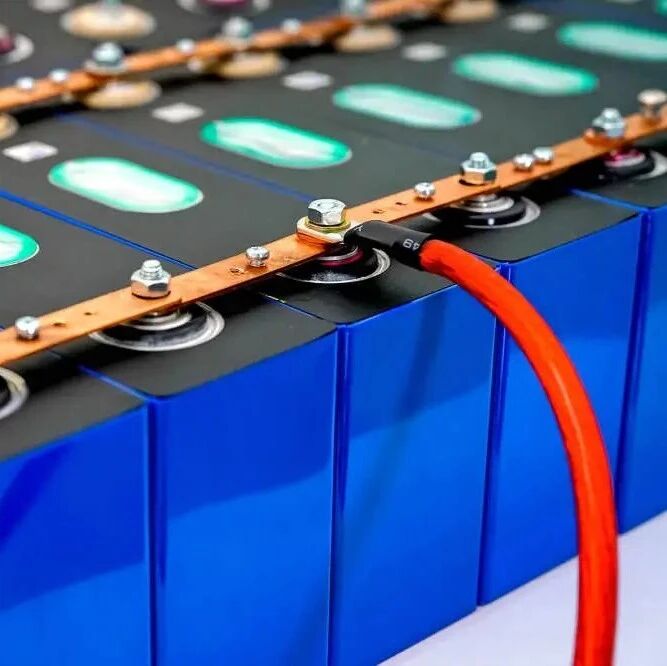
锂电池制造价格连降33个月后首涨
21世纪经济报道· 2026-03-09 11:35
Group 1: CPI Analysis - In February, the Consumer Price Index (CPI) increased by 1.0% month-on-month and 1.3% year-on-year, marking the highest month-on-month increase in nearly two years and the highest year-on-year increase in nearly three years [1][5] - The core CPI, excluding food and energy, rose by 1.8% year-on-year, the highest since 2020, indicating a gradual recovery in consumer demand, although it remains relatively low [5][7] - The increase in CPI is attributed to the concentrated release of consumer demand during the long Spring Festival holiday, with service prices rising significantly [6][7] Group 2: PPI Insights - The Producer Price Index (PPI) rose by 0.4% month-on-month but decreased by 0.9% year-on-year, with the decline narrowing for three consecutive months [2][9] - The rise in PPI is driven by increasing prices in upstream mining and smelting sectors, while midstream and downstream product prices have seen more moderate increases [2][9] - Notably, the price of lithium-ion battery manufacturing has increased by 0.2% after a 33-month decline, reflecting the effectiveness of capacity governance and anti-"involution" policies in the industry [9][10] Group 3: Industry Trends - The recent price rebound in the photovoltaic and lithium battery sectors indicates the effectiveness of policies aimed at capacity governance and reducing "involution" competition, shifting the focus from price competition to quality and profit [10] - The domestic policy cycle is entering a new phase, with significant investments in new infrastructure and modern energy systems expected to improve demand across the electrical equipment and electronic information sectors [10] - Future price stability will depend on the ability of consumer demand and corporate investment to absorb rising costs, with potential impacts on profit margins rather than significant increases in end prices [10]

元瞻经纬总量月报(2026年2月):近期宏观经济数据跟踪
Guoyuan Securities· 2026-03-04 04:25
Industrial Production and Economic Sentiment - In January 2026, the Producer Price Index (PPI) year-on-year decline narrowed to -1.4%, marking six consecutive months of improvement[11] - The PPI month-on-month increased by 0.4%, continuing a positive trend for four months[11] - Manufacturing PMI fell to 49.3% in January, influenced by seasonal factors and insufficient effective demand[24] Domestic Demand - Consumer Price Index (CPI) showed a mild recovery, with a year-on-year increase of 0.2% in January, indicating potential improvement in domestic demand[40] - During the Spring Festival, key retail and catering enterprises reported a daily sales increase of 5.7% compared to the previous year[42] - The urban unemployment rate in January was 5.2%, indicating stability in employment conditions[43] Fiscal Performance - In December 2025, general public budget revenue decreased by 24.95% year-on-year, primarily due to a high base effect from the previous year[55] - The total public budget revenue for 2025 was 216,045 billion yuan, a decrease of 1.7% year-on-year[52] - Government fund income for 2025 was 57,704 billion yuan, with a year-on-year decline of 7%[72] Financial Sector Insights - Social financing in January 2026 reached 7.22 trillion yuan, an increase of 1,662 billion yuan year-on-year[81] - M1 growth rate rebounded to 4.9%, reflecting increased economic activity and liquidity[82] - M2 growth rate was 9%, indicating overall liquidity and credit expansion in the economy[83] Risk Factors - Potential risks include unexpected declines in domestic and external demand, intensified trade frictions, and policy implementation effects falling short of expectations[5]
2026年1月物价数据点评:“反内卷”与新质生产力发展并进
BOHAI SECURITIES· 2026-02-12 10:11
Group 1: CPI Analysis - In January 2026, the CPI increased by 0.2% year-on-year, a decrease from the previous value of 0.8%[11] - Core CPI's month-on-month growth reached its highest level in six months, driven by increased travel demand and rising international gold prices[4] - Food prices remained stable month-on-month, with fresh vegetable prices decreasing by 4.8%[14] Group 2: PPI Analysis - In January 2026, the PPI's year-on-year decline narrowed, while the month-on-month increase expanded[5] - Prices in the upstream raw materials sector turned from decline to increase due to the "anti-involution" effect, with basic chemical raw materials rising by 0.7%[25] - The month-on-month increase in production materials prices expanded, while living materials prices shifted from stable to rising[25] Group 3: Future Outlook - The CPI is expected to increase in February 2026, influenced by sufficient pig supply and potential price rises in fresh vegetables before the Spring Festival[16] - The PPI is projected to maintain a similar month-on-month increase in February, with a further narrowing of the year-on-year decline to around -1.0%[5] - Input inflation may rise in February, driven by ongoing "anti-involution" and the rapid development of new productive forces[26]
1月份CPI同比上涨0.2% 物价低位温和回升
Jin Rong Shi Bao· 2026-02-12 02:05
Group 1 - In January, the Consumer Price Index (CPI) increased by 0.2% month-on-month and year-on-year, while the core CPI, excluding food and energy, rose by 0.8% year-on-year, indicating a continued recovery in consumer demand [1][2] - The Producer Price Index (PPI) rose by 0.4% month-on-month but decreased by 1.4% year-on-year, reflecting a gradual stabilization in prices after four consecutive months of month-on-month increases [1][2] - The decline in year-on-year CPI growth was attributed to the high base effect from the previous year's Spring Festival and a significant drop in energy prices, which fell by 5.0% in January [2] Group 2 - The increase in core CPI, which rose by 0.3% month-on-month, is the highest in the past six months, suggesting that consumer demand is recovering despite the overall CPI decline [2] - The PPI's month-on-month increase was driven by the ongoing construction of a unified national market and rising demand in certain sectors, such as artificial intelligence and digital technology, which boosted prices for electronic semiconductor materials and storage devices [2] - The CPI base period rotation is set for 2025, with adjustments to the fixed basket of goods to better reflect current consumer spending patterns, enhancing the accuracy of the price index [3]
中金:基期轮换映升级,春节扰动不足虑 ——2026年1月物价数据点评
中金点睛· 2026-02-11 23:38
Core Viewpoint - The January CPI decreased year-on-year from 0.8% to 0.2%, primarily affected by the misalignment of the Spring Festival, with significant drag from food and services [1][2][3]. Group 1: CPI Analysis - The year-on-year CPI drop was mainly due to the Spring Festival misalignment, with food and service prices contributing negatively [2][3]. - Food prices, particularly fresh vegetables, saw a significant decline, with the CPI for fresh vegetables dropping from 18.2% to 6.9%, impacting the overall CPI by 0.27 percentage points [2][4]. - Service prices also fell, with a year-on-year decrease from 0.6% to 0.1%, influenced by lower prices for airline tickets, travel agency fees, and domestic services [3][4]. Group 2: PPI Analysis - The PPI increased by 0.4% month-on-month, marking the fourth consecutive month of positive growth, driven by rising international prices for non-ferrous metals and improved supply-demand dynamics in certain sectors [14][15]. - The year-on-year PPI decline narrowed to -1.4%, with structural improvements observed, although downstream price transmission remains a concern [14][15]. - Certain industries, such as photovoltaic equipment manufacturing and black metal smelting, experienced price increases due to optimized supply-demand structures [15]. Group 3: Consumption Structure Changes - A five-year periodic base year rotation was conducted in January 2026, adjusting the basket content and weights to reflect new changes in production, circulation, and consumption [20][21]. - The classification of consumption categories was updated, including new categories for housing security devices and internet medical services, reflecting shifts in consumer behavior [22][23]. - The weight structure changes indicate a transition in consumer spending from goods to services, with an increase in the weight of food and dining out, while clothing and living services saw a decrease [23][24]. Group 4: Future Outlook - Looking ahead, the CPI is expected to rebound in February due to the Spring Festival misalignment, but the extent of improvement will depend on the recovery of domestic demand [25][26]. - The "anti-involution" policies may lead to a gradual narrowing of the PPI year-on-year decline, but price transmission challenges may persist, influenced by high base effects and domestic demand recovery [26].

1月份CPI同比上涨 PPI同比降幅收窄
Zheng Quan Ri Bao· 2026-02-11 16:29
Group 1: Consumer Price Index (CPI) Insights - In January, the Consumer Price Index (CPI) increased by 0.2% month-on-month and year-on-year, indicating a moderate recovery in consumer demand [1][2] - The core CPI, excluding food and energy, rose by 0.3% month-on-month, marking the highest increase in six months [3] - Food prices decreased by 0.7%, contributing to a decline in the CPI year-on-year by approximately 0.11 percentage points, while service prices increased by 0.1% [2][3] Group 2: Producer Price Index (PPI) Insights - The Producer Price Index (PPI) rose by 0.4% month-on-month, marking the fourth consecutive month of increase, with a year-on-year decline of 1.4% [4] - Key industries showed price increases due to improved supply-demand structures and the effects of capacity governance [4][5] - Domestic prices in the non-ferrous metal and petroleum sectors exhibited divergence due to international price fluctuations, with non-ferrous metal mining prices increasing significantly [6]
降息降准可期,物价乍暖还寒
泽平宏观· 2026-02-11 16:07
Core Viewpoint - The article discusses the marginal improvement in domestic prices as of January 2025, driven by input factors and anti-involution policies, while still remaining at low levels. It anticipates the potential for expanding domestic demand and monetary easing measures [1][9]. Group 1: CPI Analysis - In January, the CPI increased by 0.2% year-on-year, a decrease of 0.6 percentage points from the previous month, influenced by last year's high base and weak domestic demand [5][10]. - Food prices fell by 0.7% year-on-year, with pork prices down 13.7%, indicating a significant decline in demand [5][10]. - Core CPI rose by 0.8% year-on-year, but this was a decrease of 0.4 percentage points from the previous month, reflecting weak service price growth [12]. Group 2: PPI Analysis - The PPI decreased by 1.4% year-on-year in January, but the decline was less severe than in December, indicating a narrowing of the drop [6][21]. - Input factors have led to price increases in upstream industries, particularly in non-ferrous metals, while downstream sectors remain weak due to insufficient demand [21][24]. - The PPI is expected to recover more significantly, driven by anti-involution policies and geopolitical factors affecting commodity prices [8][21]. Group 3: Future Outlook - The article forecasts a moderate recovery in prices, supported by policies such as the "old-for-new" consumption incentive, adjustments in pig production capacity, and international gold price trends [8][9]. - The central bank's monetary policy is expected to remain accommodative, with potential for interest rate cuts and reserve requirement ratio reductions to stimulate demand [27][30]. - The overall economic environment is characterized by a strong supply but weak demand, necessitating continued efforts to stabilize market expectations and enhance domestic momentum [30][31]. Group 4: Pig Cycle Analysis - The pig price in January showed a year-on-year decline of 13.7%, but the rate of decline has narrowed, indicating a potential bottoming out of the cycle [16][17]. - The current pig cycle is still in a downward trend, with production capacity adjustments beginning but not yet sufficient to drive a significant price recovery [16][17]. - The industry is experiencing increased concentration, which may lead to reduced price volatility in future cycles compared to traditional patterns [18]. Group 5: Monetary Policy Insights - The central bank's Q4 report emphasizes the need for a flexible and effective monetary policy, with a focus on using tools like interest rate cuts to support economic recovery [27][30]. - There is a notable increase in household deposits moving towards wealth management products, indicating a shift in investment preferences that could impact bank liquidity [29][35]. - Loan interest rates continue to decline, with the weighted average rate at 3.15%, reflecting ongoing efforts to lower financing costs for the economy [29][36]. Group 6: Exchange Rate Dynamics - The RMB has strengthened, reaching a midpoint of 6.91 against the USD, creating a favorable environment for capital inflows and policy flexibility [38]. - The anticipated easing of US monetary policy may further enhance China's economic positioning and open up additional policy space [38].
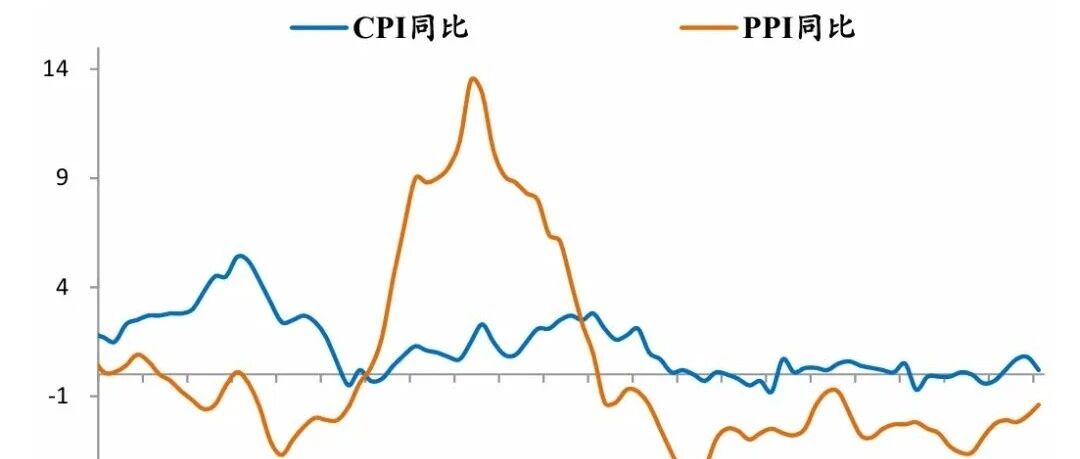
2026年1月CPI、PPI传递新信号
Jing Ji Guan Cha Wang· 2026-02-11 14:15
Group 1: CPI Analysis - In January 2026, the Consumer Price Index (CPI) increased by 0.2% month-on-month and year-on-year, with the core CPI (excluding food and energy) rising by 0.8% year-on-year, indicating a gradual recovery in consumer demand [1][2] - The core CPI's month-on-month increase of 0.3% in January marked a six-month high, supported by improved consumer demand and the effects of consumption promotion policies [2] - The demand for services, particularly in tourism and entertainment, has shown significant recovery, contributing to the upward pressure on prices as the Spring Festival approaches [2] Group 2: PPI Analysis - The Producer Price Index (PPI) rose by 0.4% month-on-month in January 2026, marking the fourth consecutive month of increase, while the year-on-year decline narrowed to 1.4% [1][5] - Key contributors to the PPI increase include rising prices in non-ferrous metals and certain industries influenced by investment promotion policies, such as cement and chemical manufacturing [5][6] - The overall industrial product prices remain low due to excess supply, particularly in the real estate sector, which has led to reduced demand for commodities like steel and coal [6] Group 3: Future Projections - Analysts expect the CPI growth rate to face slight pressure in the second quarter but to gradually rise in the third quarter, with an annual growth forecast of 0.6% [3][4] - The PPI is projected to turn positive after April 2026, with an expected annual growth rate of 0.5%, driven by stable oil prices and strong demand for non-ferrous metals [7]
1月核心CPI温和上涨 节前重要民生商品量足价稳
Bei Jing Shang Bao· 2026-02-11 11:01
Group 1 - In January, the national consumer price index (CPI) increased by 0.2% year-on-year, with core CPI (excluding food and energy) rising by 0.8% [1][3] - The CPI increase was influenced by the Spring Festival timing and a significant drop in energy prices due to international oil price fluctuations [1][3] - The new base year for CPI and producer price index (PPI) is set to 2025, with the impact of this base year change on CPI and PPI monthly year-on-year indices averaging approximately 0.06 and 0.08 percentage points, respectively [1][8] Group 2 - Food prices decreased by 0.7%, contributing to a 0.11 percentage point decline in the year-on-year CPI, while non-food prices increased by 0.4% [4][5] - Core CPI showed a moderate increase, with a 0.3% month-on-month rise, marking the highest level in six months, driven by rising prices in travel and household services [5] - The PPI decreased by 1.4% year-on-year but increased by 0.4% month-on-month, marking four consecutive months of month-on-month increases [6][7] Group 3 - The new base year CPI classification includes adjustments to better reflect changes in consumer spending, with new categories added such as home security devices and internet medical services [8][9] - The overall weight changes in the CPI categories are minimal compared to the 2020 base year, with an increase in service weights and a decrease in consumer goods weights [9]

中国PPI环比连续4个月上涨
Zhong Guo Xin Wen Wang· 2026-02-11 08:48
Core Viewpoint - In January, China's Producer Price Index (PPI) increased by 0.4% month-on-month but decreased by 1.4% year-on-year, influenced by the ongoing construction of a unified national market, increased demand in certain industries, and the transmission of international commodity prices [1][2] Group 1: Monthly PPI Changes - The PPI rose by 0.4% month-on-month in January, marking a positive trend [1] - Key industries such as cement manufacturing and lithium-ion battery manufacturing saw prices increase by 0.1% month-on-month, continuing a four-month upward trend [1] - Prices for photovoltaic equipment and components shifted from a 0.2% decrease in the previous month to a 1.9% increase in January [1] Group 2: Sector-Specific Price Movements - The rapid development of digital technologies, including artificial intelligence, has led to a 0.5% month-on-month price increase in the computer communication and other electronic equipment manufacturing sector [1] - Specific price increases in this sector included electronic semiconductor materials and external storage devices, which rose by 5.9% and 4.0%, respectively [1] - Increased demand for gifts and food ahead of the Spring Festival contributed to a 4.1% increase in the price of arts and crafts and ceremonial goods, and a 0.3% increase in the agricultural and sideline food processing industry [1] Group 3: Impact of International Prices - The prices in China's non-ferrous metals and petroleum-related industries showed divergence due to external factors [1] - International prices for non-ferrous metals rose, leading to a 5.7% increase in the domestic non-ferrous metal mining and selection industry and a 5.2% increase in the non-ferrous metal smelting and rolling industry [1] - Conversely, fluctuations in international crude oil prices resulted in a 3.1% decrease in domestic oil extraction and a 2.5% decrease in refined petroleum product manufacturing prices [1] Group 4: Year-on-Year PPI Trends - Year-on-year, the PPI decreased by 1.4%, with the decline narrowing by 0.5 percentage points compared to the previous month [2] - The effectiveness of capacity governance in key industries is evident, with reduced year-on-year price declines in non-metallic mineral products, black metal smelting and rolling, and computer communication and other electronic equipment manufacturing [2]