
追光L

Search documents
2025年第51周:跨境出海周度市场观察
艾瑞咨询· 2025-12-31 00:04
Group 1 - Chinese commercial aerospace companies are actively expanding into overseas markets, utilizing "rideshare launch" models to reduce costs and attract international clients from countries like Egypt, Nepal, and the UAE. The domestic launch cost has decreased to 50,000-60,000 yuan per kilogram, but still lags behind SpaceX, which has a competitive edge due to its high-frequency launches and Starlink project [3][4]. - The home appliance and light manufacturing industries are expected to face pressure on both domestic and foreign sales in 2026, with a potential recovery in overseas sales in the latter half of the year. Emerging markets are anticipated to show stronger demand compared to developed markets, particularly in Latin America and Southeast Asia [5]. - China's automotive exports are projected to reach 5.859 million units in 2024, maintaining the top position globally, with a shift from vehicle exports to a more comprehensive output of technology, brand, and supply chain solutions. This transition reflects a move from "selling products" to "building brands" [6][7]. Group 2 - The development of autonomous driving technology in China is being propelled by high-quality growth initiatives and strategic policies, with companies like Baidu Apollo enhancing safety standards and promoting technology exports. The industry is evolving into a collaborative ecosystem that drives innovation and reliability [7][8]. - The Chinese潮玩 (trendy toy) industry is rapidly globalizing, with brands like Pop Mart and 52TOYS successfully entering overseas markets through localized strategies and partnerships. The market share of Chinese潮玩 in the overseas market is projected to grow from 3% in 2020 to 18% by 2025 [9]. - Chinese companies are increasingly investing in the European market, particularly in renewable energy and high-tech sectors, while facing challenges such as national security reviews and compliance issues. Differentiated strategies and localized investments are essential for success [10]. Group 3 - Amazon's global store initiative aims to cultivate 200 cross-border brands in Shandong over the next three years, focusing on AI-driven strategies and innovative measures to enhance logistics efficiency and support local sellers [11]. - The Chinese commercial vehicle sector is transitioning from product trade to a comprehensive service model, emphasizing lifecycle services and local adaptation. The export of Chinese commercial vehicles to the EU has seen a 42% year-on-year increase [18]. - The digital culture industry in China is experiencing rapid growth, with online games, films, and literature becoming key components of global cultural exchange. The industry is encouraged to enhance IP development and international collaboration to overcome cultural barriers [17].



跨境出海周度市场观察-20251227
Ai Rui Zi Xun· 2025-12-27 08:17
Investment Rating - The report does not explicitly provide an investment rating for the industry Core Insights - The report highlights the increasing trend of Chinese companies expanding overseas, particularly in sectors like commercial aerospace, durable goods, automotive, and digital culture, indicating a shift from product export to a more integrated approach involving technology and brand development Industry Environment - Chinese commercial aerospace companies are actively expanding into overseas markets, utilizing "rideshare launch" models to reduce costs and improve efficiency, with a focus on emerging markets like Egypt and the UAE [2] - The durable goods sector is expected to face challenges in domestic sales due to weak demand and policy impacts, while overseas markets, particularly in the Americas and emerging markets, present growth opportunities [2] - China's automotive exports are projected to reach 5.859 million units in 2024, maintaining the top position globally, with a shift towards a comprehensive export model that includes technology and brand development [4] - The automotive industry is transitioning from product export to service and ecosystem integration, with a focus on smart and electric vehicles [8] - The digital culture industry is experiencing rapid growth, with Chinese digital content gaining traction globally, particularly among younger audiences [10] Top Brand News - The report discusses the emergence of digital infrastructure as a key driver for Chinese brands expanding into Southeast Asia, highlighting the importance of digital payment systems and logistics efficiency [15] - E-commerce platforms like Amazon are launching initiatives to support cross-border e-commerce, aiming to cultivate 200 overseas brands in Shandong over the next three years [7] - Companies like UR and MICO WORLD are making significant strides in global markets, with UR planning to expand its store presence internationally and MICO WORLD recognized for its global leadership in social entertainment [16][18]
中国豪华轿车的故事,总得有中国品牌来书写
远川研究所· 2025-12-15 13:08
Core Viewpoint - The article discusses the current state of the luxury car market in China, highlighting the challenges faced by traditional luxury brands (BBA) from domestic electric vehicle manufacturers, particularly in the context of the newly launched Lantu Chasing Light L, which aims to penetrate the luxury sedan segment [2][4]. Market Overview - The penetration rate of new energy vehicles in the domestic passenger car market approached 60%, with domestic brands capturing around 70% market share, both reaching historical peaks [2]. - The luxury sedan market shows a mixed performance, with the Lantu Chasing Light L achieving over 2,000 deliveries last month, surpassing the combined sales of Porsche Panamera and BMW 7 Series [2]. Competitive Landscape - Despite the rise of domestic new energy brands, there is still a lack of competitive domestic electric sedans that can rival traditional luxury models like BMW 5 Series, Mercedes-Benz E-Class, and Audi A6L [2][5]. - The entry-level models of BBA have seen a price drop from 300,000 to the 200,000 range, indicating a shift where Chinese consumers are beginning to replace traditional luxury with domestic new energy vehicles [5]. Barriers to Entry - The luxury sedan market remains dominated by traditional fuel vehicles due to several barriers, including brand heritage, product quality, and consumer perceptions [6]. - Brand loyalty and the social value associated with BBA vehicles create a significant barrier for new entrants [6]. - The requirements for luxury sedans, such as design, comfort, and convenience, are higher than for regular models, posing challenges for new energy vehicles [6]. Technological Challenges - The range-extended electric vehicle (REEV) approach has its drawbacks, including noise and vibration issues, which can detract from the luxury experience [7]. - The current technological limitations hinder domestic new energy vehicles from effectively competing in the luxury sedan market [7]. Strategic Positioning of Lantu Chasing Light L - The launch of Lantu Chasing Light L represents a strategic attempt by Chinese brands to redefine luxury in the new energy era, addressing high-end user demands [4]. - The vehicle incorporates advanced technologies from Huawei, establishing a competitive edge in the smart technology domain [9]. - Lantu's design philosophy, rooted in Eastern aesthetics, differentiates it from traditional Western luxury brands, enhancing its market identity [11]. Product Features and Innovations - The Chasing Light L features a high-performance chassis and advanced suspension systems, aiming to deliver a luxury driving experience comparable to high-end models [12]. - It utilizes a cutting-edge hybrid system that offers a pure electric range of 410 km and a comprehensive range of 1,400 km, addressing range anxiety effectively [14]. - The vehicle's fast-charging capabilities significantly reduce charging time, further bridging the gap with traditional fuel vehicles [14]. Market Positioning and Future Outlook - The introduction of Chasing Light L completes Lantu's high-end product matrix, which includes offerings in the MPV and SUV segments, positioning the brand as a comprehensive player in the high-end new energy market [16][18]. - The successful launch of Chasing Light L signifies Lantu's commitment to competing in the luxury sedan market, reflecting a broader trend of Chinese brands striving for higher market positions [20].

冯兴亚、何小鹏、李斌等9位车企大佬说了啥?
Xin Jing Bao· 2025-11-24 04:48
Core Insights - The 2025 Guangzhou International Auto Show showcases 1,085 vehicles, including 93 global debuts, with 629 new energy vehicles, accounting for nearly 58% of the total [1] - Industry leaders emphasize the need for transformation and innovation to meet diverse consumer demands and enhance product offerings [4][5][8] Group 1: Industry Transformation - GAC Group's chairman highlights the success of their "Panyu Action" transformation, achieving a 50% improvement in business efficiency and a sixfold increase in market response speed [1] - Mercedes-Benz promotes a strategy of integrating traditional fuel and electric vehicles, enhancing the competitiveness of their fuel models through intelligent upgrades [2] - German luxury car brands face challenges in the Chinese market, needing to break through the competition from high-end domestic brands and gain a voice in the new energy vehicle sector [3] Group 2: Product Focus - Ford emphasizes the importance of understanding consumer needs to strengthen its market position in China, focusing on brand, product, and experience [4] - Lantu Motors introduces new models, advocating for a diverse product range to meet varied consumer demands in the growing new energy vehicle market [4] Group 3: Technology Insights - NIO's chairman notes a 20% increase in pure electric vehicle sales in October, while range-extended models saw a 20% decline, indicating a shift in consumer preferences towards pure electric technology [5] - Xiaopeng Motors' CEO believes that hybrid and range-extended technologies will coexist with pure electric vehicles for a long time, especially for users with range anxiety [6] - Leap Motor's executive highlights the ongoing relevance of hybrid and range-extended vehicles, predicting significant market opportunities in the next 3-5 years [6] Group 4: Competitive Landscape - NIO's chairman states that the competition in smart electric vehicles has entered a decisive phase, with a stable market potentially taking a decade to establish [7] - Xiaopeng's CEO anticipates a more brutal competitive environment in the automotive market by 2026, reflecting on the rapid changes in the industry [7] - Lantu's chairman calls for a collaborative approach among companies to enhance the overall market for new energy vehicles rather than focusing solely on internal competition [7] - Avita Technology's chairman emphasizes the need for strategic foresight in planning for the future of the Chinese new energy vehicle market, which is entering a critical reshaping phase [7] Group 5: Broader Industry Trends - The auto show reflects a shift from "scale expansion" to "high-quality development" in the automotive industry, indicating a maturation of the sector [8]

科技自立新标杆,岚图泰山上市,开启中国豪华SUV新纪元
Zhong Guo Qi Che Bao Wang· 2025-11-19 09:36
Core Insights - The launch of the Lantu Taishan SUV represents a significant milestone for Lantu Motors, showcasing its ambition and confidence in the high-end new energy vehicle market [1][3][13] - Lantu Motors has achieved remarkable production milestones, becoming the first state-owned enterprise high-end new energy brand in China to exceed 300,000 units produced [3][10] - The Lantu Taishan SUV is designed with a focus on Chinese aesthetics and luxury, reflecting cultural confidence and aiming to redefine "Chinese luxury" in the automotive sector [5][7] Industry Overview - During the "14th Five-Year Plan" period, China's new energy vehicle industry has transitioned from catching up to leading globally, with a projected 93% contribution to global growth in 2024 [3][13] - The automotive industry is experiencing a technological transformation, with Lantu Motors adopting a dual strategy of "full-stack self-research + open cooperation" to drive innovation [8][10] - The Lantu Taishan SUV integrates advanced technologies from Huawei and the manufacturing expertise of Dongfeng Motor, marking a significant technological breakthrough in the high-end SUV segment [10][12] Product Features - The Lantu Taishan SUV features a length of over 5.2 meters and a width exceeding 2 meters, designed with a focus on aesthetics inspired by Chinese landscapes and architecture [5][10] - It is equipped with cutting-edge technology, including the Huawei QianKun intelligent ADS 4 for L3-level autonomous driving capabilities and a high-performance 800V intelligent hybrid system [8][10] - The vehicle boasts a comprehensive safety design, including a seven-layer collision protection system and advanced battery safety features, ensuring high levels of occupant protection [12][13] Market Positioning - Lantu Motors aims to establish a complete product matrix with the Lantu Taishan, covering all categories of new energy vehicles, including sedans, MPVs, and SUVs [3][10] - The launch of the Lantu Taishan is seen as a declaration of confidence in creating a "domestic luxury flagship," resonating with the current cultural sentiment in China [5][13] - The vehicle's design and technological advancements position it as a competitive player in the global luxury automotive market, showcasing China's capability to produce top-tier products [10][13]

冲刺年度新能源100万辆销量 东风如何从“燃油车老将”变“新能源先锋”?
Zhong Guo Jing Ying Bao· 2025-11-13 07:04
Core Insights - Dongfeng Motor Corporation aims to achieve a high-quality target of 1 million annual sales of new energy vehicles by the end of 2025, as highlighted in their recent promotional campaign [1][4] - The company has seen significant growth in its subsidiary, Lantu Motors, which reached a production milestone of 300,000 vehicles in just 7 months, becoming the first high-end new energy brand from a state-owned enterprise to achieve this scale [1][3] Group 1: Strategic Initiatives - Dongfeng is focusing on transforming from a traditional fuel vehicle manufacturer to a leader in new energy vehicles, emphasizing the need to break industry inertia and external skepticism [2] - The company is implementing a "three-year action plan for transformation and upgrading," which includes enhancing its brand matrix with new energy brands like Lantu, Mengshi, and Yipai [2][3] - Dongfeng is also investing in platform architecture for passenger vehicles, developing various frameworks such as M TECH, Dongfeng Quantum, and green energy DSMA [3] Group 2: Sales Performance - In October, Dongfeng sold 241,000 vehicles, marking a 16.6% year-on-year increase, with new energy vehicle sales reaching 112,000 units, a 42.17% increase [4][5] - Lantu Motors achieved a record delivery of 17,218 vehicles in October, with a cumulative year-on-year growth of 82% from January to October [5] - Mengshi and Yipai also reported significant sales growth, with Mengshi's sales increasing by 197% and Yipai's by 43.6% year-on-year for the same period [5] Group 3: Future Outlook - Dongfeng plans to continue its dual strategy of independent development and open collaboration, focusing on innovation and deepening reforms to ensure the successful implementation of its strategic goals [6] - The company aims to achieve its long-term vision of becoming a world-class enterprise by 2030 and a benchmark for international competitiveness by 2035 [6]

最霸气的华系SUV“泰山”上市前夕,岚图汽车交付量“九连涨”
Xin Lang Cai Jing· 2025-11-01 07:42
Core Viewpoint - Lantu Motors is experiencing significant growth, with a record delivery of 17,218 vehicles in October and an 82% year-on-year increase in cumulative deliveries from January to October, indicating strong market momentum and development potential [1][5][7] Group 1: Delivery and Growth Performance - In October, Lantu Motors achieved a historic high in vehicle deliveries, totaling 17,218 units, marking the ninth consecutive month of growth [1] - Cumulative deliveries from January to October increased by 82% year-on-year, showcasing robust growth dynamics [1][5] - The company is on track to reach a milestone of 300,000 vehicles produced, with the launch of its fifth strategic model, Lantu Taishan, expected in November [1][5] Group 2: Product Development and Market Positioning - Lantu Motors is focusing on high-quality development and user-centric strategies, with the upcoming launch of the Lantu Taishan and Lantu Chasing Light L models generating significant market anticipation [1][3] - The Lantu Taishan is positioned as a luxury flagship SUV, featuring advanced technology such as Huawei's ADS 4 and a comprehensive range of smart configurations [1] - The Lantu Chasing Light L, a luxury sedan, showcases China's technological confidence with its 800V smart hybrid technology and impressive performance metrics [3] Group 3: Production Capacity and Operational Efficiency - To meet increasing order demands, Lantu Motors is ramping up production at its Golden Factory and Yunfeng Factory, achieving a vehicle production rate of one unit every 63 seconds [5] - The company is set to celebrate the production of its 300,000th vehicle in November, marking a significant achievement as the first central state-owned high-end new energy brand to reach this milestone [5] Group 4: Capital Market Strategy - Lantu Motors has formally submitted its listing application to the Hong Kong Stock Exchange, marking a significant step in its capital market strategy [7] - The company is undergoing a comprehensive upgrade in product layout and capital operations to enhance its competitive position in the high-end new energy market [7]

9月新势力排位洗牌:零跑断层领跑 小鹏/小米首破4万改写格局
Zhong Guo Zhi Liang Xin Wen Wang· 2025-10-11 07:52
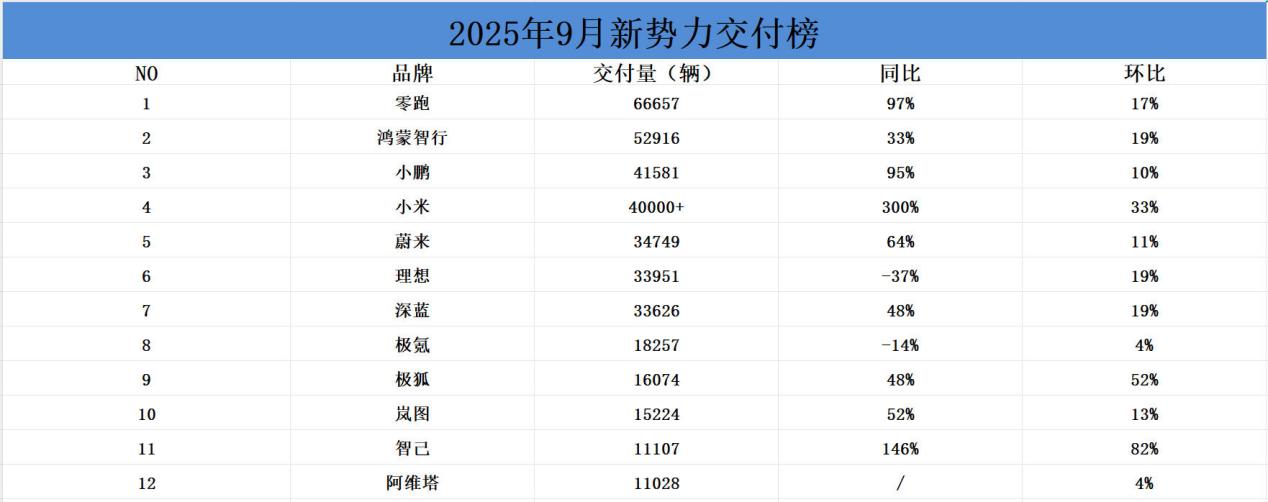
Core Insights - The new energy vehicle market in September 2025 saw record delivery numbers, with several brands achieving historical highs, indicating a competitive landscape among leading players [1][3] Delivery Rankings - Leap Motor topped the delivery chart with 66,657 units, marking a 97% year-on-year increase and becoming the first new energy brand to exceed 60,000 monthly sales [2][5] - Hongmeng Zhixing followed with 52,916 units delivered, a 33% increase, and is nearing a cumulative delivery milestone of 950,000 units [2][7] - Xiaopeng ranked third with 41,581 units, achieving a 95% year-on-year growth and a 10% month-on-month increase [2][9] - Xiaomi made a significant entry into the top four with over 40,000 units delivered, reflecting a 300% increase [2][11] Second Tier Dynamics - NIO delivered 34,749 units, a 64% increase, with its sub-brands contributing significantly to this growth [2][13] - Li Auto's deliveries were 33,951 units, showing signs of recovery despite a year-on-year decline [2][15] - Deep Blue achieved 33,626 units, benefiting from ongoing product and technological advancements [2][17] Competitive Landscape - Zeekr's sales reached 18,257 units, showing a mixed performance with slight month-on-month growth but a year-on-year decline [2][17] - Arcfox saw a 47.74% year-on-year increase, delivering 16,074 units, supported by a diverse product lineup [2][18] - Lantu delivered 15,224 units, with a year-to-date growth of 85%, driven by product upgrades and market feedback [2][20] - ZhiMi achieved a record high of 11,107 units, with a significant contribution from the newly launched LS6 model [2][22] - Avita maintained a steady performance with 11,028 units delivered, reflecting successful market positioning [2][22] Market Outlook - The results from September indicate a deepening competitive landscape, with the upcoming October sales period being crucial for both leading and mid-tier brands to sustain growth and navigate market challenges [1][22]


造车新势力9月销量:零跑破6万领跑,新能源渗透率达58.1%
Jing Ji Guan Cha Wang· 2025-10-05 00:42
Core Insights - The automotive market in September experienced significant growth, driven by new energy vehicle (NEV) sales and supportive government policies, with NEV penetration reaching a record high of 58.1% [5] Group 1: New Energy Vehicle Sales - Leap Motor achieved a record delivery of 66,657 units in September, marking a year-on-year increase of 97% and becoming the second new energy vehicle manufacturer in China to reach a cumulative production of 1 million vehicles [2] - Hongmeng Zhixing delivered 52,916 units in September, a month-on-month increase of 18.7%, with a total of 344,000 units delivered from January to September, reflecting strong sales from its flagship model, the Wenjie [2] - Zeekr Technology, following its merger with Lynk & Co, delivered 51,159 units in September, maintaining a steady performance with a 79.3% share of new energy models [3] Group 2: Other Key Players - Xiaomi Auto surpassed 40,000 units in September, with the YU7 model contributing nearly half of the sales, while the company has 402 stores nationwide to support order conversion [3] - XPeng Motors delivered 41,581 units in September, a 95% year-on-year increase, with the MONA M03 model being a significant contributor [3] - NIO delivered 34,749 units in September, a 64% increase year-on-year, with the Ladao brand accounting for over 44% of total deliveries [3] Group 3: Market Trends and Factors - The overall retail sales of narrow passenger cars in September are expected to reach 2.15 million units, a month-on-month increase of 6.5% and a year-on-year increase of 2% [5] - The growth in sales is attributed to national vehicle scrappage policies, local trade-in incentives, and increased demand at the end of the quarter, supported by over 50 local auto shows [5]
为什么岚图梦想家敢自称没有对手的MPV?
2 1 Shi Ji Jing Ji Bao Dao· 2025-09-20 06:49
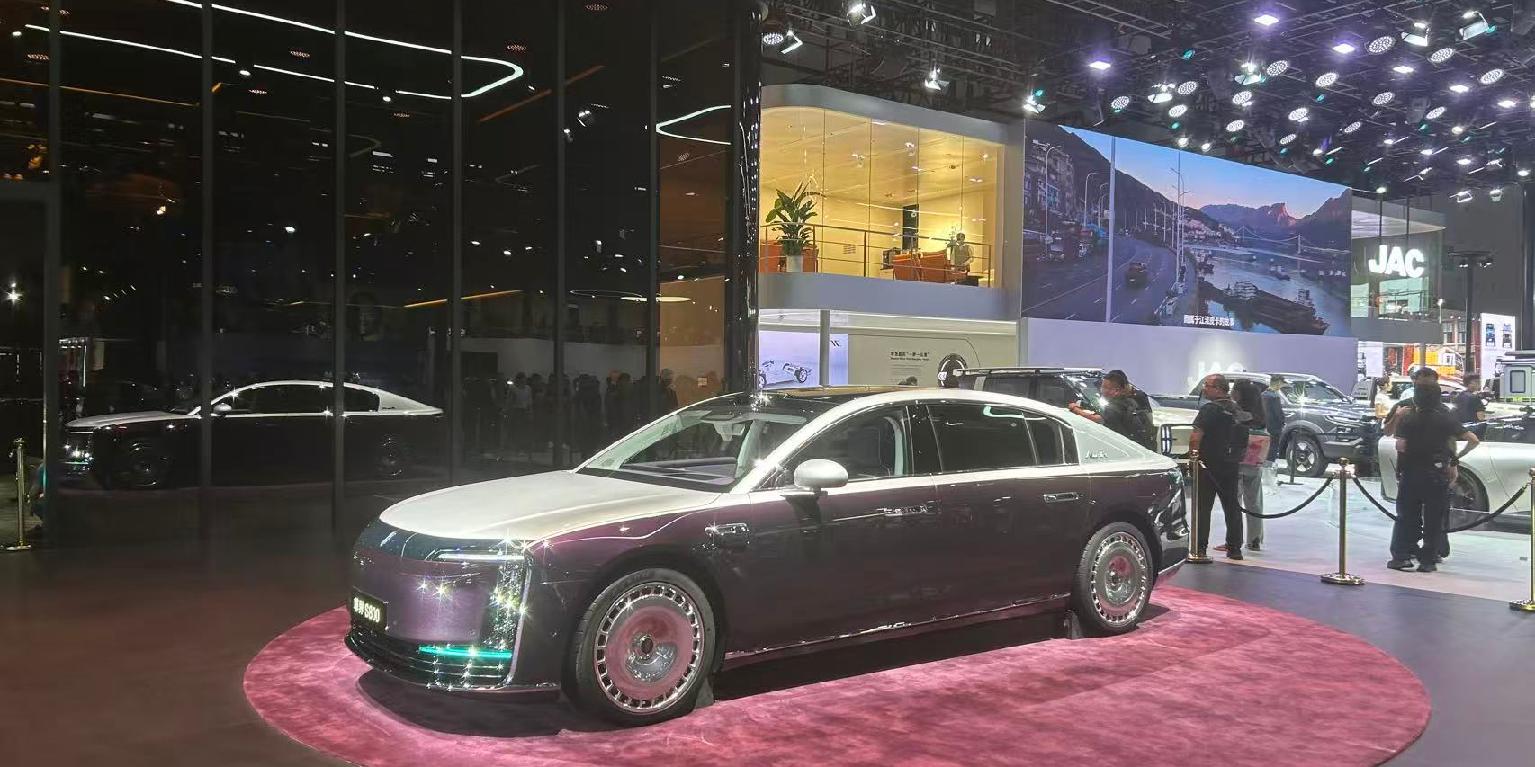
Core Insights - The Chinese MPV market is highly competitive, with traditional leaders like GL8 and new entrants like Tengshi D9. Lantu Motors has launched the 2026 Dreamer MPV, positioning it as a benchmark model for the "smart super hybrid era" [1] Group 1: Product Features and Strategy - The 2026 Dreamer is equipped with the 800V Lanhai intelligent super hybrid platform, Huawei's advanced driving technology, and HarmonyOS cockpit, featuring high-end configurations such as 5C supercharging and AI zero-gravity seats. It offers a pure electric range of 350 kilometers and a total range exceeding 1400 kilometers [1] - The official price range for the new Dreamer is between 329,900 to 439,900 yuan. Lantu's CEO emphasizes that the company focuses on value rather than engaging in price wars, ensuring all products have clear profitability [1] - The 2026 Dreamer represents Lantu's third major upgrade in three years, showcasing a strong product iteration rhythm. The company has improved the pure electric range from 236 kilometers in 2023 to the current offering [1][2] Group 2: User-Centric Development - Lantu's upgrades are driven by real user feedback, addressing concerns such as charging anxiety by introducing features like 5C supercharging, which allows for 80% battery recovery in just 10 minutes [1] - The company is described as "particularly responsive to user feedback," with product features like AI zero-gravity seats developed based on user requests [1][2] Group 3: Market Position and Future Plans - Lantu is cautious about its overseas expansion strategy, focusing on local market understanding rather than setting rigid export ratios. The company is implementing a "6655" overseas strategy to enhance brand localization [3] - Despite challenges such as insufficient channel coverage and service capabilities, Lantu believes that the high-end Chinese new energy market is still evolving, providing opportunities for domestic brands [4] - Lantu aims to be a market leader rather than a follower, focusing on technology leadership and value output in the high-end new energy sector [5] Group 4: Performance Metrics - In August, Lantu achieved a delivery volume of 13,500 vehicles, marking a 119% year-on-year increase and maintaining a positive growth trend for seven consecutive months. Cumulatively, deliveries from January to August exceeded 80,000 units, reflecting a 92% year-on-year growth [5]