
贵金属期货(黄金

Search documents
贵金属数据日报-20260310
Guo Mao Qi Huo· 2026-03-10 08:55
Group 1: Report Industry Investment Rating - Not provided in the given content Group 2: Core View of the Report - In the short term, factors such as geopolitical games, oil price fluctuations, and inflation risks will continue to impact the precious metals market. However, as the precious metals market has partially digested the negative impact of "rising inflation suppressing interest rate cut expectations", once the oil price rally slows down, precious metals are expected to return to their own logic and prices may gradually rise in a volatile manner. In the long term, the underlying logic of the precious metals bull market remains solid. With the probability of the Fed cutting interest rates this year, continuous global geopolitical uncertainties, and the US's huge debt promoting the de - dollarization wave, the allocation demand of global central banks, institutions, and residents is expected to continue, and the price center of precious metals still has room to rise. Long - term strategies still recommend buying on dips [5] Group 3: Summary by Relevant Catalogs 1. Price Tracking - On March 9, 2026, London gold spot was $5096.61/ounce, London silver spot was $83.54/ounce, COMEX gold was $5104.30/ounce, and COMEX silver was $83.63/ounce. Compared with March 6, 2026, the prices of gold and silver decreased, with gold down about 0.4% and silver down about 1.0% - 1.2%. The prices of domestic gold and silver futures and spot also showed certain changes, with AU2604 at 1140 yuan/gram and AG2604 at 21745 yuan/kilogram [3] - The spreads and ratios of gold and silver also changed. For example, the gold TD - SHFE active spread was - 2.4 yuan/gram on March 9, 2026, with a 14.3% increase compared with March 6. The SHFE gold - silver ratio was 52.43, with a - 0.1% change [3] 2. Position Data - As of March 6, 2026, the gold ETF - SPDR was 1073.32 tons, a - 0.24% change compared with March 5. The silver ETF - SLV was 15761.62327 tons, a - 0.30% change. The non - commercial long and short positions of COMEX gold and silver also had different degrees of change [3] 3. Inventory Data - On March 9, 2026, the SHFE gold inventory was 104934.00 kilograms, a - 0.09% change compared with March 6. The SHFE silver inventory was 253370.00 kilograms, a - 1.01% change. The COMEX gold and silver inventories also decreased [3] 4. Interest Rate/Exchange Rate/Stock Market - On March 9, 2026, the US dollar/Chinese yuan central parity rate was 6.92, a 0.19% increase compared with March 6. The US dollar index was 98.96 on March 6, a - 0.09% change compared with March 5. The yields of 2 - year and 10 - year US Treasury bonds, VIX, S&P 500, and NYWEX crude oil also had different degrees of change [3] 5. Market Review - On March 9, the main contract of Shanghai gold futures closed down 0.08% to 1140 yuan/gram, and the main contract of Shanghai silver futures closed up 1.7% to 21547 yuan/kilogram [3] 6. Impact Analysis - Geopolitical factors: The election of Khamenei's son as the Supreme Leader of Iran makes the US - Iran conflict difficult to ease in the short term. The production cuts announced by some Middle - Eastern countries over the weekend led to a sharp increase in US crude oil prices, increasing inflation risks and suppressing precious metals prices. Later, the news of the G67 group's possible coordinated release of oil reserves narrowed the increase in oil prices, and the decline in precious metals prices also slowed down [4] - Other factors: The unexpected weakness of the US February non - farm payrolls increases the risk of "stagflation" in the US economy, the risk of the US private credit crisis is initially revealed, the US - Iran situation remains tense, and the People's Bank of China has increased its gold reserves for the 16th consecutive month, which provides support for precious metals prices. For silver, geopolitical and stagflation risks may suppress its industrial attributes, but the continuous decline in inventory provides support for silver prices [4] 7. Future Market Analysis - Short - term: Geopolitical games, oil price fluctuations, and inflation risks will continue to impact the precious metals market. Once oil price increases slow down, precious metals may return to their own logic and prices may rise [5] - Long - term: The underlying logic of the precious metals bull market is solid. With the probability of the Fed cutting interest rates, global geopolitical uncertainties, and the de - dollarization wave, the allocation demand of global central banks, institutions, and residents will continue, and precious metals prices have room to rise. Long - term strategies recommend buying on dips [5]
中信建投期货:2月26日工业品早报
Xin Lang Cai Jing· 2026-02-26 01:36
Group 1: Copper Market - The main copper futures in Shanghai closed at 103,040 yuan, while London copper was around 13,350 USD [4][18] - The macroeconomic environment is neutral, with Trump's State of the Union address providing weak guidance and a slight improvement in market risk appetite, leading to a mild depreciation of the dollar which supports copper prices [5][19] - On the fundamental side, copper warehouse receipts increased by 10,717 tons to 287,000 tons, and domestic spot copper prices fell to around -200 yuan due to pressure [6][20] - Overall, domestic downstream recovery and policy expectations are expected to support copper prices, but geopolitical tensions and tariff frictions remain, leading to expectations of high volatility in copper prices in the short term [6][20] - The reference range for today's main copper futures is set between 102,000 and 104,000 yuan per ton, with a strategy of buying on dips for long-term positions [6][20] Group 2: Aluminum Market - Overnight, alumina futures saw a slight increase, with recent bids for 10,000 tons of spot alumina from Xinjiang aluminum plants at around 2,970 yuan per ton, up 40 yuan from before the holiday [21][22] - The supply of alumina is expected to be tight in the short term due to production cuts and repairs at alumina production facilities, along with delayed new capacity in Guangxi [21][22] - The operational range for the 05 alumina contract is set between 2,750 and 2,950 yuan per ton, with a short-term bullish outlook [22] - The main aluminum futures in Shanghai are expected to trade between 23,500 and 24,500 yuan per ton, with a strategy of buying on dips [23][22] Group 3: Zinc Market - The zinc market in Shanghai showed a strong oscillation, supported by a decent performance in the US equity market, which boosted overall non-ferrous metal performance [24] - According to statistics, the weekly finished product inventory at smelters increased by 130% to 76,200 tons, indicating supply-side disturbances supporting prices [24] - The operational range for the main zinc futures is set between 24,000 and 25,500 yuan per ton, with a strategy of buying on dips [24] Group 4: Lead Market - The lead market in Shanghai showed a strong oscillation, with tight supply of lead concentrate and reduced production at smelters [25] - The operational range for the main lead futures is set between 16,500 and 17,500 yuan per ton, with a strategy of range trading [25] Group 5: Precious Metals Market - Precious metals experienced a slight pullback after a rise, influenced by Trump's State of the Union address and cautious hawkish statements from Federal Reserve officials [27] - The operational ranges for precious metals are as follows: gold at 1,110-1,190 yuan per gram, silver at 21,000-23,500 yuan per kilogram, platinum at 550-600 yuan per gram, and palladium at 430-480 yuan per gram [27]



中信建投期货:2月24日工业品早报
Xin Lang Cai Jing· 2026-02-24 01:13
Group 1: Copper Market - Copper prices are fluctuating at high levels, with a focus on the resumption of operations post-holiday [18] - During the holiday, LME copper inventory increased by approximately 30,000 tons to 240,000 tons, while COMEX copper inventory rose by 800 tons to 544,600 tons [18] - The domestic processing enterprises' operating rate significantly declined before the holiday, and there is anticipation for recovery post-holiday, which may support copper prices [18] Group 2: Nickel and Stainless Steel - The macroeconomic environment remains uncertain due to U.S. tariff policies and geopolitical risks, impacting market sentiment [19] - Nickel spot transactions are sluggish, while demand for Indonesian nickel ore remains strong, leading to increased prices for Philippine ore [19] - The stainless steel market is experiencing weak sentiment, with increased social inventory [19] Group 3: Aluminum Market - Pre-holiday maintenance of alumina production has led to a noticeable decline in operational capacity, estimated to drop to around 93.5 million tons [21] - Despite a historical high in social inventory, the dynamic supply-demand balance has marginally improved, limiting the downside for alumina prices [21] - The operational range for alumina contracts is projected between 2,800 and 3,000 yuan/ton, with a short-term bullish outlook [22] Group 4: Zinc Market - Zinc prices experienced a slight increase during the holiday, supported by supply-side disruptions and a generally positive macroeconomic sentiment [24] - There is an expectation of a slight increase in processing fees in February, while smelters are reducing production, indicating potential support for prices [24] - The operational range for zinc contracts is anticipated to be between 24,000 and 25,000 yuan/ton [24] Group 5: Lead Market - Lead prices saw a slight decline during the holiday, with tight supply conditions for lead concentrate persisting [25] - The recycling sector is facing pressure, leading to reduced production among smelters [25] - The operational range for lead contracts is projected between 16,500 and 17,500 yuan/ton [25] Group 6: Precious Metals - Precious metals showed strong performance during the holiday, driven by geopolitical tensions and uncertainties surrounding U.S. tariff policies [27] - The market is expected to experience volatility, with gold long positions recommended for holding, while silver, platinum, and palladium should be observed [27] - The operational ranges for gold, silver, platinum, and palladium contracts are specified, indicating potential trading strategies [27]
西南期货早间评论-20260213
Xi Nan Qi Huo· 2026-02-13 02:12
1. Report Industry Investment Ratings No specific industry investment ratings are provided in the report. 2. Core Views - **Treasury Bonds**: Expected to face some pressure, maintain a cautious stance [5][6]. - **Stock Index Futures**: The volatility center is expected to gradually move up, and previous long positions can be held. Pay attention to risk control during the Spring Festival [7][8]. - **Precious Metals**: Market volatility will significantly increase, and it is advisable to exit long positions and wait and see [9]. - **Rebar and Hot - Rolled Coil**: Prices may continue the weak - oscillating pattern. Investors can look for opportunities to go long on pullbacks and pay attention to position management [10][11]. - **Iron Ore**: The supply - demand pattern is weak, and it may continue to oscillate in the short term. Investors can look for opportunities to go long on pullbacks and pay attention to position management [13]. - **Coking Coal and Coke**: May continue the oscillating pattern in the medium term. Investors can look for low - buying opportunities and pay attention to position management [15]. - **Ferroalloys**: There may be opportunities to go long in the low - range. Consider the low - cost and rigid cost conditions [18]. - **Crude Oil**: There is some progress in US - Iran negotiations, but geopolitical risks remain. It is advisable to hold light positions during the Spring Festival. Exit and wait and see on the main contract [19][20][21]. - **Fuel Oil**: The supply shortage in Singapore has eased, but there is still room for an upward movement due to the unresolved Iran risk. Hold light positions during the Spring Festival. Exit and wait and see on the main contract [22][23]. - **Polyolefins**: Be cautious in pre - holiday operations [25]. - **Synthetic Rubber**: Expected to be strong and oscillating [27]. - **Natural Rubber**: Control positions before the holiday [30]. - **PVC**: Expected to be strong and oscillating [32]. - **Urea**: Expected to be oscillating and strong [33]. - **PX**: May oscillate and adjust in the short term. Be cautious and pay attention to external market fluctuations during the Spring Festival [34]. - **PTA**: May oscillate, with a small inventory build - up expected. Be cautious, and pay attention to the resumption of downstream factories after the holiday [35]. - **Ethylene Glycol**: There is still pressure above, and it may maintain an oscillating bottom - building pattern. Be cautious and pay attention to port inventory and supply changes [36]. - **Short - Fiber**: Trade based on the cost - end logic before the holiday. Be cautious and pay attention to cost changes and downstream pre - holiday inventory [37]. - **Bottle Chips**: Follow the cost - end trend. Be cautious before the holiday and pay attention to the implementation of maintenance devices and external market changes during the holiday [38]. - **Soda Ash**: Be cautious due to the off - season fundamentals. Hold light positions during the holiday [39]. - **Glass**: The market is generally loose. Be cautious and hold light positions during the holiday, paying attention to the return to fundamentals [40]. - **Caustic Soda**: The inventory situation has slightly improved. Be cautious and hold light positions during the holiday [41]. - **Pulp**: The port inventory is accumulating, but the impact on pre - holiday prices is temporarily dull. Hold light positions during the holiday [42][43]. - **Lithium Carbonate**: There is strong support below, but short - term fluctuations may increase. Control risks [44]. - **Copper**: May experience a weak adjustment before the holiday [45][46]. - **Aluminum**: May be under pressure [47][48]. - **Zinc**: Will enter an adjustment period [49][50][51]. - **Lead**: Expected to be weakly oscillating [52][53]. - **Tin**: There is support below, but short - term fluctuations may intensify. Control risks [54]. - **Nickel**: The first - grade nickel is in an oversupply situation. Pay attention to Indonesian policies [55][56]. - **Soybean Oil and Soybean Meal**: Soybean meal can look for long opportunities in the low - cost support range; for soybean oil, wait and see after the price leaves the low - cost range [57][58]. - **Palm Oil**: Consider looking for long opportunities after a pullback [59][60]. - **Rapeseed Meal and Rapeseed Oil**: Temporarily wait and see [61][62][63]. - **Cotton**: In the short term, the domestic market is under pressure, but in the medium - to - long term, the price is expected to be strong. Wait and see before the holiday [64][65]. - **Sugar**: Expected to be weak in the medium term [66][67][68]. - **Apples**: In the short term, wait and see before the holiday. In the medium - to - long term, the price is expected to be strong [68]. - **Hogs**: Wait and see before the holiday due to the supply - demand imbalance [69][70]. - **Eggs**: Wait and see before the holiday and short on rallies after the holiday [71]. - **Corn and Starch**: Corn starch may follow the corn market. Wait for the release of post - holiday supply pressure [72][74]. - **Logs**: The future demand expectation is weak, and the fundamentals are under pressure. Hold light positions during the holiday [75][76]. 3. Summary by Directory Pulp - The main 2605 contract closed at 5238 yuan/ton, up 0.19%. The port inventory continued to accumulate, and the domestic supply also increased slightly. The downstream pre - holiday procurement ended, and the market entered a demand vacuum period. Hold light positions during the holiday [42][43]. Carbonate Lithium - The main contract rose 3.66% to 149,420 yuan/ton. The supply is in a tight balance, the consumption side has improved, and the social inventory is gradually decreasing. There is strong support below, but short - term fluctuations may increase [44]. Copper - The Shanghai copper main contract closed at 100,030 yuan/ton, down 2.56%. The market sentiment declined, and the fundamentals weakened. The copper price may experience a weak adjustment before the holiday [45][46]. Aluminum - The Shanghai aluminum main contract closed at 23,395 yuan/ton, down 0.91%; the alumina main contract closed at 2,811 yuan/ton, down 0.46%. The alumina is bearish, and the aluminum price may be under pressure [47][48]. Zinc - The Shanghai zinc main contract closed at 24,435 yuan/ton, down 0.63%. The zinc market shows a pattern of weak supply and demand, and the zinc price will enter an adjustment period [49][50][51]. Lead - The Shanghai lead main contract closed at 16,705 yuan/ton, down 0.3%. The lead market shows a pattern of weak supply and demand, and the price is expected to be weakly oscillating [52][53]. Tin - The Shanghai tin main contract fell 4.27% to 376,330 yuan/ton. The supply - demand is tight, and there is support below, but short - term fluctuations may intensify [54]. Nickel - The Shanghai nickel main contract fell 3.74% to 135,070 yuan/ton. The first - grade nickel is in an oversupply situation, and the cost is expected to rise. Pay attention to Indonesian policies [55][56]. Soybean Oil and Soybean Meal - The soybean meal main contract rose 1.16% to 2,290 yuan/ton, and the soybean oil main contract fell 0.22% to 8,082 yuan/ton. The soybean meal demand continues to grow moderately, and the soybean oil demand has slightly improved [57][58]. Palm Oil - The Malaysian palm oil fell for the third consecutive trading day. The supply may increase, and the export decreased. Consider looking for long opportunities after a pullback [59][60]. Rapeseed Meal and Rapeseed Oil - The Canadian rapeseed followed the rise of US soybean oil futures but did not break through the resistance level. The Chinese import situation has changed, and it is advisable to wait and see for now [61][63]. Cotton - The domestic Zheng cotton oscillated. The USDA February supply - demand report is bearish. In the short term, the domestic market is under pressure, but in the medium - to - long term, the price is expected to be strong. Wait and see before the holiday [64][65]. Sugar - The Zheng sugar rose and then fell; the overnight external raw sugar fell to a new low. India has a strong production increase expectation, and the domestic market faces dual supply pressure. It is expected to be weak in the medium term [66][67][68]. Apples - The domestic apple futures oscillated. The current market is in a vacuum period. In the short term, wait and see before the holiday. In the medium - to - long term, the price is expected to be strong [68]. Hogs - The main contract rose 0.13% to 11,540 yuan/ton. The market is in a situation of oversupply, and it is advisable to wait and see before the holiday [69][70]. Eggs - The main contract rose 1.56% to 3,200 yuan/500kg. The supply in February may remain at a relatively high level. Wait and see before the holiday and short on rallies after the holiday [71]. Corn and Starch - The corn main contract rose 0.83% to 2,320 yuan/ton; the corn starch main contract rose 0.51% to 2,572 yuan/ton. The corn starch may follow the corn market. Wait for the release of post - holiday supply pressure [72][74]. Logs - The main 2603 contract closed at 779.5 yuan/ton, up 0.45%. The shipping volume has recovered, but the downstream demand is weakening. The future demand expectation is weak, and the fundamentals are under pressure. Hold light positions during the holiday [75][76].
西南期货早间评论-20260127
Xi Nan Qi Huo· 2026-01-27 08:54
Report Industry Investment Ratings - Not provided in the given content Core Views of the Report - The macro - economic recovery momentum needs to be strengthened, and monetary policy is expected to remain loose. Treasury bond futures are under pressure, and caution is advised. Stock index volatility centers are expected to gradually rise, and previous long positions can be held. Precious metal market volatility is expected to increase significantly, and it is recommended to exit long positions and wait and see. For various industrial and agricultural products, different trends and investment strategies are analyzed based on their respective fundamentals [6][10][14] Summary by Related Catalogs Treasury Bonds - Last trading day, most Treasury bond futures closed down. The central bank conducted 150.5 billion yuan of 7 - day reverse repurchase operations, with a net withdrawal of 780 million yuan on the day. Due to the current low Treasury bond yields, the steady recovery of the Chinese economy, rising core inflation, and increased risk appetite, Treasury bond futures are expected to face pressure, and caution is needed [5][6] Stock Index - Last trading day, stock index futures showed mixed performance. Domestic economic recovery momentum is weak, but asset valuations are low, and the economy has sufficient resilience. With the increase in market sentiment and incremental funds, the stock index volatility center is expected to gradually rise, and previous long positions can be held [8][9][10] Precious Metals - Last trading day, gold and silver futures rose. The complex global trade and financial environment, the trend of "de - globalization" and "de - dollarization", and the gold - buying behavior of central banks are favorable for the allocation and hedging value of gold. However, due to the recent sharp rise in precious metals and the significant increase in speculative sentiment, market volatility is expected to increase significantly, and it is recommended to exit long positions and wait and see [12][13][14] Steel Products (including Rebar, Hot - Rolled Coil, Iron Ore, Coking Coal, Coke, and Ferroalloys) - **Rebar and Hot - Rolled Coil**: Last trading day, they showed weak oscillations. The real estate industry's downward trend has not reversed, and the market is entering the demand off - season. Although the supply pressure is relieved, the inventory is slightly higher than last year. Prices may continue the weak oscillation, and investors can look for opportunities to buy on dips and manage positions carefully [16] - **Iron Ore**: Last trading day, it slightly corrected. The demand for iron ore is low, the supply situation is complex, and the port inventory is at a high level. The market supply - demand pattern has weakened, but there are signs of stabilizing. Investors can look for opportunities to buy on dips and manage positions carefully [18] - **Coking Coal and Coke**: Last trading day, they slightly rebounded. The production of coking coal is stable, and the demand for coke is weak. The futures have stopped falling and rebounded, but the rebound space may be limited. Investors can look for low - level buying opportunities and manage positions carefully [21] - **Ferroalloys**: Last trading day, manganese silicon and silicon iron contracts fell. The supply of manganese ore is gradually recovering, and the cost is fluctuating in a narrow range at a low level. The overall supply is still in excess, but the short - term supply may be reduced. After the price decline, investors can consider long positions in the low - level range [23][24] Energy (including Crude Oil, Fuel Oil) - **Crude Oil**: Last trading day, INE crude oil rose significantly. Speculators increased their net long positions in crude oil futures and options, the number of active oil and gas rigs increased, and the US imposed new sanctions on Iran. Crude oil is expected to continue rising, and investors can look for long - position opportunities in the main contract [25][26][27] - **Fuel Oil**: Last trading day, it rose significantly. The Asian high - sulfur fuel oil inter - month inverse spread widened, and the market expected short - to - medium - term supply to tighten. Investors can look for long - position opportunities in the main contract [28] Chemicals (including Polyolefins, Synthetic Rubber, Natural Rubber, PVC, Urea, PX, PTA, Ethylene Glycol, Short - Fiber, Bottle Chips, Soda Ash, Glass, Caustic Soda) - **Polyolefins**: The market is expected to be in a supply - demand tight situation this week. Due to rising crude oil prices and some production line overhauls, prices may continue to rise in the short term. The downstream demand is stable, and investors can look for long - position opportunities [29][30] - **Synthetic Rubber**: Last trading day, it rose. It was mainly supported by the rising price of butadiene and high device operating rates, but the weak downstream demand limited the increase. It is expected to show a strong - side oscillation, and attention should be paid to factors such as butadiene price trends and downstream demand recovery [31][32][33] - **Natural Rubber**: Last trading day, it rose. It is expected to show a wide - range oscillation in the short term. The overseas supply is shrinking, and the cost is supported, but the demand is expected to be weak, and the inventory is accumulating [34][35] - **PVC**: Last trading day, it rose. Although it is in the traditional demand off - season, the policy expectation may lead to a strong - side oscillation. In the medium term, capacity clearance and export growth may improve the supply - demand situation. The cost is supported, but the inventory is increasing [36][37][39] - **Urea**: Last trading day, it rose slightly. The short - term price will maintain a strong - side oscillation, mainly driven by export demand and cost support. The supply is increasing, the demand of downstream products is changing, and the inventory is at a certain level [40][41] - **PX**: Last trading day, it rose. The PXN spread and short - process profit are stable, the operating rate is declining, and the cost of crude oil provides support. It is expected to oscillate and adjust in the short term, and investors can participate in the low - level range [42][43] - **PTA**: Last trading day, it rose. The processing fee has rebounded to the average level of previous years, and the upward space may be limited. The supply has little change, the demand is seasonally decreasing, but the cost and market sentiment boost the price. It is expected to oscillate in the short term, with a slight inventory accumulation in January and February [44] - **Ethylene Glycol**: Last trading day, it rose. The supply is shrinking due to increased domestic and overseas device overhauls, but the port inventory is accumulating, and the downstream polyester is in seasonal maintenance. It is expected to have limited upward space in the short term, and investors should operate carefully [45][46] - **Short - Fiber**: Last trading day, it rose. The supply is at a relatively high level, the inventory is at a low level, and it is mainly trading based on the cost - side logic. It is expected to oscillate with the raw material price, and attention should be paid to cost changes and downstream pre - holiday stocking [47] - **Bottle Chips**: Last trading day, it rose. The processing fee has rebounded, the supply is expected to shrink during the Spring Festival, the export is increasing, and it is mainly driven by the cost side. It is expected to oscillate with the cost, and investors can participate cautiously on dips [48][49] - **Soda Ash**: Last trading day, it rose. The fundamental situation is loose, the price is stable for the time being, and it lacks substantial support in the short term. Caution is advised [50][51] - **Glass**: Last trading day, it rose. The fundamental situation is loose, the inventory is increasing, the market demand is weak, but the manufacturers' shipments are good due to pre - holiday stocking. It is expected to oscillate before the Spring Festival, and attention should be paid to the risk of returning to the fundamentals [52][53] - **Caustic Soda**: Last trading day, it rose. The winter seasonal characteristics are significant, with sufficient supply, high inventory, and weak demand. Affected by the alumina price fluctuation, the pre - holiday trading sentiment may fluctuate, but caution is still needed due to the unchanged fundamentals of the middle and lower reaches [54][55] Agricultural Products (including Pulp, Carbonate Lithium, Copper, Aluminum, Zinc, Lead, Tin, Nickel, Soybean Oil, Soybean Meal, Palm Oil, Rapeseed Meal, Rapeseed Oil, Cotton, Sugar, Apples, Pigs, Eggs, Corn & Starch, Logs) - **Pulp**: Last trading day, it fell. The inventory is accumulating, the spot trading is light, the downstream procurement is coming to an end, and the market sentiment is pessimistic. There may be a short - term technical rebound, but rational treatment is needed [56][57] - **Carbonate Lithium**: Last trading day, it fell. The supply is at a high level, the consumption is improving, the inventory is decreasing, and there is strong support for the price. However, the short - term volatility may increase, and risk control is necessary [58][59] - **Copper**: Last trading day, it rose. The US economic data is divided, the Fed's long - term monetary policy is expected to be loose, and the global copper concentrate supply is tight. However, the demand is suppressed by high prices, and the inventory is accumulating. It is expected to adjust at a high level in the short term [60][61] - **Aluminum**: Last trading day, it rose slightly. The alumina market has an oversupply situation, and the electrolytic aluminum supply is inelastic. The high price suppresses the demand, and the inventory is accumulating rapidly. It is expected to adjust at a high level [62][63][64] - **Zinc**: Last trading day, it rose. The domestic refined zinc production is increasing, the demand is in the seasonal off - season, and the inventory is slightly increasing. The price is expected to oscillate and adjust [65][66] - **Lead**: Last trading day, it fell slightly. The supply of lead concentrate is tight, the production capacity of primary lead is restricted, the demand is differentiated, and the inventory is at a low level. The price is expected to maintain an interval oscillation [67][68] - **Tin**: Last trading day, it fell. The supply is generally tight due to the slow resumption of production in Wa State and the crackdown on illegal mines in Indonesia. The demand has certain resilience, and the inventory is decreasing. The price is expected to oscillate strongly, and risk control is needed [69] - **Nickel**: Last trading day, it fell. The global geopolitical situation is tense, the Indonesian nickel quota is reduced, and the cost is rising. However, the stainless - steel consumption is in the off - season, the demand is weak, and the inventory is at a relatively high level. The first - grade nickel is in an oversupply situation [70] - **Soybean Oil and Soybean Meal**: Last trading day, they rose. The Brazilian soybean harvest is accelerating, and the domestic soybean import is slowing down. The supply of soybean is relatively loose, the cost support is weakening, the demand for soybean meal is growing moderately, and the demand for soybean oil is slightly improving. Investors can look for long - position opportunities for soybean meal in the low - cost support range and consider exiting long positions for soybean oil on rallies [71][72] - **Palm Oil**: The Malaysian palm oil futures rose, supported by the price of related oils and crude oil and favorable export data. The domestic palm oil inventory is at a medium level in the past 7 years. Investors can consider long - position opportunities after the price correction [73][74][75] - **Rapeseed Meal and Rapeseed Oil**: The Canadian rapeseed price fell. The Chinese tariff on Canadian rapeseed will be reduced. The domestic rapeseed meal inventory is decreasing, and the rapeseed oil inventory is increasing. Investors can consider closing the spread - widening positions between soybean and rapeseed products [76][77] - **Cotton**: The domestic cotton futures oscillated. The external market cotton price fell. The USDA report is favorable for the market, and the medium - term external cotton price is expected to be strong. The domestic cotton harvest is good, but the inventory increase is lower than expected, and the future supply is expected to be tight. The downstream demand has resilience. The medium - to - long - term cotton price is expected to be strong, but the domestic market is under pressure in the short term. Investors can buy on dips after the price correction [78][79][80] - **Sugar**: The domestic and foreign sugar futures oscillated. India's sugar production is expected to increase, and the domestic market will face the dual supply pressure of domestic new sugar and imported sugar. It is recommended to short on rallies [82][83][84] - **Apples**: The domestic apple futures oscillated weakly. The current inventory is at a low level in recent years, and the new - season apple production and quality have declined. The medium - to - long - term price is expected to be strong, and investors can go long on dips [86][87][88] - **Pigs**: The main contract fell. The supply is expected to be under pressure in the first quarter, and the market is waiting for the marginal change in consumption during the Spring Festival. It is recommended to wait and see [90][91] - **Eggs**: The main contract rose. The egg supply is expected to remain at a relatively high level in January, but the supply - side improvement is emerging. It is recommended to hold positive spreads [92] - **Corn & Starch**: The main contracts of corn and corn starch fell. The northern port inventory is low, the spot price is strong, and the domestic corn is basically in balance of production and demand. The demand for corn starch is slightly improving, but the supply is abundant, and the inventory is at a high level. It is expected to follow the corn market [93][94] - **Logs**: The main contract rose slightly. The supply is shrinking at a high level, the inventory is decreasing, the demand is entering the pre - holiday end, and the cost is rising. The overall supply - demand is tending to be loose, but the cost support is strengthening [95][96][97]
中信期货晨报:国内商品期市收盘涨跌参半,碳酸锂涨停-20260121
Zhong Xin Qi Huo· 2026-01-21 00:57
1. Report Industry Investment Rating No relevant content provided. 2. Core Viewpoints of the Report - The domestic commodity futures market closed with a mixed performance, showing a structural differentiation. The lithium carbonate futures limit - up became the market focus, and the precious metals sector was strong, while the coking coal and coke futures led the decline, and most energy - chemical products fell. The overall market fluctuations revolved around the reconstruction of the supply - demand of sub - industries and macro - risk sentiment [14]. - The US economy maintained a "light to moderate" expansion, inflation continued to cool, consumption showed a "K - shaped" characteristic, industrial production rebounded unexpectedly, and the Fed maintained a cautious wait - and - see attitude, with the interest - rate cut expectation postponed to June [14]. - In China, policies focused on new fields, exports showed unexpected resilience, corporate loans and bond financing in social financing data were stronger than seasonal, but real estate and infrastructure were weak due to seasonality, and there were clear signs of inflation improvement [14]. - In the short term, there is a risk of continued adjustment of risk assets; in the medium term, long positions in stock indices, non - ferrous metals (copper, aluminum, tin), gold, and silver are recommended [14]. 3. Summary by Relevant Catalogs 3.1 Financial Market Fluctuations - **Stock Index Futures**: On January 20, 2026, the CSI 300 futures price was 4708.6, with a daily decline of 0.5%, a weekly decline of 0.31%, and a monthly increase of 2.37%. The Shanghai 50 futures, CSI 500 futures, and CSI 1000 futures also had different price changes and fluctuations [2]. - **Treasury Bond Futures**: The 2 - year, 5 - year, 10 - year, and 30 - year treasury bond futures all showed certain price increases and fluctuations on January 20, 2026 [2]. - **Foreign Exchange**: The US dollar index was 99.0423, with a daily decline of 0.33%, and the US dollar mid - price decreased by 63 pips [2]. - **Interest Rates**: The 7 - day inter - bank pledged repo rate increased by 3.42 bp, and the 10 - year Chinese government bond yield decreased by 0.31 bp [2]. 3.2 Popular Industry Fluctuations - On January 20, 2026, different industries had different price changes and fluctuations. For example, the non - ferrous metals industry had a monthly increase of 12.65%, while the defense and military industry had a daily decline of 3.21% [5]. 3.3 Overseas Commodity Fluctuations - On January 16, 2026, overseas commodities such as energy, precious metals, non - ferrous metals, and agricultural products had different price changes and fluctuations. For example, NYMEX natural gas had a monthly decline of 16.22%, and COMEX silver had a monthly increase of 26.72% [8]. 3.4 Domestic Commodity Fluctuations - Various domestic commodities such as crude oil, precious metals, non - ferrous metals, energy - chemical products, and agricultural products had different price changes and fluctuations on January 20, 2026. For example, lithium carbonate had a daily increase of 8.93% and a monthly increase of 31.86% [11]. 3.5 Macro - Essentials - **Today's Market**: The domestic commodity futures market closed with a mixed performance. The rise of lithium carbonate was driven by the rise of energy - storage demand and the reversal of the supply - demand pattern, and precious metals were supported by geopolitical risks [14]. - **Overseas Macro**: The US economy expanded moderately, inflation cooled, consumption was "K - shaped", industrial production rebounded, and the Fed postponed the interest - rate cut expectation to June [14]. - **Domestic Macro**: Chinese policies focused on new fields, exports were resilient, social financing data showed strong corporate financing, but real estate and infrastructure were weak, and there were clear signs of inflation improvement [14]. - **Asset Views**: The Fed is not expected to cut interest rates in January, and the first interest - rate cut is postponed to June. Short - term risk assets may continue to adjust, while mid - term long positions in some assets are recommended [14]. 3.6 Viewpoint Highlights - **Financial**: Stock index futures are expected to rise in a volatile manner, waiting for incremental funds; stock index options and treasury bond futures are expected to be volatile [15]. - **Precious Metals**: Gold and silver are expected to rise in a volatile manner, affected by factors such as the US fundamentals, Fed policies, and geopolitical conflicts [15]. - **Shipping**: The container shipping to Europe is expected to be volatile, focusing on factors such as shipping company's resumption of flights and cargo volume [15]. - **Black Building Materials**: Most varieties in this sector are expected to be volatile, affected by factors such as production, inventory, and cost [15]. - **Non - ferrous Metals and New Materials**: Most basic metals are expected to be volatile, and some are expected to rise in a volatile manner, affected by factors such as supply, demand, and policies [15]. - **Energy and Chemicals**: Most varieties in this sector are expected to be volatile, and some are expected to decline in a volatile manner, affected by factors such as supply - demand, cost, and policies [18]. - **Agriculture**: Most varieties in this sector are expected to be volatile, and some are expected to rise or decline in a volatile manner, affected by factors such as supply - demand, weather, and policies [18].
经济表现待验证,贵金属高位运行
Mai Ke Qi Huo· 2026-01-06 13:35
Report Industry Investment Rating No relevant content provided. Core Views - In early 2026, the economic performance needs to be clarified, and domestic and foreign policies remain the focus. In 2025, there were concerns in both the US and Chinese economies. In the US, the focus was on the weak employment market and potential consumption risks, while in China, domestic demand was weak in Q3, and the recovery in Q4 under policy guidance needed to be observed. In the new year, the policy highlights affecting the US economy are the continuation of monetary easing and the intensity of subsequent fiscal spending. In China, the focus is on the effectiveness of stabilizing domestic demand and the policy efforts in promoting investment to stop falling and expanding the consumer market. The market expects the Fed to cut interest rates slightly more than twice in 2026, currently a preventive rate cut. However, if the employment market weakens more than expected, such as a continuous rise in the unemployment rate, it will prompt the Fed to accelerate the rate - cut pace. Unconventional risks in 2026 come from the attitude of the newly - appointed Fed chair, and the impact of monetary policy in Q1 mainly depends on economic performance. There is an expectation of monetary policy easing in Q1, but it remains to be seen. In China, policies to stabilize growth will be gradually introduced at the beginning of the year. The first batch of 62.5 billion yuan in national subsidy funds for consumer goods trade - in programs in 2026 is less than the 81 billion yuan in the first batch in 2025. Based on the tone of the "two new policies" set by the Central Economic Work Conference, the overall investment rhythm in 2026 is expected to be more stable. The risk is that previous consumption demand has been released to some extent, and the high base in the first half of 2025 will put pressure on the year - on - year growth rate. Later, attention should be paid to the scale of the government's on - budget fiscal deficit, ultra - long - term special treasury bonds, and local government special bonds during the Two Sessions. At the beginning of the year, policy expectations are strong, but lacking specific data support, and overall sentiment is expected to fluctuate but remain relatively stable [2]. - Precious metals are fluctuating at high levels, and the upward trend has not been broken. Before the New Year's Day holiday, the prices of precious metals, gold and silver, fluctuated significantly, mainly due to some long - positions leaving the market and the adjustment of margins for COMEX gold and silver. After the holiday, with the increase in risk - aversion sentiment and investors re - entering the market, precious metal prices continued to rise in early January, and the previous high at the end of December needs to be broken. The grand narrative logic affecting precious metal prices has not changed. Frequent global geopolitical risks, alleviated but not eliminated tariff risks, dollar credit risks, government debt risks, and the Fed's continued rate - cut rhythm still have a bullish impact on precious metals. After a continuous rise in December, the silver price fluctuated significantly before the New Year's Day holiday, and the market sentiment recovered and became stronger again after the holiday. The mid - term upward trend of COMEX gold and silver has not been broken. The support for the COMEX gold main contract is around 4270 - 4300, and for the silver main contract, it is around 69 - 70. In the short term, the market sentiment after the holiday remains bullish, but the risks are that a too - rapid price increase may trigger another margin adjustment for COMEX gold and silver, and there is short - term pressure from the annual weight adjustment of the Bloomberg Commodity Index (BCOM). Therefore, gold and silver prices still face significant fluctuation risks. In early January, the market is still trading on geopolitical risks and monetary easing expectations. After the geopolitical risks ease, the market's focus will shift to the performance of US economic data and the corresponding changes in monetary policy expectations, which will affect short - term market fluctuations. In conclusion, at the beginning of the year, the gold and silver prices need to re - evaluate the influencing factors to determine the price direction after the short - term consolidation. It is expected to be bullish. The short - term support for the Shanghai gold main contract is 980, and for the Shanghai silver main contract, it is 17000 [3]. Summary by Related Catalogs Macroeconomic - The Fed has no significant rate - cut expectation in January, and the market expects the next rate cut to be around March. New economic data in the US will be released in early January, including the ISM manufacturing PMI index, non - farm payroll data, and the unemployment rate. It is expected that the economic data will not affect the January monetary policy decision, and the probability of a rate cut in January is low. However, it will affect the probability of a rate cut in March, which is currently around 50%. As time passes, the expectation of a rate cut in March may change significantly under the influence of US economic data [6]. - US employment data is at risk of weakness, but the degree of weakness needs to be determined. Since the second half of 2025, the US labor market has continued to weaken. The monthly new non - farm payrolls have fluctuated significantly, and there have been months with negative new additions. The unemployment rate has gradually risen from a low of 4.1% in June 2025, especially rising to 4.6% in December. If this unemployment rate persists, it may trigger the Sahm Rule again. Therefore, the unemployment rate performance in the next two months is very important. If it rises further, it may accelerate the Fed's rate - cut pace [9]. - The upward amplitude of inflation is temporarily limited. Although inflation has risen in the second half of 2025, the amplitude is temporarily limited and does not currently affect the monetary policy rhythm. From this perspective, the short - term performance of the employment market has a more significant impact on monetary policy. In November 2025, the year - on - year growth rates of the US CPI and core CPI were 2.7% and 2.6% respectively, down from Q3 [13]. - The US manufacturing PMI index is at a low level. In the second half of 2025, the US manufacturing PMI index was at a low level. Overall, the cyclical pattern of the manufacturing PMI index is less obvious, and it fluctuates at a low level. In terms of inventory, the manufacturing inventory growth rate rebounded slightly in Q3, but the inventory growth rates of wholesalers and retailers declined, and there was no consistent inventory replenishment process. Therefore, it is difficult for the manufacturing industry to have an unexpectedly good recovery. Later, attention should be paid to whether the weakening impact of the previous government shutdown and the continuation of monetary policy easing in Q1 to Q2 will have a positive impact on inventory and the manufacturing industry [16]. - The medium - and long - term interest rates of US Treasury bonds are generally stable and have not declined significantly. Although the Fed cut interest rates continuously from Q3 to Q4 in 2025, driving down the short - term interest rate level, the long - term interest rate level remained generally stable. The 10 - year US Treasury bond interest rate fluctuated in a narrow range of 4.0% - 4.2% in Q4. Concerns about the sustainability of the sovereign debt of European and American governments and the weakening of the attractiveness of US Treasury bonds under the dollar credit risk have supported the performance of US Treasury bond interest rates. Precious metals have become more attractive as a safe - haven asset than the US dollar and US Treasury bonds, driving the continuous strength of gold and silver prices in December [20]. - The US dollar index is oscillating at a low level and is expected to gradually break out of the oscillation range. Since the second half of 2025, the US dollar index has stopped its continuous rapid decline and has been oscillating in a narrow range of 96 - 100. Whether the US dollar index can break out of the oscillation range depends on whether the US economy can gradually recover under the influence of monetary easing and whether the US can form a new dominant position to curb the risk of de - dollarization. Currently, such a trend has not been observed, and continuous attention should be paid to the performance of US economic data and whether the US's influence in the Americas region will be further strengthened [24]. - In China, the manufacturing PMI index rebounded in December 2025. After the Sino - US economic and trade relations became tense again in October 2025, the Chinese economy gradually recovered in November and December, and domestic policies also played a role in stabilizing growth. The implementation of policy - based financial tools led to a certain recovery in the manufacturing industry. Based on the December manufacturing PMI index, it is expected that the investment growth rate will recover to some extent. Attention should be paid to the industrial added value, investment, and consumption data to be released in the middle of the month [27]. - It is expected that the total new social financing in 2025 will reach 36 trillion yuan, with a year - on - year growth rate of over 10%. The total new social financing in 2025 was relatively large, expected to reach 36 trillion yuan, significantly higher than the 32.3 trillion yuan in 2024. However, the growth structure and investment rhythm affected the annual economic performance. The increase in social financing in 2025 mainly came from local government bonds, and the year - on - year increase in RMB loans decreased. The overall investment rhythm of social financing also showed a pattern of high in the first half and low in the second half, with the single - month new social financing in August - October significantly less than the same period last year. Attention should be paid to whether the implementation of policy - based financial tools in Q4 2025 will drive an increase in the credit growth rate [31]. - In Q4 2025, the real - estate sales were weak, and housing prices declined month - on - month. The new and second - hand housing transactions in 2025 were significantly weaker than the same period last year, mainly in Q4. Although real - estate stabilization policies were continuously introduced from Q3 to Q4 in 2025, there were no unexpectedly large - scale reserve requirement ratio cuts or interest rate cuts. The new and second - hand housing transactions declined in both volume and price compared to the same period last year, which will affect the real - estate investment performance at the beginning of 2026. Therefore, promoting infrastructure and manufacturing investment and stimulating consumption have become the focus of policies at the beginning of the year [34]. - In 2026, the first - batch funds for the trade - in program were released, and the annual investment rhythm is expected to be more even. The National Development and Reform Commission and the Ministry of Finance issued the "Notice on Implementing the Large - scale Equipment Upgrading and Consumer Goods Trade - in Policy in 2026", officially releasing the national subsidy plan for 2026. The first - batch scale of 62.5 billion yuan to support consumer goods trade - in is less than the 81 billion yuan in the first batch in 2025. However, based on the tone of the "two new policies" set by the Central Economic Work Conference, compared with the situation in 2025 when most of the funds were invested in the first three quarters, especially the first half, the overall investment rhythm in 2026 is expected to be more stable. Therefore, the smaller first - batch investment scale in 2026 does not mean a reduction in the annual scale. The scope of the trade - in subsidy has changed, and the subsidy standards have been further optimized. There is a new subsidy for purchasing new smart products, and the coverage has been expanded to include "elevator installation in old communities" and "off - line commercial facilities such as commercial complexes". However, the number of household appliance subsidy categories has been reduced from 12 to 6. For the subsidy amount, the car subsidy has been adjusted from a fixed amount to a percentage, the single - piece subsidy ceiling for household appliances has been adjusted from 2000 yuan to 1500 yuan, and only first - level energy - consuming products are eligible for the subsidy. The trade - in of electric bicycles and home - improvement consumer goods is no longer included. Overall, the subsidy is still at a certain scale and will help stabilize the consumer market in the new year, in line with the "insisting on domestic - demand - led and deeply implementing the special action to boost consumption" mentioned in the economic work conference. It is expected that the investment rhythm in 2026 will be more stable. The risk is that the implementation of the "two new policies" from the second half of 2024 to 2025 has released some consumption demand, and the high base in the first half of 2025 will put pressure on the year - on - year consumption growth rate [38][39]. - The profits of Chinese industrial enterprises improved from the end of Q3 to the beginning of Q4 in 2025 but weakened again in the second half of Q4. From July to September 2025, the profits of industrial enterprises improved, mainly due to the increase in the prices of some commodities driven by anti - involution. In October, the PPI growth rate did not further increase significantly, and the operating income growth rate of industrial enterprises also declined, affecting the profit performance of industrial enterprises. In November, the single - month profit of industrial enterprises was negative, dragging the cumulative year - on - year growth rate from January to November down to 0.1%, compared with a peak of 3.2% in September [40]. - The RMB has appreciated continuously against the US dollar, and the subsequent economic growth expectation remains the main influencing factor. Since Q4, the long - term Treasury bond yields in both China and the US have remained stable, so the yield spread has not changed significantly. In terms of economic growth expectations, the US has not shown obvious signs of recovery and is performing weakly. In China, investment and consumption have also declined. Therefore, there has been no significant change in economic growth expectations or Treasury bond yield levels. The Fed cut interest rates continuously from Q3 to Q4, while China did not adjust the benchmark interest rate. As a result, the RMB has appreciated against the US dollar, rising from around 7.12 to around 6.98 [43]. Precious Metals - In 2025, the annual increase in the SPDR gold holdings was significant. In 2025, the holdings of the world's largest physical gold fund, SPDR, ended four consecutive years of negative growth since 2021. The annual increase was about 198 tons, and the year - end holdings reached about 1070 tons. The increase in holdings mainly occurred in several stages: from early March to mid - April, from late May to late June, from late September to mid - October, and from late December [47]. - The annual increase in the SLV silver holdings was significant in 2025. The holdings of the physical silver fund, SLV, have had positive growth for the second consecutive year. In 2025, the increase was about 2068 tons, compared with 772 tons in 2024, which is also the largest annual increase in recent years except for 2020 when the increase was 6099 tons. From the perspective of physical fund holdings, the increase in price has boosted investment demand. However, neither the gold nor the silver physical fund holdings have returned to their previous peak levels. Therefore, there is still room for an increase in holdings. The increase in investment demand is usually complementary to the price trend and reinforces each other. Subsequently, the price trend will still affect the holdings, and an increase in holdings will in turn strengthen the price strength [50]. - The gold inventory in futures exchanges remained generally stable in December 2025. In December 2025, the changes in the COMEX futures inventory and the Shanghai Futures Exchange (SHFE) gold inventory were both small, showing a slight increase. However, there were significant changes in the inventories of the two exchanges in 2025. At the beginning of the year, due to market concerns about the US imposing tariffs on gold and silver, the inventory was transferred to COMEX. The COMEX inventory rose from about 550 tons at the end of 2024 to about 1247 tons in early October 2025 and then declined, reaching about 1132 tons at the end of December. The SHFE inventory rose from about 15 tons in May 2025 to 97.7 tons at the end of December [52]. - The COMEX silver inventory decreased in December, while the silver inventories in the SHFE and the Shanghai Gold Exchange (SGE) increased slightly. The rapid increase in COMEX silver inventory started at the beginning of 2025, rising from about 9800 tons at the end of 2024 to about 16543 tons in early October 2025. At the same time, the maximum decline in the SHFE gold inventory in 2025 was about 900 tons, and it recovered slightly in December but remained at a low level overall. The SGE silver inventory was relatively stable, with a slight increase at the end of 2025 compared to the beginning. The domestic exchange inventories are at a low level, while the COMEX silver inventory is at a multi - year high. Concerns about tariff increases and the US adding silver to the critical minerals list have contributed to the increase in the COMEX silver inventory [55]. - Regarding the COMEX gold futures positions, although the gold price reached a new high at the end of December 2025, the total gold positions and non - commercial long positions increased, but they were lower than the levels at the gold price peak from late September to early October 2025. The non - commercial short positions were generally at a low level, and the market structure remained bullish. However, the non - commercial net long positions at the end of December were lower than those from September to early October, indicating a slightly weaker bullish sentiment [58]. - Regarding the COMEX silver futures positions, in December 2025, the silver price rose unexpectedly. The non - commercial short positions were at a low level and did not strongly resist the upward trend. The non - commercial long positions increased, but the increase was limited. The total positions remained generally stable from mid - November to December [61
芝商所再次上调保证金 现货白银价格重挫
Jin Tou Wang· 2025-12-31 07:00
Group 1 - The core viewpoint of the articles indicates a significant decline in silver prices, with current trading around $70.96 per ounce, down 6.85% from earlier highs [1] - The Chicago Mercantile Exchange (CME) has raised margin requirements for precious metals futures for the second time in a week, impacting market volatility [1] - Silver experienced extreme fluctuations, reaching a historical high of over $82 per ounce before a substantial pullback, reflecting a market correction rather than a deterioration in fundamental demand [1] Group 2 - Despite the recent drop, silver prices found support above the critical range of $69.80 to $71.00, indicating that the underlying bullish structure remains intact [2] - The market is expected to trade within a wide range between the support at $69.80 and resistance at $79.30, as it digests previous extreme price movements [2] - A breach below the strong support area of $69.80 to $70.00 could signal a pause in the current upward trend and increase the risk of a deeper correction [2]
交易所又出手了,白银再次大跌
华尔街见闻· 2025-12-31 05:45
Core Viewpoint - The Chicago Mercantile Exchange (CME) has raised margin requirements for precious metals futures for the second time this week to cool down the surging precious metals market, leading to significant price declines in silver, palladium, and platinum [2][4]. Group 1: Margin Requirement Adjustments - CME announced on December 30 that margin requirements for gold, silver, platinum, and palladium contracts would be increased after Wednesday's close, citing "market volatility to ensure adequate collateral coverage" [4]. - This is the second time in a week that CME has implemented such measures, with the first increase occurring on Monday [4]. - The increase in margin requirements means traders will need to provide more collateral when trading precious metals futures, directly limiting market leverage [4][6]. Group 2: Market Reactions and Historical Context - Following the announcement, spot silver fell below $72, with a daily decline exceeding 5%, while palladium and platinum also saw significant drops of over 7% [2]. - Historical cases, such as the 2011 silver crash and the Hunt Brothers' failure in 1980, indicate that when exchanges begin to restrict leverage, it often signals the end of a market rally and may precede a reversal [4][11]. - The volatility in silver prices has been particularly notable, with futures reaching a historical high of over $82 per ounce before experiencing a sharp decline [7]. Group 3: Domestic Regulatory Actions - Concurrently, domestic regulatory bodies have also taken action, with the Shanghai Futures Exchange adjusting the price limit for gold and silver futures to 15% and increasing margin ratios on December 26 [8]. - This marks the third round of risk control measures for silver futures by the Shanghai Futures Exchange this month, following previous adjustments on December 10 and December 22 [9].
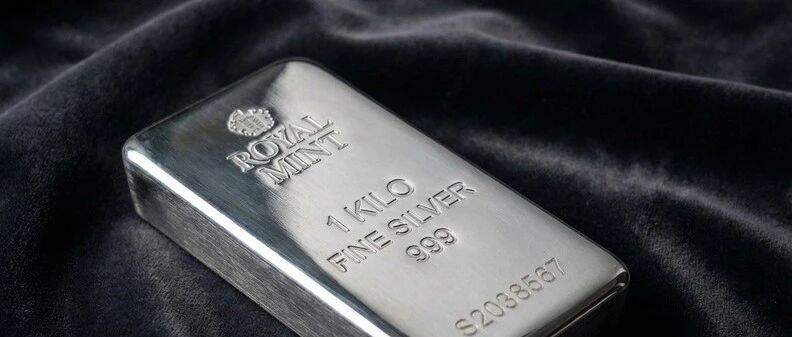
广发期货贵金属期现日报-20251230
Guang Fa Qi Huo· 2025-12-30 03:18
Report Summary 1) Report Industry Investment Rating No information provided on the report industry investment rating. 2) Core Views - Gold prices experienced a sharp decline in the short - term due to rapid capital outflows, and the market sentiment needs time to recover. It is recommended to wait and see. The market may focus on US economic data and Fed policies. Long - term investors can wait for the price to pull back to a reasonable level and the volatility to be relatively low before making allocations [1]. - Silver prices are expected to rise in the long term, and it is recommended to close positions or lock positions before the New Year's Day holiday and wait for the long - term allocation window [1]. - Platinum and palladium are fundamentally strong in terms of macro and supply - demand, and their prices are still undervalued compared to gold. They are expected to continue to rise in the medium - to - long - term. In the short - term, the domestic market has relatively high risks, and it is recommended to wait for the market to stabilize after the Spring Festival before making allocations [1]. 3) Summary by Relevant Contents Domestic Futures Closing Prices - AU2602 contract closed at 1007.18 yuan/gram on December 29, down 9.12 yuan (-0.90%) from December 26 [1]. - AG2602 contract closed at 18205 yuan/kilogram on December 29, down 114 yuan (-0.62%) from December 26 [1]. - PT2606 contract closed at 634.35 yuan/gram on December 29, down 70.95 yuan (-10.06%) from December 26; PD2606 contract closed at 494.10 yuan/gram, down 21.55 yuan (-4.18%) [1]. Foreign Futures Closing Prices - COMEX gold主力合约 closed at 4350.20 on December 29, down 211.80 (-4.64%) from December 26 [1]. - COMEX silver主力合约 closed at 71.64 on December 29, down 8.04 (-10.08%) from December 26 [1]. - NYMEX platinum主力合约 closed at 2138.90 dollars/ounce on December 29, down 375.00 (-14.92%) from December 26 [1]. - NYMEX palladium主力合约 closed at 1695.50 on December 29, down 365.00 (-17.71%) from December 26 [1]. Spot Prices - London gold was at 4331.96 on December 29, down 200.55 (-4.42%) from December 26 [1]. - London silver was at 72.13 dollars/ounce on December 29, down 7.20 (-9.08%) from December 26 [1]. - Spot platinum was at 2104.07 dollars/ounce on December 29, down 346.84 (-14.15%) from December 26 [1]. - Spot palladium was at 1630.47 on December 29, down 292.93 (-15.23%) from December 26 [1]. - Shanghai Gold Exchange's gold T + D was at 1004.94 yuan/gram on December 29, down 3.86 (-0.38%) from December 26 [1]. - Shanghai Gold Exchange's silver T + D was at 18797 yuan/kilogram on December 29, up 328 (1.78%) from December 26 [1]. - Shanghai Gold Exchange's platinum 9995 was at 637 yuan/gram on December 29, down 25 (-3.78%) from December 26 [1]. Basis - Gold TD - Shanghai gold主力: The current basis is -2.24, up 5.26 from the previous value, and the 1 - year historical quantile is 65.00% [1]. - Silver TD - Shanghai silver主力: The current basis is 595, up 442 from the previous value, and the 1 - year historical quantile is 99.50% [1]. - London gold - COMEX gold: The current basis is -18.24, up 11.25 from the previous value, and the 1 - year historical quantile is 44.20% [1]. - London silver - COMEX silver: The current basis is 0.49, up 0.83 from the previous value, and the 1 - year historical quantile is 96.60% [1]. Price Ratios - COMEX gold/silver ratio is 60.72, up 3.41 (6.05%) from the previous value [1]. - Shanghai Futures Exchange gold/silver ratio is 55.32, down 0.15 (-0.28%) from the previous value [1]. - NYMEX platinum/palladium ratio is 1.26, up 0.04 (3.40%) from the previous value [1]. - Guangzhou Futures Exchange platinum/palladium ratio is 1.28, down 0.08 (-6.14%) from the previous value [1]. Interest Rates and Exchange Rates - 10 - year US Treasury yield is 4.12%, down 0.02 (-0.5%) from the previous value [1]. - 2 - year US Treasury yield is 3.45%, down 0.01 (-0.3%) from the previous value [1]. - 10 - year TIPS Treasury yield is 1.90%, down 0.01 (-0.5%) from the previous value [1]. - US dollar index is 98.00, down 0.04 (-0.04%) from the previous value [1]. - Offshore RMB exchange rate is 6.9980, down 0.0062 (-0.09%) from the previous value [1]. Inventory and Positions - Shanghai Futures Exchange gold inventory is 97704, up 12 (0.01%) from the previous value [1]. - Shanghai Futures Exchange silver inventory is 796739 kilograms, down 22692 (-2.77%) from the previous value [1]. - COMEX gold inventory is 36223374, up 32119 (0.09%) from the previous value [1]. - COMEX silver inventory is 449127596, down 600134 (-0.13%) from the previous value [1]. - COMEX gold registered warrants are 19361515, unchanged from the previous value [1]. - COMEX silver registered warrants are 127624307, unchanged from the previous value [1]. - SPDR gold ETF position is 1072, up 0.86 (0.08%) from the previous value []. - SLV silver ETF position is 16306, down 84.60 (-0.52%) from the previous value [1].